
Choosing a gearbox isn’t the problem. Choosing the right gearbox — one that matches your torque envelope, fits your mounting constraints, and holds up through the duty cycle your application actually demands — that’s where engineers spend real time.
The transmission planetary gearbox sits at the intersection of most of those requirements. High torque density. Compact footprint. Coaxial input-output geometry. It’s not universally the correct answer, but for a wide range of industrial drive systems, it’s the one that makes the most sense once you work through the numbers.
This guide is for the engineer or procurement lead who already knows what a planetary gearbox is and needs to make a decision. We’ll cover how planetary gearbox transmission characteristics affect system selection, where the design fits and where it doesn’t, and what to look for in a supplier when precision actually matters.
Transmission Planetary Gearbox — Where It Fits in a Drive System
A transmission system moves power from a prime mover — usually an electric motor — to a load. The gearbox sits in between, adjusting speed and torque to match what the load needs. Simple in principle. The complexity is in how that adjustment happens.
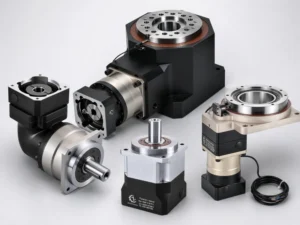
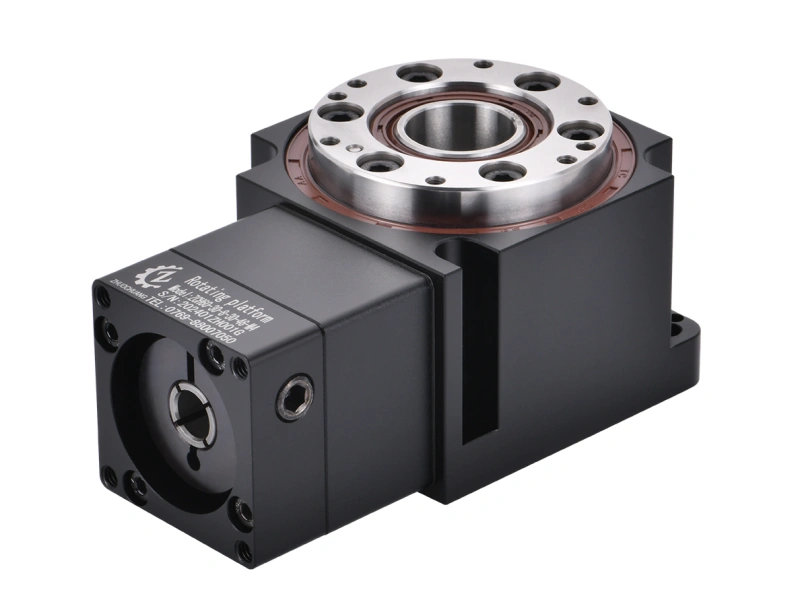
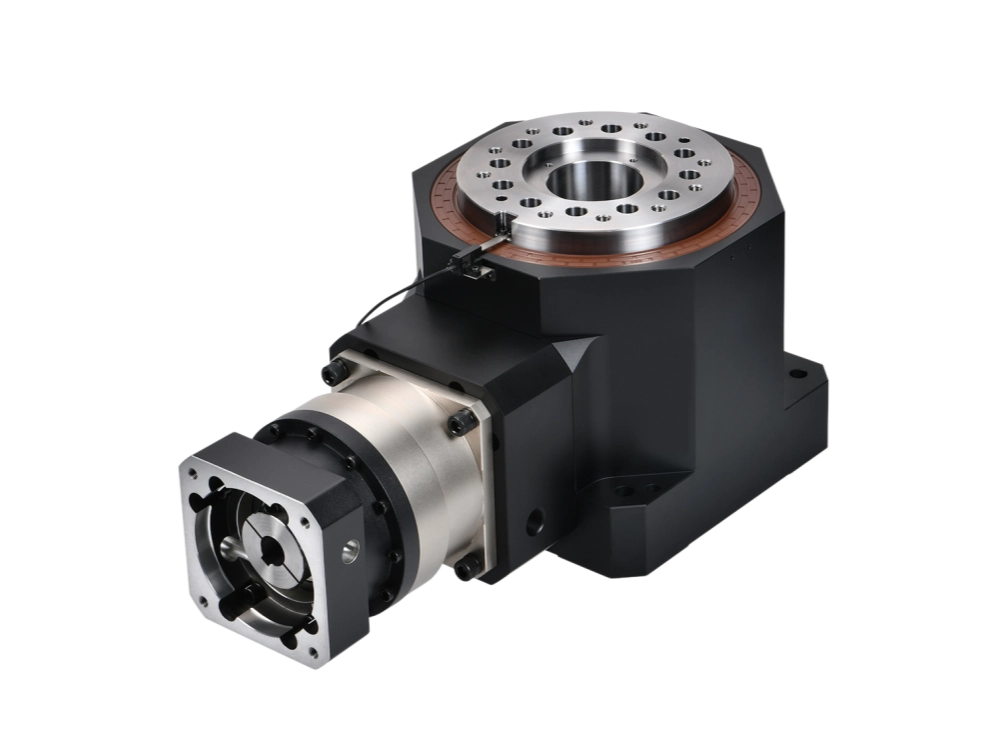
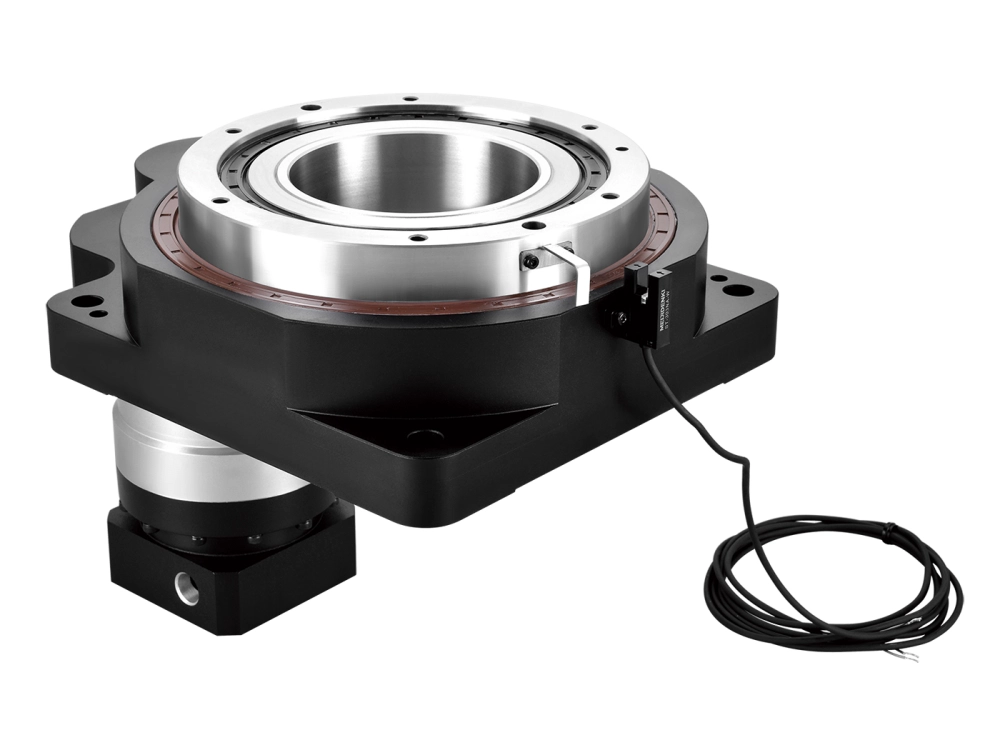
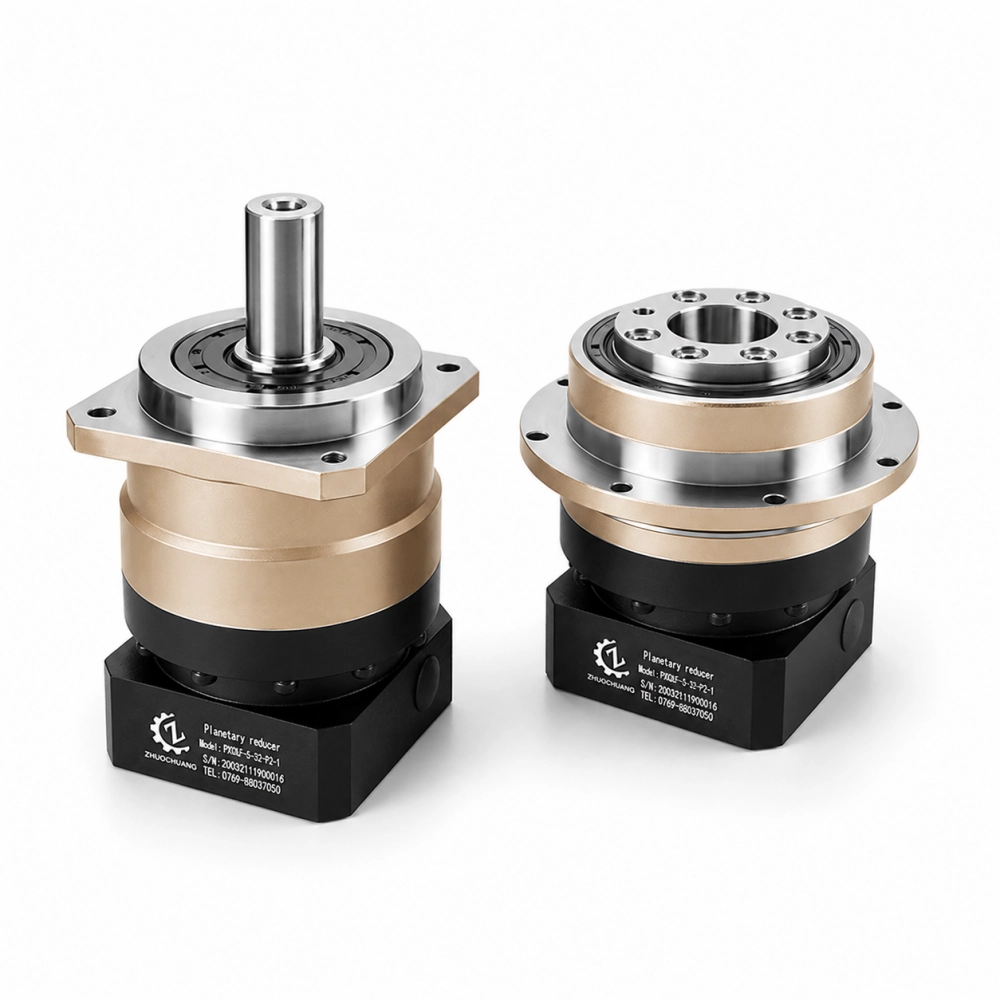
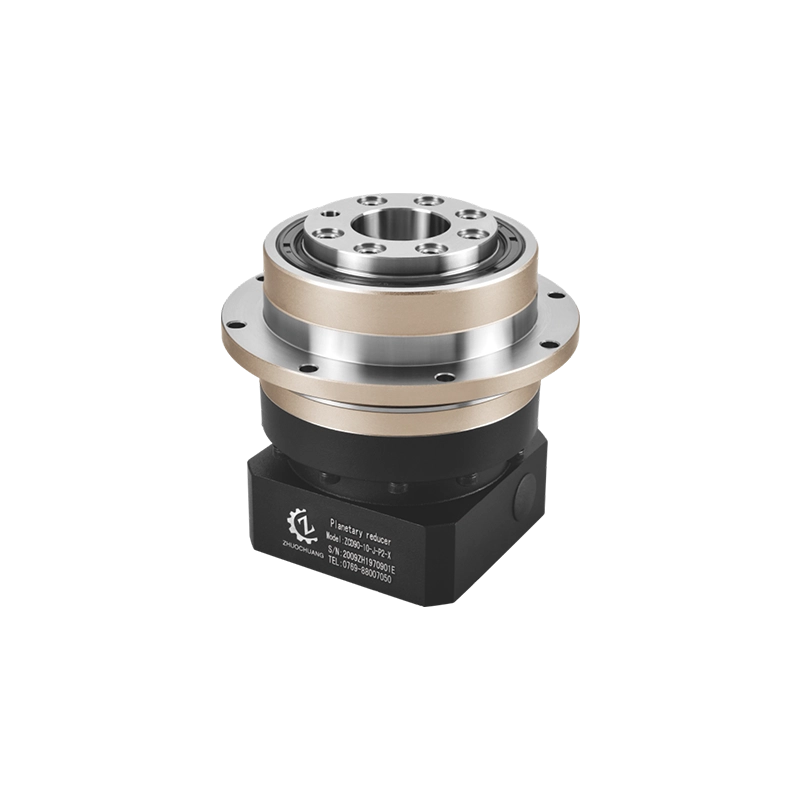
A transmission planetary gearbox handles this through internal gear multiplication: multiple planet gears sharing load simultaneously around a central sun gear, all contained within a ring gear that defines the outer boundary of the assembly. The result is a unit that delivers high output torque relative to its diameter, with input and output shafts on the same centerline.
That coaxial geometry is significant. In most transmission layouts — conveyors, robot joints, AGV wheel drives, rotary indexing tables — the ability to mount the gearbox inline with the motor and load shaft simplifies the mechanical design considerably. You’re not designing around an offset output. The assembly is cleaner, shorter, and easier to align.
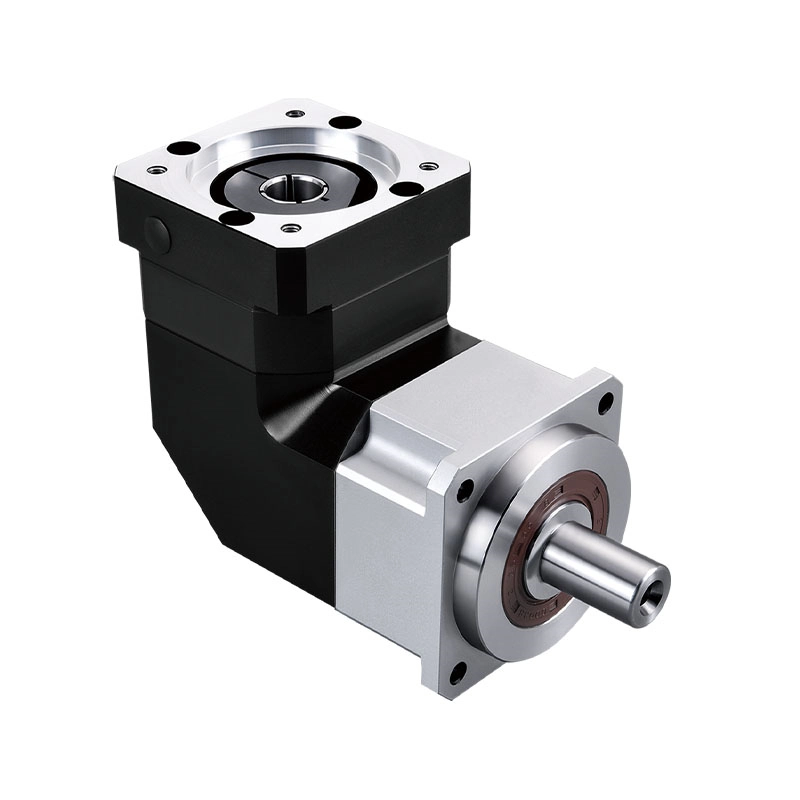
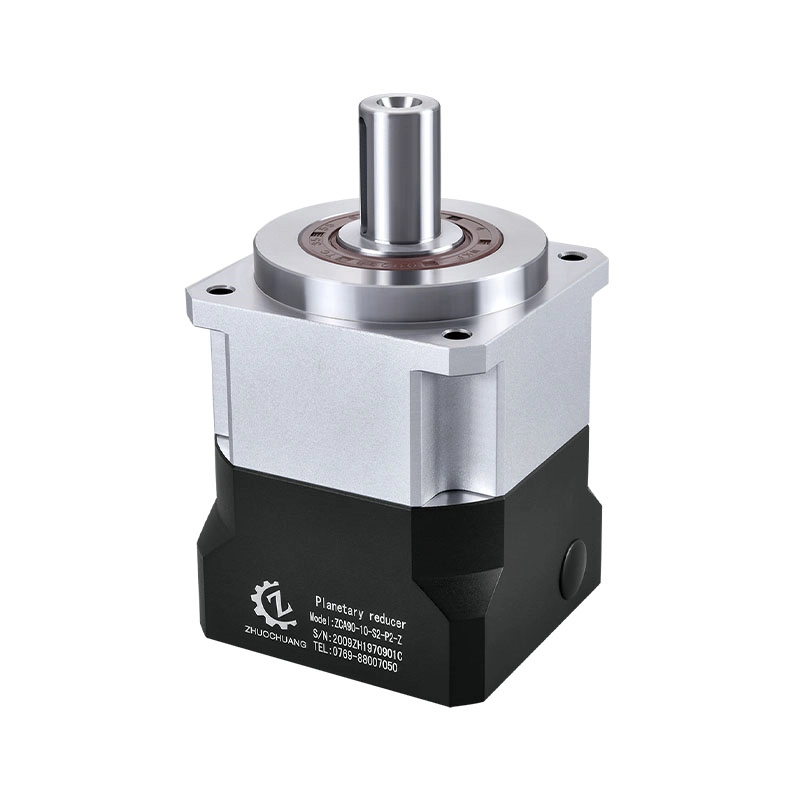
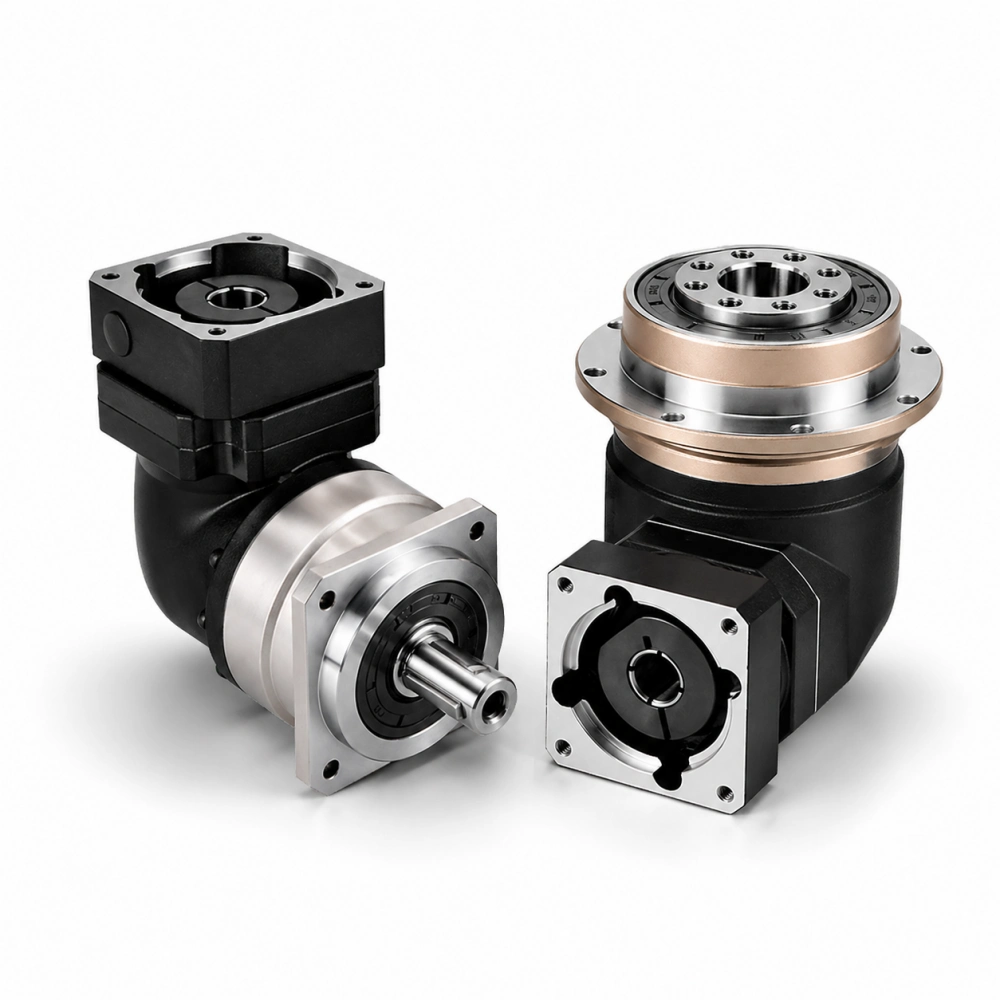
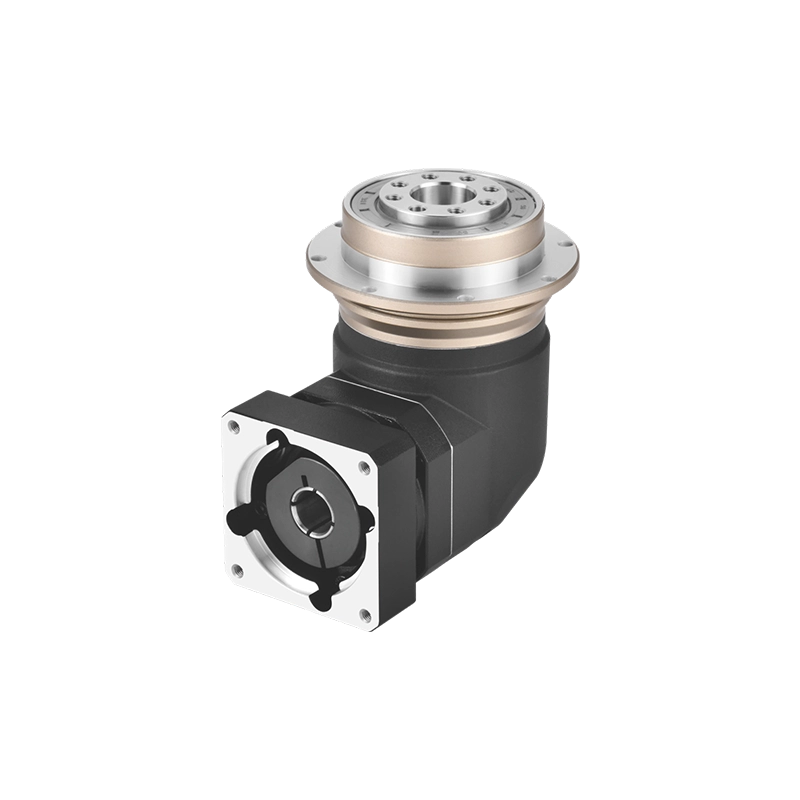
Compare this to a right-angle bevel gearbox, which redirects the drive axis, or a parallel-shaft helical unit, which offsets it. Both have their place. But when the drive train runs straight and space is limited, the planetary transmission gearbox wins on layout alone — before you even consider the torque-to-size ratio.
Planetary Gearbox Transmission Characteristics You Need to Understand
Before selecting a unit, there are six transmission characteristics that define whether a planetary gearbox fits your application. Get these right and the selection follows naturally.
1. Gear Ratio Single-stage planetary units cover roughly 3:1 to 10:1. For higher reductions, stages are stacked. A two-stage unit extends the range to around 100:1; three-stage units go higher. The ratio determines output speed and, inversely, output torque. Define your required output speed from motor RPM first — the ratio requirement falls out of that calculation.
2. Rated Output Torque This is the continuous torque the gearbox can sustain across its rated service life, typically expressed in Nm. Running a gearbox at or near its rated limit continuously shortens service life. For most industrial applications, select a unit rated at 25–30% above your expected continuous load.
3. Peak Torque Acceleration loads and shock events produce torque spikes well above the continuous value. Most planetary gearboxes are rated for peak torque at 2–3× the rated continuous value, but the allowable duration matters. A 300 Nm rated unit might tolerate 750 Nm peaks for 1,000 cycles — but if your application produces peaks every 10 seconds, that’s a different calculation.
4. Backlash Backlash is the rotational play between input and output when direction reverses. For conveying and hoisting, 15–25 arcminutes is usually acceptable. For servo-driven positioning — CNC, robotics, automated assembly — you need precision grades at 3–8 arcminutes, sometimes lower. Backlash cannot be adjusted out in the field; it’s determined by manufacturing tolerances and must be specified upfront.
5. Torsional Stiffness Stiffness under torque load affects dynamic response. In servo applications with rapid direction changes or velocity control loops, a gearbox with low torsional stiffness introduces lag and oscillation that the control system has to compensate for. Higher stiffness numbers are better for precision applications.
6. Efficiency A single precision planetary stage typically runs at 97–99% efficiency. For multi-stage units, efficiency compounds: a two-stage unit at 98% per stage delivers approximately 96% overall. This matters for thermal management and motor sizing — particularly in high-duty-cycle applications where heat accumulation is a real concern.
Transmission Planetary Gearbox vs. Other Gearbox Types
The transmission planetary gearbox isn’t the only option, and a good selection process considers the alternatives honestly.
Planetary vs. Helical Parallel-Shaft Helical gearboxes are cost-effective, widely available, and straightforward to maintain. Where they lose to planetary designs is torque density: to match the output torque of a compact planetary unit, a helical gearbox requires a significantly larger housing. If space is constrained and torque is high, planetary wins. If space is available and cost is the primary driver, helical is worth considering.
Planetary vs. Harmonic Drive Harmonic drives offer zero-backlash performance and very high ratios in a single stage, making them popular in precision robotics. The tradeoff is lower torsional stiffness, limited torque capacity at smaller sizes, and higher unit cost. For applications that need both precision and torque — not just low backlash — a well-built precision planetary gearbox often outperforms a harmonic drive at a lower cost per Nm of output torque.
Planetary vs. Cycloidal Cycloidal reducers handle shock loads exceptionally well and offer high ratios in single stages. They’re bulkier and more expensive than equivalent planetary units for most standard applications. Where shock tolerance is the dominant requirement, cycloidal is worth evaluating. For normal industrial transmission duty, planetary gearboxes offer better value.
The honest answer: planetary gearbox transmission designs dominate precision servo applications because they balance backlash performance, torque capacity, stiffness, and cost better than any single alternative across a broad range of operating conditions.
Automatic Transmission Planetary Gearbox — What Industrial Applications Learn from Automotive
Most engineers who’ve studied mechanical systems have encountered the automatic transmission planetary gearbox in an automotive context — the classic example where multiple planetary stages, selectively engaged by clutches and brakes, produce a variable gear ratio from a single compact housing.
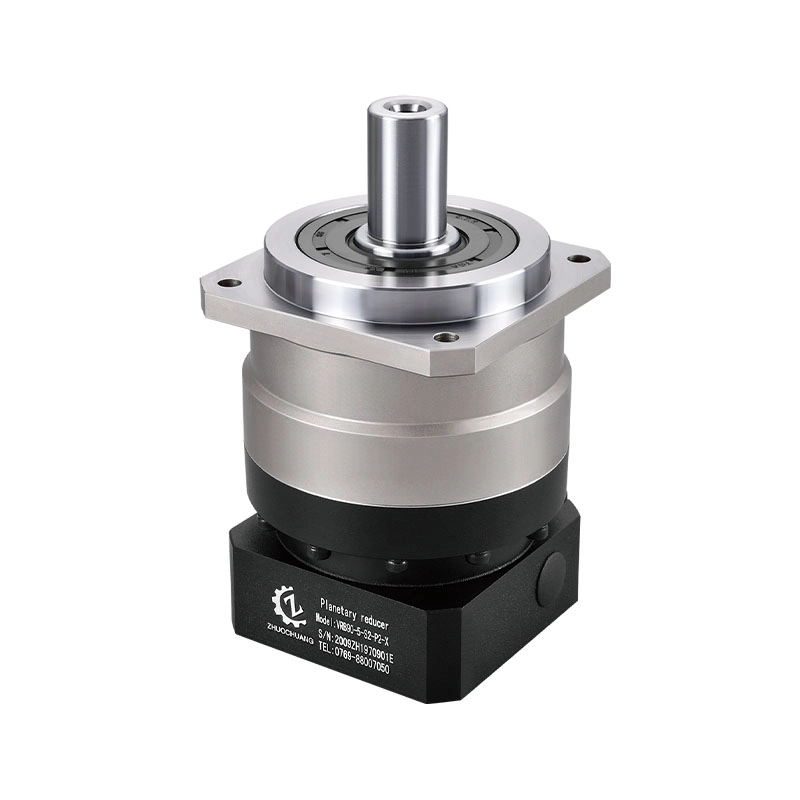
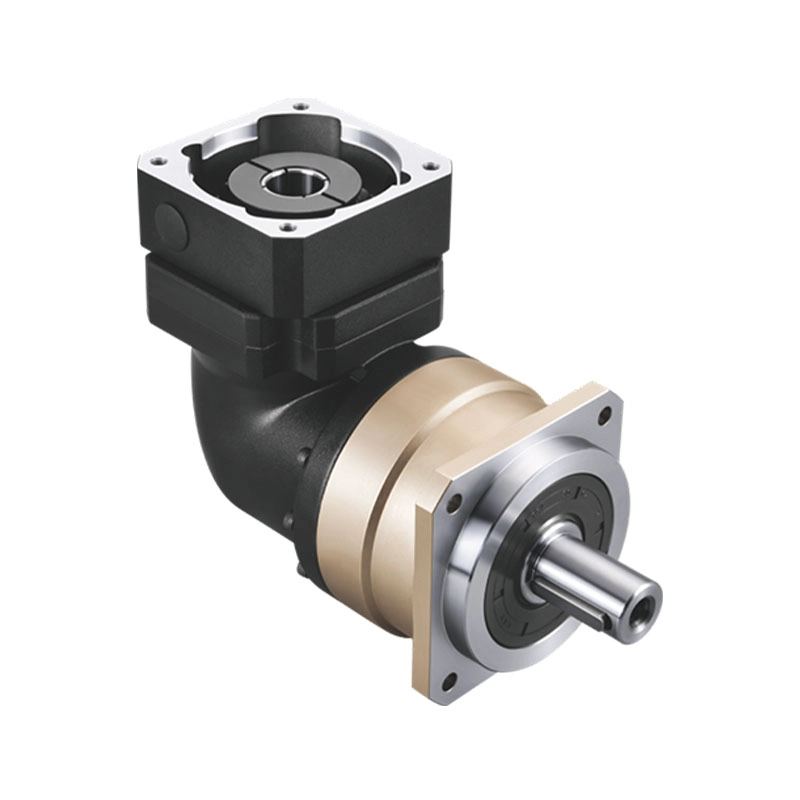
Industrial planetary gearboxes don’t shift ratios in operation. But the automotive application illustrates something worth carrying into industrial selection: the planetary arrangement was chosen for automatic transmissions precisely because it handles ratio changes smoothly under load, because multiple gear sets can be nested concentrically in a short axial length, and because the load-sharing geometry keeps peak tooth stresses manageable.
Those same properties make the industrial transmission planetary gearbox suitable for applications with variable loading, frequent direction changes, and demanding duty cycles — not because it shifts ratios, but because it handles load variation and reversals better than simpler gear arrangements.
What to Check Before You Order
A gearbox datasheet tells you what a unit is rated for. It doesn’t always tell you whether it will actually perform to those ratings in your application, or whether the manufacturing quality supports the published specifications.
Here’s what’s worth verifying before committing to a supplier:
Backlash measurement method: Is the published backlash figure measured at the output flange under defined preload, or is it a nominal design value? Measured values from actual production units are what matter.
Gear tooth manufacturing process: Ground teeth hold tighter tolerances than hobbed or shaved teeth. For precision grades, ask specifically whether teeth are ground or finished by another method.
Bearing type and preload: The planet carrier bearing arrangement determines how well the gearbox handles radial and axial loads. A supplier who can describe their preload method and bearing selection criteria is one who understands the product.
Thermal rating: High-duty-cycle applications generate heat. Check whether the rated torque figure has a thermal derating factor, and at what ambient temperature and duty cycle that rating applies.
Input adapter compatibility: Servo motor flanges vary by frame size and standard. Confirm that the input adapter for your motor series is available and what the shaft connection type is — clamping hub, key, or shrink disc.
Documentation and testing: For precision applications, request backlash and no-load running torque test data from the production unit before shipment. Suppliers who build to a quality standard can provide this. Those who can’t, usually don’t.
Why Precision Matters More Than Price
In industrial drive system selection, the purchase price of a gearbox is often a small fraction of the total cost of ownership. A unit that fails prematurely, requires recalibration due to backlash growth, or limits machine throughput because of poor dynamic response generates costs that dwarf the original saving.
Precision planetary gearboxes cost more because manufacturing them to tight tolerances costs more. Ground gear teeth, controlled bearing preload, precision-machined carriers — these aren’t premium marketing. They’re the physical reasons why one unit holds 3 arcminutes of backlash through its service life while another drifts to 15.
At Zhuochuang, our transmission planetary gearboxes are built for applications where that difference is visible in the machine’s output. We supply units for servo-driven multi-axis systems, precision assembly equipment, and automated handling where the gearbox is a critical component — not a commodity.
If you’re working through a transmission system specification and want to talk through the fit, we’re glad to have that conversation directly.
Company Name: Dongguan Zhuochuang Precision Machinery Co., Ltd.
Website: planetdrivepro.com Email: info@planetdrivepro.com