
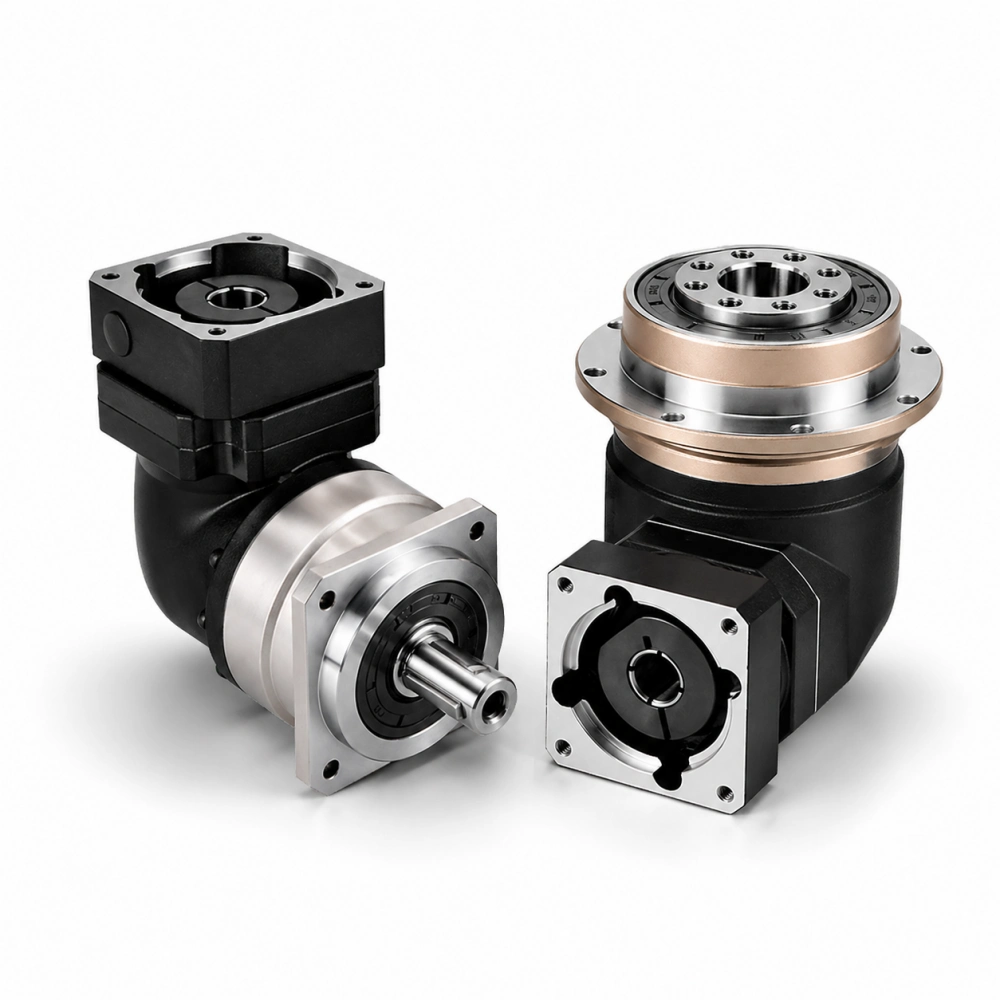
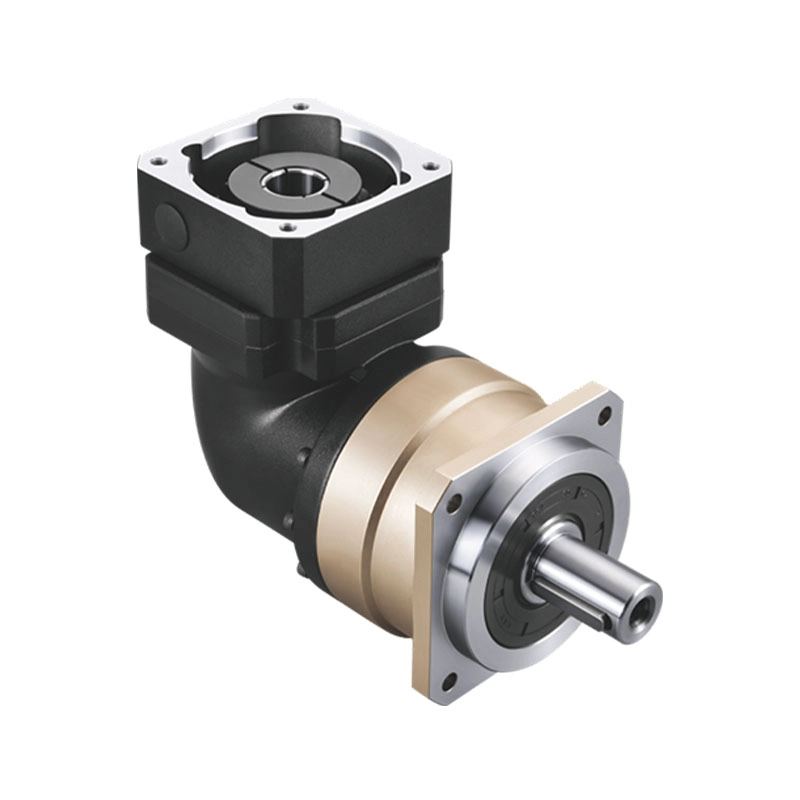
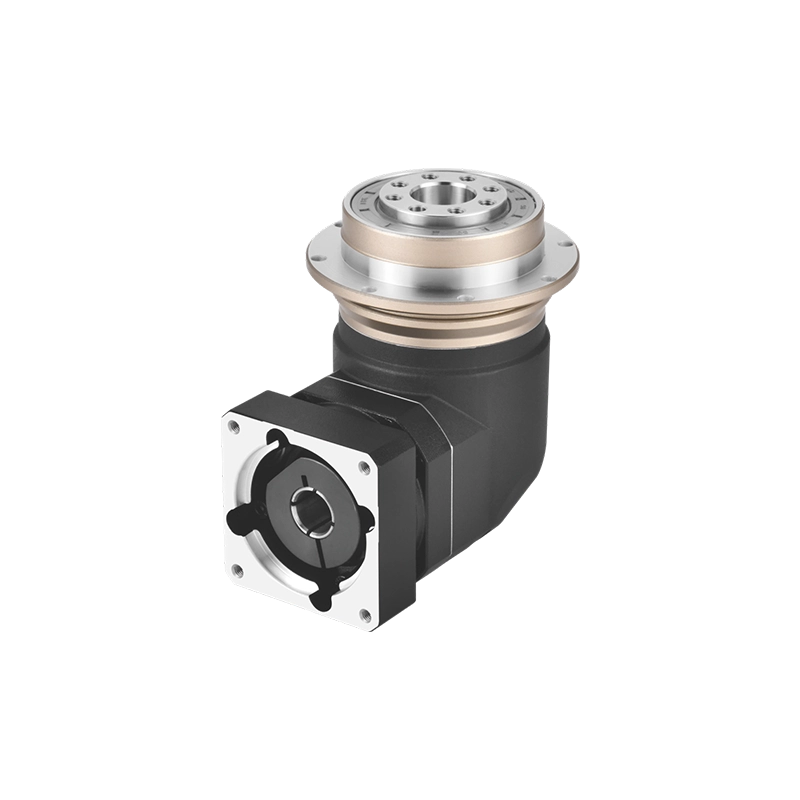
Inline Planetary Gearbox Solutions
An inline planetary gearbox combines coaxial input and output, high torque density, compact dimensions, and controlled backlash in one efficient transmission unit. It is an effective choice when a servo motor must reduce speed, multiply torque, and maintain accurate motion without changing the drive direction.
Zhuochuang supplies VRB and ZCD inline planetary gearboxes for CNC machinery, robotics, packaging equipment, assembly systems, inspection machines, linear modules, and other industrial automation applications. This page explains how an inline planetary gear reducer works, where it adds value, and how to choose between our available series.
Request a Quote Compare Series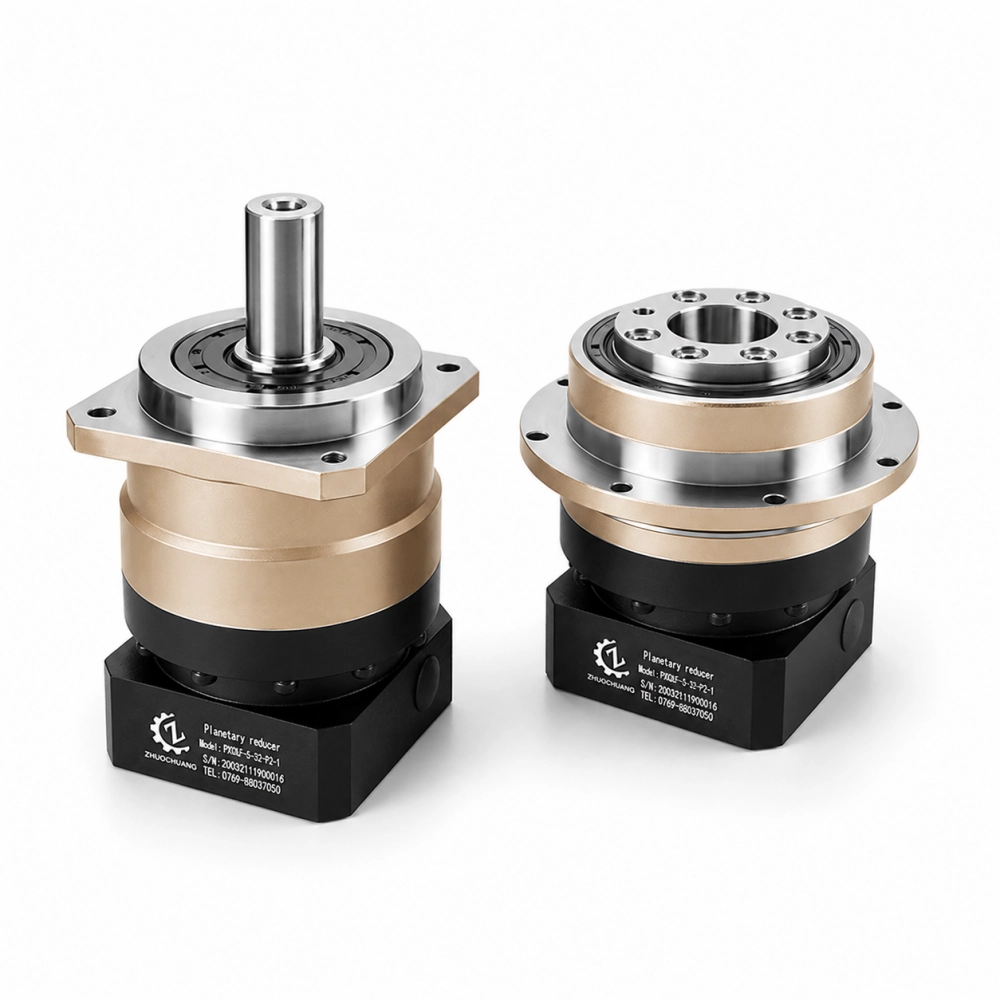
What Is an Inline Planetary Gearbox?
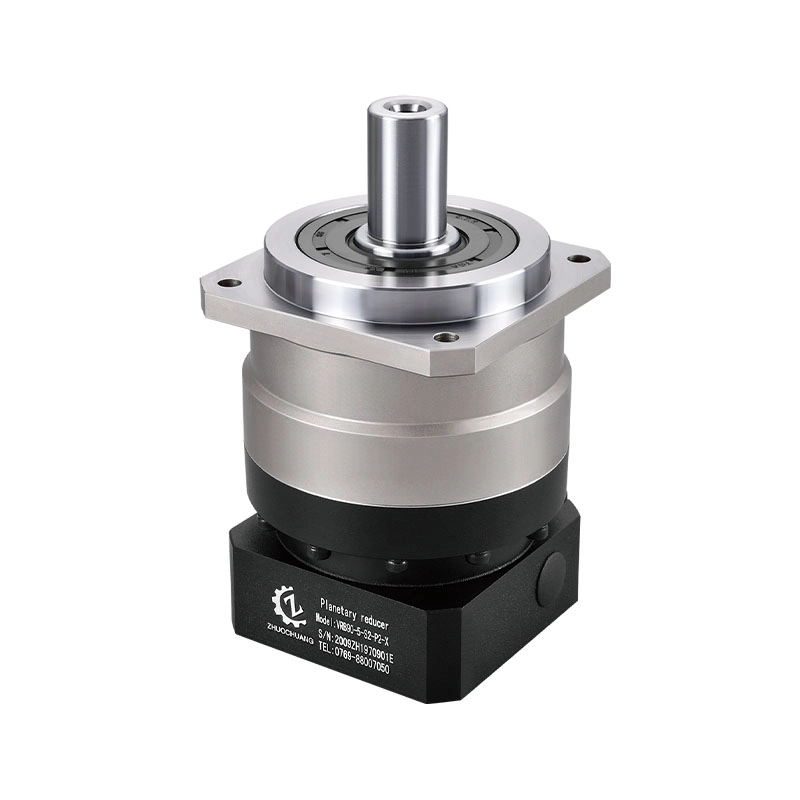
An inline planetary gearbox is a speed-reduction device in which the motor input shaft and gearbox output shaft share the same centerline. For this reason, it is also described as a coaxial planetary gearbox, inline planetary gearhead, or inline planetary gear reducer. Unlike a right-angle unit, it transfers power straight through the drive train without turning the motion through 90 degrees.
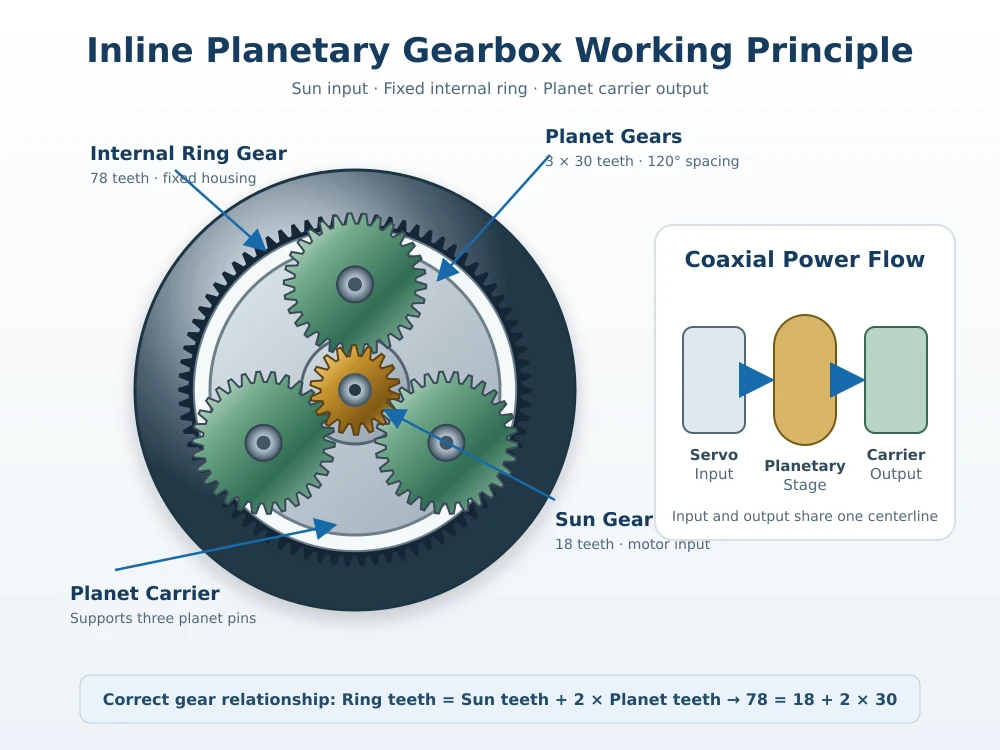
Inside the housing, several planet gears rotate around a central sun gear while engaging with an internal ring gear. The load is distributed across multiple gear contacts instead of passing through a single gear pair. This arrangement allows an inline speed reducer gearbox to transmit substantial torque in a relatively small diameter while maintaining good rigidity and transmission efficiency.
In a servo system, the gearbox reduces motor speed by the selected ratio and increases available output torque. It also changes the reflected load inertia seen by the motor, which can help the servo accelerate, decelerate, and position the driven mechanism more effectively. The result is not simply slower rotation: a correctly selected inline reducer can improve control stability, machine responsiveness, and usable motor performance.
Inline gearboxes are especially practical when the machine layout already has enough axial space for the motor and reducer to sit in a straight line. Their familiar mounting arrangement simplifies integration with couplings, pulleys, ball screws, pinions, rotary fixtures, and other driven components.
Structure and Working Principle
The performance of an inline planetary gearbox comes from the interaction of its gears, bearings, carrier, housing, and motor interface. Understanding these elements helps engineers evaluate torque capacity, backlash, stiffness, service life, and installation requirements rather than choosing an inline gearbox only by its external size.
Sun Gear
The sun gear is located at the center of the planetary set and normally receives rotation from the motor-side input. Its geometry and material quality influence load transfer, noise, wear, and operating consistency.
Planet Gears
Multiple planet gears rotate around the sun gear and share the transmitted load. This distributed engagement is a major reason a compact inline gearbox can provide high torque density.
Ring Gear
The internally toothed ring gear surrounds the planet gears. Precise engagement among the sun, planet, and ring gears supports smooth planetary gear reduction and controlled rotational clearance.
Planet Carrier
The carrier holds the planet gears in position and transfers their combined motion toward the output. Carrier rigidity matters when the drive experiences repeated acceleration, reversal, or shock loading.
Input Interface
The motor adapter, input bore, clamping connection, pilot, and mounting holes must match the selected servo motor. Accurate alignment protects bearings and reduces avoidable vibration.
Output and Bearings
The output shaft or output connection delivers torque to the machine. Supporting bearings resist external radial and axial forces within the allowable limits of the selected model.
How speed reduction produces usable torque
If a motor runs at 3,000 rpm and drives a 10:1 inline planetary gear reducer, the theoretical output speed is approximately 300 rpm before normal operating effects are considered. Output torque increases in relation to the ratio and gearbox efficiency, but the final selection must still account for rated torque, peak torque, acceleration torque, duty cycle, and service factor. A higher ratio is not automatically better: it also changes speed, reflected inertia, stage count, dimensions, and efficiency.
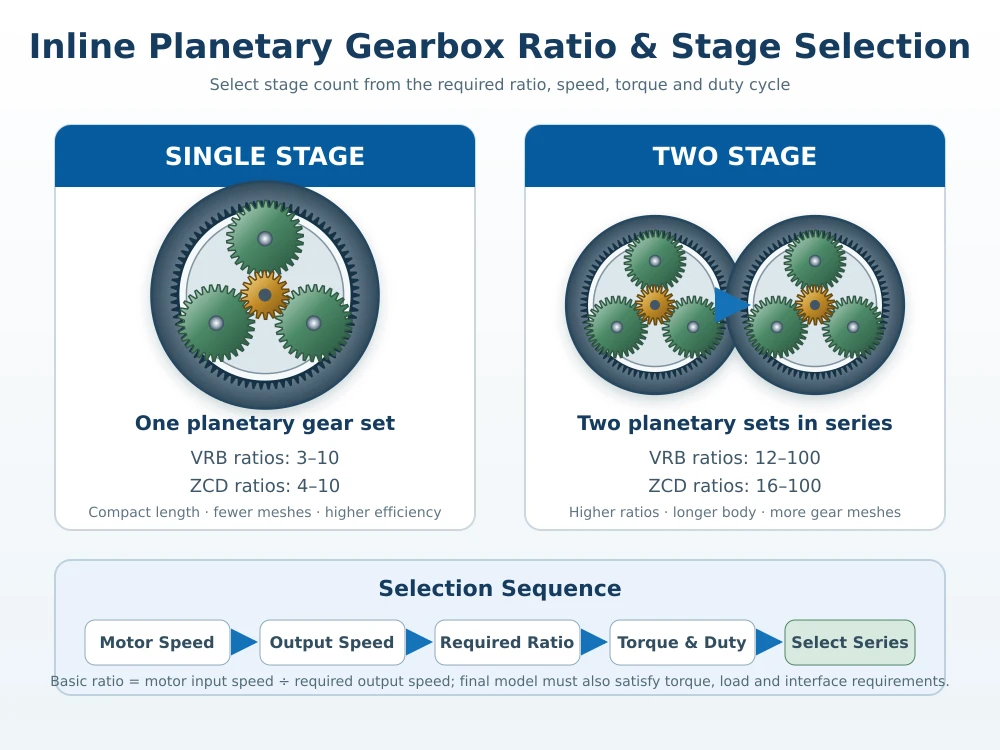
Single-stage and two-stage planetary arrangements provide different ratio ranges. A single-stage inline planetary gearbox is generally shorter and more efficient, while a two-stage design provides a higher total reduction ratio. The appropriate structure depends on the required output speed and torque rather than on ratio alone.
VRB and ZCD Inline Planetary Gearbox Series
Zhuochuang offers two inline planetary gearbox families on this category page. Both use a coaxial drive arrangement and can be matched to servo motors, but their model ranges and application priorities differ. Use the summary below for initial comparison, then open the dedicated product page for complete ratios, torque data, backlash, allowable loads, dimensions, and ordering codes.
VRB Series
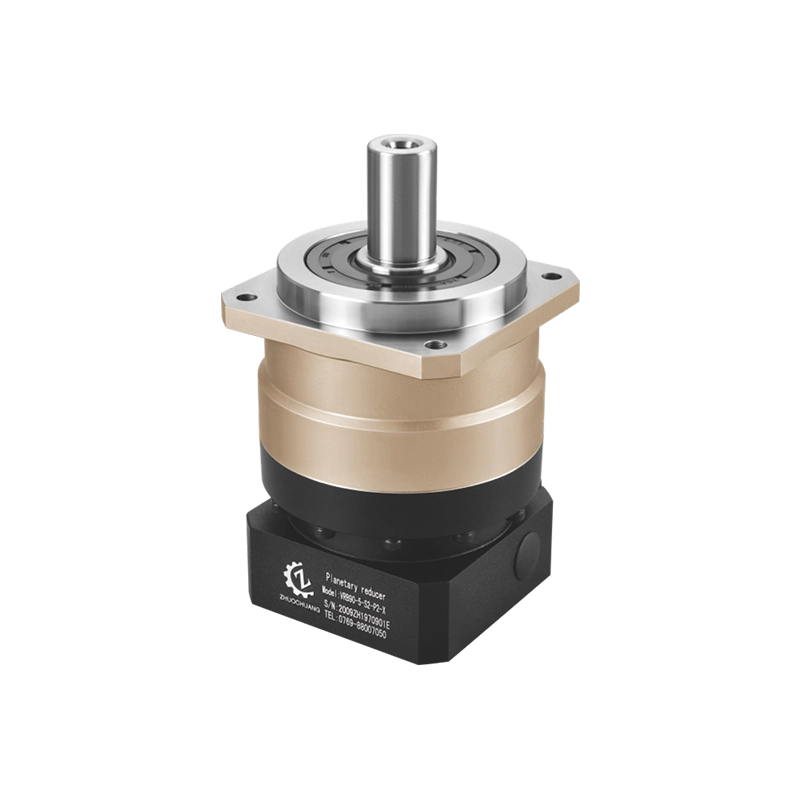
The VRB Series is positioned as a precision inline planetary gearbox for compact servo transmission and controlled motion. Its shaft-output configuration is suitable for CNC feed systems, robotics, linear modules, indexing mechanisms, and general automation where low backlash, torsional rigidity, and repeatable positioning matter.
Available VRB frame sizes provide options for different motor powers, torque requirements, installation envelopes, and driven shaft dimensions. The dedicated page includes motor-interface details, ratios, performance data, operating-condition factors, inertia values, and outline drawings.
Explore the VRB Precision Inline Planetary Gearbox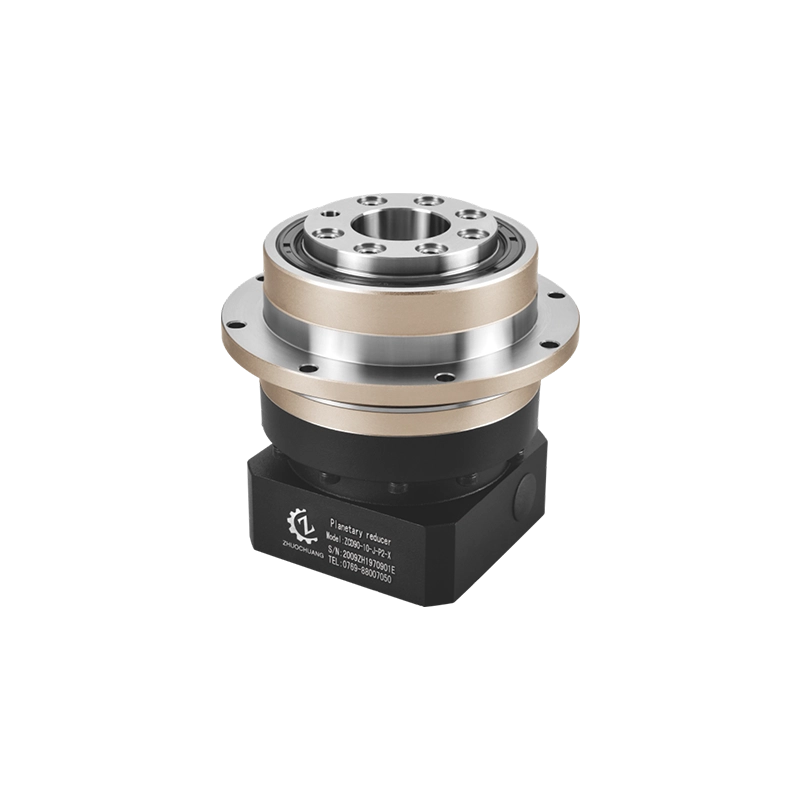
ZCD Series
The ZCD Series covers a broad range of frame sizes for servo-driven industrial equipment. It is intended for applications that need reliable inline gear reduction, stable torque output, multiple ratio choices, and models capable of supporting larger loads and higher torque requirements.
ZCD selection should consider motor power, load inertia, operating hours, starts per hour, radial and axial forces, ratio, and installation space. Its dedicated page provides model-specific torque, speed, backlash, rigidity, load, inertia, and dimensional information.
Explore the ZCD High-Torque Inline Planetary Gearbox| Selection Point | VRB Series | ZCD Series |
|---|---|---|
| Primary positioning | Precision servo motion, compact transmission, and controlled backlash | Broad industrial range, stable torque, and higher-load model coverage |
| Typical decision factors | Backlash, positioning, inertia, output shaft, and compact mounting | Torque, load, frame size, duty cycle, and operating conditions |
| Typical equipment | CNC axes, robotics, linear modules, inspection and positioning units | Automation lines, packaging machinery, transfer equipment and industrial drives |
| Next step | Check the VRB technical table and motor interface | Check the ZCD torque range, service factor and dimensions |
Functions and Benefits of Inline Gearboxes
Coaxial Drive Layout
Input and output share one axis, making the drive easy to integrate into straight machine layouts and existing servo assemblies.
Compact Torque Density
Multiple planet gears share the load, allowing useful torque capacity within a compact inline planetary gearbox envelope.
Controlled Backlash
Appropriate gear precision and assembly control support repeatable positioning in reversing and indexing applications.
Torsional Rigidity
Gear and carrier stiffness help the system respond predictably during acceleration, stopping, and direction changes.
Servo Motor Matching
The inline motor gearbox interface can be configured around common servo shaft, pilot, flange, and mounting dimensions.
Efficient Gear Reduction
Planetary engagement supports efficient speed reduction and torque transfer when ratio, lubrication, and load are correctly selected.
Flexible Installation
Inline planetary gearboxes can support many mounting orientations, subject to the requirements of the selected model and machine.
Long-Term Reliability
Correct sizing prevents continuous overload and helps protect gears, bearings, motor performance, and machine availability.
Backlash, accuracy, and repeatability are different
Backlash is the rotational clearance measured at the output when the direction of torque changes. Lower backlash can support more accurate reversal, but total machine accuracy also depends on motor feedback, controller tuning, coupling stiffness, screw or belt transmission, frame rigidity, temperature, assembly alignment, and load behavior. Repeatability describes how consistently the system returns to a commanded position. An inline planetary gearhead should therefore be evaluated as one part of the complete motion system.
Rated torque is more important than an isolated maximum value
Maximum or emergency torque is normally available only under defined short-duration conditions. Continuous selection should be based on rated output torque, acceleration torque, load spectrum, operating hours, and starts per hour. Choosing an inline speed reducer only from a peak number can cause excess heat, noise, wear, or premature bearing and gear damage.
Servo Motor and Inline Gearbox Matching
A mechanically compatible flange does not guarantee a correctly sized drive. Reliable matching begins with the servo motor model and the actual load calculation. The motor shaft diameter, shaft length, pilot diameter, mounting hole pitch, flange size, and fastener dimensions must match the gearbox input adapter. The output side must then fit the driven coupling, pulley, pinion, ball screw, or fixture.
Dynamic matching is equally important. The selected inline planetary gear reducer should keep rated and acceleration torque within safe limits while helping the motor manage reflected load inertia. Very aggressive acceleration, frequent reversals, vertical loads, and high starts-per-hour can require a larger frame or a different ratio even when average torque appears low.
Send the complete motor nameplate or datasheet whenever possible. A model number is usually more useful than motor power alone because two motors with the same wattage may have different shaft and flange dimensions. For retrofit work, provide photos and measured dimensions of the existing motor and gearbox interface as well as the current reduction ratio.
Typical Inline Planetary Gearbox Applications
Inline planetary gearboxes are used where a machine needs coaxial power transmission, reduced speed, increased output torque, and predictable servo motion. The correct series depends on what the reducer actually drives and how the load changes through each machine cycle.
CNC Machines
An inline gearbox can drive feed axes, tool changers, rotary fixtures, auxiliary positioning units, and other CNC mechanisms. Selection should consider reversal, cutting-related shock, axis inertia, positioning requirements, and coupling or screw loads.
View CNC ApplicationsRobotics
Robot arms, grippers, linear modules, end effectors, and positioning systems use planetary gear reduction to balance motor speed, output torque, responsiveness, and compact installation.
View Robotics ApplicationsPackaging Machinery
Feeding, labeling, sealing, cutting, indexing, and synchronized conveyor modules often require repeated starts and accurate timing. Duty cycle and cycle frequency are important selection inputs.
View Packaging ApplicationsAssembly Automation
Pick-and-place units, screwdriving modules, component feeders, transfer systems, and indexing mechanisms benefit from compact inline gearboxes matched to their acceleration and payload.
View Automation ApplicationsInspection Equipment
Vision inspection stages, scanning units, test fixtures, and measuring systems may require smooth low-speed motion and repeatable positioning with limited disturbance at the load.
Linear Motion Modules
A servo and inline planetary gearhead can drive a ball screw, rack-and-pinion axis, timing belt, or other linear transmission. External radial load and reflected inertia must be checked.
Material Handling
Conveyors, transfer modules, lifting mechanisms, and sorting systems use inline speed reducers to adapt motor speed to the required movement while providing starting torque.
Printing and Labeling
Rollers, registration axes, feeders, and web-handling mechanisms require stable transmission and synchronization. Ratio, backlash, and load variation affect final drive quality.
Inline vs Right Angle Planetary Gearbox
An inline planetary gearbox is normally preferred when the motor and driven mechanism can be arranged on the same axis. It creates a simple power path and is straightforward to connect to a shaft, coupling, ball screw, pulley, or pinion. This layout is common in CNC axes, linear modules, conveyors, and automation equipment with sufficient axial installation space.
A right angle planetary gearbox changes the direction between input and output by 90 degrees. It can shorten the axial envelope of the drive assembly, move the motor away from the machine axis, or fit the motor into an otherwise unused space. The choice is primarily an installation and load-layout decision; neither configuration is universally better.
Before changing from inline to right angle, check the complete envelope, output direction, motor position, cable routing, lubrication requirements, external forces, and required ratio. Compare the specifications of the actual models rather than assuming that two gearboxes with the same frame number have identical torque or load ratings.
Compare Right Angle Planetary GearboxesHow to Select an Inline Planetary Gearbox
Good selection starts with the machine, not with a catalogue frame size. Use the following process to narrow the available inline planetary gearboxes and then confirm the final configuration with complete motor and application data.
Define output speed and reduction ratio
Calculate the approximate ratio from motor speed divided by required output speed. Check whether a single-stage or two-stage ratio is more appropriate and confirm that the resulting maximum output speed is acceptable.
Calculate continuous and acceleration torque
Include the driven load, friction, external forces, acceleration time, transmission efficiency, and safety factor. Compare calculated values with rated torque rather than relying only on maximum torque.
Evaluate load inertia and motion profile
Record acceleration, deceleration, reversal, emergency stopping, cycle time, dwell time, and starts per hour. The ratio changes the inertia reflected to the motor and can influence servo tuning.
Confirm backlash and rigidity requirements
Select an appropriate precision level for the machine. Avoid specifying lower backlash than the application needs if other components dominate total positioning error.
Check radial and axial loads
Pulleys, belts, gears, pinions, and overhung couplings can place external forces on the output bearings. Calculate both magnitude and load position, then compare them with the model limits.
Match the servo motor interface
Confirm motor shaft, pilot, flange, mounting holes, screw size, power, speed, and inertia. Provide a motor drawing or datasheet to reduce interface errors.
Review duty cycle and environment
Consider operating hours, ambient temperature, dust, moisture, washdown, vibration, mounting orientation, maintenance access, and any special protection requirements.
Verify installation dimensions
Check total length, housing width, input adapter, output shaft, bolt pattern, coupling space, cable clearance, and access for assembly before approving the final inline reducer.
Inline Planetary Gearbox Manufacturer in Dongguan, China
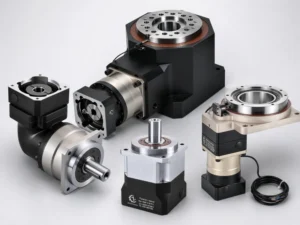
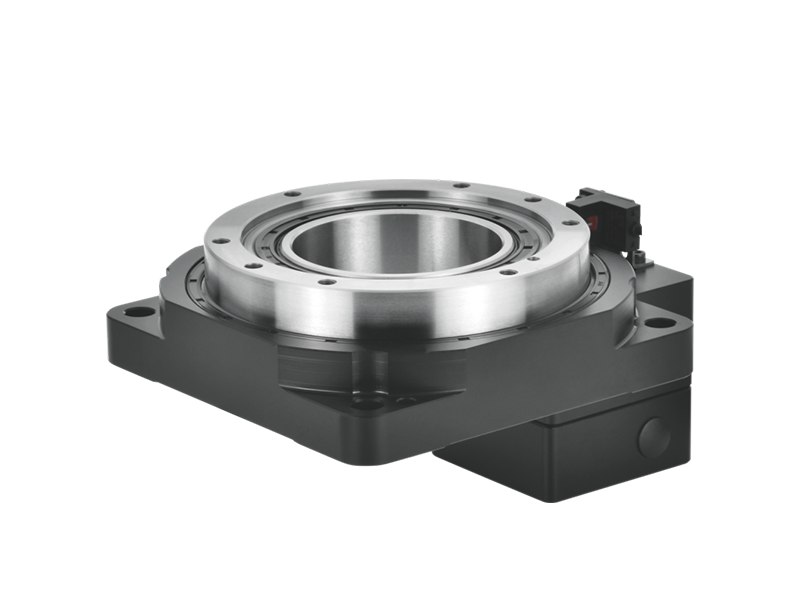
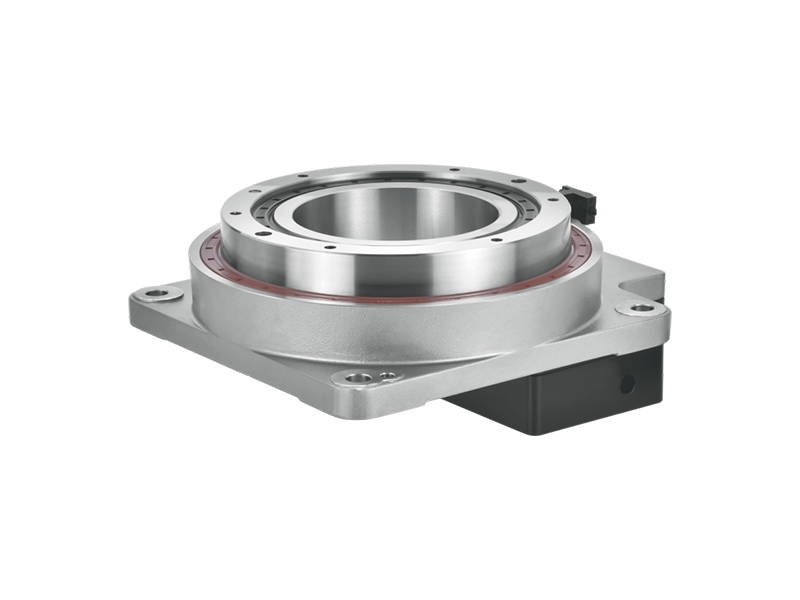
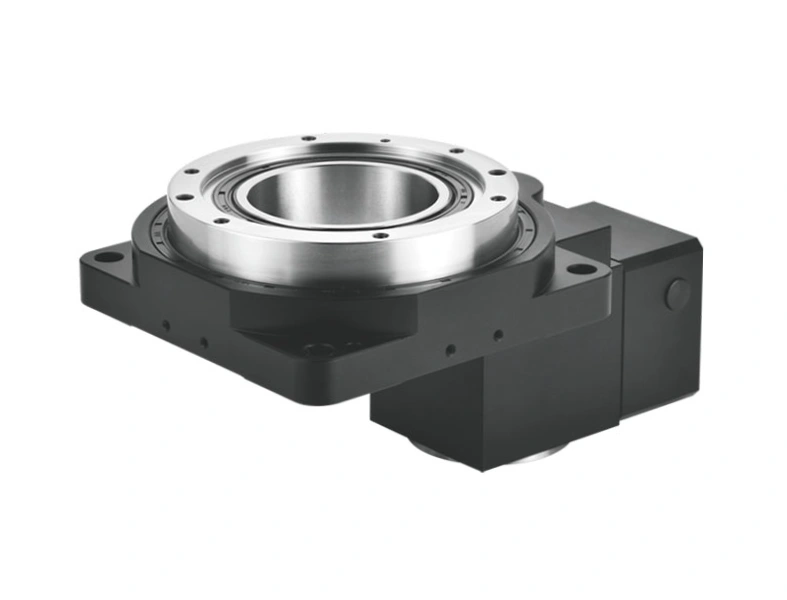
PlanetDrivePro is the official website of Dongguan Zhuochuang Precision Machinery Co., Ltd. We manufacture precision planetary gearboxes, hollow rotary tables, and motion-transmission products for automation equipment. Our location in Dongguan places us within one of China’s established manufacturing regions, close to machinery builders, automation integrators, component suppliers, and export logistics networks.
Our support extends beyond choosing a ratio from a table. Customers can send a servo motor model, mechanical drawing, existing gearbox code, load data, or machine-layout sketch for preliminary evaluation. We can help check the motor interface, compare VRB and ZCD options, review dimensional compatibility, and identify missing selection information before quotation.
We work with equipment manufacturers, system integrators, distributors, maintenance teams, and machine-development companies in international markets. For a new design, provide the full operating profile. For a replacement project, include the original gearbox nameplate, output connection, mounting dimensions, motor model, and clear photos. Better input data leads to a more reliable inline planetary gearbox recommendation.
To explore other transmission configurations, visit our planetary gearbox solutions page or compare the right angle planetary gearbox range.
Inline Planetary Gearbox FAQ
What is the difference between an inline gearbox and an inline planetary gearbox?
Inline describes the coaxial arrangement of input and output shafts. An inline gearbox may use different gear technologies, while an inline planetary gearbox specifically uses a planetary gear set with a sun gear, planet gears, ring gear, and carrier. The planetary arrangement is valued for compact torque density, load sharing, rigidity, and servo compatibility.
Is an inline planetary gear reducer suitable for a servo motor?
Yes. It is commonly used with servo motors to reduce speed, increase output torque, and improve the relationship between motor inertia and load inertia. Successful matching requires both mechanical interface dimensions and dynamic data such as torque, ratio, speed, inertia, acceleration, and duty cycle.
How do I calculate the output speed?
As a basic estimate, divide motor input speed by the gearbox reduction ratio. A 3,000 rpm motor with a 10:1 inline speed reducer produces an approximate nominal output speed of 300 rpm. Always verify the selected gearbox’s permissible input and output speeds and consider the actual operating cycle.
Does a higher ratio always provide a better result?
No. A higher ratio reduces output speed and increases theoretical torque multiplication, but it also changes stage count, reflected inertia, efficiency, length, and available model choices. Select the ratio that satisfies both speed and torque requirements while supporting the required motion profile.
How low should gearbox backlash be?
The required backlash depends on positioning accuracy, reversal frequency, load stiffness, controller performance, and the rest of the mechanical transmission. Choose a suitable precision class for the complete machine rather than automatically specifying the lowest available value.
Can one inline planetary gearbox fit different servo motor brands?
Often yes, when the input adapter and clamping components are configured for the motor. However, the shaft diameter and length, pilot, flange, mounting-hole pitch, and bolt size must be confirmed for each motor model. Do not assume compatibility from motor power alone.
What information is required for a quotation?
Please provide the servo motor brand and model, required ratio, continuous and peak output torque, input speed, load inertia, radial and axial forces, duty cycle, operating environment, quantity, and installation drawing. If some values are unavailable, send the machine application and existing component information for review.
Should I choose the VRB or ZCD Series?
VRB is a strong starting point for precision servo motion, compact transmission, controlled backlash, and shaft-output applications. ZCD provides a broad industrial range for stable torque transmission and larger-load options. Final selection must be based on the actual technical data and installation requirements.
Need Help Selecting an Inline Gearbox?
Send your motor model, required torque, ratio, speed, installation space, load condition, and application details. Our team can help compare VRB and ZCD options and recommend a suitable inline planetary gearbox.
Contact Zhuochuang