
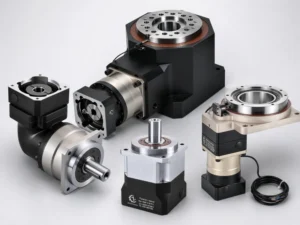
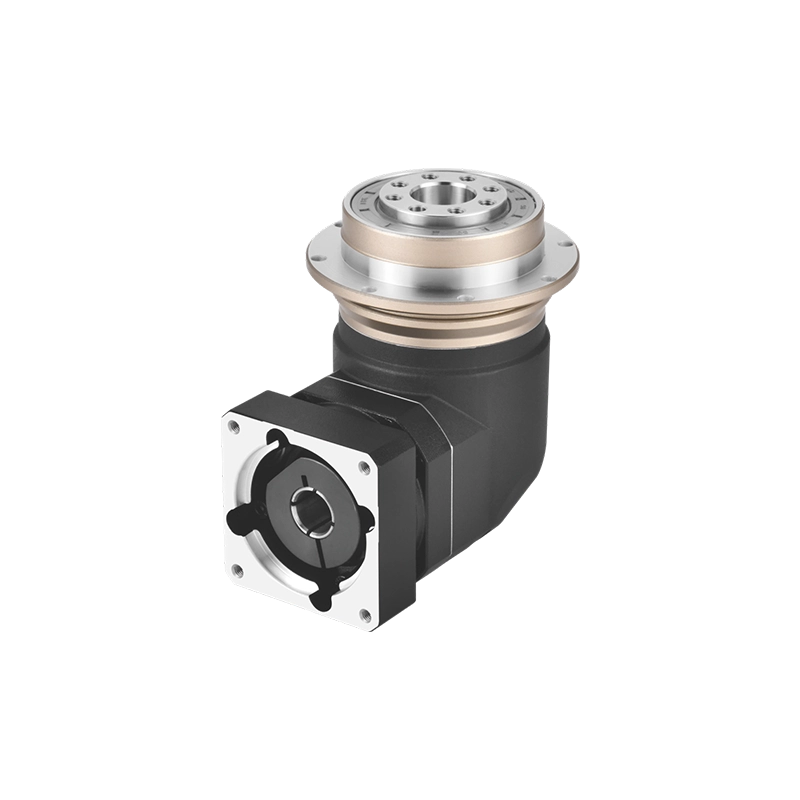
In automation equipment design, rotary motion is often required for indexing, positioning, inspection, assembly, loading, unloading, or multi-station processing. When engineers and machine builders compare different rotary positioning solutions, two common options often appear: the hollow rotary table and the rotary indexer.
At first glance, both products seem to perform a similar function. They both rotate a workpiece, fixture, or turntable from one position to another. They both can be used in automated assembly lines, inspection machines, packaging equipment, electronic component handling systems, and robotic workstations. However, their structures, control methods, flexibility, installation requirements, and best-use scenarios are not always the same.
This article compares hollow rotary tables and rotary indexers from a practical automation equipment perspective. Instead of only explaining what each product is, we will focus on how they differ in real machine design, when each solution makes sense, and what buyers should consider before choosing one.
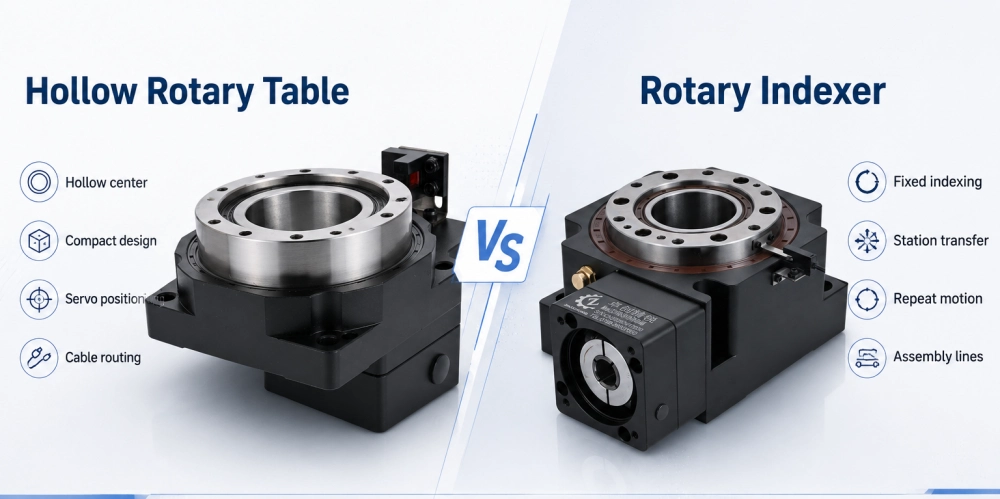
If your project requires a compact rotary positioning solution with a central bore, servo control, and flexible positioning, you can also review our hollow rotary table product range here:
https://planetdrivepro.com/products/hollow-rotary-table/
Why Buyers Compare Hollow Rotary Tables and Rotary Indexers
Machine builders often compare hollow rotary tables and rotary indexers because both can be used to create indexed rotary movement. For example, an automated assembly machine may need to rotate a fixture from station 1 to station 2, then to station 3, and finally back to the loading position. A vision inspection machine may need to rotate a component to different angles so cameras can inspect multiple surfaces. A packaging machine may use rotary positioning to move containers, caps, labels, or small components through different process steps.
In these applications, the basic question is not simply “Can this product rotate?” The real question is: Which rotary solution is better for the machine structure, accuracy requirement, control method, cycle time, wiring layout, load condition, and long-term reliability?
A rotary indexer is often associated with fixed-angle indexing and repeated station-to-station motion. A hollow rotary table is often selected when the machine needs compact structure, high positioning accuracy, servo control, and a hollow center for cable or air tube routing. The difference becomes more important when the equipment requires flexible positioning, frequent model changes, limited installation space, or integrated automation modules.
What Is a Hollow Rotary Table?
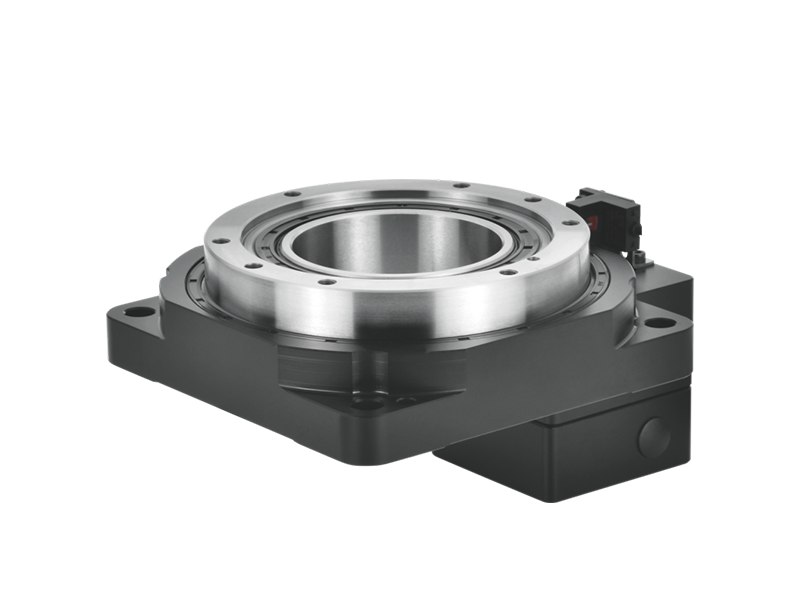
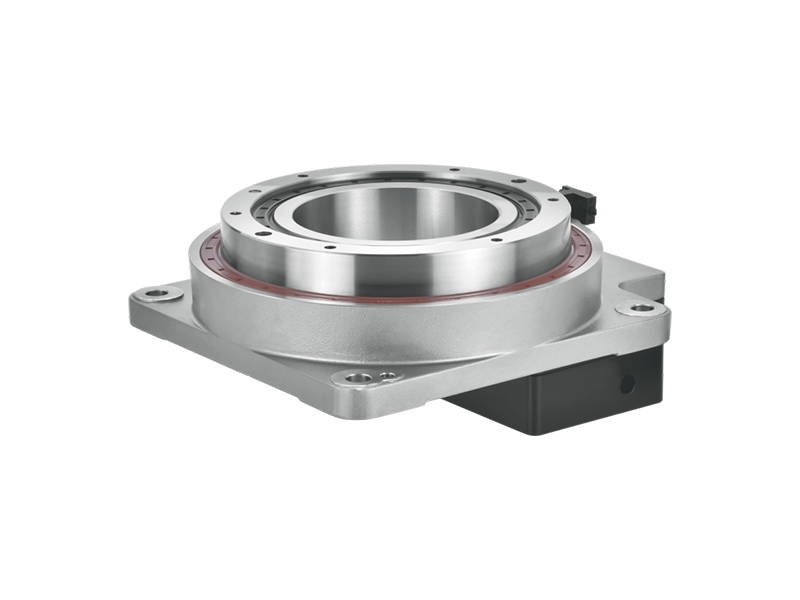
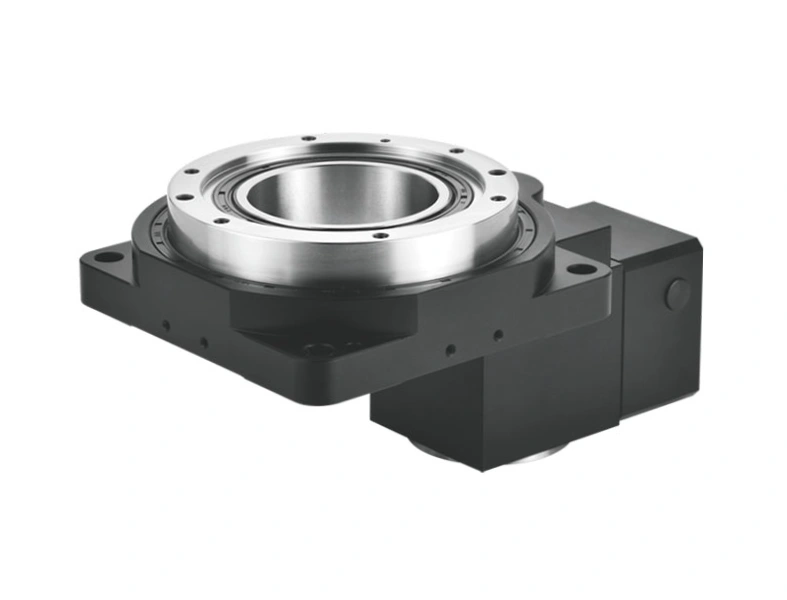
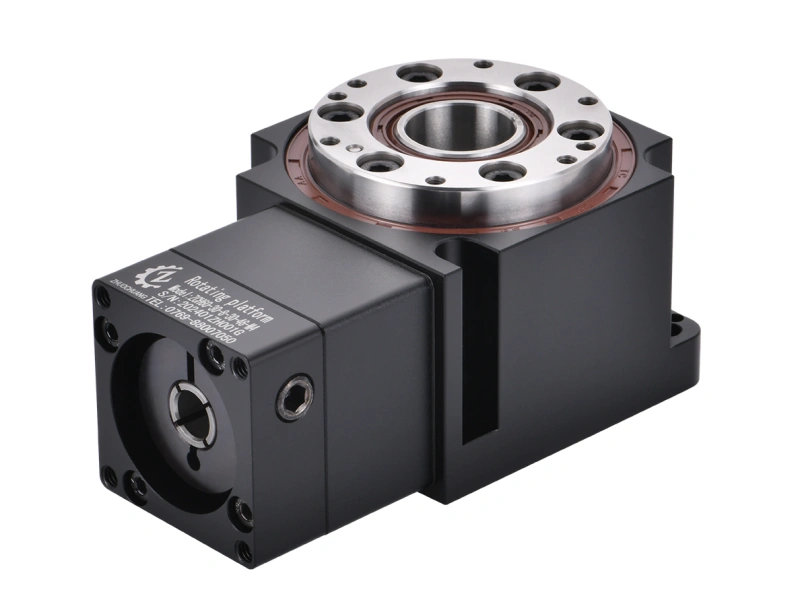
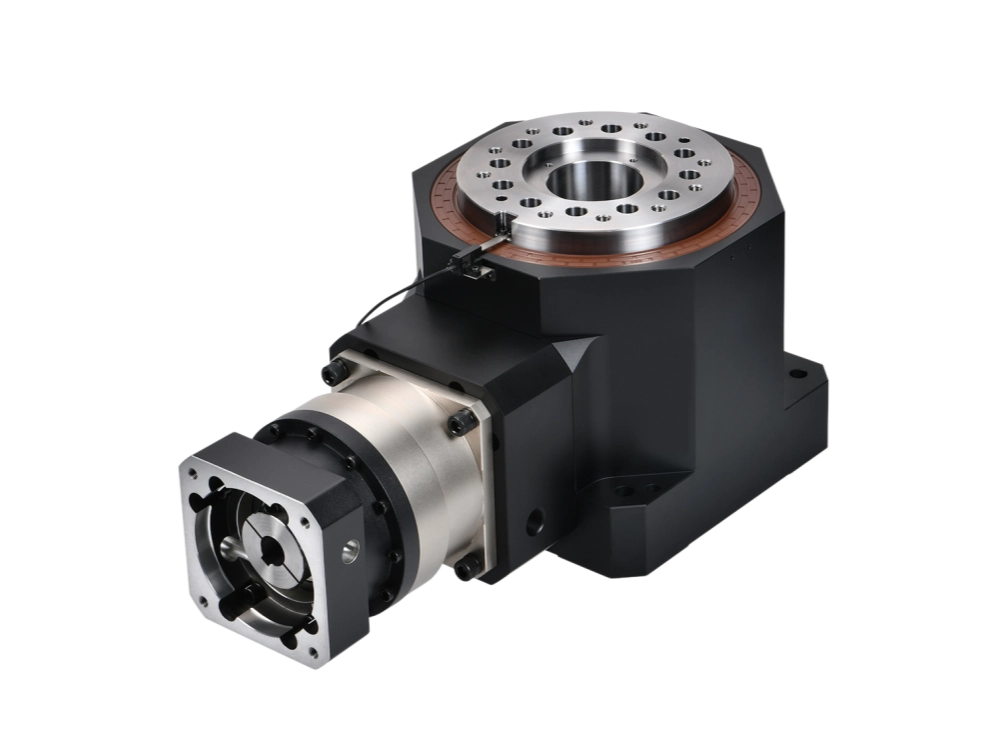
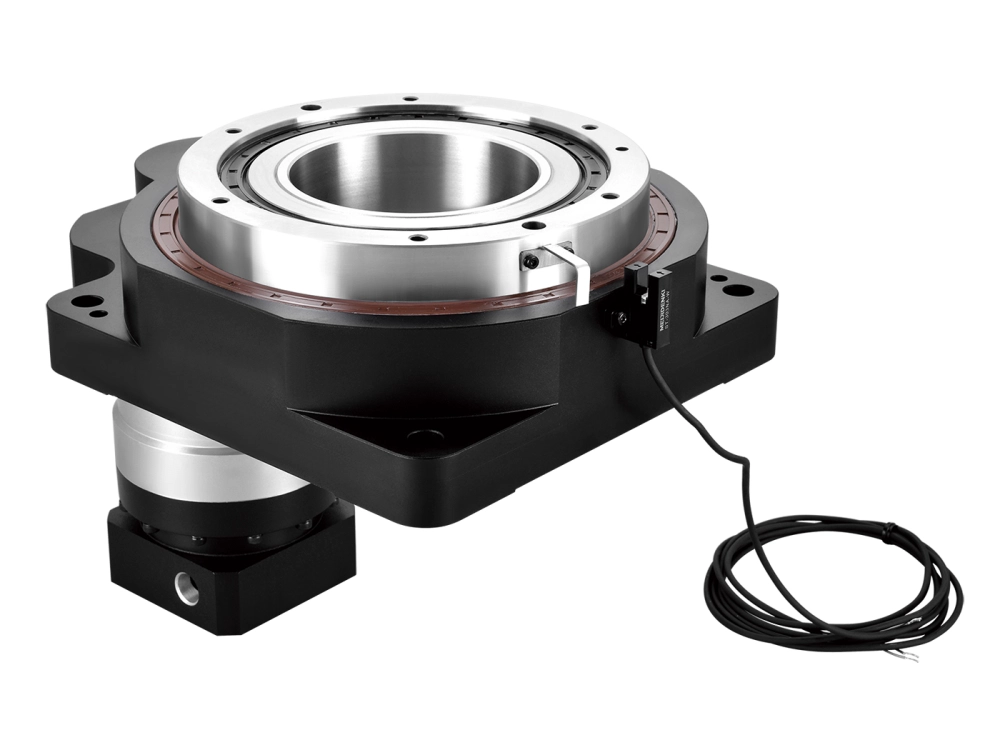
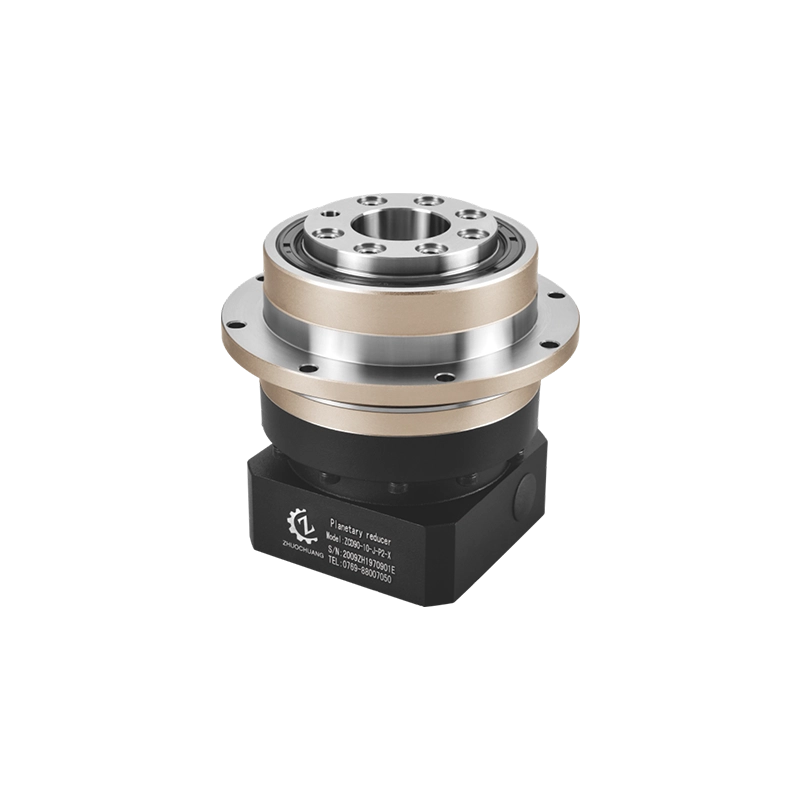
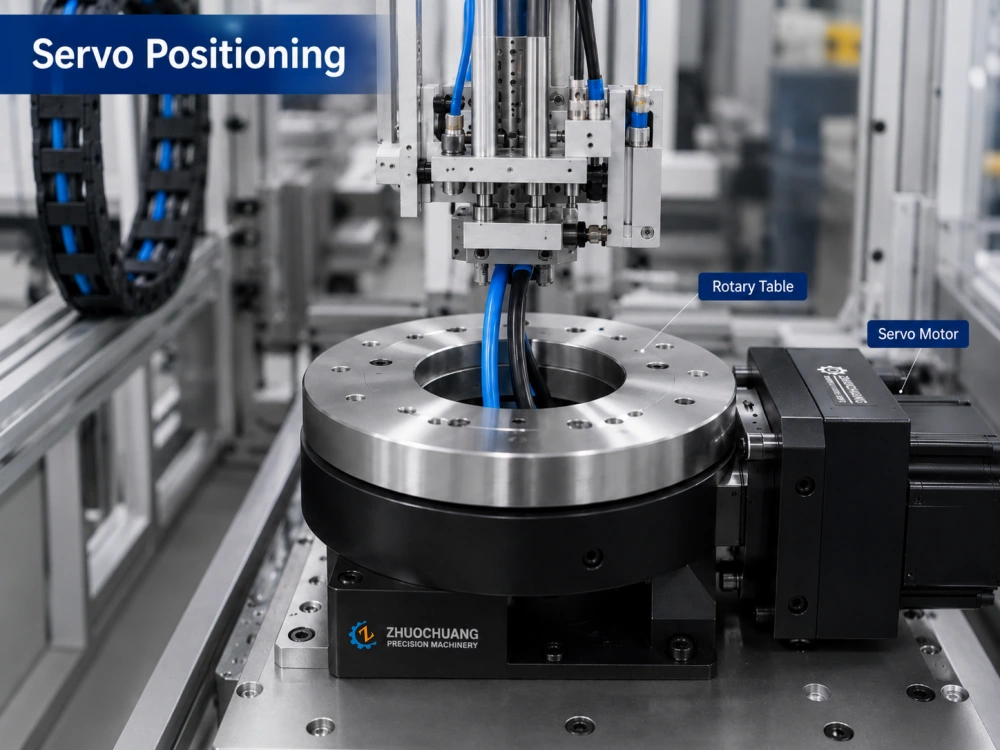
A hollow rotary table is a precision rotary positioning unit designed with a central hollow bore. The rotating output table can support a fixture, workpiece, tooling plate, or indexing disk, while the hollow center allows cables, air tubes, vacuum lines, or signal wires to pass through the axis of rotation.
This hollow bore design is one of the main reasons automation engineers choose this type of product. In compact machines, cable routing can become a serious problem. If cables and pneumatic tubes are arranged outside the rotating area, they may twist, interfere with moving parts, or require additional space for drag chains. A hollow rotary table helps simplify the machine layout by allowing these lines to pass through the center.
In many automation projects, a hollow rotary table is used with a servo motor. This allows programmable positioning, adjustable speed, flexible indexing angles, and smooth motion control. It is commonly used in automated assembly machines, vision inspection systems, packaging machinery, electronic parts handling, robotic positioning stations, and precision testing equipment.
The key advantage is not only rotation. The value is the combination of rotary positioning, compact design, hollow bore structure, servo compatibility, and repeatable accuracy.
What Is a Rotary Indexer?
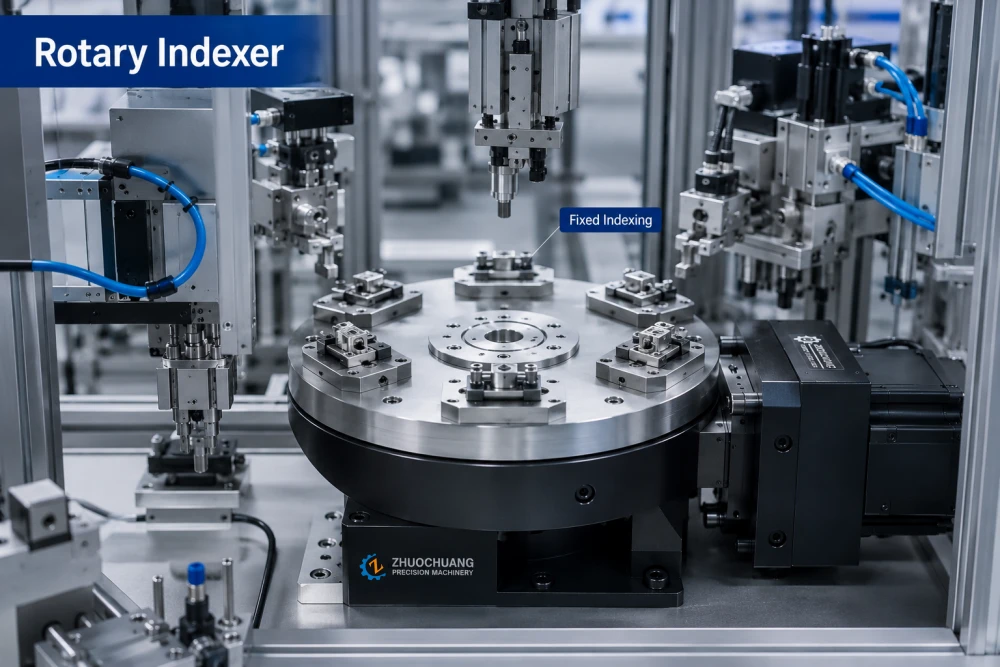
A rotary indexer is a device used to move a table, fixture, or workpiece from one indexed position to another. It is widely used in multi-station automation equipment where the movement pattern is repeated again and again.
In a typical indexing application, the table may rotate 90 degrees, 120 degrees, 180 degrees, or another fixed angle to move parts between different process stations. Each station may perform loading, pressing, inspection, assembly, labeling, dispensing, or unloading. The indexer provides the rotary movement that keeps the process synchronized.
Rotary indexers can be mechanical, cam-driven, servo-driven, or motor-driven depending on the machine design. Traditional mechanical indexers are often used for high-speed repeated indexing where the motion pattern is fixed. Servo rotary indexers provide more control flexibility, but the term “rotary indexer” is still often associated with station-based indexing.
A rotary indexer can be a strong choice when the machine has fixed stations, fixed angles, and a repeated cycle that does not change often. It is especially common in traditional assembly turntables and production equipment where speed and repeatability are important.
Main Difference 1: Motion Flexibility
One of the biggest differences between a hollow rotary table and a traditional rotary indexer is motion flexibility.
A rotary indexer is often selected for fixed indexing positions. For example, the machine may always move 90 degrees per cycle. This is suitable for a four-station assembly machine. If the process is fixed and the product design does not change often, a rotary indexer can be efficient and reliable.
A hollow rotary table used with a servo motor can provide more flexible positioning. Instead of only stopping at fixed mechanical positions, it can be programmed to rotate to different angles according to the control system. This can be useful when one machine needs to handle different products, different fixtures, or different process recipes.
For automation equipment that requires flexible angle control, model changeover, or programmable positioning, a servo-driven hollow rotary table may be more suitable. For equipment with simple, repeated, fixed-angle movement, a rotary indexer may still be enough.
Main Difference 2: Hollow Bore Design
The hollow bore is a key reason to choose a hollow rotary table. In many automation machines, the rotary unit is not just supporting a simple plate. It may carry sensors, pneumatic clamps, vacuum fixtures, grippers, electrical connectors, or special tooling. These parts often require cables and air tubes.
If the rotary unit does not have a central hole, these lines may need to be routed around the outside. This can create cable twisting, interference, additional machine width, and more complicated maintenance. A hollow rotary table allows the machine designer to route lines through the center, making the equipment cleaner and more compact.
A standard rotary indexer may not always provide the same hollow center advantage. Some indexing systems may have center holes, but many traditional indexers focus more on indexing movement than cable routing integration. For modern automation equipment with compact layouts, the hollow bore can be a practical structural advantage.
If your machine has pneumatic clamps, vacuum lines, sensors, or electrical wiring on the rotating table, hollow bore size should be checked carefully before selecting a model.
Main Difference 3: Positioning Accuracy and Repeatability
Both hollow rotary tables and rotary indexers can be used for repeatable positioning, but the accuracy requirements depend on the application.
In vision inspection equipment, small positioning errors can affect camera alignment and inspection results. In automated assembly, positioning deviation may cause parts to fail to align correctly. In robotic loading and unloading, repeatability affects whether the robot can pick or place parts accurately. In packaging equipment, unstable indexing can affect labeling, filling, sealing, or transfer accuracy.
A hollow rotary table designed for precision positioning can provide stable repeatability when correctly matched with the motor, load, and control system. A rotary indexer can also provide reliable repeat indexing, especially in fixed station applications. The difference is that the hollow rotary table may offer better flexibility for applications where position control needs to be adjusted through the servo system.
When comparing the two solutions, buyers should not only ask for the product name. They should check repeat positioning accuracy, backlash, rigidity, allowable load, table diameter, and real working cycle.
Main Difference 4: Machine Layout and Installation Space
Installation space is another important difference. Automation equipment is becoming more compact, especially in electronics, medical device production, small parts assembly, and inspection systems. In these machines, every part of the layout matters.
A hollow rotary table can help reduce the total space required because the motor, table, and hollow bore structure can be integrated into a compact rotary positioning unit. The central bore can reduce the need for external cable routing. This makes the machine cleaner and easier to protect with covers, frames, or safety guards.
A rotary indexer may be suitable for larger indexing turntables or traditional multi-station equipment. However, depending on the indexer structure, installation space and motor arrangement may be less compact. If the machine has enough space and uses fixed stations, this may not be a problem. But for compact automation equipment, the structure of the rotary unit should be checked early in the design stage.
Machine builders should compare not only table diameter but also total height, mounting hole pattern, motor direction, cable routing space, and service access.
Main Difference 5: Cost and Application Value
Cost comparison should be based on the whole machine, not only the price of the rotary component.
A rotary indexer may be cost-effective for fixed indexing applications. If the motion pattern is simple and the machine only needs repeated station-to-station movement, a standard rotary indexer can be a practical solution.
A hollow rotary table may have higher value when the equipment needs compact integration, servo flexibility, hollow cable routing, and precise positioning. Even if the product cost is higher than a simple indexing component, it may reduce machine design complexity, wiring problems, installation space, and future adjustment time.
In automation projects, the lowest purchase price is not always the lowest total cost. If the selected rotary solution causes installation difficulty, unstable positioning, cable interference, or limited future flexibility, the machine may cost more to debug and maintain. A better selection should consider long-term equipment reliability and ease of integration.
When Should You Choose a Hollow Rotary Table?
A hollow rotary table is often a better choice when the machine requires compact structure, central cable routing, servo-controlled positioning, and stable repeatability. It is especially suitable for modern automation equipment where the rotary axis is part of a larger integrated system.
You may choose a hollow rotary table when the equipment needs cables or air tubes to pass through the rotating center. It is also useful when the machine requires different positioning angles, flexible servo programming, or frequent product changeovers. If the rotary table carries sensors, fixtures, vacuum components, or pneumatic clamps, the hollow bore can make the design cleaner.
Common applications include vision inspection equipment, pick-and-place systems, electronic component assembly, compact packaging machines, robotic workstations, precision testing systems, and automated assembly equipment.
For projects that need product selection support, you can contact Dongguan Zhuochuang Precision Machinery Co., Ltd here:
https://planetdrivepro.com/contact/
When Is a Rotary Indexer More Suitable?
A rotary indexer may be more suitable when the machine uses fixed stations and repeated indexing angles. If the equipment always rotates the same angle and follows the same mechanical cycle, a rotary indexer can be a strong and reliable choice.
For example, a traditional assembly turntable with four or six fixed stations may not need flexible angle control. A high-speed production system with a repeated indexing pattern may focus more on cycle time and mechanical reliability than programmable positioning. In these cases, a rotary indexer may provide a practical solution.
A rotary indexer may also be preferred when the equipment does not require a hollow center, when wiring is simple, or when the process is already designed around fixed mechanical indexing.
However, if the machine may need future product changes, different stop positions, compact cable routing, or servo-based control flexibility, it is worth comparing whether a hollow rotary table can provide better long-term value.
Application Examples in Automation Equipment
In an automated assembly machine, a hollow rotary table can rotate fixtures between different assembly steps while keeping pneumatic tubes and sensor cables routed through the center. This can reduce cable interference and keep the machine layout clean.
In a vision inspection system, the rotary table can rotate a part to different angles so cameras can inspect multiple sides. High repeatability helps maintain consistent inspection positions. If the inspection angle needs to change for different product models, servo control becomes useful.
In packaging machinery, rotary positioning may be used for feeding, labeling, filling, capping, or transfer operations. A hollow rotary table can help when compact equipment design and controlled positioning are required.
In electronic component handling, small parts often require precise positioning and stable repeated motion. The combination of compact design, low backlash, and servo-controlled movement can help improve machine consistency.
In robotic workstations, a rotary positioning unit can present workpieces to a robot at specific angles. The hollow bore can help route cables or pneumatic lines for fixtures mounted on the rotating table.
Selection Checklist for Machine Builders
Before choosing between a hollow rotary table and a rotary indexer, machine builders should confirm several practical details.
First, define the motion requirement. Does the machine need fixed-angle indexing, or does it need flexible positioning at different angles? Second, calculate the total rotating load, including workpiece, fixture, tooling plate, clamps, and mounted components. Third, check the required table diameter and available installation space.
Next, review the accuracy requirement. Does the machine need high repeat positioning accuracy for inspection, assembly, or robotic pick-up? Also consider backlash, rigidity, and allowable moment load.
The hollow bore requirement should also be checked. If cables, air tubes, vacuum lines, or signal wires need to pass through the rotating center, the bore diameter becomes an important selection factor.
Finally, confirm the motor and control system. If the machine uses a servo motor and requires programmable motion, a servo-compatible hollow rotary table may be a better match. If the machine only needs fixed mechanical indexing, a rotary indexer may be sufficient.
Which Solution Is Better for Your Machine?
There is no single answer that fits every machine. A hollow rotary table is not always better than a rotary indexer, and a rotary indexer is not always the lower-value choice. The right solution depends on the application.
If the machine needs fixed station movement, repeated indexing angles, and a simple mechanical cycle, a rotary indexer may be suitable. If the machine needs compact structure, central cable routing, servo control, flexible angle positioning, and precise repeatability, a hollow rotary table may be the better option.
For many modern automation systems, the decision is moving toward integrated, compact, servo-controlled rotary positioning. This is why hollow rotary tables are widely used in inspection equipment, assembly machines, packaging systems, robotic workstations, and electronic manufacturing equipment.
The best way to choose is to evaluate the actual machine conditions instead of relying only on the product name. Load, accuracy, speed, installation space, bore size, motor matching, and future flexibility should all be reviewed together.
Work with a Manufacturer for Better Model Selection
Choosing the right rotary positioning product is easier when the supplier understands automation applications. A catalog can show dimensions and specifications, but real machine selection often requires more context. The same rotary table may perform differently depending on load inertia, cycle time, fixture structure, motor selection, and installation layout.
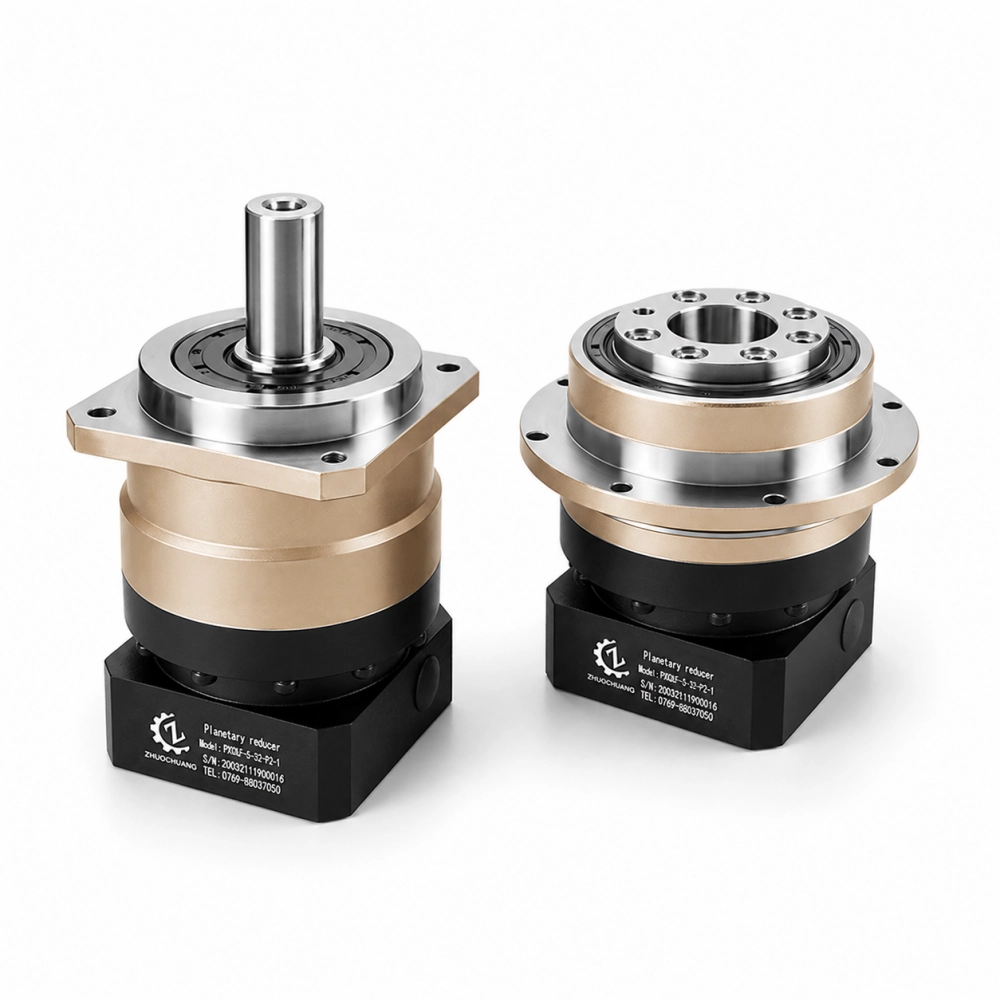
Dongguan Zhuochuang Precision Machinery Co., Ltd provides precision transmission products including hollow rotary tables and planetary gearboxes for automation equipment, robotics, CNC machinery, packaging systems, and industrial motion control applications.
If you are comparing hollow rotary tables and rotary indexers for a new project, send us your application details, load information, table size, required accuracy, hollow bore requirement, motor brand, and installation drawing if available. Our team can help you review the application and suggest a suitable solution.
Product page:
https://planetdrivepro.com/products/hollow-rotary-table/
Contact page:
https://planetdrivepro.com/contact/
FAQ
Is a hollow rotary table the same as a rotary indexer?
Not exactly. Both can provide rotary positioning, but a hollow rotary table usually emphasizes compact structure, central bore design, servo compatibility, and flexible positioning. A rotary indexer is often used for repeated fixed-angle indexing between process stations.
Which is better for automation equipment?
It depends on the machine. If the equipment needs fixed station indexing, a rotary indexer may be suitable. If it needs hollow cable routing, servo control, compact installation, and flexible positioning, a hollow rotary table may be a better choice.
Why is the hollow bore important?
The hollow bore allows cables, air tubes, signal wires, or vacuum lines to pass through the center of rotation. This helps reduce cable twisting, simplify machine layout, and save installation space.
Can a hollow rotary table replace a rotary indexer?
In some applications, yes. A hollow rotary table can replace a rotary indexer when the machine requires servo-controlled positioning, flexible angles, and compact integration. However, for simple fixed-angle indexing, a rotary indexer may still be a practical solution.
What information should I provide before requesting a quote?
You should provide the application, total rotating load, table diameter, required speed, indexing angle, accuracy requirement, hollow bore size, servo motor model, installation space, and any available drawings.