
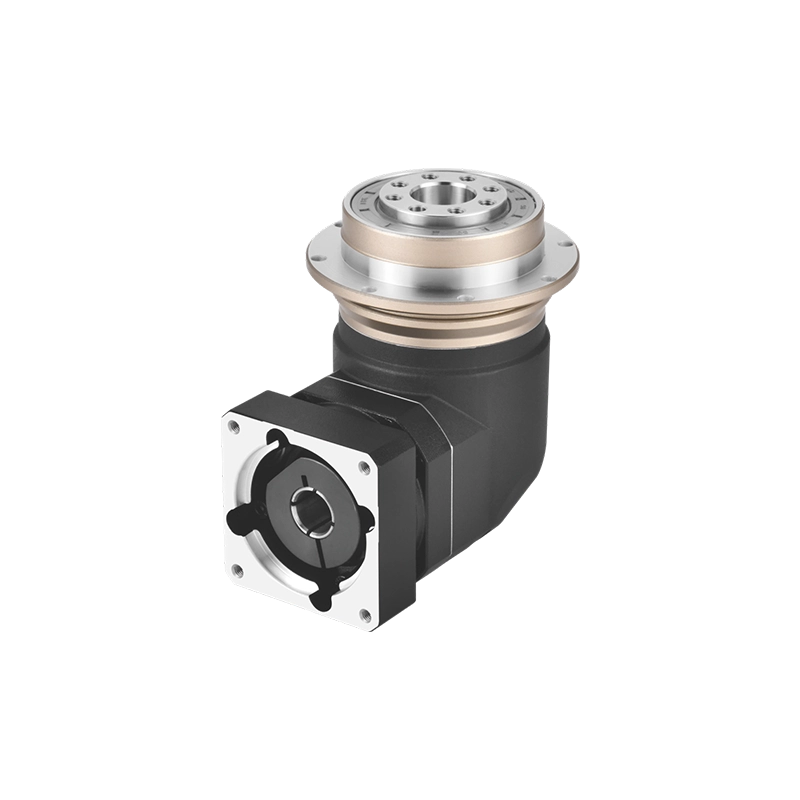
High Torque Planetary Gearbox: Selection Factors for Industrial Automation
Choosing the right high torque planetary gearbox is not only about finding the largest torque number. Engineers and equipment buyers also need to confirm ratio, backlash, mounting size, service life, speed, load, and duty cycle before making a reliable selection.
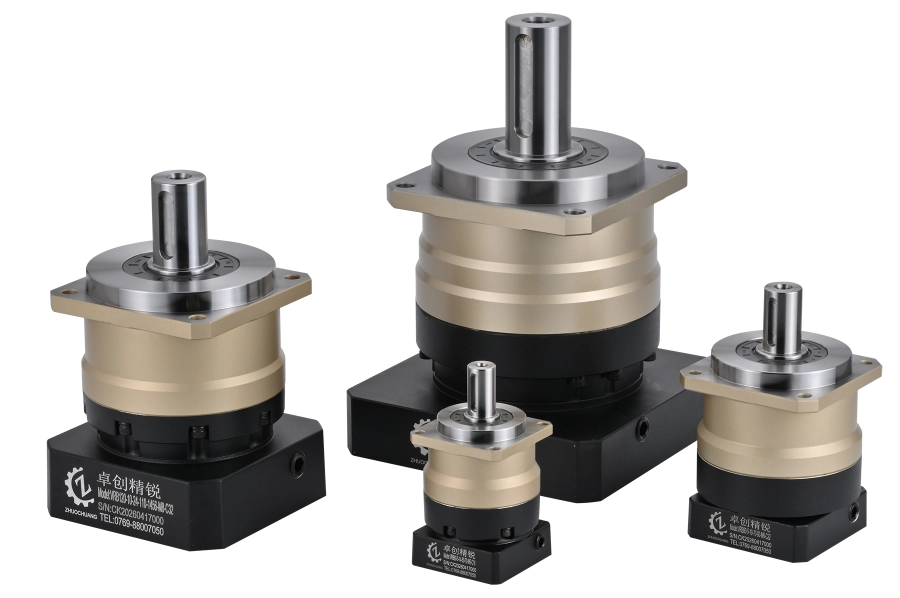
In industrial automation, torque is not just a number on a specification sheet. It directly affects how smoothly a machine starts, how reliably it carries load, how accurately it stops, and how long the drive system can operate without failure. For robotics, CNC machinery, packaging systems, indexing equipment, and precision positioning devices, choosing a high torque planetary gearbox is often a key step in building a stable motion control system.
Key Points Before Selecting a High Torque Planetary Gearbox
Torque Capacity
Confirm rated torque, peak torque, load inertia, acceleration, and working cycle before selection.
Safety Factor
Do not select too close to the limit. Real machines may face shock load, vibration, and duty changes.
Backlash
For servo motion, indexing, and precision positioning, torque and backlash should be checked together.
Mounting Size
Check motor flange, output shaft, bolt pattern, radial load, axial load, and available installation space.
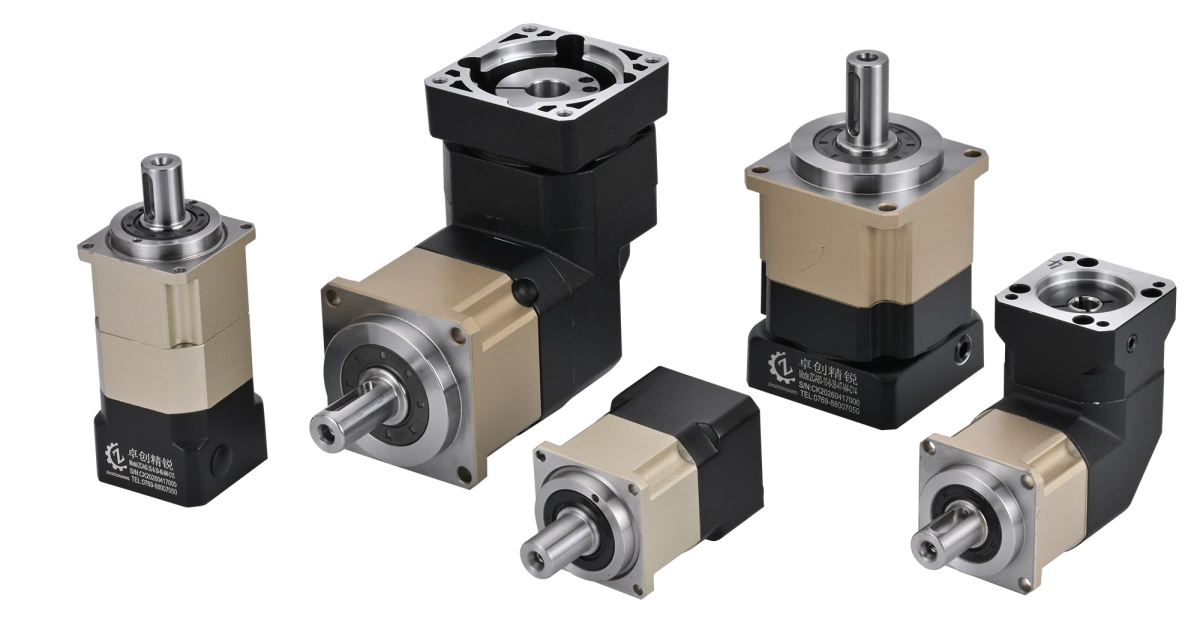
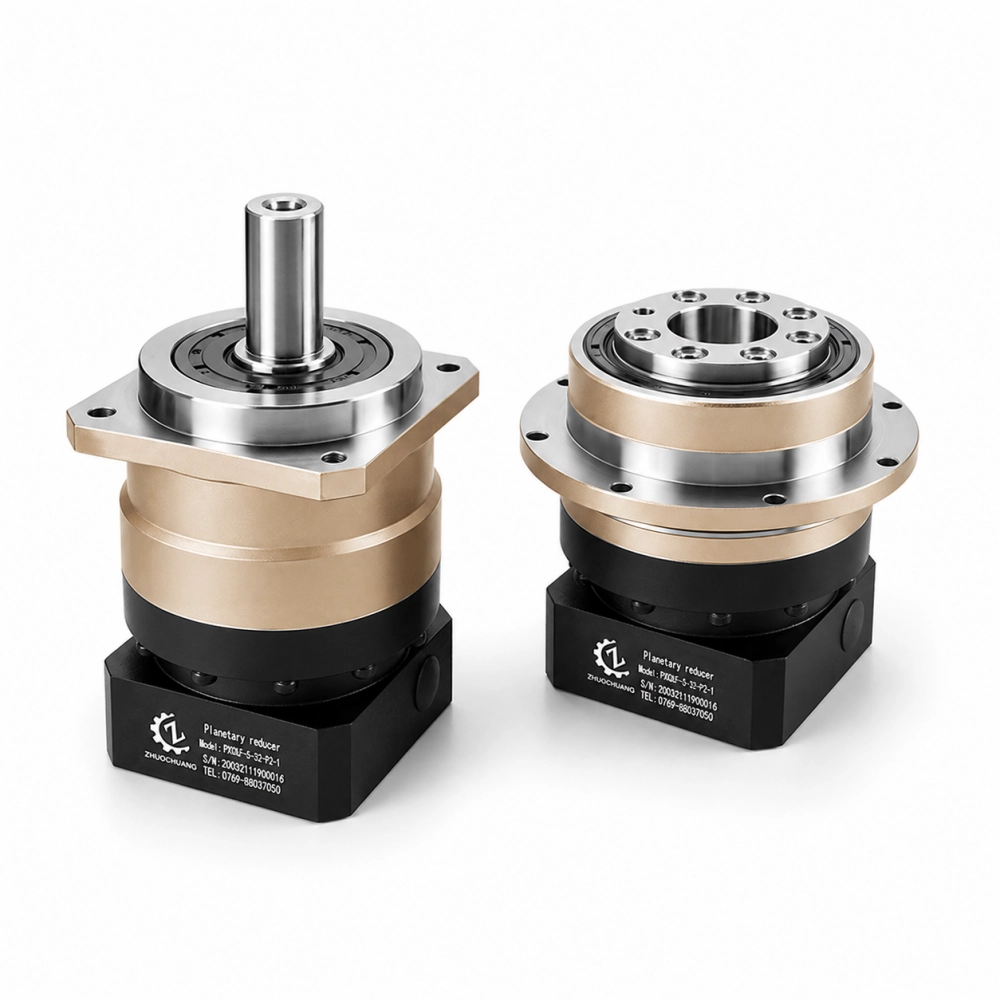
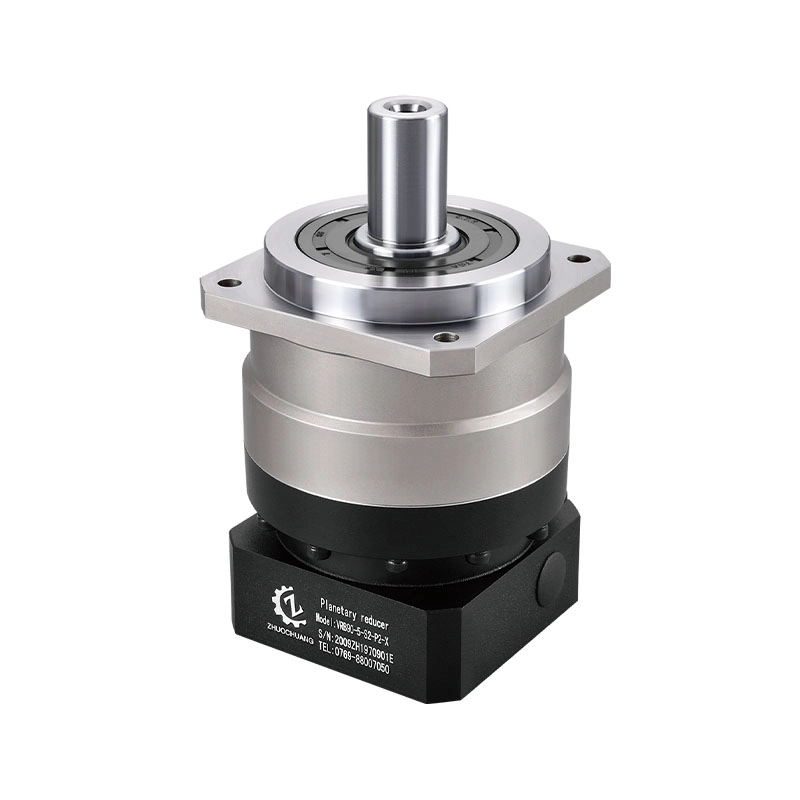
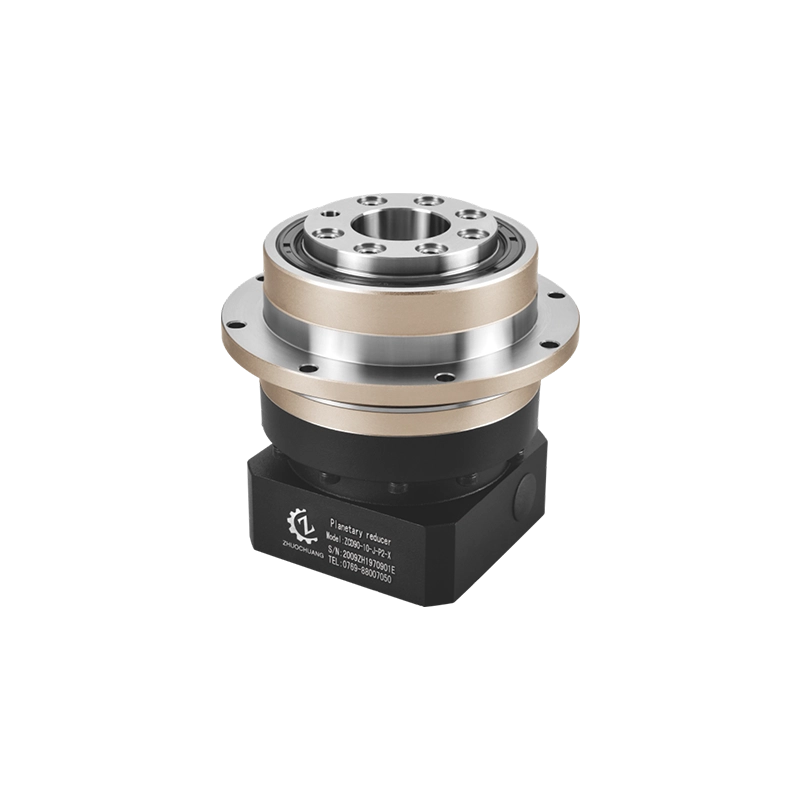
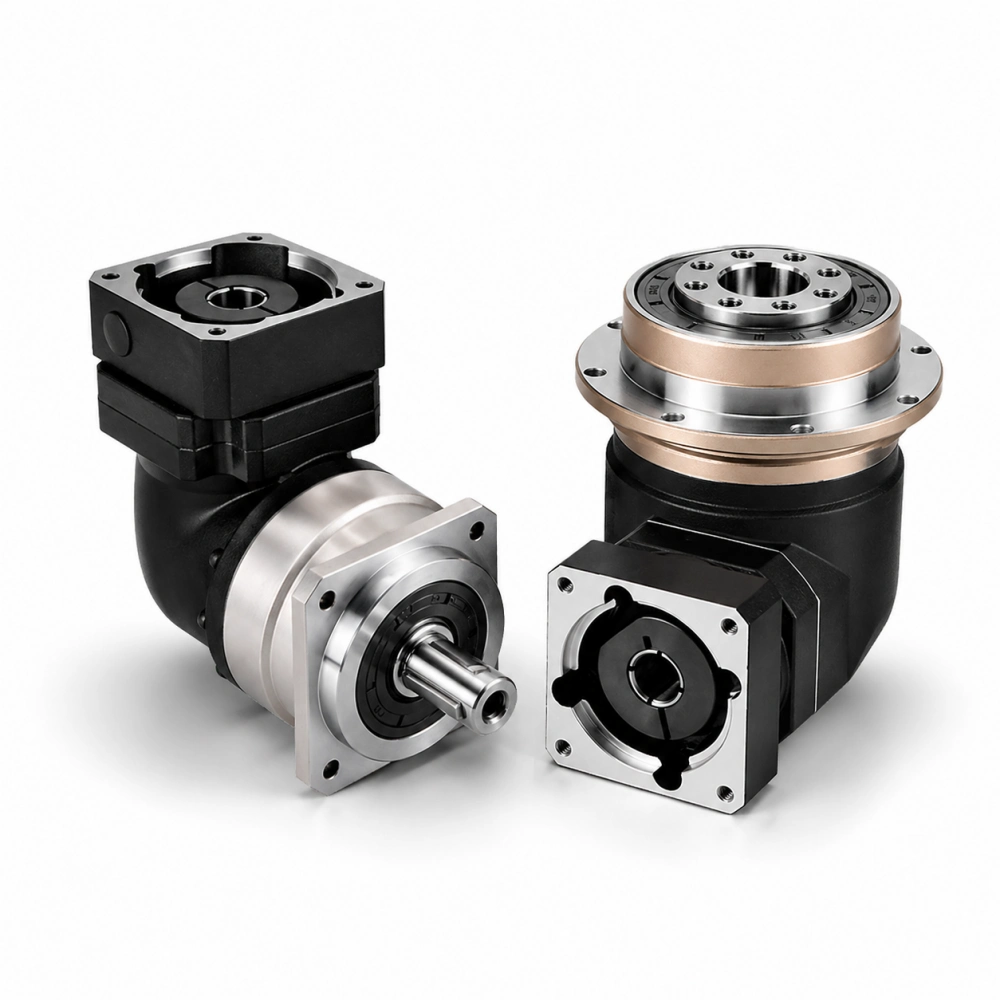
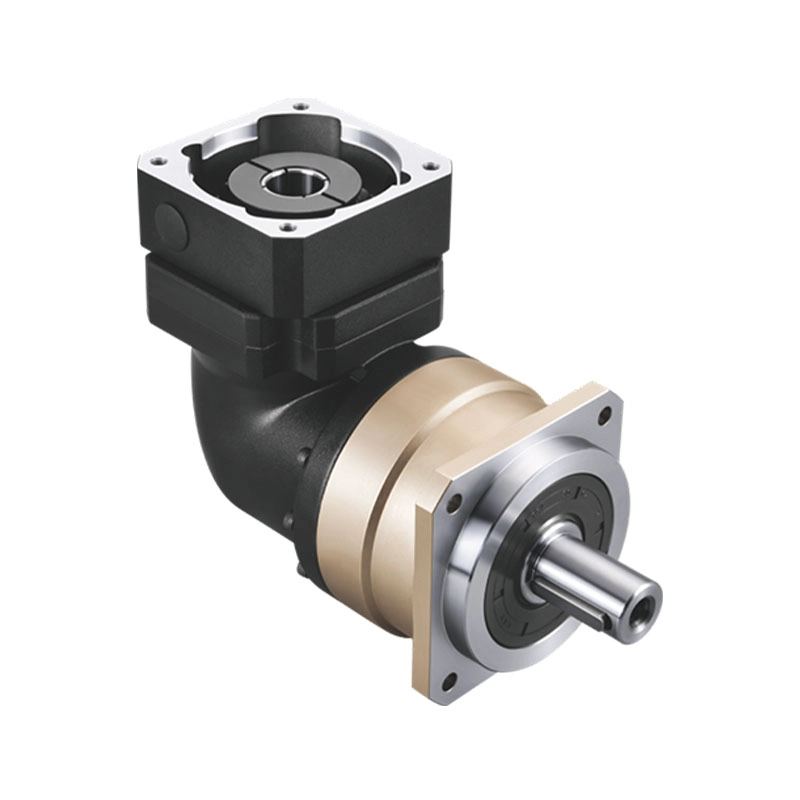
High torque planetary gearboxes are available in different frame sizes, ratios, and mounting styles to match various automation and motion control requirements.
Why High Torque Matters in Industrial Automation
A high torque planetary gearbox is designed to transmit greater output torque in a compact structure. Compared with many conventional reducer designs, planetary gearboxes are widely used because they can combine high torque density, good rigidity, efficient power transmission, and relatively compact installation dimensions. This makes them suitable for equipment where space is limited but load demand is high.
In many automated machines, the gearbox must handle repeated start-stop movement, acceleration, deceleration, load changes, and sometimes shock loads. If the torque capacity is too low, the gearbox may overheat, wear faster, lose accuracy, or fail prematurely. If the gearbox is oversized without proper calculation, the system may become more expensive, heavier, and less efficient than necessary.
High torque planetary gearboxes are commonly used in robotic joints, rotary indexing systems, conveyor drive systems, packaging machinery, CNC auxiliary axes, automated assembly machines, and precision positioning platforms. These applications often require stable torque transmission while maintaining compact size and reliable motion accuracy.
For example, in a robotic arm, insufficient torque may cause unstable movement under load. In CNC-related positioning systems, poor torque control may affect repeatability and machining consistency. In packaging machinery, frequent acceleration and stopping may place extra stress on the gearbox. This is why torque selection should be based on real operating conditions, not only on a simple motor power value.
Understanding Planetary Gearbox Torque
Planetary gearbox torque usually refers to the output torque that the gearbox can safely transmit after speed reduction. In a typical drive system, the motor provides input speed and input torque. The gearbox reduces the speed and increases the output torque according to the selected gear ratio.
However, the actual available torque is affected by several factors, including gearbox efficiency, gear ratio, motor characteristics, operating speed, duty cycle, load inertia, acceleration time, and shock load. This is why a planetary gearbox torque calculator can be useful during the early selection stage, but it should not replace engineering confirmation.
A simple calculation may consider motor torque, reduction ratio, and gearbox efficiency. But in real industrial applications, buyers should also confirm peak torque, rated torque, emergency stop conditions, radial load, axial load, thermal limits, and service factor. If the machine runs continuously, the gearbox may require a different selection than a machine that only operates intermittently.
When evaluating planetary gearbox torque capacity, industrial users should not focus only on the maximum torque number. Rated output torque, allowable peak torque, backlash class, mounting rigidity, lubrication condition, and operating environment all matter.
Rated Torque vs Peak Torque
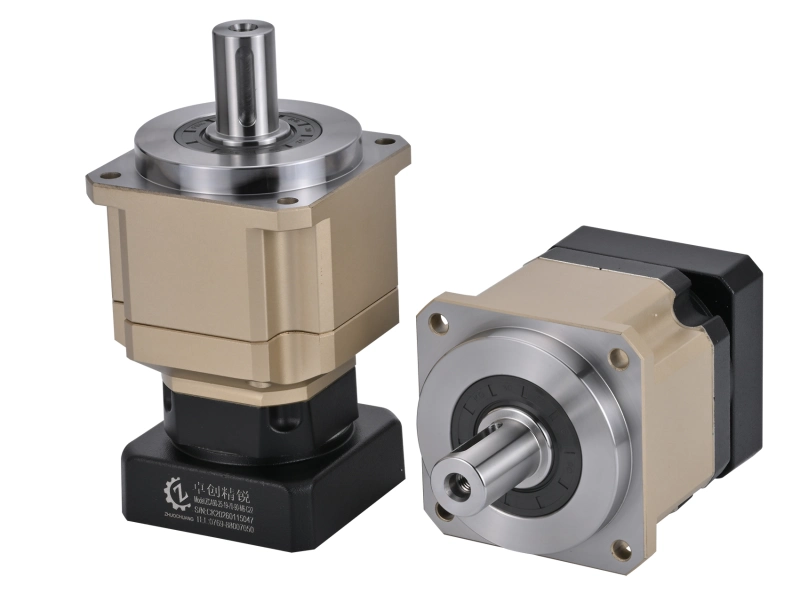
One common mistake in gearbox selection is confusing rated torque with peak torque. Rated torque is generally the torque the gearbox can handle during normal operation under defined conditions. Peak torque is usually the short-term torque that the gearbox may withstand for limited moments, such as acceleration, deceleration, or emergency stopping.
For most industrial automation projects, rated torque should be used as the foundation of the selection. Peak torque should be checked separately to make sure the gearbox can survive short overload conditions. If the machine frequently reaches peak torque, the gearbox may not be properly selected.
A system may only require moderate torque during steady operation, but it may need much higher torque during rapid acceleration. This is especially important for high-speed indexing, robotic movement, and systems with heavy rotating inertia.
Safety Factor: Do Not Select Too Close to the Limit
A high torque planetary gearbox should not be selected with no margin. Industrial machines rarely operate under perfect laboratory conditions. Loads may fluctuate, installation may not be perfectly aligned, operators may change production rhythm, and machines may experience shock or vibration.
A safety factor helps protect the gearbox from these real-world conditions. The correct safety factor depends on the application, duty cycle, shock level, operating hours, and required reliability. A light-duty positioning device may need a different safety margin from a heavy-load automation system running long shifts.
When communicating with a high torque planetary gearbox manufacturer, buyers should provide detailed working conditions instead of only asking for a torque value. Important information includes motor power, motor speed, required output speed, reduction ratio, load weight, load inertia, working cycle, daily operating time, mounting direction, accuracy requirement, and environmental conditions.
A professional manufacturer or supplier can then help check whether the gearbox size and ratio are suitable. This reduces the risk of under-selection and helps avoid unnecessary oversizing.
Backlash and Torque Must Be Considered Together
For precision automation, torque is only one part of the selection. Backlash is also critical. Backlash refers to the small amount of lost motion between gear teeth when the direction of rotation changes. In applications requiring accurate positioning, repeatability, or synchronized motion, excessive backlash may reduce machine performance.
A planetary gearbox high torque design should also maintain suitable rigidity and backlash control. Robotic systems, CNC machinery, automated inspection devices, and precision rotary positioning equipment often require both high torque and controlled backlash.
If the application only needs power transmission, backlash may not be the most important factor. But if the gearbox is used for positioning, indexing, or servo motion control, backlash should be confirmed before ordering. Buyers should not select only based on torque and ratio while ignoring precision requirements.
For best results, confirm the required backlash level, positioning accuracy, repeatability, and load direction with the manufacturer before final selection.
Gear Ratio and Output Speed
The gear ratio determines the relationship between input speed and output speed. A higher ratio generally produces higher output torque and lower output speed, while a lower ratio provides higher output speed with less torque multiplication.
When selecting high torque planetary gearboxes, ratio selection should match both torque and speed requirements. If the ratio is too low, the output torque may be insufficient. If the ratio is too high, the output speed may become too slow, or the motor may not work in its ideal performance range.
In servo systems, the ratio also affects inertia matching between the motor and the load. Poor inertia matching may cause vibration, longer settling time, unstable control, or reduced accuracy. This is why gearbox selection should be coordinated with motor selection and motion control settings.
For automation buyers, it is useful to provide the required output speed, expected cycle time, motor model, load inertia, and movement profile. This allows the supplier to recommend a more suitable gearbox ratio and frame size.
Typical Applications for High Torque Planetary Gearboxes
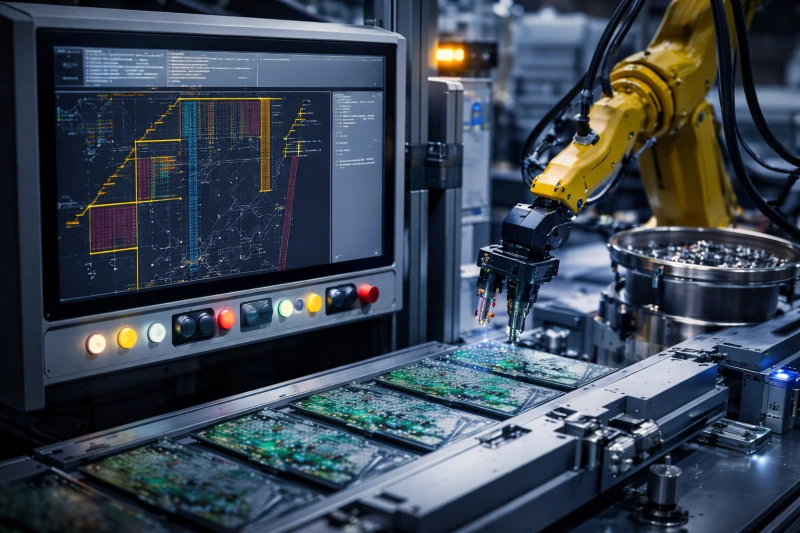
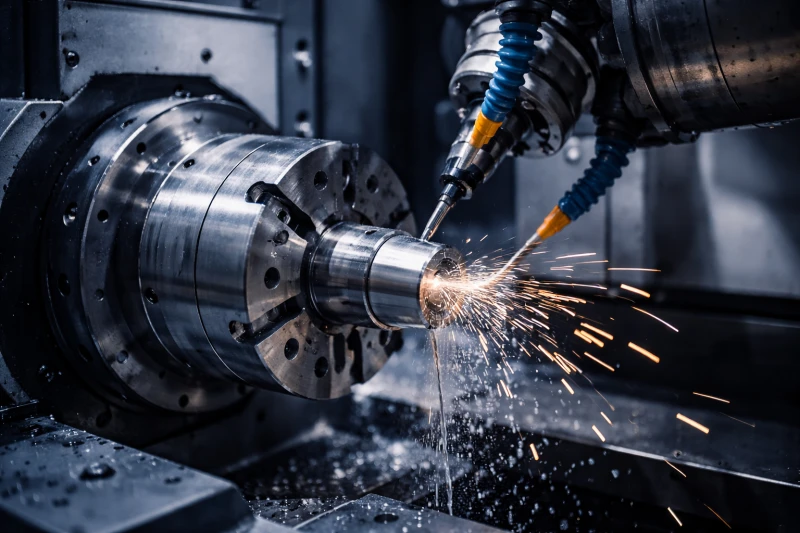
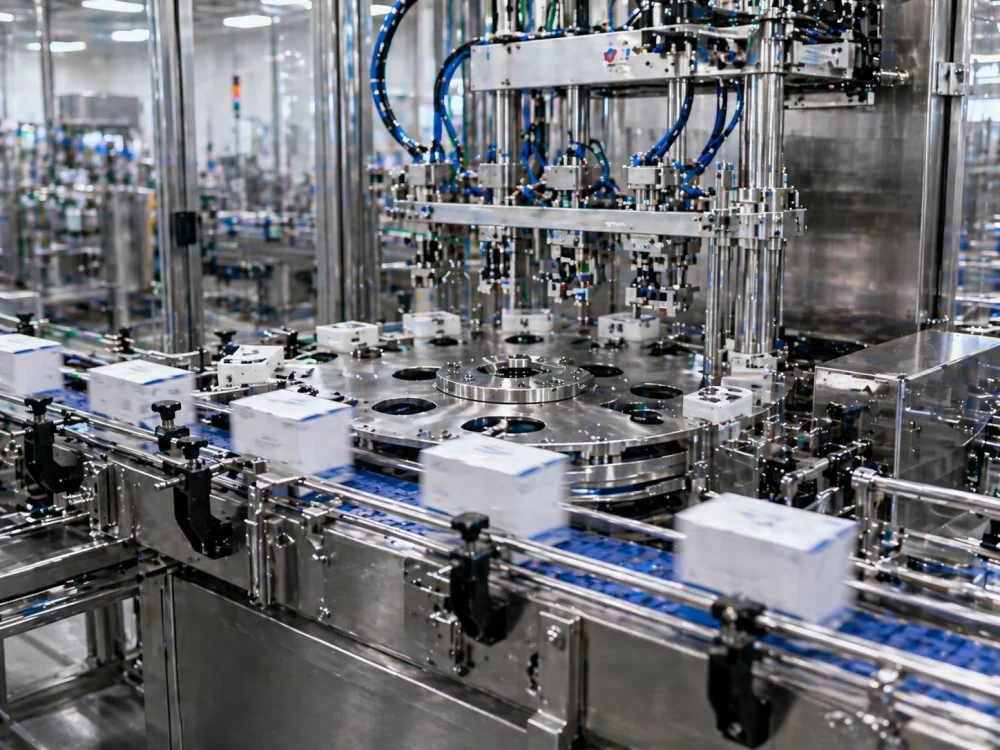
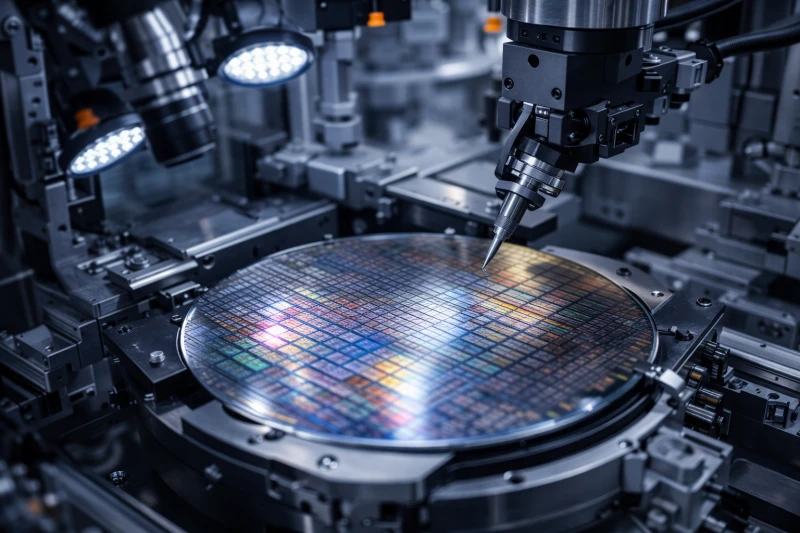
High torque planetary gearboxes are used in many industrial systems where compact size, stable torque transmission, and precise motion control are required.
Service Life and Duty Cycle
Service life is strongly influenced by load, speed, duty cycle, lubrication, installation quality, and operating environment. A gearbox that works well in a light-duty machine may not last long in a high-cycle automation line if the working conditions are much more demanding.
Duty cycle refers to how often and how long the gearbox operates. A machine that runs continuously for many hours per day places more thermal and mechanical stress on the gearbox than a machine that moves only occasionally. Frequent start-stop motion can also increase stress, especially when acceleration and deceleration are aggressive.
Before selecting a high torque planetary gearbox, buyers should confirm whether the application is continuous duty, intermittent duty, high-cycle positioning, or occasional movement. This information helps determine whether the gearbox torque capacity, bearing structure, lubrication method, and frame size are suitable.
It is also important to consider shock load. Packaging machines, indexing mechanisms, and some automated handling systems may experience sudden load changes. In such cases, torque margin and gearbox rigidity become especially important.
Mounting Size and Mechanical Integration
Even when the torque and ratio are suitable, the gearbox must also fit the machine structure. Mounting dimensions, output shaft type, flange size, input motor interface, shaft diameter, keyway, bolt pattern, and overall length should all be checked carefully.
In many industrial projects, space is limited. Engineers may need a compact high torque gearbox that can fit into an existing design. But a smaller gearbox may not always provide enough torque margin or bearing capacity. Therefore, mechanical integration should be reviewed together with torque requirements.
For replacement projects, buyers should provide drawings, photos, motor information, and existing gearbox dimensions. For new equipment, it is better to confirm gearbox size early in the machine design stage instead of waiting until the final assembly stage.
Efficiency and Heat Control
Planetary gearboxes usually offer good transmission efficiency, but efficiency still varies depending on ratio, stage number, lubrication, gear design, speed, and load. In high torque applications, efficiency matters because energy loss becomes heat. If heat is not managed properly, lubrication performance may decline and gearbox life may be reduced.
A gearbox working near its limit for long periods may generate more heat. This is especially important in enclosed machinery, high-speed systems, or environments with limited ventilation. Engineers should confirm allowable input speed, output torque, ambient temperature, and duty cycle before final selection.
If the application involves continuous operation, the thermal performance of the gearbox should be discussed with the supplier. A gearbox that can handle torque mechanically may still require confirmation for long-term temperature stability.
Practical Selection Checklist
Before ordering a high torque planetary gearbox, prepare the following information so the manufacturer can recommend a suitable model more accurately.
Choosing a High Torque Planetary Gearbox Manufacturer or Supplier
Selecting the right gearbox is not only about product specifications. It is also about technical support, production consistency, quality control, customization ability, and communication efficiency. A reliable high torque planetary gearbox manufacturer should be able to understand industrial applications and provide practical selection guidance.
When comparing a high torque planetary gearbox supplier, buyers can check whether the supplier can help review torque, ratio, backlash, mounting size, speed, load, and duty cycle. They should also confirm whether dimensional drawings, model information, and engineering support are available before mass production.
For wholesale or repeated purchasing, consistency becomes very important. A high torque planetary gearbox wholesale buyer may need not only competitive pricing, but also stable quality, reliable lead time, and clear technical documentation.
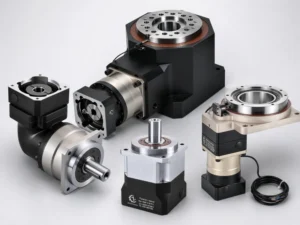
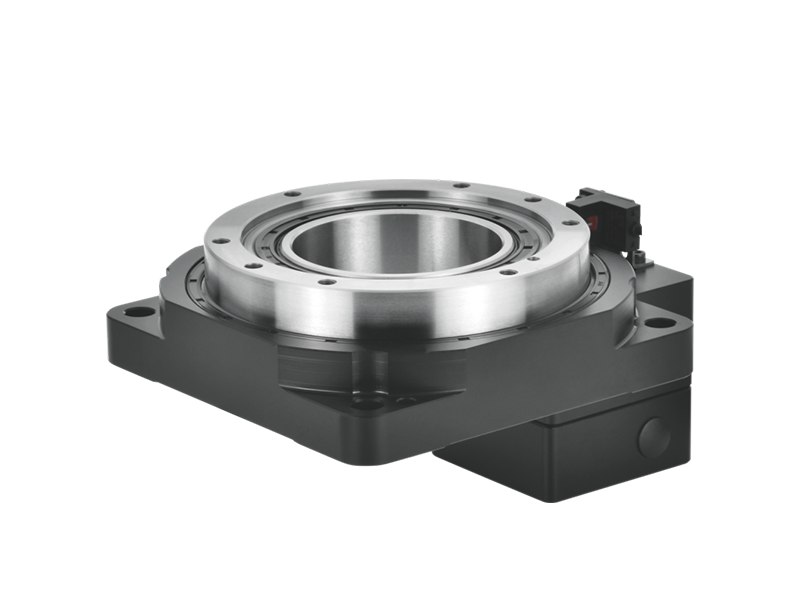
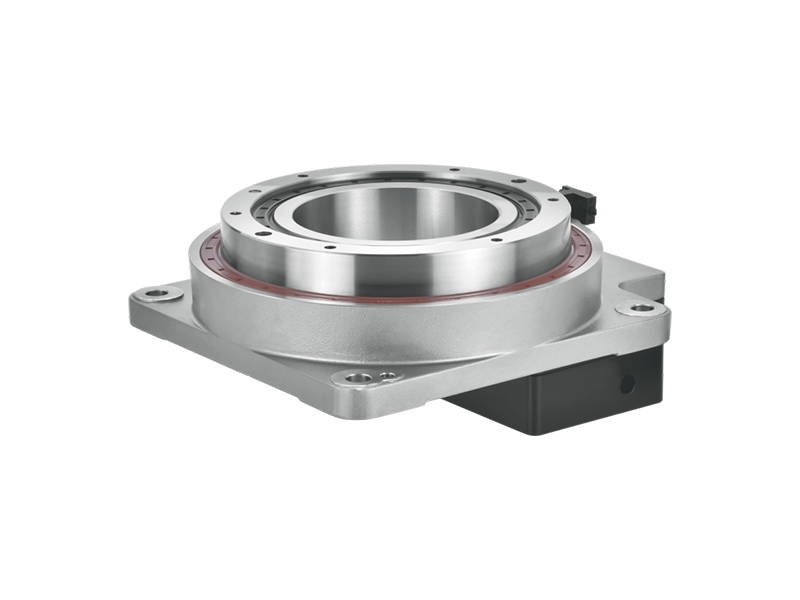
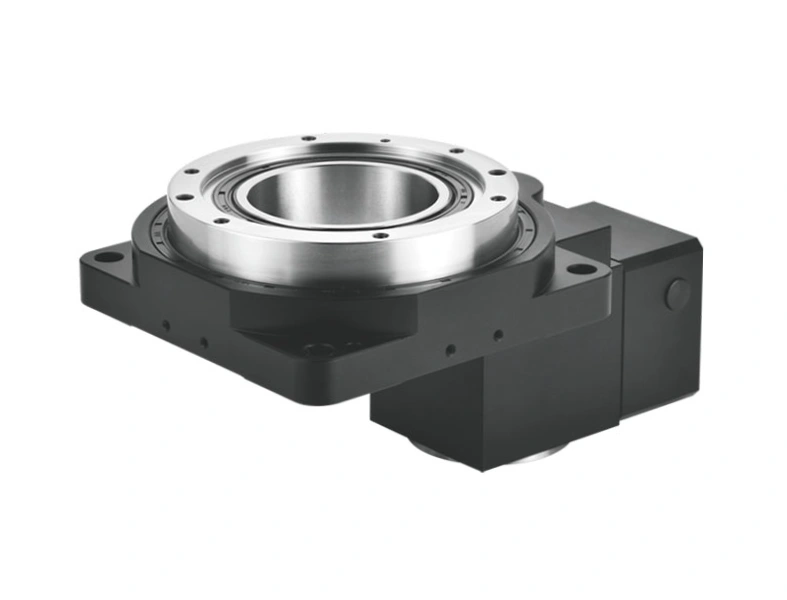
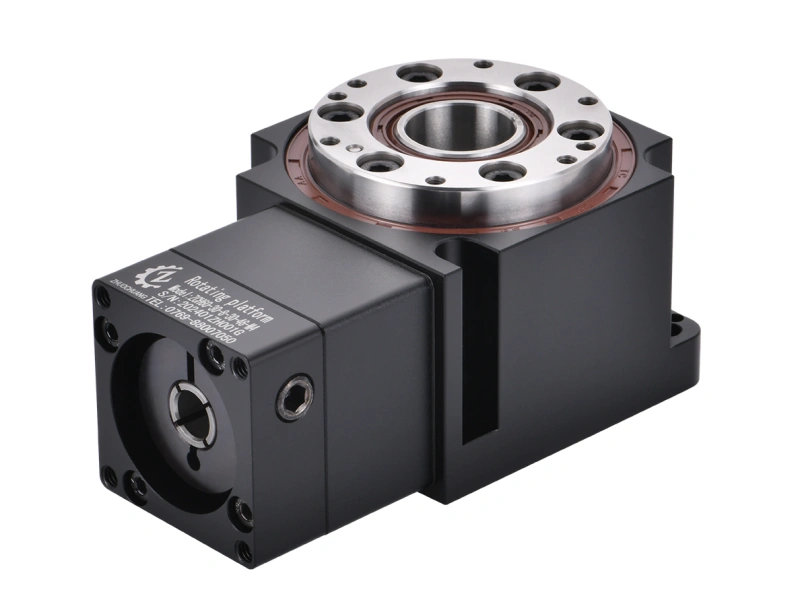
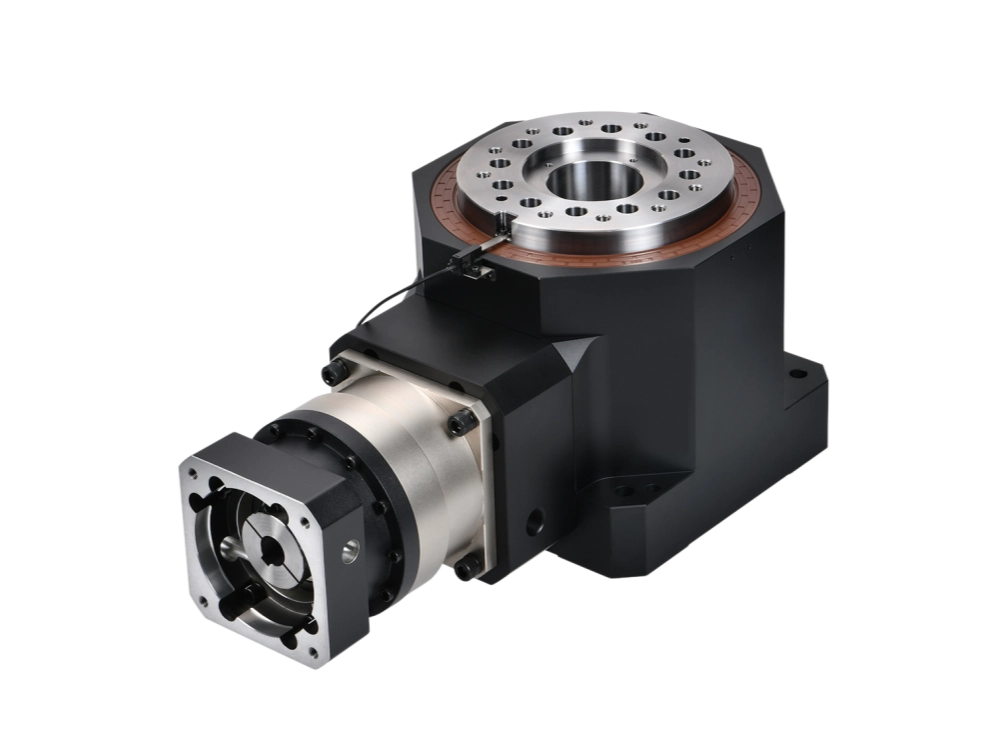
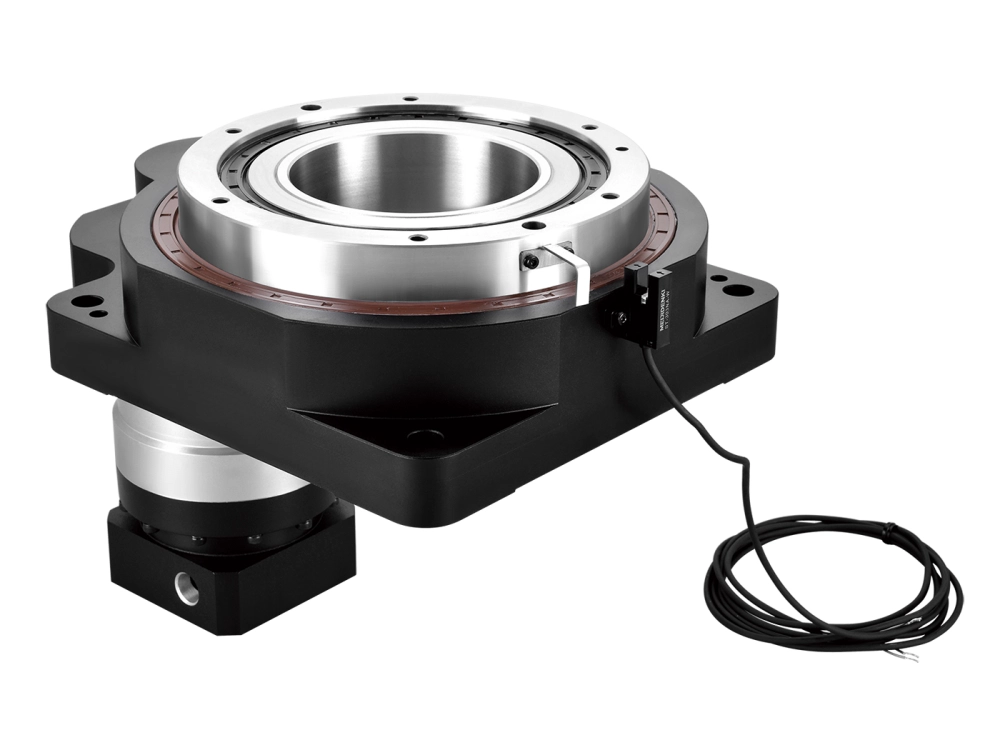
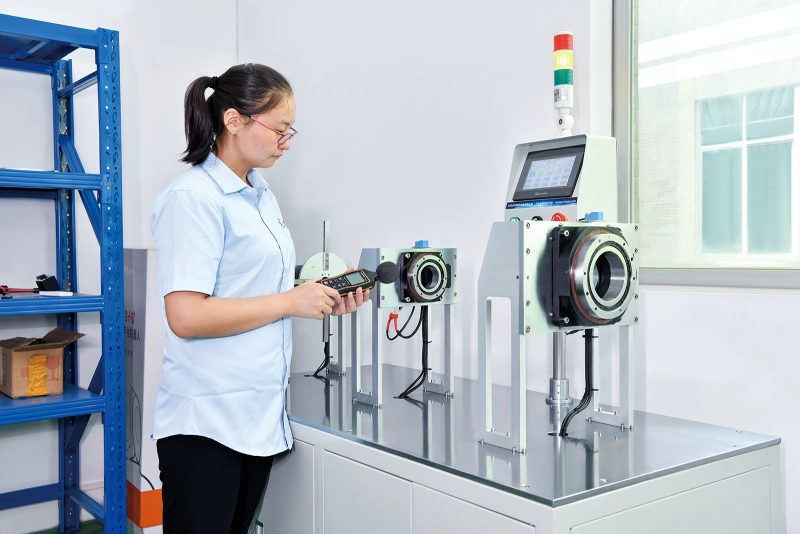
Dongguan Zhuochuang Precision Machinery Co., Ltd manufactures high-precision planetary gearboxes and hollow rotary tables for robotics, automation systems, CNC machinery, packaging machinery, and precision positioning applications. For buyers who need a practical gearbox solution, the selection process should begin with real operating data and mechanical requirements.
Work with a Manufacturer for the Right Gearbox Selection
The best gearbox is not always the largest or most expensive one. The right choice depends on torque demand, gear ratio, backlash, mounting size, speed, load, duty cycle, and service life expectations.
If you are selecting a high torque planetary gearbox for a new machine, replacement project, or OEM production requirement, prepare your motor data, torque requirement, ratio, mounting size, and working conditions before inquiry.
FAQ About High Torque Planetary Gearboxes
What is a high torque planetary gearbox?
A high torque planetary gearbox is a speed reducer designed to increase output torque while keeping the structure compact. It is commonly used with servo motors or other drive systems in automation equipment, robotics, CNC machinery, and precision positioning applications.
How do I choose the right planetary gearbox torque?
Buyers should confirm rated torque, peak torque, gear ratio, output speed, load inertia, duty cycle, backlash requirement, mounting size, and working environment. A planetary gearbox torque calculator can help with early estimation, but final selection should be checked according to real machine conditions.
Is higher torque always better?
Not always. Oversizing may increase cost, weight, and installation space. The better approach is to select a gearbox with suitable torque margin, proper ratio, acceptable backlash, and compatible mounting dimensions.
What information should I send to a gearbox manufacturer?
Send the motor model, motor speed, required output speed, gear ratio, rated torque, peak torque, load details, installation drawings, working cycle, backlash requirement, and application description. This helps the supplier recommend a more suitable gearbox model.
Need a High Torque Planetary Gearbox for Your Equipment?
Contact Dongguan Zhuochuang Precision Machinery Co., Ltd with your torque, ratio, speed, mounting size, backlash requirement, and duty cycle. Our team can help review your application and recommend a suitable gearbox solution.
Contact Us Now