
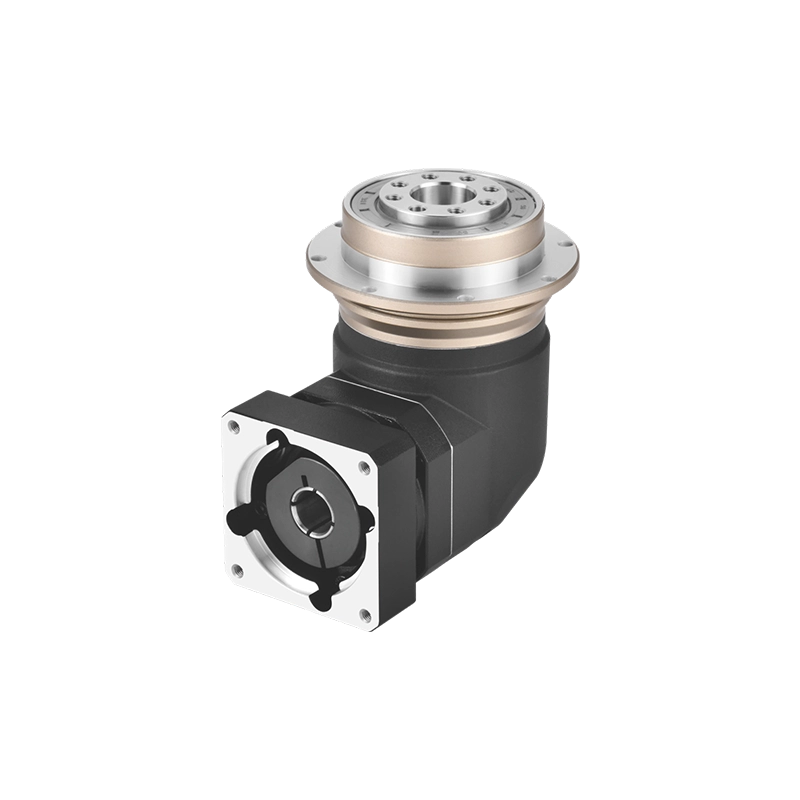
How to Choose a Hollow Rotary Table for Automation Equipment
Selecting the right rotary positioning component is not only a matter of size or price. In automation equipment, a rotary table must match the load, motion cycle, positioning accuracy, motor interface, installation space, and long-term working conditions of the machine. If the selection is too small, the equipment may suffer from unstable indexing, vibration, poor repeatability, or reduced service life. If the model is too large, the machine becomes more expensive and less compact than necessary.
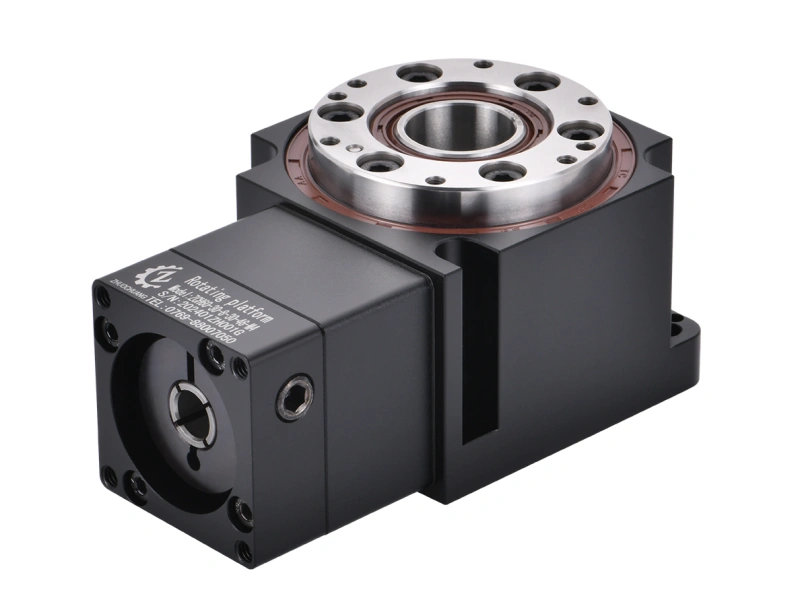
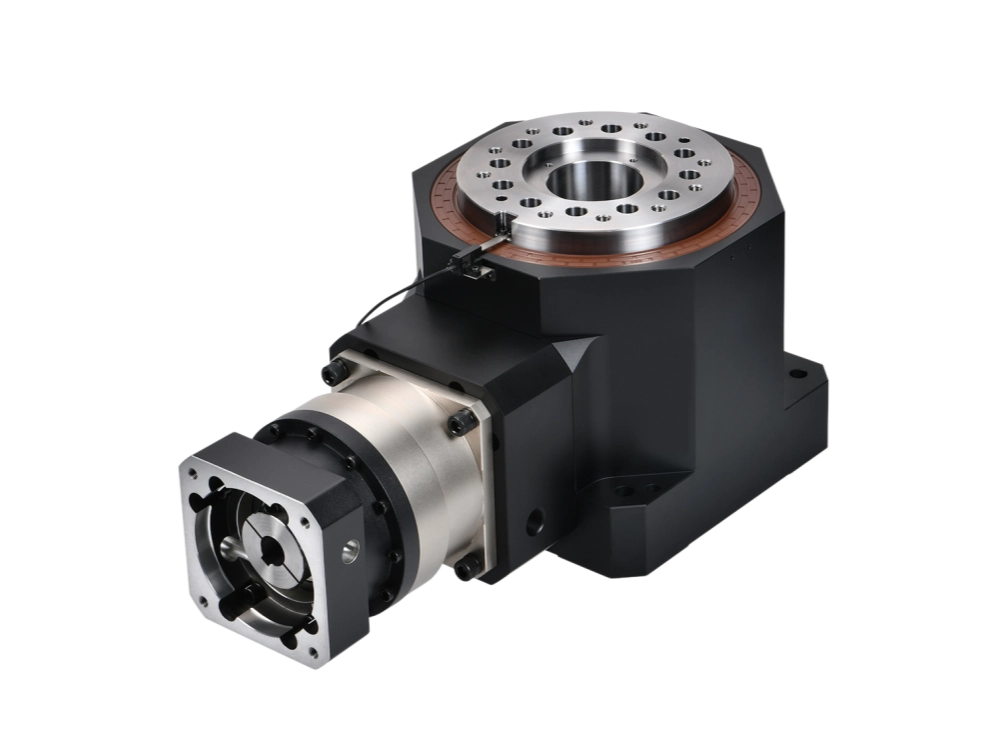
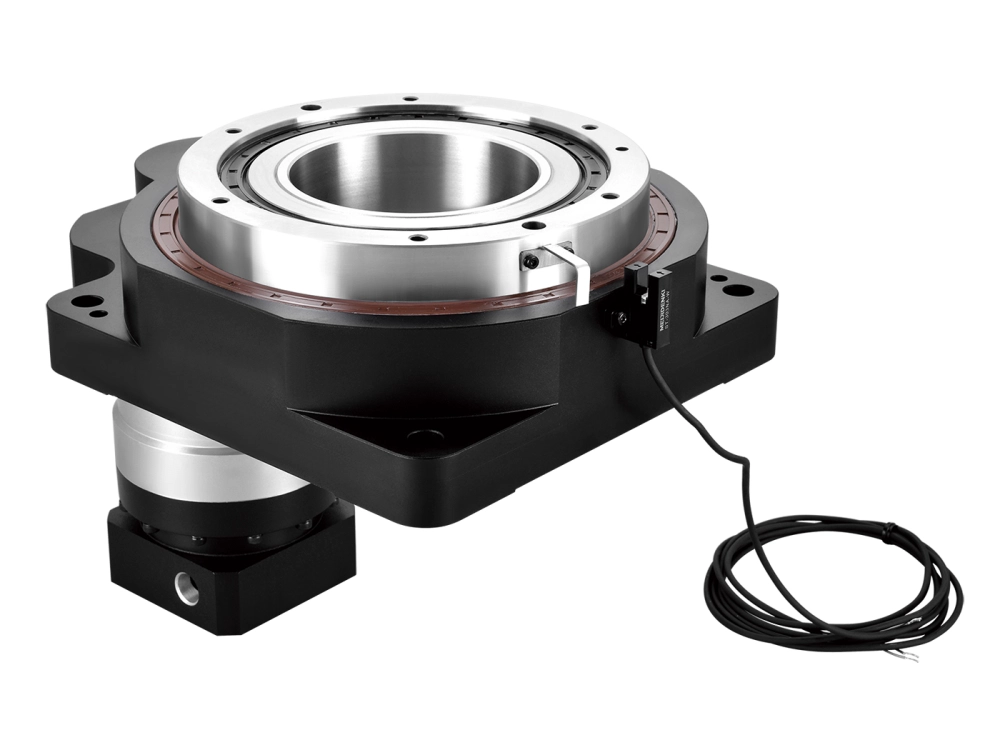
A hollow rotary table is widely used in automated assembly machines, inspection systems, packaging machinery, robotic workstations, electronic component production lines, and precision positioning equipment. Its main value is not simply that it can rotate. The central hollow structure allows cables, air tubes, signal lines, or other components to pass through the center of the table, making the machine layout cleaner and more compact.
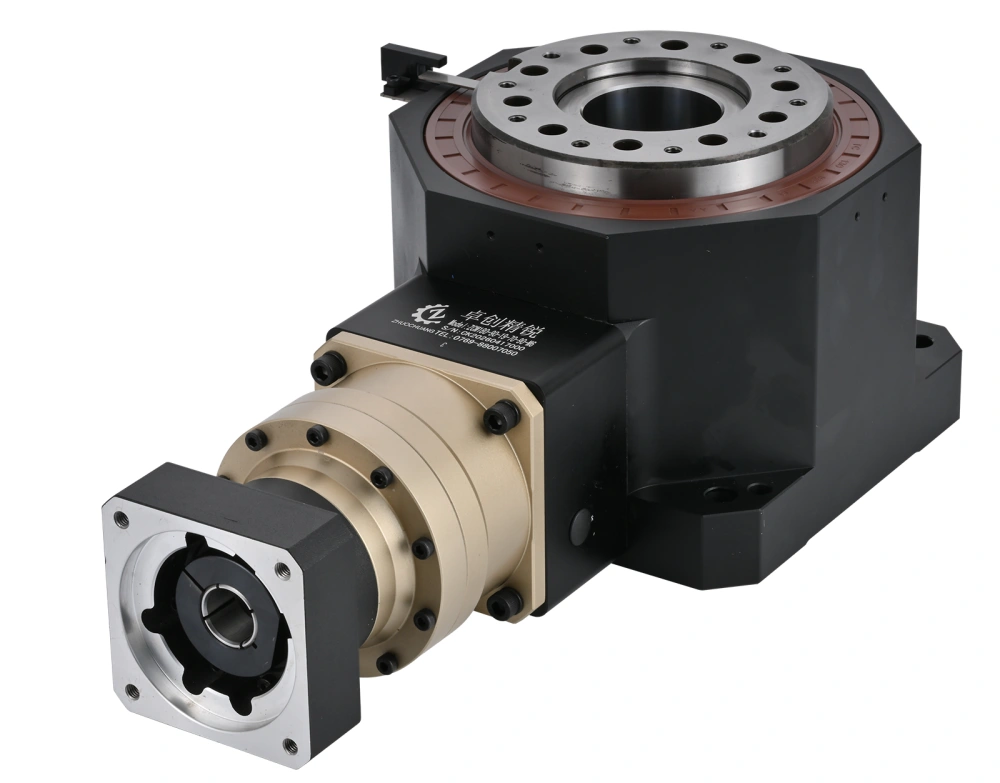
This guide explains how to choose a suitable hollow rotary table for automation equipment from a practical engineering and purchasing perspective. It is written for machine builders, automation integrators, equipment designers, and purchasing teams who need a reliable rotary positioning solution for industrial applications.
How to Choose a Hollow Rotary Table: Start with the Real Application
Many buyers begin by searching for a product name, but the better selection process starts with the application. A rotary table used in a vision inspection machine may have very different requirements from one used in a packaging line. A pick-and-place station may need fast indexing and stable stopping, while a heavy fixture loading station may require stronger rigidity and higher allowable load.
Before choosing a model, first define how the rotary table will be used. Will it rotate a fixture, an indexing plate, a workpiece carrier, a gripper station, or a turntable? Will the movement be continuous, intermittent, or fixed-angle indexing? Will the table stop at several repeated positions, or does the machine require flexible servo-controlled positioning?
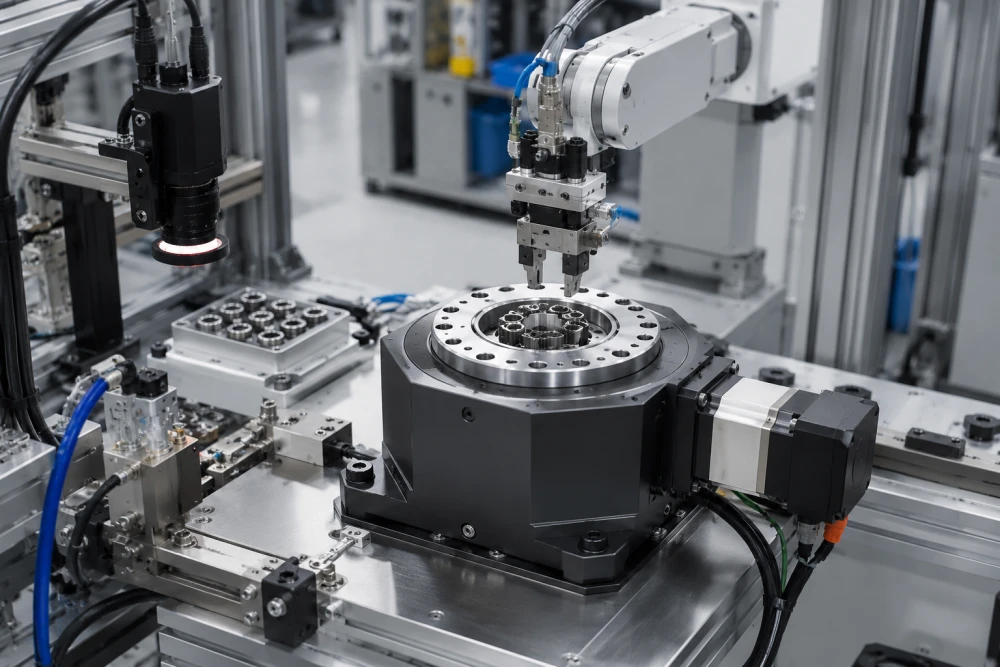
For automation equipment, the most common applications include assembly machines, electronic parts handling, inspection equipment, labeling machines, dispensing systems, packaging machines, and robotic auxiliary positioning units. Once the application is clear, it becomes much easier to determine the right size, torque, accuracy, and structure.
Check the Load Weight and Table Size
Load is one of the first parameters to confirm. The total load does not only mean the weight of the workpiece. It should include the fixture, tooling plate, clamps, sensors, brackets, cables, and any other parts mounted on the rotating surface. In many real machines, the fixture weight is higher than the product weight, so ignoring it can lead to incorrect model selection.
The table diameter also matters. A larger table may create a larger moment load, especially when the workpiece or tooling is not centered. Even if the total weight seems acceptable, eccentric loading can increase stress on the bearing and reducer structure. For this reason, machine designers should check both the vertical load and the overturning moment.
A good selection should consider how the load is placed, how often it moves, how fast it accelerates, and whether the equipment runs for long hours. For stable operation, it is usually better to leave a reasonable safety margin instead of choosing a model that only barely meets the calculated load.
Confirm the Required Hollow Bore Diameter
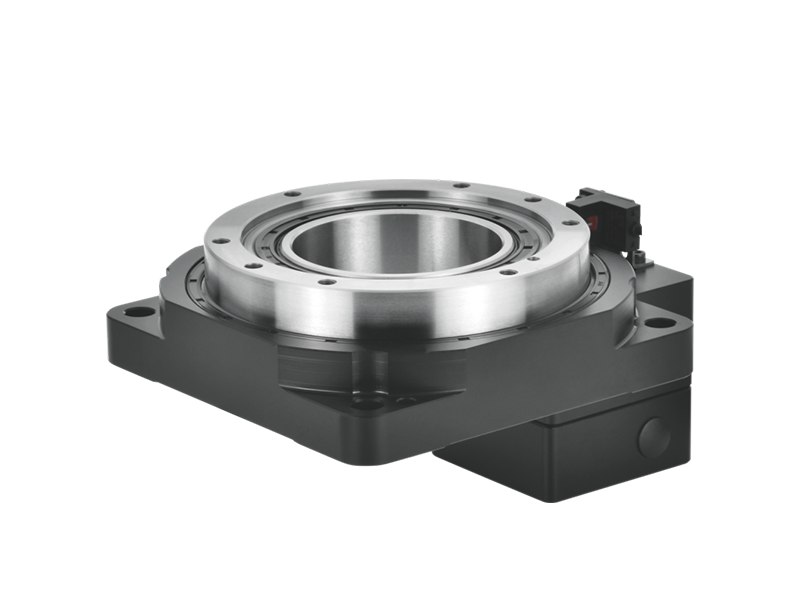
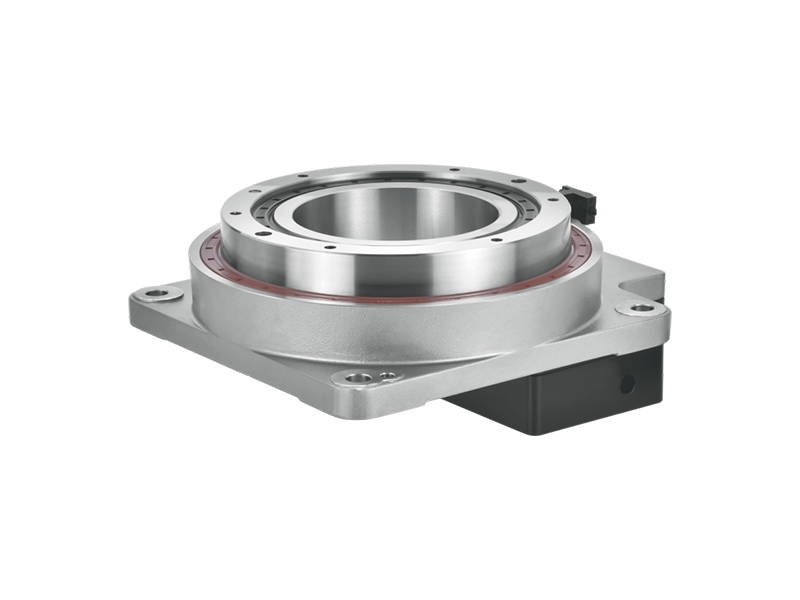
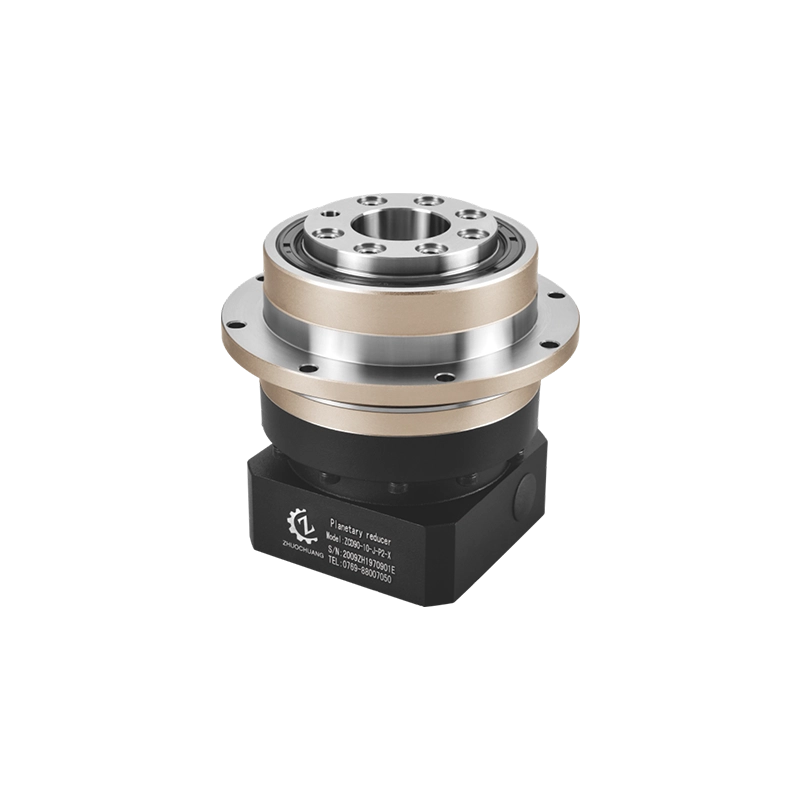
The hollow bore is one of the most important reasons buyers choose this type of rotary positioning product. The center hole allows wires, pneumatic tubes, vacuum lines, signal cables, or other components to pass through the rotating axis. This can help reduce cable twisting, save installation space, and make the machine structure more organized.
When choosing a model, do not only check the outer size of the table. The inner bore diameter should also be reviewed carefully. If the bore is too small, the cable or tube arrangement may become difficult during installation. If the equipment later needs more sensors or pneumatic lines, the available center space may not be enough.
For automation integrators, the hollow structure is especially useful in compact equipment where space is limited. It can simplify routing, reduce external drag chains, and keep the working area cleaner. In equipment that requires repeated rotation, this design can also help avoid cable interference during movement.
Need Help Choosing a Hollow Rotary Table?
Send us your load, table size, bore diameter, servo motor requirement, working cycle, and accuracy target. Our team can help review your application and recommend a suitable model.
Contact Us for Selection SupportUnderstand Torque, Inertia, and Reduction Ratio
Torque selection is not only about whether the table can rotate the load. It must also support acceleration, deceleration, stopping accuracy, and repeated working cycles. A light load rotating slowly may not require much torque, but a larger indexing plate with frequent start-stop movement can create much higher dynamic demand.
In many automation systems, the load inertia is more important than the static weight. A large disk or fixture mounted on the output surface may be difficult to accelerate and stop quickly. If the selected model does not provide enough torque margin, the machine may show vibration, overshoot, long settling time, or unstable positioning.
The reduction ratio affects speed, torque, and positioning behavior. A higher ratio can provide stronger output torque but may reduce output speed. A lower ratio may allow faster rotation but may not be suitable for heavier loads. The right ratio depends on the required cycle time, load inertia, and servo motor performance.
Pay Attention to Repeat Positioning Accuracy
In industrial automation, repeat positioning accuracy is often more important than the general ability to rotate. A rotary positioning unit may be required to stop at the same position hundreds or thousands of times per day. If the repeatability is poor, downstream processes such as assembly, inspection, marking, dispensing, or robotic pick-up can be affected.
For example, in an inspection system, even a small position deviation can cause the camera to capture the wrong area. In an assembly machine, poor repeatability may lead to misalignment between parts. In a packaging machine, unstable rotary positioning can affect labeling, filling, sealing, or transfer accuracy.
When reviewing specifications, buyers should check repeat positioning accuracy, backlash, bearing rigidity, and the quality of the transmission structure. A low-cost product with unclear accuracy data may seem attractive at first, but it can create costly problems after installation.
Consider Backlash and Rigidity
Backlash refers to the small clearance or lost motion in the transmission system. In high-precision positioning applications, lower backlash usually means better response and more stable stopping performance. However, the acceptable backlash level depends on the application. Not every machine requires the highest precision, but every machine needs a reasonable match between accuracy and cost.
Rigidity is also important. A rotary table with insufficient rigidity may deflect under load, especially when the workpiece is large, heavy, or mounted away from the center. This can affect positioning accuracy and cause vibration during acceleration or stopping. For machines that require stable repeat motion, rigidity should be considered together with torque and load capacity.
In applications such as vision inspection, electronic assembly, precision dispensing, and automated testing, the machine may require both low backlash and high rigidity. For general transfer or indexing applications, the selection may focus more on durability, speed, and load capacity.
Match the Servo Motor Correctly
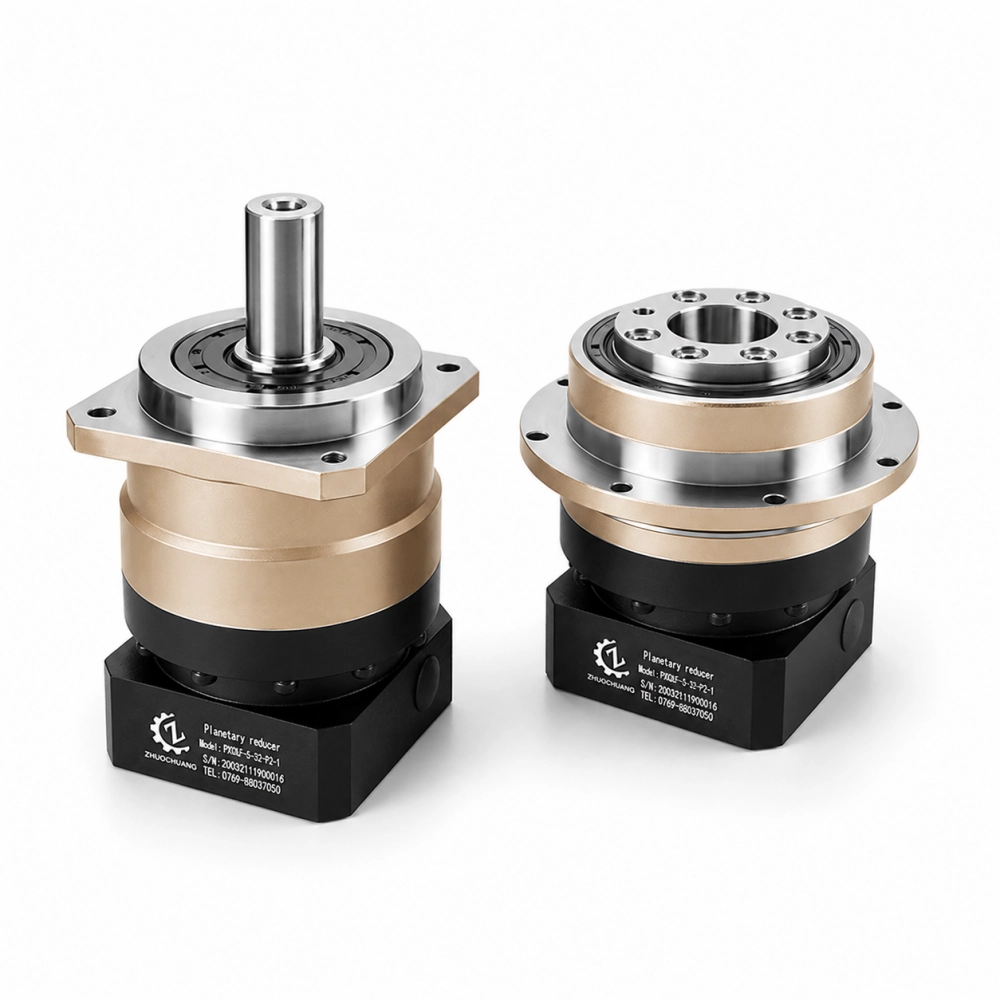
Many hollow rotary tables are used together with servo motors. The motor must match the input interface, flange size, shaft size, torque requirement, and speed requirement of the rotary table. A mismatch can cause installation problems, poor motion performance, or additional machining work.
Before ordering, confirm the servo motor brand and model if it has already been selected. Different servo motors may have different shaft diameters, keyway designs, mounting hole positions, and flange standards. If the motor is not yet selected, the rotary table supplier can often help recommend a suitable motor range according to the application.
The control system should also be considered. Some machines require precise indexing angles, while others need flexible positioning at different angles. A servo-driven rotary table is often a good choice when the equipment needs programmable positioning, smooth motion, and repeatable operation.
Choose the Right Series for the Machine Structure
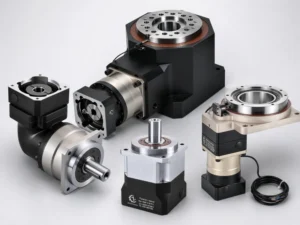
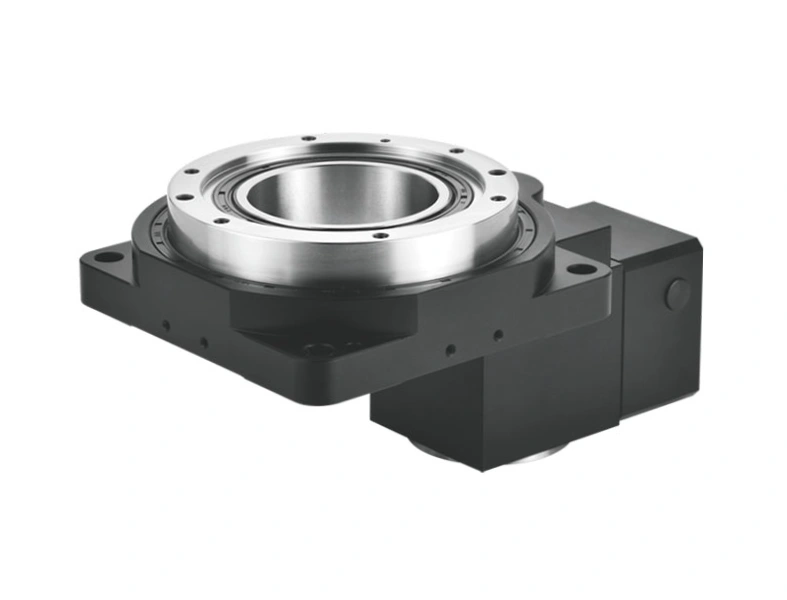
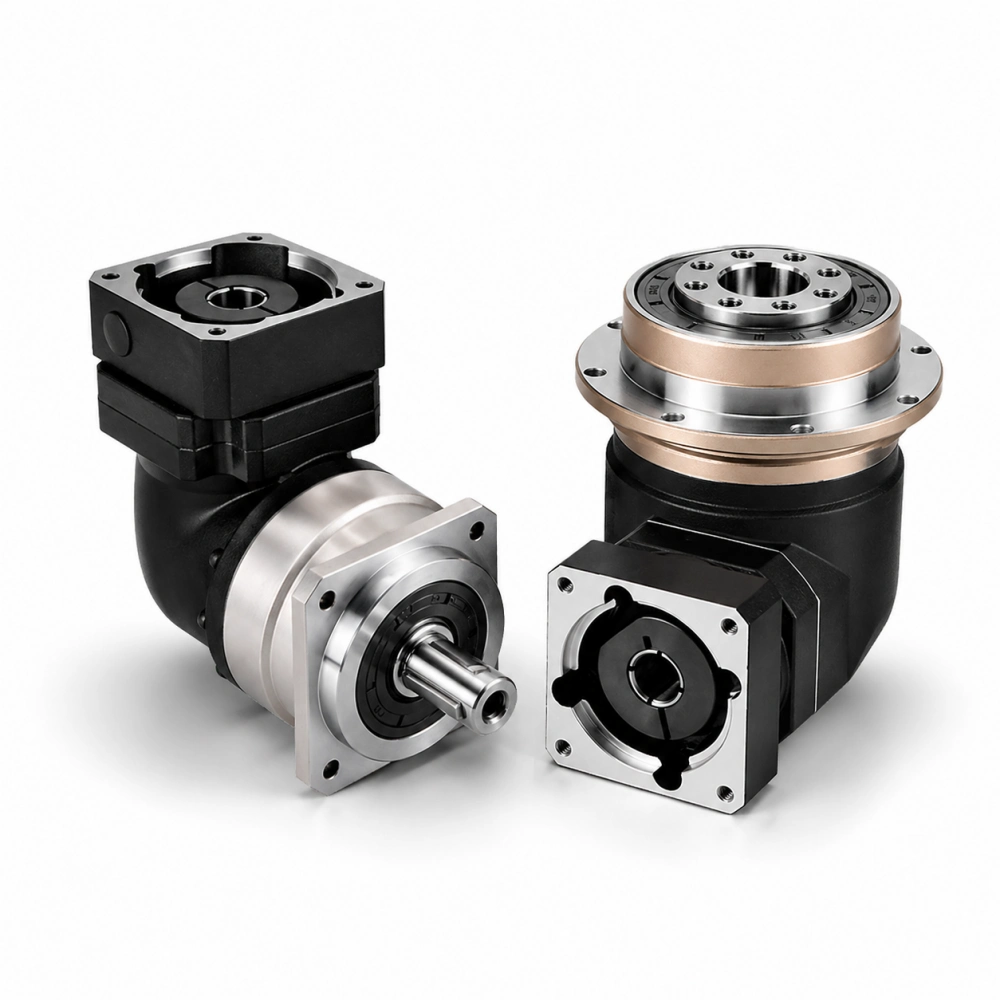
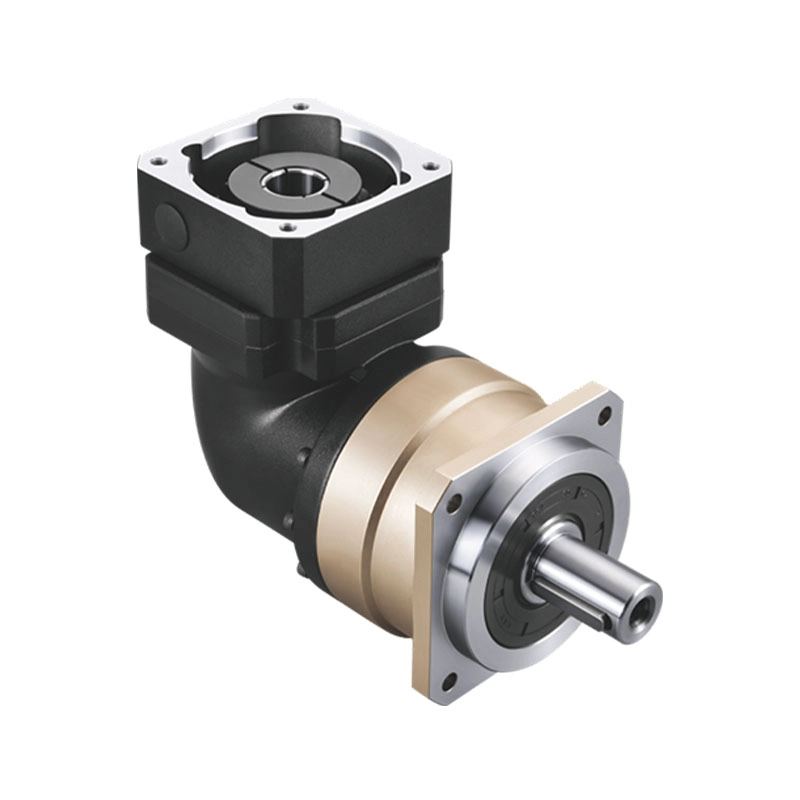
Different hollow rotary table series may be designed for different installation methods, load requirements, and space conditions. Some models are compact and suitable for small automation equipment. Some are better for higher load capacity. Some may provide a larger center bore, while others may focus on rigidity or special mounting structures.
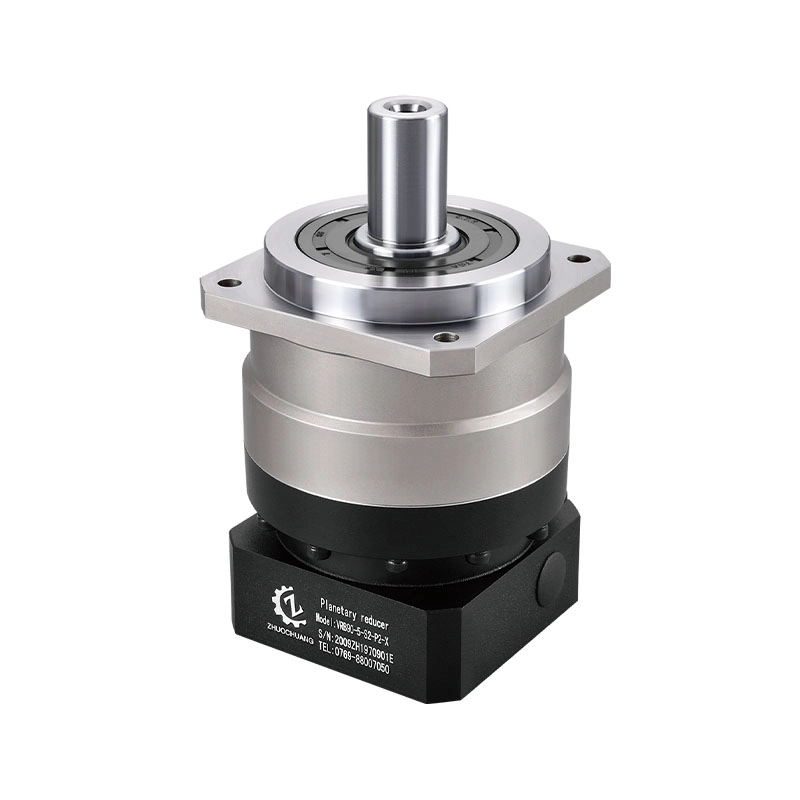
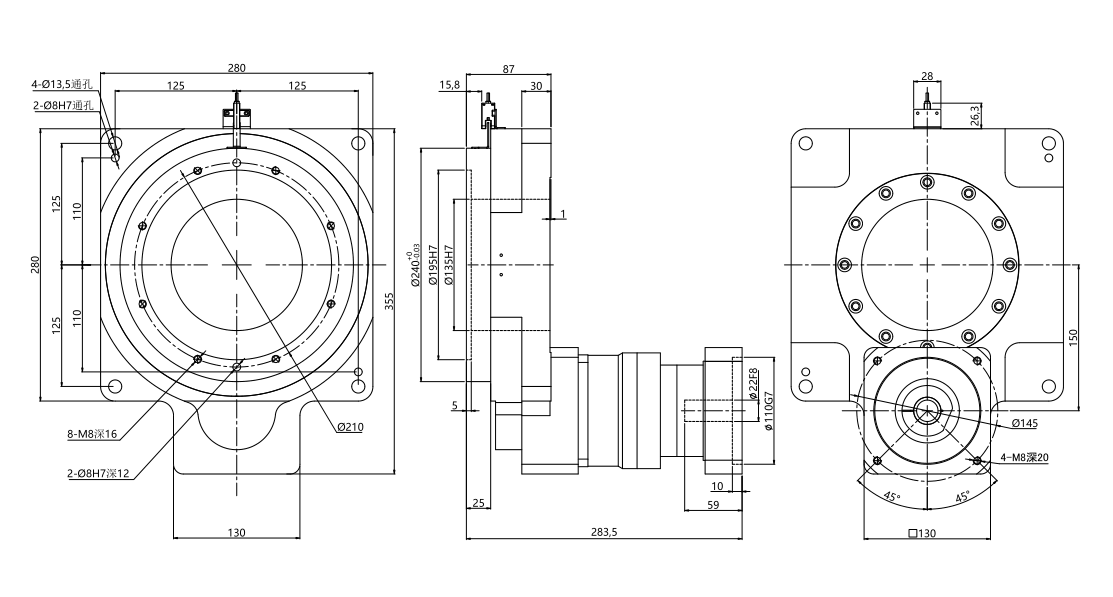
When comparing models, do not only look at the product image. Check the table diameter, center bore size, total height, mounting hole pattern, motor installation direction, output torque, reduction ratio, and allowable load. These parameters determine whether the product can be integrated smoothly into the machine.
You can review our hollow rotary table product range to compare available series for automation machinery, CNC auxiliary positioning, inspection systems, packaging equipment, and robotic workstations.
Questions to Confirm Before Ordering
Before sending an inquiry, buyers can prepare several basic details. This helps the manufacturer recommend a more accurate model and reduces communication time. Important information includes the application, load weight, table size, required speed, indexing angle, working cycle, accuracy requirement, installation space, motor brand, and whether customization is needed.
- What is the total rotating load, including fixture and tooling?
- What table diameter or mounting space is required?
- What hollow bore diameter is needed for cables or air tubes?
- What rotation angle, speed, and cycle time are required?
- What repeat positioning accuracy is expected?
- Which servo motor brand and model will be used?
- Is a standard model enough, or is customization required?
If possible, provide a drawing or simple layout sketch. Even a basic drawing can help the supplier understand how the table will be installed and what kind of load it will carry. For automation equipment, clear technical communication before production is much better than solving problems after installation.
Manufacturer Support Matters for Automation Projects
For standard equipment, choosing from a catalog may be enough. But for customized automation machines, it is often better to work directly with a manufacturer or technical supplier. The reason is simple: every machine has different load conditions, installation space, working cycles, and accuracy requirements.
Dongguan Zhuochuang Precision Machinery Co., Ltd provides precision transmission products for automation equipment, robotics, CNC machinery, packaging systems, and industrial motion control applications. If your project requires a suitable rotary positioning solution, you can review our hollow rotary table product range or contact our team for model selection support.
FAQ About Choosing a Hollow Rotary Table
What is the most important factor when choosing a hollow rotary table?
The most important factor is the real working condition of the machine. Buyers should confirm the load, table size, cycle time, accuracy requirement, hollow bore size, and servo motor matching before selecting a model.
Why does the hollow bore size matter?
The hollow bore allows cables, air tubes, signal lines, or vacuum lines to pass through the center of the rotary table. This helps save space, reduce cable twisting, and keep the machine layout cleaner.
Is a hollow rotary table the same as a hollow rotary actuator?
The terms are sometimes used in similar automation applications, but they are not always identical. A hollow rotary table usually refers to a rotary positioning table with a central bore, while a hollow rotary actuator may refer more broadly to a motor-driven rotary motion unit.
Can a hollow rotary table be used with a servo motor?
Yes. Many hollow rotary tables are designed to work with servo motors. Before ordering, buyers should confirm the motor brand, shaft size, flange size, torque requirement, and mounting direction.
What information should I provide before requesting a quote?
It is helpful to provide the application, load weight, table diameter, required speed, positioning accuracy, hollow bore size, servo motor model, installation space, and any available drawings.
Request a Hollow Rotary Table Quote
If you are not sure which model is suitable for your automation equipment, send us your application details. Our team can help evaluate the load, bore size, motor matching, accuracy requirements, and installation conditions.
Request a QuoteConclusion
Choosing a hollow rotary table for automation equipment requires more than checking the outer size or comparing prices. A suitable selection should consider the real application, load weight, table diameter, hollow bore size, torque, inertia, reduction ratio, repeat positioning accuracy, backlash, rigidity, servo motor matching, and installation space.
For machine builders and automation integrators, the right rotary positioning solution can improve equipment stability, simplify machine layout, reduce cable interference, and support accurate repeated motion. The best choice is not always the largest or most expensive model, but the one that matches the actual working conditions of the machine.
If your project involves automated assembly, inspection, packaging, robotic positioning, electronic parts handling, or other precision motion applications, a well-selected hollow rotary table can become an important part of the machine’s performance. For technical support or product selection, please visit our hollow rotary table page or contact Dongguan Zhuochuang Precision Machinery Co., Ltd .