
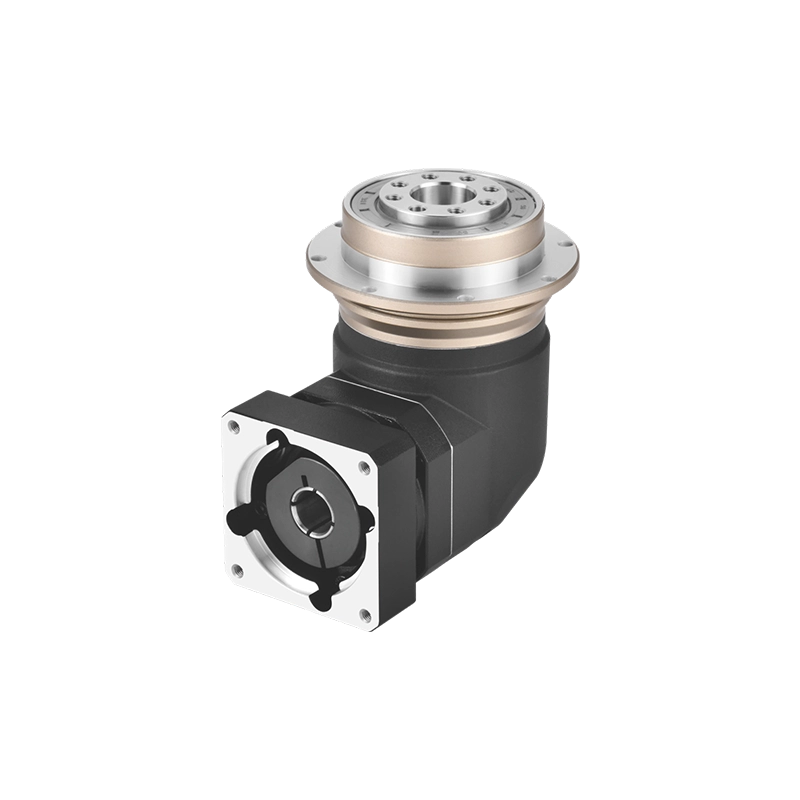
Motion Components for Medical Device Automation
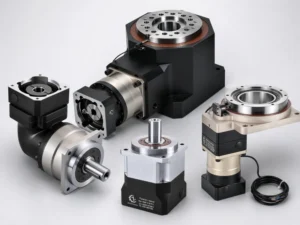
Medical device automation depends on controlled, repeatable movement at every stage—from feeding and assembly to inspection, testing, indexing, and packaging. Zhuochuang supplies precision planetary gearboxes and hollow rotary tables for machine builders creating compact, servo-driven medical device manufacturing equipment.
Our role is focused and practical: we manufacture motion components rather than complete medical device assembly machines. By reviewing the motor, load, motion profile, accuracy target, available space, and operating cycle, we help engineers identify a suitable gearbox or rotary-table direction before detailed model selection.
For a faster engineering review, prepare the servo motor model, expected load, required movement, available installation envelope, operating hours, and target quantity.
Where Motion Fits in Medical Device Automation
A medical device automation system often combines several motion tasks. Select a process stage to see the typical engineering priorities and an initial component direction.
Controlled Feeding for Medical Device Assembly Automation
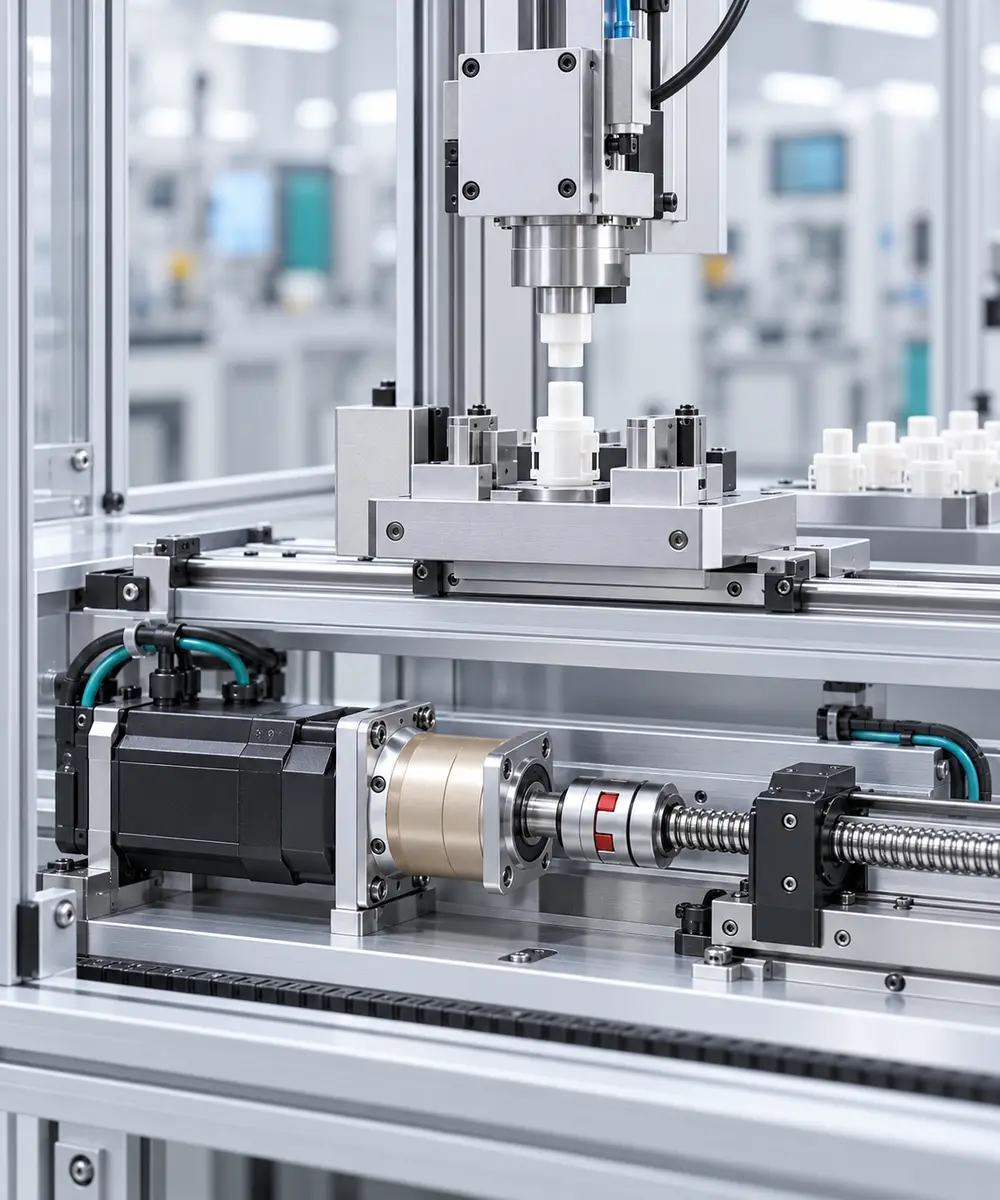
Feeders, indexing conveyors, pick-and-place axes, and orientation stations must deliver small components without disturbing the next operation. A precision planetary gearbox can reduce servo speed, increase usable torque, and help the driven axis accelerate predictably. Correct selection considers reflected inertia, starts per hour, belt or screw loads, and the time available for settling.
Motion Components for a Medical Device Assembly Machine
A medical device assembly machine may press, rotate, fasten, dispense, or align parts in a controlled sequence. Gearbox backlash, torsional rigidity, motor tuning, tooling compliance, and structural stiffness all affect the complete axis. The gearbox should therefore be evaluated as part of the machine, not as an isolated ratio.
Rotary Positioning for Medical Device Inspection Equipment
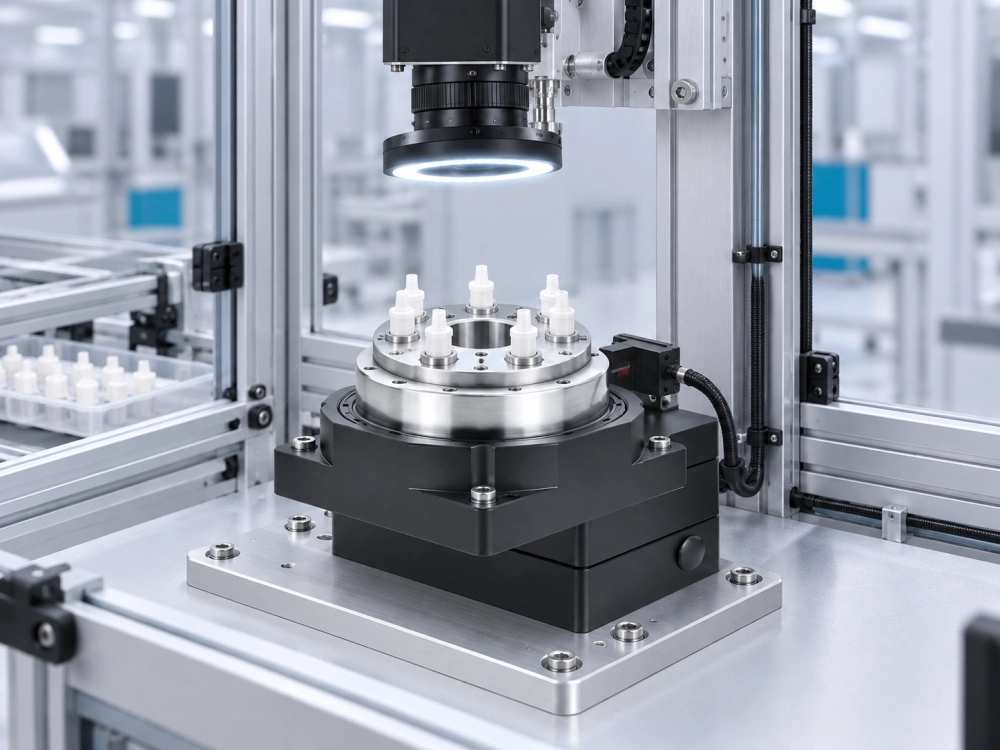
Vision stations may rotate a component, fixture, camera, or illumination assembly to inspect multiple surfaces. Repeatability, stable support, cable routing, and controlled settling are important because vibration or mechanical play can affect image acquisition. A hollow rotary table can support the rotating fixture while keeping a central route available for wiring or pneumatic lines.
Repeatable Motion for Automated Medical Device Testing
Test fixtures may index products between measurement stations, apply a controlled rotation, or position a sensor relative to the device. The motion profile should define travel, speed, acceleration, deceleration, dwell, reversals, and cycle frequency. This information allows a gearbox or rotary table to be checked against peak and continuous operating conditions.
Indexing and Transfer in Medical Automation Equipment
Downstream equipment may orient trays, index fixtures, transfer finished devices, or synchronize auxiliary axes. Reliability depends on realistic duty-cycle data, suitable bearing support, correct ratio, and an installation that avoids unintended radial or axial loads on the gearbox output.
Motion Requirements in Medical Device Manufacturing Equipment
Medical device manufacturing equipment can contain fast transfer axes, controlled assembly stations, rotary fixtures, inspection systems, and packaging modules. Each axis should be evaluated by its real mechanical task. The matrix below connects common design questions with the factors that affect component selection.
| Machine requirement | What engineers should evaluate | Possible component direction |
|---|---|---|
| Compact servo reductionSmall machine envelope | Ratio, motor shaft, flange, inertia, peak torque, continuous torque, and mounting length. | Inline planetary gearbox |
| Folded drive layoutMotor cannot remain coaxial | Output direction, complete envelope, lubrication orientation, external forces, and cable clearance. | Right angle planetary gearbox |
| Fixture rotationLoad requires direct support | Rotating mass, fixture diameter, inertia, axial load, radial load, overturning moment, and center bore. | Hollow rotary table |
| Repeatable inspectionStable image capture | Required repeatability, dwell time, settling time, fixture rigidity, speed profile, and external vibration. | Rotary table or supported gearbox axis |
| Frequent starts and reversalsDynamic operation | Cycles per hour, acceleration, deceleration, reflected inertia, shock loading, thermal conditions, and service expectations. | Application-sized servo gearbox |
Choose a Motion Component for Medical Device Automation
Select the statement that best describes the axis. This short selector provides an initial product direction for medical device assembly automation; it does not replace torque calculation, load verification, or motor-interface confirmation.
Components for Medical Device Assembly Automation
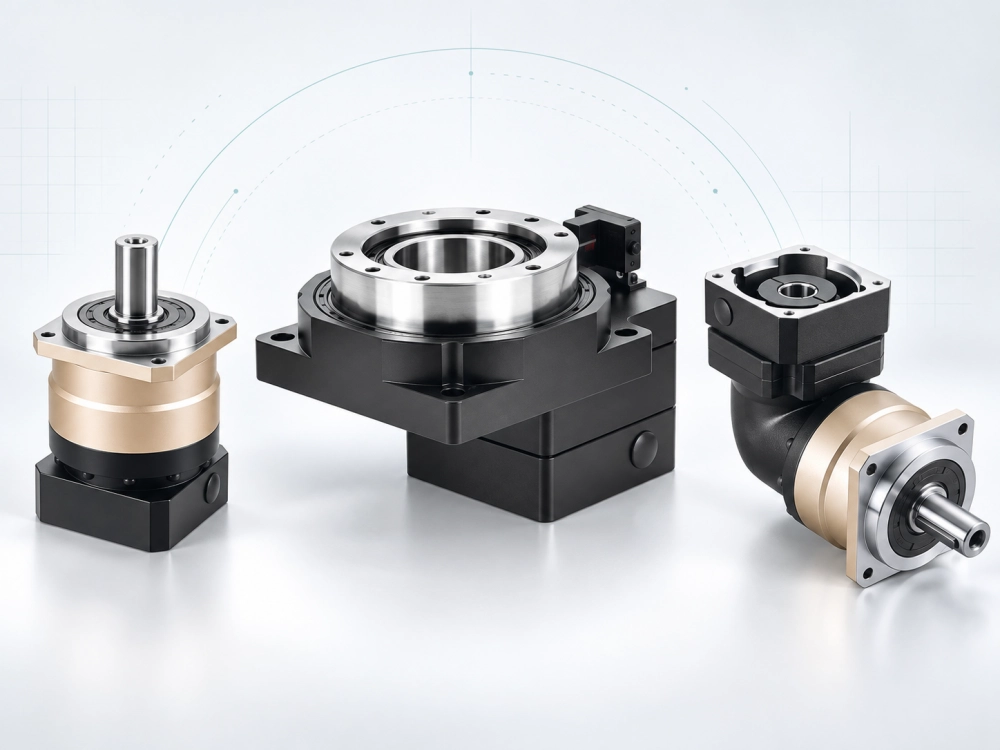
The best architecture follows the load path and installation envelope. Zhuochuang offers three relevant product directions for medical device automation rather than presenting every series as suitable for every axis.
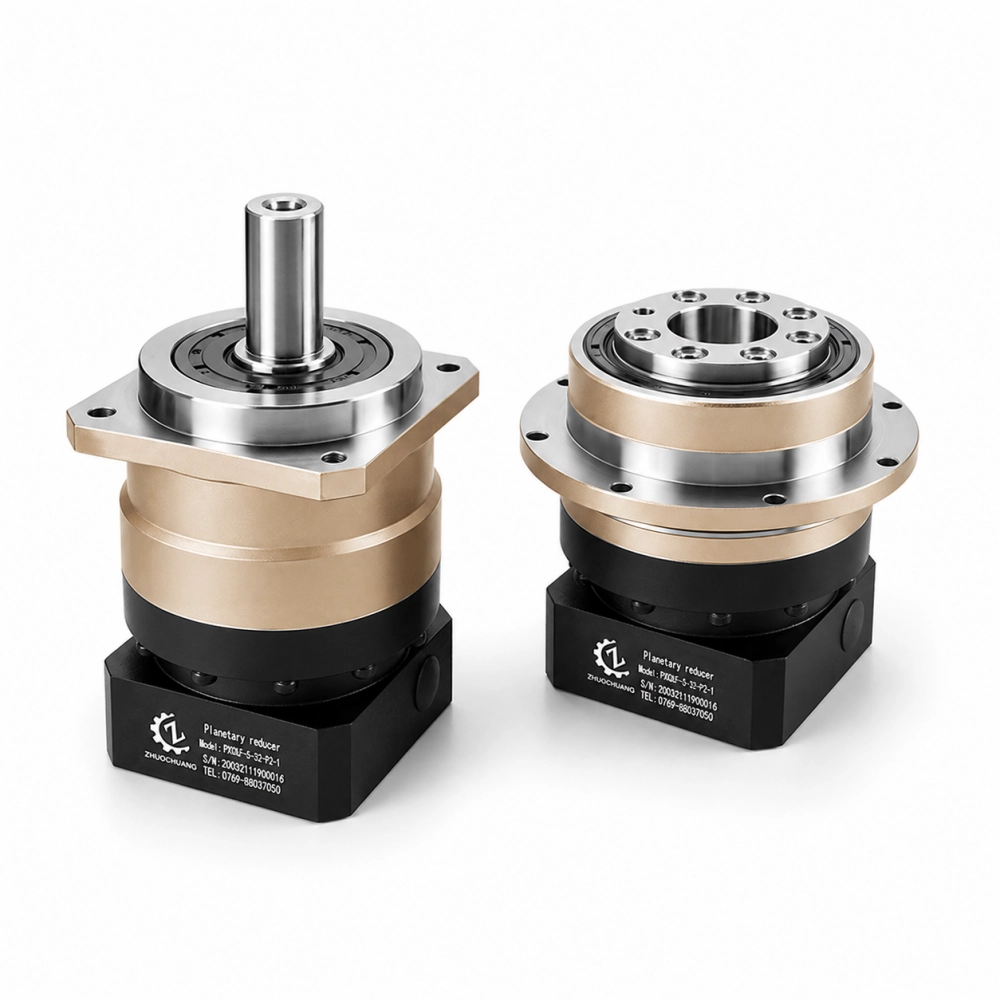
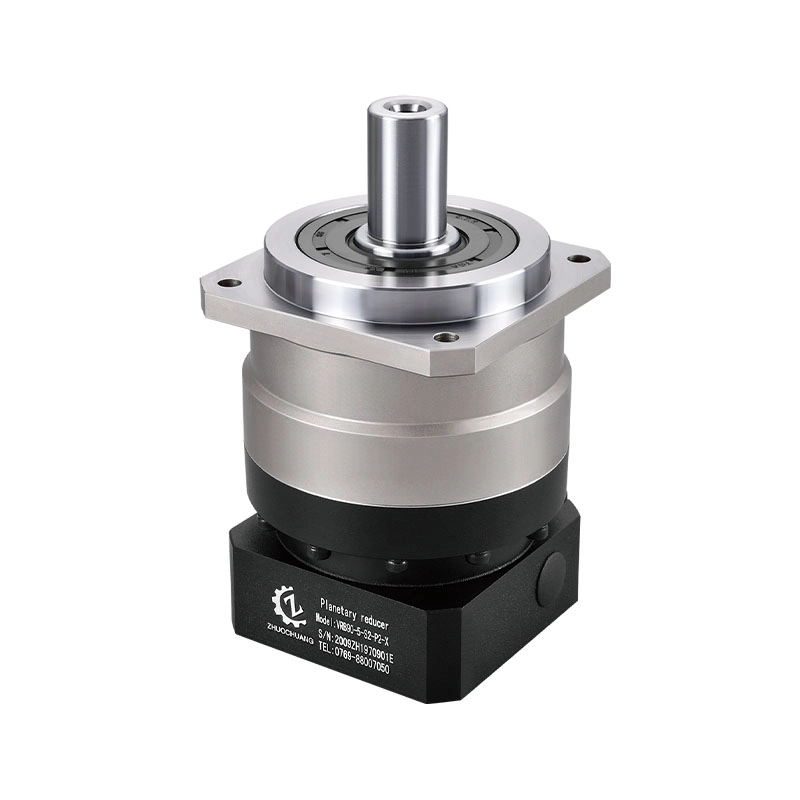
Inline Planetary Gearboxes for Medical Device Assembly Machinery
An inline planetary gearbox keeps the motor input and gearbox output on the same centerline. This familiar arrangement is useful in medical device assembly machinery where axial space is available and the designer needs compact speed reduction, increased output torque, and controlled backlash. Typical axes can include feeders, screw drives, inspection slides, dispensing mechanisms, rotary tools, and transfer modules.
Selection begins with the servo motor and movement rather than the frame size alone. Verify rated and peak motor torque, rated speed, desired output speed, ratio, load inertia, coupling, shaft dimensions, mounting flange, external forces, and operation time. Higher ratio is not automatically better because it changes output speed, reflected inertia, efficiency, and stage count.
Our inline planetary gearbox families include different frame sizes, reduction ratios, output dimensions, and servo motor interfaces. These options allow machine builders to compare compact installation, required output torque, speed, backlash, shaft connection, and motor mounting requirements for different medical device automation axes.
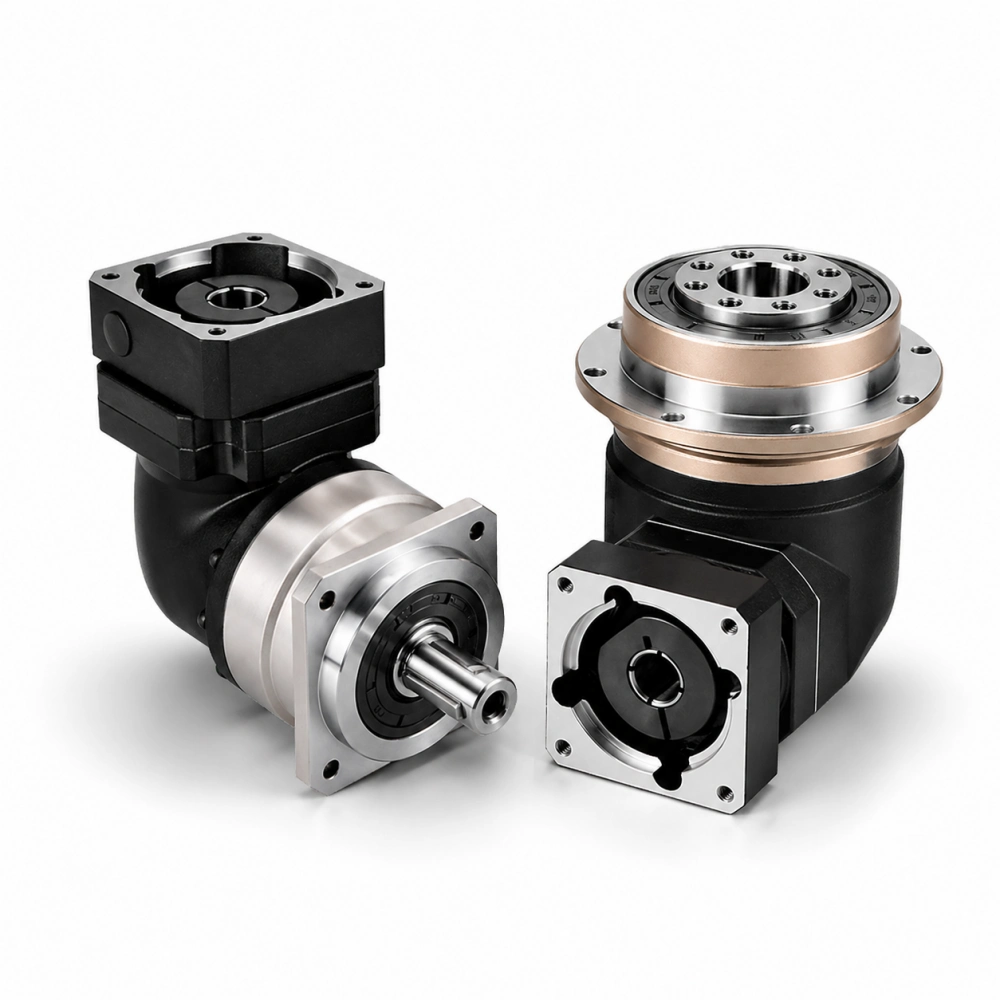
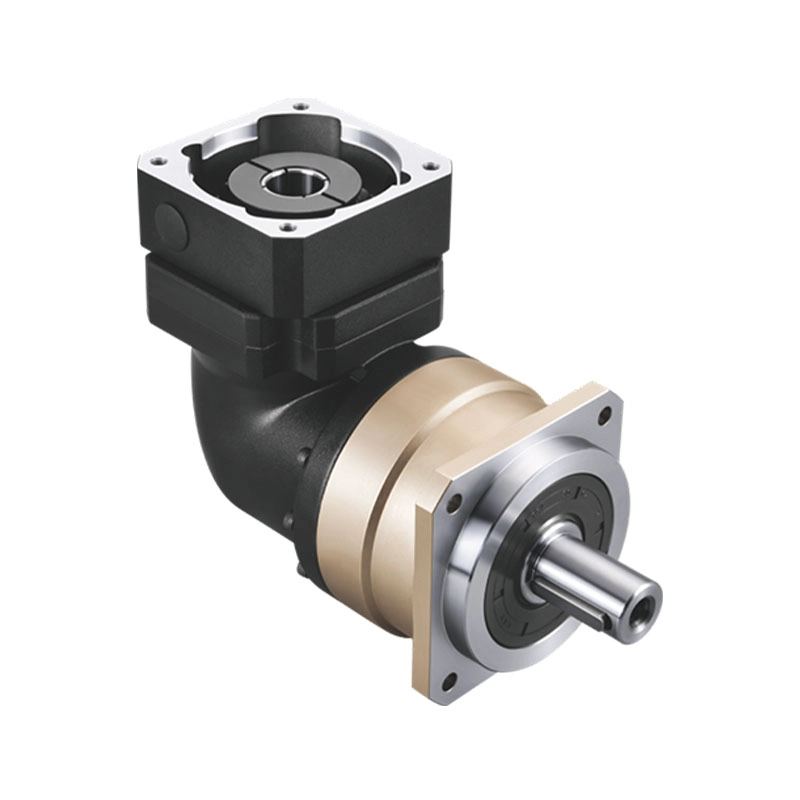
Right Angle Planetary Gearboxes for Compact Medical Automation Equipment
A right angle planetary gearbox changes the transmission direction so the motor can be positioned beside the driven axis. That arrangement can help when guards, adjacent stations, service access, or the overall machine length prevents a coaxial motor layout. It is relevant to compact medical automation equipment, but it should be chosen from the complete envelope and loading conditions—not simply because it appears shorter in one direction.
Check output orientation, available width and height, mounting faces, cable routing, lubrication requirements, radial and axial forces, ratio, speed, and the specific torque ratings of the selected model. A right angle unit and an inline unit with the same nominal frame designation may not have identical ratings or dimensions.
Right angle planetary gearbox series provide alternative mounting arrangements for medical device assembly automation where a coaxial motor would make the machine too long or interfere with nearby equipment. Different frame sizes and ratios support different torque, speed, motor interface, and installation-envelope requirements.
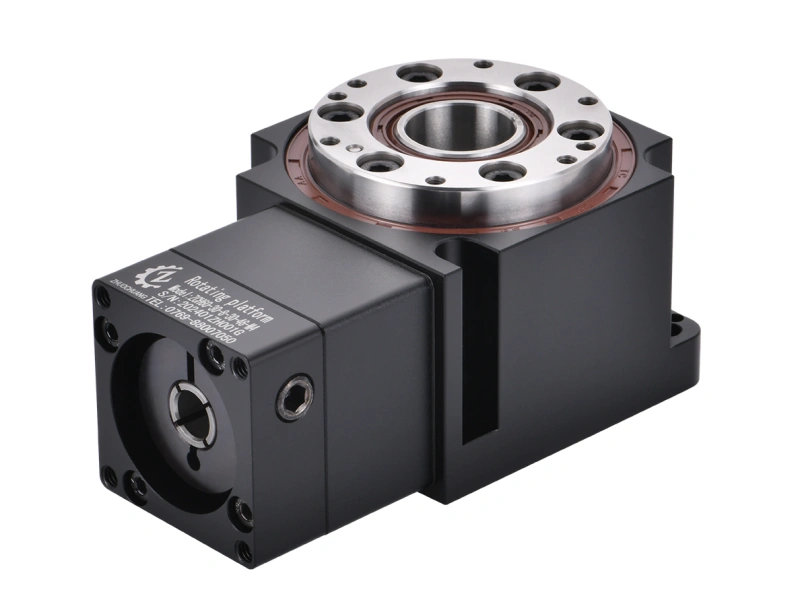
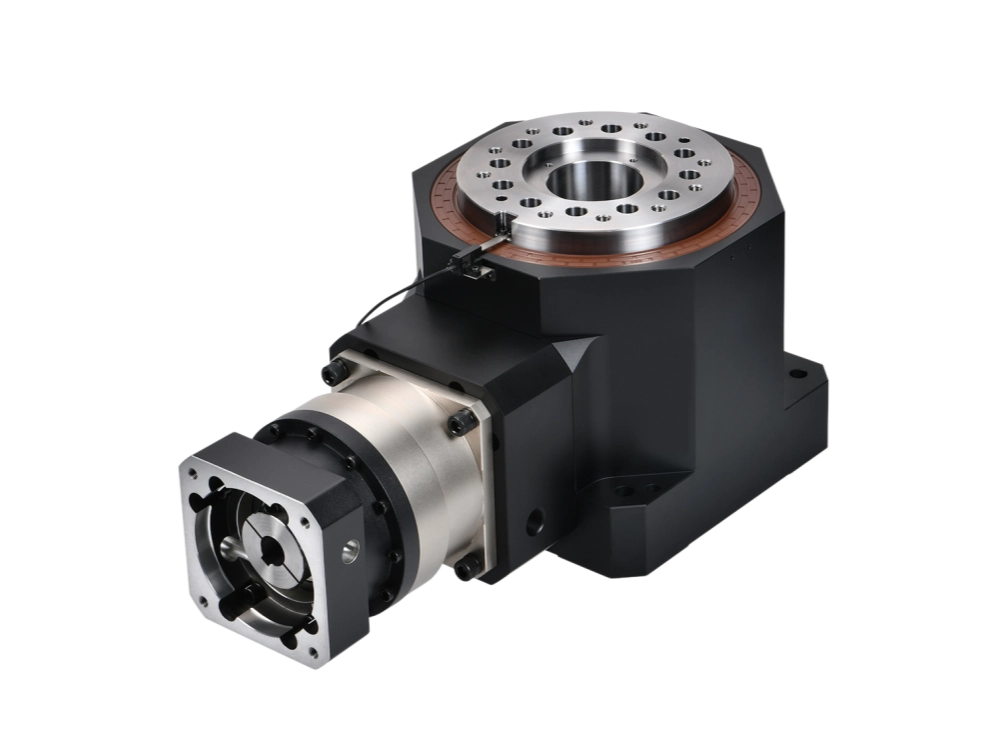
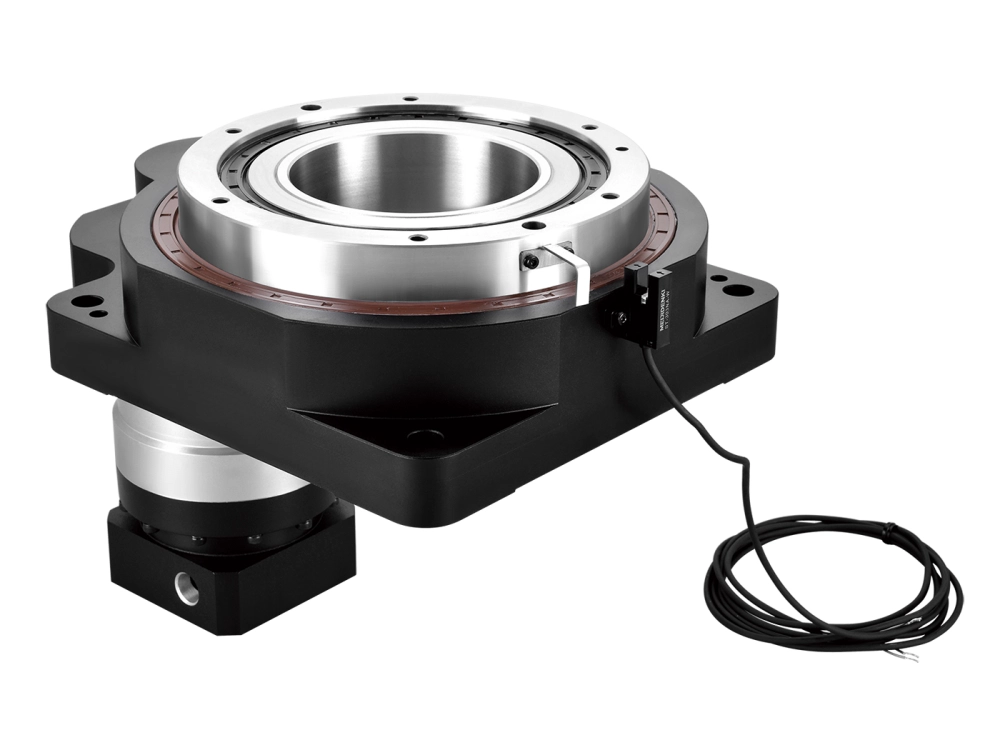
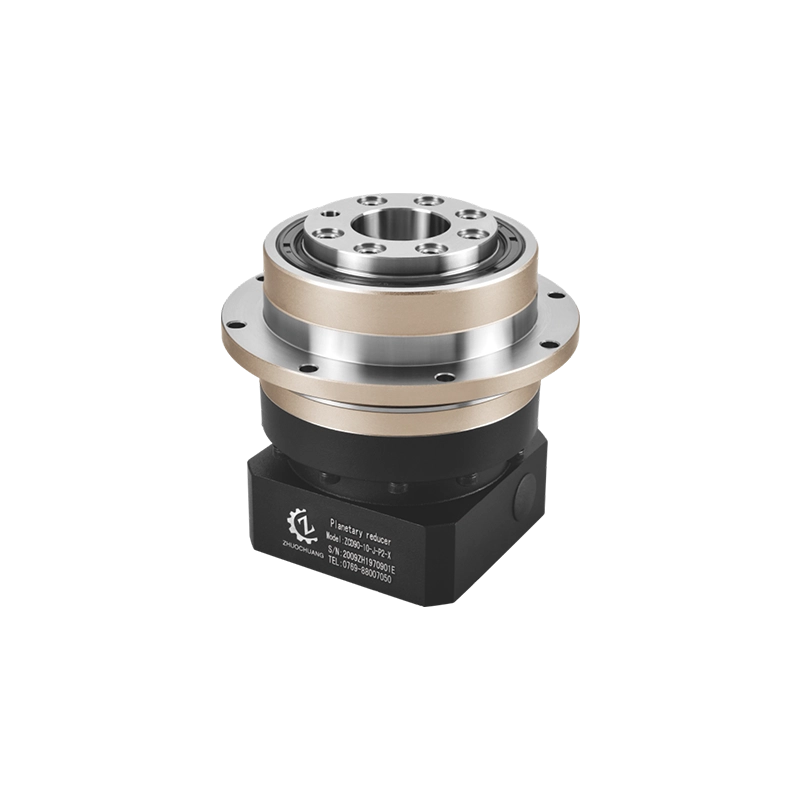
Hollow Rotary Tables for Medical Device Inspection and Assembly
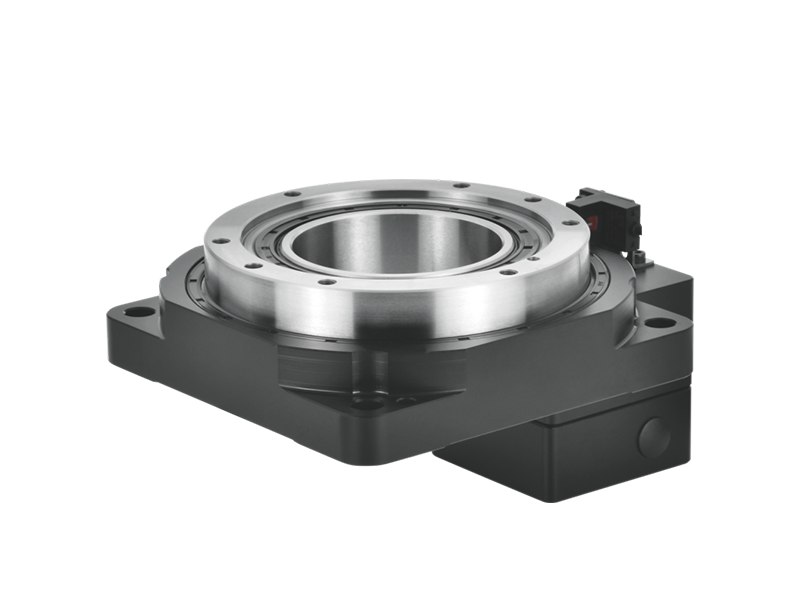
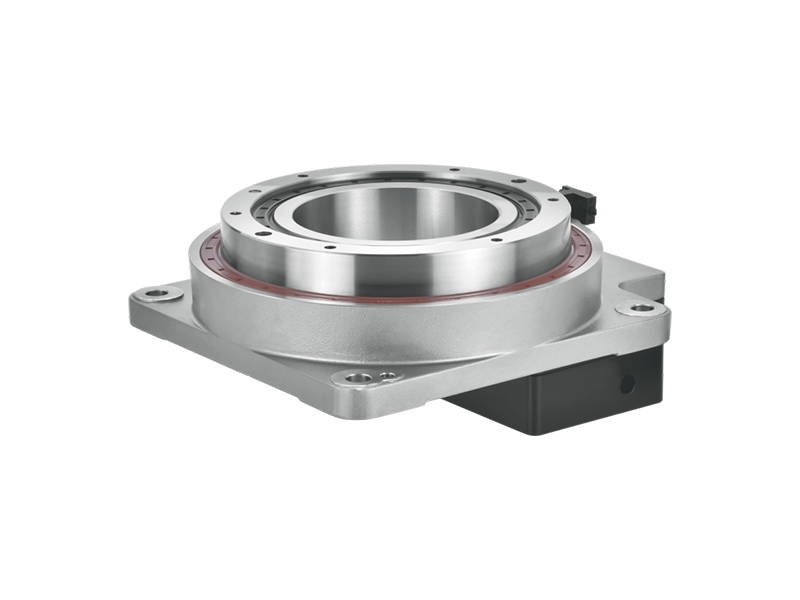
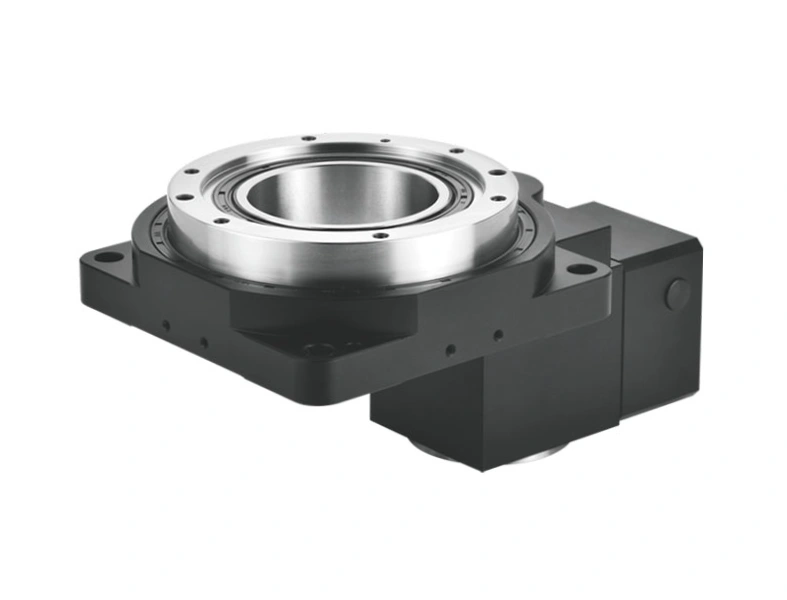
A hollow rotary table combines a rotary output interface, bearing support, and a large central opening in a compact unit. In medical device manufacturing automation, it may support a fixture used for vision inspection, component orientation, multi-position assembly, testing, or controlled indexing. The center bore can simplify routing for camera cables, sensors, pneumatic tubes, vacuum lines, or fixture connections when the machine design requires a clear central path.
The table should be selected from the total rotating mass, fixture diameter, center of gravity, inertia, axial load, radial load, overturning moment, target speed, acceleration, dwell, positioning requirement, and mounting orientation. Confirm whether the specification refers to backlash, positioning accuracy, or repeatability because these values describe different aspects of the complete rotary system.
Zhuochuang hollow rotary table families provide different table sizes, center-bore dimensions, load capacities, profiles, mounting arrangements, and motor interfaces. This range helps equipment designers compare options for fixture rotation, inspection positioning, central cable routing, component orientation, and indexing in medical device manufacturing equipment.
Medical Device Manufacturing Automation Tasks
Medical device manufacturing automation covers many machine types, so an industry name alone is not enough to recommend a gearbox. The useful question is what the axis must move, how it is supported, and what performance the complete station must achieve.
Small-component assembly and orientation
Automated medical device assembly equipment may orient housings, caps, diagnostic consumables, connectors, or other components before joining operations. The axis may require controlled acceleration, repeatable stops, and a compact interface with the servo motor. Gearbox ratio, backlash, rigidity, and inertia should be considered together with tooling compliance and fixture accuracy.
Vision inspection and dimensional checking
A rotary station can present several surfaces to a camera while maintaining a stable relationship between the product and optics. A hollow rotary table may be useful when the fixture requires direct rotary support and cables or air lines must pass through the center. Image quality still depends on the full structure, lighting, settling time, and control strategy.
Diagnostic consumable production
A medical device assembly line for cartridges, test consumables, or small diagnostic products may combine feeding, positioning, assembly, inspection, and packaging. Inline and right angle planetary gearboxes can serve supported auxiliary axes, while a rotary table may support an indexing or inspection fixture.
Laboratory automation mechanisms
Laboratory automation equipment can include sample handling, tray indexing, optical measurement, liquid-handling support, and auxiliary positioning axes. Component selection must reflect the actual load and motion profile. Zhuochuang does not claim that a gearbox or table alone makes the complete equipment suitable for a regulated environment.
Specify Motion Components for Medical Device Manufacturing Equipment
A useful recommendation requires complete operating data. Expand each card to review the information that helps us narrow the product family and confirm a model.
01Define the movement
State whether the axis indexes, reverses, oscillates, or rotates continuously. Include travel or angle, target speed, acceleration, deceleration, dwell, settling time, cycle time, and cycles per hour. A complete profile is more useful than maximum speed alone.
02Describe the load
Provide driven or rotating mass, fixture dimensions, center of gravity, inertia if known, axial load, radial load, overturning moment, and any external force. Explain how the load is supported and connected to the output.
03Confirm the accuracy target
Separate gearbox backlash, rotary-table positioning accuracy, repeatability, and complete machine accuracy. Also state the required settling time and whether the axis always approaches from one direction or reverses during operation.
04Provide the servo motor
Send the motor manufacturer, exact model, rated and peak torque, rated speed, shaft diameter and length, pilot diameter, flange drawing, bolt pattern, and motor inertia. A motor drawing prevents avoidable interface errors.
05Show the installation envelope
Provide a drawing showing allowable length, width, height, output direction, mounting holes, connector clearance, central routing requirements, guards, covers, adjacent stations, and maintenance access.
06State operating conditions
Include ambient temperature, particles, chemicals, mounting orientation, working hours per day, starts per hour, expected service life, and any unusual shock or vibration. Do not assume environmental suitability without model-specific confirmation.
Scope of Supply
Zhuochuang manufactures planetary gearboxes and hollow rotary tables. We do not supply a complete medical device assembly machine, medical device automation line, controller, vision system, or finished medical product. Our team supports gearbox and rotary-table selection using the application and motor information supplied by the customer.
Medical Device Automation FAQ
These answers establish an initial engineering direction. Final selection must be based on the exact machine layout and operating data.
Ask an EngineerWhich gearbox is suitable for medical device automation?
An inline planetary gearbox is a practical choice when the motor and output remain coaxial. A right angle planetary gearbox is useful when the motor must be positioned at 90 degrees to fit the machine envelope. The final model depends on motor data, ratio, torque, speed, inertia, backlash, external loads, mounting, and duty cycle.
When should medical device assembly equipment use a hollow rotary table?
Consider a hollow rotary table when a fixture or workpiece requires direct rotary support, a stable mounting interface, and a central opening for cables, sensors, tubes, or other services. If separate bearings already support the load, a planetary gearbox may be sufficient to drive the axis.
Does low gearbox backlash guarantee medical device assembly accuracy?
No. Backlash is only one contributor. Couplings, bearings, shafts, fixture stiffness, structural deflection, servo tuning, encoder resolution, thermal behavior, load variation, and assembly tolerances also affect complete machine accuracy and repeatability.
Can your planetary gearbox match different servo motor brands?
Many servo motors can be matched through an appropriate input interface, but the exact motor model and drawing must be checked. Provide shaft dimensions, pilot diameter, flange dimensions, bolt pattern, motor torque, speed, and inertia before the interface is confirmed.
Do you supply complete medical device automation systems?
No. Zhuochuang supplies precision planetary gearboxes and hollow rotary tables used by machine builders and automation integrators. We do not supply complete medical device automation systems, finished medical equipment, software, or regulatory validation.
What should I send for a product recommendation?
Send the application description, motor model and drawing, movement, ratio or target output speed, load and inertia, external forces, accuracy requirement, installation envelope, operating cycle, environment, quantity, and any existing machine drawing. More complete data leads to a more useful recommendation.
Discuss Your Medical Device Automation Axis
Send your servo motor, load, motion profile, accuracy target, installation drawing, and expected quantity. We will review whether an inline gearbox, right angle gearbox, or hollow rotary table is the more suitable starting direction.