
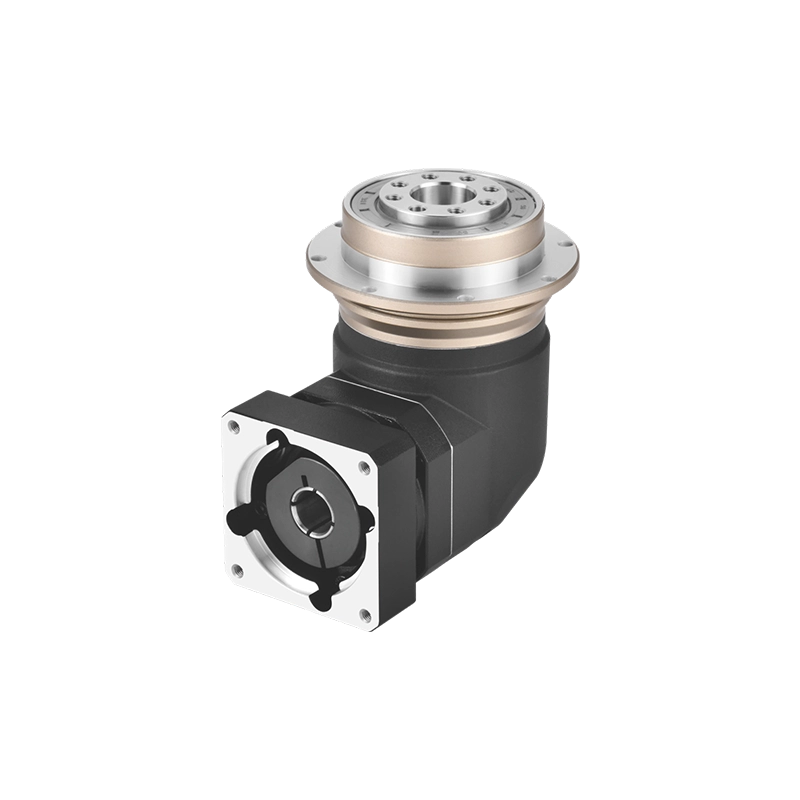
Motion Components for Semiconductor Equipment
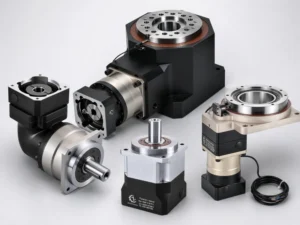
Semiconductor equipment depends on controlled motion at every step, from wafer handling and inspection to alignment, dispensing, laser processing, and automated transfer. Zhuochuang supplies precision planetary gearboxes and hollow rotary tables for machine builders developing compact, servo-driven semiconductor manufacturing equipment.
Our components help equipment designers reduce motor speed, increase usable torque, support rotary loads, route cables through a central bore, and integrate repeatable positioning into a practical machine layout. Rather than recommending a model from an industry name alone, we review the motor, load, motion profile, accuracy requirement, installation envelope, and operating cycle.
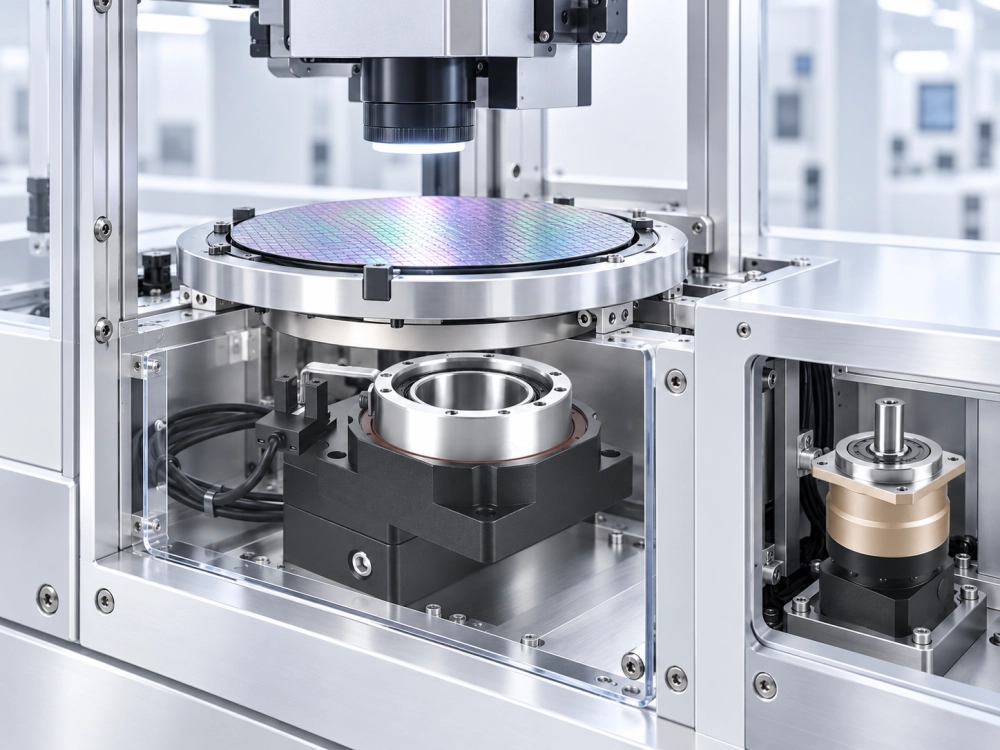
Where Motion Components Fit in Semiconductor Manufacturing Equipment
Semiconductor manufacturing equipment contains many axes, and each axis has a different job. A transfer axis may prioritize acceleration and cycle time. A wafer inspection equipment station may require smooth rotary motion and a clear path for camera, sensor, pneumatic, or electrical connections. A dispensing or laser-processing machine may need coordinated linear and rotary movement. For that reason, one component cannot be described as the universal solution for every semiconductor equipment application.
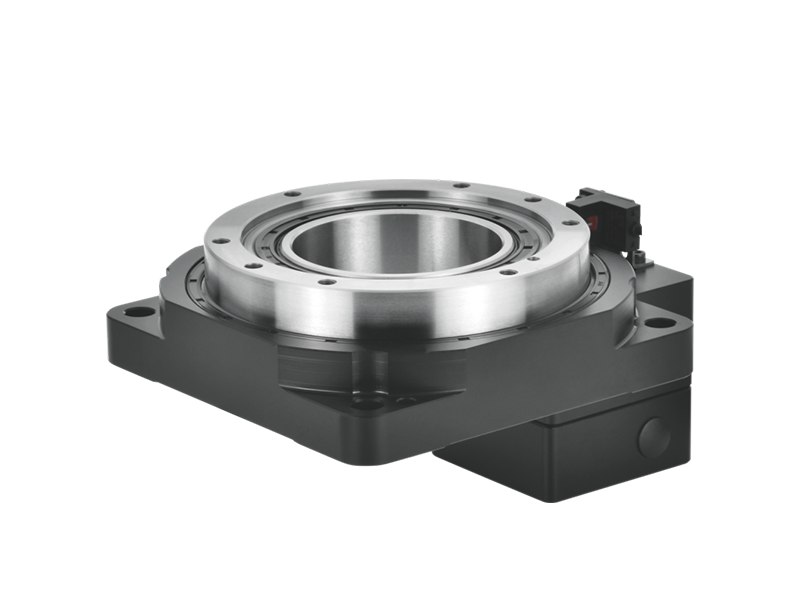
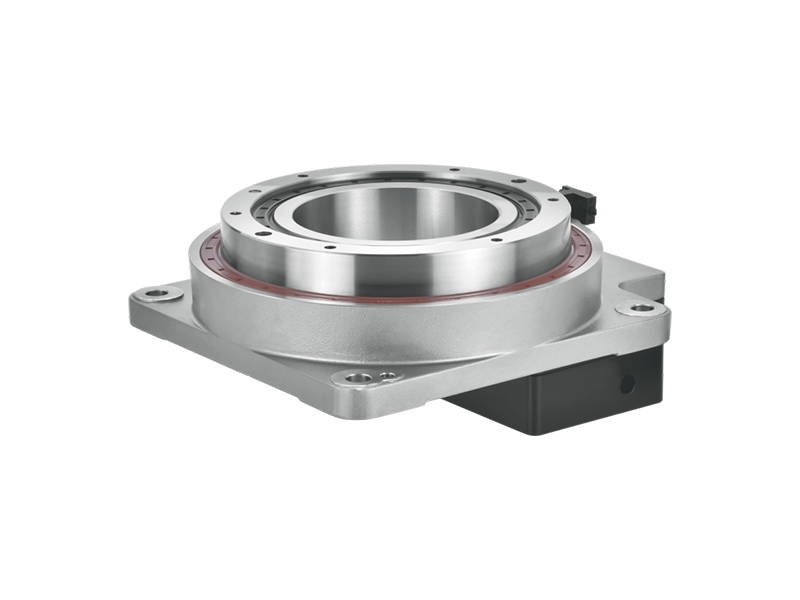
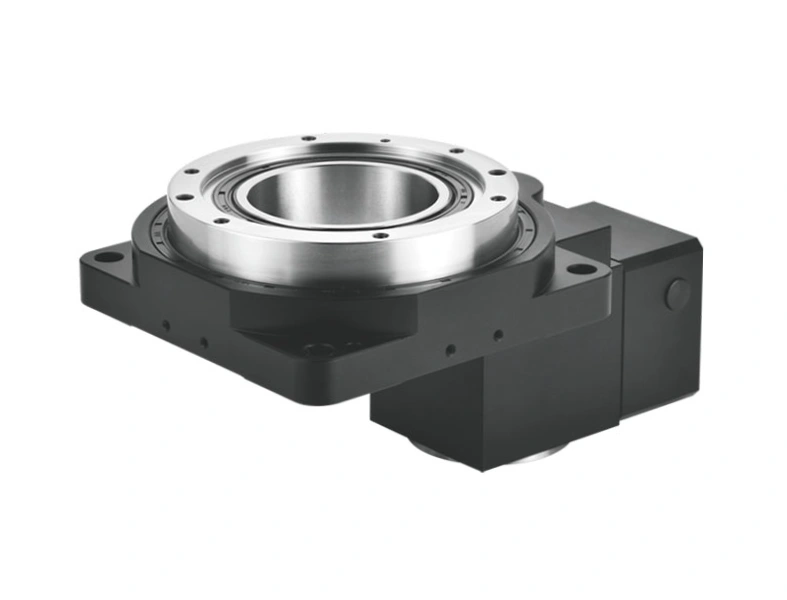
A precision planetary gearbox is generally used between a servo motor and the driven mechanism when the machine needs speed reduction, torque multiplication, compact size, and controlled backlash. A hollow rotary table integrates a rotary support structure with a large central opening, making it useful when a fixture, workpiece, cable bundle, tube, illumination path, or inspection system must be arranged around the rotation axis. Depending on the mechanism, the table can function as a precision rotary table, servo rotary table, or rotary indexing table. Both component families can contribute to semiconductor automation, but their mechanical roles are different.
Motion Applications in Semiconductor Equipment
Select an application to see the typical motion task and an initial product direction.
Wafer Inspection Equipment
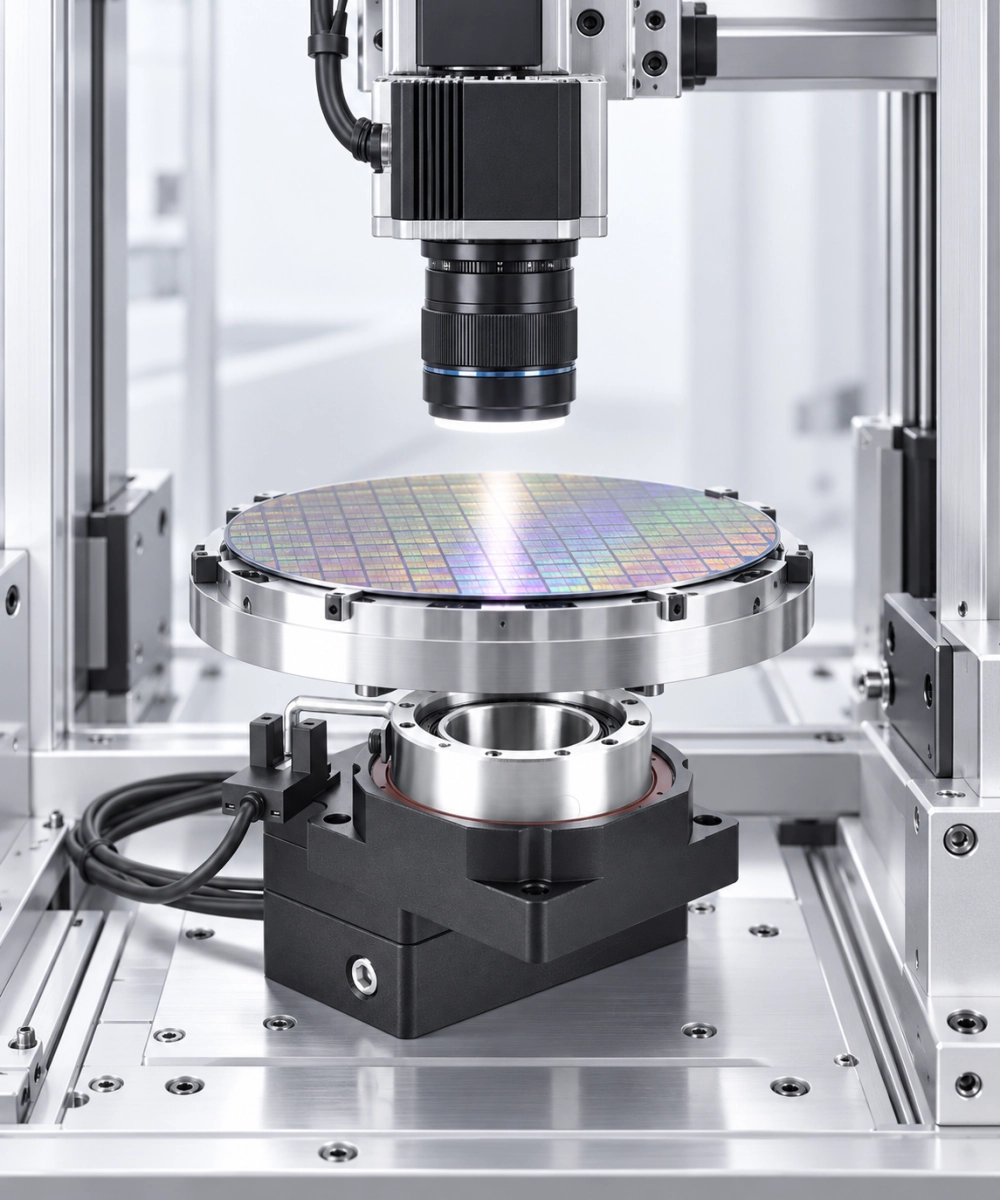
Wafer inspection equipment may rotate a wafer, fixture, camera assembly, or optical station while maintaining a stable relationship between the load and inspection system. Smooth motion, suitable bearing support, cable routing, and repeatable positioning are important because vibration or mechanical play can affect image acquisition and measurement consistency.
Consider a hollow rotary table when the load requires direct support and a central opening. Consider a precision planetary gearbox when a separate bearing, spindle, belt, screw, or fixture already supports the load.
Explore Hollow Rotary TablesVision and Automated Optical Inspection
Semiconductor inspection equipment often coordinates cameras, lighting, sensors, and rotary fixtures. A hollow center can simplify routing for lighting cables, air lines, and sensor wiring, while a rigid mounting interface helps maintain a repeatable inspection geometry during indexing or continuous scanning.
A hollow rotary table can serve as a precision rotary table for fixture rotation and central routing. A servo planetary gearbox can drive auxiliary axes that move cameras, focus mechanisms, transfer units, or inspection heads.
View Automation ApplicationsWafer Handling Equipment
Wafer handling equipment uses controlled axes for loading, unloading, transfer, elevation, rotation, and alignment. The transmission must be selected for the motor inertia, payload, arm geometry, acceleration, emergency-stop condition, and expected number of operating cycles.
An inline precision planetary gearbox supports coaxial servo axes. A right-angle servo planetary gearbox is useful when the motor must turn 90 degrees to fit inside a compact semiconductor automation module.
Explore Right-Angle GearboxesDispensing, Laser, and Process Equipment
Dispensing and laser systems may require a rotary workholding axis synchronized with a linear stage. The suitable solution depends on whether the component must primarily transmit torque, directly carry a fixture, provide a central passage, or support repeated start-stop positioning.
Use a precision planetary gearbox for a separately supported drive axis. Use a hollow rotary table when the rotary component must support the working fixture and provide a through-bore.
Compare Product CategoriesAlignment and Rotary Indexing
Rotary indexing may present several inspection positions, tools, trays, or process stations to one working point. Required index time, settling time, positioning accuracy, fixture diameter, eccentric load, external moment, and cable routing should be defined before selecting the drive.
A hollow rotary table can operate as a servo rotary table or rotary indexing table with rotary support and a central opening. A low backlash planetary gearbox can drive indexing mechanisms whose output load is supported by another bearing structure.
Send Your Motion RequirementsKey Requirements for Semiconductor Equipment Motion
Successful component selection begins with the machine requirement, not with a catalogue frame size.
Positioning and Backlash
Low backlash helps reduce lost motion during direction changes, but the gearbox is only one contributor to total system error. Couplings, belts, screws, bearings, fixtures, feedback resolution, controller tuning, and structural deflection also influence the final performance of semiconductor inspection equipment.
Rigidity and Load Support
Torque alone does not describe the load. Machine builders should define axial force, radial force, overturning moment, fixture diameter, center of gravity, and external support. A hollow rotary table can support a rotary fixture directly, while a precision planetary gearbox normally requires the driven load to be supported appropriately.
Compact Servo Integration
Semiconductor manufacturing equipment often contains several motion axes inside a limited enclosure. Inline planetary gearboxes preserve a coaxial arrangement. Right-angle planetary gearboxes reposition the motor to reduce axial length. Motor flange, shaft diameter, key, coupling, connector clearance, and service access must all be checked.
Central Cable Routing
Inspection cameras, illumination, sensors, vacuum lines, and pneumatic connections may need to pass through or near the rotation center. A hollow rotary table can simplify this architecture, but the required bore must be verified against connectors and bend radius, not only the nominal cable diameter.
Speed and Motion Profile
Continuous speed is only part of the selection. Acceleration, deceleration, dwell time, reversing frequency, index angle, settling time, peak torque, emergency stopping, and daily operating hours determine how demanding the application is for a servo planetary gearbox or rotary table.
Environment and Service Life
Temperature, particles, process chemicals, lubrication restrictions, mounting direction, maintenance access, and expected service life should be disclosed. If semiconductor equipment requires cleanroom or vacuum operation, request a configuration review rather than assuming that a standard industrial component automatically meets the requirement.
Which Motion Component Fits Your Semiconductor Equipment?
Choose the condition closest to your mechanism. This tool provides a starting direction, not a final model selection.
Start with the machine layout
Click one option to see the most relevant product family and the engineering data required for confirmation.
Request Application Review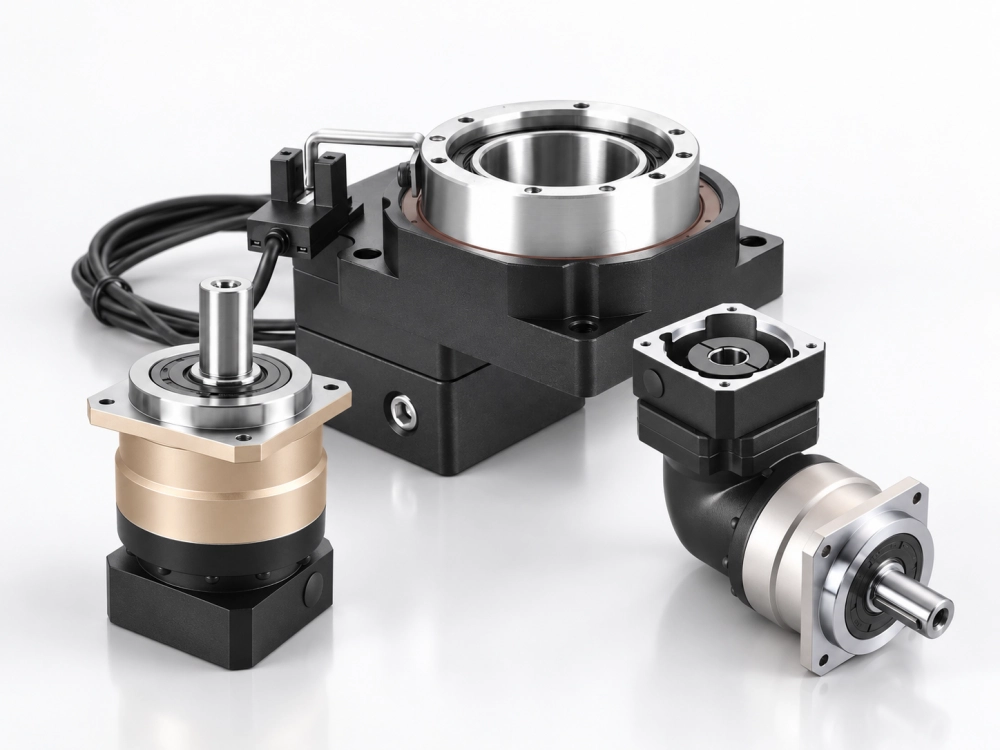
Products for Semiconductor Automation
Our product range supports two different mechanical functions. The hollow rotary table provides a supported rotary output with a central bore. The precision planetary gearbox reduces motor speed and increases available output torque for a separately supported mechanism. Correctly distinguishing these functions prevents oversizing and avoids an unsuitable mechanical layout.
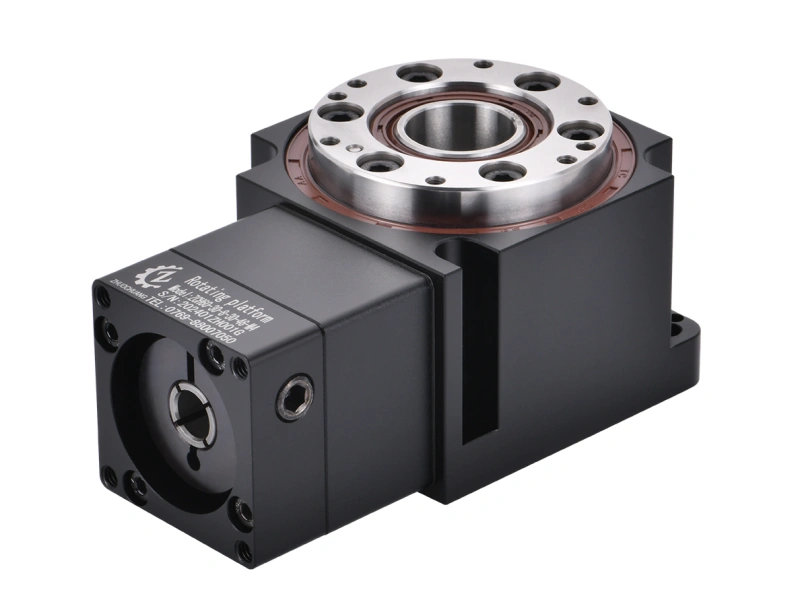
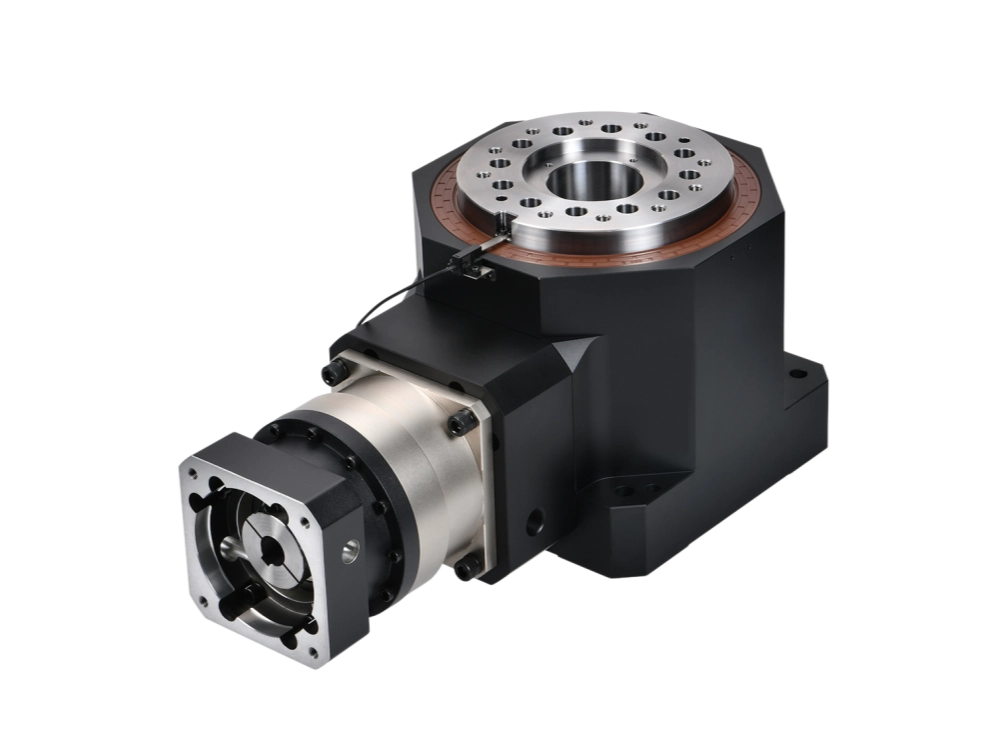
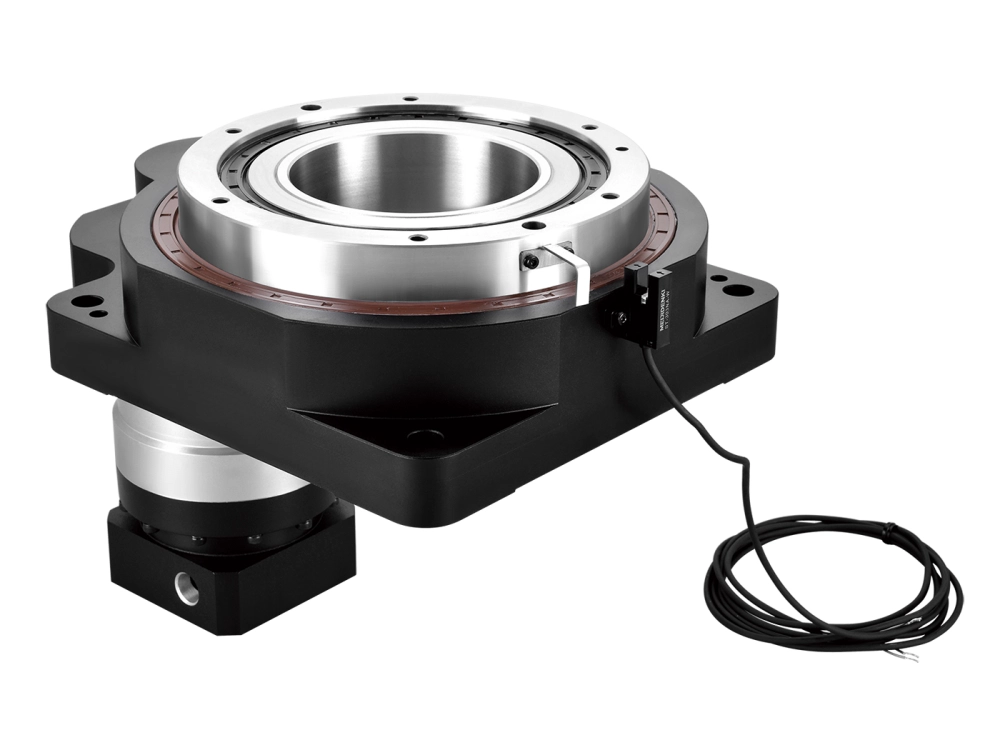
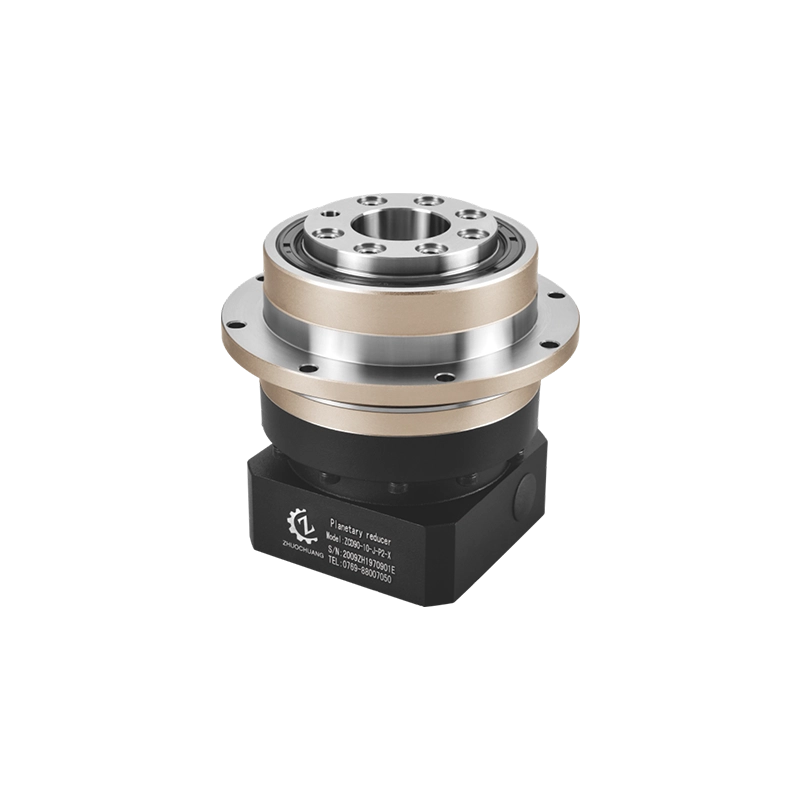
Hollow Rotary Table
A hollow rotary table is a practical option for wafer inspection equipment, vision stations, rotary fixtures, alignment modules, and automated indexing. Used as a precision rotary table or servo rotary table, its central bore can provide a route for cables, tubes, illumination, or process connections. The supported rotary output can simplify the machine structure compared with a gearbox connected to a separately designed bearing assembly.
- Central opening for machine integration
- Direct fixture or workpiece mounting
- Servo-driven rotary positioning
- Options for different table and bore sizes
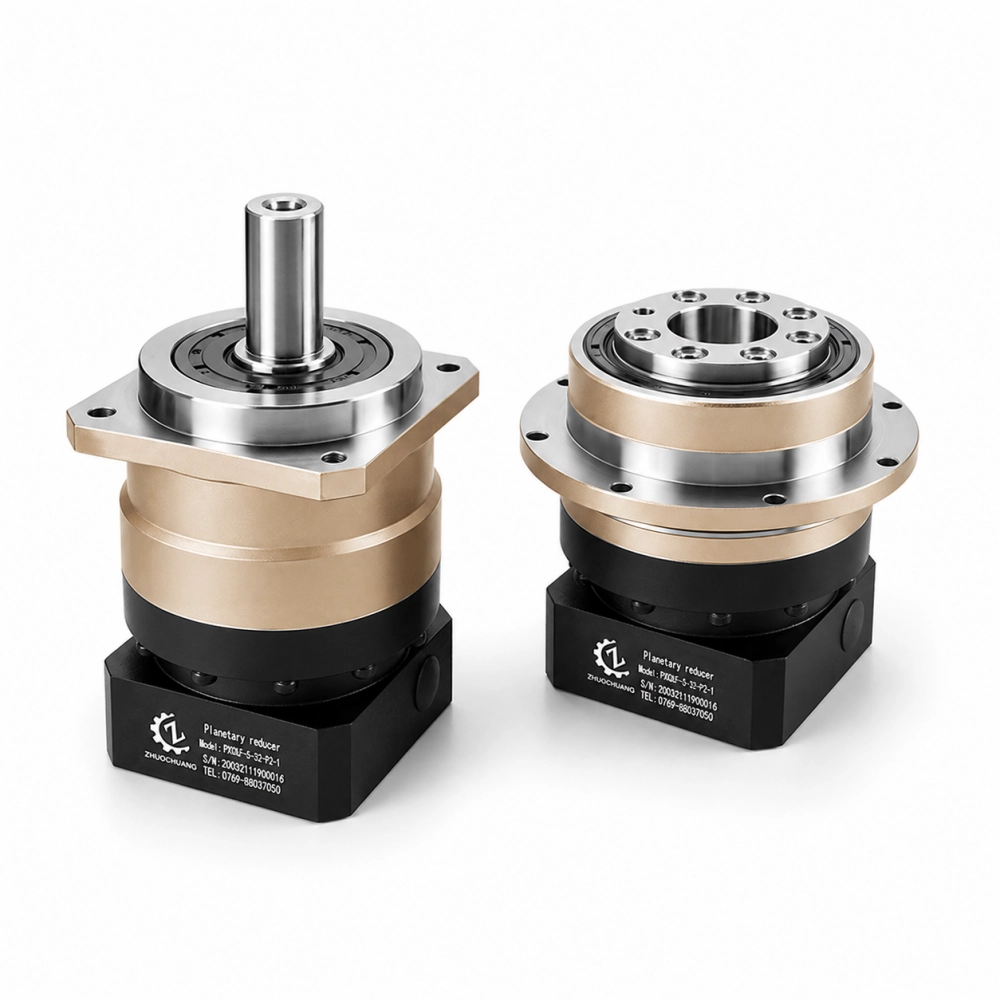
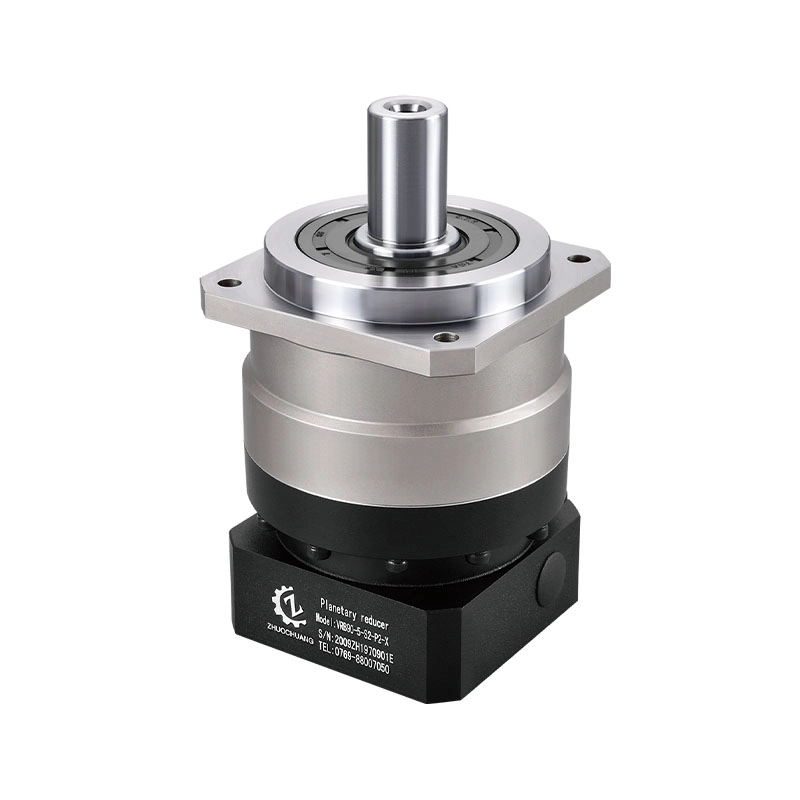
Inline Precision Planetary Gearbox
An inline precision planetary gearbox places the motor input and output on the same centerline. This type of precision gear reducer is suited to servo axes driving ball screws, belts, pulleys, pinions, transfer mechanisms, and other components that already have suitable load support. The compact planetary structure provides torque density and several ratio options for semiconductor manufacturing equipment.
- Coaxial motor and output arrangement
- Servo motor flange and shaft matching
- Low backlash options for controlled motion
- Compact torque transmission
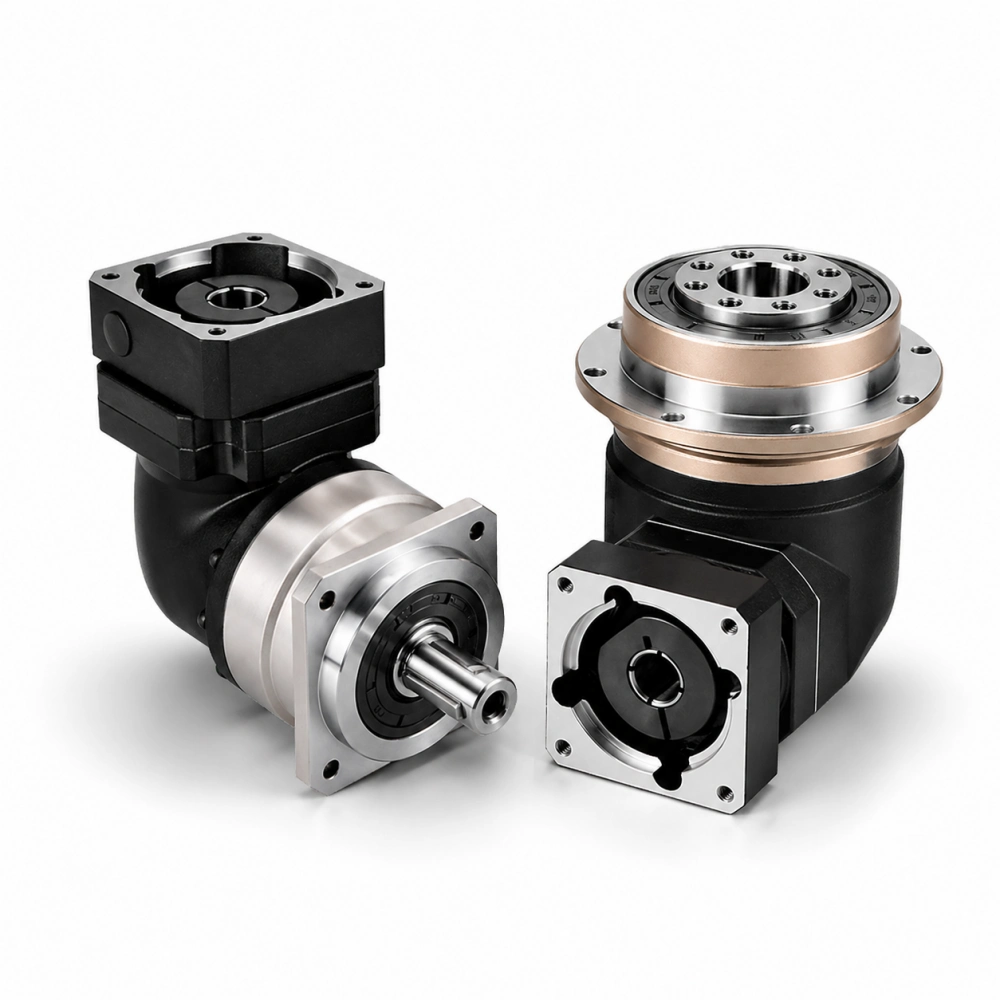
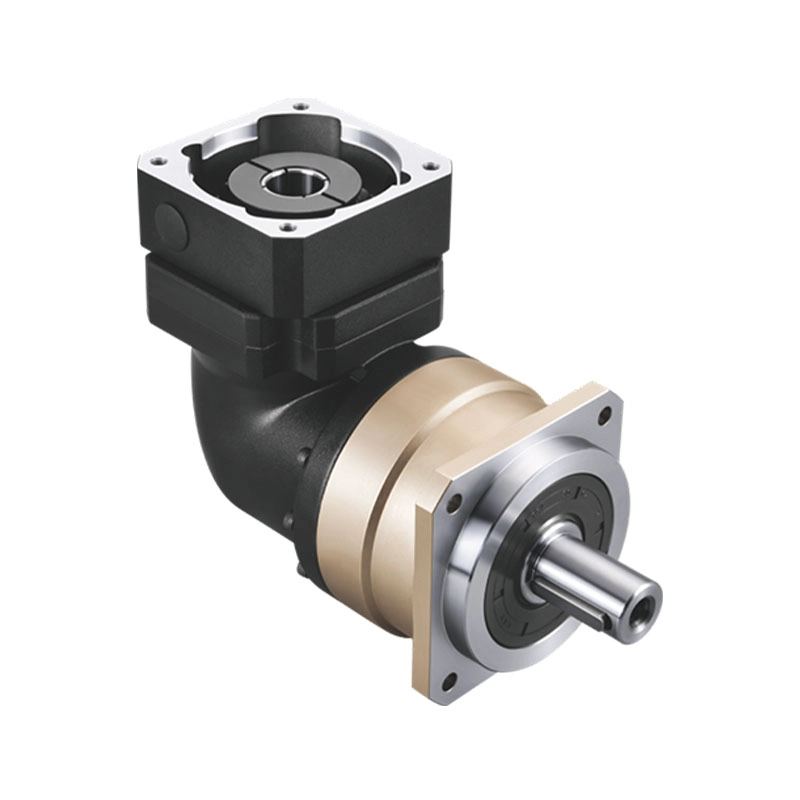
Right-Angle Servo Planetary Gearbox
A right-angle servo planetary gearbox changes the transmission direction by 90 degrees. This arrangement can help when a long inline motor and gearbox assembly interferes with covers, frames, adjacent stations, or maintenance access. It should be selected using the real output torque, speed, external load, ratio, duty cycle, and installation orientation.
- 90-degree input-to-output direction
- Compact axial installation envelope
- Suitable for servo-driven auxiliary axes
- Multiple frame and ratio configurations
Hollow Rotary Table vs Precision Planetary Gearbox
| Selection factor | Hollow rotary table | Precision planetary gearbox |
|---|---|---|
| Primary function | Supported rotary positioning with a central bore | Motor speed reduction and torque multiplication |
| Typical semiconductor equipment role | Wafer fixture, inspection station, rotary indexing table, alignment module | Transfer axis, screw drive, belt drive, actuator, auxiliary mechanism |
| Load support | Designed as a rotary table assembly; verify allowable loads and moments | Driven load normally needs suitable external support |
| Center routing | Large hollow opening is a core structural feature | Standard planetary gearbox does not provide a comparable large through-bore |
| Layout | Fixture mounts on the rotary output | Inline or right-angle transmission arrangement |
| Key data | Payload, table diameter, bore, moment, speed, accuracy, duty cycle | Motor, ratio, torque, backlash, radial/axial load, inertia, duty cycle |
How to Select Components for Semiconductor Inspection Equipment
Good selection begins with a complete motion profile. A catalogue torque value alone cannot determine whether a component will perform reliably in semiconductor inspection equipment or wafer handling equipment. Peak conditions, external loads, fixture geometry, and the motor interface must be evaluated together.
- Define the movement. State whether the axis indexes, reverses, oscillates, or rotates continuously. Include angle, travel, target speed, acceleration, deceleration, dwell, settling time, and cycles per hour.
- Describe the load. Provide total rotating or driven mass, fixture diameter, center of gravity, inertia if available, axial load, radial load, and overturning moment.
- Confirm the accuracy requirement. Separate gearbox backlash, table positioning accuracy, repeatability, and complete machine accuracy. They are related but not interchangeable specifications.
- Provide the servo motor. Send the brand, exact model, rated and peak torque, rated speed, shaft dimensions, flange drawing, and motor inertia.
- Show the installation envelope. A drawing helps confirm shaft direction, mounting holes, connector clearance, center-bore routing, covers, adjacent stations, and maintenance space.
- Identify the environment. State temperature, particles, chemicals, cleanroom or vacuum requirement, mounting orientation, daily working hours, and required service expectations.
Our Semiconductor Equipment Selection Process
Application Review
We identify what the axis moves, how the load is supported, and whether a precision planetary gearbox or hollow rotary table better fits the mechanism.
Motor and Load Check
Our team reviews the servo interface, required ratio, output torque, speed, inertia, external force, moment, and operating cycle.
Configuration Proposal
We suggest a product family and configuration for further confirmation. Model-specific ratings and dimensions remain subject to the selected specification.
Drawing Confirmation
Before ordering, both sides confirm the motor adapter, mounting dimensions, output interface, orientation, quantity, and other application details.
Semiconductor Equipment Motion Component FAQ
Which gearbox is suitable for semiconductor manufacturing equipment?
A precision planetary gearbox is commonly considered when semiconductor manufacturing equipment uses a servo motor to drive a ball screw, belt, pulley, pinion, transfer arm, or other separately supported mechanism. This precision gear reducer may use an inline or right-angle layout according to available space. Final selection requires motor data, output torque, ratio, speed, backlash, load, inertia, and duty cycle.
When should wafer inspection equipment use a hollow rotary table?
A hollow rotary table is useful when wafer inspection equipment needs a supported rotary fixture and a central opening for cables, tubes, lighting, optics, or other connections. It can simplify integration by combining the rotary output and supporting structure. Confirm table diameter, bore size, payload, center of gravity, moment load, speed, index cycle, and positioning requirement.
Is a low backlash planetary gearbox enough to guarantee machine accuracy?
No. A low backlash planetary gearbox can reduce transmission clearance, but complete machine accuracy also depends on the servo feedback, controller tuning, coupling, belt or screw, bearing support, frame rigidity, fixture, thermal behavior, and calibration. State the required output accuracy and repeatability so each contributor can be evaluated correctly.
Can a servo planetary gearbox match different motor brands?
Motor matching is possible when the gearbox configuration supports the motor flange, pilot diameter, shaft diameter, shaft length, key or smooth shaft, and required input capacity. Send the exact servo motor model and dimensional drawing. Zhuochuang can then review the required adapter and input connection for the selected servo planetary gearbox.
Can cables pass through the center of a hollow rotary table?
The central bore is designed to simplify routing, but the usable arrangement depends on the bore diameter, cable connectors, tube fittings, bend radius, movement, and any slip ring or rotary union. Provide the largest connector dimension and routing concept, not only the cable diameter, when selecting a hollow rotary table for semiconductor equipment.
Do standard products automatically meet cleanroom or vacuum requirements?
No. Standard industrial products should not automatically be described as cleanroom- or vacuum-compatible. Semiconductor equipment builders should state the required environment, cleanliness level, pressure range, acceptable materials, lubrication restrictions, and contamination concerns. Zhuochuang can review whether a suitable configuration is available for the stated operating conditions.
What information is needed for a semiconductor inspection equipment quotation?
Please provide the machine function, motor model, required torque or load, speed, ratio, movement angle, accuracy or backlash requirement, fixture dimensions, axial and radial forces, overturning moment, hollow-bore requirement, duty cycle, environment, installation drawing, quantity, and destination. Complete data helps us recommend a more appropriate precision gear reducer or rotary positioning product and prepare a useful quotation.
Developing Semiconductor Equipment?
Send your motor model, motion profile, load, accuracy requirement, installation drawing, and quantity. Our team will help identify whether a hollow rotary table, inline precision planetary gearbox, or right-angle servo planetary gearbox is the better starting point for your machine.