
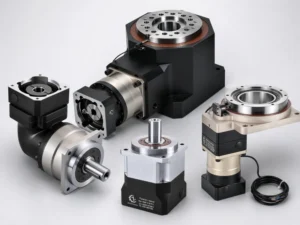
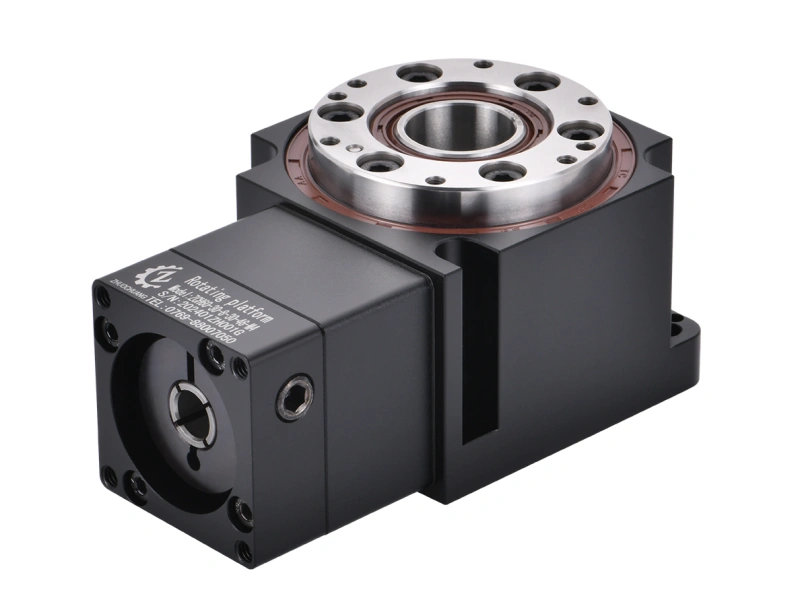
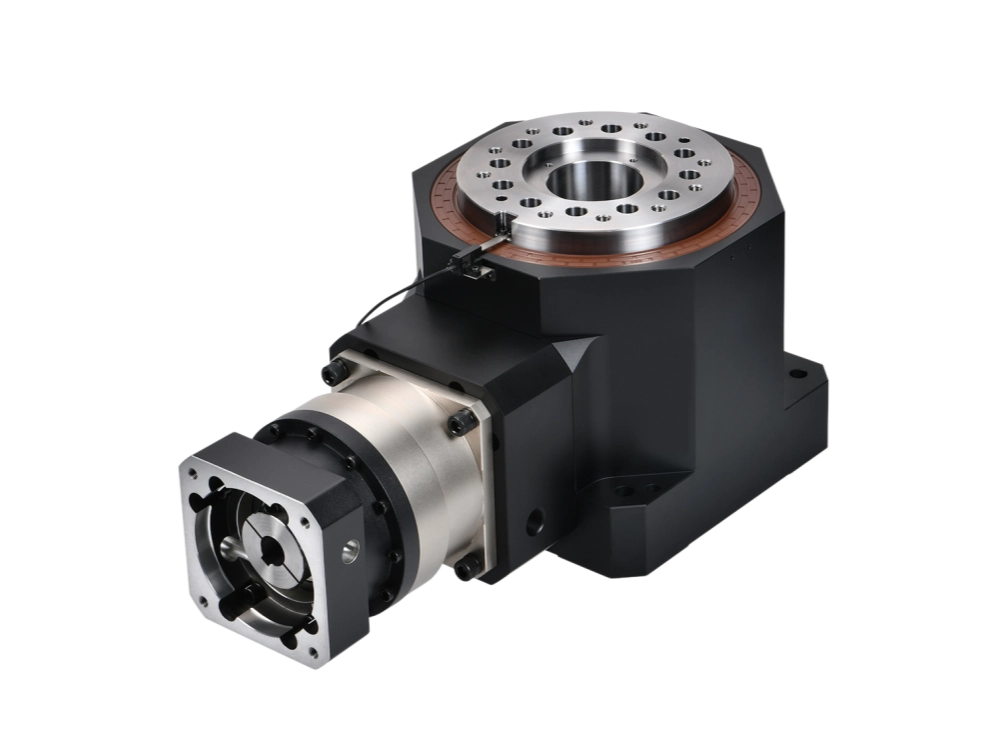
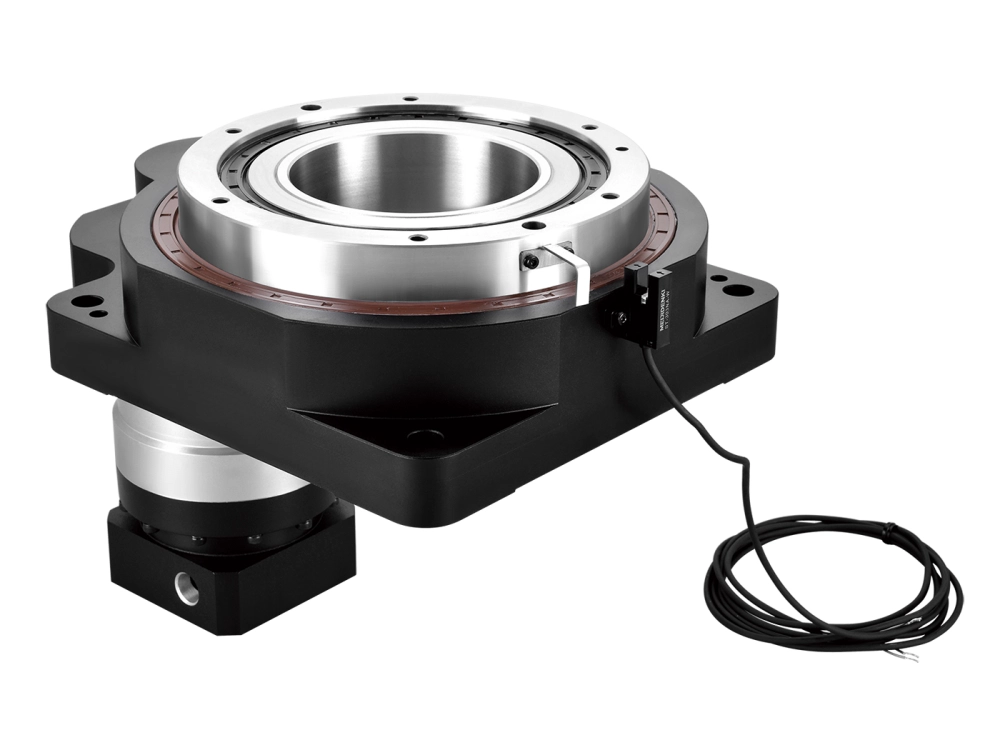
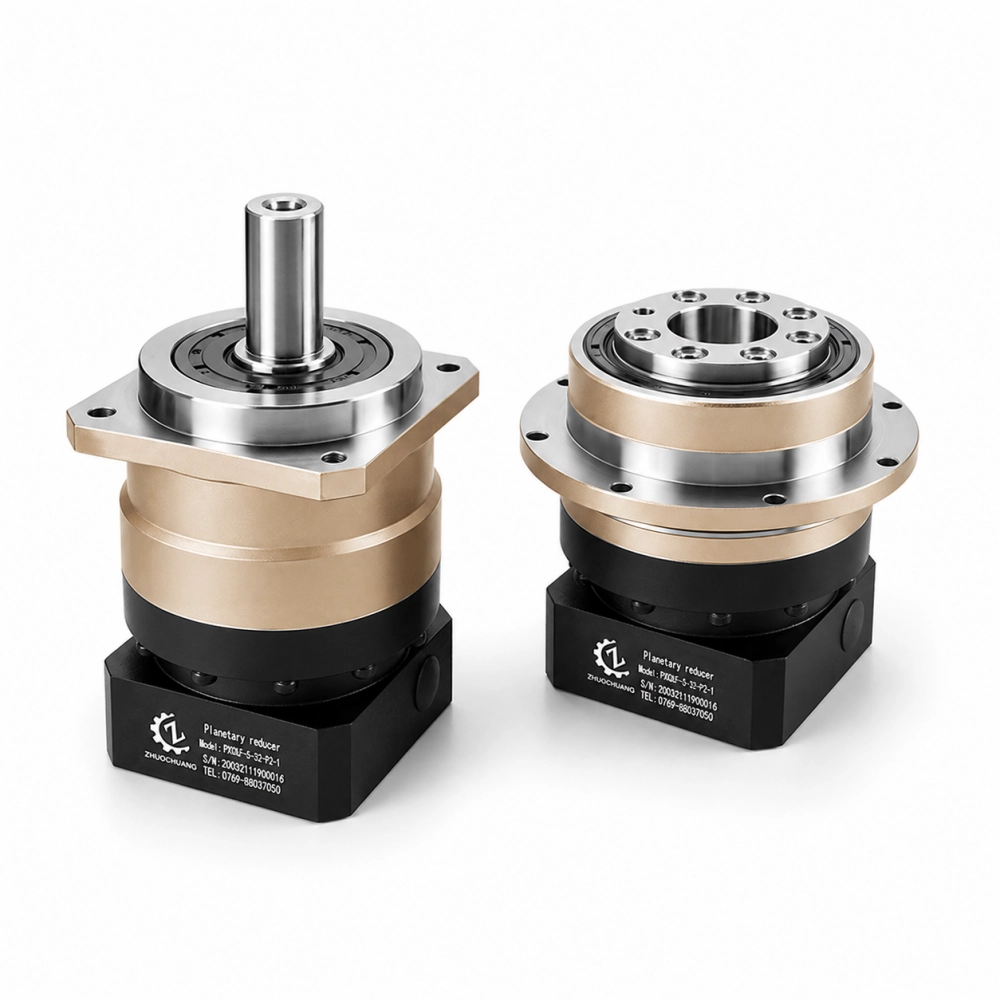
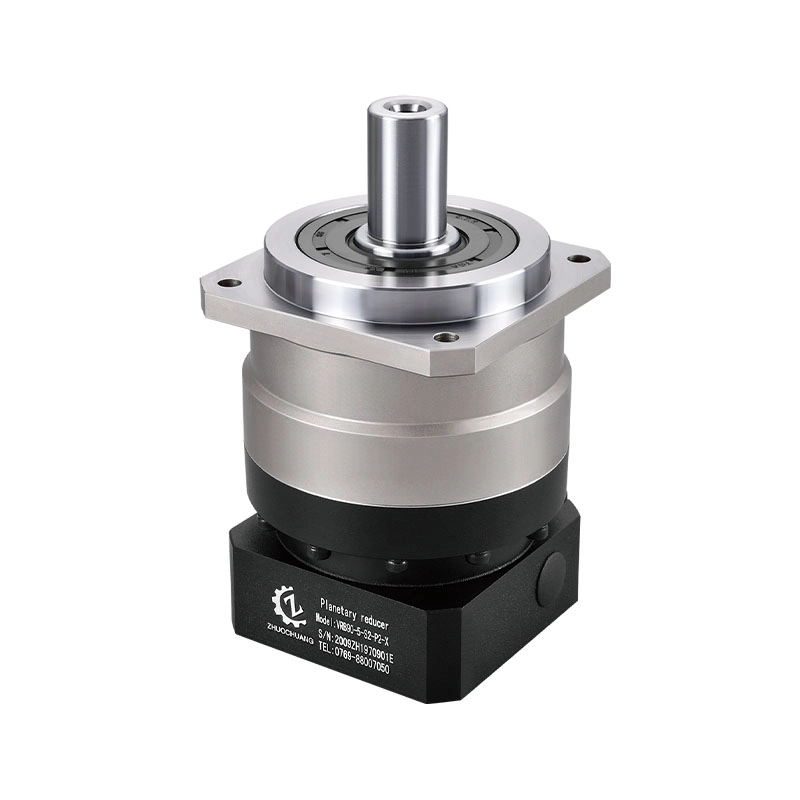
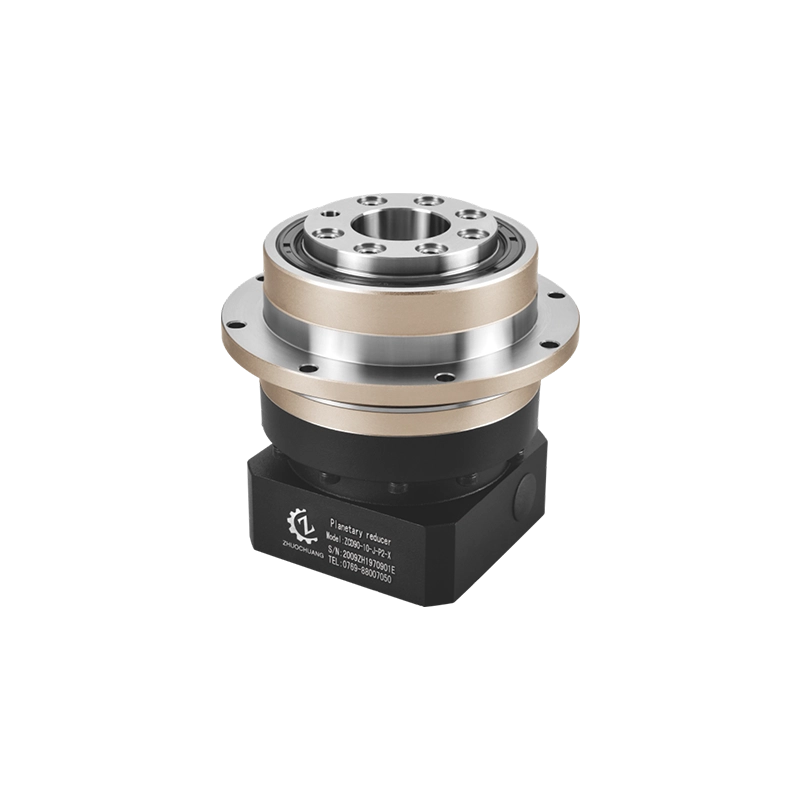
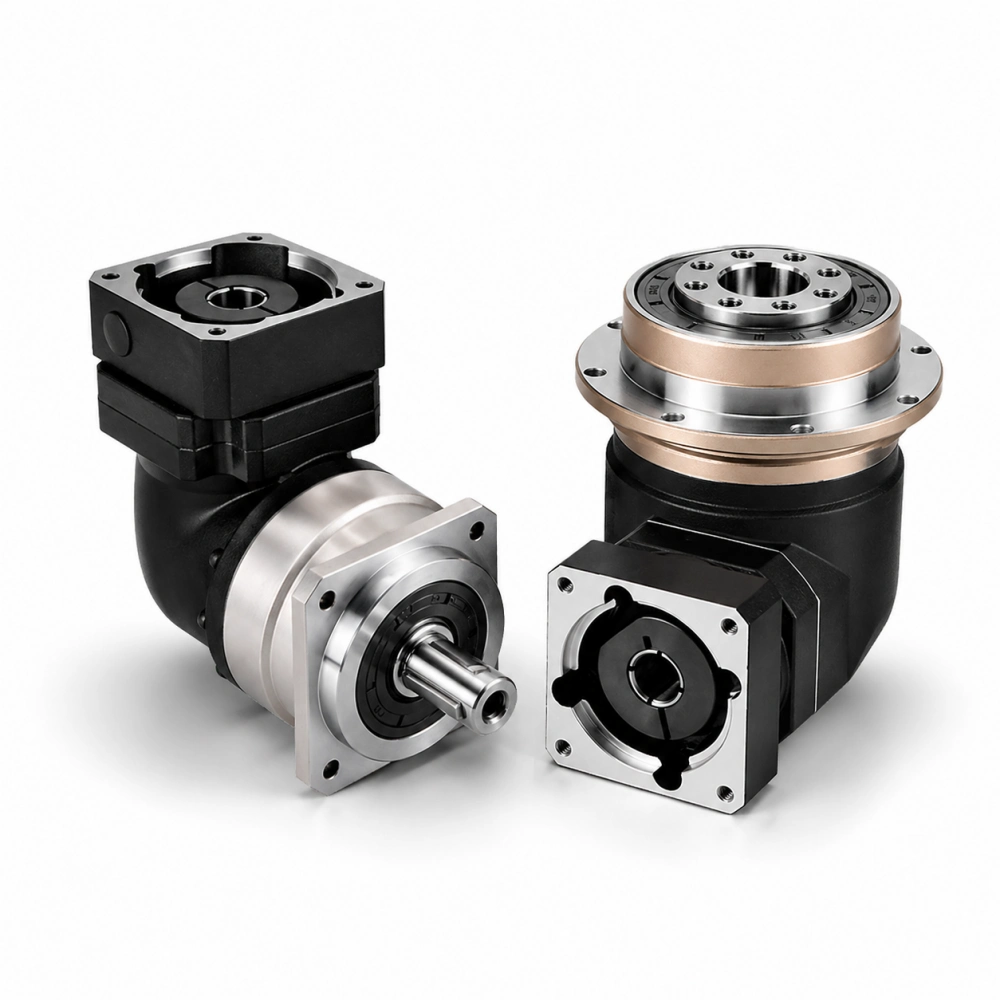
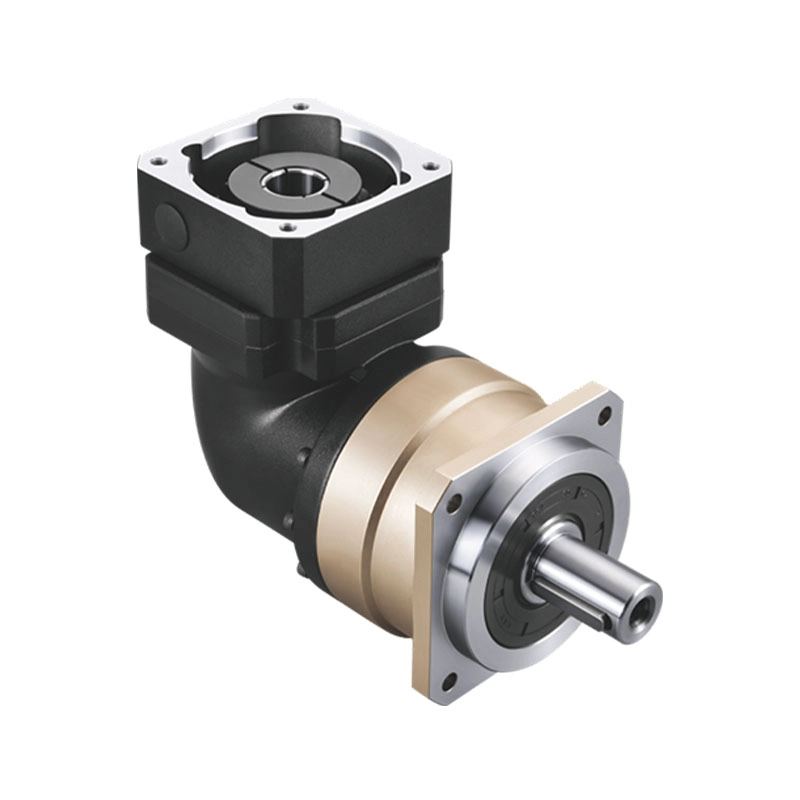
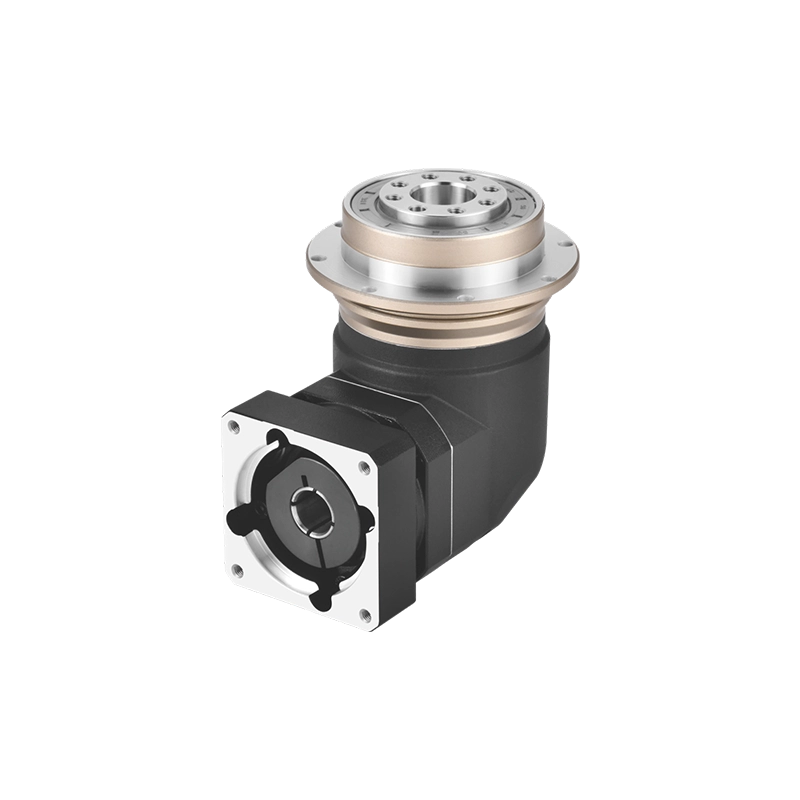
A small planetary gearbox sounds like a simple requirement.
The machine has limited space. The motor is small. The designer wants a compact reducer. So the search begins with terms such as small planetary gearbox, 22mm planetary gearbox, 28mm planetary gearbox, 36mm planetary gearbox, or compact planetary gearbox.
But in industrial automation, small size alone is not enough.
A gearbox can be small and still unsuitable. It may fit the space, but fail on torque capacity, bearing support, backlash, stiffness, heat, duty cycle, or service life.
That is why the better question is not:
How small can the planetary gearbox be?
The better question is:
How small can the gearbox be while still meeting the real mechanical requirements of the machine?
This article explains when a small planetary gearbox is useful, where micro planetary gearboxes become risky, and when an industrial precision planetary gearbox is the safer choice for servo automation, CNC machinery, packaging equipment, robotics, and precision positioning systems.
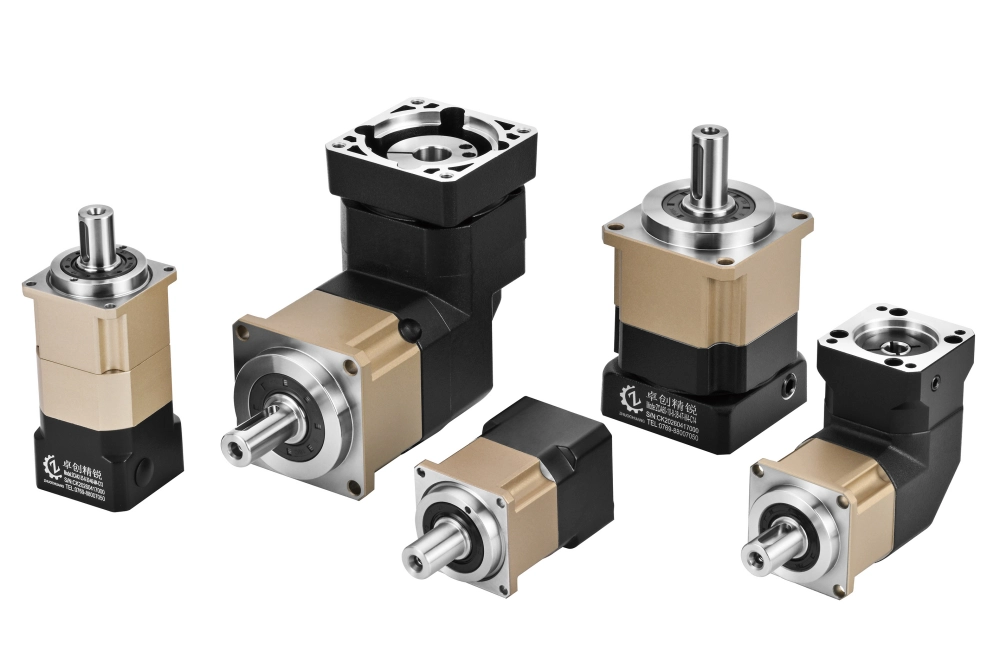
Small Does Not Always Mean Suitable
Many buyers begin with size because size is easy to see.
A machine designer may say:
The gearbox must fit inside a narrow space.
The motor is small.
The axis is compact.
The machine needs a short body length.
The mounting area is limited.
These are valid concerns.
But a planetary gearbox is not just a small mechanical part. It is part of the motion system. It must transmit torque, support load, handle acceleration, control backlash, survive repeated cycles, and connect properly with the motor and output mechanism.
If the gearbox is too small for the real load, several problems may appear:
The output shaft may not support the radial load.
The bearings may wear faster.
The backlash may increase over time.
The reducer may heat up under continuous duty.
The gear teeth may not handle peak torque.
The servo system may become unstable.
The machine may lose repeatability.
A compact gearbox is useful only when its performance still matches the application.
What Buyers Usually Mean by Small Planetary Gearbox
The phrase small planetary gearbox can mean several different things.
For some buyers, it means a micro gearbox with an outer diameter such as 22mm, 28mm, 36mm, or 42mm.
For others, it means a compact servo planetary gearbox with a small frame size but industrial-grade construction.
For machine builders, it may mean a short-body gearbox that saves axial length.
For procurement teams, it may mean a smaller and lower-cost reducer for a light-duty axis.
These are not the same requirement.
A 22mm or 28mm planetary gearbox may be suitable for a small DC motor, a light positioning module, a laboratory device, a small sensor adjustment unit, or a compact consumer mechanism.
An industrial compact planetary gearbox is different. It may be physically small, but it is designed for higher torque, better bearing support, controlled backlash, servo motor mounting, longer service life, and more demanding duty cycles.
Before selecting a small gearbox, first define what “small” means:
Small outer diameter?
Short axial length?
Small motor frame?
Low weight?
Compact output flange?
Limited mounting space?
Low inertia?
Low cost?
The correct gearbox depends on which of these matters most.
When Micro Planetary Gearboxes Make Sense
Micro planetary gearboxes can be useful in light-duty applications.
They are commonly considered when the machine or device uses a small motor and does not require high torque or heavy-duty operation.
Typical examples include:
Small electric actuators
Laboratory instruments
Camera adjustment devices
Light sensor positioning
Miniature automation modules
Small medical or inspection devices
Low-torque rotary mechanisms
Educational or prototype systems
In these applications, a 22mm, 28mm, 36mm, or 42mm planetary gearbox may make sense if the torque, speed, backlash, and service life are within the product rating.
The important point is that these gearboxes are usually selected for compactness and light-duty motion, not for heavy industrial torque.
If the load is predictable, the duty cycle is low, and the machine does not need high stiffness, a small planetary gearbox can be practical.
Where Small Gearboxes Become a Risk
Problems begin when a buyer chooses a small gearbox only because it fits the space.
A small gearbox may not have enough gear tooth strength, bearing capacity, shaft support, or thermal margin for an industrial machine.
This is especially important in servo-driven equipment.
Servo motors can accelerate quickly, reverse frequently, and create high peak torque during emergency stops or fast positioning cycles. A gearbox that seems acceptable under static torque may fail early under dynamic motion.
Common risk areas include:
High peak torque
Frequent start-stop cycles
Direction reversal
Radial load on the output shaft
Overhung pulley or belt load
High input speed
Continuous-duty operation
High ambient temperature
Shock or vibration
Tight backlash requirement
Long service life expectation
A small planetary gearbox must be checked under real working conditions, not only by rated torque in a catalogue.
Compact Industrial Planetary Gearbox Is a Different Category
A compact industrial planetary gearbox is not simply a micro gearbox made larger.
It is designed around industrial requirements.
The key difference is balance.
An industrial compact reducer must keep the size small while still providing:
Enough torque capacity
Controlled backlash
Good torsional stiffness
Reliable bearing support
Servo motor compatibility
Stable output accuracy
Proper lubrication
Reasonable thermal behavior
Strong mounting interface
Longer service life
This is where the selection changes from “smallest possible gearbox” to “smallest suitable gearbox.”
For automation equipment, the best reducer is rarely the smallest reducer. It is the smallest reducer that can safely handle the load, duty cycle, backlash target, and motor input.
Small Size vs Torque Capacity
Torque is usually the first performance limit.
A smaller gearbox has smaller gears, smaller bearings, and less internal space for load distribution. This limits how much torque it can handle continuously.
Buyers should distinguish between:
Rated continuous torque
Peak torque
Emergency stop torque
Acceleration torque
Holding torque
Output shaft load
A small planetary gearbox may handle a short peak torque but fail if the same torque is applied repeatedly.
In servo automation, repeated acceleration and deceleration can be more demanding than a simple static load.
That is why torque selection should include duty cycle and service factor, not only the nominal torque value.
Small Size vs Backlash
Backlash is another reason small gearboxes must be selected carefully.
A micro planetary gearbox may have backlash values acceptable for general motion, but not for precision positioning.
For light adjustment systems, this may not matter.
For servo positioning, CNC machinery, packaging registration, inspection equipment, or robotic motion, backlash can directly affect accuracy and repeatability.
A precision planetary gearbox controls backlash through gear machining, bearing support, carrier rigidity, assembly control, and inspection.
If your machine needs repeatable positioning, do not assume that a small planetary gearbox automatically provides low backlash.
Ask for the output backlash specification, and confirm whether it is measured at the complete gearbox output.
Small Size vs Bearing Support
A gearbox does not only transmit torque.
It also supports the output connection.
Many small gearboxes have limited radial and axial load capacity. If the output shaft connects to a pulley, belt, timing wheel, offset coupling, or heavy load, the bearing support may become the weak point.
This is a common problem when buyers choose by diameter only.
The gearbox may rotate correctly during a simple bench test, but after installation, the output bearing may wear quickly because the load is not aligned or because the radial force is too high.
For industrial automation, always check:
Radial load
Axial load
Output shaft type
Output flange support
Coupling alignment
Overhung load distance
Bearing arrangement
If the output needs stronger support, an industrial planetary gearbox with a suitable output structure is usually safer.
Small Size vs Heat and Duty Cycle
Small gearboxes have less surface area and less internal oil or grease volume.
This means heat can become a problem faster.
If the gearbox runs intermittently, heat may not matter much. If it runs continuously, or if it performs frequent high-speed cycles, temperature rise becomes important.
Heat can affect:
Lubrication life
Seal life
Gear wear
Bearing life
Backlash stability
Noise level
Long-term accuracy
This is why a small gearbox should not be selected only by torque rating.
A compact gearbox that works for intermittent positioning may not be suitable for continuous operation.
How to Choose Between Small Size and Industrial Performance
The following table gives a practical selection direction.
| Requirement | Micro Small Planetary Gearbox | Industrial Precision Planetary Gearbox |
|---|---|---|
| Very limited space | Useful | Useful if compact frame is available |
| Light load | Suitable | Suitable |
| High torque | Limited | Better |
| Servo positioning | Must confirm backlash and stiffness | Usually better |
| Continuous duty | Limited by heat and life | Better |
| High radial load | Often limited | Better with stronger output support |
| Low backlash | Depends on grade | More reliable in precision grades |
| Long service life | Application-dependent | Better for industrial use |
| Low price | Often lower | Higher, but stronger performance |
| Industrial automation | Risky if undersized | Preferred direction |
This does not mean micro gearboxes are bad.
It means they belong to a different category.
For small light-duty motion, they may be the correct choice.
For industrial servo automation, the gearbox must be selected by performance first and size second.
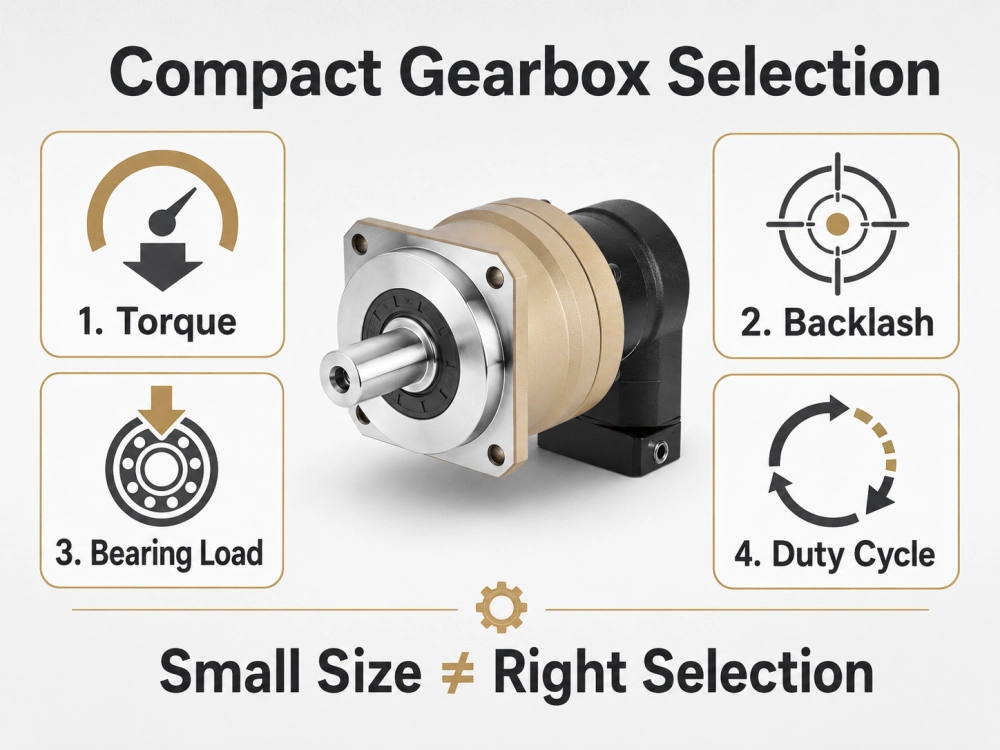
When a Small Planetary Gearbox Is the Right Choice
A small planetary gearbox may be the right choice when:
The load is light.
The required torque is low.
The duty cycle is limited.
The output load is well aligned.
The machine does not require high stiffness.
The backlash requirement is not strict.
The application space is very limited.
The service life requirement is moderate.
The motor is a small DC, stepper, or compact servo motor.
For these cases, small size may be the most important factor.
When an Industrial Planetary Gearbox Is the Better Choice
An industrial precision planetary gearbox is usually the better direction when:
The machine uses a servo motor.
The load changes during operation.
The axis reverses direction frequently.
The application needs repeatable positioning.
The machine runs continuously.
Peak torque is high.
The output side has radial or axial load.
Low backlash is required.
Long service life matters.
The gearbox is used in CNC, packaging, robotics, automation, or precision positioning.
In these applications, the gearbox is not just a compact part. It is a precision motion component.
What to Send Before Asking for a Compact Gearbox Recommendation
Before asking a supplier for a small or compact planetary gearbox, prepare the application data.
Useful information includes:
Motor type and model
Motor power
Input speed
Required output speed
Required ratio
Continuous torque
Peak torque
Duty cycle
Backlash target
Radial load
Axial load
Mounting direction
Installation space
Output shaft or flange requirement
Working environment
Expected service life
This information helps the supplier decide whether a small gearbox is enough, or whether an industrial precision planetary gearbox is required.
Where Zhuochuang Fits
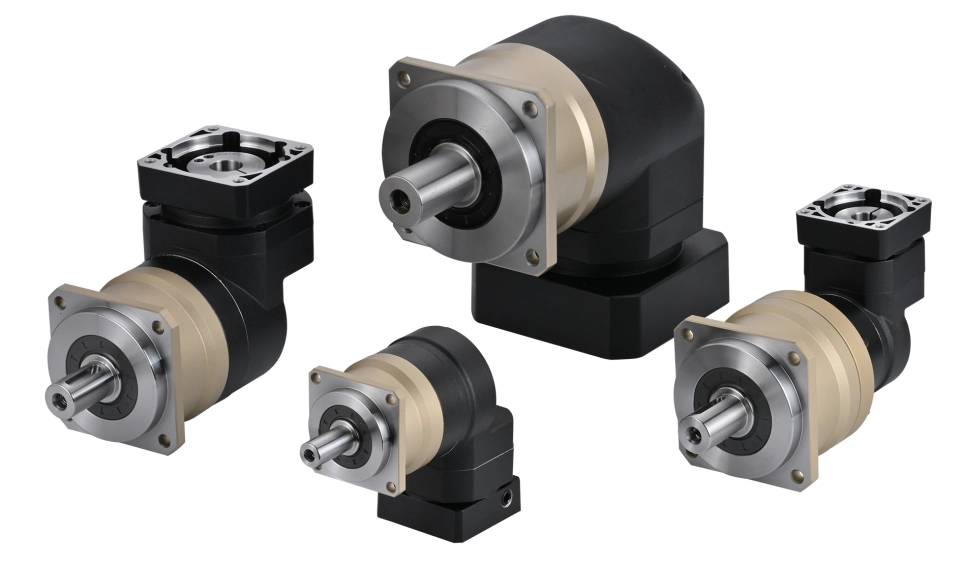
Dongguan Zhuochuang Precision Machinery Co., Ltd manufactures precision planetary gearboxes for servo automation, CNC machinery, robotics, packaging equipment, and industrial positioning systems.
We do not recommend choosing a gearbox only because it is small.
For industrial applications, the gearbox should match the required ratio, torque, backlash, stiffness, motor interface, output load, and duty cycle.
If your project has already moved beyond light-duty micro gearbox requirements, Zhuochuang can help review whether an inline or right-angle precision planetary gearbox is more suitable.
You can view our main planetary gearbox range here:
For compact inline servo applications:
For space-limited 90-degree layouts:
For model selection support:
FAQ About Small Planetary Gearboxes
Is a small planetary gearbox suitable for servo motors?
It can be suitable if the torque, input speed, backlash, stiffness, and mounting interface match the servo application. For industrial servo positioning, a precision planetary gearbox is usually safer than a low-cost micro gearbox.
What is the difference between a 28mm planetary gearbox and an industrial planetary gearbox?
A 28mm planetary gearbox usually refers to a very small gearbox for compact motors and light-duty applications. An industrial planetary gearbox is designed for higher torque, stronger bearing support, controlled backlash, and longer duty cycles.
Can a small planetary gearbox provide low backlash?
Some small gearboxes can provide controlled backlash, but the value depends on design, gear quality, bearing support, and assembly. Always confirm the measured output backlash instead of assuming small size means precision.
When should I avoid a micro planetary gearbox?
Avoid using a micro gearbox when the machine has high torque, frequent reversing, heavy radial load, continuous duty, strict positioning accuracy, or long service life requirements.
Is compact size more important than torque?
No. Compact size is important only after the gearbox meets torque, backlash, stiffness, bearing support, speed, and duty cycle requirements.
Final Thought
A small planetary gearbox is useful when the application is truly small, light, and space-limited.
But in industrial automation, small size should never be the only selection target.
The correct gearbox is the one that fits the space while still meeting torque, backlash, stiffness, bearing support, thermal behavior, and service life requirements.
For many servo-driven machines, the best solution is not the smallest planetary gearbox available. It is the most compact industrial planetary gearbox that can safely and accurately handle the real working conditions.