
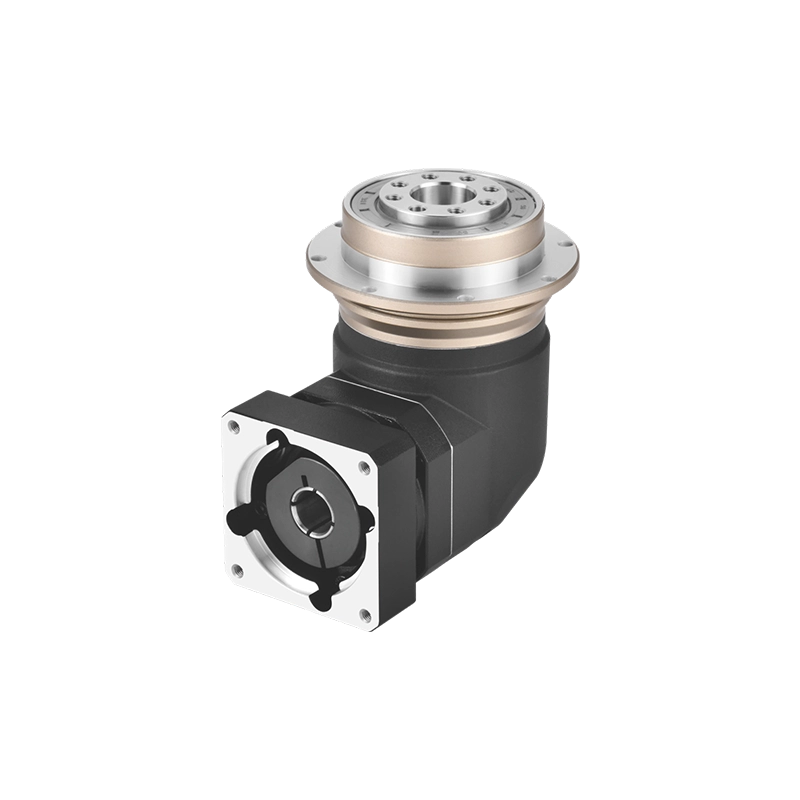
CNC Rotary Table Solutions for Precision Machining
CNC machining requires stable rotary positioning, high rigidity, and repeatable indexing performance. Our hollow rotary tables and precision planetary gearboxes support CNC rotary table applications, 4-axis machining, 5-axis systems, automated indexing, and high-precision motion control.
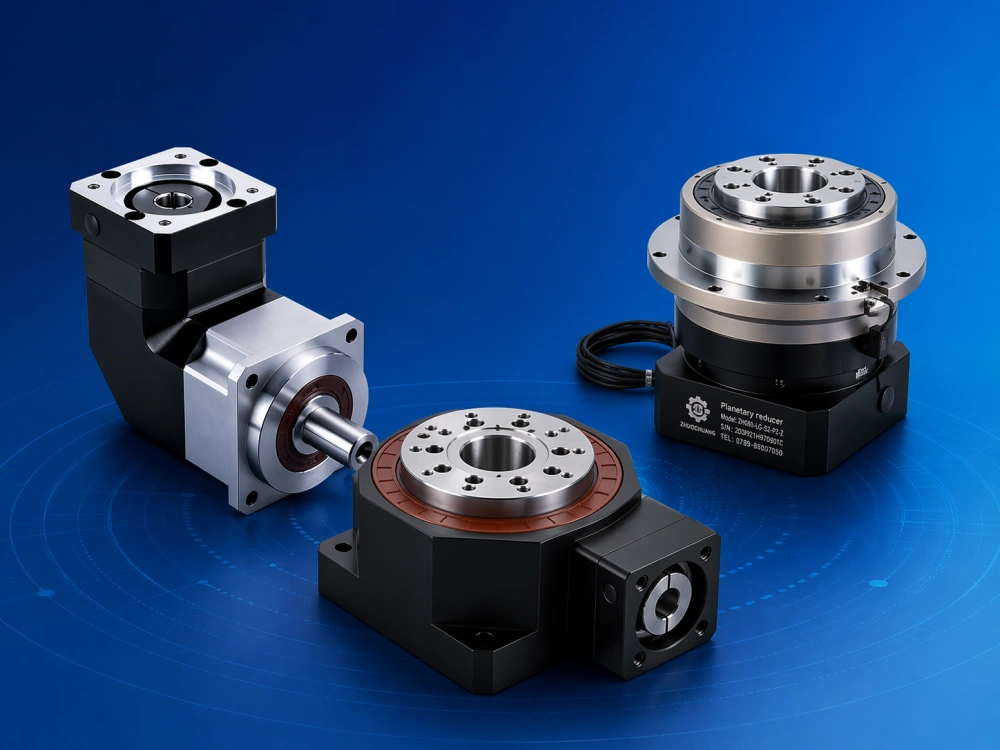
From Rotary Table for CNC to Hollow Rotary Platform
Many users search for a rotary table for CNC when they need indexing, fourth-axis movement, or multi-side machining capability. Traditional CNC rotary tables are common in milling machines, but modern CNC equipment increasingly requires compact, servo-driven, high-rigidity rotary systems. This is where hollow rotary tables provide a stronger solution for advanced machine builders.
Precise Indexing
Supports repeatable angular positioning for 4-axis and 5-axis machining operations.
Higher Rigidity
Improves stability during machining and helps reduce vibration under cutting loads.
Cleaner Integration
Hollow structure allows cables and air lines to pass through the center axis.
Servo Motion Control
Supports compact servo-driven CNC rotary table and indexing station designs.
How Rotary Tables Improve CNC Machine Performance
In CNC machining, rotary positioning components directly influence machining accuracy, cycle time, surface finish, and production flexibility.
By integrating hollow rotary tables and precision gearboxes into CNC machines, equipment builders can improve indexing speed, reduce positioning errors, simplify fixture design, and support more complex part geometries.
- Higher positioning accuracy for multi-axis machining
- Reduced setup time and fewer manual clamping steps
- Better surface finish through stable rotary motion
- Improved flexibility for complex and multi-side parts
Why Hollow Rotary Tables Are Different from Traditional CNC Rotary Tables
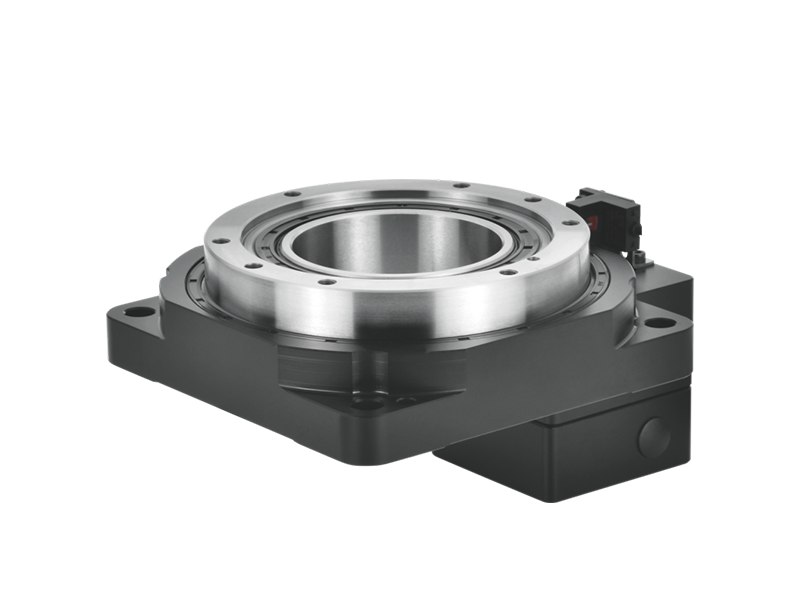
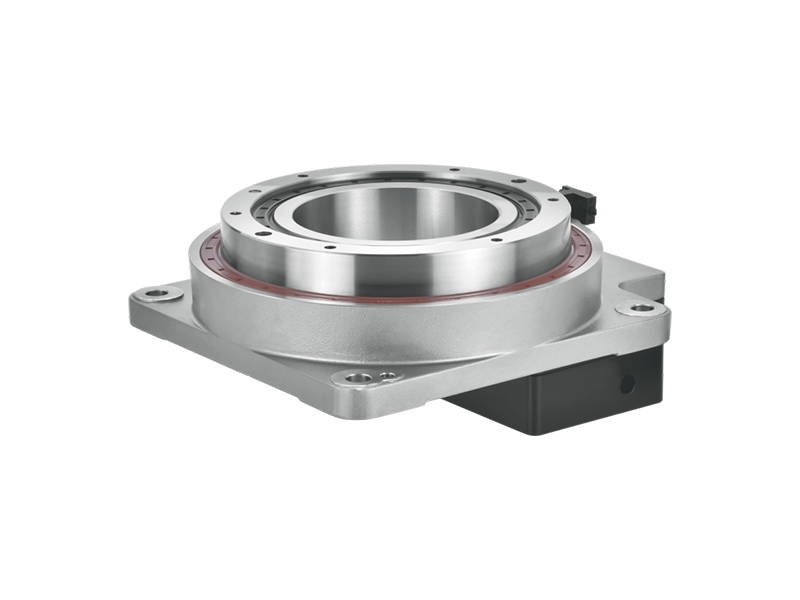
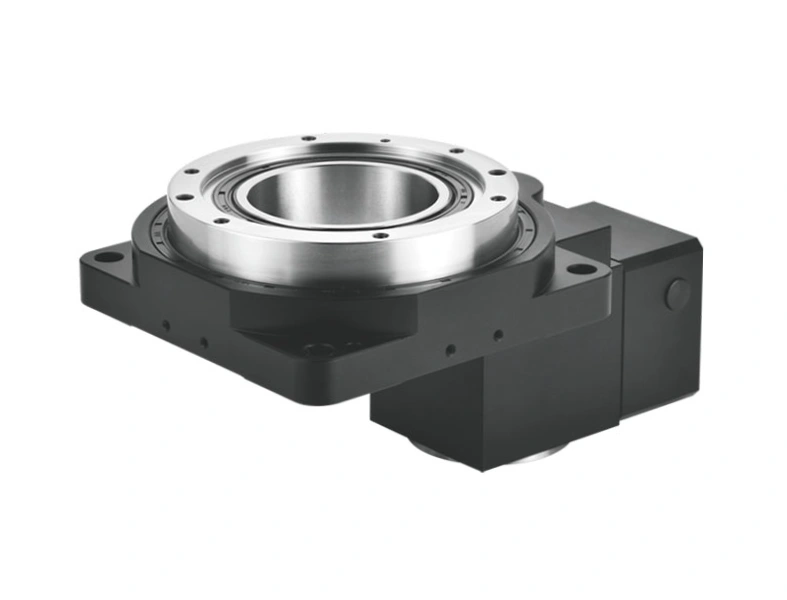
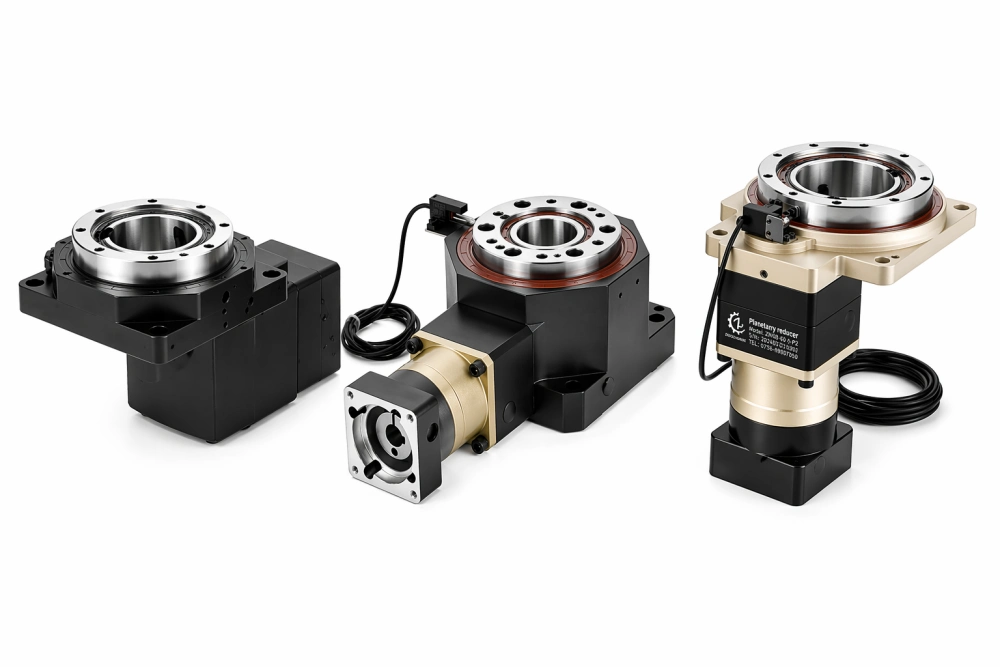
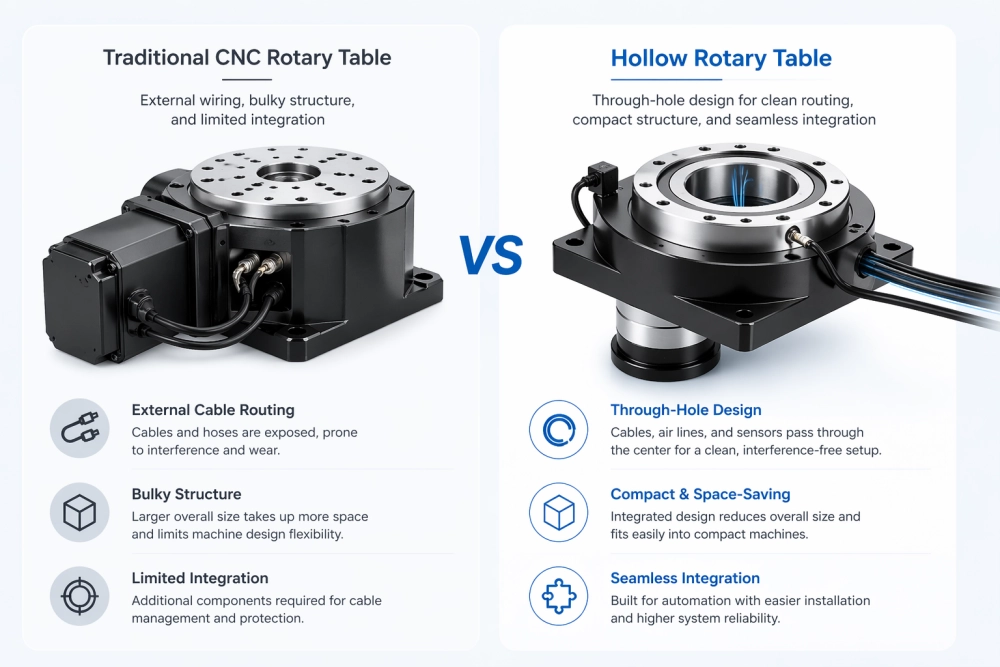
A traditional rotary table for CNC is often used as a machine tool accessory for indexing or simple rotary machining. A hollow rotary table is designed for more integrated CNC automation environments, where compact structure, center cable routing, servo control, and high rigidity are required.
The central through-hole design allows cables, air tubes, sensors, or fixtures to pass through the rotation axis. This helps machine builders reduce external wiring, avoid interference, and create cleaner equipment layouts.
- Through-hole design for wiring and pneumatic routing
- Compact structure for machine tool integration
- High rigidity for precision machining and indexing
- Suitable for servo-driven CNC rotary positioning systems
Traditional Rotary Table vs Hollow Rotary Table
This page targets rotary table for CNC users while explaining why hollow rotary platforms may be a better fit for precision CNC automation and integrated machine designs.
Traditional CNC Rotary Table
- Often used as a general machine tool accessory
- Suitable for standard indexing and rotary machining
- External wiring may be required
- Integration flexibility can be limited
Hollow Rotary Table
- Designed for compact and integrated machine layouts
- Center through-hole supports cleaner cable routing
- Better suited for servo-driven automation structures
- Supports precise, rigid, and repeatable rotary positioning
CNC Motion Control Components
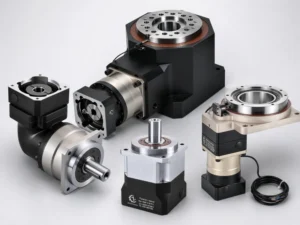
For CNC machines and precision machining equipment, we recommend combining hollow rotary tables with precision planetary gearboxes according to the required load, speed, indexing accuracy, and machine structure.
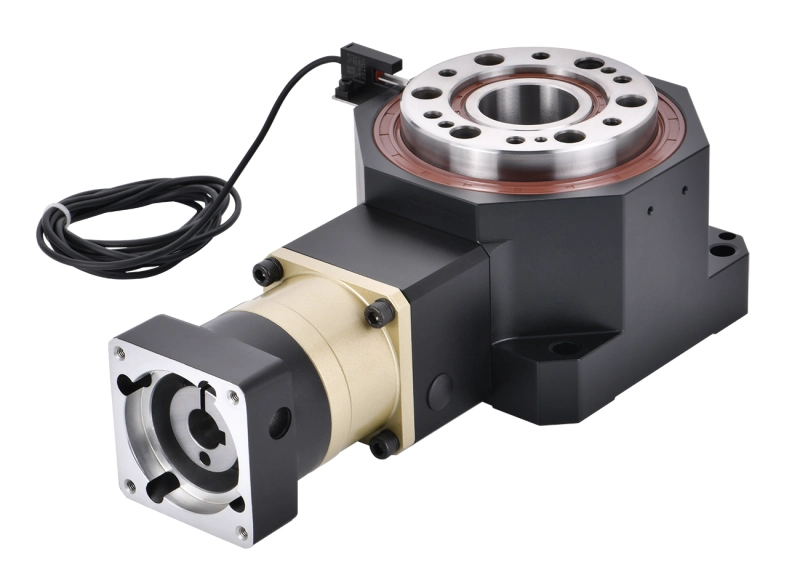
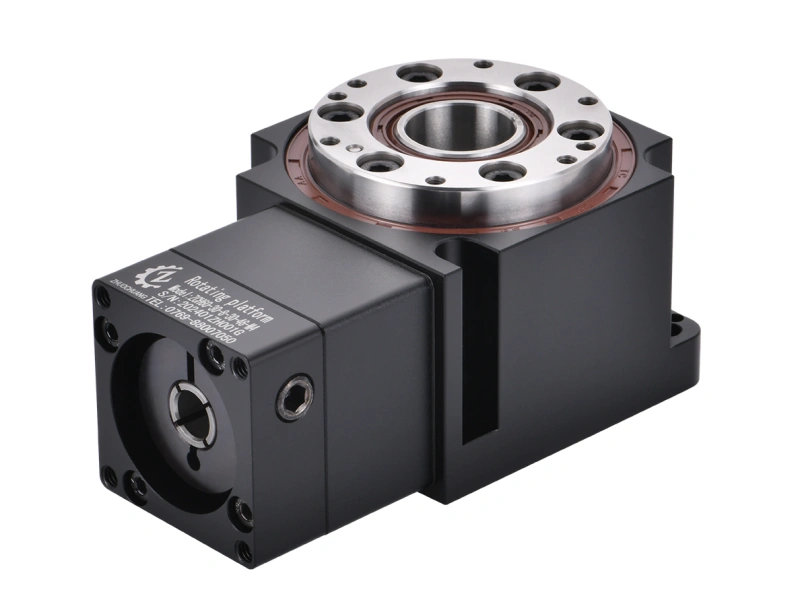
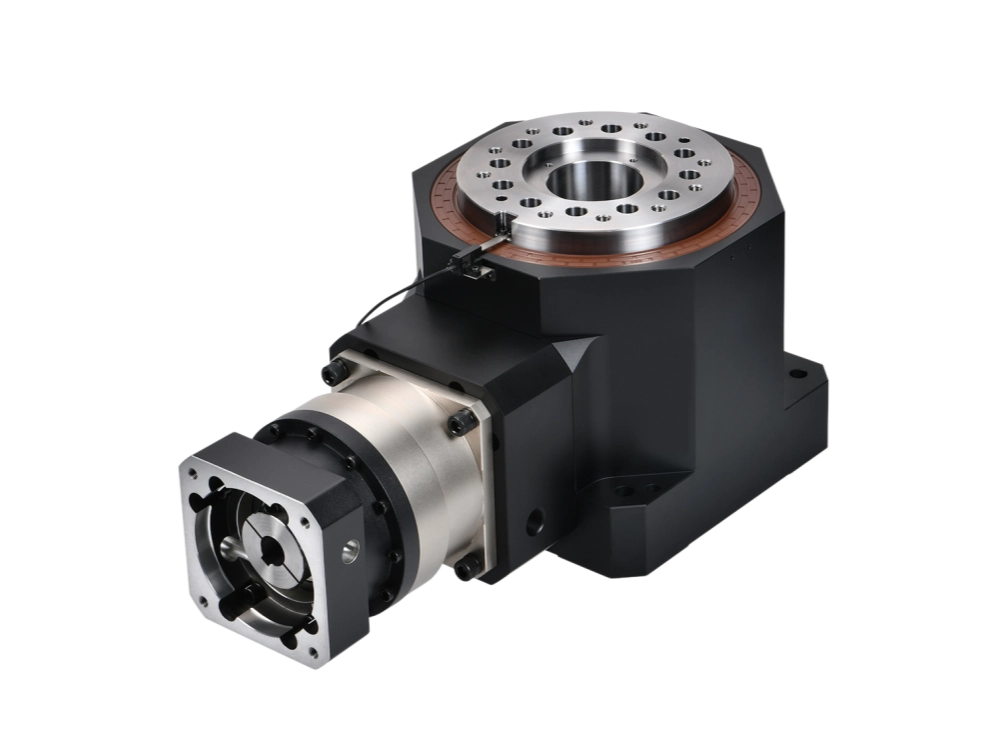
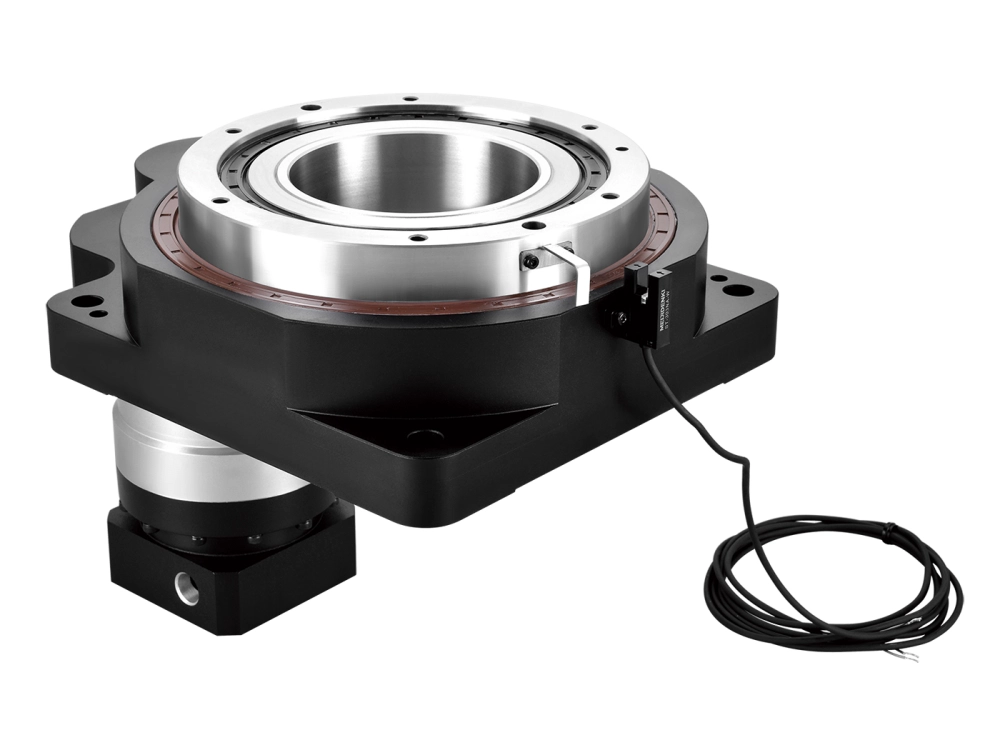
Hollow Rotary Table for CNC
Suitable for CNC rotary table applications, indexing stations, fourth-axis integration, and compact machine tool structures requiring clean cable routing and rigid positioning.
View Hollow Rotary Table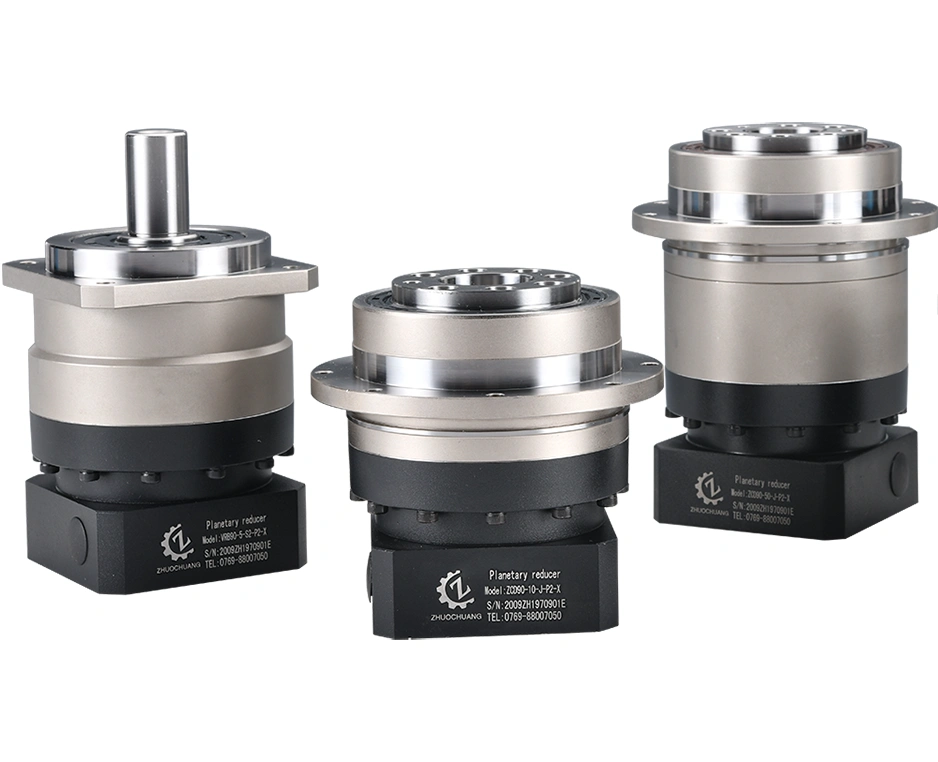
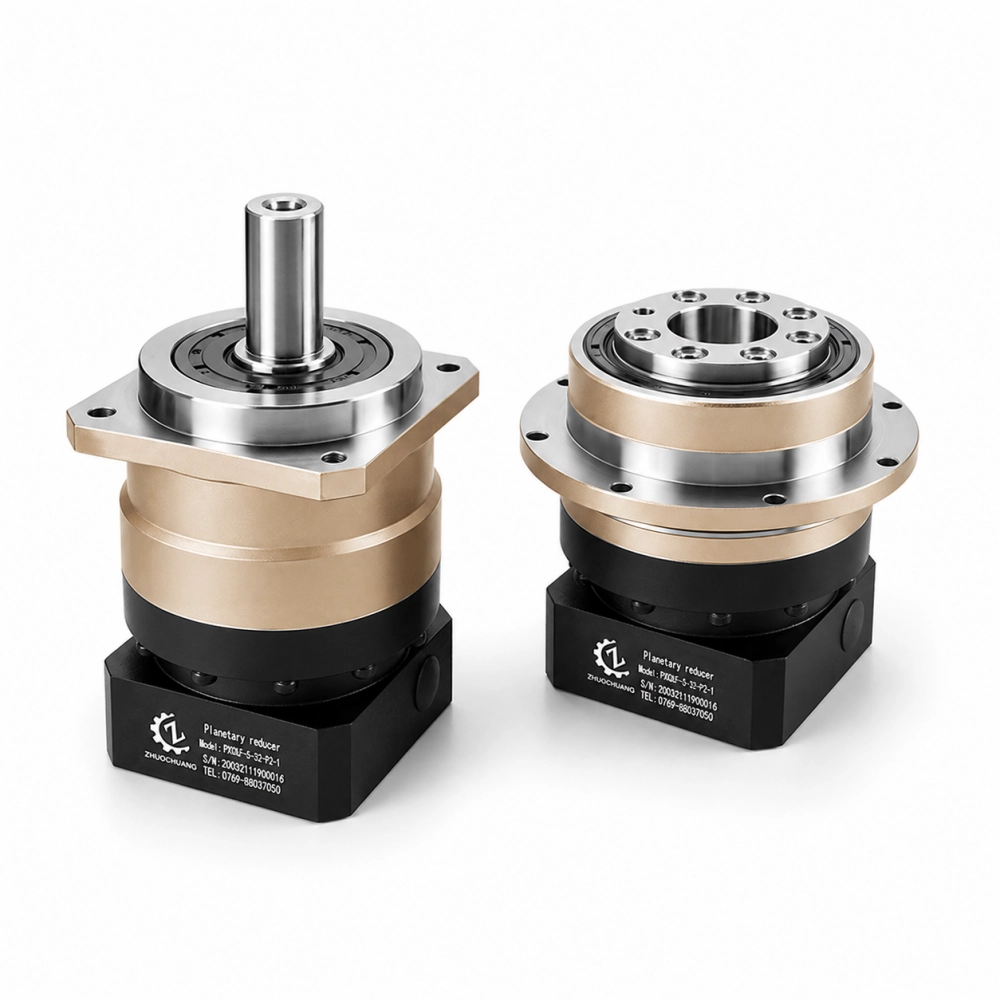
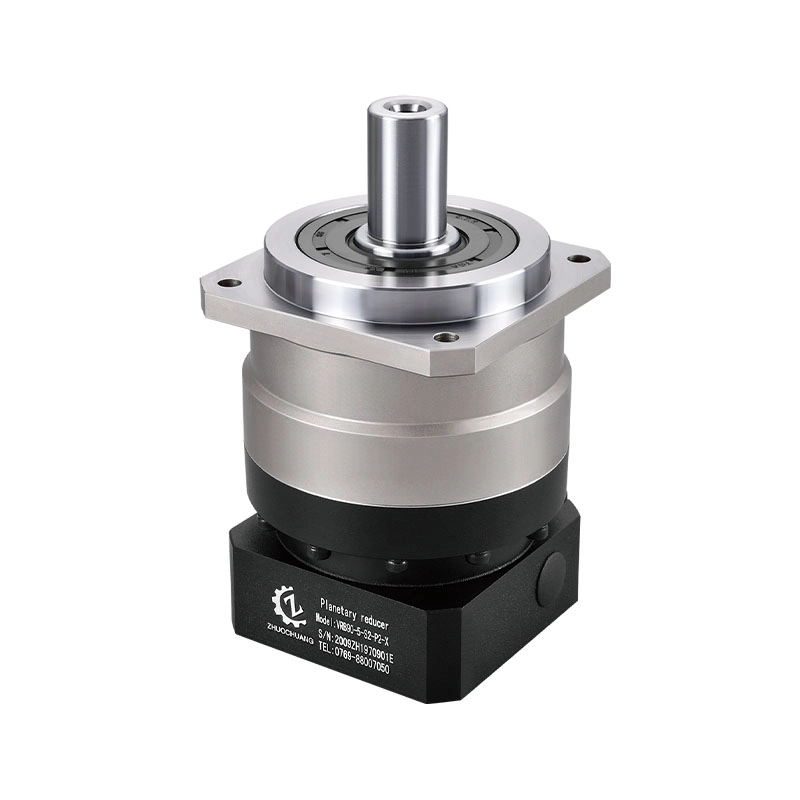
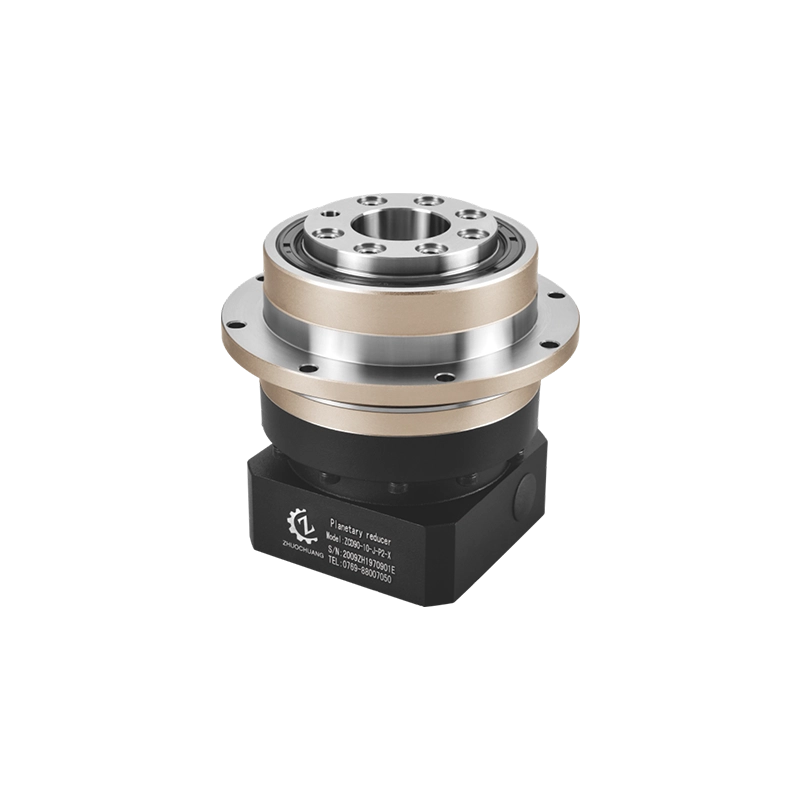
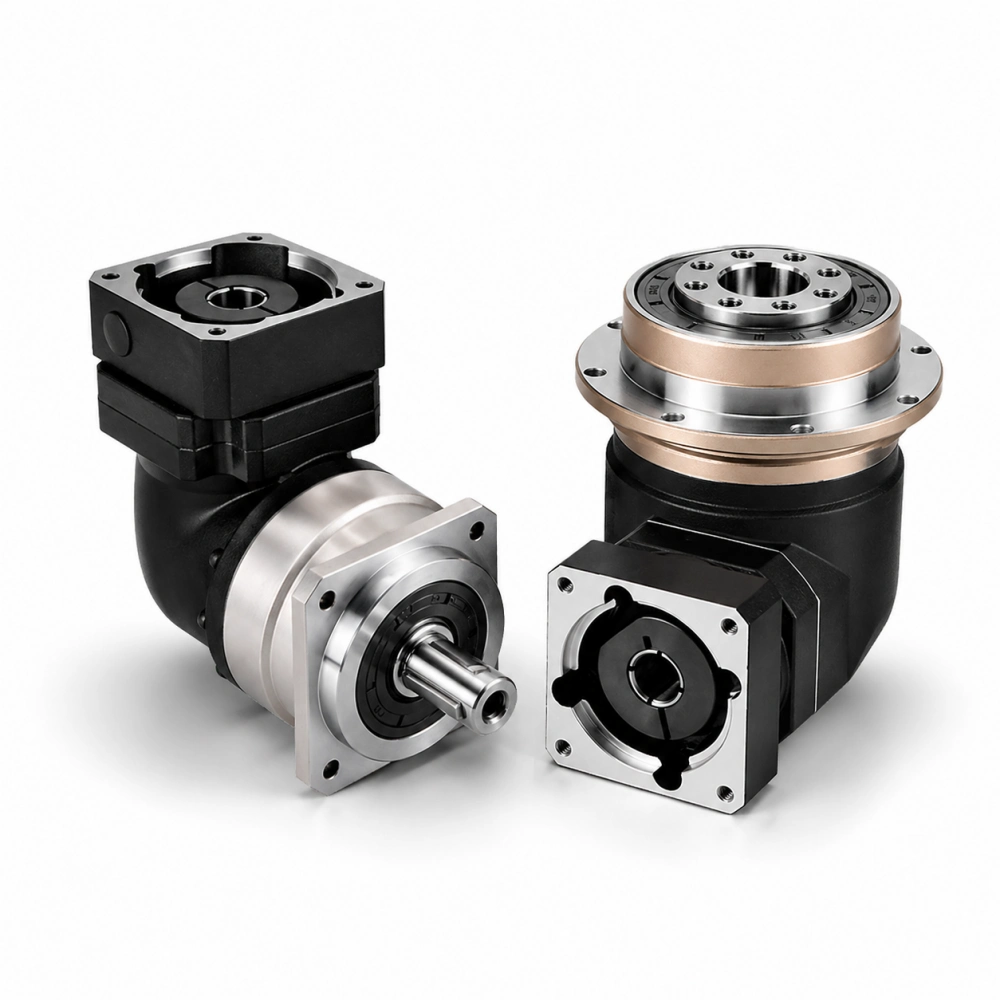
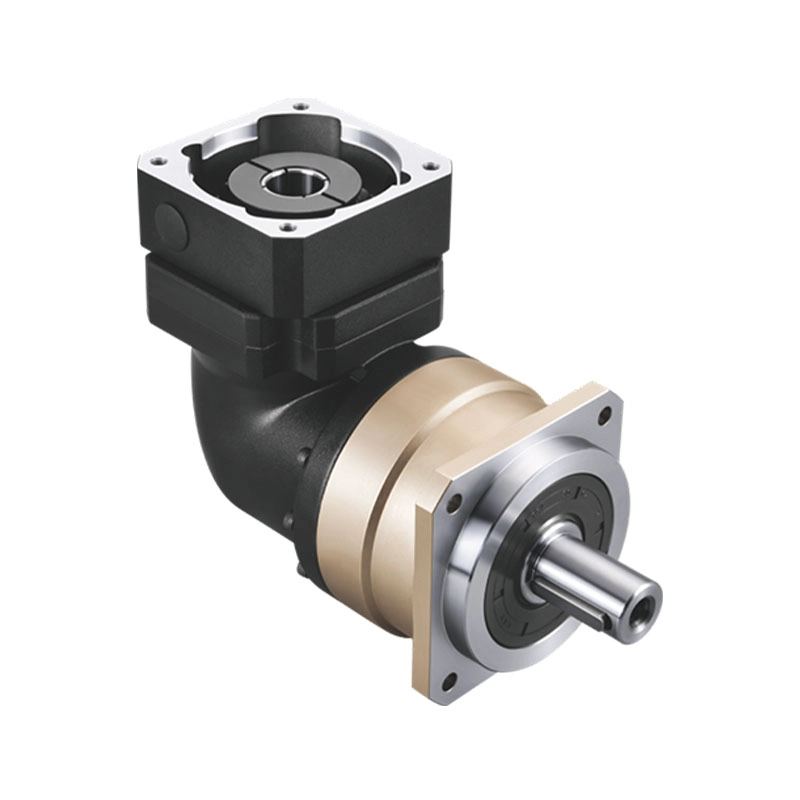
Precision Planetary Gearbox
Used for stable torque transmission, speed reduction, servo motor matching, and high-precision motion control in CNC-related automation and machining equipment.
View Planetary GearboxCNC Machining Applications
CNC rotary table and hollow rotary platform solutions can support multiple machining scenarios where angular positioning, precision indexing, and stable rotary motion are required.
4-Axis CNC Machining
Allows the workpiece to rotate for multi-side machining without repeated manual repositioning.
5-Axis CNC Systems
Supports complex contour machining, angular positioning, and advanced machine tool motion structures.
Precision Metal Parts
Helps maintain stable positioning when producing parts that require tight tolerance and repeated accuracy.
Complex Surface Machining
Improves machining flexibility for curved surfaces, multi-angle features, and irregular geometries.
Automated CNC Cells
Supports cleaner integration with fixtures, sensors, cables, and servo-driven positioning systems.
Indexing Fixtures
Provides stable angular indexing for production fixtures, inspection jigs, and machining support systems.
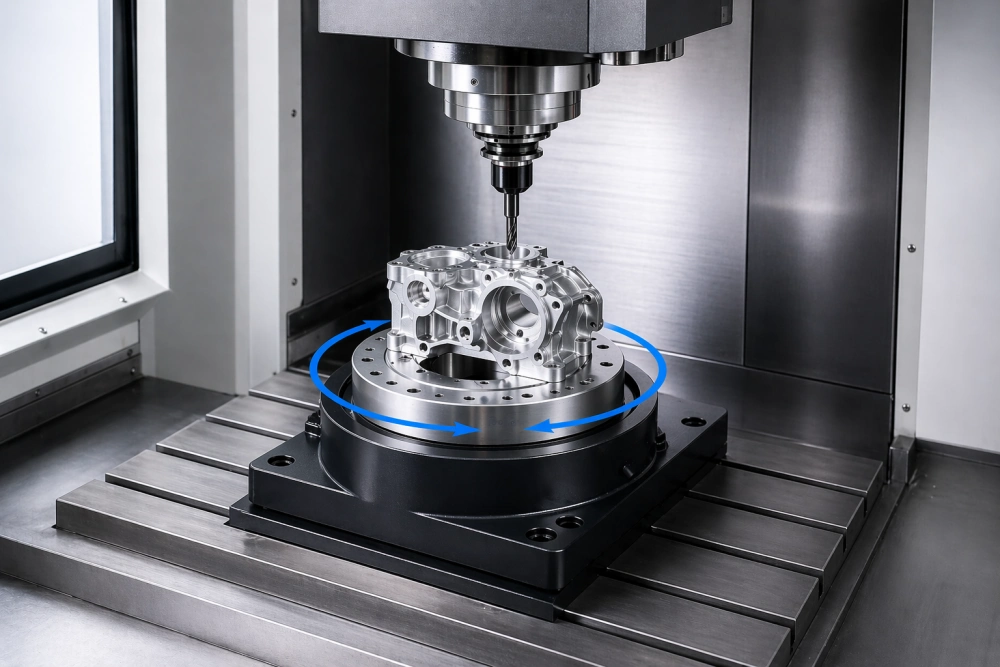
Typical Use Case: Hollow Rotary Table as the 4th Axis
In a vertical machining center, a hollow rotary table can be integrated as the 4th axis to enable multi-side machining. Instead of removing, repositioning, and re-clamping the workpiece, the rotary platform allows controlled angular indexing during the machining process.
This helps reduce setup time, improve machining consistency, and lower the risk of alignment errors. The hollow design also allows cables, air lines, or sensors to pass through the center, creating a cleaner and more compact CNC system layout.
Before
Manual repositioning, repeated clamping, longer setup time, and higher risk of alignment deviation.
After
Automatic indexing, cleaner fixture layout, improved repeatability, and more stable machining quality.
Related Technical Guides for CNC Rotary Motion
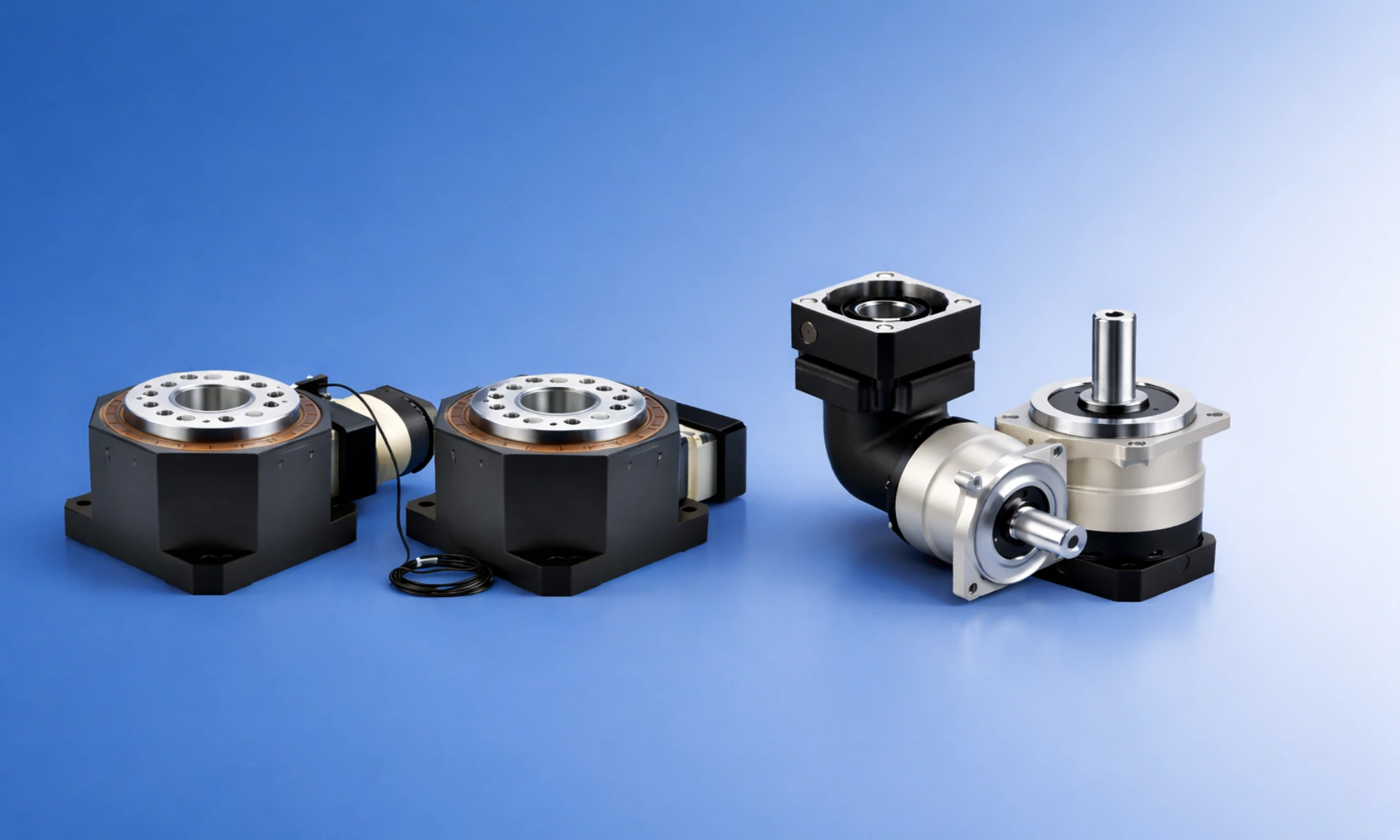
These resources help engineers understand rotary table principles, gearbox selection, and motion control fundamentals for CNC and automation equipment.
What Is a Rotary Table and How Does It Work?
Understand how rotary tables support indexing, positioning, and multi-axis machining operations.
Read More »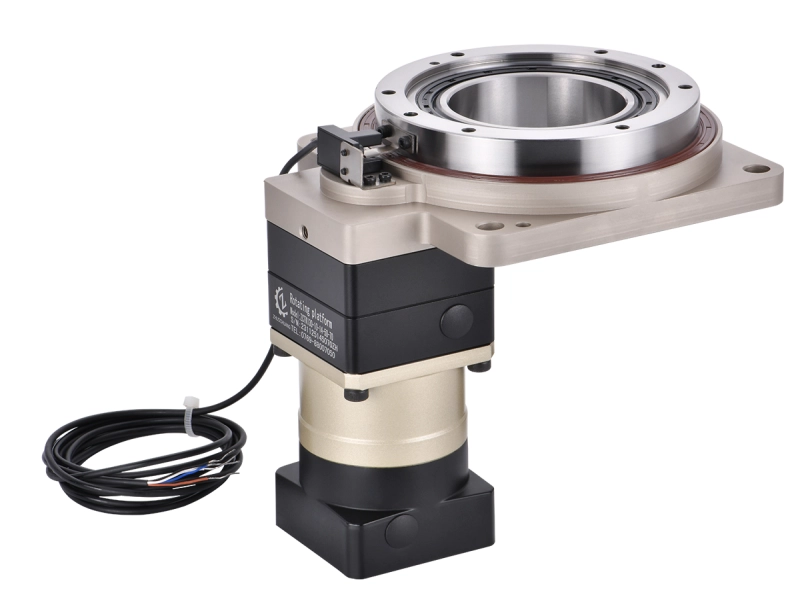
How Does a Rotary Table Work in CNC Machining?
Learn how rotary tables are applied in CNC machining centers, indexing systems, and precision motion control.
Read More »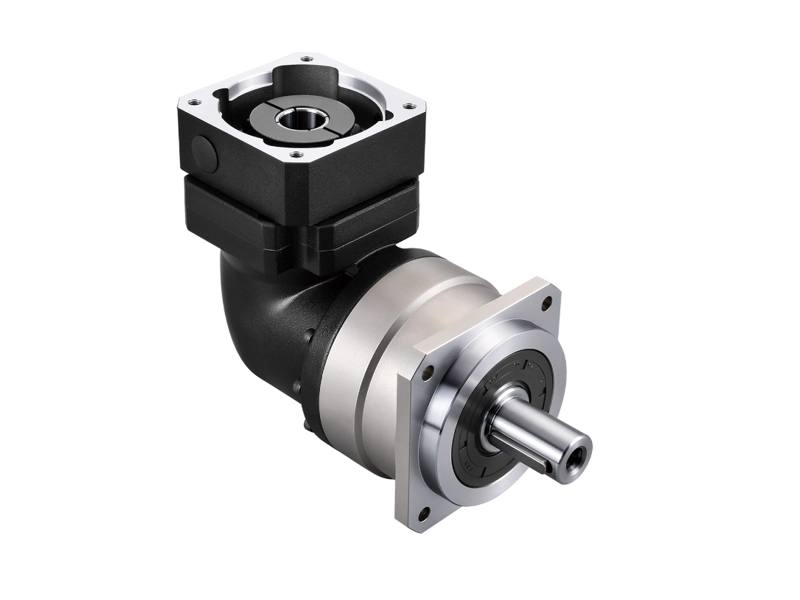
Transmission Planetary Gearbox: How to Choose the Right One
Explore gearbox selection factors including torque, speed, backlash, mounting, and servo motor matching.
Read More »Need a CNC Rotary Table or Hollow Rotary Platform Solution?
Whether you are building a 4-axis CNC machine, upgrading a rotary indexing system, or developing a compact high-precision machining platform, our team can help you select suitable hollow rotary tables and precision gearboxes for your application.