
ZCJER / Precision Gear Components
Custom Internal Ring Gears for Planetary Gearboxes
Drawing-based internal ring gear manufacturing solutions for planetary gear drives, industrial automation and precision transmission assemblies.
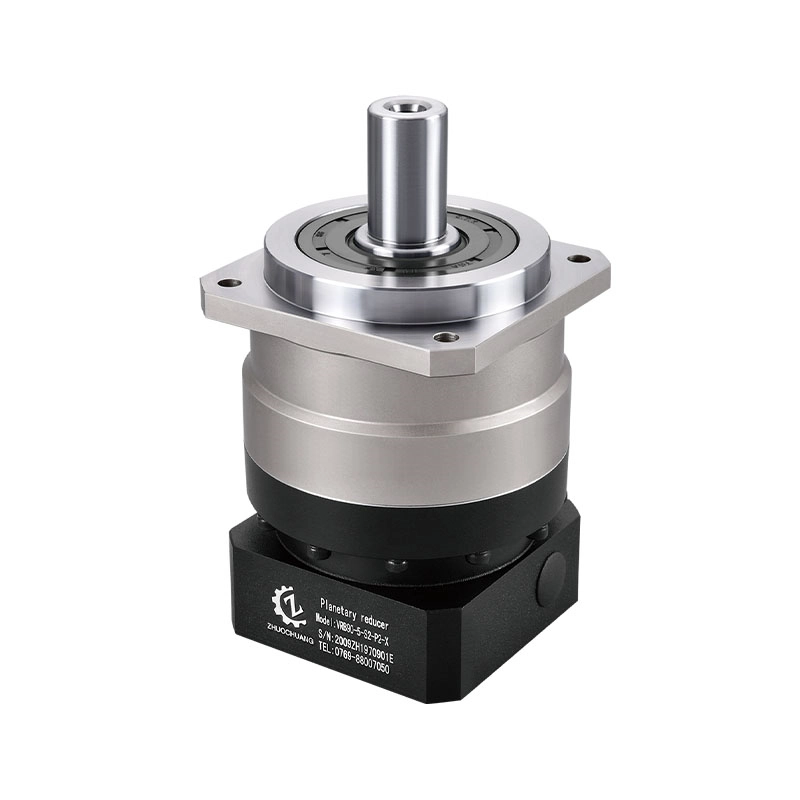
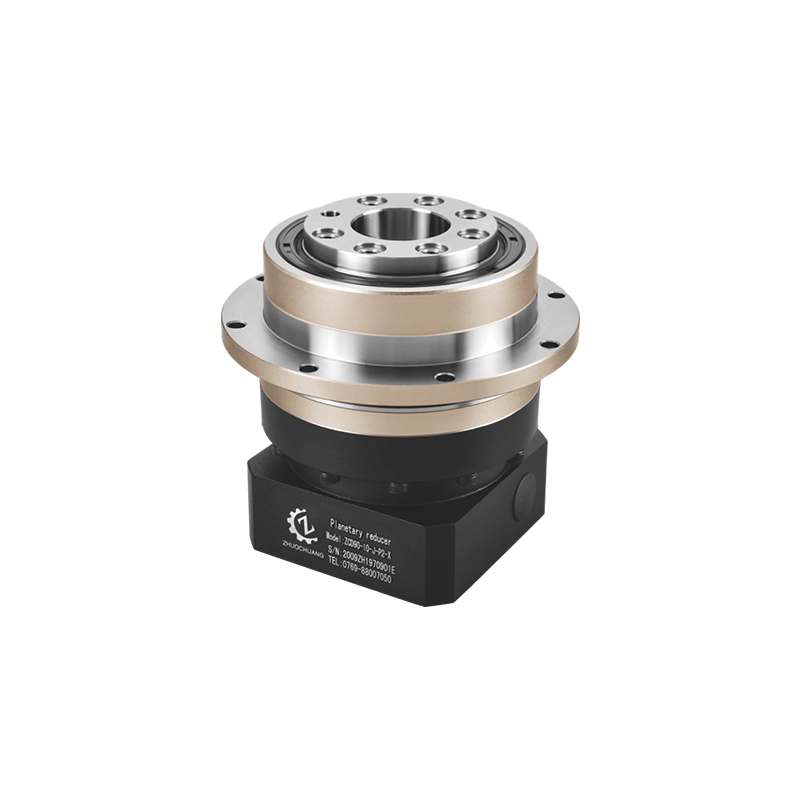
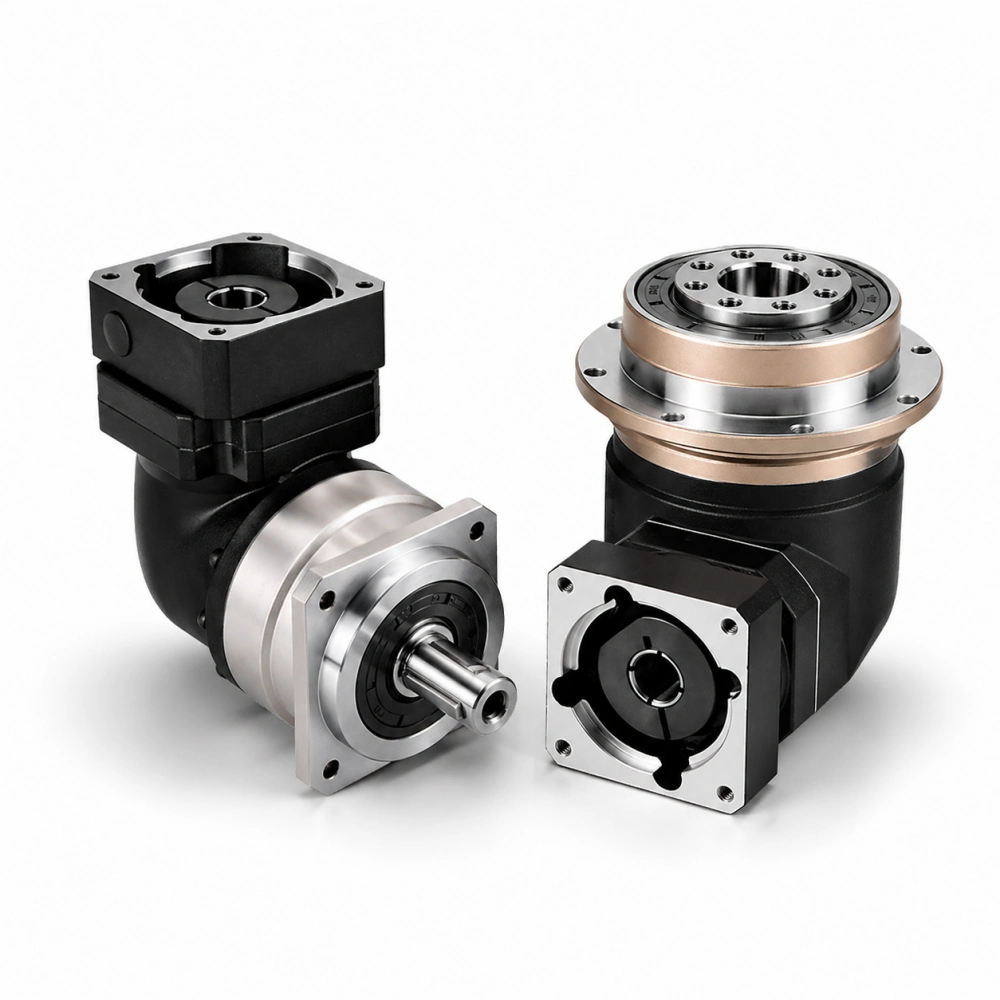
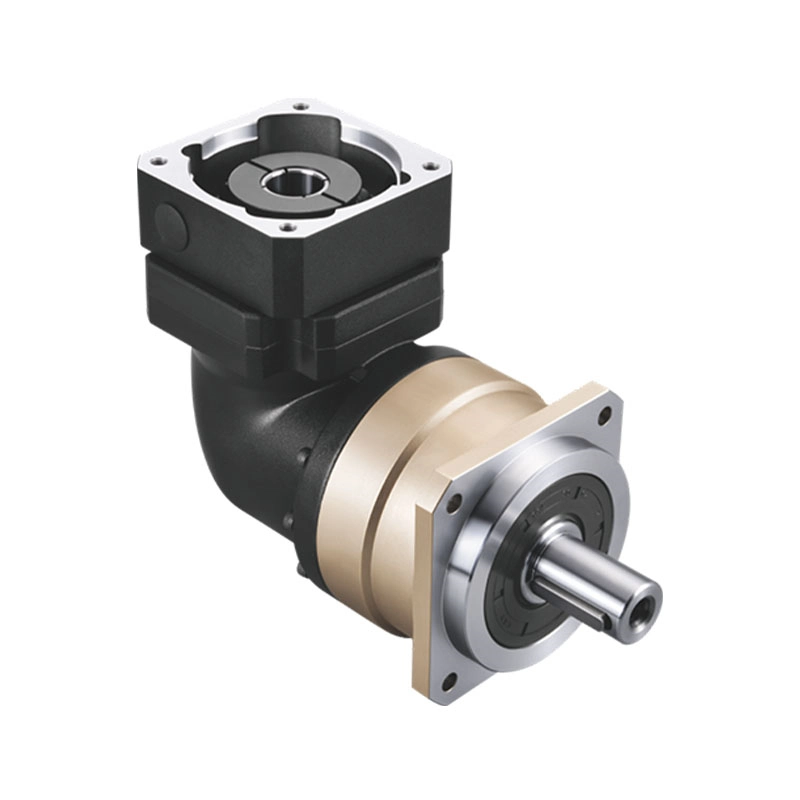
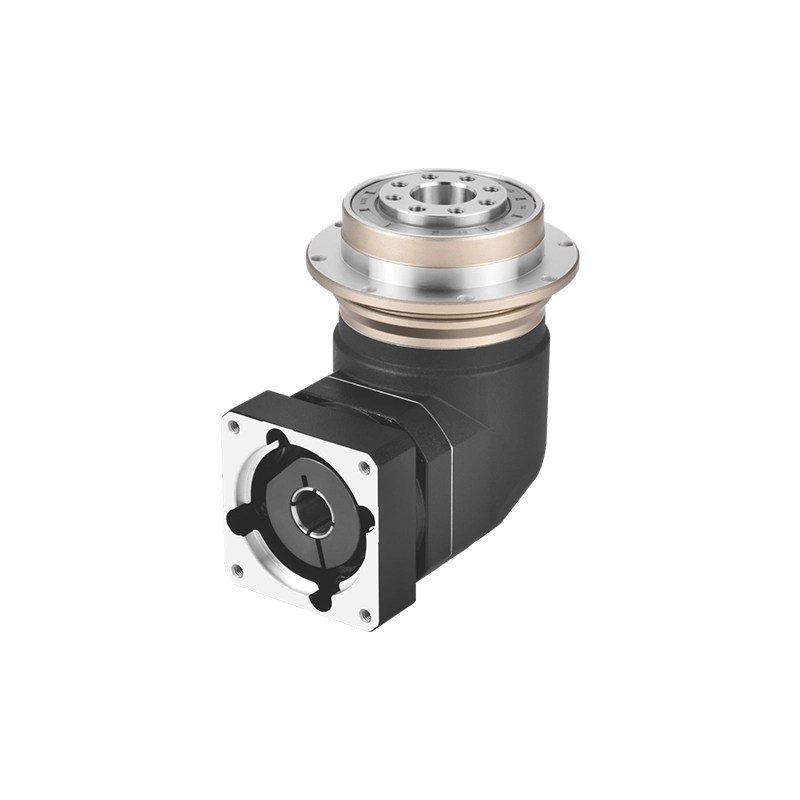
Dongguan Zhuochuang Precision Machinery Co., Ltd. supplies planetary gearboxes and supports custom internal ring gear projects, including engineering review, supplier coordination, component matching and quality requirements. Whether you need an internal spur ring gear for a new drive or a replacement ring gear for an existing assembly, we help assess the dimensions and manufacturing route before quotation.
Request a Custom Ring Gear Quote →View Drawing Requirements ↓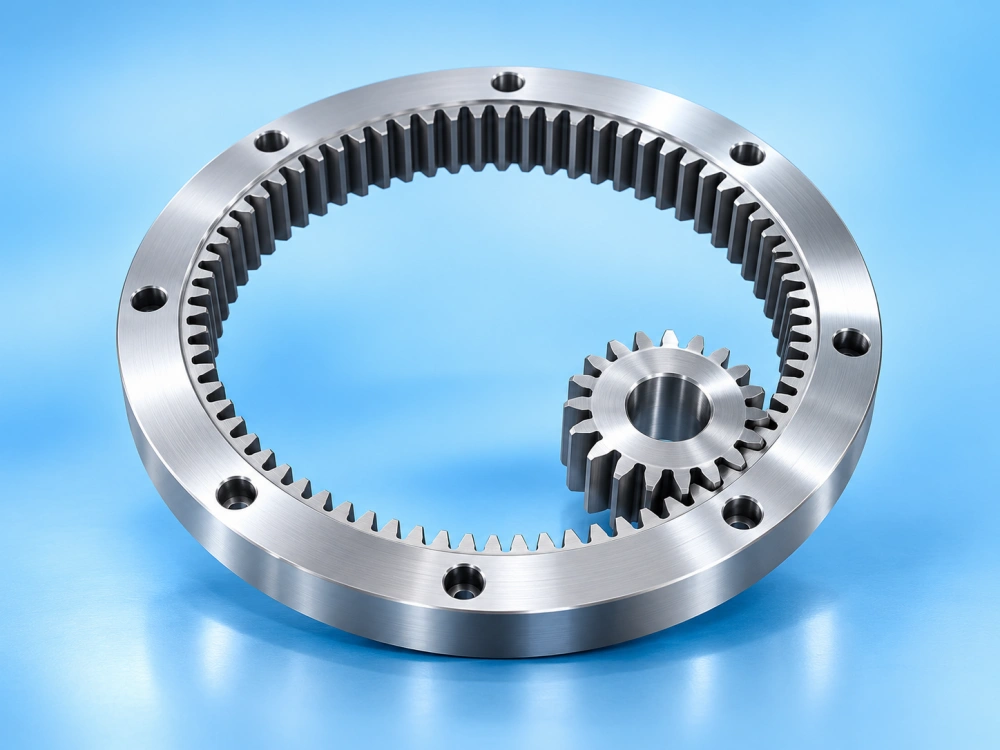
01 / Internal gear fundamentals
What Is an Internal Ring Gear?
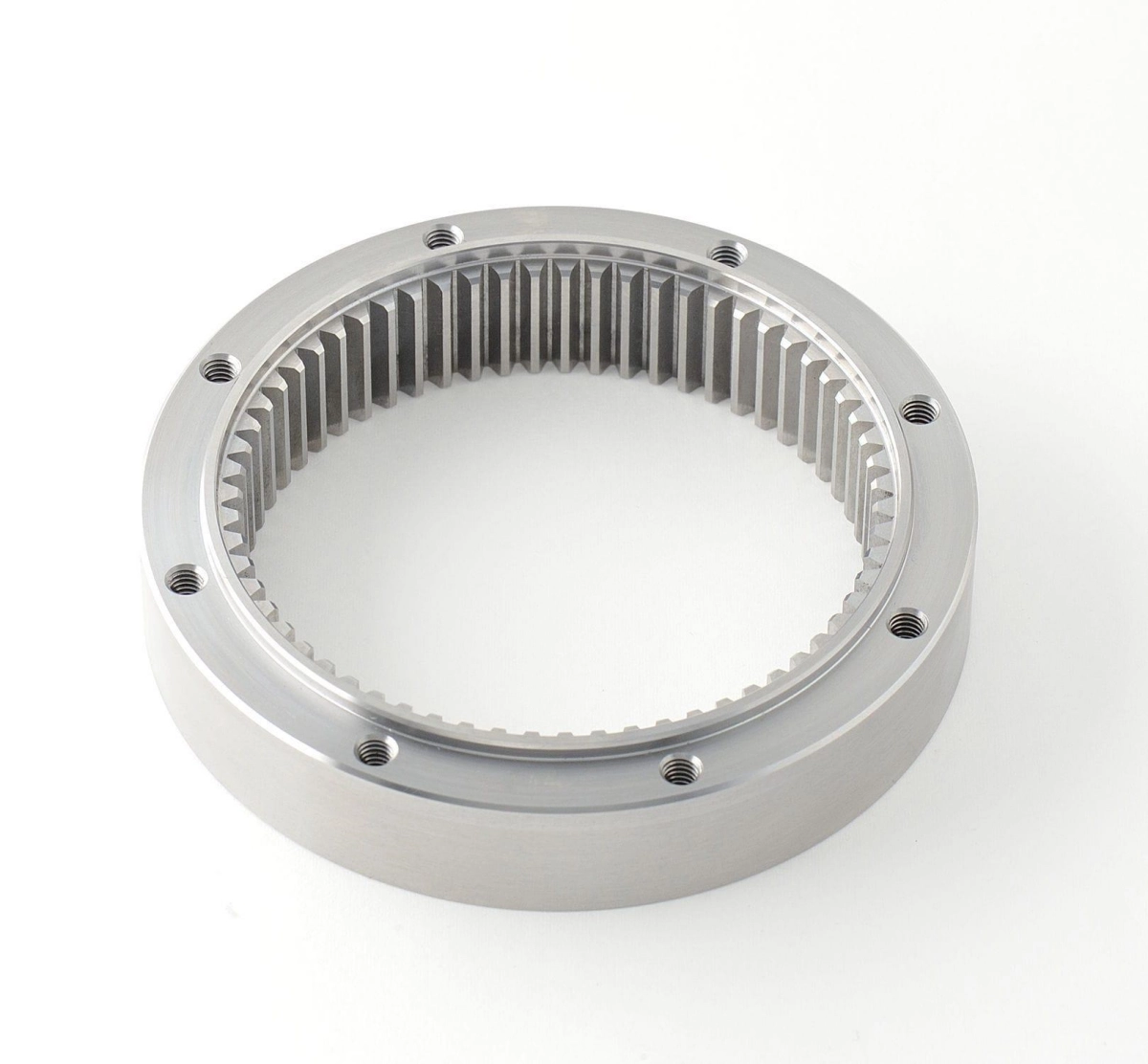
An internal ring gear, also called an internal gear or annulus gear, has teeth formed on the inside diameter of a cylindrical ring. It engages one or more smaller externally toothed gears inside the ring. This geometry is particularly useful for compact, coaxial planetary gearbox arrangements.
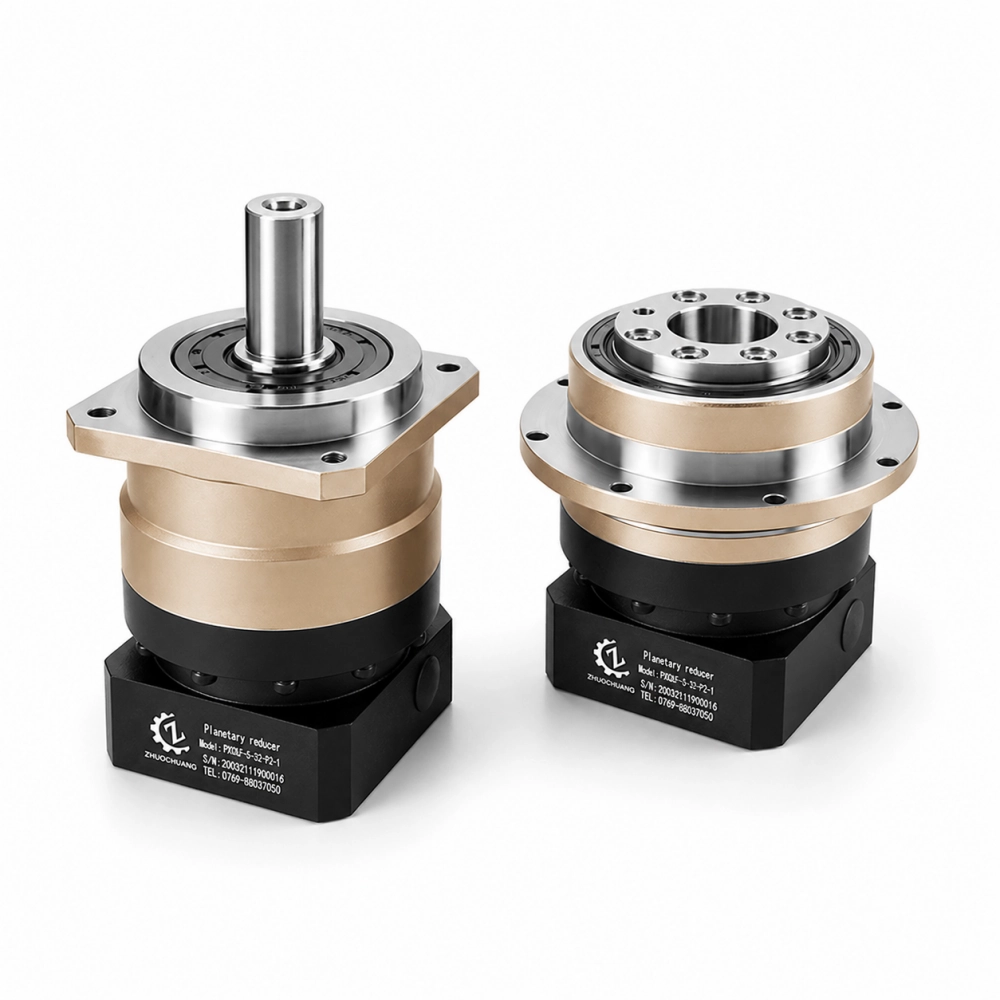
In a typical planetary drive, planet gears mesh with the central sun gear and surrounding internal ring gear. The planet carrier holds the planet axes; which member is fixed or driven determines the speed reduction and direction. Because all mating components work as a system, specifying the internal gear in isolation can produce costly compatibility errors.
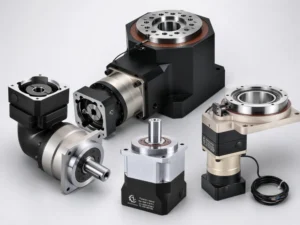
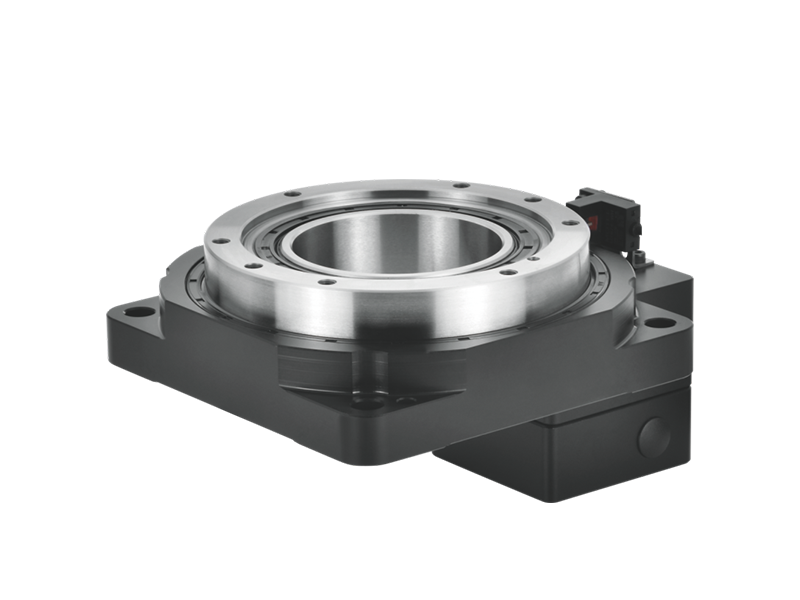
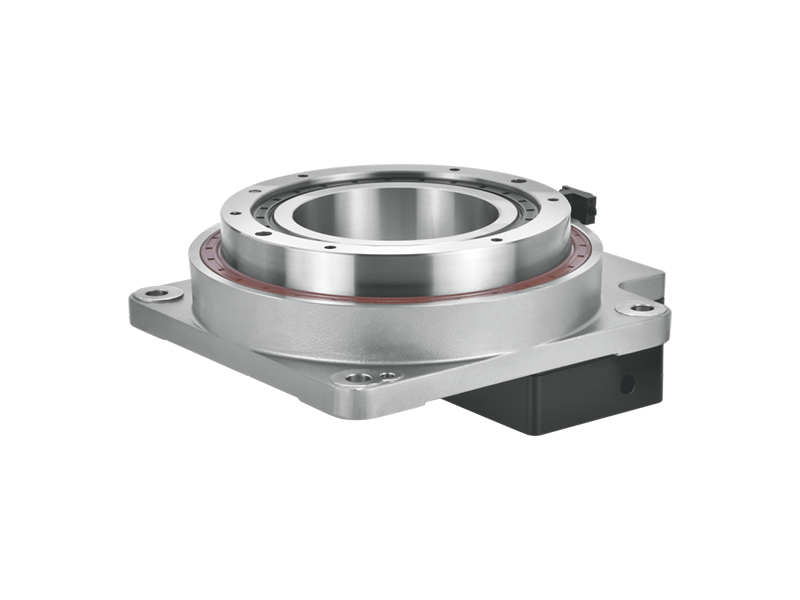
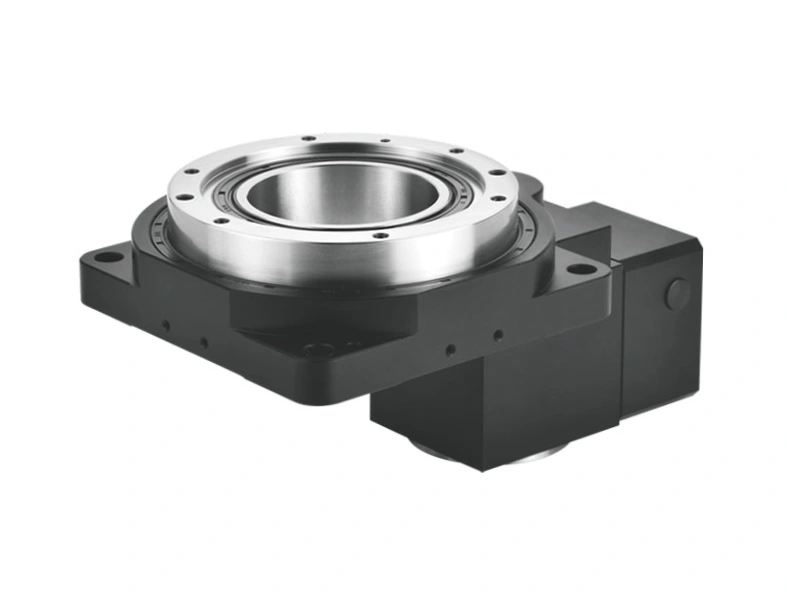
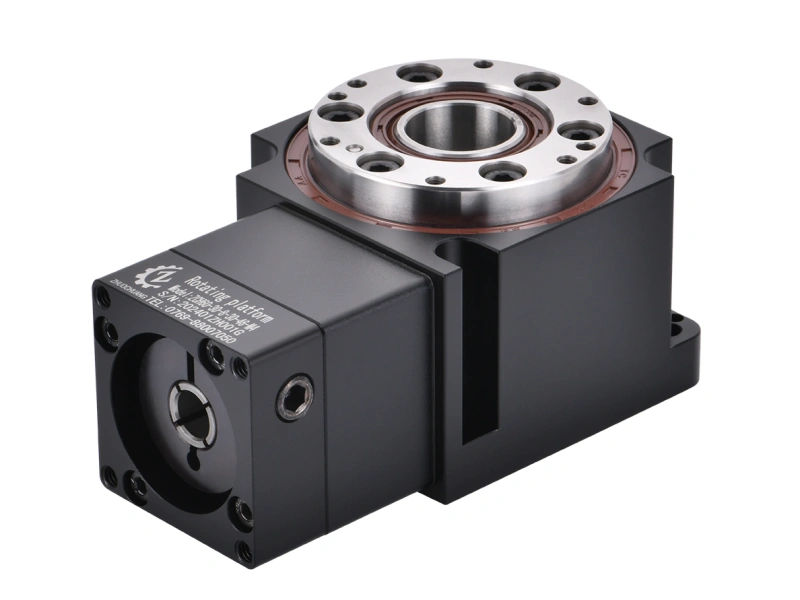
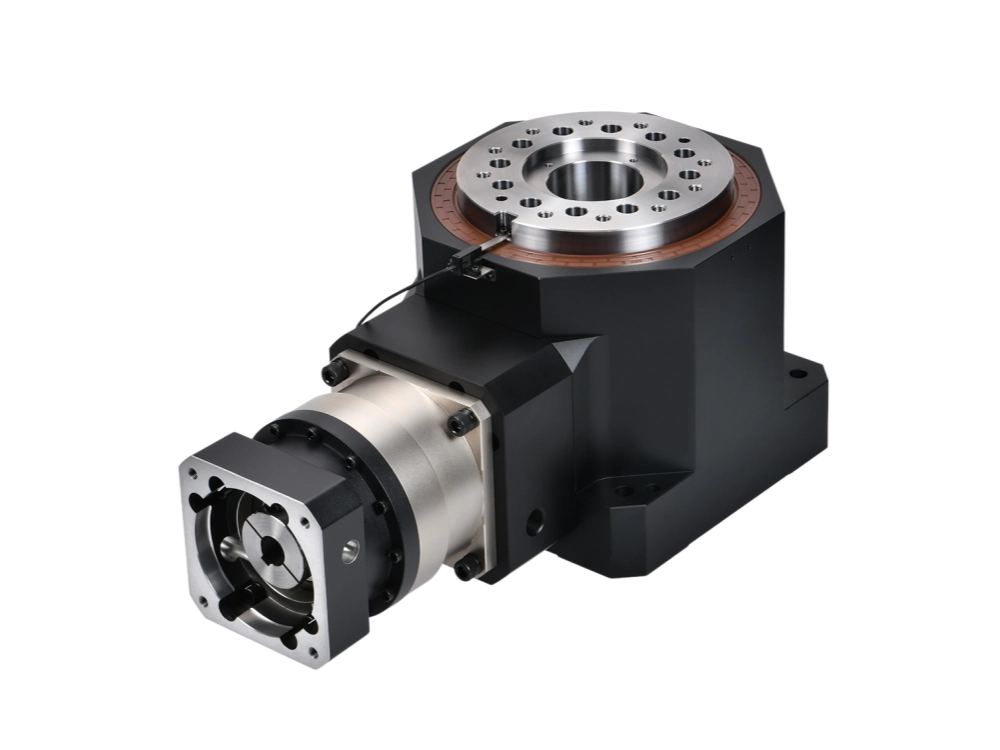
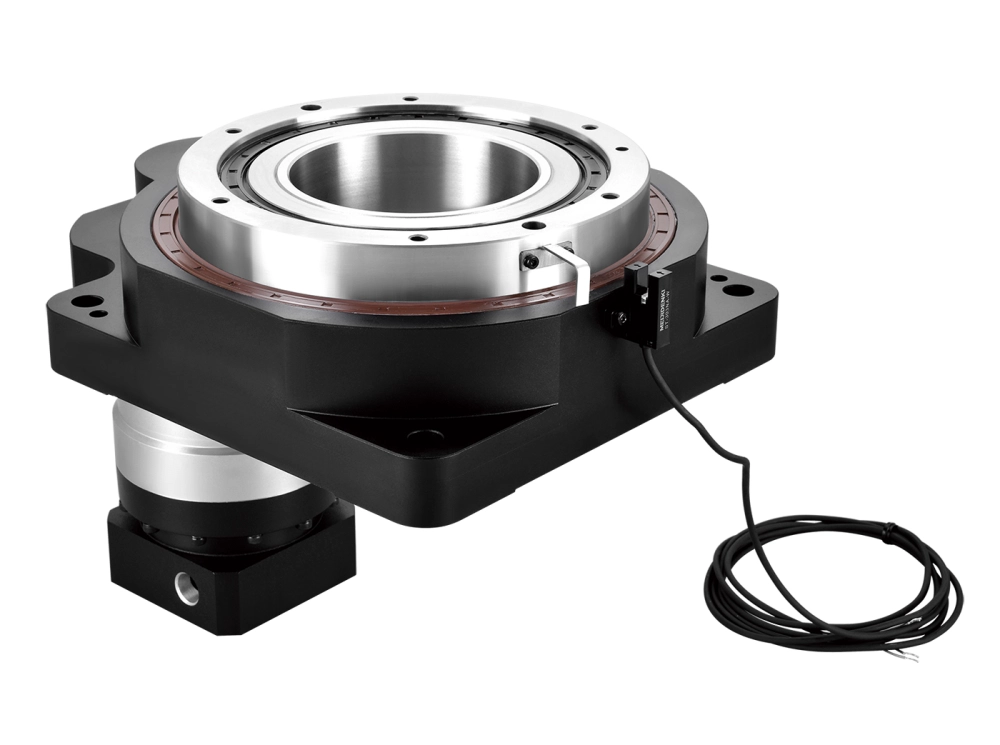
Important distinction: the large circular gears used in some hollow rotary tables have outward-facing teeth. Those are external ring gears, not the same product as a planetary gearbox internal ring gear.
Explore Planetary Gearboxes →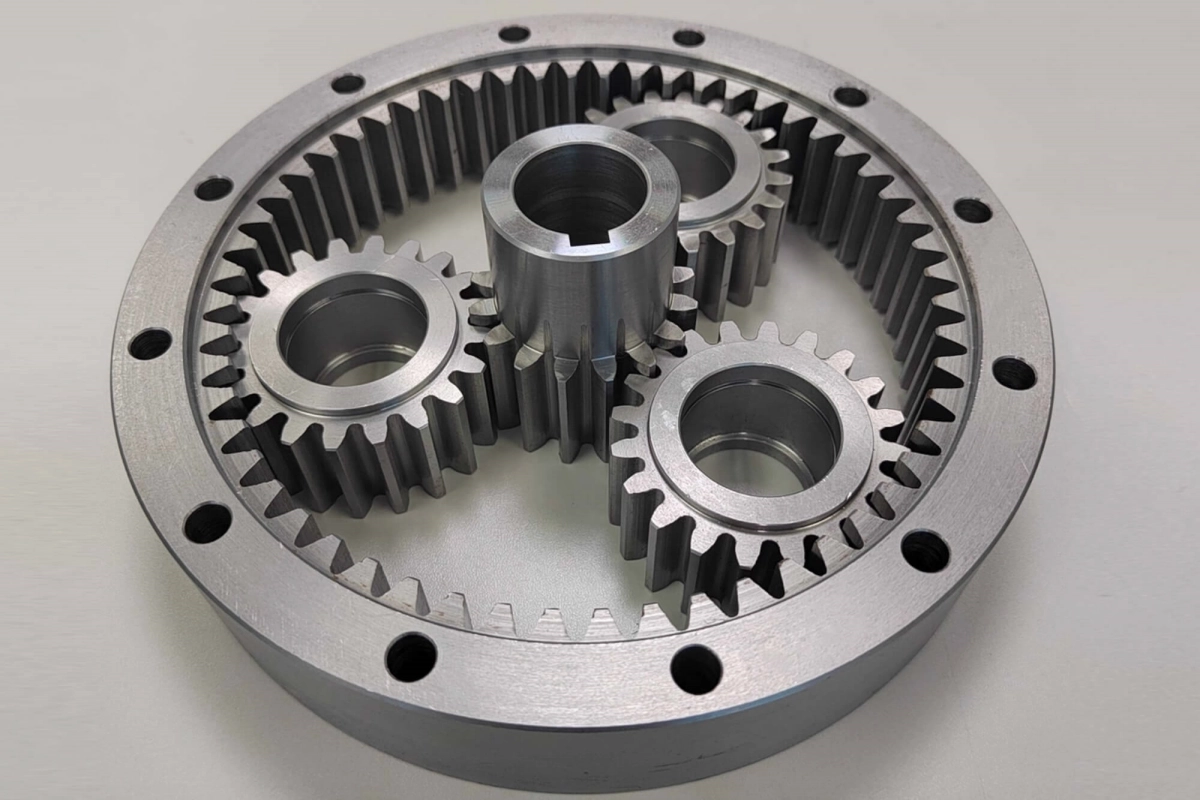
02 / Product configurations
Internal Ring Gear Types We Can Evaluate
We review custom internal gear requirements according to their tooth geometry, structural features and mating drivetrain components rather than claiming a fixed standard catalog for every project.
Internal Spur Ring Gears
Straight internal teeth parallel to the gear axis. Used in many compact planetary gear sets, where the mating sun and planet gears share a compatible tooth system.
Internal Helical Ring Gears
Helical internal teeth can offer different engagement behavior and loading characteristics. Helix hand, angle, axial loads and mating geometry must be evaluated together.
Flanged and Integrated Ring Gears
Custom mounting flanges, bolt circles, locating shoulders or housing-integrated internal teeth may reduce interface complexity. Manufacturing feasibility depends on tool access and geometry.
03 / Custom manufacturing
Custom Internal Gear Manufacturing: From Drawing to Finished Ring
Our team coordinates internal ring gear production projects through drawing review and specialized gear machining resources. Depending on the approved geometry, production can involve CNC turning for the ring blank, internal gear shaping or power skiving for tooth generation, controlled heat treatment and subsequent finishing.
Internal teeth require a suitable cutting approach: conventional external gear hobbing is generally not used for enclosed internal tooth profiles. Gear shaping and power skiving are widely applied methods, with selection affected by module, tooth count, available clearance, face width, batch volume and required accuracy.
We evaluate the proposed manufacturing method with the production facility before confirming the order. Materials, heat treatment, tooling access and gear inspection provisions are agreed according to the customer’s drawing; no unverified precision grade or machine capacity is presented as a standard guarantee.
Send Your Internal Gear Drawing →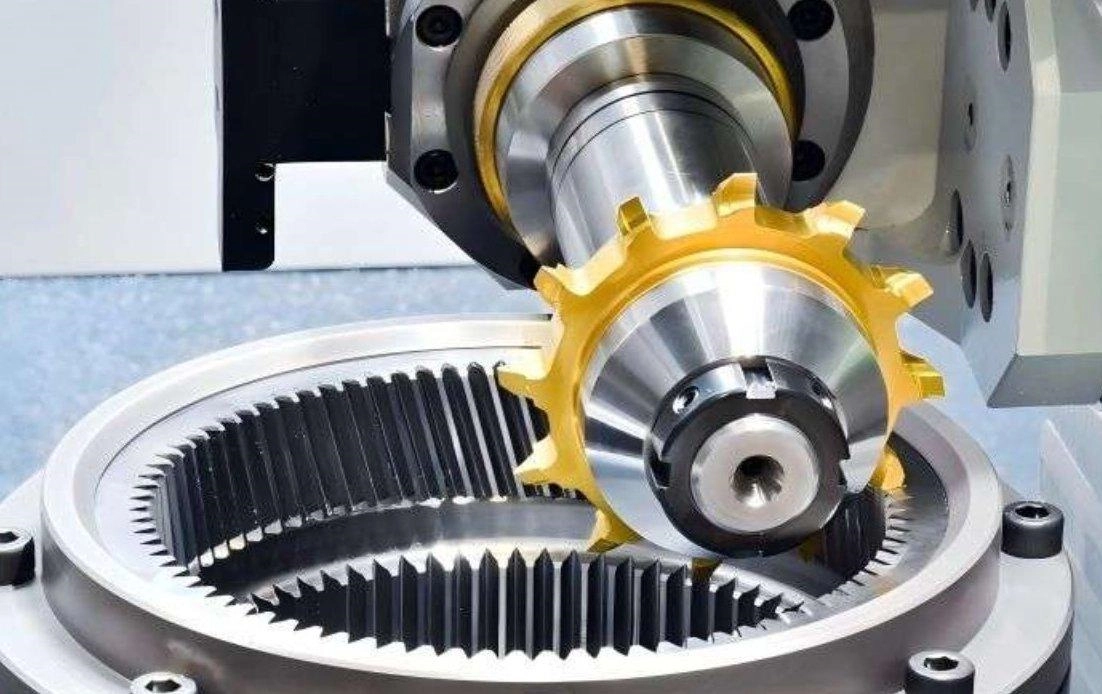
04 / Engineering requirements
Internal Ring Gear Specifications to Confirm Before Manufacturing
For custom internal gears, the tooth system and the mounting interfaces are equally important. An internal ring gear can appear dimensionally similar to an existing part yet fail to mesh due to a different tooth profile, pressure angle or profile modification. These inputs enable a more meaningful feasibility review.
| Parameter | What to Provide | Why It Matters |
|---|---|---|
| Gear geometry | Module or diametral pitch, tooth count, pressure angle | Determines meshing compatibility |
| Tooth form | Internal spur or helical; helix angle and hand | Affects gear engagement and thrust |
| Ring dimensions | Internal reference diameters, outside diameter, face width | Determines ring envelope and cutting access |
| Mounting features | Flange dimensions, bolt circle, locating steps, datum surfaces | Supports concentric gearbox assembly |
| Material | Specified steel or alternative, hardness and heat treatment | Influences load and wear performance |
| Quality requirement | Applicable ISO/AGMA/DIN standard, grade and measurement definition | Establishes inspection and acceptance criteria |
| Gear pair and load | Sun and planet gear details, torque, speed, duty cycle, lubrication | Checks actual application compatibility |
| Order information | Prototype or production quantity, destination, schedule | Helps plan quotation and production route |
Preferred files: dimensioned PDF or DWG/DXF drawings plus STEP/3D models when available. A sample photo alone usually cannot establish a correct involute tooth profile. For existing units, provide the gearbox model and photographs of the mating parts if drawings are unavailable.
05 / Material and heat treatment
Material Selection for Custom Internal Ring Gears
Suitable internal ring gear materials depend on torque, shock loads, expected fatigue life, lubrication and the manufacturing route. Alloy steels used in transmission components may be evaluated for carburizing, quenching and tempering, or nitriding, depending on the design.
Heat treatment can change dimensions and tooth geometry. Ring stiffness, wall thickness and the order of machining and heat treatment therefore matter. For tight accuracy requirements, a dedicated finishing and inspection plan may be needed after treatment.
Material names and heat-treatment conditions should be agreed using the engineering drawing rather than selected only from broad marketing specifications. A requested ISO gear accuracy grade must be accompanied by the standard and acceptance criteria; it does not independently guarantee low backlash of the assembled gearbox.
06 / Inspection and acceptance
Internal Gear Tooth Accuracy and Inspection
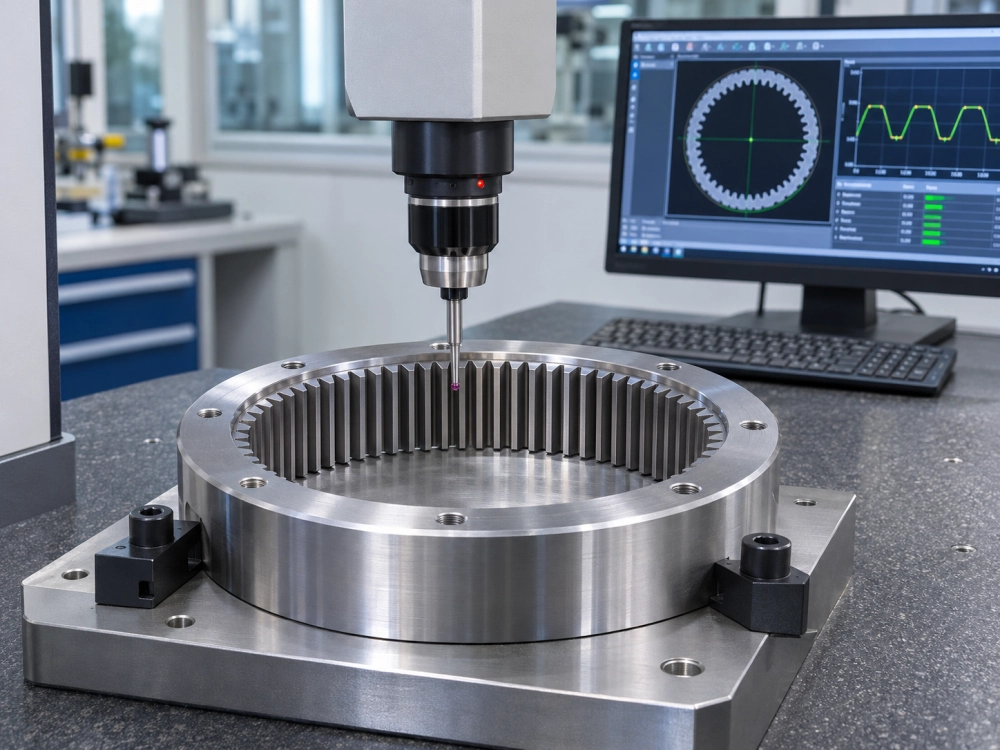
Internal gear manufacturing quality must be judged against the customer’s specified drawing and intended assembly. Depending on the project, inspection may address tooth profile, lead, pitch deviations, tooth thickness, radial runout, concentricity, bore size, flange flatness and critical mounting features.
Gear tooth contact, adequate backlash and alignment are evaluated as an assembly-level topic. Matching an individual gear’s accuracy class is not sufficient to confirm the performance of an entire planetary gearbox. Where needed, we coordinate measurement plans and documented inspection requirements with the machining facility.
For demanding transmission applications, the relevant edition of an accuracy standard such as ISO 1328 may be specified when applicable to the tooth geometry. Inspection scope and reports are confirmed at quotation stage.
07 / Ordering workflow
How We Handle a Custom Internal Ring Gear Project
Our role connects design requirements, specialist gear manufacturing and industrial transmission assembly knowledge.
01 — Application Review
We examine your drawing, tooth data, ring dimensions, mating gear information, operating duty and quantity.
02 — Manufacturing Feasibility
We coordinate machining options, material requirements, inspection scope and lead-time assessment with the appropriate production resources.
03 — Quotation and Delivery
After technical requirements are confirmed, we prepare the quotation and coordinate production, inspection and shipment for approved orders.
08 / Applications
Where Internal Ring Gears Are Used
Planetary Servo Gearboxes
Compact speed reduction and torque transmission in automation and positioning machinery. View inline gearbox range.
Industrial Robotics and Actuators
Internal gear trains support compact coaxial reduction systems in joints, motion modules and industrial drive assemblies. Robotics applications.
Custom Reduction Assemblies
Drawing-based replacement or integrated ring gear components for specialized power transmission systems and equipment refurbishment. Explore related planetary gears and matched gear sets.
09 / Frequently asked questions
Internal Ring Gear FAQ
What is the difference between internal and external ring gears?
An internal ring gear has teeth on its inner diameter, while an external ring gear carries teeth on its outer diameter. Both may be circular, but their engagement geometry and applications differ.
Can you supply a custom internal ring gear from drawings?
We review drawing-based requirements and coordinate custom ring gear sourcing and manufacturing through suitable production resources. Feasibility, tolerances and quantity are confirmed before quotation.
How are internal gear teeth manufactured?
Common approaches include gear shaping and power skiving. A final choice depends on the internal geometry, tool clearance, accuracy, material and production quantity.
Can an internal ring gear be replaced without replacing the whole gearbox?
Possibly, but the original ring gear and its mating gears must be assessed for tooth geometry, wear, alignment and assembly tolerance. A photo alone may not be adequate for accurate replacement.
Do higher gear accuracy grades automatically mean lower gearbox backlash?
No. Backlash is influenced by the combined gear geometry, mounting, bearing clearances and assembly tolerances. A gear accuracy grade alone does not guarantee overall gearbox positioning performance.
Can I send a sample, PDF drawing or STEP file for quotation?
Yes. Dimensioned drawings and STEP models are preferred. Please also specify required quantity, material, application and delivery destination. Our team will advise if additional data is necessary.
10 / Request a quote
Get a Custom Internal Ring Gear Quotation
Need an internal spur ring gear, helical internal gear or matching planetary gearbox components? Share your drawing and application requirements. We will review the manufacturing feasibility, gear mating interfaces, inspection requirements and quotation details.
Submit Internal Gear Inquiry →Email Our Team →What to include in your RFQ
- 2D drawing or 3D STEP file
- Tooth count, module and pressure angle
- Internal diameter, outside diameter and face width
- Mating planet gear or gearbox information
- Material, heat treatment and accuracy targets
- Quantity, destination and delivery schedule
Dongguan Zhuochuang Precision Machinery Co., Ltd.
ZCJER / PlanetDrivePro · Dongguan, China