
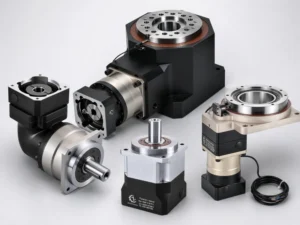
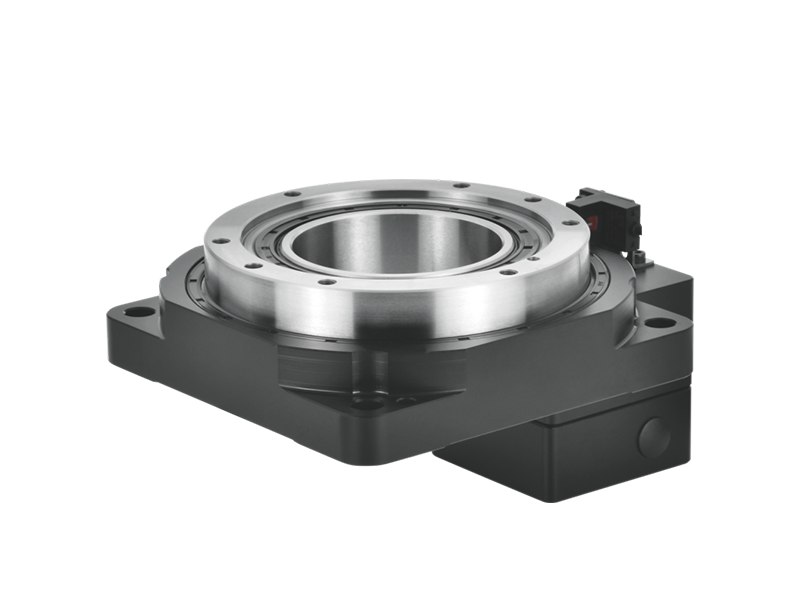
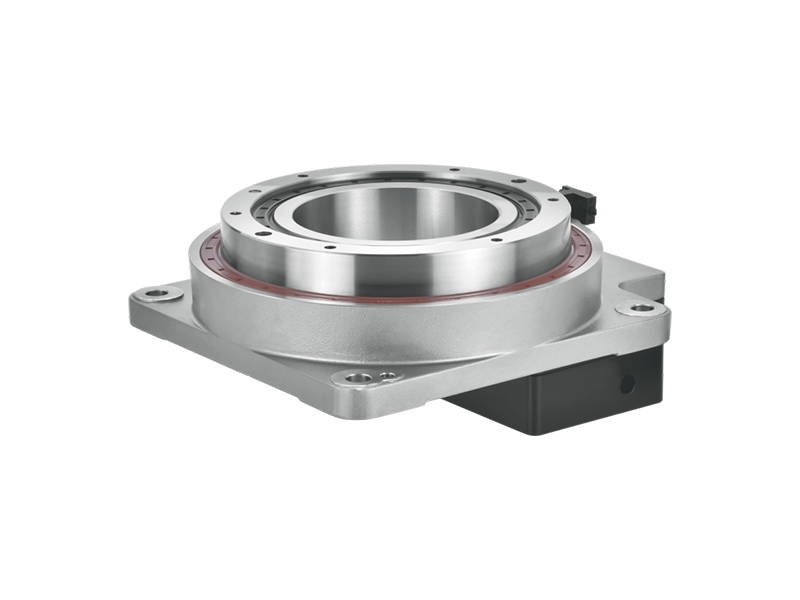
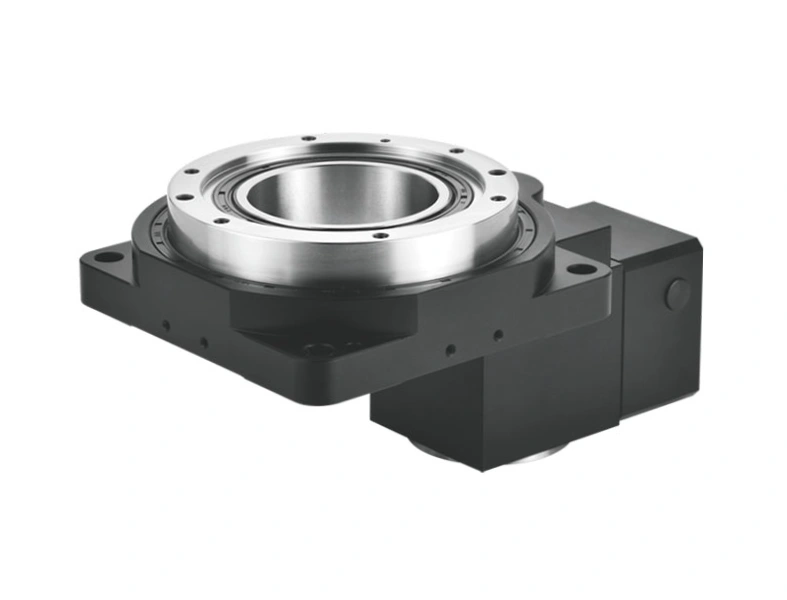
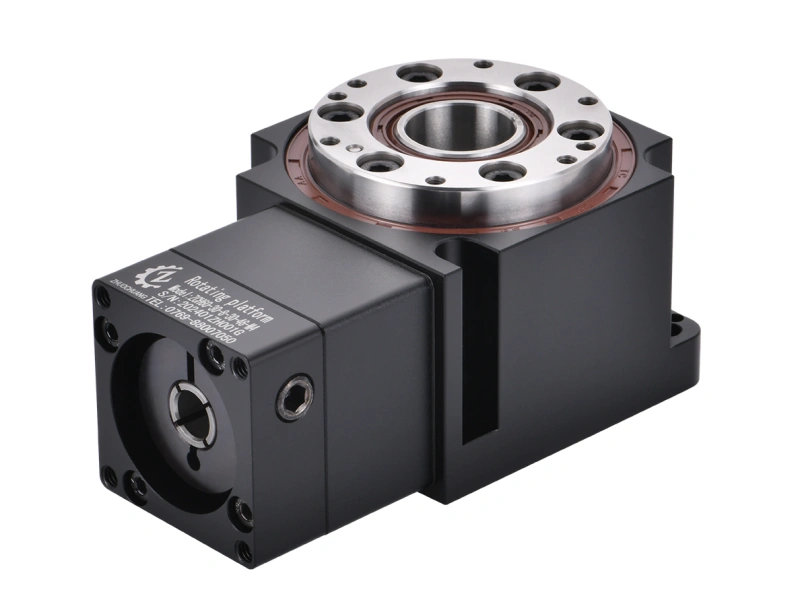
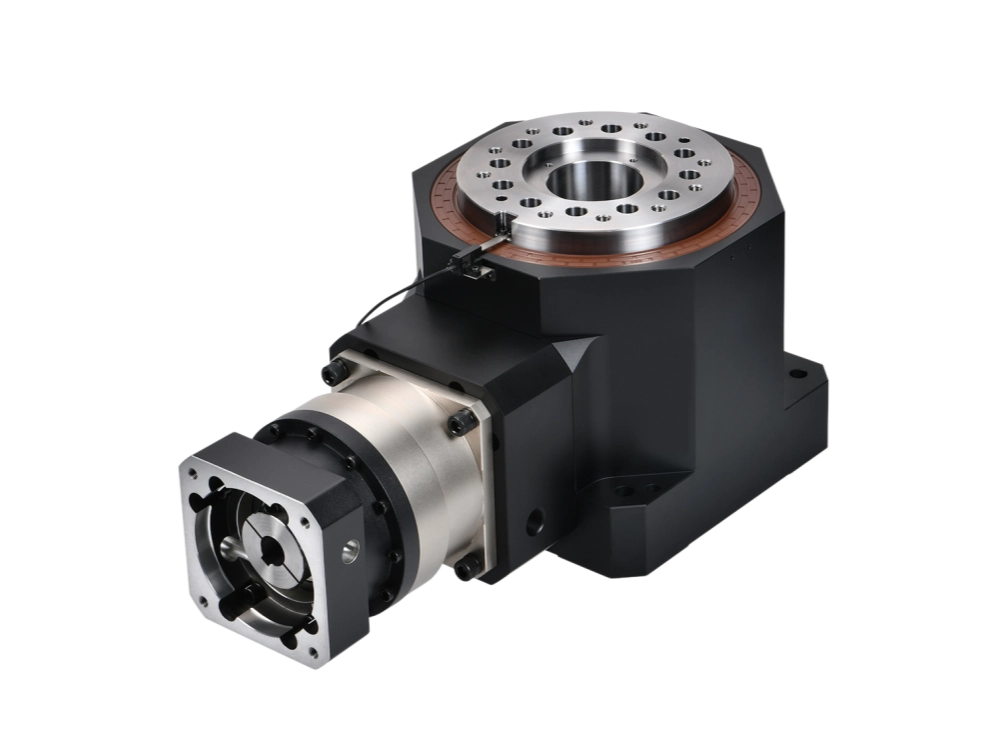
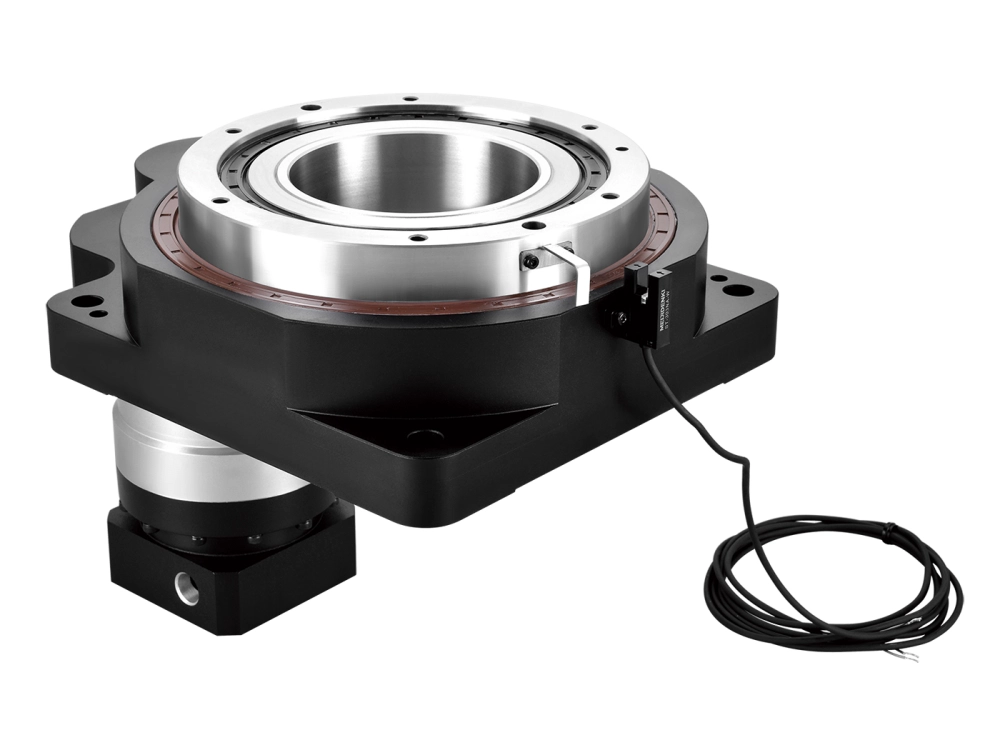
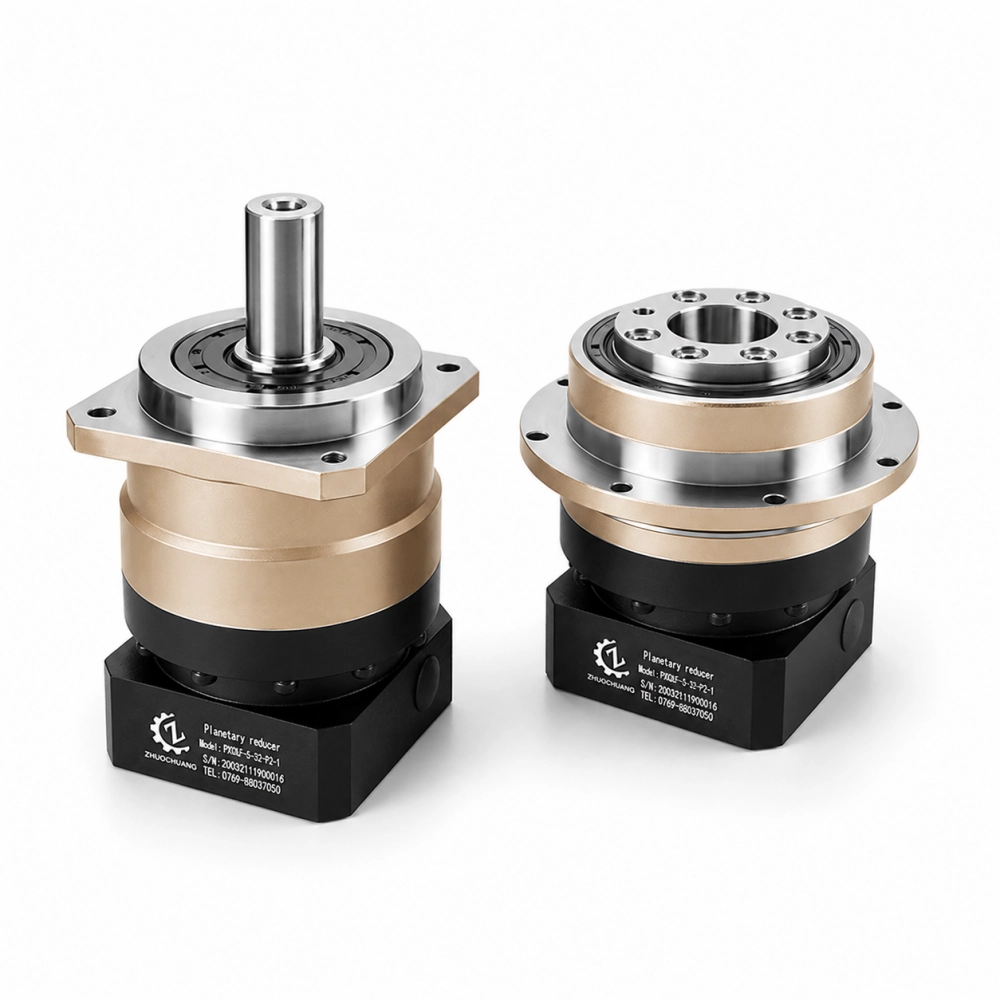
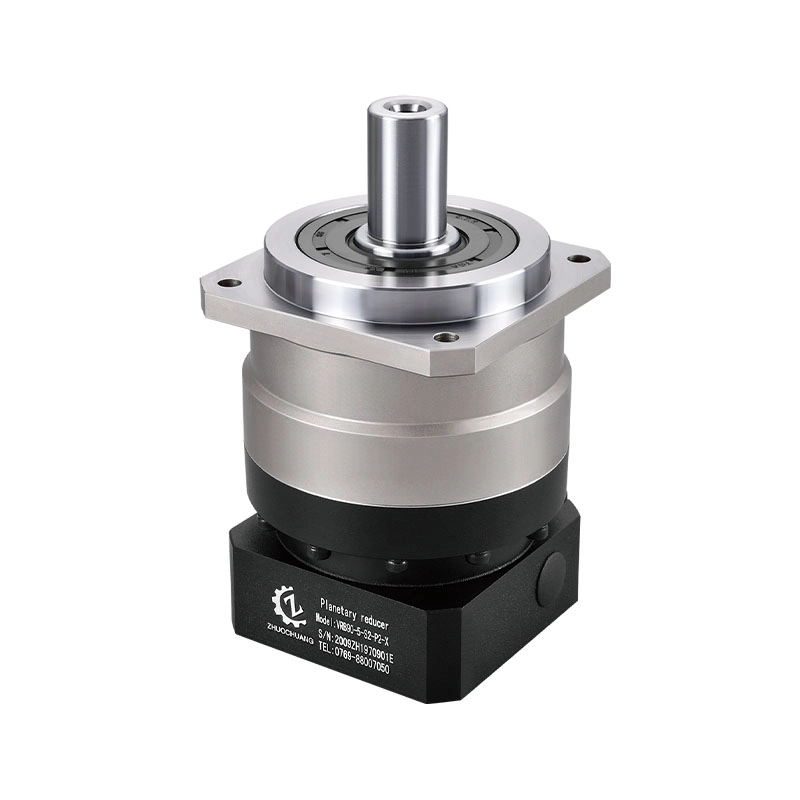
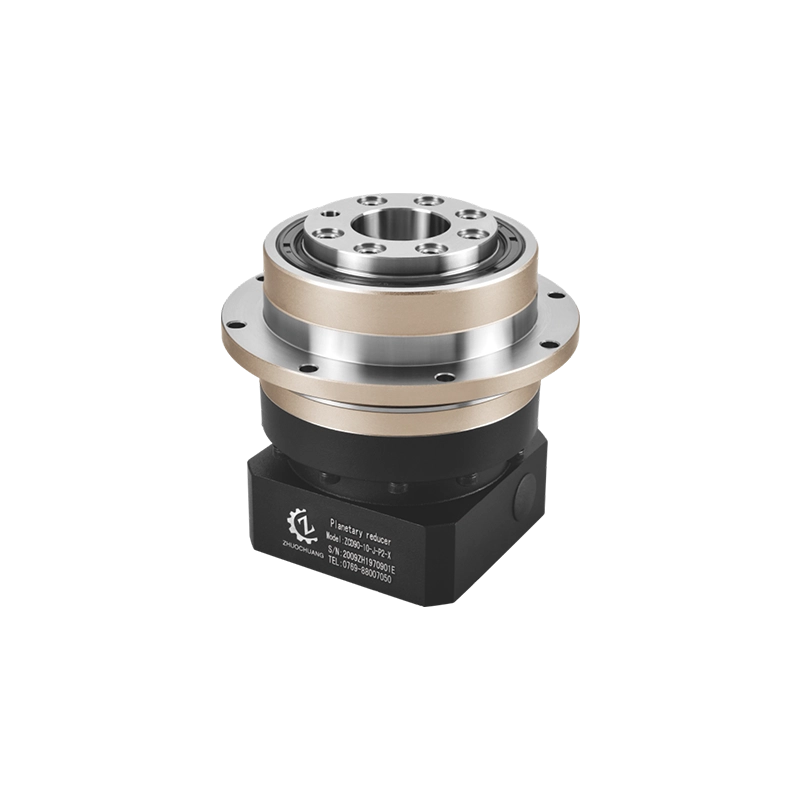
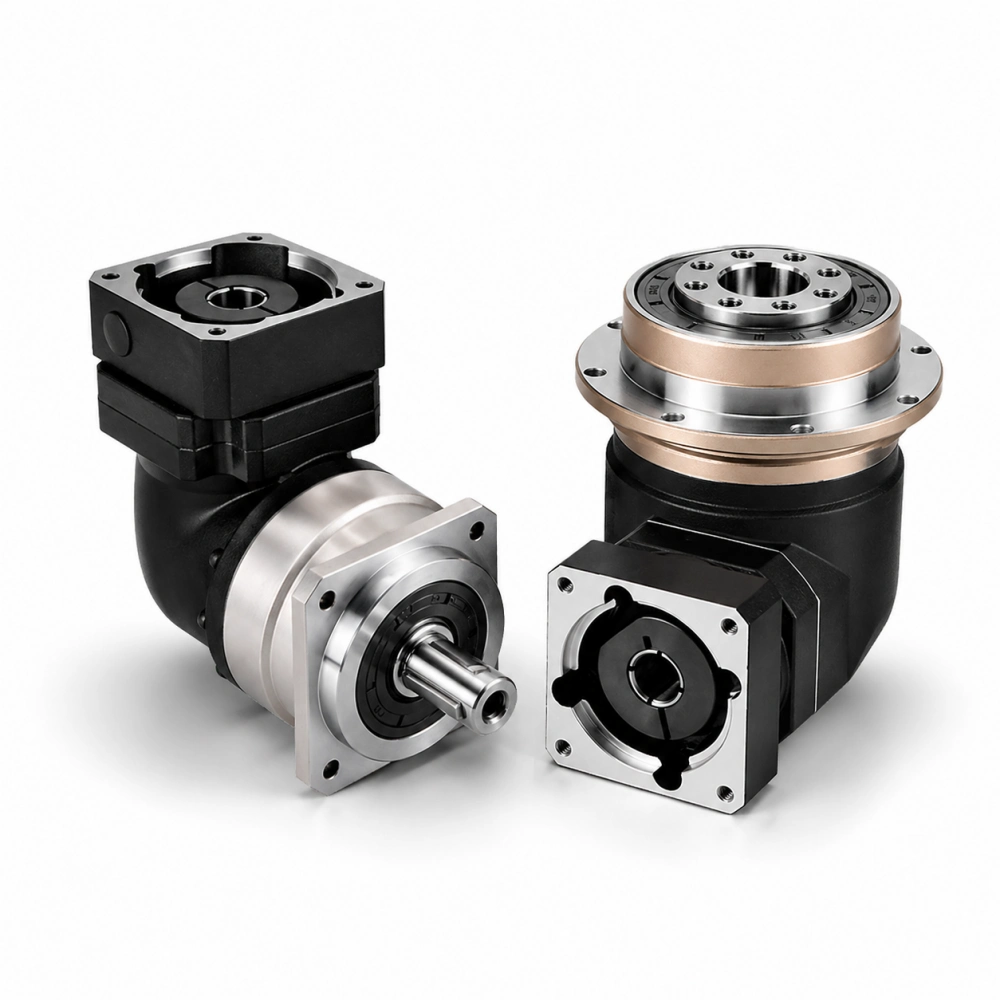
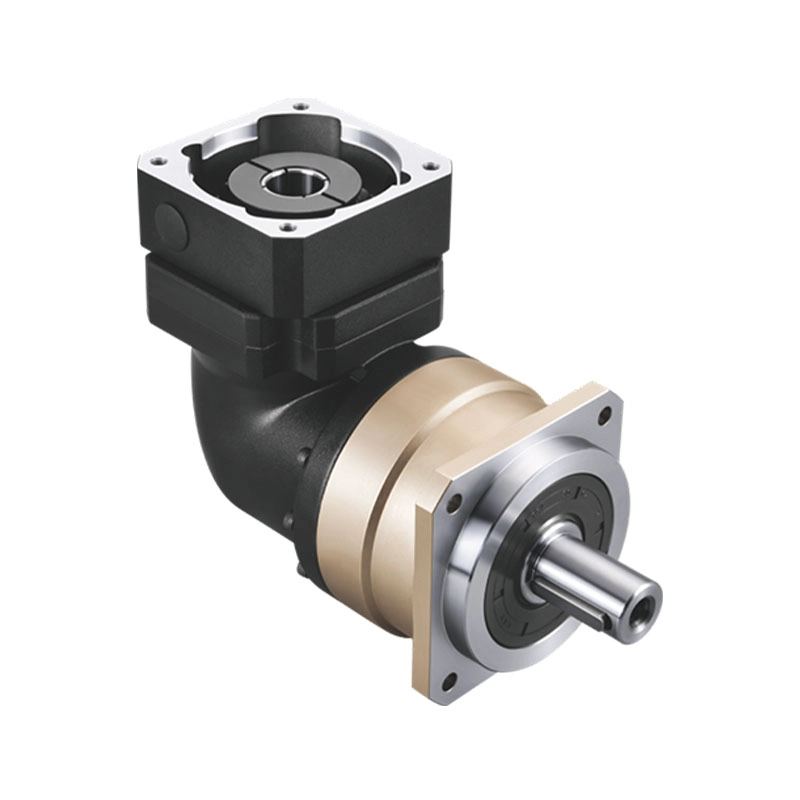
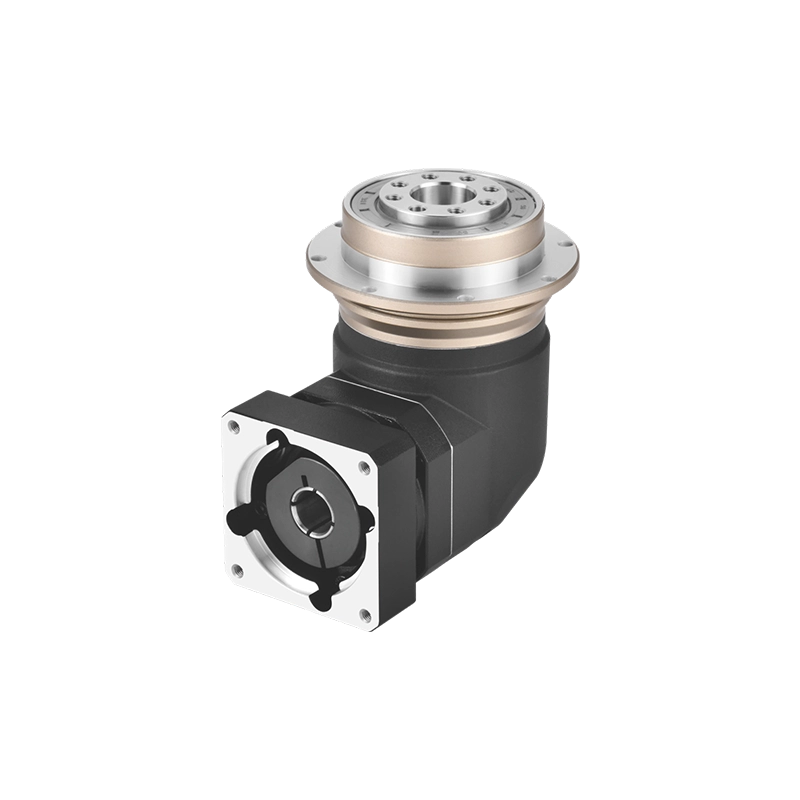
A 90 degree gear reducer is used when a machine needs to change the drive direction by 90 degrees. The term sounds specific, but it actually covers several reducer designs, including worm reducers, bevel reducers, hypoid reducers, and precision right-angle planetary units.
That distinction matters.
A standard 90 degree gear reducer may be the right choice for a conveyor, mixer, transfer unit, or simple open-loop drive. But a servo-driven axis, robot joint, CNC auxiliary axis, or precision packaging machine may need a different level of backlash control, torsional stiffness, efficiency, and motor compatibility.
The wrong selection can create two very different problems. One buyer may overpay for a precision reducer when a standard right-angle unit would have been enough. Another buyer may choose a low-cost standard reducer for a servo application and then face positioning error, heat, vibration, or unstable motion.
This article explains where standard 90-degree reducers are enough, where they become a limitation, and when a precision right-angle planetary reducer becomes the safer choice for automation equipment.
What a 90 Degree Gear Reducer Means
A 90 degree gear reducer is not one single product type. It is a reducer layout.
The input shaft and output shaft are arranged at a right angle, usually 90 degrees. The reducer changes the direction of power transmission while also reducing speed and increasing output torque.
This layout is useful when a machine does not have enough space for an inline drive, when the motor must be placed beside the driven shaft, or when the machine structure requires a compact corner transmission.
Several reducer types can be built in a 90-degree layout.
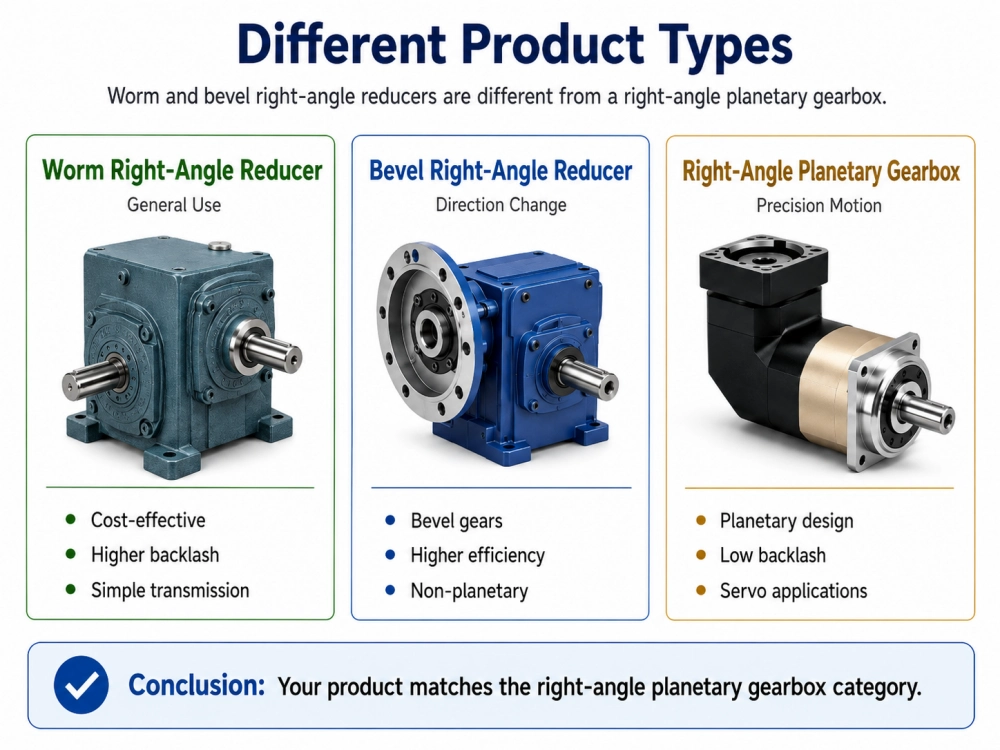
A worm reducer uses a worm shaft and worm wheel.
A bevel reducer uses conical gears to change direction.
A hypoid reducer uses offset shaft geometry for compact right-angle transmission.
A precision right-angle planetary reducer combines direction change with planetary reduction for servo applications.
So when someone searches for a 90 degree gear reducer, the real question is not only “What ratio do I need?” The better question is:
What kind of motion does the machine require?
If the motion is simple, a standard reducer may be enough. If the motion is controlled by a servo motor and requires repeatable positioning, a precision-grade reducer may be necessary.
When a Standard 90 Degree Gear Reducer Is Enough
Not every machine that changes drive direction needs a precision reducer.
Many industrial machines only require steady rotation, moderate torque, and simple mechanical transmission. In these cases, a conventional right-angle gear reducer can be the correct and economical choice.
For example, a conveyor transfer unit may use a 3:1 or 5:1 right angle gear reducer. The motor runs in one direction. The load is predictable. The machine does not require accurate positioning. The reducer mainly needs to provide torque, fit the mounting space, and run reliably.
A mixing machine may use a 10:1 right angle reducer to drive a paddle or agitator. The output turns slowly under a steady load. There may be no servo control, no frequent reversal, and no need for low backlash. A worm reducer may even be useful if the application benefits from resistance to back-driving.
A roller conveyor may use a 15:1 right angle gear reducer where the speed, load, and mounting arrangement are all standard. In this type of application, a catalog reducer can often meet the requirement without the cost of a precision planetary unit.
A standard 90-degree reducer is usually suitable when:
The drive is open-loop
The load is steady or changes slowly
Positioning accuracy is not important
Backlash does not affect the machine function
Self-locking behavior may be useful
The ratio and torque fit standard catalog ranges
Cost is a major selection factor
In these situations, specifying a precision right-angle planetary reducer may be unnecessary. It can increase cost without improving the machine in a meaningful way.
Where a Standard Right-Angle Reducer Becomes a Limitation
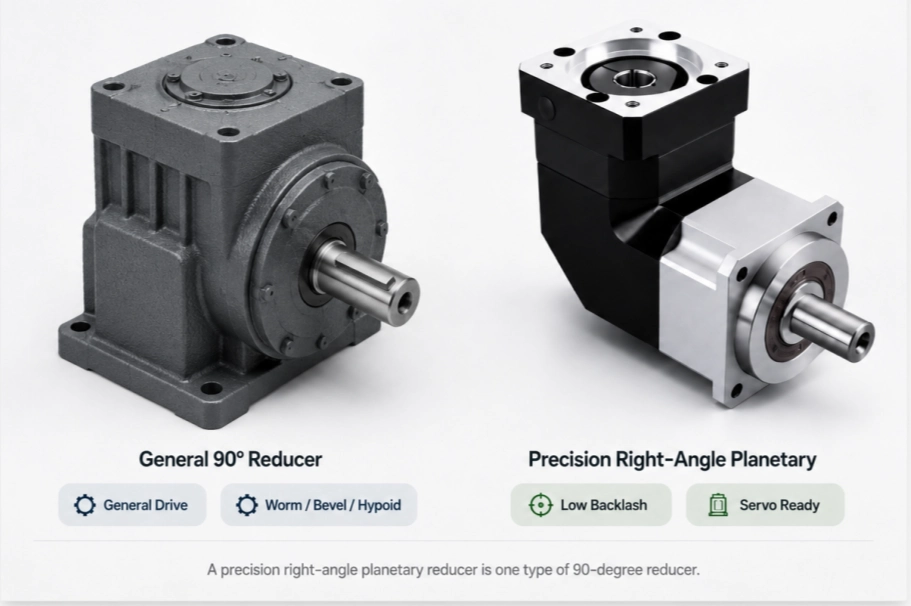
The limitation of a standard 90 degree gear reducer usually appears when the machine needs controlled motion instead of simple transmission.
A standard reducer may rotate the load correctly, but it may not control the load accurately.
The first issue is backlash.
Backlash is the small clearance between gear teeth and transmission parts. In a simple conveyor, backlash may not matter. The motor turns, the reducer turns, and the conveyor moves.
In a servo-driven axis, backlash becomes a dead zone. The motor may move, but the output does not respond immediately. The controller sees movement from the motor encoder, but the actual driven part may lag behind. When direction changes, this can create positioning error, vibration, or overshoot.
The second issue is torsional stiffness.
A servo system depends on a stiff mechanical connection between motor and load. If the reducer twists under load, the servo controller has to compensate. If the drive chain is too flexible, the machine may not follow the commanded motion profile accurately.
The third issue is efficiency and heat.
Some standard right-angle reducers, especially worm reducers, can lose more energy through sliding friction. This may be acceptable for slow, steady applications. But in a high-cycle servo machine with frequent starts, stops, and reversals, heat can build up quickly. Higher temperature affects lubricant life, bearing life, and long-term reliability.
The fourth issue is motor integration.
Many standard reducers are designed for general motor or coupling connection. Servo applications often need a precise motor adapter, accurate flange alignment, and a backlash-free input clamping structure. Without that, the motor may be connected mechanically, but the system may not behave like a precision drive.
These problems do not always show up in a catalog table. They appear after the machine is running.
What a Precision Right-Angle Planetary Reducer Provides
A precision right-angle planetary reducer is different from a standard 90 degree reducer because it is designed for servo-driven motion.
It still changes the drive direction by 90 degrees. It still reduces speed and increases torque. But it also controls backlash, improves stiffness, supports compact motor integration, and provides specifications that matter in servo sizing.
The main difference is not the outside shape. The difference is the performance level.
Lower Backlash
Precision right-angle reducers for servo applications usually specify backlash in arcminutes. This is much smaller than the backlash found in many standard worm or bevel reducers.
Low backlash is important when the machine reverses direction, indexes to a position, follows a motion profile, or repeats the same movement many times.
In robot joints, CNC auxiliary axes, rotary indexing systems, and precision packaging machines, backlash directly affects positioning accuracy and repeatability.
Higher Torsional Stiffness
A stiff reducer helps the servo motor control the load more accurately. The less the reducer twists under load, the more directly the motor command is transferred to the output.
This is especially important in applications with rapid acceleration, frequent stopping, or changing load direction.
If the reducer is too flexible, the servo system may need softer tuning. That can reduce machine response and accuracy.
Better Servo Motor Compatibility
Precision right-angle reducers are usually designed with servo motor integration in mind.
The input side can be matched to common motor flange sizes. The shaft connection is often made through a clamping structure rather than a loose coupling. This helps reduce clearance at the motor interface.
For machine builders, this matters because the reducer is not an isolated part. It must connect correctly to the motor, machine frame, and driven mechanism.
A reducer with the correct ratio but poor motor interface can still cause installation and performance problems.
Compact 90-Degree Layout
A 90-degree layout is often chosen because machine space is limited.
In packaging machines, automation modules, robot tooling, inspection equipment, and compact CNC systems, the motor may not fit inline with the driven shaft. A right-angle reducer allows the motor to be placed beside the driven mechanism, making the whole machine easier to package.
This is where a precision right-angle reducer becomes useful: it saves space while still keeping the motion accurate enough for servo control.
Ratio Selection for 90 Degree Reducers
Ratio selection is one of the most common starting points when choosing a reducer.
The basic calculation is simple:
Motor speed divided by required output speed equals reduction ratio.
If a servo motor runs at 3,000 RPM and the machine needs 300 RPM at the output, the ratio is about 10:1.
If the machine needs 200 RPM, the ratio is about 15:1.
If the machine needs 750 RPM, the ratio is about 4:1.
But ratio selection should not stop with speed calculation.
A 10:1 standard worm reducer and a 10:1 precision right-angle planetary reducer may produce similar output speed, but they are not equal in backlash, efficiency, stiffness, servo response, and long-term motion quality.
For open-loop machinery, the ratio may be the main selection factor.
For servo-driven machinery, the ratio must be checked together with:
Output speed
Continuous torque
Peak torque
Load inertia
Backlash requirement
Acceleration time
Duty cycle
Motor speed range
Mounting space
Thermal condition
Servo tuning requirement
This is why a buyer should not select a 90 degree gear reducer only by ratio and price. The same ratio can belong to very different reducer structures.
3:1, 10:1 and 15:1 Right-Angle Reducers
Searches for 90-degree reducers often include specific ratios, such as 3:1, 10:1, or 15:1.
A 3:1 right angle reducer is often used when the machine needs only moderate speed reduction. It may be suitable for conveyors, transfer mechanisms, or servo axes that still require relatively high output speed.
A 10:1 right angle reducer is a common ratio because it provides a useful balance between speed reduction and torque increase. It is often seen in automation equipment, rotary motion systems, and packaging machinery.
A 15:1 right angle reducer provides more torque multiplication and lower output speed. It can be useful when the load requires more turning force, but the machine still needs reasonable movement speed.
The ratio itself does not decide the reducer type.
A 10:1 ratio can be built as a worm reducer, bevel reducer, hypoid reducer, or precision right-angle planetary reducer. The right choice depends on whether the machine needs simple rotation or controlled servo motion.
Standard 90 Degree Reducer vs Precision Right-Angle Reducer
A standard right-angle reducer is usually selected for simple power transmission.
A precision right-angle reducer is selected when motion quality matters.
The difference can be understood through application behavior.
If the machine only needs to rotate a conveyor, mixer, or general mechanism at a stable speed, a standard reducer may be enough.
If the machine needs to reverse direction frequently, stop at accurate positions, follow a servo motion profile, or repeat the same movement with low error, a precision right-angle reducer becomes more important.
A standard reducer is mainly judged by ratio, torque, mounting, and cost.
A precision reducer is judged by ratio, torque, backlash, stiffness, efficiency, motor adapter accuracy, and repeatability.
This is the key difference.
The question is not whether one type is always better. The question is whether the reducer matches the machine’s control requirement.
Light-Duty Right Angle Reducers and Market Variants
The right angle gear reducer market includes many light-duty and general-purpose products.
Some are used in small conveyors, accessories, light automation, agricultural equipment, or simple machinery. These reducers may be compact, inexpensive, and available in common ratios.
They can be useful products when the application is not precision-driven.
However, buyers should be careful when comparing these units with servo-grade reducers. A small right-angle reducer may look similar in layout, but its specifications may not include backlash, torsional stiffness, servo motor flange compatibility, or inertia data.
For servo automation, those missing values are not small details. They are part of the design calculation.
When comparing reducers, do not compare only the external size or ratio. Compare the performance data that the machine actually needs.
How to Choose Between a Standard Reducer and a Precision Reducer
The selection can be made clearer by asking a few practical questions.
Does the machine need accurate positioning?
If no, a standard 90 degree gear reducer may be enough.
If yes, check backlash and stiffness.
Does the reducer connect to a servo motor?
If no, general mounting may be acceptable.
If yes, confirm motor flange, shaft diameter, adapter accuracy, and input connection method.
Does the load reverse direction frequently?
If no, backlash may not affect the machine much.
If yes, low backlash becomes more important.
Is the machine running high cycle motion?
If no, heat may be easier to manage.
If yes, efficiency and thermal rating should be checked carefully.
Is the reducer part of a compact machine layout?
If no, an inline reducer or larger standard unit may work.
If yes, a precision right-angle layout may help save space.
Does the application need repeatability?
If no, a standard reducer can often do the job.
If yes, reducer precision becomes part of the machine performance.
These questions are more useful than asking only for the lowest price at a certain ratio.
Sourcing Checks for 90 Degree Gear Reducers
When sourcing 90 degree gear reducers, especially from international suppliers, buyers should check more than the catalog ratio.
Ask for the backlash specification if the application involves servo positioning.
Ask whether the reducer is designed for servo motor input or general motor coupling.
Confirm the motor flange standard, input shaft size, and adapter compatibility.
Check whether the ratio is standard or customized.
Confirm continuous torque and peak torque.
Ask about efficiency, especially for high-duty-cycle applications.
Check the mounting direction and lubrication requirement.
Ask for outline drawings before confirming the order.
For quality management and supplier evaluation, buyers can refer to ISO resources for understanding process consistency and documentation. For motor interface and standardization topics, NEMA or IEC resources may also help when comparing motor-related requirements across different regions.
ISO quality management resources: https://www.iso.org/home.html
NEMA standards organization: https://www.nema.org/
IEC electric motor and machinery standards: https://www.iec.ch/homepage
External standards do not replace supplier evaluation. They only help buyers ask better questions about documentation, testing, consistency, and compatibility.
Where Zhuochuang Fits
Dongguan Zhuochuang Precision Machinery Co., Ltd focuses on precision planetary gearboxes for automation equipment, robotics, CNC machinery, packaging machinery, and servo-driven motion systems.
For 90-degree applications, Zhuochuang’s focus is not general worm reducers or low-cost light-duty reducers. Our focus is precision right-angle planetary gearboxes used where servo compatibility, compact structure, low backlash, and repeatable motion are important.
This positioning matters.
If your machine only needs simple right-angle power transmission, a standard reducer may be the better economic choice.
If your machine uses a servo motor, requires controlled positioning, has frequent reversals, or needs compact 90-degree installation, a precision planetary right-angle reducer should be evaluated.
You can browse Zhuochuang’s right-angle planetary gearbox range here:
Right Angle Planetary Gearbox
https://planetdrivepro.com/products/planetary-gearbox/right-angle/
You can also view the full planetary gearbox range here:
Planetary Gearbox
https://planetdrivepro.com/products/planetary-gearbox/
For application support, send your motor model, required ratio, output torque, backlash target, mounting direction, and installation drawing to Zhuochuang. Our team can help confirm whether a standard 90-degree reducer is enough or a precision right-angle planetary reducer is required.
Contact Zhuochuang
https://planetdrivepro.com/contact/
Dongguan Zhuochuang Precision Machinery Co., Ltd
Dongguan, Guangdong, China
Website: https://planetdrivepro.com
Email Us: info@planetdrivepro.com
FAQ About 90 Degree Gear Reducers
What is a 90 degree gear reducer?
A 90 degree gear reducer is a reducer that changes the drive direction by 90 degrees while reducing speed and increasing output torque. It can be built with worm gears, bevel gears, hypoid gears, or planetary gear structures.
Is a 90 degree gear reducer the same as a right angle reducer?
In most industrial conversations, yes. A 90 degree gear reducer is commonly called a right angle gear reducer because the input and output shafts are arranged at a right angle.
Is a right angle planetary reducer different from a standard 90 degree reducer?
Yes. A right angle planetary reducer is a precision reducer designed for compact servo-driven motion. A standard 90 degree reducer may be a worm, bevel, or hypoid reducer used for general power transmission.
When should I use a standard right angle gear reducer?
Use a standard right angle gear reducer when the application is open-loop, the load is steady, positioning accuracy is not important, and backlash does not affect machine performance.
When should I use a precision right-angle planetary reducer?
Use a precision right-angle planetary reducer when the machine uses a servo motor, needs low backlash, requires repeatable positioning, reverses direction frequently, or must fit into a compact 90-degree layout.
Is a 10:1 right angle gear reducer always suitable for servo applications?
No. The ratio alone is not enough. A 10:1 reducer may provide the correct output speed, but servo applications also need suitable backlash, stiffness, efficiency, motor adapter compatibility, and thermal performance.
Related Reading
Right Angle Planetary Gearbox: When to Use a 90-Degree Servo Drive Layout
https://planetdrivepro.com/blog/gearbox-guide/right-angle-planetary-gearbox/
Right Angle Servo Gearbox: Compact Power Transmission for Automation Systems
https://planetdrivepro.com/blog/gearbox-guide/right-angle-servo-gearbox/
Gear Reducer Basics: Types, Ratios and Selection for Industrial Equipment
https://planetdrivepro.com/blog/gearbox-guide/gear-reducer-basics/
What Is a Speed Reducer? Industrial Functions, Types and Selection
https://planetdrivepro.com/blog/gearbox-guide/what-is-a-speed-reducer/