
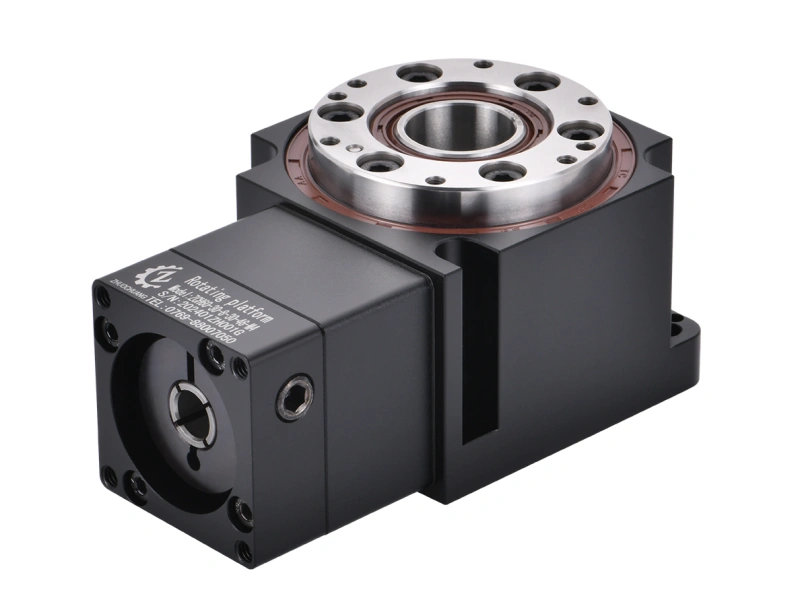
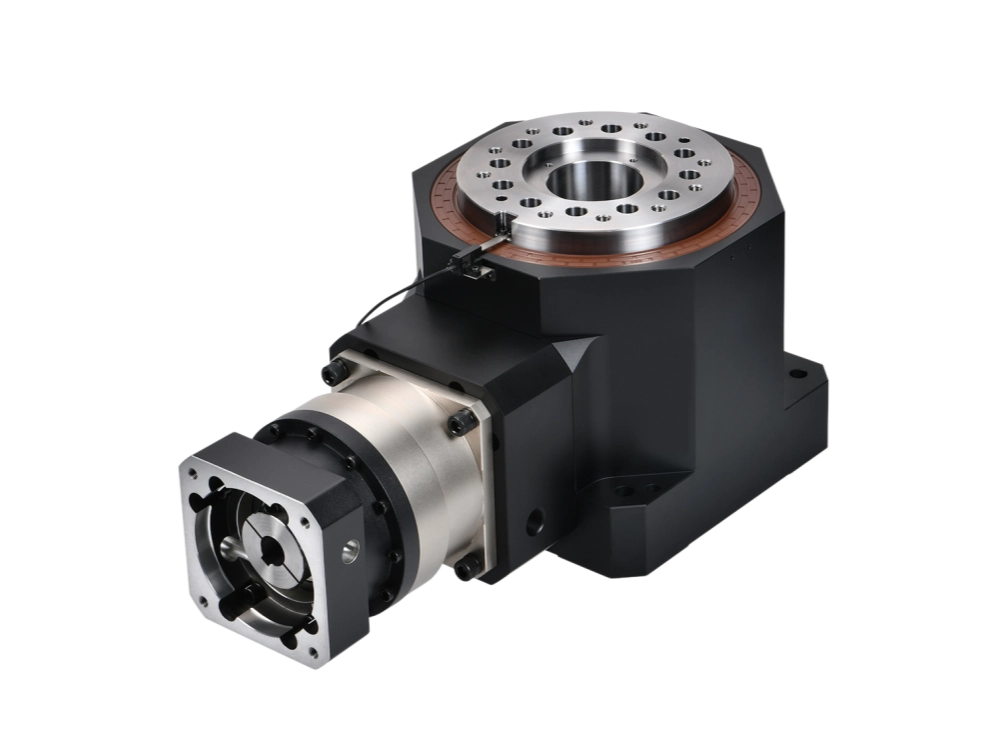
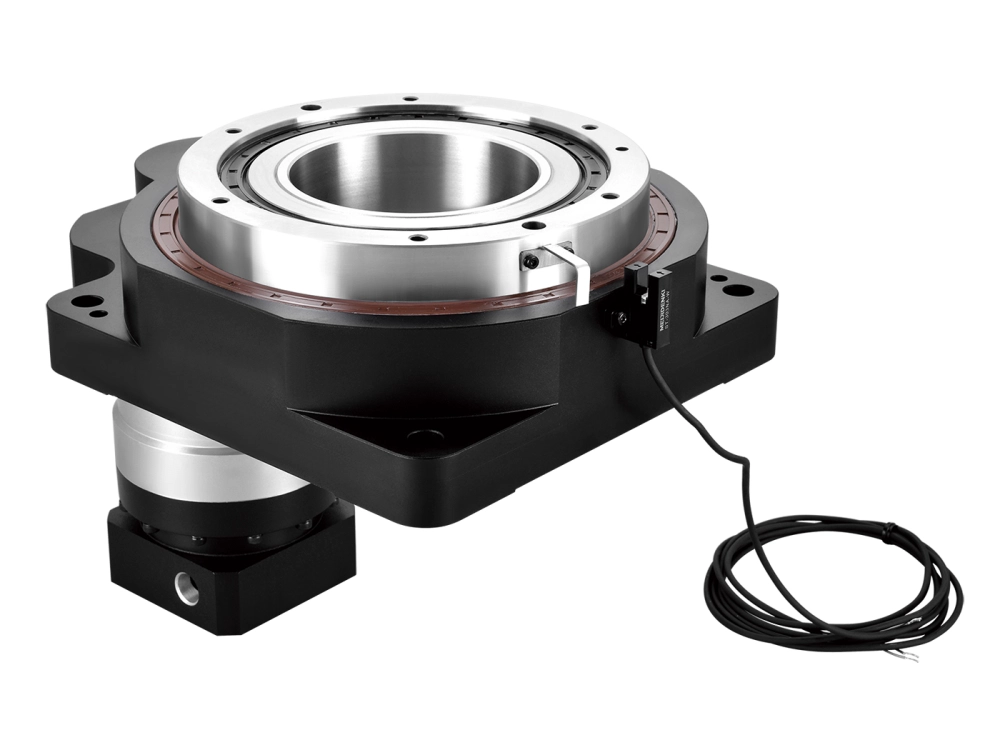
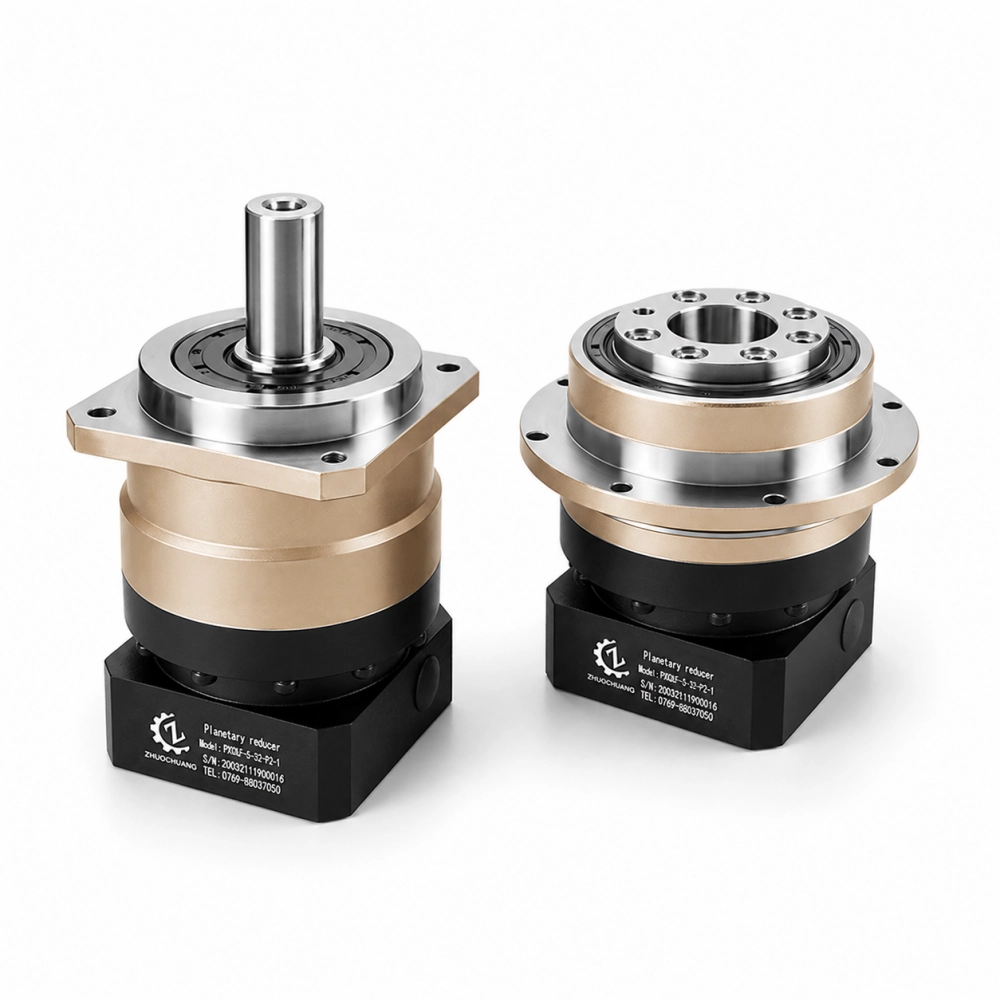
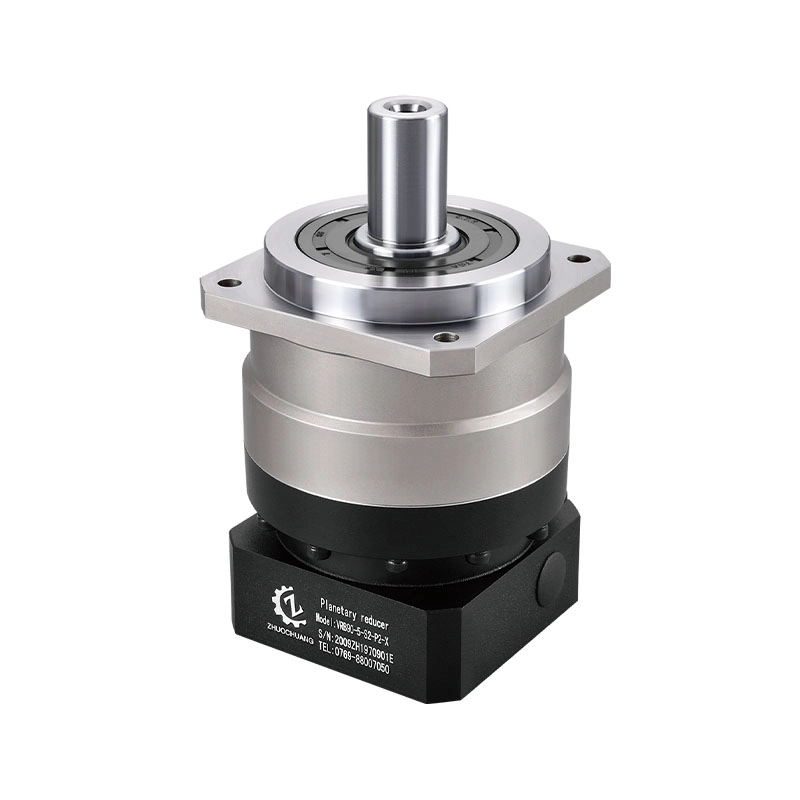
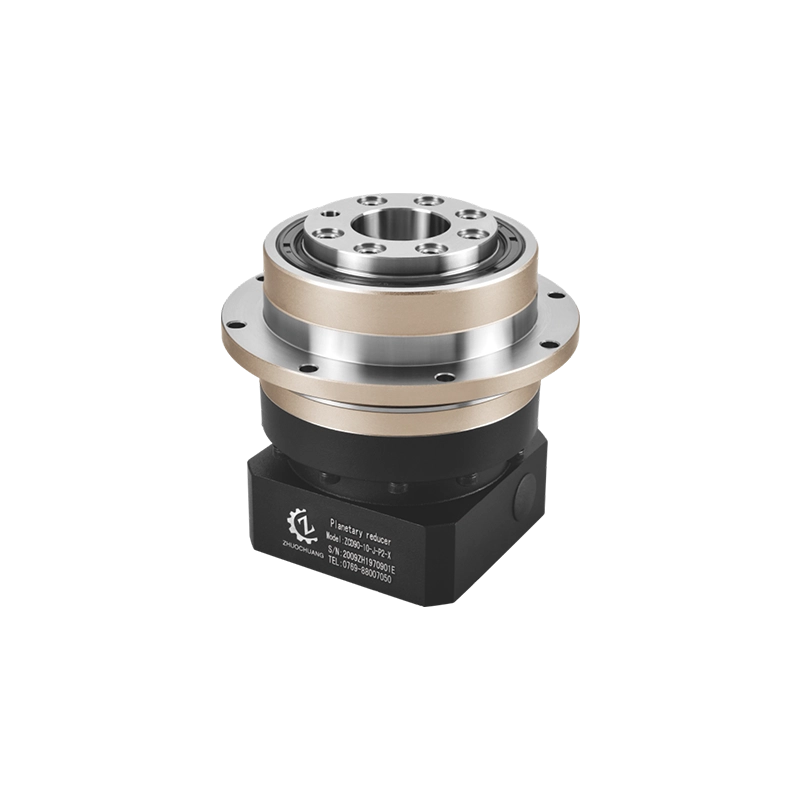
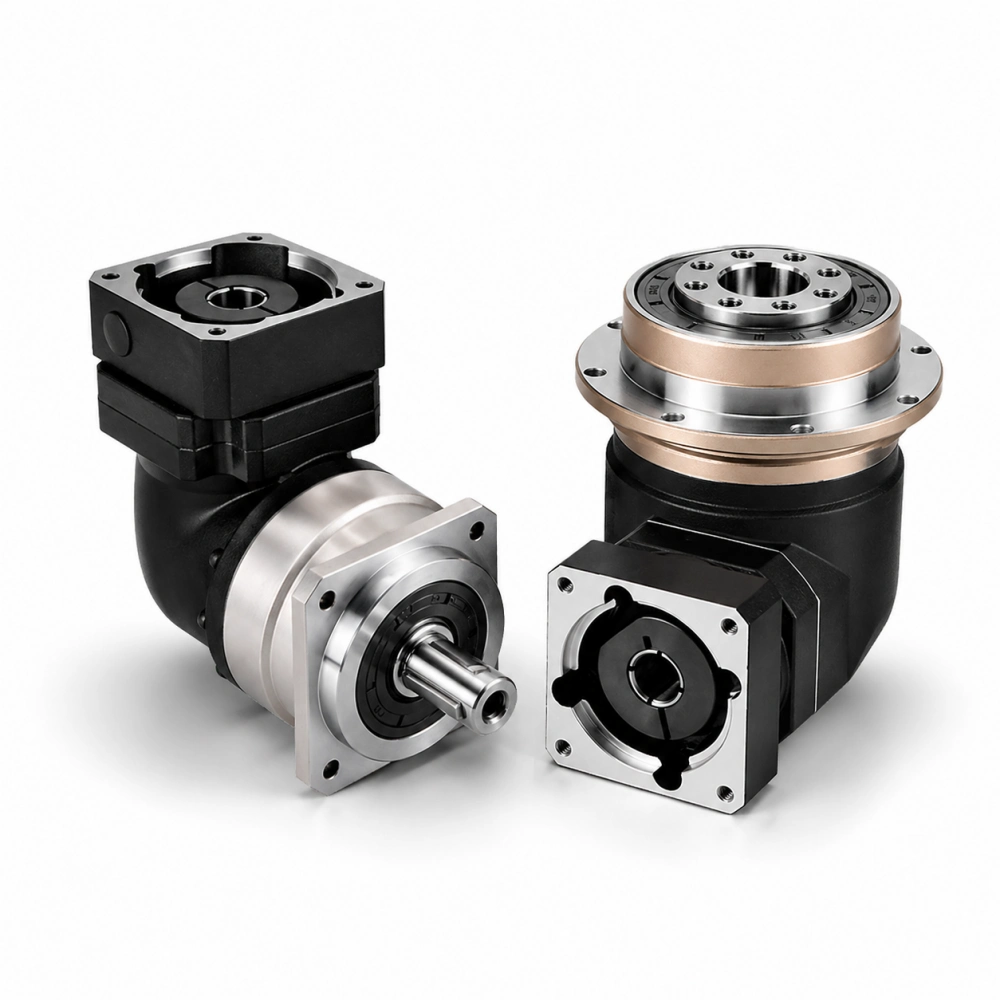
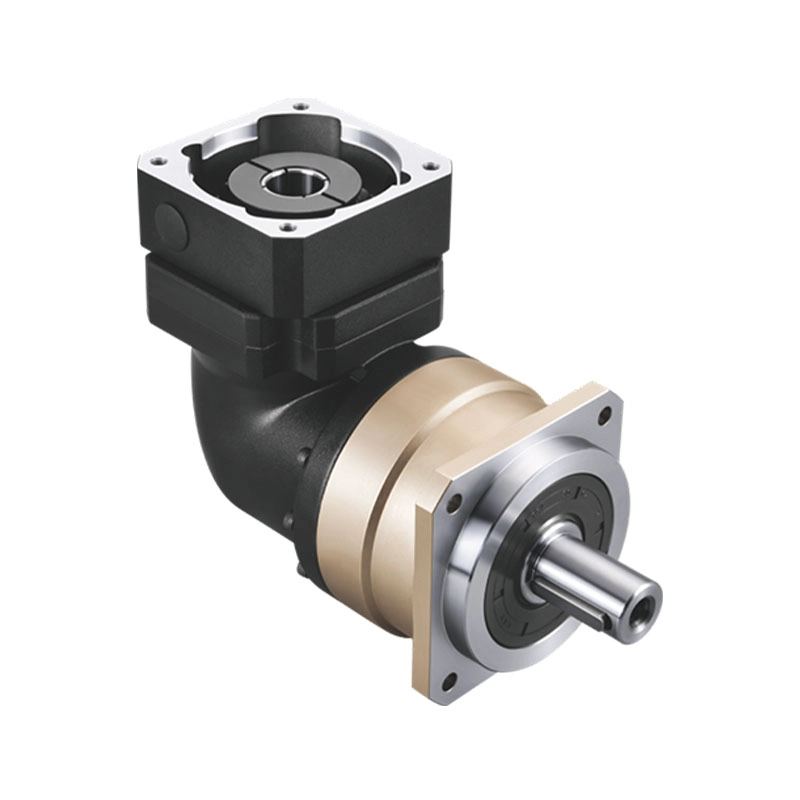
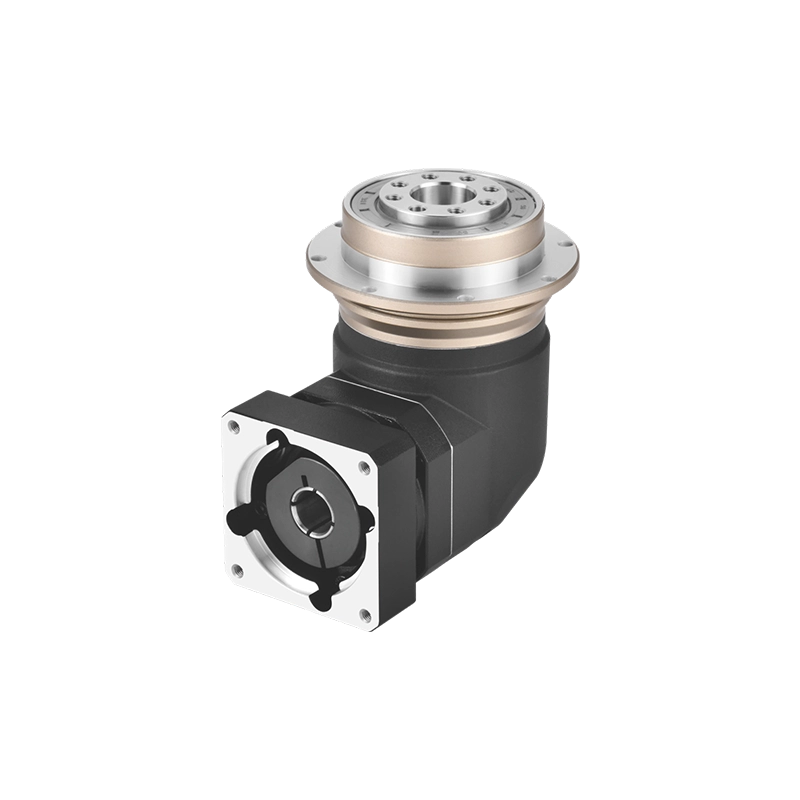
I still remember a call from a client who was absolutely certain he needed a “zero-backlash” planetary transmission gear for a simple pick-and-place system. His reasoning? “Backlash is always bad.” We ended up shipping a precision-grade unit with <3 arc-min backlash, not a true zero-backlash compound setup, and he later admitted the machine ran beautifully for years with half the cost and better stiffness.
The truth is, selecting a planetary transmission gear isn’t a check-box exercise. Gear catalogs show you numbers—ratios, rated torque, backlash classes. But the difference between a drivetrain that sings and one that fails prematurely often hides in the assumptions you didn’t know you were making.
Below, I’m walking through several planetary gearhead design and selection traps I’ve seen across robotics, automation, and motion control projects. Some of these insights come directly from application reviews our team at Dongguan Zhuochuang Precision Machinery Co., Ltd conducts when helping a customer dial in a planetary speed reducer. Let’s get into it.
1. The Backlash Obsession That Costs You Torsional Rigidity
Backlash is the first number many engineers look at, and I get it. In a servo reversing application, lost motion translates directly into positioning error. But here’s what datasheets rarely emphasize: tight backlash and high torsional stiffness don’t always come in the same package.
To achieve single-digit arc-min backlash, some manufacturers rely on spring-loaded split planet gears or adjustable center distances. These approaches can reduce lost motion, but they often introduce micro-compliance inside the gear mesh. Under rapidly changing loads, that compliance shows up as torsional wind-up—exactly what you didn’t want in a high-gain servo loop.
What should you do instead? For dynamic CNC axes or delta robot arms, I prioritize torsional rigidity first, then dial in the backlash class that matches the positioning budget. A planetary transmission gear with an integrated, rigid one-piece planet carrier and properly preloaded angular contact bearings can give you repeatable sub-arc-min performance without sacrificing stiffness. At Zhuochuang, we frequently recommend this structural approach for demanding machine tool preloads because it doesn’t trade one problem for another.
And sometimes, “excessive precision” backfires. If your load has inherent compliance—say a belt-driven linear stage downstream—spending heavily on <1 arc-min backlash just pads the BOM cost without measurable accuracy gain. Match the gearhead precision to the system bottleneck, not to a marketing number.
2. Peak Torque vs Thermal Torque: The Application Duty Cycle Trap
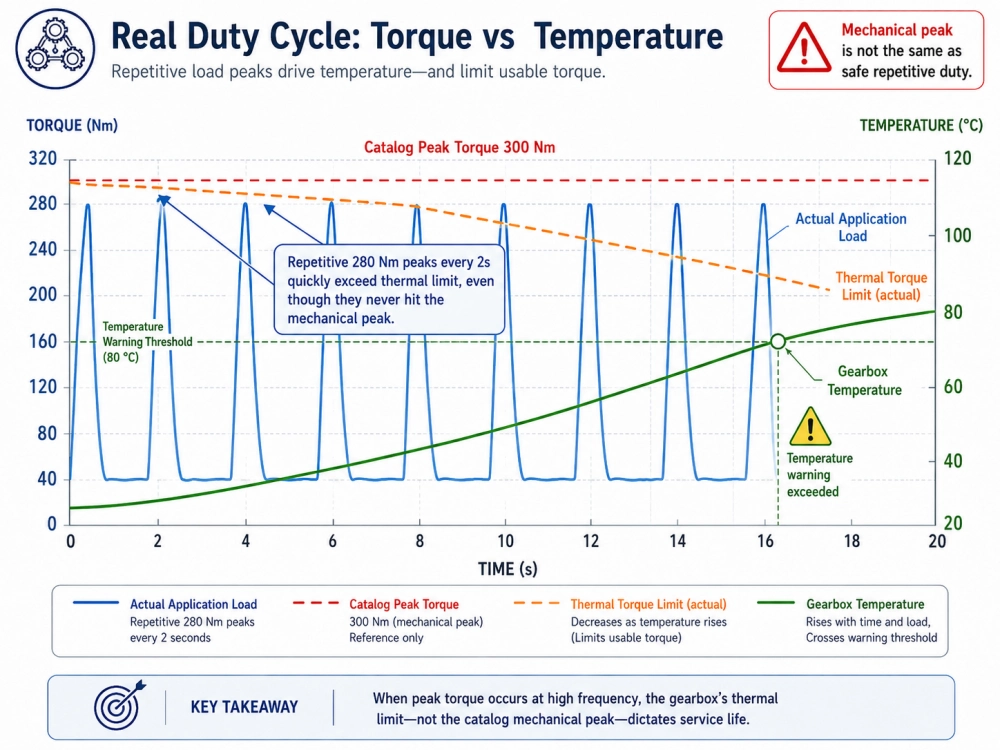
This might be the most common warranty case we see: a planetary gearbox rated for 300 Nm that failed at 280 Nm. The engineer is confused until we map out the actual duty cycle.
Catalog peak torque numbers are usually derived under a limited number of cycles and low ambient temperature. But in a real press-feed application, a planetary transmission gear might see a 200 Nm peak every 2 seconds, back-to-back, for 16 hours a day. That’s not a peak event anymore—it’s a repetitive acceleration torque that pushes the gear set into a thermal equilibrium far above the nominal rating.
Here’s my rule of thumb: If the peak exceeds 60% of the catalog emergency stop torque and occurs more than 1,000 times per hour, you should be analyzing the thermal torque curve, not the mechanical peak. Gear meshing losses, even at 97% efficiency per stage, generate heat that softens grease, lowers viscosity, and accelerates micropitting on the flanks of those precision-ground planet gears. Once pitting starts, vibration rises, and the whole drive screams toward failure.
When you’re sizing a planetary reducer, ask your supplier for an actual thermal limit curve under continuous reversing duty—or at least the no-load running temperature at rated input speed. Better yet, if your motion profile has aggressive start-stop cycles, derate the nominal output torque by 20-30% to keep oil film thickness intact. This alone can double the service life of a planetary transmission gear set.
3. Inertia Mismatch: Not Just a Motor Problem
You’ve optimized the motor-to-load inertia ratio, maybe kept it under 5:1 for a high-performance servo. Perfect. But did you consider what the planetary gearhead itself adds to that equation?
A planetary transmission gear reflects load inertia back to the motor divided by the square of the ratio, which is why gearheads let you drive big tables with small motors. However, the gearhead’s own mass moment of inertia—especially from heavy steel planet gears and a thick ring gear—sits on the motor shaft directly. In ratios below 5:1, this input-side inertia can become a significant portion of your total reflected load, skewing your tuning calculations.
I’ve seen cases where swapping from a standard planetary head with solid steel planets to one with weight-optimized planets and aluminum carriers reduced the motor-side inertia by nearly 30%. The result was less overshoot, lower settling time, and the ability to drop one frame size on the servo motor. For any high-dynamic positioning system, ask for the mass moment of inertia referred to the input shaft, not just the standard ratio chart.
This is also where an experienced manufacturing partner matters. The way planet gears are lightened—through careful drilling or profile optimization—must not compromise tooth root strength. At Dongguan Zhuochuang Precision Machinery, our in-house design reviews ensure that inertia reduction efforts never sacrifice gear bending fatigue life, something I’ve learned to scrutinize after seeing too many cracked planets from poorly executed lightweighting attempts.
4. The Ring Gear Material Nobody Talks About
You can spec 42CrMo4 case-hardened sun and planet gears, but if the ring gear is made of a much softer quenched-and-tempered steel to save cost, you’re creating a wear mismatch. The ring sees repeated rolling-sliding contact with every planet per revolution. Over time, the softer internal tooth flanks begin to deform plastically, increasing backlash and creating a rough running surface.
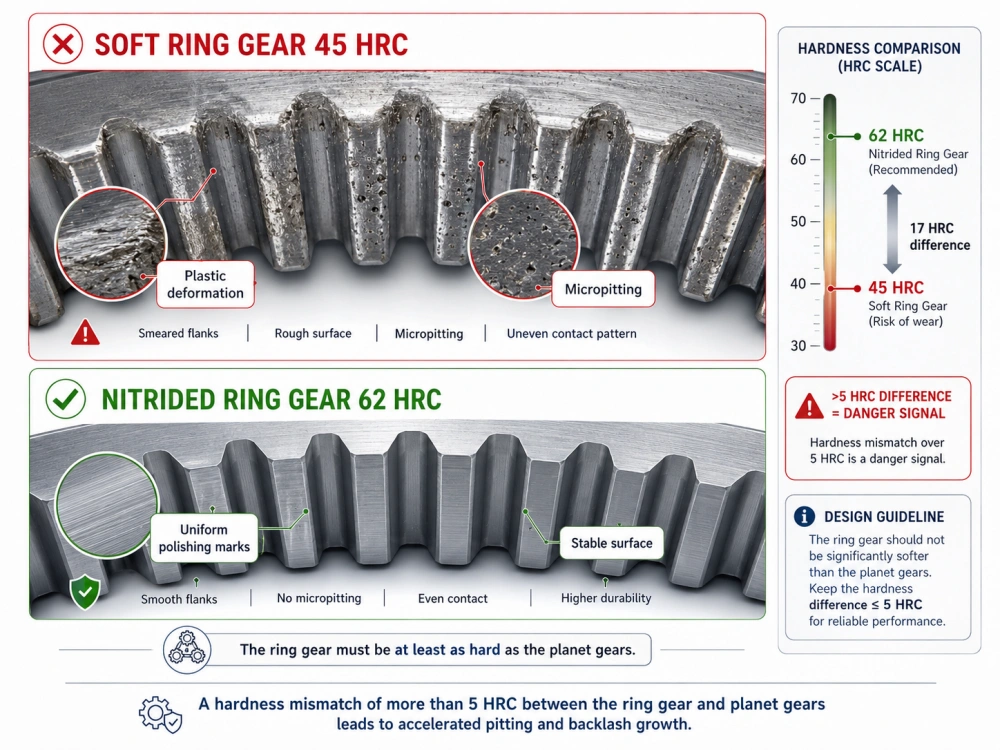
In heavy-duty planetary transmission gear applications, I always verify that the ring gear is either through-hardened or nitrided to a surface hardness comparable to the planets. A drop-in hardness mismatch of more than 5 HRC is a red flag for me. When that’s not possible, we adjust the lubrication strategy—moving to a higher-viscosity synthetic grease with EP additives to compensate for the softer surface. But ideally, the ring should be a proper alloy steel with post-machining heat treatment, even if it makes the housing a bit more expensive.
One real-world fix: We once helped a packaging line where planetary gear sets were wearing out every 4,000 hours. The root cause was a soft induction-hardened ring that only reached 45 HRC while the planets were at 60 HRC. By moving to a nitrided 42CrMo ring with 62 HRC surface hardness, the mean time between failures tripled. No ratio change, no lube change—just material consistency.
5. Lubrication for Life? Not If You Ignore Orientation and Speed
“Lubed for life” is a wonderful phrase that comes with fine print. Many sealed planetary transmission gears use a grease fill optimized for horizontal mounting with the output shaft level. Tilt that same gearbox vertically output-down, and the grease may migrate away from the top bearing over time, leading to raceway starvation and premature cage failure.
If your planetary reducer will operate at an angle, even a 45° mounting, ask whether the lubrication system accounts for that. In many cases, an oil-lubricated design with a sealed labyrinth or a magnetic drain plug works better for non-horizontal orientations. The trade-off is slightly more maintenance, but the alternative is catastrophic bearing seizure.
Input speed also matters more than you think. A small planetary transmission gear running continuously at 4,000 RPM on the sun gear shaft may churn grease until it overheats and separates base oil from thickener. For sustained high-speed inputs above 3,000 RPM, I strongly suggest switching to an oil bath with forced splash lubrication or at least a high-speed specialty grease with minimal channeling. Our engineering team at planetdrivepro.com often configures custom lube fills for high-RPM spindle and turret applications to prevent this exact failure mode.
6. The Forgotten Carrier: Rigidity Starts Here
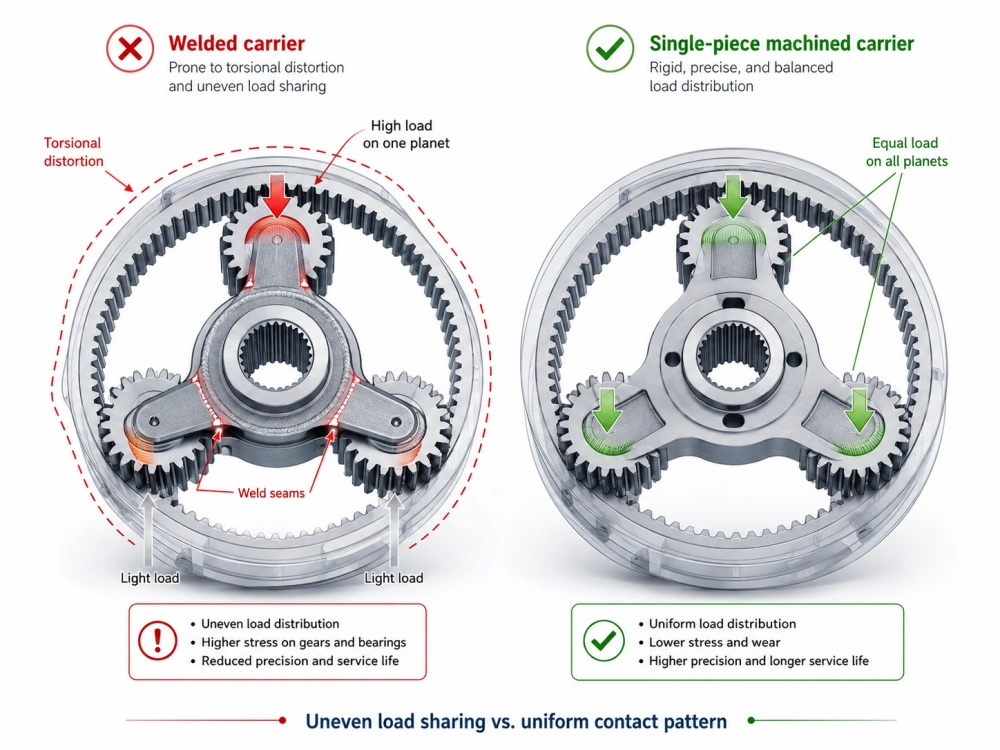
The planet carrier looks like a simple cage, but it dictates how evenly multiple planet gears share the load. A fabricated carrier with welded arms can distort under torque, throwing one planet into a heavier contact pattern than the others. The result? Uneven flank loading, vibration at the gear mesh frequency, and a fatigue life that’s only as good as the most overloaded planet.
In any precision planetary transmission gear, I look for a one-piece, machined carrier with tight bore spacing tolerances. This ensures that the three or four planets share the load within a few percent of each other, not just in static conditions but as the carrier rotates through multiple planet positions. Carrier bore perpendicularity to the axis matters too—a few microns of tilt translates into edge loading on the planet gear teeth.
If you’re evaluating a supplier and they can’t tell you their carrier machining tolerances or show you a CMM report, that’s a signal. At Zhuochuang, we treat the carrier as a precision ground component, not a commodity bracket. It makes a measurable difference in the running smoothness of our planetary reducers, especially in low-speed, high-torque tracking applications like telescope mounts and antenna rotators.
Quick Reference: Planetary Transmission Gear Q&A
I get these questions repeatedly in the field, so here are concise answers that might save you a support ticket.
What’s the practical minimum backlash I can achieve without special order?
With high-precision ground gears and a rigid one-piece carrier, 1-3 arc-min is reliably achievable in a standard planetary architecture. True zero-backlash usually requires a compound gear principle or preloaded split gears, which add cost and reduce efficiency.
Can I mount a planetary gearhead in a vertical position?
Yes, but you must ensure the upper bearing gets adequate lubrication. Grease-lubricated units may need a different grease grade or a reduced relubrication interval. Oil lubrication with appropriate seals is often the safer long-term choice for output-up or output-down vertical mounting.
How can I estimate service life of a planetary transmission gear?
Bearings are typically the life-limiting factor. Use the L10 bearing life calculations based on the equivalent radial and axial load on the output bearing. Gear tooth bending and pitting life can be estimated per ISO 6336, but most applications are bearing-limited unless you’re seeing unusual shock loads.
Why does my planetary reducer run noisier after a few months?
This often points to micropitting progression on the gear flanks or the onset of bearing spalling. Check for excessive moisture ingress, improper grease quantity, or a change in duty cycle. A noise increase in a specific frequency band matching the gear mesh frequency is a strong indicator of flank damage.
Do higher ratios always mean shorter life?
Not necessarily. Higher ratios usually mean more planet gears per stage or additional stages. Multi-stage units have lower efficiency and can run hotter, but a well-designed two-stage planetary with shared carrier bearings can hit 100:1 with no meaningful life penalty if thermal limits are respected.
Bringing It All Together
Selecting a planetary transmission gear isn’t about finding the highest-spec unit on paper. It’s about understanding how your machine’s actual duty cycle, mounting constraints, inertia mismatches, and even thermal transients interact with the gearbox’s internal mechanics. The numbers matter, but the assumptions behind them matter more.
When you work with Dongguan Zhuochuang Precision Machinery Co., Ltd, you’re getting more than a catalog gearbox. You’re getting an engineering partnership where we review your motion profile, orientation, and lifecycle requirements to recommend a planetary speed reducer that will actually hold up. No inflated specs, no overlooked details.
If you’re in the middle of a drivetrain design or troubleshooting a recurring failure, reach out. You can find our full range of planetary transmission gear solutions at planetdrivepro.com—or simply drop us a line with your motion diagram. Sometimes a 15-minute conversation reveals more than a week of self-research.
After all, in precision motion, the details aren’t just details. They are the design.