
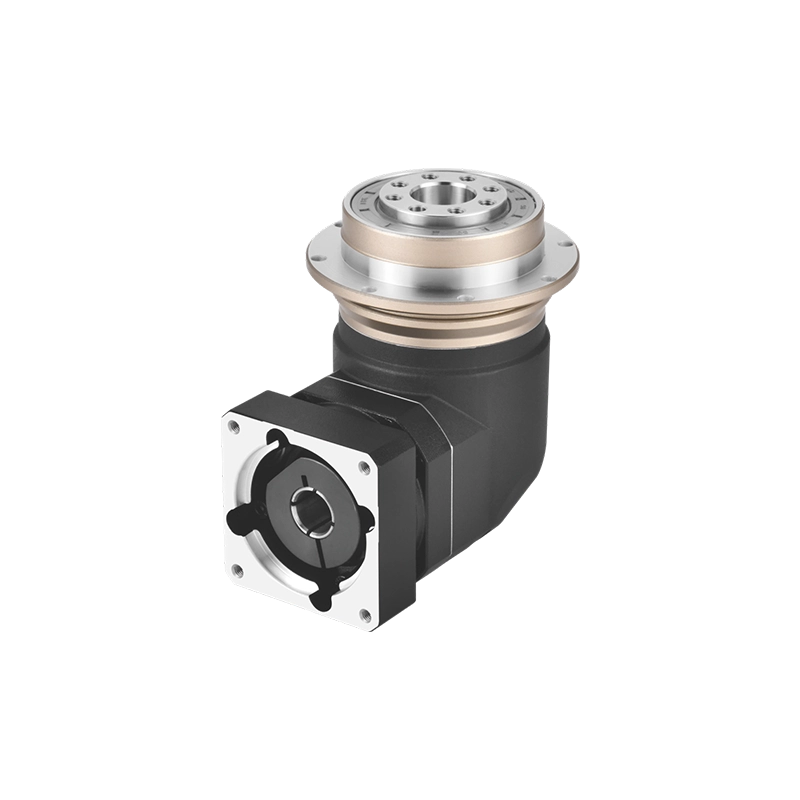
Planetary Gearbox Efficiency: Typical Values, Losses and Design Factors
Understand typical planetary gearbox efficiency values, per-stage losses, load effects, lubrication influence, stage count calculation, and the design factors that affect motor sizing and thermal performance.
When engineers size a drive system, efficiency should not be treated as a small detail at the end of the calculation. The efficiency of a planetary gearbox affects motor sizing, heat generation, energy consumption, and the derating margin required for high duty cycles or elevated operating temperatures.
This guide explains what planetary gearbox efficiency typical values look like in practical industrial applications, what causes internal losses, how stage count changes overall efficiency, and which design factors should be checked before final gearbox selection.
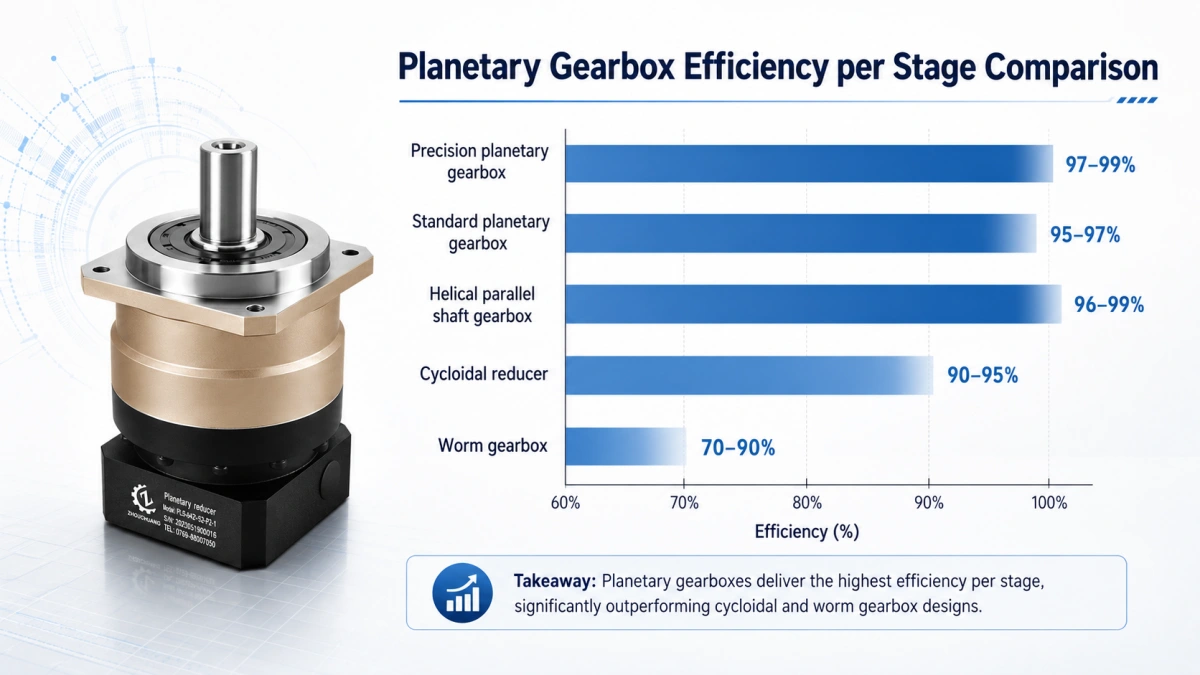
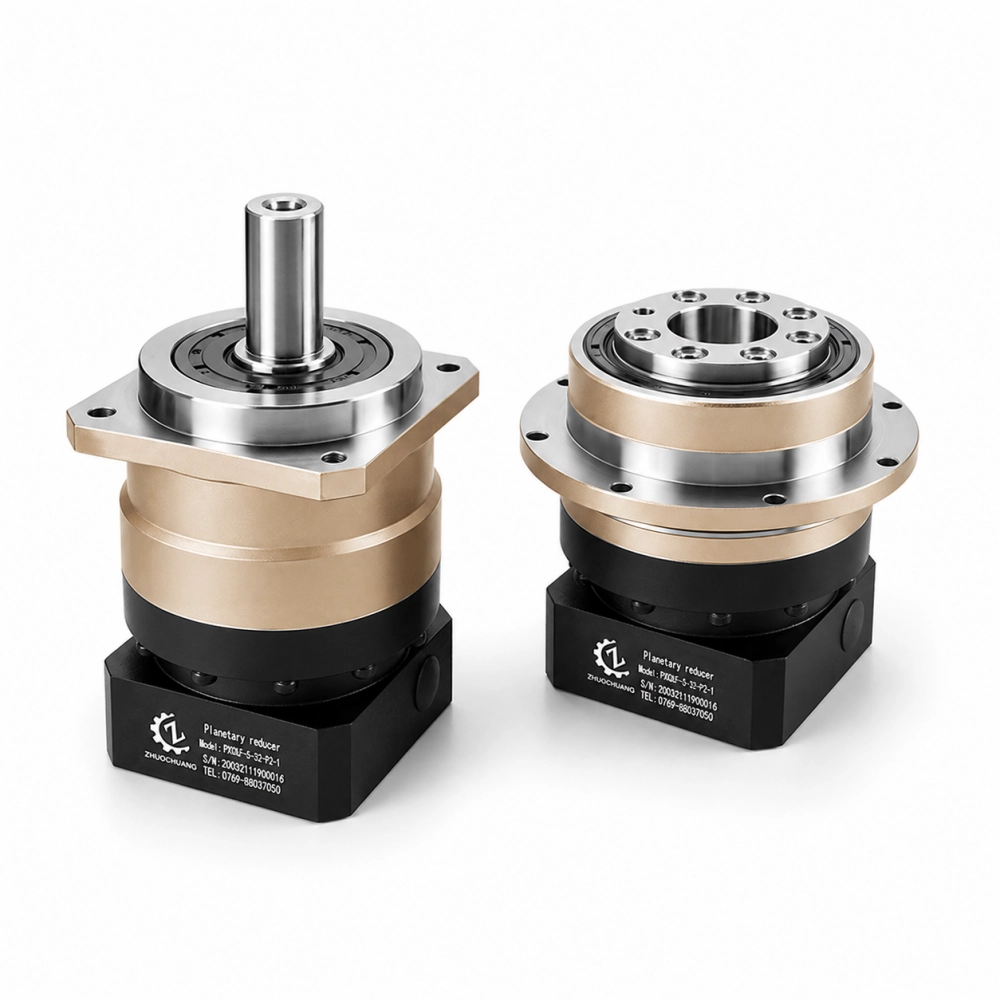
Planetary gearbox efficiency is influenced by gear quality, stage count, lubrication, bearing design, load level, speed, and operating temperature.
Key Factors That Affect Planetary Gearbox Efficiency
Stage Count
Each additional gear stage introduces extra mesh, bearing, and seal losses, so overall efficiency compounds across multiple stages.
Load Level
Efficiency is usually highest near rated load. At light load, fixed losses become a larger percentage of transmitted power.
Lubrication
Grease or oil condition, viscosity, churning losses, and temperature all influence practical transmission efficiency.
Gear and Bearing Design
Gear tooth finish, mesh quality, bearing preload, seal design, and assembly accuracy all affect internal friction losses.
Planetary Gearbox Efficiency Per Stage: Baseline Values
For many precision planetary gearboxes, a commonly referenced efficiency range is around 97%–99% per stage under suitable load, speed, lubrication, and temperature conditions. Standard industrial planetary gearboxes may operate slightly lower depending on gear quality, lubrication, speed range, bearing arrangement, and operating load.
These values should be treated as reference figures, not universal guarantees. Actual performance should always be confirmed with the gearbox manufacturer, especially when the application involves continuous operation, high input speed, high ambient temperature, or strict motor sizing limits.
| Gearbox Type | Typical Efficiency Reference | Notes |
|---|---|---|
| Precision planetary gearbox | About 97%–99% per stage | Depends on load, speed, lubrication, and gear quality. |
| Standard planetary gearbox | About 95%–97% per stage | Suitable for many general industrial applications. |
| Helical parallel shaft gearbox | Often high, depending on design | Good efficiency, but different mounting structure and torque density. |
| Worm gearbox | Usually lower than planetary designs | Higher sliding friction; useful in certain compact or self-locking designs. |
| Cycloidal reducer | Application-dependent | Often used for shock load and high reduction applications. |
The planetary gearbox efficiency range is one reason planetary reducers are widely used in servo motion control, robotics, CNC machinery, packaging equipment, and compact automation systems. They can provide high torque density, coaxial input-output alignment, and strong transmission performance in a relatively compact housing.
What Causes Losses Inside a Planetary Gearbox?
Efficiency losses in a planetary gearbox come from physical contact, lubrication drag, bearing resistance, and seal friction. Understanding these loss sources helps engineers decide whether a gearbox is suitable for continuous duty, high speed, or compact thermal environments.
Gear Mesh Losses
Gear mesh losses are caused by rolling and sliding contact between gear teeth. In a planetary stage, the sun gear meshes with multiple planet gears, and the planet gears mesh with the internal ring gear. Although load sharing improves torque density, each mesh contact still contributes friction.
Gear tooth quality and surface finish affect how efficiently power is transmitted. Precision gear teeth with smoother contact surfaces generally help reduce friction and support higher efficiency in servo-driven applications.
Bearing Losses
The planet carrier, output shaft, and other rotating elements are supported by bearings. Bearing losses are usually smaller than gear mesh losses, but they increase with speed, preload, and load direction. In high-speed or high-precision units, bearing design becomes an important part of the total efficiency picture.
Lubrication and Churning Losses
Lubrication reduces wear and supports gear life, but moving gear teeth and bearings through grease or oil also creates drag. At higher input speeds, churning losses can become more noticeable. Lubricant viscosity, temperature, fill amount, and operating speed all influence practical efficiency.
Seal Losses
Shaft seals help protect the gearbox from contamination and lubricant leakage, but they also add small friction losses. In most industrial applications this is not the main loss source, but it becomes more relevant in low-load or high-efficiency applications.
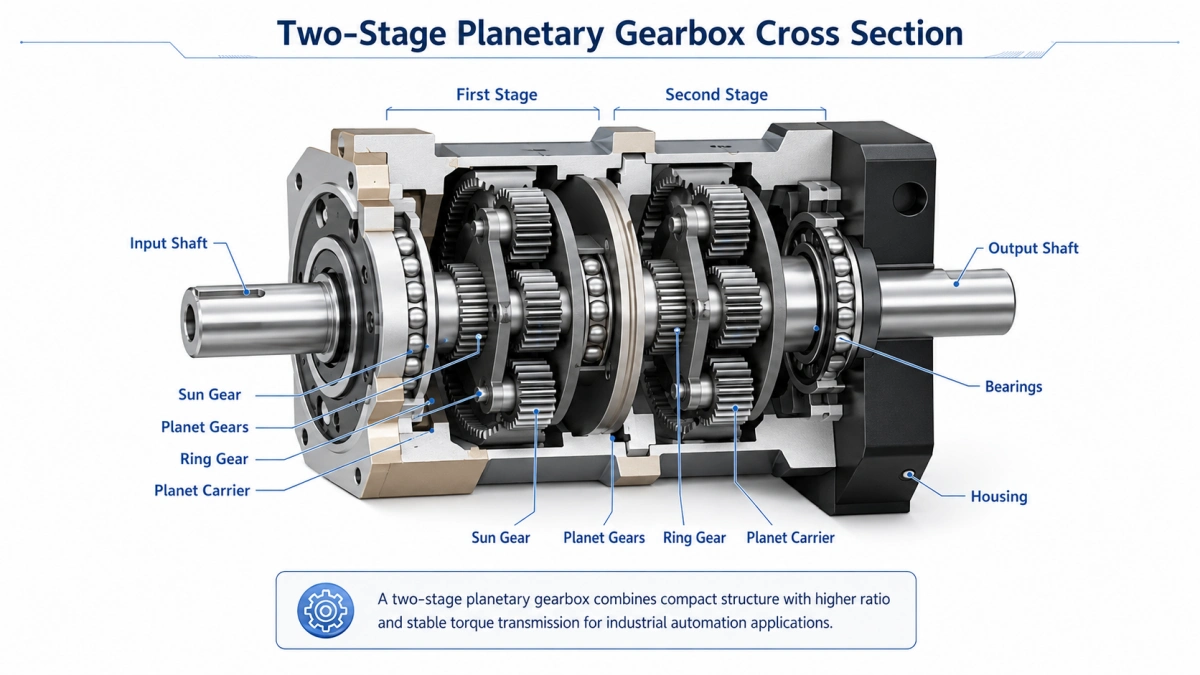
Internal gear mesh, bearing support, lubrication condition, and seal drag all contribute to total planetary gearbox losses.
Efficiency of Planetary Gearboxes Per Stage: Stage Count Matters
Stage count has a direct effect on overall efficiency because losses compound across the gearbox. A single-stage planetary gearbox has one main reduction stage. A two-stage or three-stage unit adds additional gear mesh and support elements, which increases the total loss.
Example: 98% Per Stage
Two-stage unit: 0.98 × 0.98 = 0.9604, about 96% overall.
Three-stage unit: 0.98 × 0.98 × 0.98 = 0.9412, about 94% overall.
Example: 97% Per Stage
Two-stage unit: 0.97 × 0.97 = 0.9409, about 94% overall.
Three-stage unit: 0.97 × 0.97 × 0.97 = 0.9127, about 91% overall.
This calculation shows why planetary gearbox efficiency per stage typical values should not be viewed in isolation. A small difference per stage can become a meaningful difference in heat generation when multiple stages are used.
For detailed ratio selection methods, you can also read our guide on planetary gearbox gear ratio calculation.
Load Level and Its Effect on Efficiency
Efficiency is not constant across the full operating range. Many gearbox efficiency values are measured near rated load, where transmitted power is high and fixed losses are a smaller percentage of total power flow.
At light load, efficiency can drop because bearing drag, seal friction, and lubricant churning remain present even when useful output power is low. This is why a gearbox that appears highly efficient at rated load may not show the same efficiency in an application that spends long periods at partial load.
For servo axes, positioning systems, or machines that dwell between movements, no-load drag torque can be useful information. It helps engineers estimate heat generation and power consumption during idle or light-load operation.
Design and Operating Factors That Affect Efficiency
Lubrication Type and Condition
Grease lubrication is common in many precision servo planetary gearboxes because it supports long service life and sealed operation. Oil lubrication may be used in certain high-power or high-speed applications. The correct choice depends on speed, load, duty cycle, temperature, and maintenance requirements.
Lubricant condition also matters. Thermal cycling, contamination, excessive temperature, or long operating periods can change lubricant performance and increase internal friction.
Operating Temperature
Temperature affects lubricant viscosity and bearing friction. Cold starts may create higher drag until the lubricant reaches a stable operating condition. High operating temperature can reduce lubricant film thickness and may increase wear risk if the gearbox is not properly selected.
Input Speed
Higher input speeds can increase bearing losses and lubricant churning losses. Lower speeds may reduce these losses, but efficiency still depends on load, lubrication, and gear mesh condition. For applications operating far from standard rated speed, efficiency data should be confirmed with the supplier.
Gear Quality and Assembly Accuracy
Gear tooth finish, tooth profile accuracy, bearing preload, carrier rigidity, and assembly precision all influence gearbox efficiency. For servo-grade planetary gearboxes, these details also affect backlash, noise, vibration, and service life.
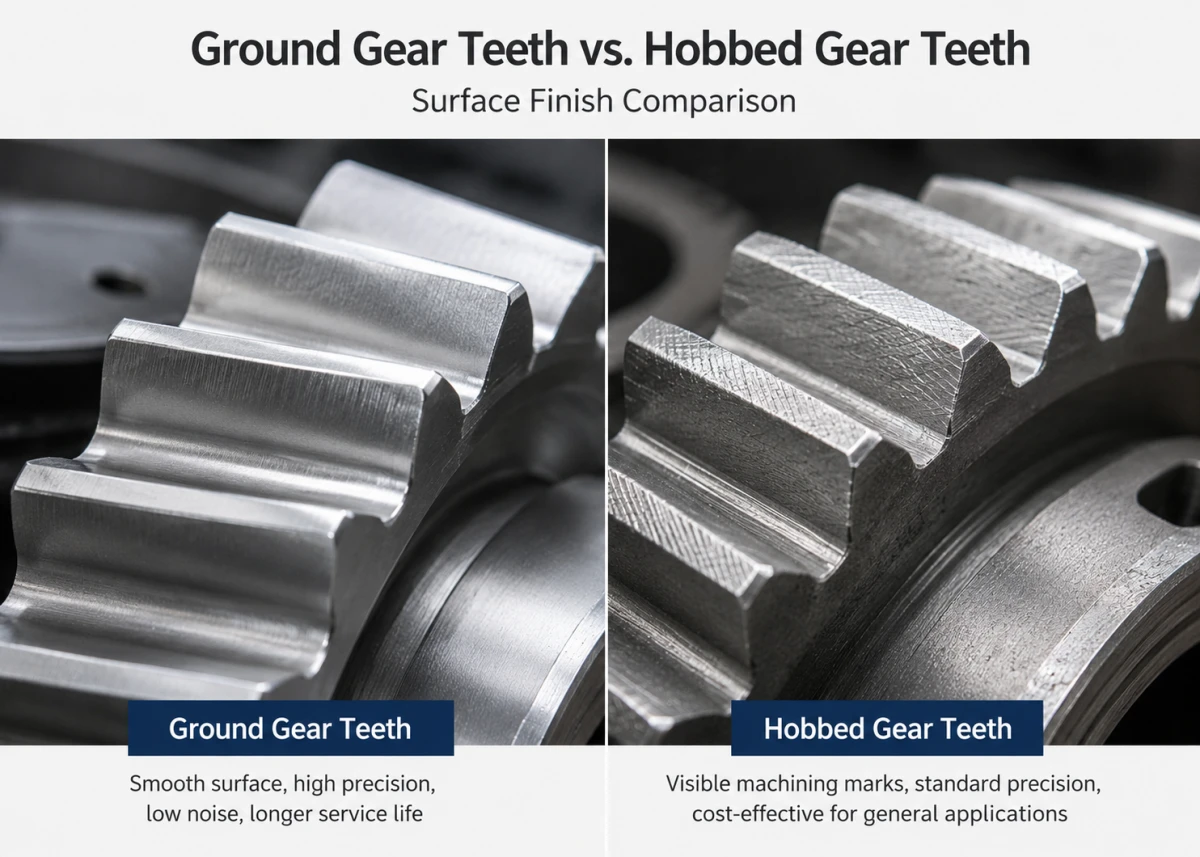
Gear tooth surface finish can influence friction, noise, heat generation, and long-term transmission performance in precision planetary gearboxes.
Planetary Gearbox Efficiency 95 Percent: When Is It Acceptable?
A planetary gearbox efficiency 95 percent operating point can be acceptable in many general industrial applications, especially where thermal capacity is sufficient and energy loss does not limit machine performance.
Efficiency around this level may occur when the gearbox is running at partial load, operating outside its most efficient speed range, using a standard-grade gear set, or working under less ideal lubrication or temperature conditions.
For conveying, general automation, and moderate-duty systems, this may be acceptable. For compact servo-driven systems, robotic joints, high-cycle indexing units, or continuous-duty applications, engineers may need to target a higher efficiency range and confirm actual gearbox performance more carefully.
What to Confirm Before Selecting a Gearbox
To evaluate planetary gearbox efficiency correctly, ask for data that reflects the real operating point of your machine.
Work With a Manufacturer Who Understands Gearbox Efficiency
Efficiency specifications are most useful when they are connected to real application data. If you are specifying a planetary gearbox for a servo-driven machine, automation line, robotic axis, CNC system, or precision positioning unit, provide your ratio, load, input speed, duty cycle, mounting size, and operating environment.
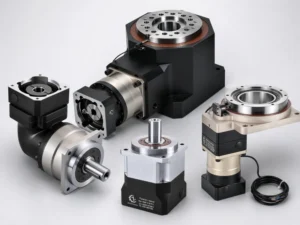
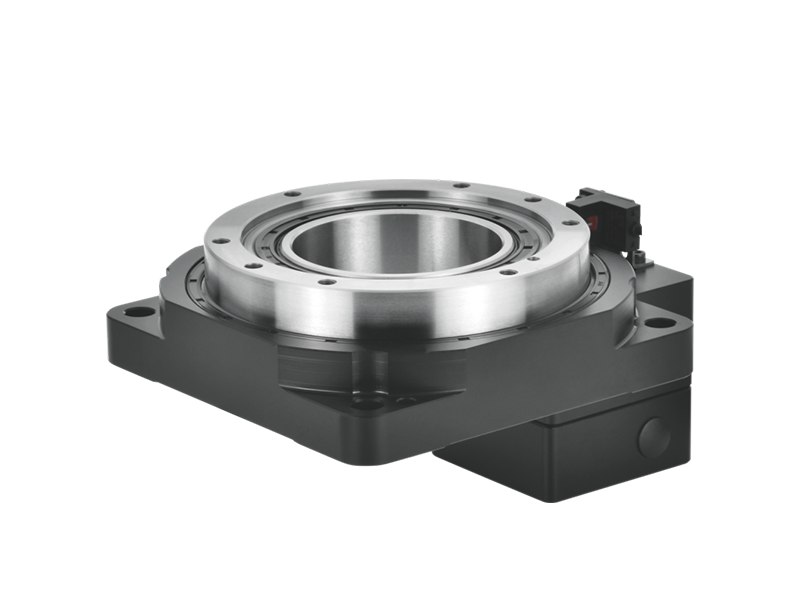
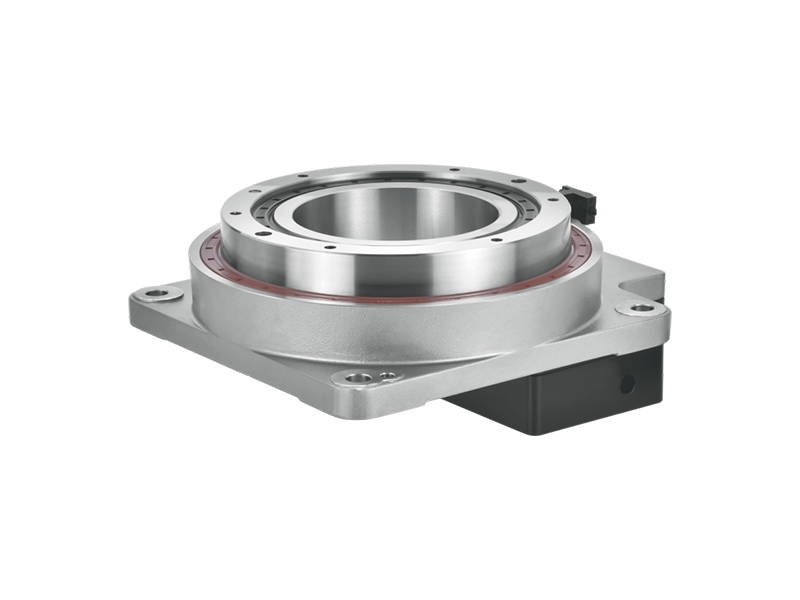
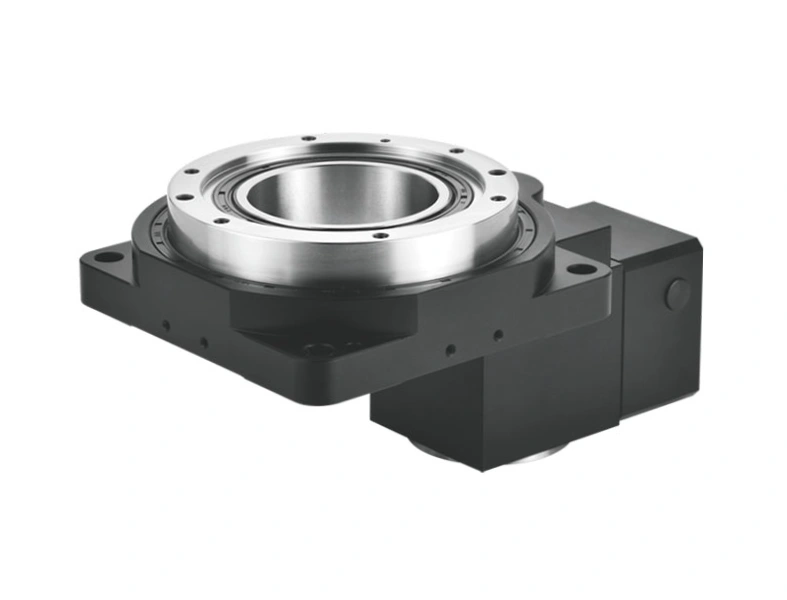
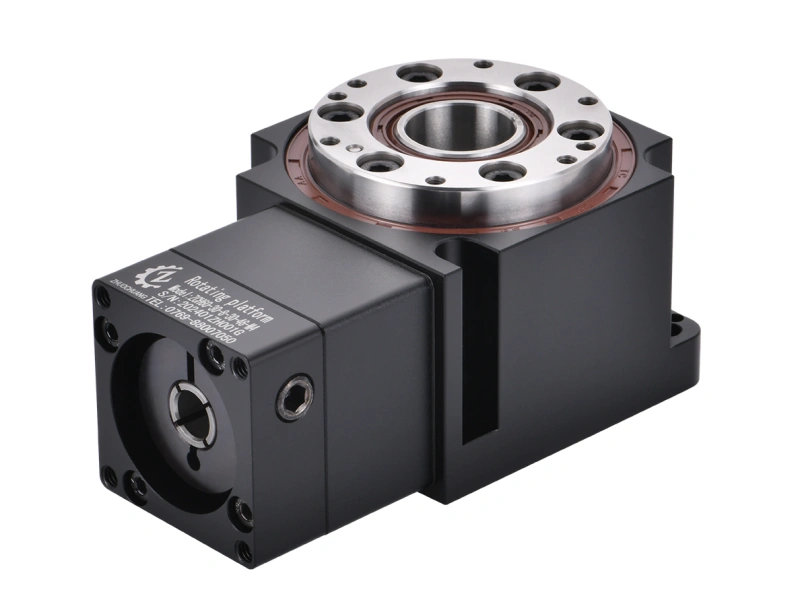
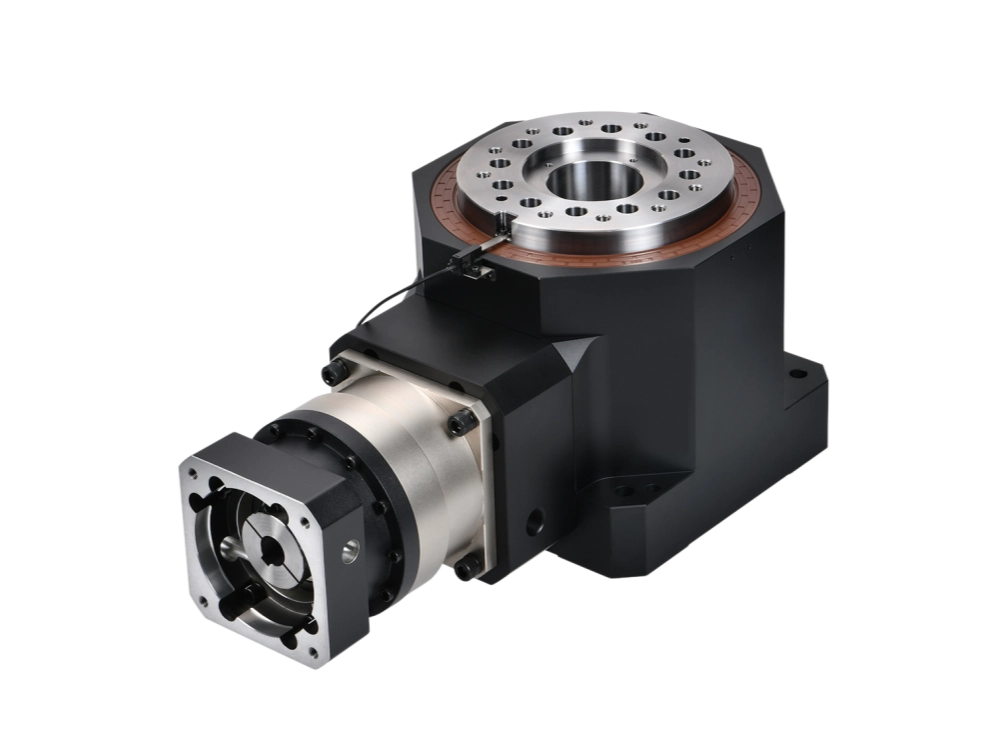
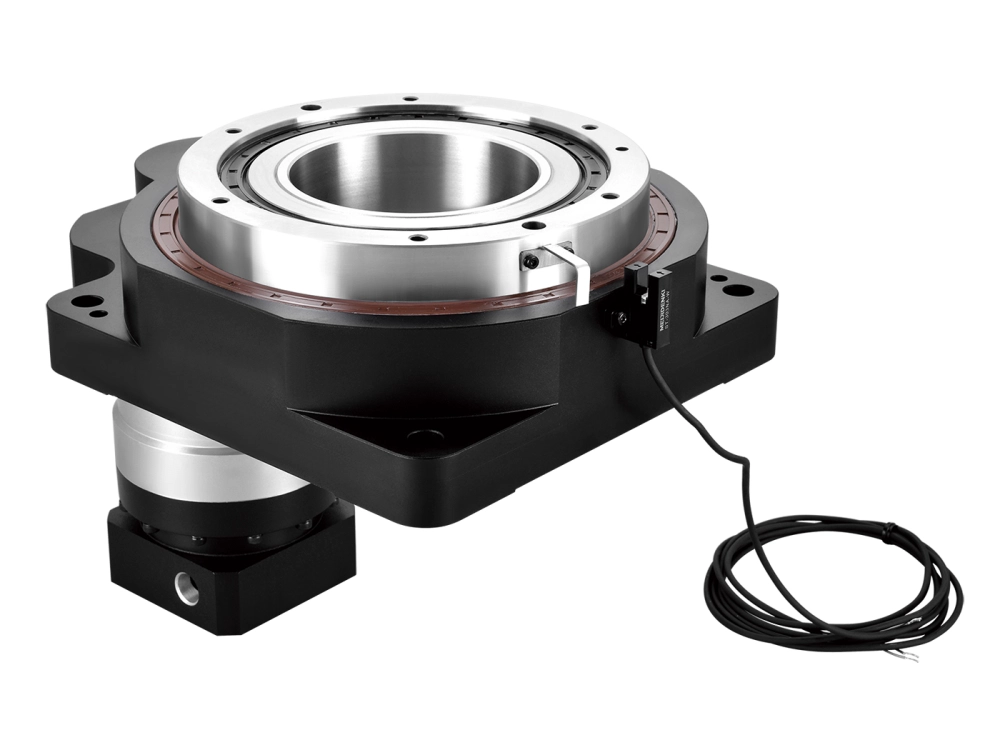
Dongguan Zhuochuang Precision Machinery Co., Ltd manufactures precision planetary gearboxes and hollow rotary tables for automation systems, robotics, CNC machinery, packaging machinery, and precision motion control applications.
FAQ About Planetary Gearbox Efficiency
What is the typical efficiency of a planetary gearbox?
Many precision planetary gearboxes are commonly referenced at around 97%–99% efficiency per stage under suitable operating conditions. Actual efficiency depends on load, speed, lubrication, temperature, gear quality, and stage count.
How does stage count affect planetary gearbox efficiency?
Each additional stage adds gear mesh, bearing, and seal losses. Overall efficiency is calculated by multiplying the efficiency of each stage, so a two-stage or three-stage gearbox will usually have lower overall efficiency than a single-stage unit.
Why does efficiency drop at low load?
At low load, fixed losses such as bearing drag, seal friction, and lubricant churning become a larger percentage of the transmitted power. This is why efficiency values measured at rated load may not represent light-load operation.
Is a planetary gearbox more efficient than a worm gearbox?
In many industrial motion applications, planetary gearboxes are typically more efficient than worm gearboxes because they use rolling gear mesh with less sliding friction. However, the best gearbox type still depends on ratio, space, load, duty cycle, and application requirements.
Related Gearbox Articles
Need Help Confirming Gearbox Efficiency for Your Application?
Send us your motor data, gear ratio, load, input speed, duty cycle, and mounting requirements. Our team can help review your planetary gearbox selection.
Contact Us Now