
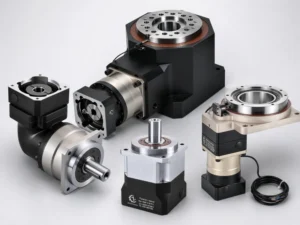
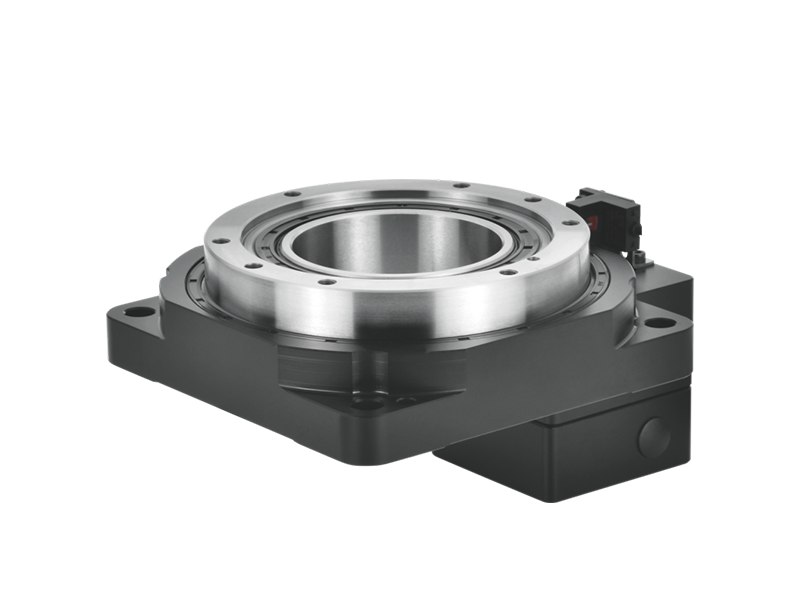
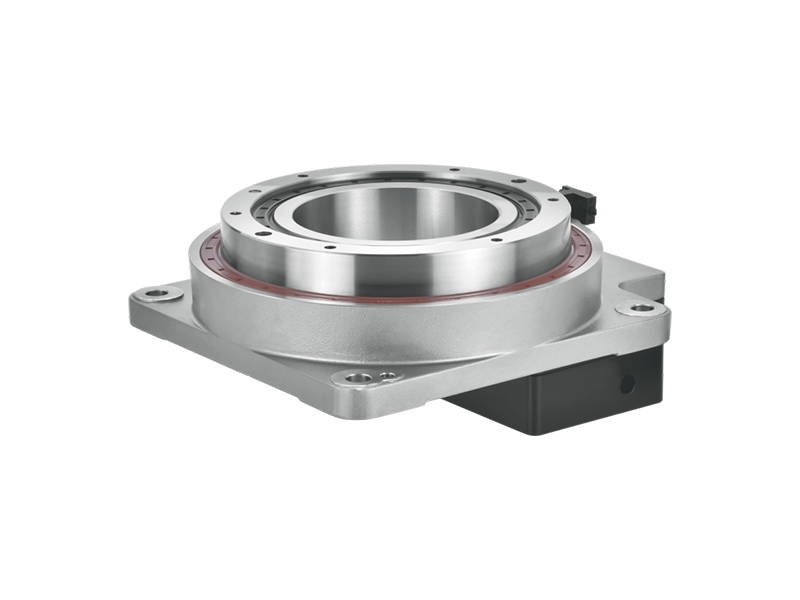
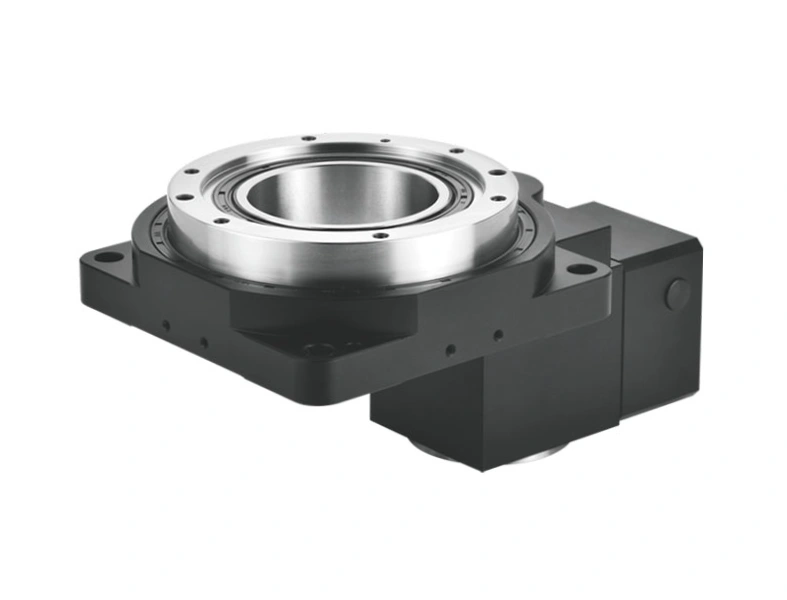
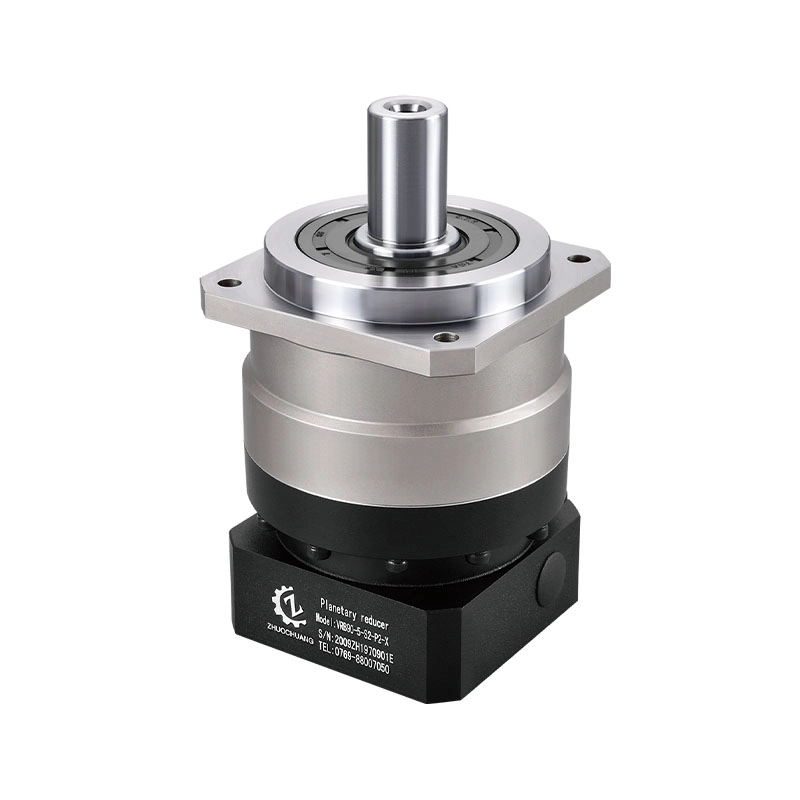
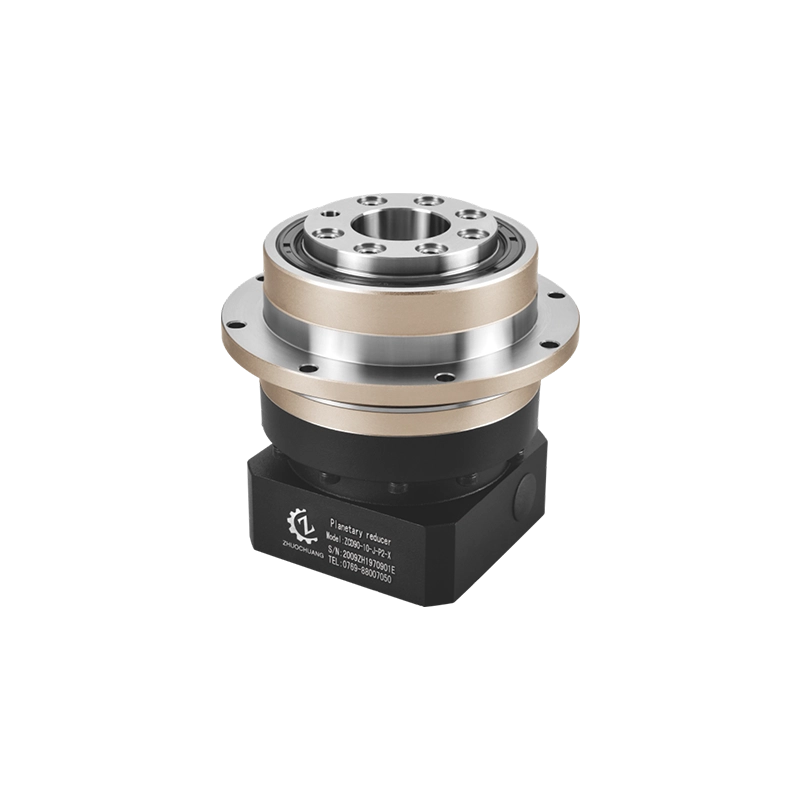
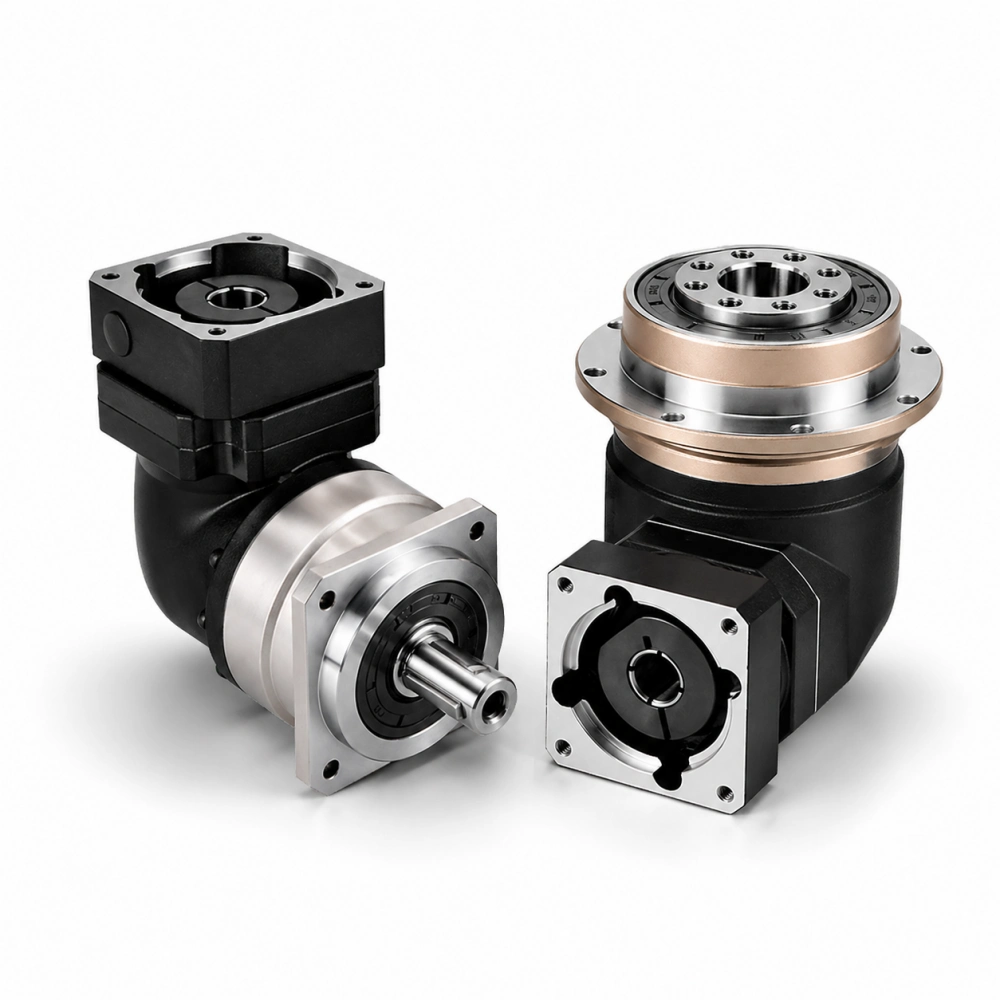
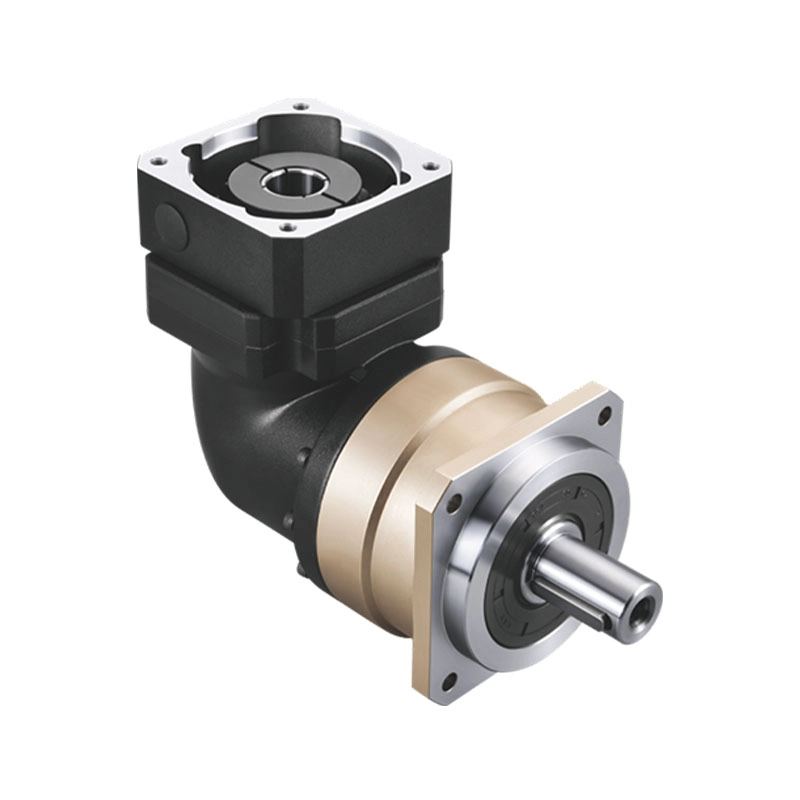
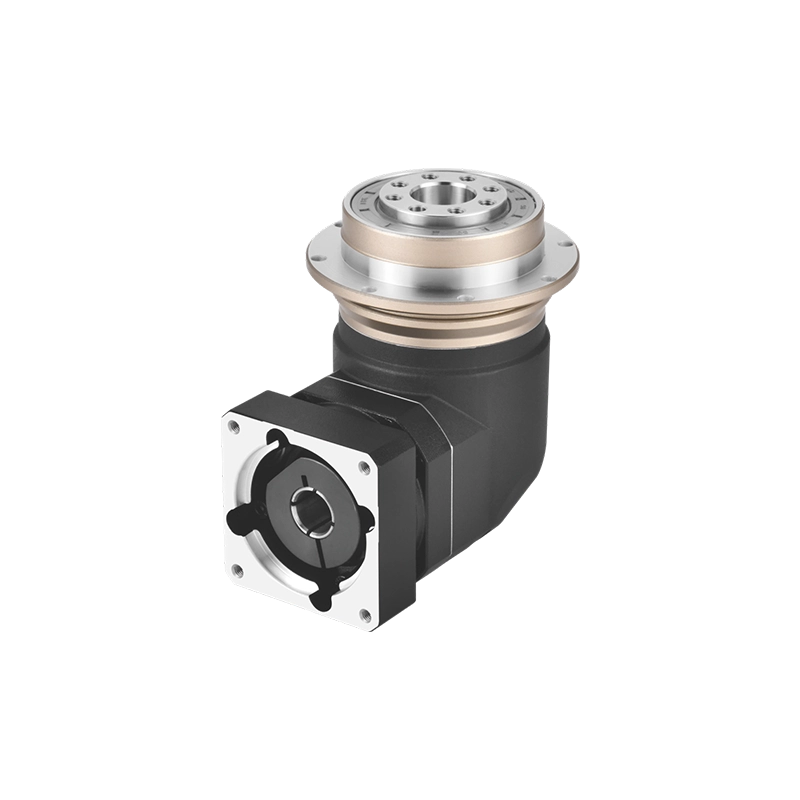
Search for “planetary speed reducer” and you will not only find product pages.
You will also find plural category pages, supplier directories, review-style listings, frame-code terms such as 56C, and phrases like bevel planetary speed reducer. Some of these results are useful. Some are misleading if you are sourcing a reducer for a real servo-driven machine.
That is the problem this article solves.
A planetary speed reducer is not difficult to understand as a mechanical product. It reduces motor speed, increases usable torque, and helps match a motor to a driven load. But the language around it can become confusing. Different markets use different terms. Review pages may look helpful but rarely test the specifications that matter. Frame codes can decide whether a reducer fits your motor at all. Bevel planetary designs may be described as right-angle reducers, bevel gearboxes, or planetary gearboxes depending on the supplier.
This article explains what these terms actually mean, what online reviews can and cannot tell you, how a 56C frame code affects selection, where bevel planetary reducers fit, and what buyers should confirm before choosing a supplier.
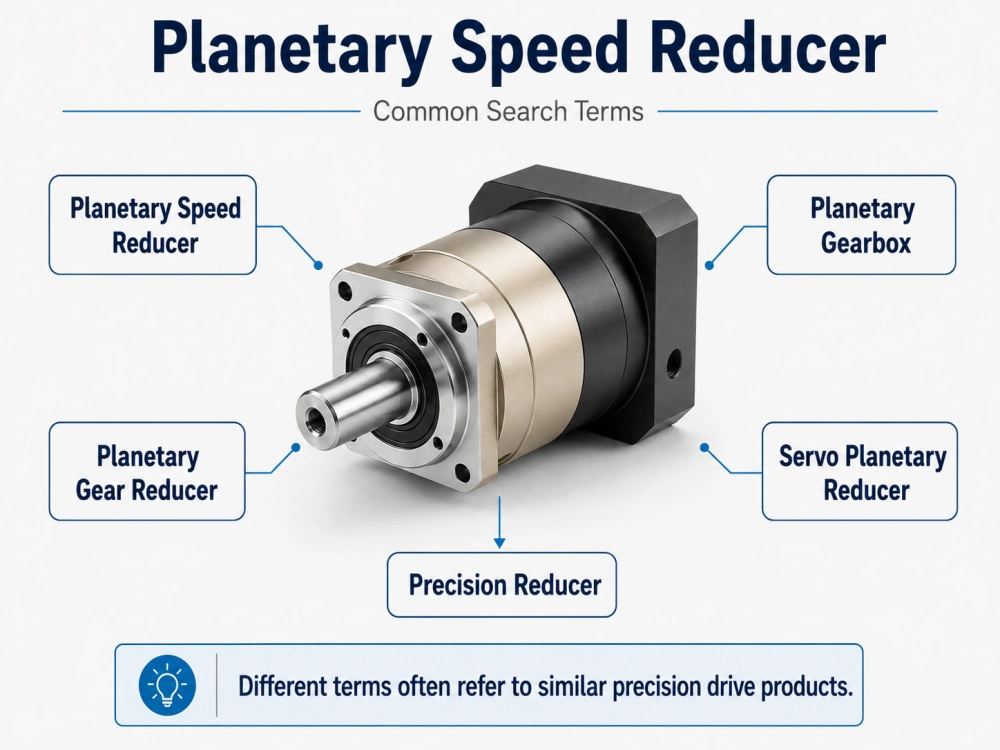
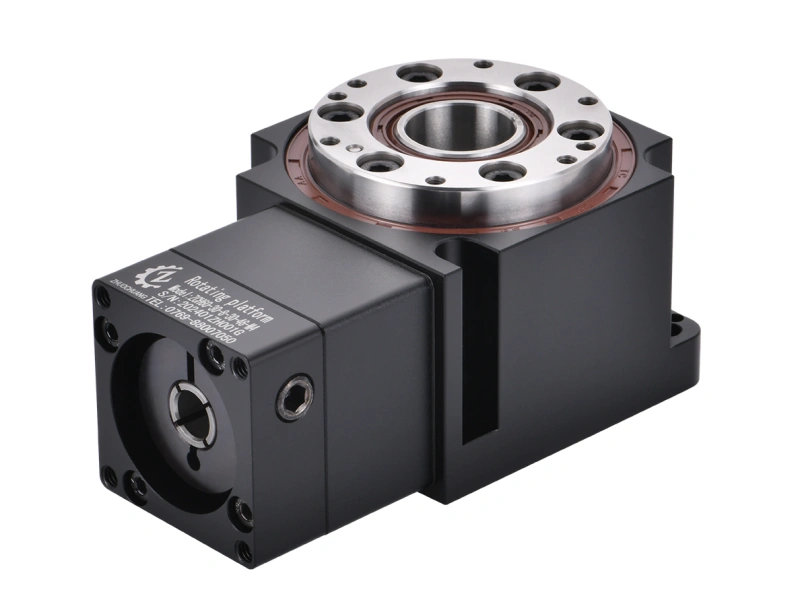
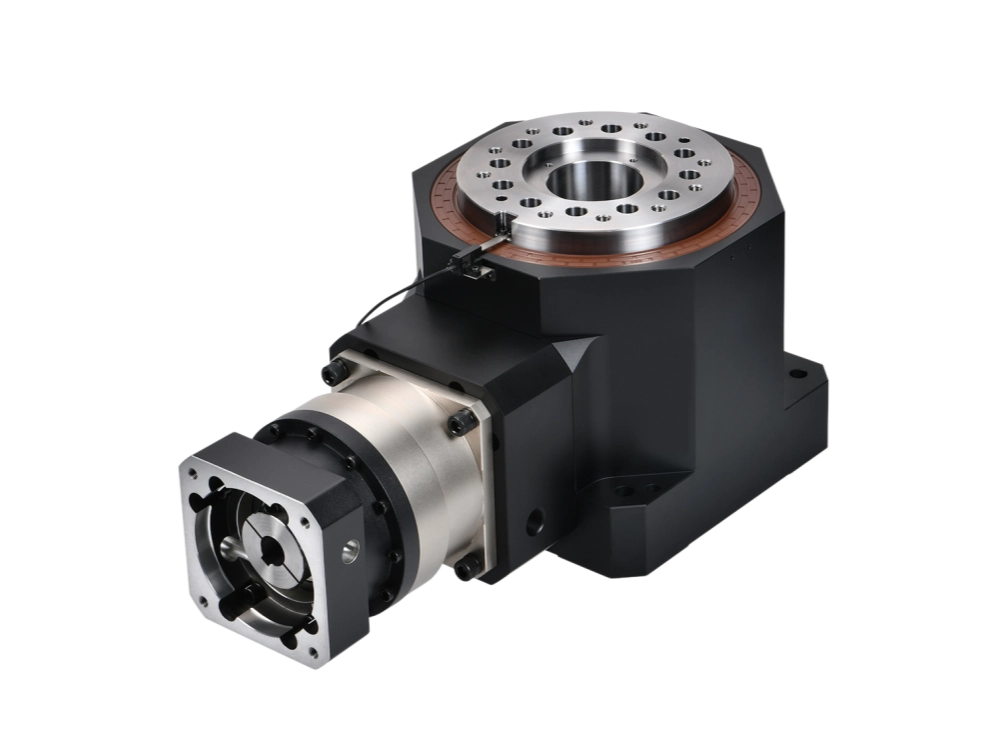
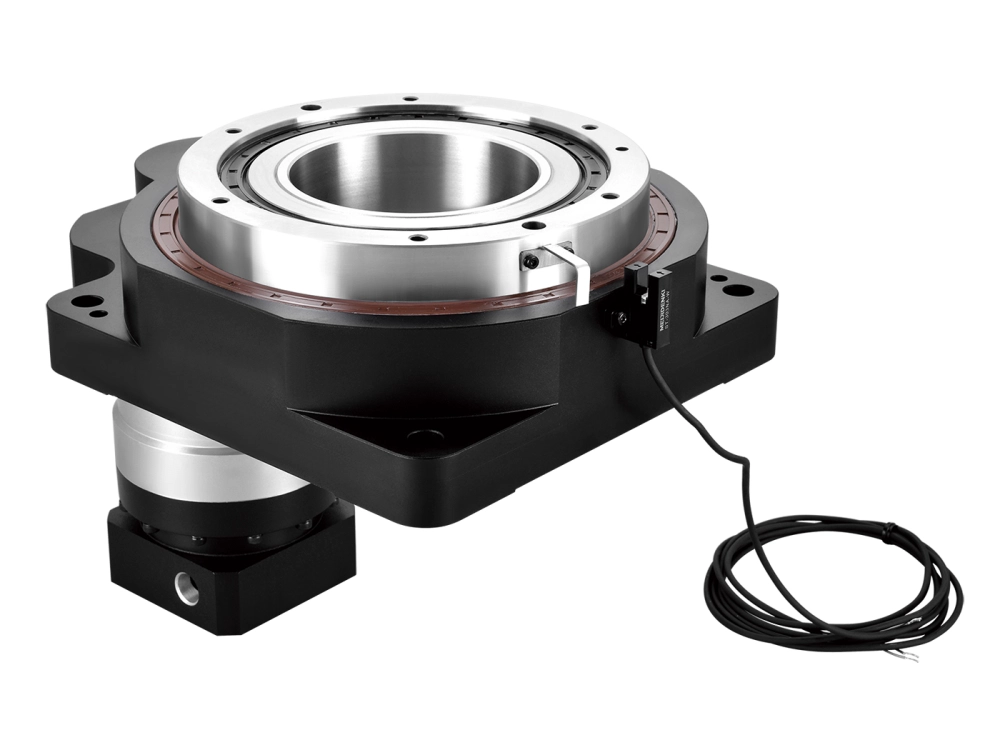
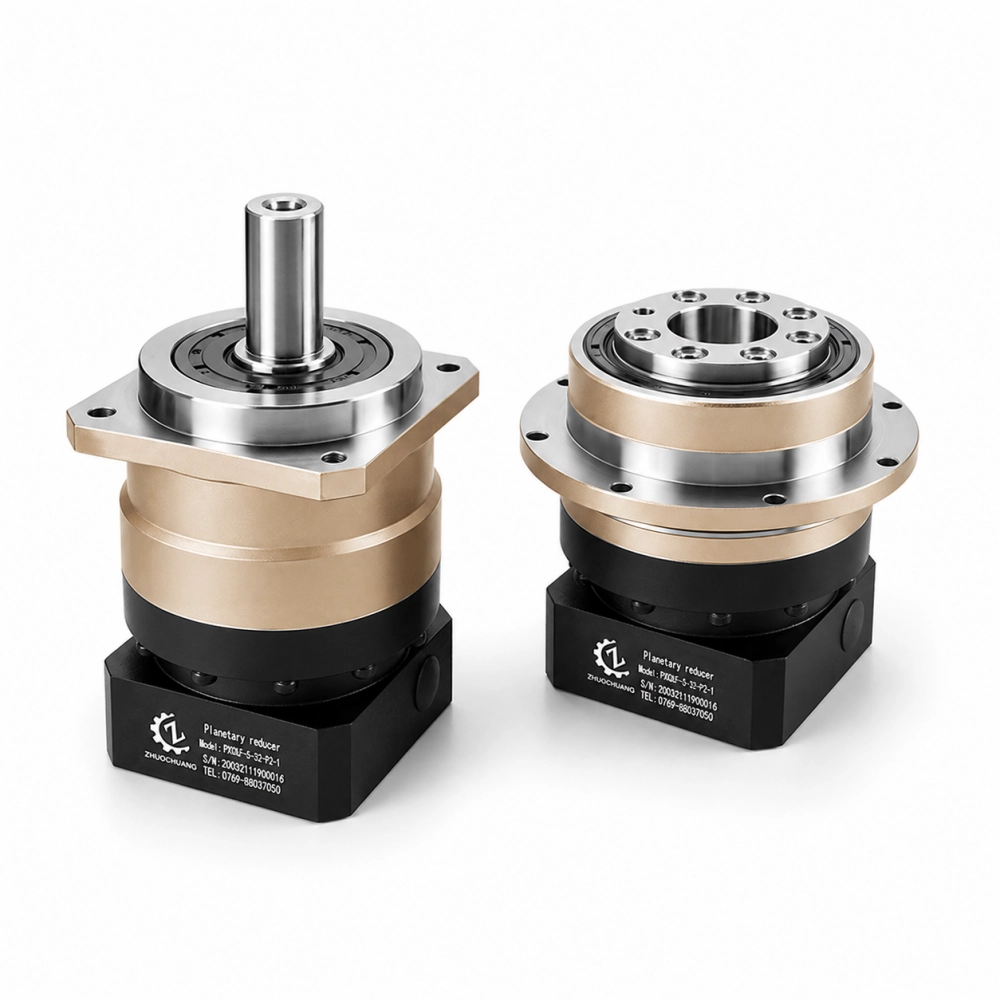
File name: planetary-speed-reducer-terminology-guide.webp
ALT: planetary speed reducer terminology guide
Suggested caption: Planetary speed reducer terminology often includes inline reducers, bevel planetary reducers, frame codes and supplier listing variations.
Why “Planetary Speed Reducer” Has So Many Names
The phrase “planetary speed reducer” is used in many different ways across product pages, directories, catalogs, and search results.
Some suppliers use “planetary speed reducer.”
Some use “planetary speed reducers.”
Some use “planetary gear reducer.”
Some use “planetary gearbox.”
Some use “inline planetary speed reducer gearbox.”
Some add application terms, motor frame terms, or regional sourcing terms.
Most of the time, these phrases do not mean completely different products. They are different naming habits for the same broad product family.
A planetary speed reducer uses a planetary gear structure to reduce speed and increase torque. In a typical design, the motor drives a sun gear. Planet gears rotate around the sun gear and mesh with a ring gear. The planet carrier then delivers the output.
This structure gives planetary reducers compact size, high torque density, and good compatibility with servo motors.
The problem is that search results often mix technical product pages with general listings. A buyer may see many similar terms and assume they describe different products. In reality, the term alone does not tell you whether the reducer is precise, suitable for a servo motor, or correct for your machine.
The specification does.
“Planetary Speed Reducers” Usually Means a Category
When you see “planetary speed reducers” in plural form, it usually appears on a product category page.
This type of page may show multiple frame sizes, ratios, input adapters, output shaft options, or precision grades. It is useful for browsing, but it does not confirm which reducer is suitable for your application.
For example, a category page may show several planetary reducers with different ratios and frame sizes. One may be suitable for a small automation module. Another may be suitable for a heavier rotary axis. Another may require a different motor adapter.
The plural term is only a starting point. It tells you that the supplier offers a product family. It does not tell you which model should be selected.
“Inline Planetary Speed Reducer Gearbox” Is More Specific
The phrase “inline planetary speed reducer gearbox” is more precise.
“Inline” means the input and output are on the same axis. The motor shaft and output shaft are arranged coaxially. This layout is common in servo automation, CNC machinery, packaging equipment, and compact motion systems where the motor can be placed directly behind the driven axis.
This phrase is useful when your machine needs a straight-through drive layout.
An inline planetary reducer is different from a right-angle reducer. It does not change the transmission direction by 90 degrees. It mainly provides speed reduction, torque increase, and servo-compatible motion in a compact coaxial structure.
If your machine layout needs the motor to be turned 90 degrees, then a right-angle or bevel planetary reducer may be more suitable.
You can view Zhuochuang’s inline and right-angle planetary gearbox range here:
Precision Planetary Gearbox Range
What Reviews Can Tell You
Searching for “planetary speed reducer reviews” or “inline planetary speed reducer gearbox reviews” is understandable.
Nobody wants to buy a reducer that fails early, arrives late, or does not match the catalog.
Reviews can provide some useful information.
They may tell you whether a supplier communicates clearly.
They may show whether delivery is reliable.
They may reveal repeated complaints about service, packaging, warranty, or dimension mismatch.
They may show whether previous buyers were satisfied with general build quality.
These signals are not useless. Supplier reliability matters, especially for overseas purchasing.
But reviews have limits.
An industrial gearbox review is not the same as a consumer product review. A reducer may work well in one machine and fail in another because the load, duty cycle, backlash requirement, and motor control conditions are completely different.
A buyer using a reducer on a simple conveyor may leave a positive review. That does not prove the same reducer is suitable for a servo positioning axis.
A buyer may say the product is “good quality.” That does not tell you measured backlash, torsional stiffness, gear machining method, efficiency, or thermal performance.
So reviews should be treated as supplier experience signals, not engineering proof.
What Reviews Cannot Replace
For precision automation, reviews cannot replace technical confirmation.
They cannot confirm whether the backlash value on the datasheet matches the actual production unit.
They cannot tell you whether the reducer will remain stable during frequent acceleration and deceleration.
They cannot confirm whether the motor adapter is correct for your servo motor.
They cannot test reflected inertia, thermal rating, or motion repeatability in your machine.
They cannot prove that the supplier controls gear machining, assembly, and inspection consistently.
For a real project, it is better to ask the supplier direct questions.
Can they confirm the correct ratio?
Can they confirm continuous and peak torque?
Can they provide backlash data?
Can they match your motor flange and shaft?
Can they provide outline drawings?
Can they support model selection before ordering?
Can they explain whether inline or right-angle configuration is better for your layout?
A supplier who answers these questions clearly gives you more useful information than a review page.
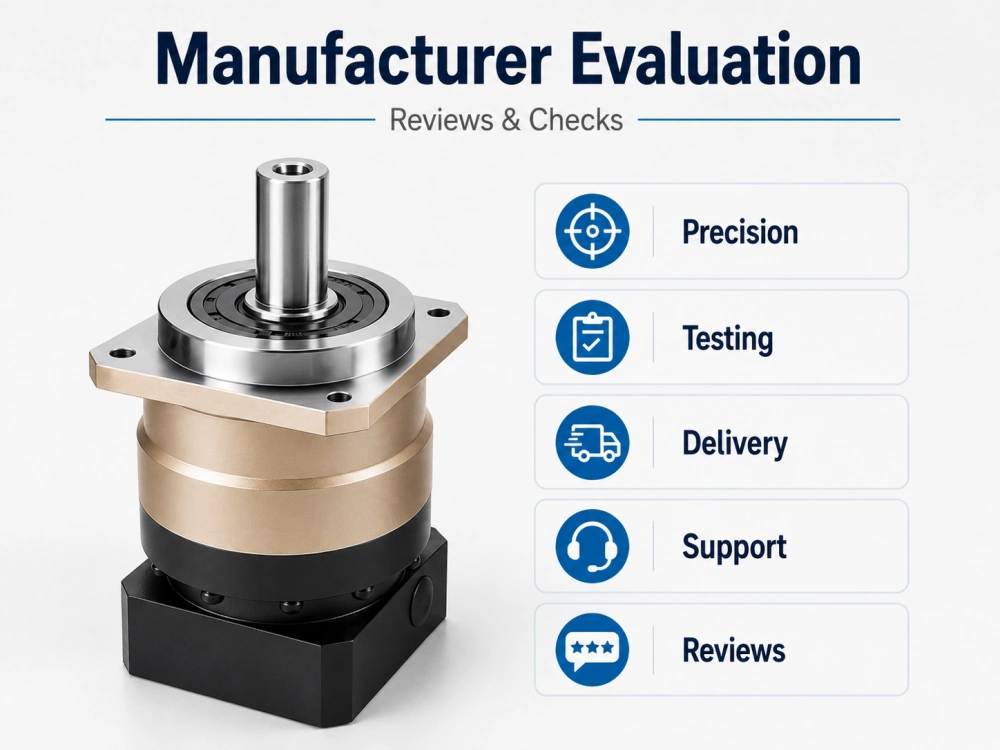
File name: planetary-speed-reducer-review-and-supplier-check.webp
ALT: planetary speed reducer review and supplier check
Suggested caption: Online reviews can show supplier experience, but precision reducer selection still requires ratio, torque, backlash, motor adapter and drawing confirmation.
What a 56C Planetary Speed Reducer Means
The phrase “56C planetary speed reducer” combines a reducer type with a motor frame code.
56C is commonly used as a NEMA C-face motor frame designation. It refers to a standardized motor mounting pattern used mainly in North America. In practical terms, it affects how the motor physically connects to the reducer.
If a planetary speed reducer is described as 56C compatible, it usually means the input adapter is designed to mount to a 56C motor face.
This matters because motor compatibility is not flexible.
A reducer may have the correct ratio and torque, but if the motor frame does not match, it cannot be installed directly. The buyer may need a different adapter, a custom plate, or a different reducer model.
For North American motors, NEMA frame codes are common. For many servo motors used in automation equipment, IEC metric flange sizes or brand-specific motor dimensions are more common.
Before ordering, confirm:
Motor brand
Motor frame size
Flange dimensions
Shaft diameter
Shaft length
Keyway or smooth shaft
Input adapter requirement
For projects involving NEMA motor frame terminology, buyers can refer to NEMA as an external starting point for motor and electrical standardization information.
The important point is simple: frame code is not a performance feature. It is a fit requirement. If it does not match, the reducer cannot be installed correctly.
Bevel Planetary Speed Reducer: What the Term Means
A bevel planetary speed reducer combines two functions.
The bevel stage changes the transmission direction, usually by 90 degrees.
The planetary stage provides speed reduction and torque multiplication.
This type of product may also be called a right-angle planetary gearbox, right-angle planetary reducer, or bevel planetary reducer. The naming depends on whether the supplier emphasizes the internal mechanism or the output layout.
The bevel gear and planetary gear stages do different jobs.
The bevel gear changes direction.
The planetary stage handles reduction and torque.
Together, they create a compact right-angle reducer suitable for servo-driven machinery.
This configuration is useful when the machine needs both a 90-degree layout and a real reduction ratio.
If the machine only needs direction change with little or no reduction, a simple bevel gearbox may be enough.
If the machine only needs speed reduction without direction change, an inline planetary reducer is usually more direct.
If the machine needs both direction change and servo-compatible reduction, a bevel planetary speed reducer is often worth evaluating.
You can compare related right-angle solutions here:
Manufacturer Listings vs Regional Supplier Directories
Searches such as “planetary speed reducer manufacturer” or “planetary speed reducer gearbox manufacturer in Bangalore” show another common sourcing problem.
Search results may include actual manufacturers, distributors, trading companies, regional directories, and marketplace listings.
These supplier types are not the same.
A manufacturer usually controls design, machining, assembly, and testing. If you need technical confirmation, the manufacturer can usually answer more directly.
A distributor may offer faster local delivery and stock availability. This can be useful for standard products.
A trading company may help with sourcing, but technical answers may depend on the upstream factory.
A regional directory may help you find companies in a location, but it does not always tell you who actually manufactures the reducer.
For standard low-risk applications, a distributor or local stock supplier may be practical.
For precision servo applications, direct technical support becomes more important. Backlash, ratio, motor adapter compatibility, and dimensional drawings should not be guessed.
If your project involves servo automation, robotics, CNC machinery, packaging equipment, or precision positioning, it is better to confirm whether the supplier can support model selection, not just provide a price.
For broader gearbox-drive terminology and application notes, you may also refer to this external gearbox drive resource:
What Actually Matters When Selecting a Planetary Speed Reducer
After all the terminology, reviews, frame codes, and sourcing options, the actual selection still comes back to engineering requirements.
The key points are:
Ratio
Torque
Backlash
Motor compatibility
Mounting interface
Input speed
Output speed
Duty cycle
Load inertia
Operating environment
Configuration
Ratio determines how motor speed is reduced to the required output speed.
Torque determines whether the reducer can move the load safely.
Backlash determines whether the reducer can meet positioning and repeatability requirements.
Motor compatibility determines whether the reducer can physically connect to the motor.
Mounting interface determines whether the reducer can fit the machine.
Duty cycle and input speed affect heat and service life.
Configuration decides whether the machine needs inline layout or right-angle layout.
The search term may bring you to the product. But the application data decides whether the product fits.
A Practical Supplier Check Before Asking for a Quote
Before asking for a quotation, prepare the following information:
Motor brand and model
Motor flange size
Motor shaft diameter
Input speed
Required output speed
Required ratio
Continuous torque
Peak torque
Backlash requirement
Mounting direction
Output shaft or flange requirement
Machine type
Duty cycle
Quantity
Drawing or installation space
This information helps the supplier recommend a suitable model instead of guessing.
If you only ask for “planetary speed reducer price,” the answer may be too general.
If you send motor data, ratio, torque, backlash target, and application information, the supplier can check whether the reducer is technically suitable.
This is especially important when the application involves servo motors and precision motion.
Where Zhuochuang Fits
Dongguan Zhuochuang Precision Machinery Co., Ltd manufactures precision planetary gearboxes for servo-driven automation, robotics, CNC machinery, packaging equipment, and industrial motion systems.
Our focus is not general marketplace listings or review-style product ranking. Our focus is helping machine builders confirm the correct planetary reducer configuration based on real application data.
Zhuochuang can support:
Inline planetary gearbox selection
Right-angle planetary gearbox selection
Ratio confirmation
Torque confirmation
Backlash requirement review
Motor adapter matching
Outline drawing confirmation
Application-based model recommendation
You can browse the main product range here:
For right-angle servo applications, you can view:
For model selection or quotation support, send your motor model, required ratio, torque requirement, backlash target, and mounting drawing.
Dongguan Zhuochuang Precision Machinery Co., Ltd
Dongguan, Guangdong, China
Website: planetdrivepro.com
FAQ About Planetary Speed Reducers
What is a planetary speed reducer?
A planetary speed reducer is a gear reducer that uses a planetary gear structure to reduce motor speed and increase output torque. It is commonly used in automation, servo motion, CNC machinery, robotics, and packaging equipment.
Is a planetary speed reducer the same as a planetary gearbox?
In many industrial situations, yes. Planetary speed reducer emphasizes the speed reduction function, while planetary gearbox emphasizes the mechanical assembly. The exact meaning depends on supplier terminology.
What does 56C planetary speed reducer mean?
It usually means the reducer has an input adapter designed for a NEMA 56C motor frame. Before ordering, confirm motor flange dimensions, shaft diameter, and adapter compatibility.
Are online planetary speed reducer reviews reliable?
They can help you understand supplier communication, delivery, and service experience. But they cannot replace technical checks such as backlash, torque, ratio, motor adapter fit, and duty cycle.
What is a bevel planetary speed reducer?
A bevel planetary speed reducer combines a bevel gear stage for 90-degree direction change with a planetary gear stage for reduction and torque multiplication. It is often used when the machine needs both a right-angle layout and servo-compatible reduction.
How should I choose a planetary speed reducer?
Start with motor speed, required output speed, torque, backlash requirement, duty cycle, motor frame, mounting interface, and machine layout. Then confirm whether the application needs an inline or right-angle planetary reducer.
Related Reading
Planetary Gear Reducer vs Planetary Gearbox: Meaning, Uses and Buying Tips
What Is a Speed Reducer? Industrial Functions, Types and Selection
Gear Reducer Basics: Types, Ratios and Selection for Industrial Equipment
Right Angle Planetary Gearbox: When to Use a 90-Degree Servo Drive Layout