
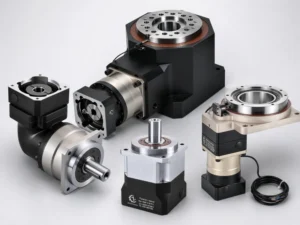
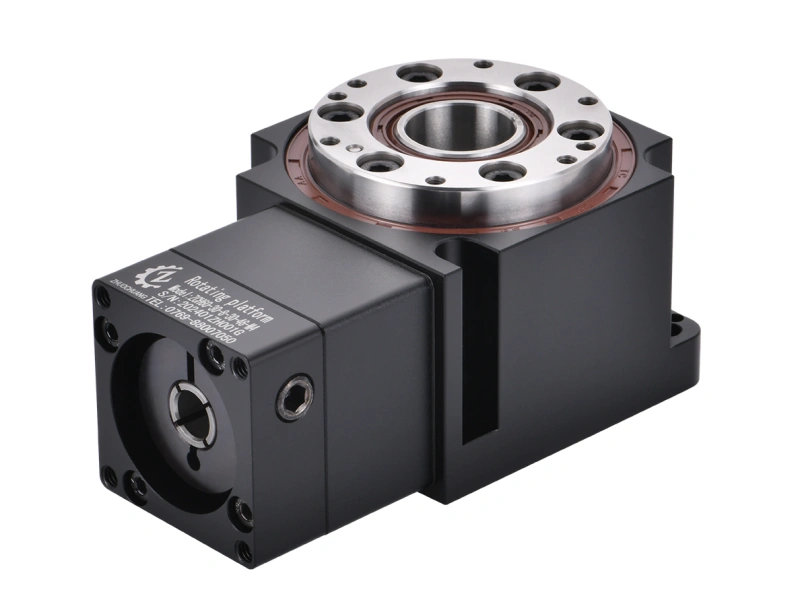
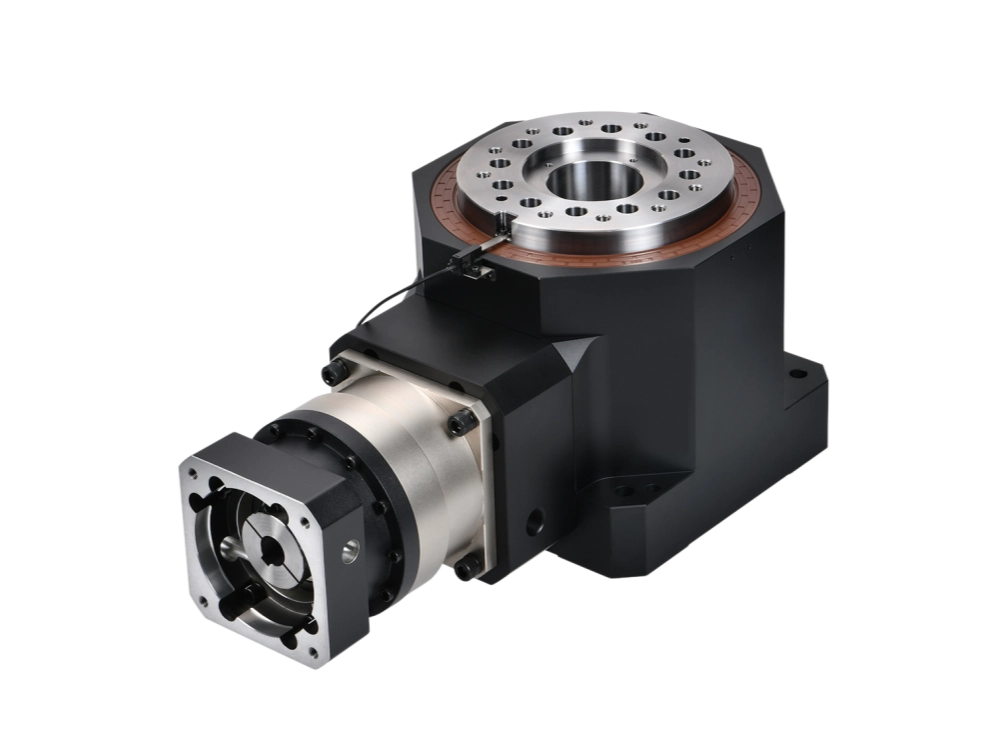
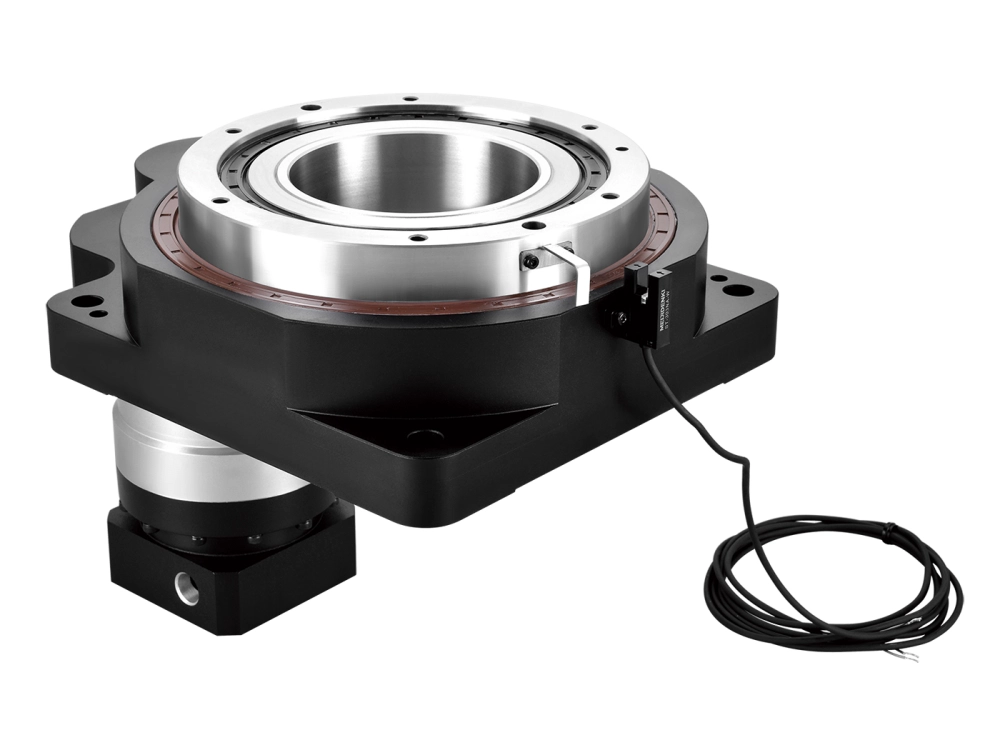
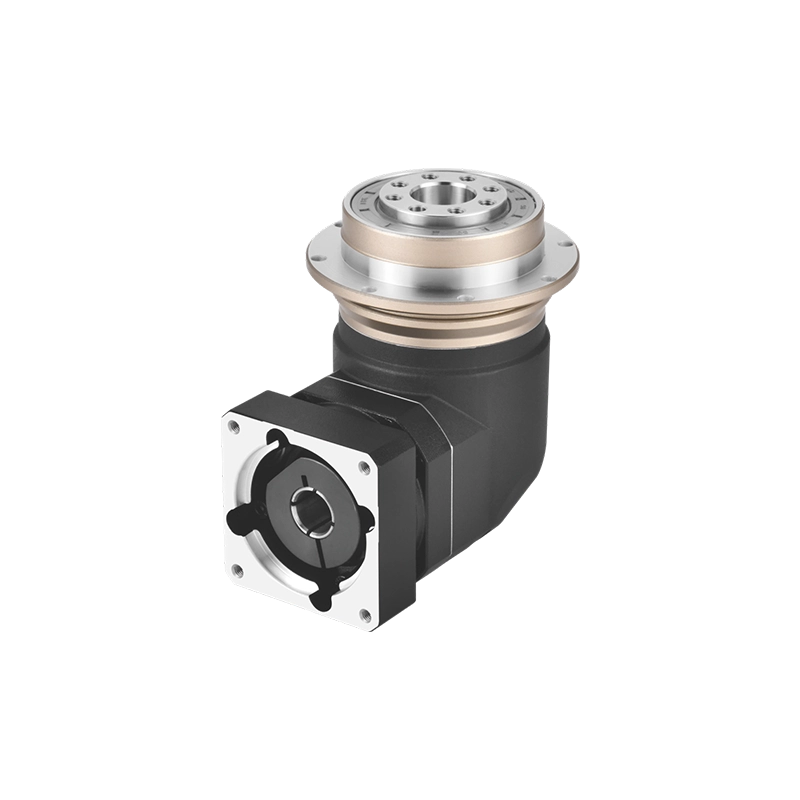
A precision rotary table is used when a machine needs controlled angular movement, stable fixture support, and repeatable positioning. In automation equipment, the table may rotate a workpiece for assembly, inspection, testing, marking, packaging, or robot loading.
For many machine builders, the word “precision” sounds simple. But in real applications, rotary table accuracy is not defined by one number only. It can be affected by repeatability, backlash, runout, rigidity, load direction, fixture design, servo tuning, and long-term mechanical stability.
This guide explains how precision rotary table accuracy is defined, what factors affect it, and what buyers should check before selecting a rotary positioning solution for automation equipment.
What Is a Precision Rotary Table?
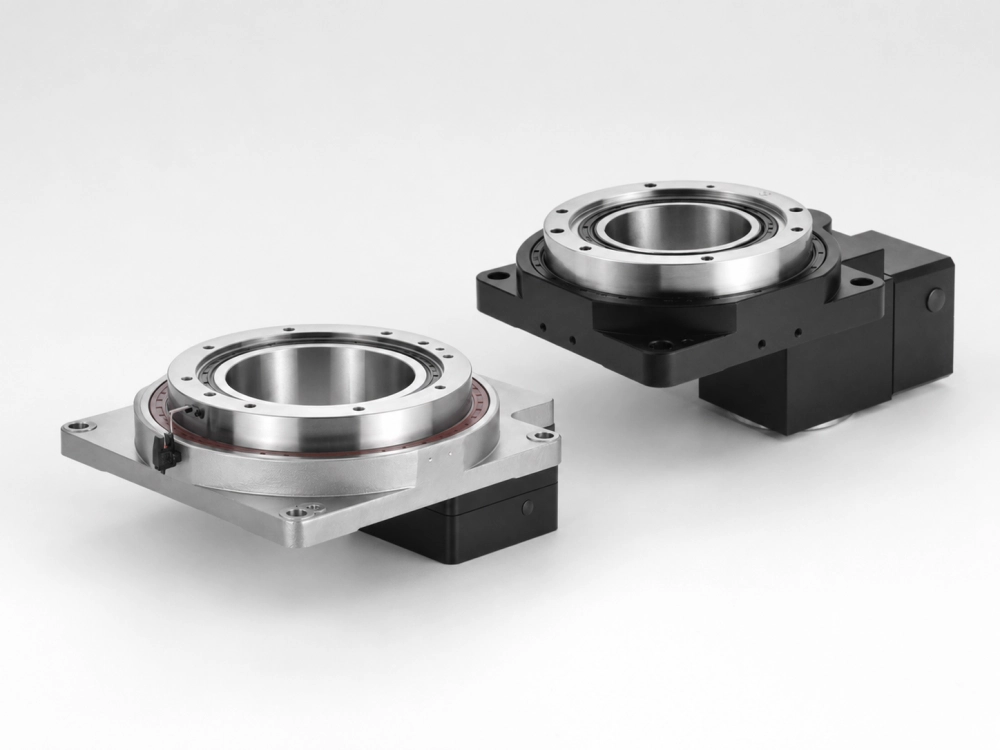
A precision rotary table is a rotary positioning component designed to rotate a fixture, workpiece, or tooling station to a controlled angle. It is commonly used in industrial automation where the rotation must be stable, repeatable, and suitable for repeated production cycles.
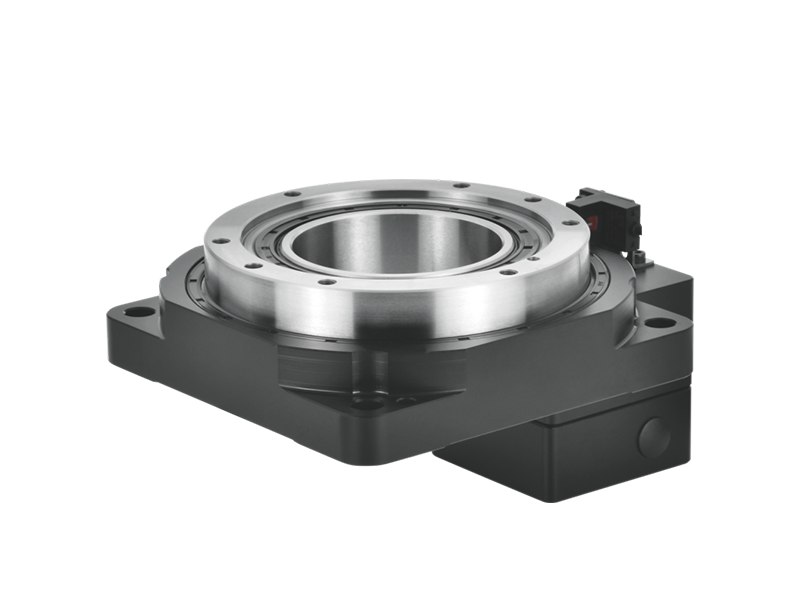
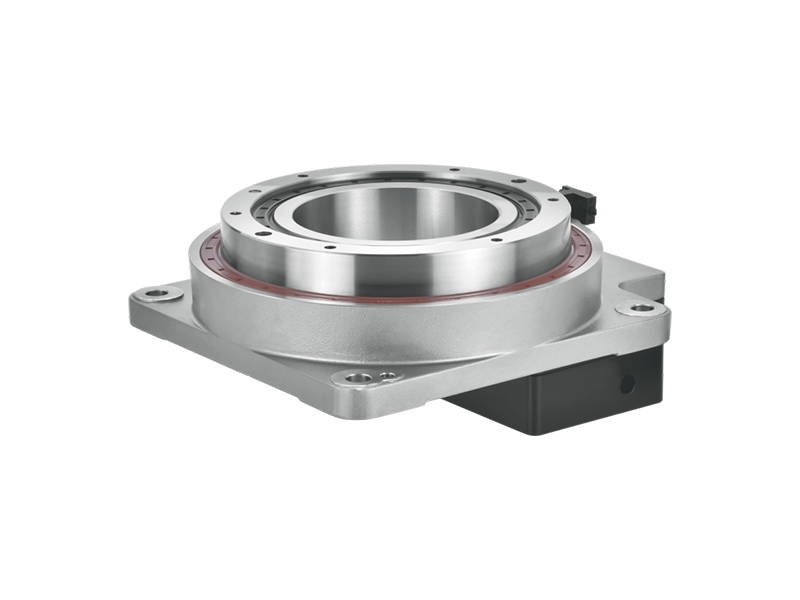
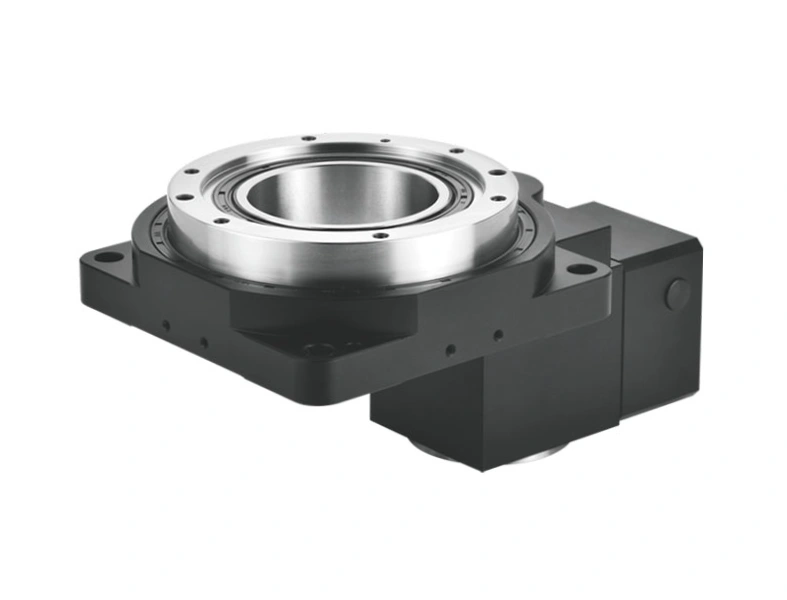
Depending on the structure, a precision rotary table may also be described as a rotary positioning table, servo rotary table, hollow rotary table, or hollow rotary actuator. These names are sometimes used differently, but the practical goal is similar: to provide controlled rotary motion with reliable positioning performance.
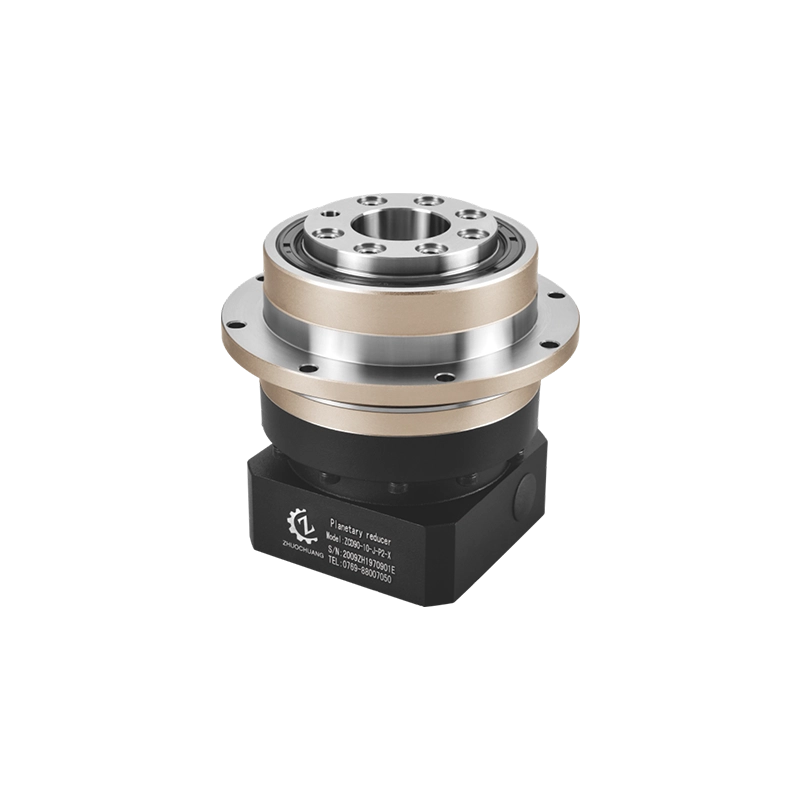
In many automation machines, a hollow rotary table product range is used when the machine also needs a center bore for cables, air tubes, vacuum lines, or fixture wiring.
Accuracy and Repeatability Are Not the Same
One common mistake is to treat accuracy and repeatability as the same thing. They are related, but they describe different performance points.
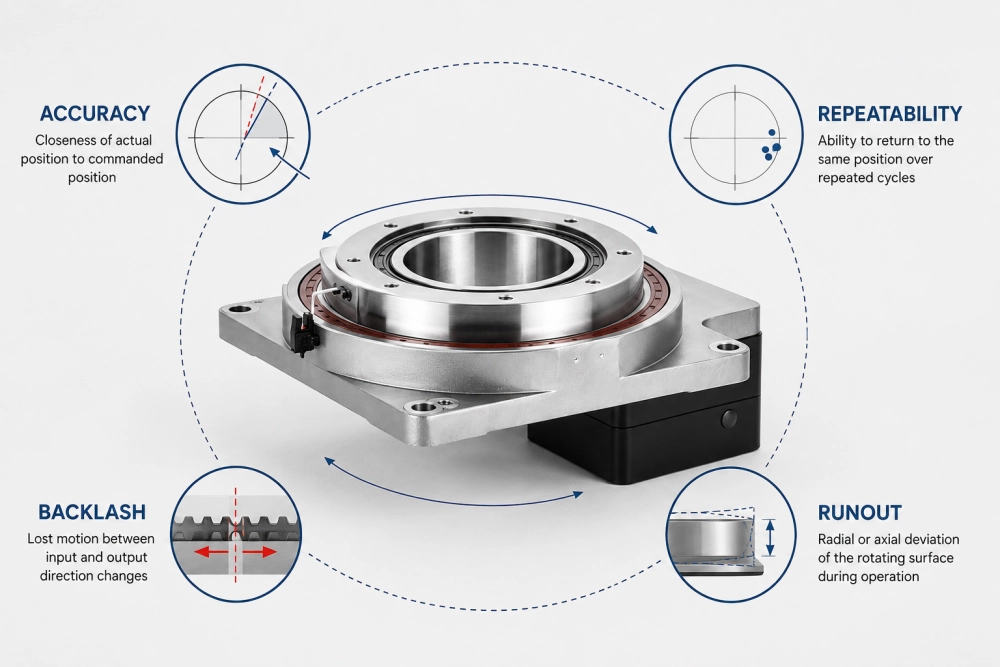
Accuracy describes how close the actual stop position is to the commanded position. If the table is commanded to stop at 90 degrees, accuracy describes how close the real position is to 90 degrees.
Repeatability describes how consistently the table returns to the same position after repeated movements. In automation equipment, repeatability is often more important than absolute accuracy because the machine can sometimes be calibrated, but unstable repeatability is harder to correct.
For example, if a table stops at 90.02 degrees every time, it may be easy to compensate during machine setup. But if it stops at slightly different positions every cycle, the process may become unstable.
Why Repeatability Matters in Automation
Repeatability affects the stability of automated processes. In assembly equipment, poor repeatability may cause parts to be misaligned. In vision inspection, it may change the product position under the camera. In testing equipment, it may affect the contact position between the fixture and the product.
Repeatability is especially important in:
- vision inspection systems
- automated assembly machines
- electronic manufacturing equipment
- robotic loading and unloading stations
- testing and measurement equipment
- packaging orientation systems
A precision rotary table should maintain stable positioning over repeated cycles, not only during a single test.
Backlash and Lost Motion
Backlash is the small clearance between mechanical transmission parts. In rotary positioning systems, backlash can create a gap between motor movement and output table movement.
When the motion direction changes, the motor may rotate slightly before the output table starts to move. This can affect positioning accuracy, especially in applications that require frequent forward and reverse movement.
Low backlash is important for precision rotary tables because it helps reduce positioning error and improves control response. However, low backlash alone does not guarantee a good table. The overall structure, bearing support, rigidity, machining quality, and motor matching must also be considered.
Runout and Table Surface Stability
Runout describes unwanted movement of the rotating surface during rotation. It may appear as axial runout, radial runout, or surface wobble. In precision applications, runout can affect the position of the workpiece or fixture during rotation.
For example, in a vision inspection system, excessive runout may change the height or center position of the part under the camera. In an assembly machine, it may affect how accurately a part aligns with a press head, screwdriver, or sensor.
Runout is not only related to bearing quality. It can also be affected by machining accuracy, assembly quality, fixture mounting, and load distribution.
Rigidity and Moment Load
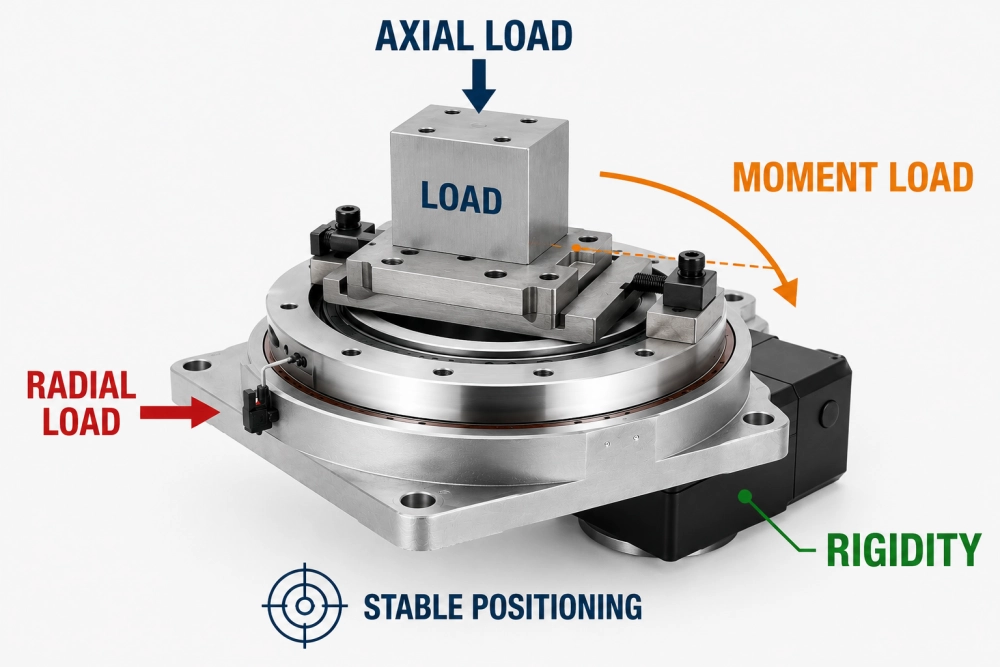
Rigidity is another important part of precision. A rotary table may have good catalog accuracy under light load, but performance can change when the real fixture is heavy or offset from the center.
Moment load is created when the load center is away from the rotary table center. This can happen when a fixture extends outward, when a workpiece is uneven, or when an external force is applied during pressing, testing, or assembly.
If the table does not have enough rigidity, the fixture may tilt slightly during operation. Even a small deflection can affect positioning, inspection, or assembly quality.
Before selecting a precision rotary table, machine builders should check:
- fixture weight
- workpiece weight
- load center distance
- installation direction
- radial load
- axial load
- moment load
- external process force
Load Effects on Rotary Table Accuracy
Accuracy should not be checked only under no-load conditions. In real machines, the rotary table supports fixtures, workpieces, cables, sensors, and sometimes pneumatic components.
A table that performs well without load may behave differently when a heavy fixture is installed. Acceleration, deceleration, stopping impact, and external process force can all affect real positioning stability.
This is why load information is important when asking a supplier to recommend a model. Table diameter alone is not enough for accurate selection.
Servo Control Cannot Replace Mechanical Precision
Servo control is important, but it cannot solve every mechanical problem. A servo motor can improve motion control, speed adjustment, and position command accuracy. However, if the mechanical structure has excessive backlash, poor rigidity, or unstable bearing support, servo tuning alone cannot fully correct the problem.
A good precision rotary positioning system needs both mechanical quality and proper motor control. The transmission structure, bearing support, machining accuracy, motor interface, and control parameters should work together.
This is why machine builders should not only ask whether the table can be matched with a servo motor. They should also check the mechanical performance of the table itself.
Hollow Bore and Precision Positioning
Many precision rotary tables used in automation are designed with a hollow bore. The center through-hole allows cables, air tubes, vacuum lines, or sensor wires to pass through the table center.
This design can improve machine layout because the rotating fixture does not need messy external cable routing. It can also reduce cable twisting and make maintenance easier.
However, the hollow bore size should be selected carefully. A larger bore may help routing, but the table still needs enough rigidity and load capacity. The best choice depends on the fixture design, cable quantity, load, and required accuracy.
How to Evaluate Rotary Table Accuracy
When evaluating a precision rotary table, do not rely on one specification only. A more practical review should include both catalog data and real application conditions.
Important points include:
- repeat positioning accuracy
- backlash or lost motion
- radial runout
- axial runout
- table rigidity
- bearing support
- load capacity
- moment load capacity
- servo motor matching
- fixture mounting method
- cycle time and duty cycle
If the application is sensitive to positioning error, it is better to review the full operating condition before choosing a model.
Common Applications for Precision Rotary Tables
Vision Inspection Equipment
Precision rotary tables are used to rotate parts under cameras, lights, and sensors. Repeatability and runout control are important because the inspection position must remain stable.
Automated Assembly Machines
In assembly machines, the table may move a fixture between loading, pressing, fastening, inspection, and unloading stations. Stable stopping helps improve process consistency.
Electronic Manufacturing Equipment
Electronic manufacturing often requires compact structure and accurate positioning. A hollow rotary table can help with cable routing and fixture integration.
Robotic Workstations
A precision rotary table can act as an auxiliary axis for a robot. It can rotate the part to a better pickup, inspection, or assembly position.
Packaging and Orientation Systems
Packaging machines may use rotary tables for orientation, labeling, sealing, and product transfer. Long-term repeatability is important for continuous production.
When to Choose a Higher Precision Rotary Table
A higher precision rotary table is not always required for every machine. For simple transfer or rough positioning, a standard rotary table may be enough.
A higher precision model should be considered when:
- the part position affects inspection results
- the fixture must return to the same angle repeatedly
- the machine has frequent direction changes
- the workpiece or fixture is offset from the center
- the process includes pressing or external force
- the machine requires stable long-term production
- the application has limited space and complex cable routing
For applications requiring compact structure and stable load support, the ZCTK Series hollow rotary table can be considered as one reference option. For different installation layouts or table sizes, other hollow rotary table series may be more suitable.
Selection Checklist
Before selecting a precision rotary table, prepare the following information:
- required rotation angle
- number of stop positions
- fixture weight
- workpiece weight
- load center distance
- required repeatability
- acceptable backlash
- required bore size
- servo motor model
- cycle time
- installation direction
- available machine space
- cable and air tube routing requirements
This information helps the manufacturer check whether the selected rotary table can support the real machine condition.
Working with a Manufacturer
Catalog data is useful, but precision rotary table selection often depends on real equipment conditions. Two machines may use the same table diameter, but the required accuracy, load, fixture design, motor interface, and cycle time may be different.
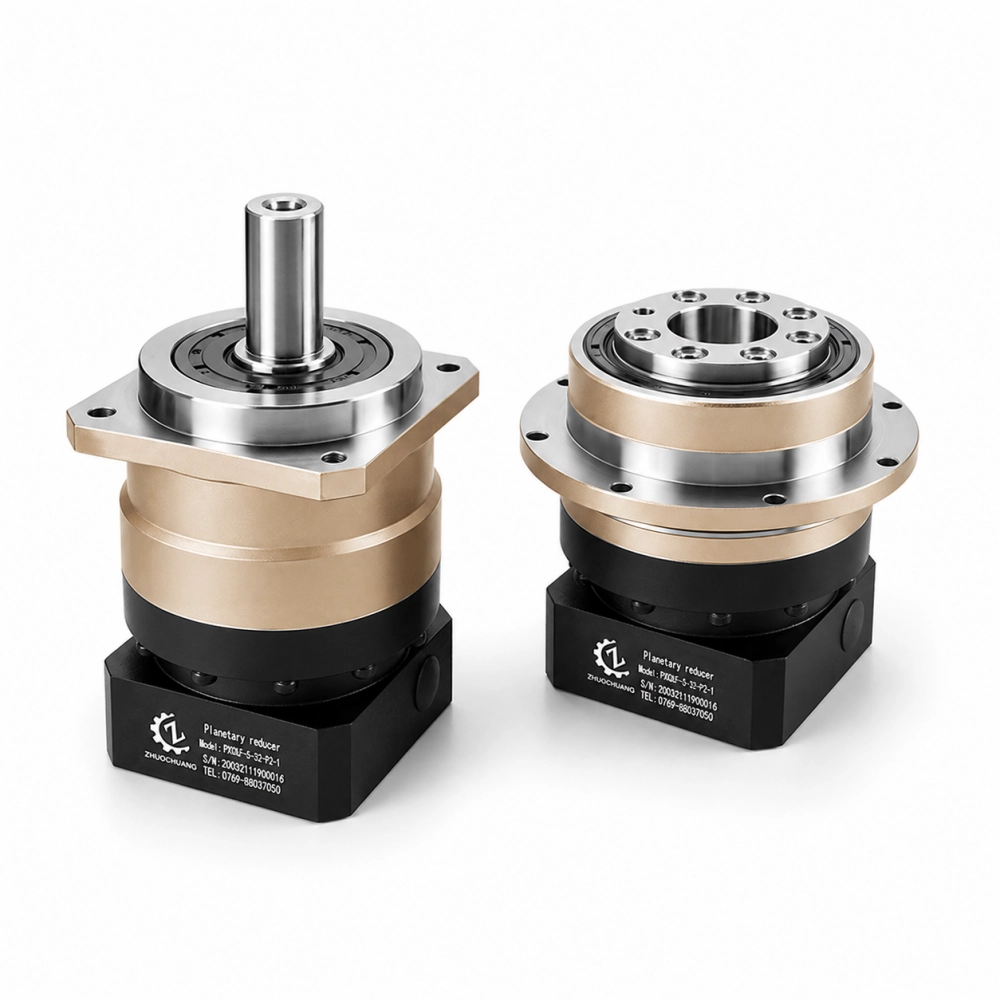
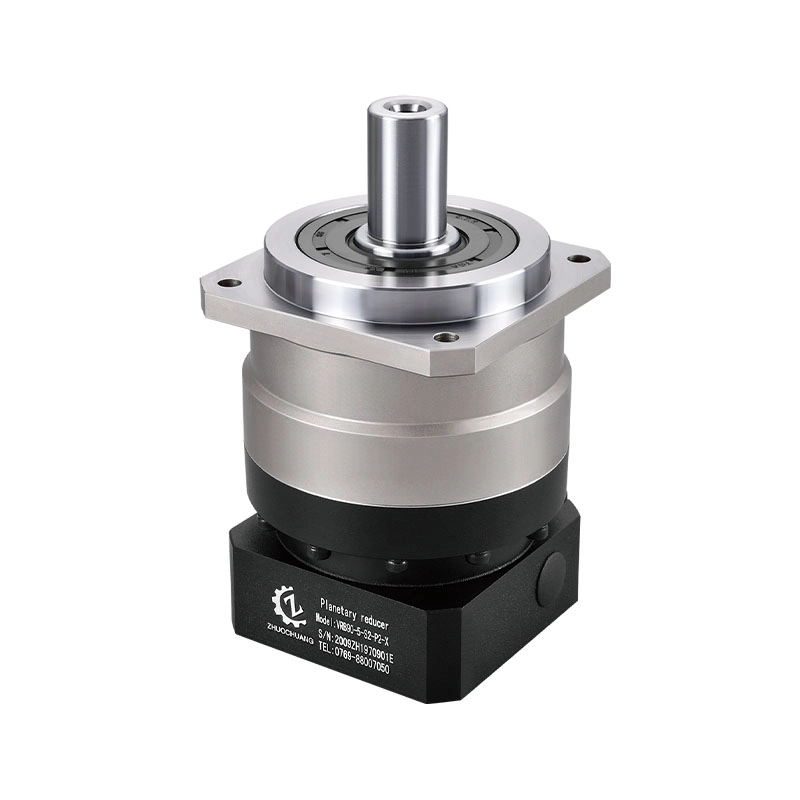
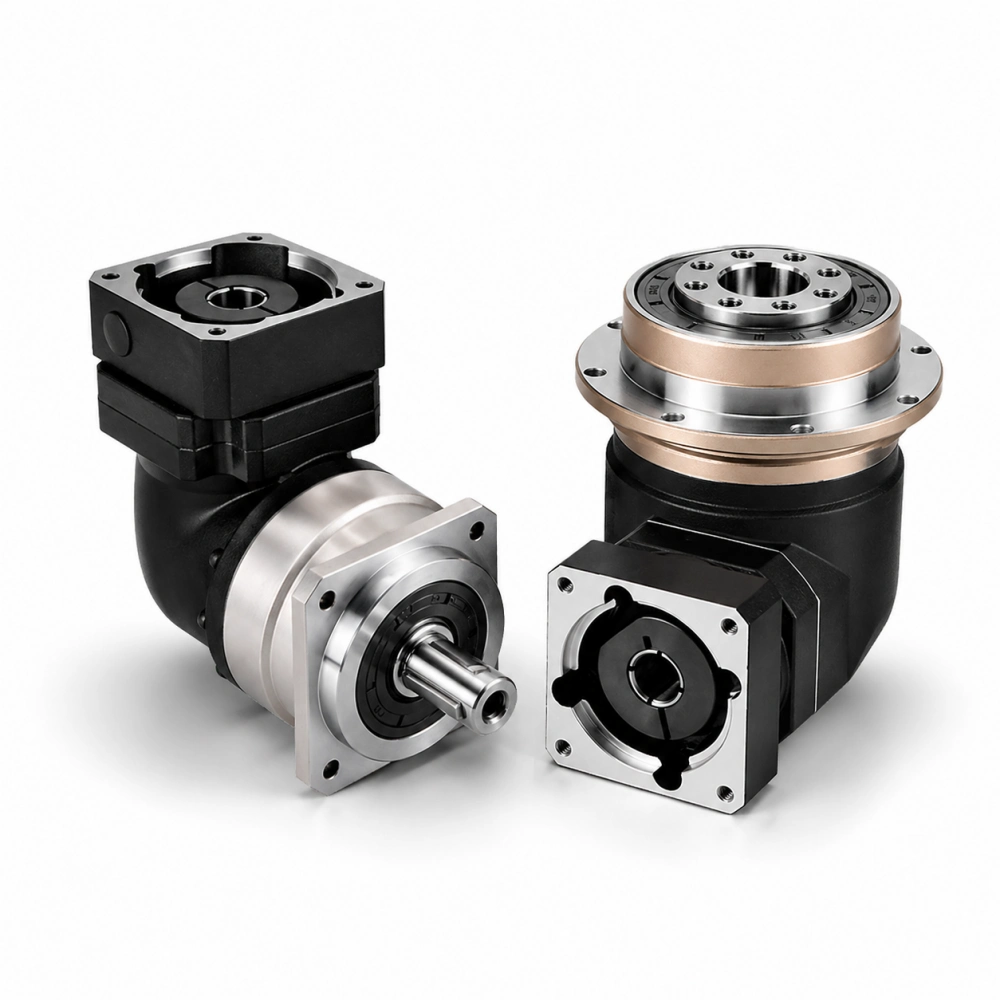
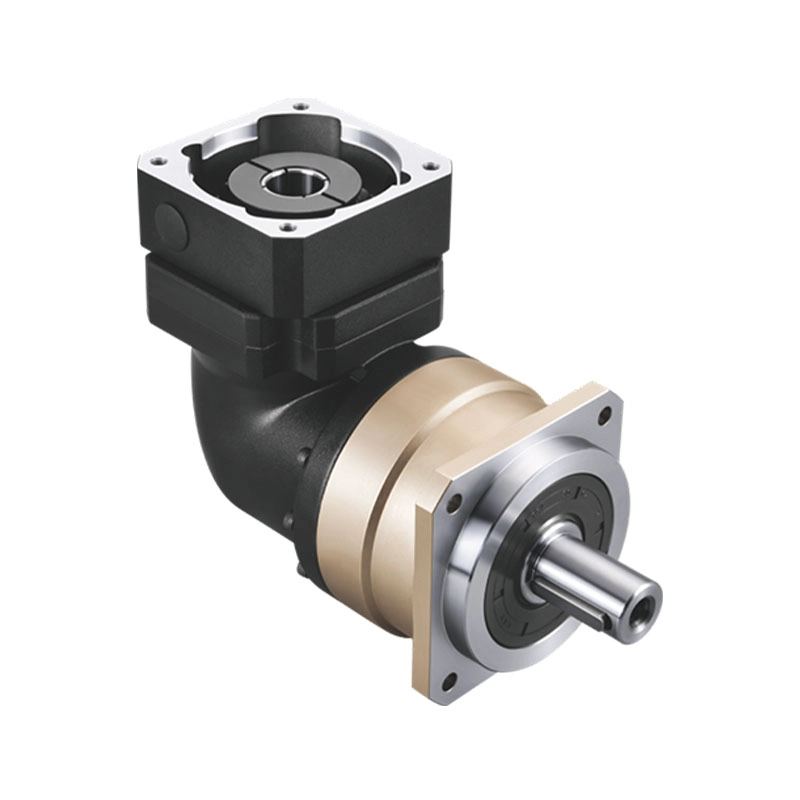
Dongguan Zhuochuang Precision Machinery Co., Ltd provides hollow rotary tables, hollow rotary platforms, planetary gearboxes, right-angle gearboxes, and precision transmission solutions for automation equipment, robotics, CNC-related machinery, packaging systems, inspection machines, and industrial motion control applications.
If you need help selecting a precision rotary table for a new machine or replacement project, you can contact our technical team with your load, fixture size, required accuracy, cycle time, motor information, and installation drawing. These details help us recommend a more suitable rotary positioning solution.
Conclusion
A precision rotary table should not be judged by one accuracy number alone. Repeatability, backlash, runout, rigidity, load support, servo matching, and fixture design all affect real performance in automation equipment.
For machine builders, the best rotary table is not always the highest precision model in the catalog. The better choice is the model that matches the real load, motion pattern, installation space, control method, and long-term production requirement.
By understanding how rotary table accuracy is defined and achieved, buyers can make better decisions and reduce the risk of positioning problems after installation.
FAQ
What is a precision rotary table?
A precision rotary table is a rotary positioning component designed to rotate a fixture or workpiece to controlled angles with stable accuracy and repeatability.
What is the difference between accuracy and repeatability?
Accuracy describes how close the actual position is to the commanded position. Repeatability describes how consistently the table returns to the same position over repeated cycles.
Why does backlash matter in rotary tables?
Backlash can create positioning error when the motion direction changes. Low backlash helps improve positioning stability and control response.
What affects rotary table accuracy?
Rotary table accuracy can be affected by backlash, runout, rigidity, bearing support, load, moment load, fixture design, servo tuning, and installation conditions.
When should I choose a hollow rotary table?
A hollow rotary table is suitable when the machine needs rotary positioning, stable fixture support, compact structure, and cable or air tube routing through the center bore.