
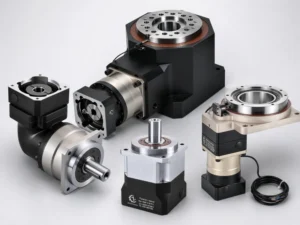
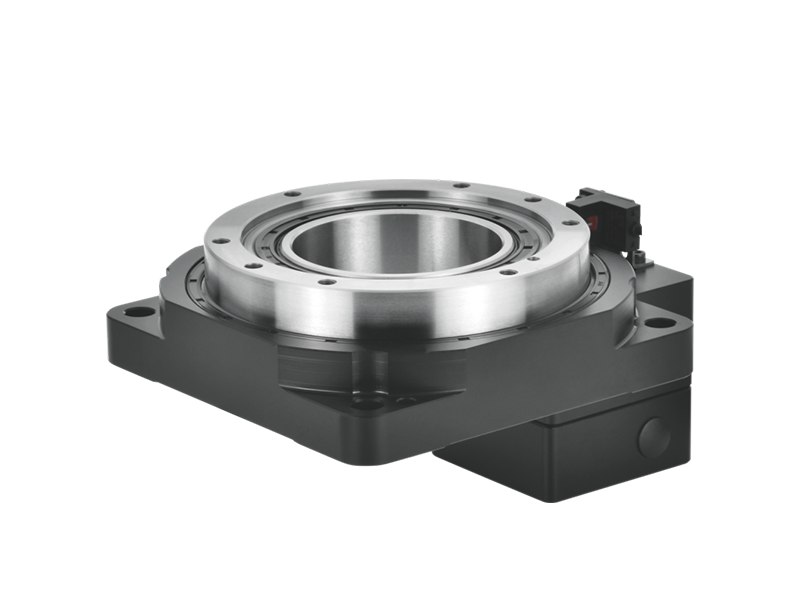
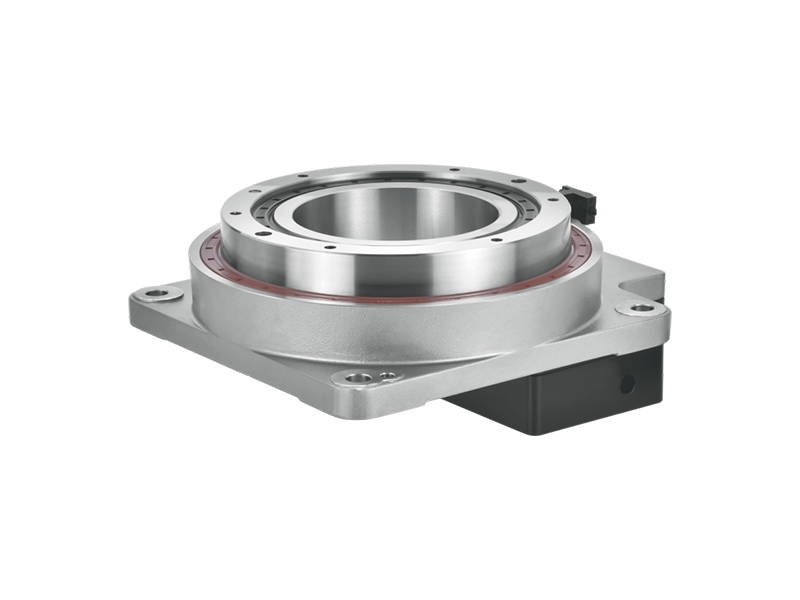
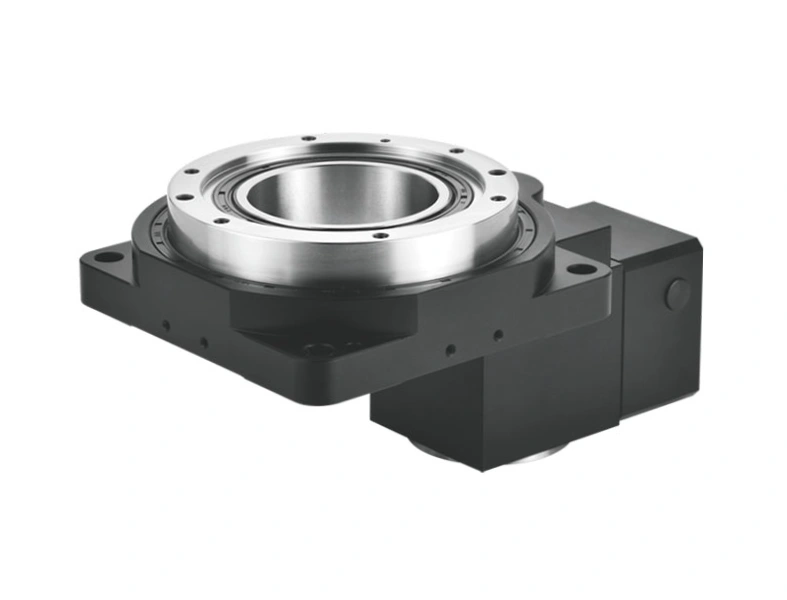
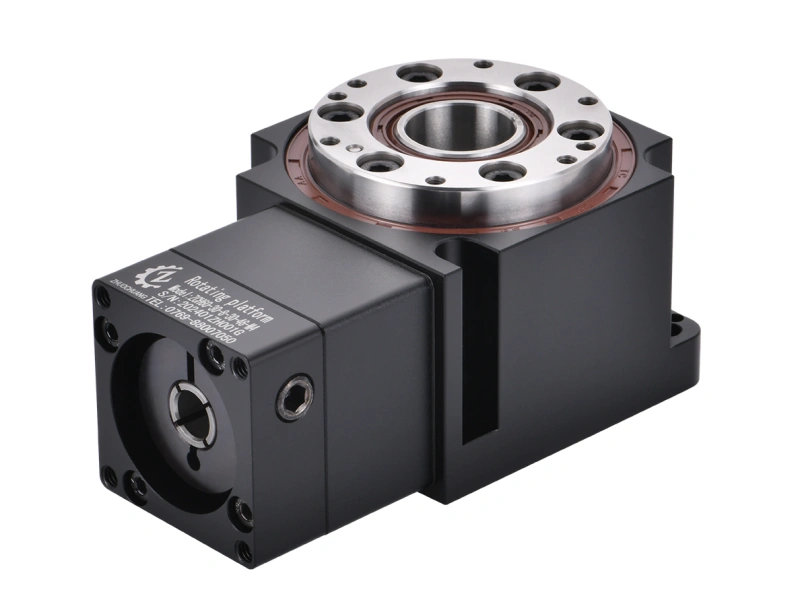
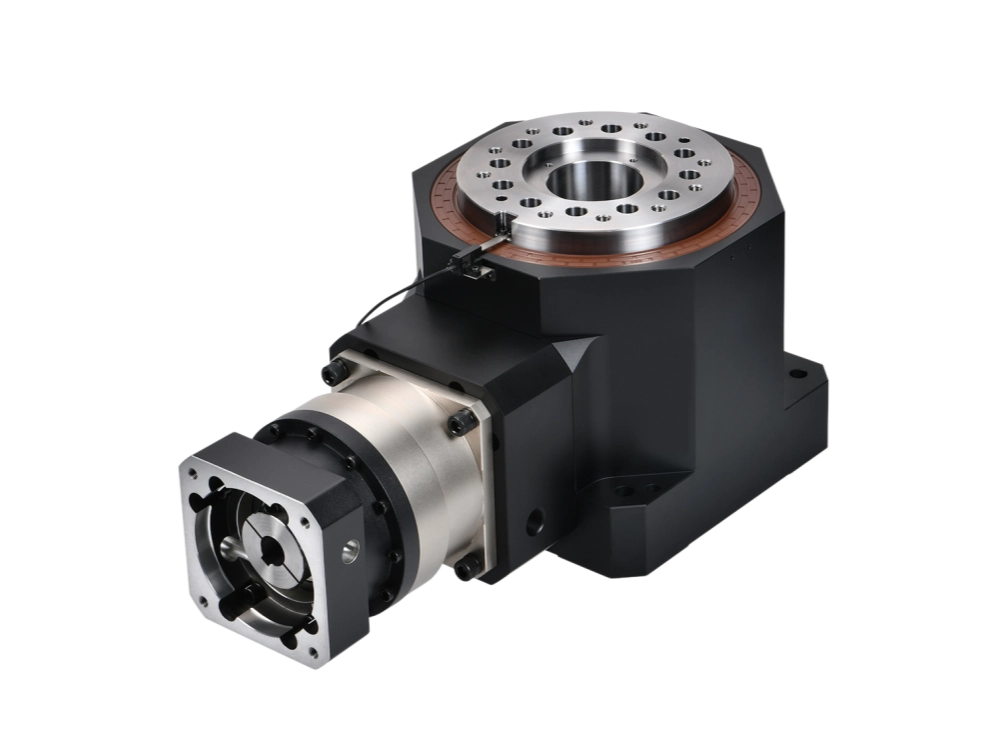
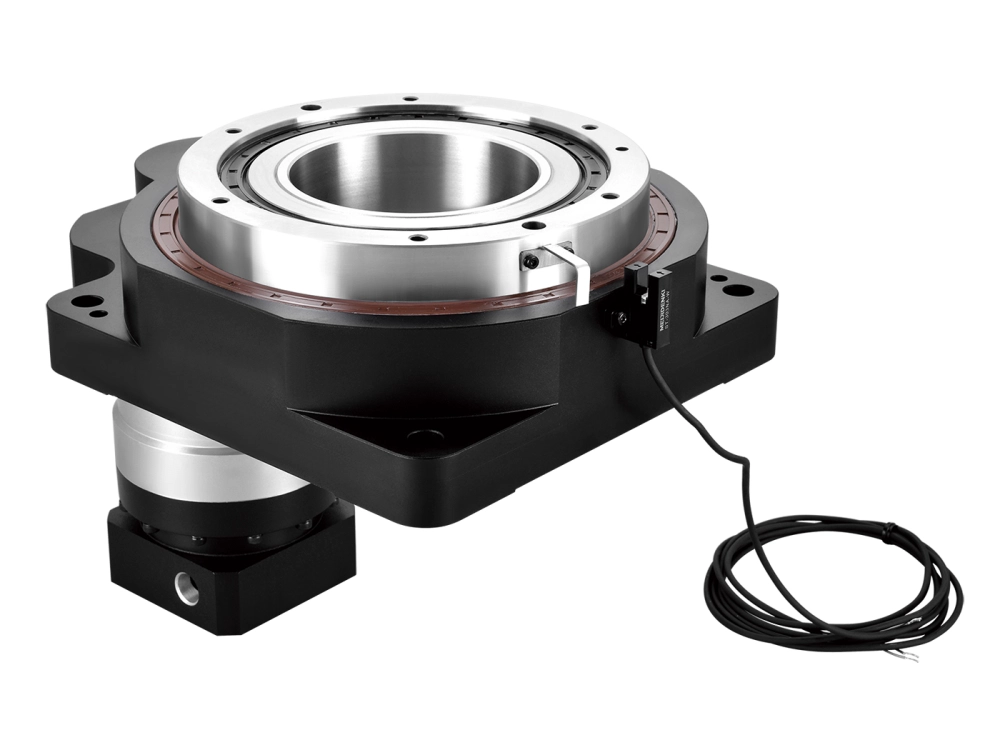
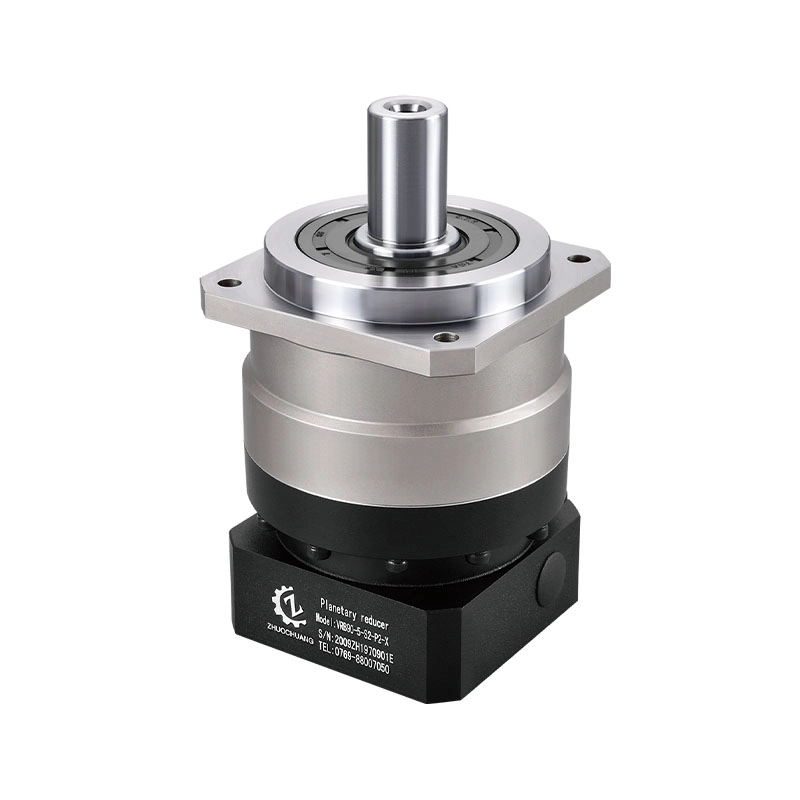
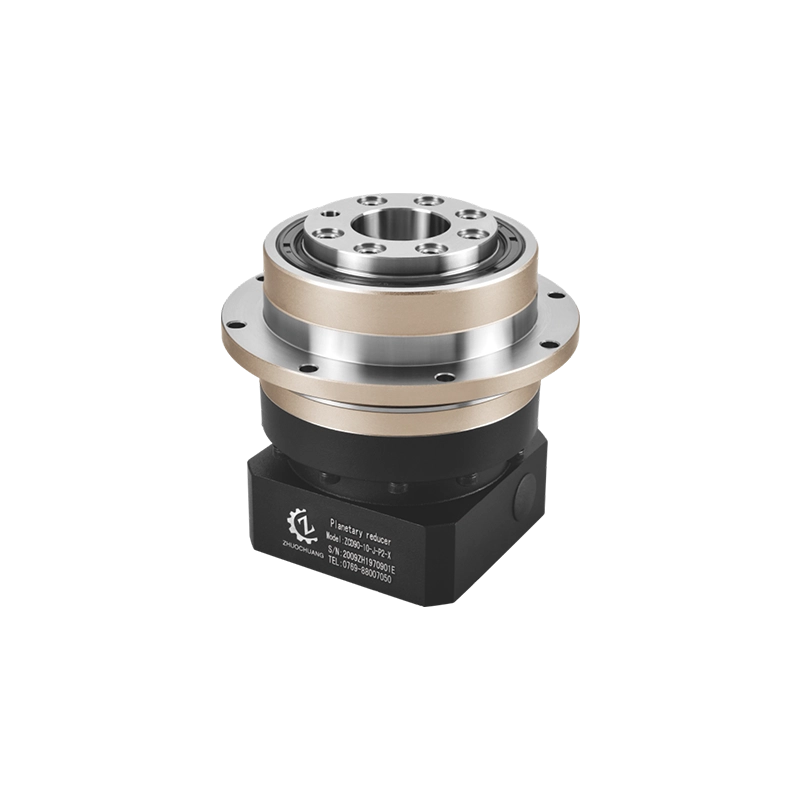
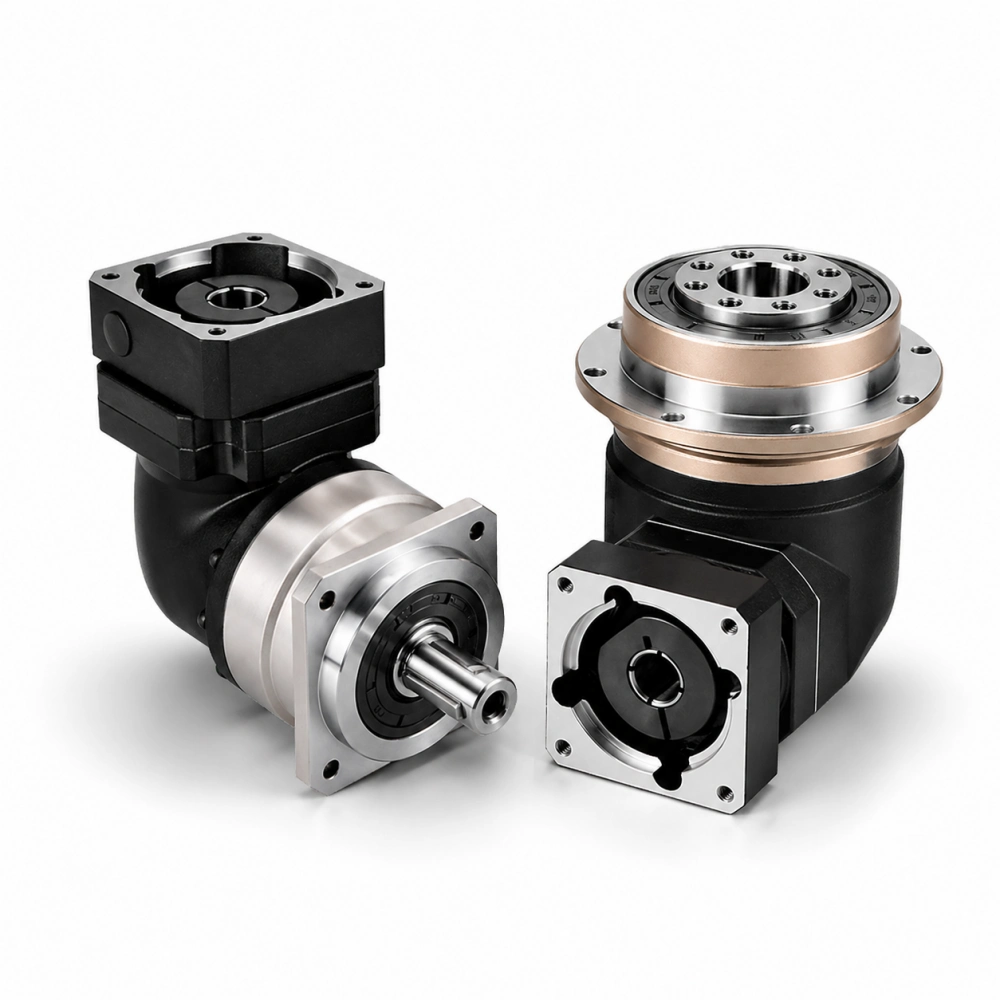
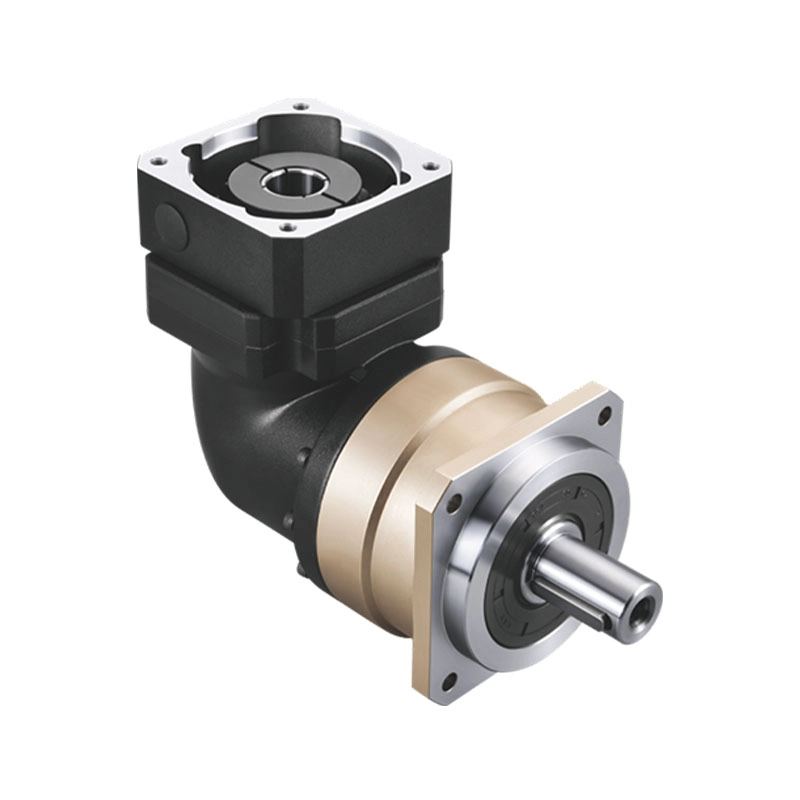
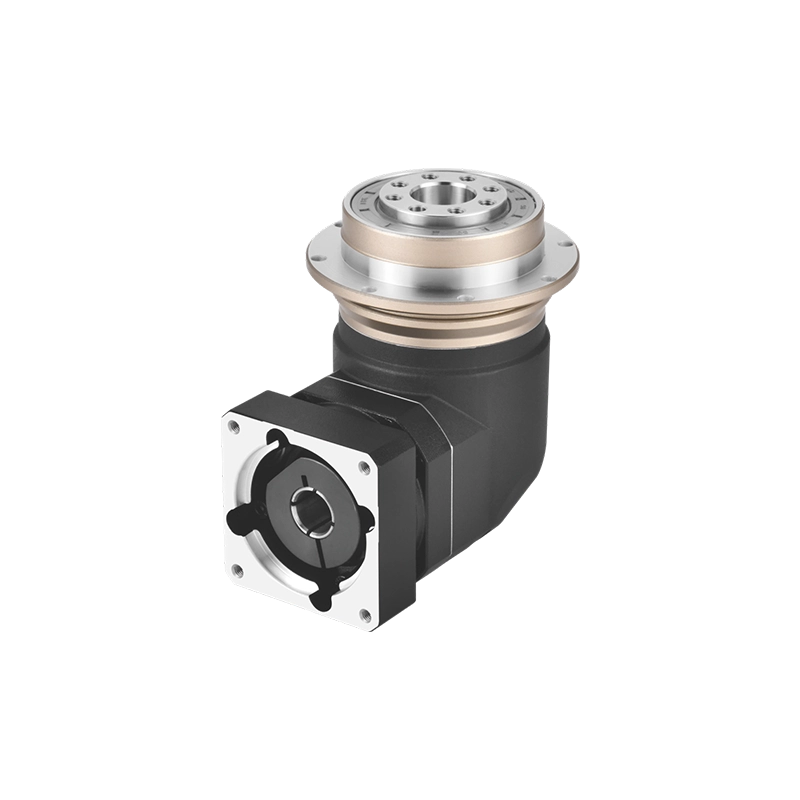
A hollow rotary actuator is a compact rotary motion unit with a center through-hole. In automation equipment, this hollow bore allows cables, air tubes, vacuum lines, or sensor wiring to pass through the center of the rotating structure.
For machine builders, this design is useful because a rotating fixture often needs more than simple rotation. It may also need clean cable routing, stable load support, repeatable positioning, and easy integration with a servo motor or motion control system.
Compared with a simple motor, coupling, bearing, and fixture assembly, a hollow rotary actuator can make the machine structure cleaner and easier to install. This is why hollow rotary actuators are widely used in automated assembly machines, inspection systems, packaging equipment, electronic manufacturing machines, robotic workstations, and precision positioning systems.
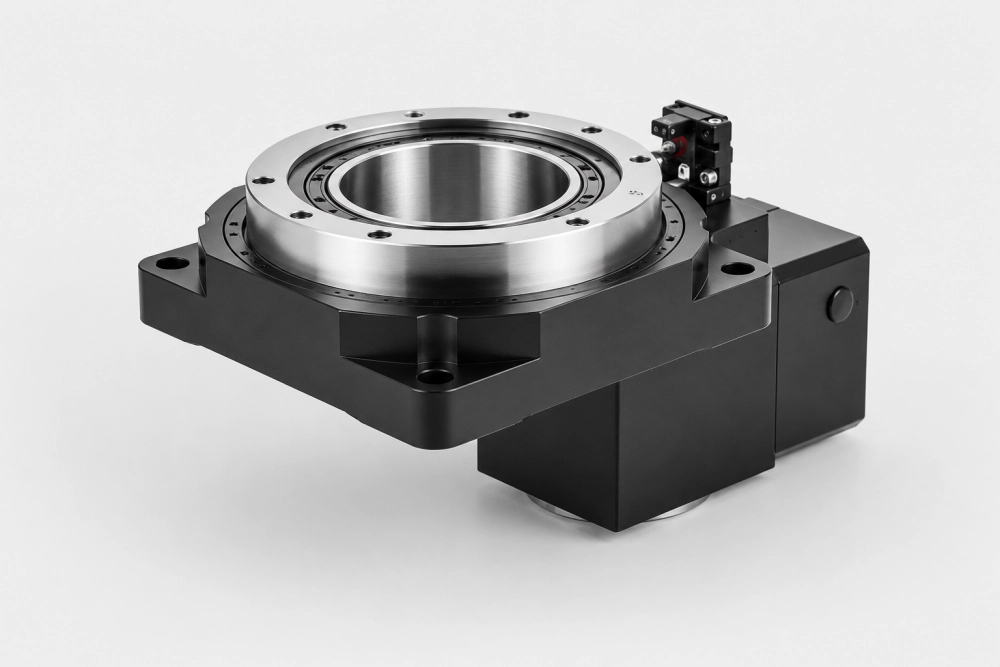
What Is a Hollow Rotary Actuator?
A hollow rotary actuator is a rotary positioning component designed with a center hole through the rotating table or output structure. The hollow center is the key difference between this type of actuator and many standard rotary actuators.
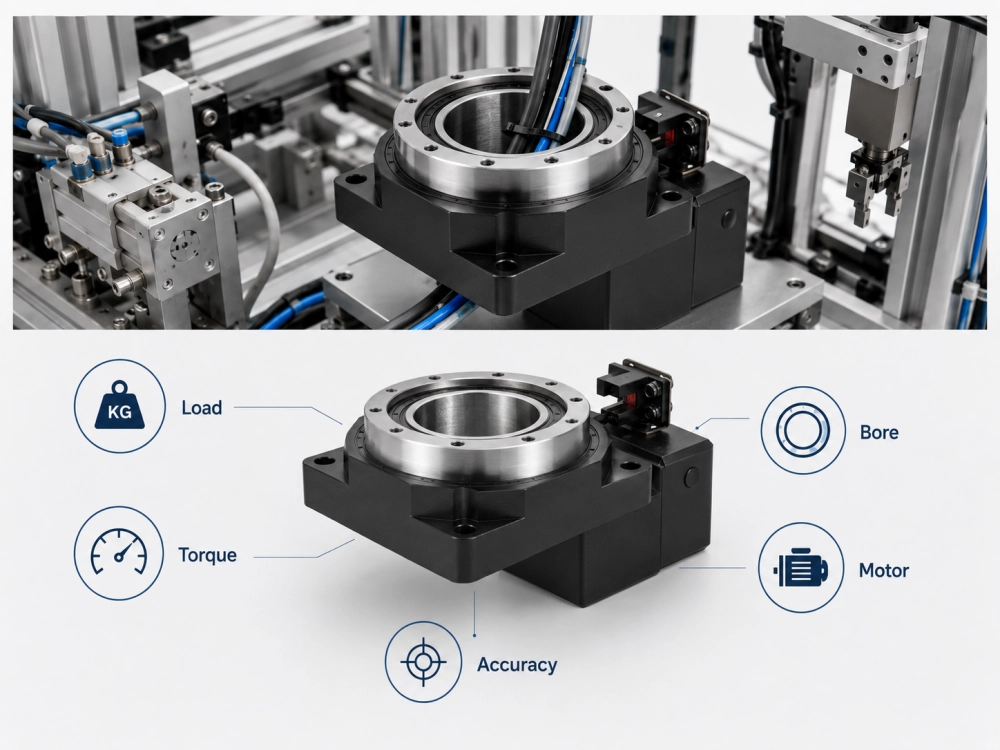
In practical automation projects, the actuator may need to rotate a fixture, workpiece, gripper, inspection platform, or tooling station. If wires or air tubes are connected to the rotating fixture, external routing can become messy. A hollow bore design helps solve this problem by allowing these services to pass through the middle of the actuator.
Depending on the product structure, a hollow rotary actuator may also be called a hollow rotary table, hollow rotary platform, servo rotary table, or rotary positioning table. These names are sometimes used differently by suppliers and buyers, but they often refer to similar compact rotary positioning products for automation equipment.
How a Hollow Rotary Actuator Works
A hollow rotary actuator usually combines several functions into one compact unit. It supports the rotating load, transmits motor torque, controls angular movement, and provides a center bore for routing.
In a typical servo-driven system, the servo motor provides input power. The internal transmission mechanism reduces speed and increases torque. The output table rotates the fixture or workpiece to the required angle. The bearing structure supports radial, axial, and moment loads during operation.
The working process can be summarized in four steps:
- The servo motor or drive system sends rotary motion into the actuator.
- The internal transmission structure converts the input into controlled output rotation.
- The output table supports the fixture and rotates it to the required position.
- Cables, air tubes, or vacuum lines can pass through the hollow center if needed.
This structure makes the actuator more suitable for compact automation machines than a separated motor, coupling, bearing seat, and fixture support design.
Why the Hollow Bore Design Matters
The center bore is not just a small structural feature. In many machines, it directly affects layout, cable life, maintenance, and fixture design.
Without a hollow bore, cables and air tubes may need to be routed around the outside of the rotating table. This can create bending, twisting, interference, and poor machine appearance. It may also make maintenance more difficult.
With a hollow rotary actuator, the center space can be used for:
- sensor cables
- air tubes
- vacuum lines
- fixture wiring
- small shafts or tooling passages
- cleaner machine layout
This is especially valuable in vision inspection equipment, automated assembly machines, electronic manufacturing equipment, and compact rotary stations where space is limited.
Main Advantages of a Hollow Rotary Actuator
Compact Machine Design
A hollow rotary actuator can reduce the number of separate mechanical parts needed in a rotary station. Instead of designing a motor bracket, coupling, bearing support, shaft, and rotating plate separately, machine builders can use one integrated rotary positioning unit.
This helps save installation space and simplifies machine design.
Cleaner Cable and Tube Routing
The hollow bore allows cables and tubes to pass through the center. This reduces external cable bending and keeps the equipment layout cleaner.
For machines with sensors, grippers, vacuum fixtures, or pneumatic clamps on the rotating side, this is one of the most important advantages.
Stable Load Support
A hollow rotary actuator is not only a drive part. It also supports the fixture load. The bearing structure must handle the weight of the fixture, workpiece, and any external force during operation.
This is important for applications where the rotating part is offset from the table center or where the actuator must maintain positioning stability under repeated cycles.
Servo-Controlled Positioning
When matched with a servo motor, a hollow rotary actuator can support programmable angles, variable speed, controlled acceleration, and repeatable stopping.
This makes it more flexible than simple fixed-angle pneumatic rotary actuators.
Better Integration for Automation Equipment
In automation equipment, every component must work with the whole machine structure. A hollow rotary actuator provides a compact way to combine rotation, support, positioning, and routing in one area of the machine.
This can reduce design complexity and improve the appearance and maintainability of the equipment.
Common Applications
Automated Assembly Machines
In assembly equipment, a hollow rotary actuator can rotate a fixture between loading, pressing, fastening, inspection, and unloading positions.
The center bore is useful when the fixture needs air tubes, sensor wires, or vacuum lines. The actuator can keep the station compact while supporting repeatable positioning.
Vision Inspection Equipment
Vision inspection systems often need to inspect a product from different angles. A hollow rotary actuator can rotate the part under a camera, light source, or sensor.
Repeatable positioning is important because the camera position, lighting angle, and product orientation must remain stable during inspection.
Packaging Machinery
Packaging machines may use hollow rotary actuators for product orientation, labeling, sealing, indexing, or transfer. These machines often run continuously, so stable operation and easy maintenance are important.
Electronic Manufacturing Equipment
In electronic assembly and testing machines, space is often limited. A compact hollow rotary actuator can support part rotation while keeping cables and tubes organized.
Robotic Workstations
A hollow rotary actuator can work as an auxiliary positioning axis for a robot. It can rotate a workpiece to a better pickup, assembly, inspection, or processing angle.
This can reduce robot path complexity and improve workstation efficiency.
Hollow Rotary Actuator vs Standard Rotary Actuator
A standard rotary actuator mainly provides rotary motion. A hollow rotary actuator provides rotary motion and also solves structural integration problems.
| Item | Standard Rotary Actuator | Hollow Rotary Actuator |
|---|---|---|
| Center bore | Usually limited or unavailable | Designed with a through-hole |
| Cable routing | Often external | Can pass through the center |
| Fixture support | May need extra structure | Integrated table-style support |
| Automation layout | May require more space | More compact and cleaner |
| Typical use | Simple rotation | Precision positioning and automation |
This does not mean a hollow rotary actuator is always the best choice. For simple two-position motion, a pneumatic rotary actuator may be enough. But when the machine needs compact layout, cable routing, servo control, and stable fixture support, a hollow rotary actuator is often more suitable.
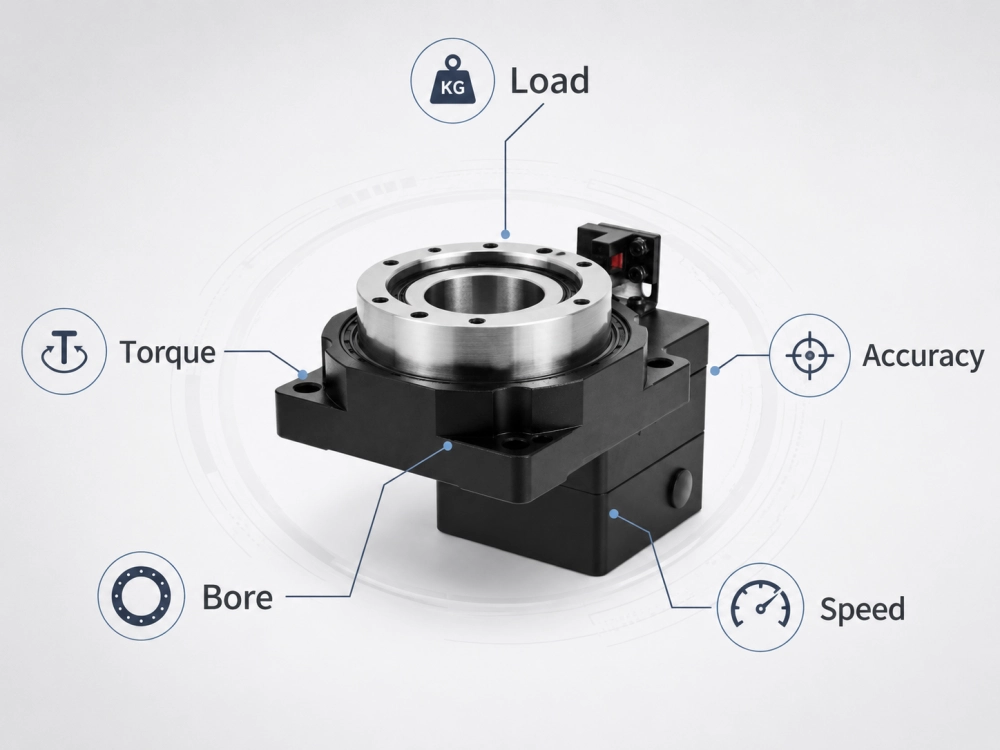
Key Selection Factors
Choosing a hollow rotary actuator should not be based only on table size. The real application conditions are more important.
Load and Moment
Check the weight of the fixture, workpiece, and any external force. Also check the distance between the load center and the actuator center. Offset loads create moment load, which can affect bearing life and positioning stability.
Required Torque
The actuator must provide enough torque for acceleration, rotation, stopping, and holding. In indexing applications, peak torque during acceleration and deceleration may be higher than the steady running torque.
Positioning Accuracy and Repeatability
For automation equipment, repeatability is often more important than absolute accuracy. The actuator should stop consistently at the required position over repeated cycles.
Hollow Bore Size
The bore size should be large enough for cables, air tubes, vacuum lines, or fixture wiring. It should also leave enough space for safe routing and future maintenance.
Motor Interface
The actuator must match the selected servo motor or stepper motor. Motor flange size, shaft diameter, mounting holes, and input connection should be confirmed before ordering.
Installation Space
Check machine height, width, motor direction, cable exit direction, and maintenance access. A compact actuator still needs enough space for installation and service.
When to Choose a Hollow Rotary Actuator
A hollow rotary actuator is a good choice when the machine needs rotary positioning and a clean structure at the same time.
It is especially suitable when:
- the fixture needs to rotate repeatedly
- cables or air tubes must pass through the center
- the machine requires compact layout
- the actuator must support the fixture load
- servo-controlled positioning is required
- the application needs stable repeatability
- the machine builder wants to reduce separate mechanical parts
For applications with higher load or larger table size requirements, the ZBT Series hollow rotary table can be used as one reference structure. Other series may be more suitable for different bore sizes, installation layouts, or accuracy requirements.
Working with a Manufacturer
Catalog dimensions and torque data are useful, but they cannot fully replace application review. A hollow rotary actuator must match the real machine condition, including load, fixture shape, installation direction, motor type, cycle time, and cable routing method.
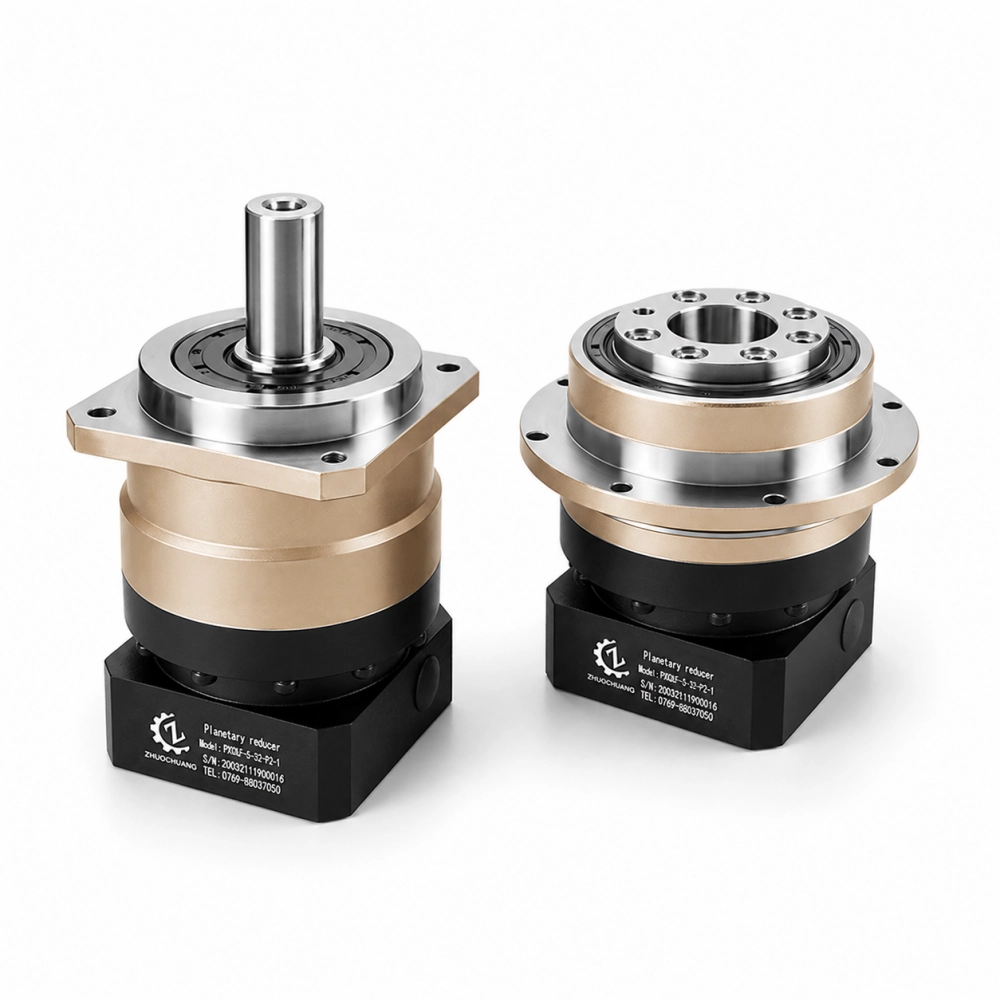
Dongguan Zhuochuang Precision Machinery Co., Ltd provides hollow rotary tables, hollow rotary platforms, planetary gearboxes, right-angle gearboxes, and precision transmission solutions for automation equipment, robotics, CNC-related machinery, packaging systems, inspection machines, and industrial motion control applications.
If you are selecting a hollow rotary actuator for a new machine or replacement project, you can contact our technical team with your load, fixture size, required angle, cycle time, motor information, and installation drawing. These details help us recommend a more suitable rotary positioning solution.
Conclusion
A hollow rotary actuator is more than a rotary motion component. It combines rotation, fixture support, servo positioning, and center cable routing in one compact structure.
For automation equipment, this can help reduce machine size, simplify wiring, improve maintainability, and support stable rotary positioning. It is especially useful in assembly machines, inspection systems, packaging equipment, electronic manufacturing equipment, and robotic workstations.
The right hollow rotary actuator should be selected based on load, torque, moment, bore size, accuracy, motor interface, installation space, and cycle time. When these factors are reviewed together, the actuator can become a reliable part of the machine structure rather than just a rotating component.
FAQ
What is a hollow rotary actuator?
A hollow rotary actuator is a rotary motion unit with a center through-hole. It can rotate a fixture or workpiece while allowing cables, air tubes, vacuum lines, or wiring to pass through the center.
Is a hollow rotary actuator the same as a hollow rotary table?
In many automation applications, the terms are closely related. A hollow rotary table is often used as a table-style hollow rotary actuator for precision positioning and fixture support.
What is the main advantage of a hollow bore?
The hollow bore allows cleaner cable and tube routing through the center of the actuator. This helps reduce external cable twisting and makes the machine layout cleaner.
Where are hollow rotary actuators used?
They are commonly used in automated assembly machines, vision inspection systems, packaging machinery, electronic manufacturing equipment, testing machines, and robotic workstations.
How do I choose a hollow rotary actuator?
Check the load, moment, torque, accuracy, repeatability, bore size, motor interface, installation space, cycle time, and cable routing requirements before selecting a model.