
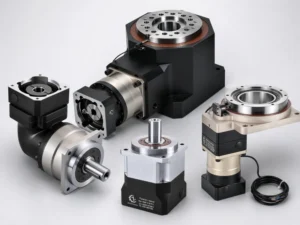
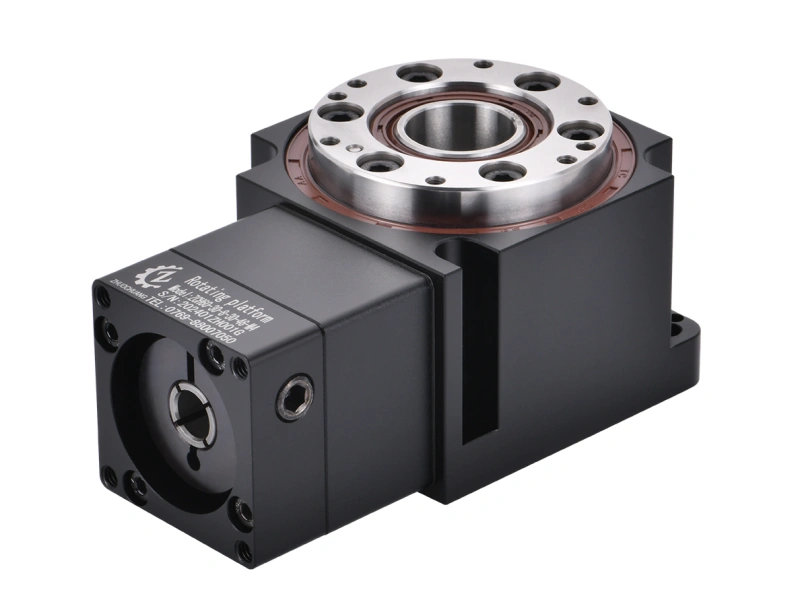
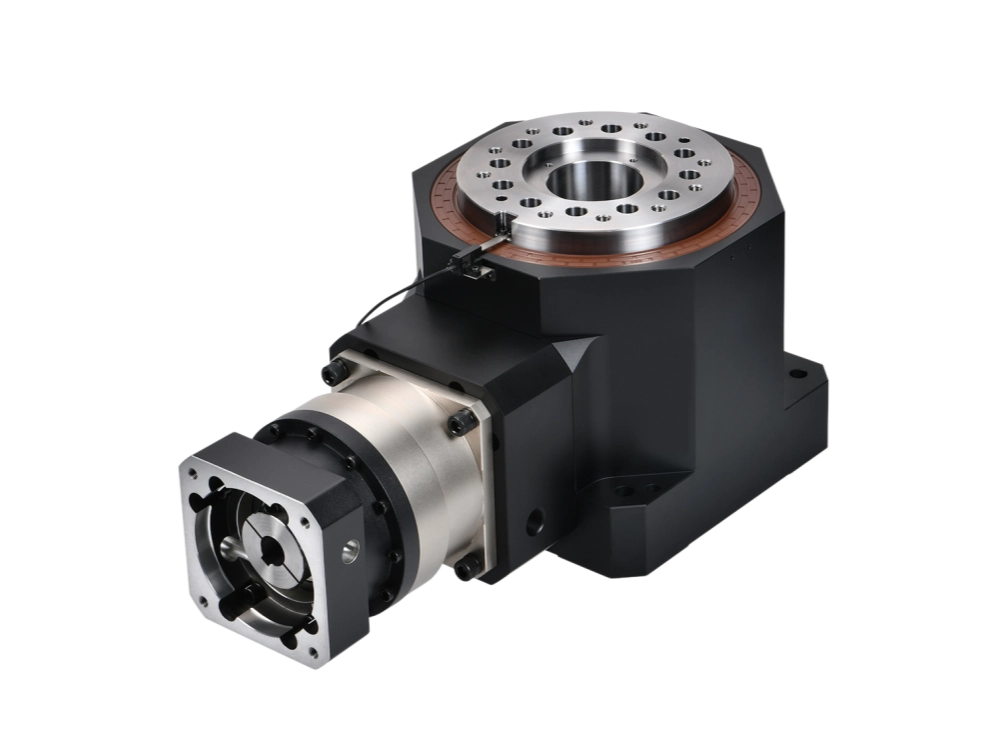
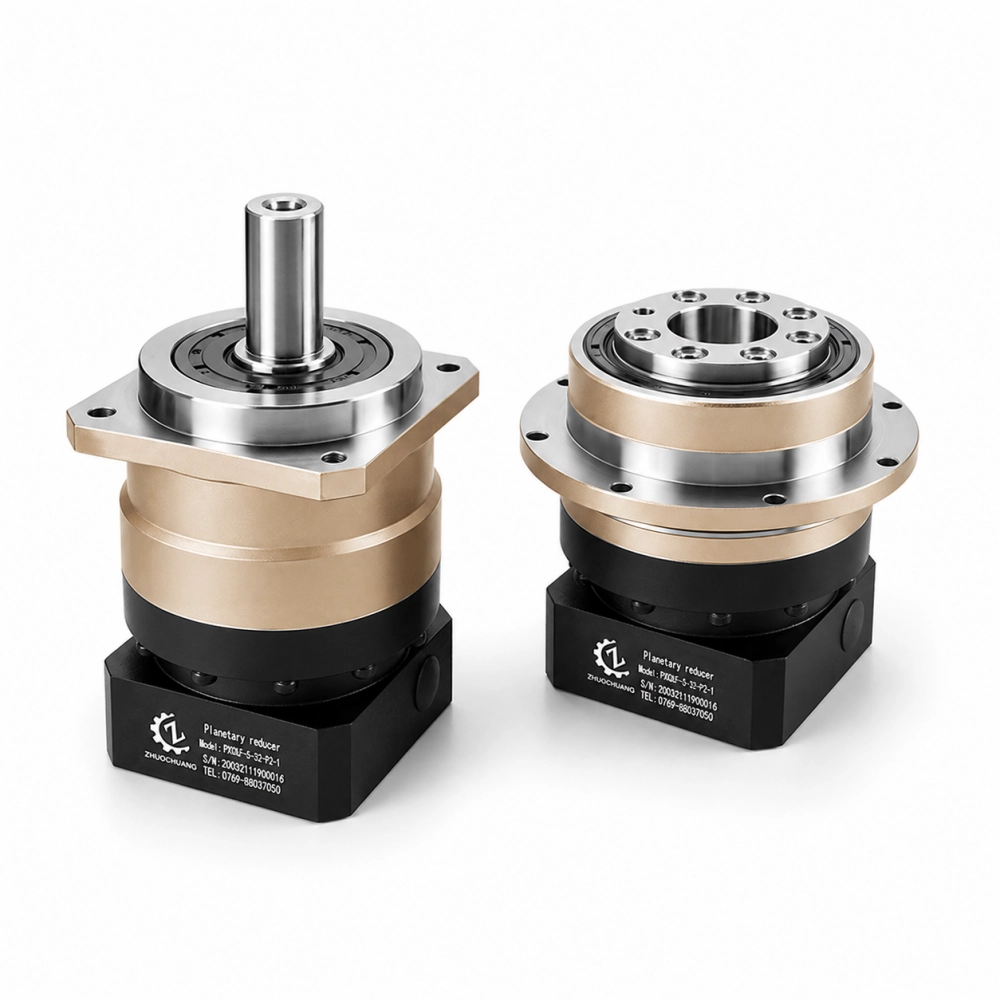
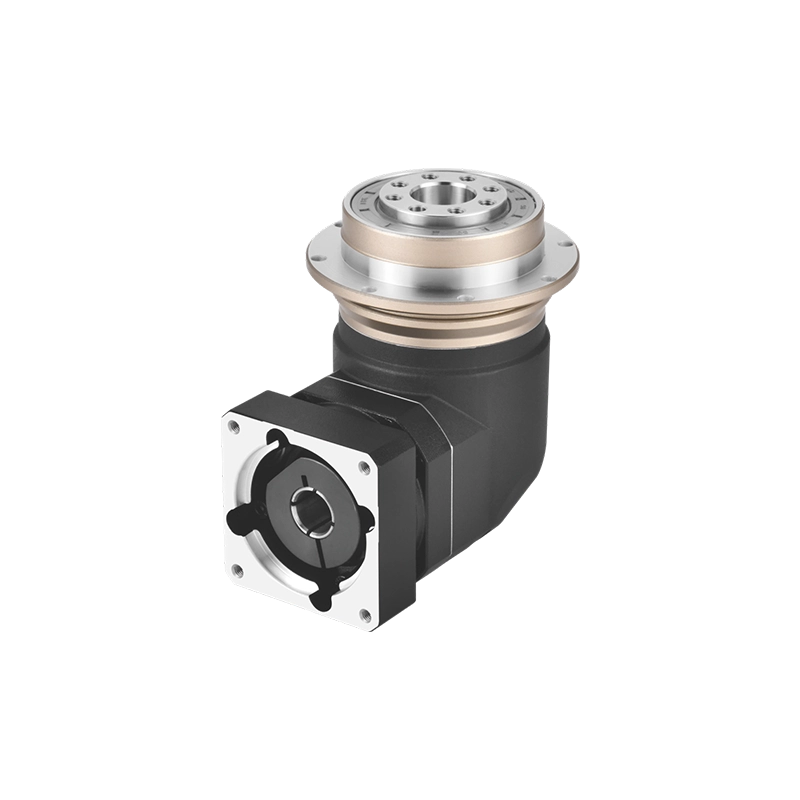
When a rotary table stops, the fixture should stop with it. If the table reaches the commanded angle but the workpiece still shifts, vibrates, or returns with small position changes, the problem may not be only in the controller.
Rotary table backlash is one of the common causes of positioning error in automation equipment. It may appear during direction changes, start-stop indexing, fixture loading, or repeated station positioning. In many projects, backlash is connected with rigidity, load inertia, installation quality, and fixture design.
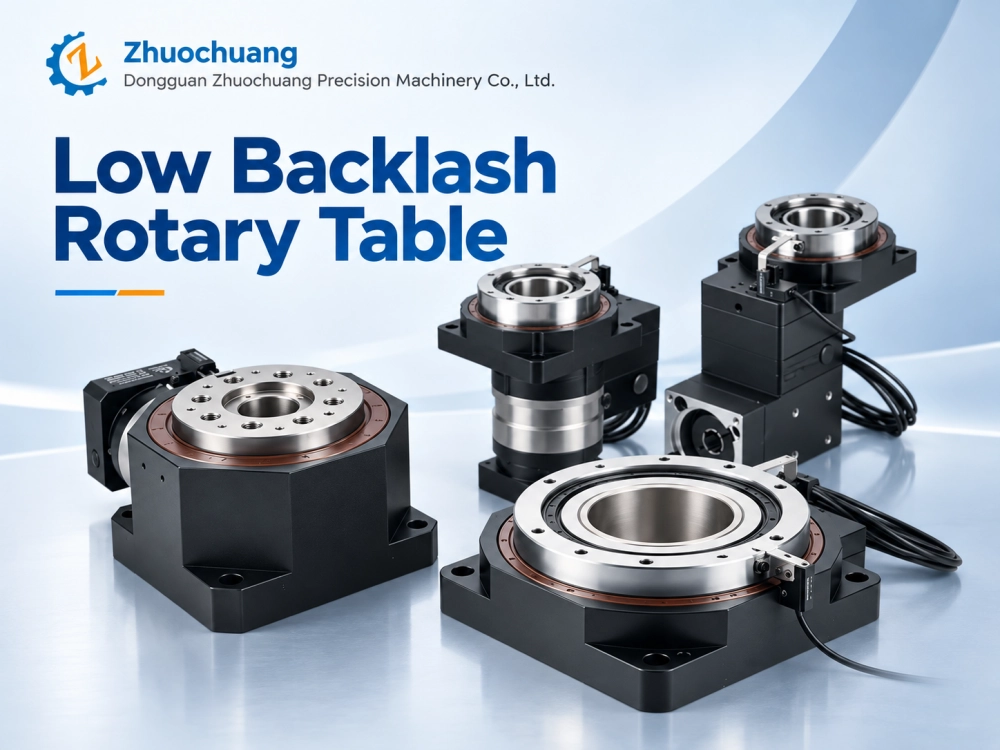
Rotary Table Backlash Problems Usually Appear After Installation
Rotary table backlash is easy to ignore during early design because the product may look rigid when it is not moving. The issue often appears after the machine is assembled, the fixture is installed, and the system starts running repeated indexing cycles.
Typical symptoms include small position differences after each stop, fixture shaking during acceleration, unstable inspection results, screw locking misalignment, uneven assembly quality, or the need to repeatedly adjust station tools.
In some cases, the rotary table itself is not defective. The real problem is that the selected structure does not match the load, speed, stop accuracy, fixture layout, or installation direction. This is why backlash should be considered as part of the complete rotary positioning system.
Positioning Error Is Not Always a Controller Problem
When a rotary axis does not stop exactly as expected, many users first check the servo parameters, PLC program, or motion controller. These checks are necessary, but they do not explain every positioning issue.
A controller can command the motor to move to the correct position. However, the final fixture position also depends on the mechanical transmission, gear engagement, bearing support, table rigidity, coupling condition, and load inertia.
If there is clearance or elastic deformation in the system, the workpiece may not return to the same physical position even when the motor encoder reports the correct position. A low backlash rotary table can help reduce mechanical clearance, but it must work together with proper sizing, correct installation, and suitable fixture design.
How Rotary Table Backlash Appears During Indexing Motion
Rotary table backlash is most noticeable when the rotation direction changes or when the table stops after acceleration. In assembly, inspection, packaging, and testing equipment, the rotary table often repeats the same motion thousands of times. Even small clearance can gradually become visible as unstable stop behavior.
For example, a table may rotate 90 degrees, stop, wait for a station process, and then move again. If the fixture has mass or an offset center of gravity, it can create a moment load on the output table. During stopping, the load may push against the transmission clearance. The table stops, but the fixture may settle slightly after the stop.
This is why rotary table backlash should be checked together with fixture weight, load position, acceleration, dwell time, and required station accuracy. Looking only at the outside table size is usually not enough.
Repeatability, Backlash, and Rigidity Are Different Problems
In rotary positioning systems, several terms are often mixed together: accuracy, repeatability, backlash, and rigidity. They are related, but they are not the same problem.
- Accuracy describes how close the actual position is to the commanded or theoretical position.
- Repeatability describes whether the table can return to the same position again and again.
- Backlash describes clearance in the transmission when force or direction changes.
- Rigidity describes how strongly the structure resists deformation under load.
A low backlash rotary table can improve positioning stability during direction changes or start-stop motion. However, if the table is undersized, the bearing support is not strong enough, or the fixture is too large, rigidity problems may still remain.
For high-quality automation equipment, rotary table backlash, repeatability, rigidity, load capacity, and fixture design should be checked together rather than separately.
Why Load Inertia Can Make Rotary Table Backlash Look Worse
Load inertia is one of the most common reasons why a rotary table works well in simple testing but performs poorly after the real fixture is added. A small workpiece may not create much influence, but a large tooling plate, clamps, sensors, pneumatic parts, and offset workpieces can create much higher rotational inertia.
When the rotary table accelerates or decelerates, this inertia acts against the transmission system. If the table has backlash or insufficient rigidity, the fixture may overshoot, settle slowly, or vibrate at the stop position.
This does not mean every application needs the highest-grade rotary table. It means the selection should match the real load condition. A light-load inspection fixture, a heavy assembly tooling plate, and a side-mounted rotary fixture may require different structures even if the requested rotation angle is the same.
Not Sure Whether Backlash Is the Real Problem?
Send the load weight, fixture size, rotation angle, speed, installation direction, and required repeatability. A simple photo or sketch is enough for an initial review.
Fixture Design Can Increase Rotary Table Backlash Symptoms
Sometimes the rotary table is correctly selected, but the fixture design still causes unstable positioning. A long tooling plate, high center of gravity, weak mounting surface, uneven load distribution, or flexible fixture connection can all make backlash symptoms more obvious.
The output table should be connected to the fixture with enough mounting stiffness. If the fixture is mounted only on a thin adapter plate, the plate itself may flex during motion. If the load is far from the center, the rotary table must resist higher moment load.
Cables, air tubes, or external pulling forces may also affect the final stop position. For this reason, rotary table backlash should not be judged from the rotary table alone. The complete fixture layout should also be reviewed.
When a Low Backlash Rotary Table Is Necessary
A low backlash rotary table becomes more important when the process depends on repeatable angular positioning. The more sensitive the station process is, the more carefully backlash should be controlled.
Typical cases include camera inspection, small part assembly, connector assembly, dispensing, marking, laser processing, screw locking, precision testing, electronic component positioning, and multi-station automation systems.
In these applications, even a small angular error can become a visible position error at the edge of the fixture. A low backlash rotary table helps reduce unwanted movement and improves the stability of each stop position.
When Low Backlash Alone Cannot Solve the Problem
Low backlash is important, but it is not a magic solution. If the model is too small for the load, the fixture is poorly supported, or the acceleration is too aggressive, the machine may still have vibration or unstable stopping.
Before assuming that a higher precision rotary table will solve everything, it is better to check the full system:
- Is the load within the rated capacity?
- Is the fixture balanced around the center?
- Is the installation surface flat and rigid?
- Is the rotary table mounted horizontally, vertically, or at an angle?
- Is the motor sized correctly for inertia and cycle time?
- Are cables, tubes, or external forces pulling the fixture?
In many real projects, backlash, rigidity, inertia, and installation are connected. A good selection process should look at all of them.
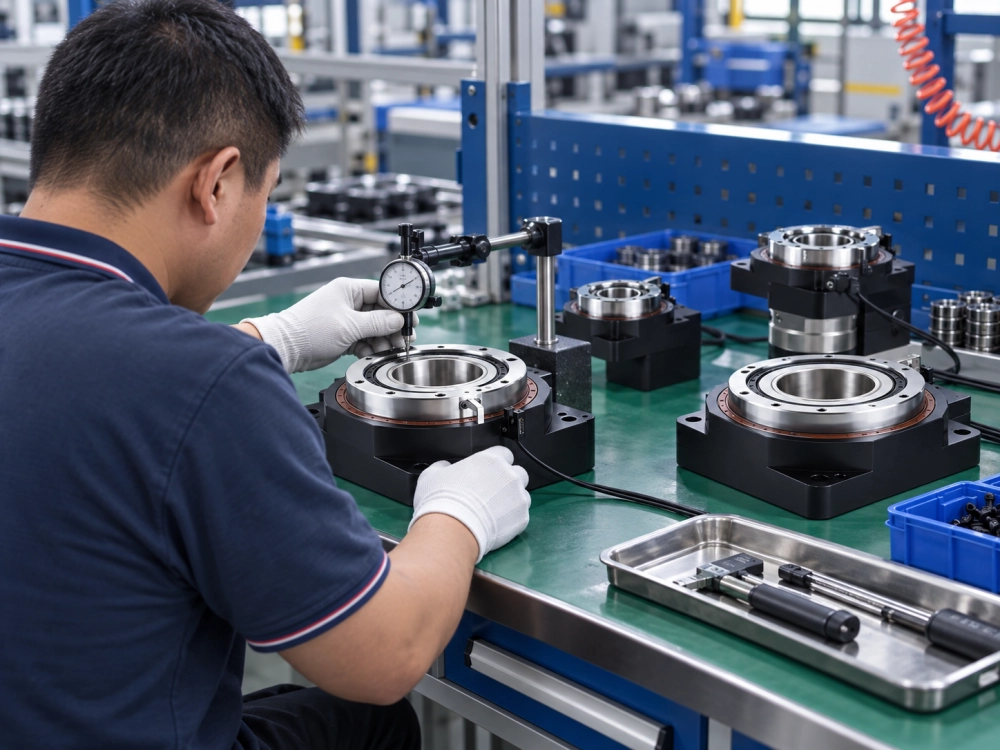
Checklist Before Checking Rotary Table Backlash
To identify the cause of positioning error, prepare the following information before asking a supplier to review the rotary table backlash problem:
- Fixture and workpiece weight
- Fixture diameter or overall size
- Load position and offset distance
- Required rotation angle
- Indexing time and dwell time
- Required repeatability
- Allowed backlash range if specified
- Horizontal, vertical, or side mounting
- Motor type or motor brand
- Need for hollow bore cable routing
- Working hours per day
- Quantity and project schedule
This information helps determine whether the problem comes from rotary table backlash, model selection, fixture rigidity, installation method, motor sizing, or the working cycle. It also helps avoid recommending a product that is too small, too costly, or not suitable for the application.
Practical Selection Notes for Automation Equipment
For automation equipment builders, the goal is not always to select the most expensive low backlash rotary table. The better goal is to select a structure that matches the real process requirement.
If the machine only moves a light fixture slowly, a standard model may be sufficient. If the machine has fast indexing, frequent direction changes, heavy tooling, or strict station alignment, a stronger structure with lower backlash and better rigidity may be required.
When comparing models, pay attention to the complete working condition instead of only one parameter. Rotary table backlash, repeatability, load capacity, bearing rigidity, motor matching, and installation direction should all be considered together.
You may also find it useful to read our guide on precision rotary table accuracy if your project involves repeatability, backlash, runout, and positioning stability.
Rotary Table Backlash in Hollow Bore Applications
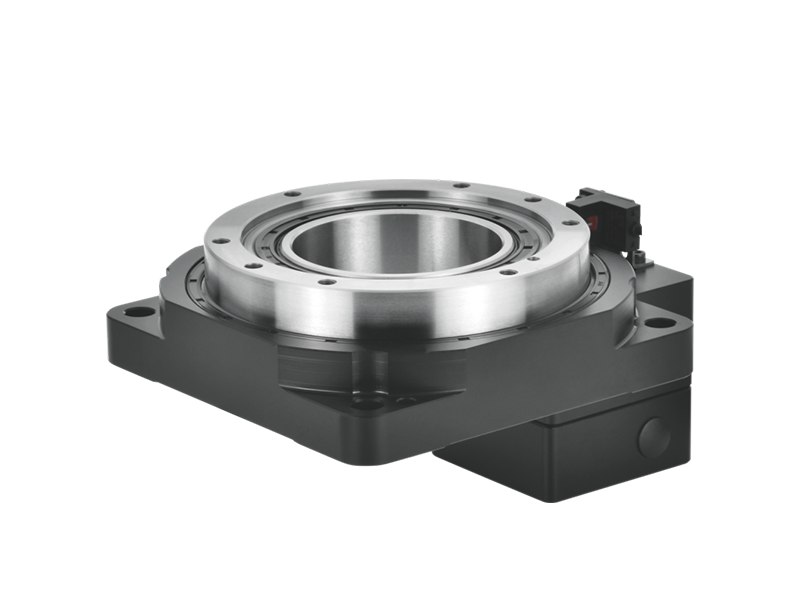
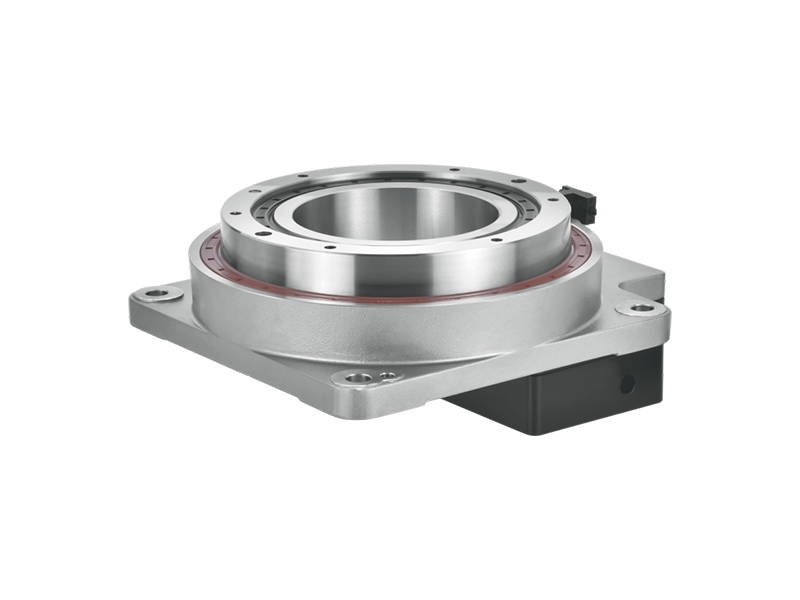
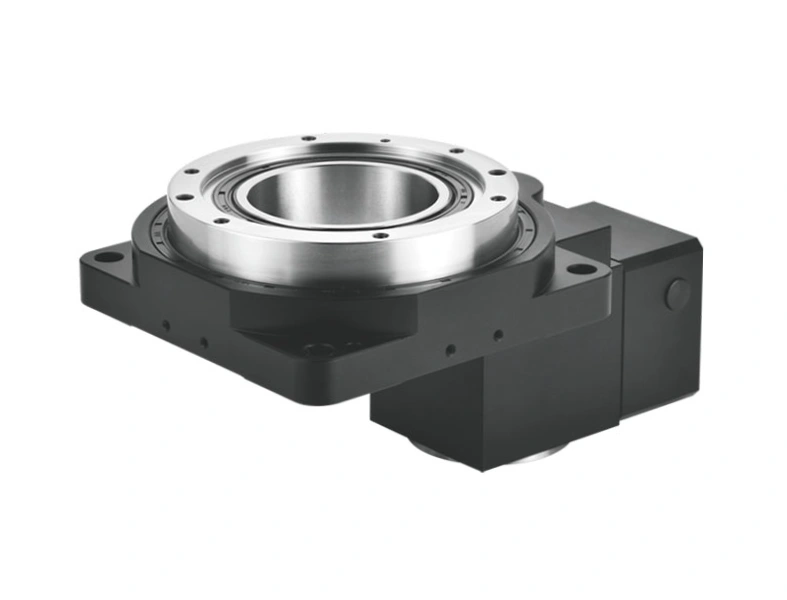
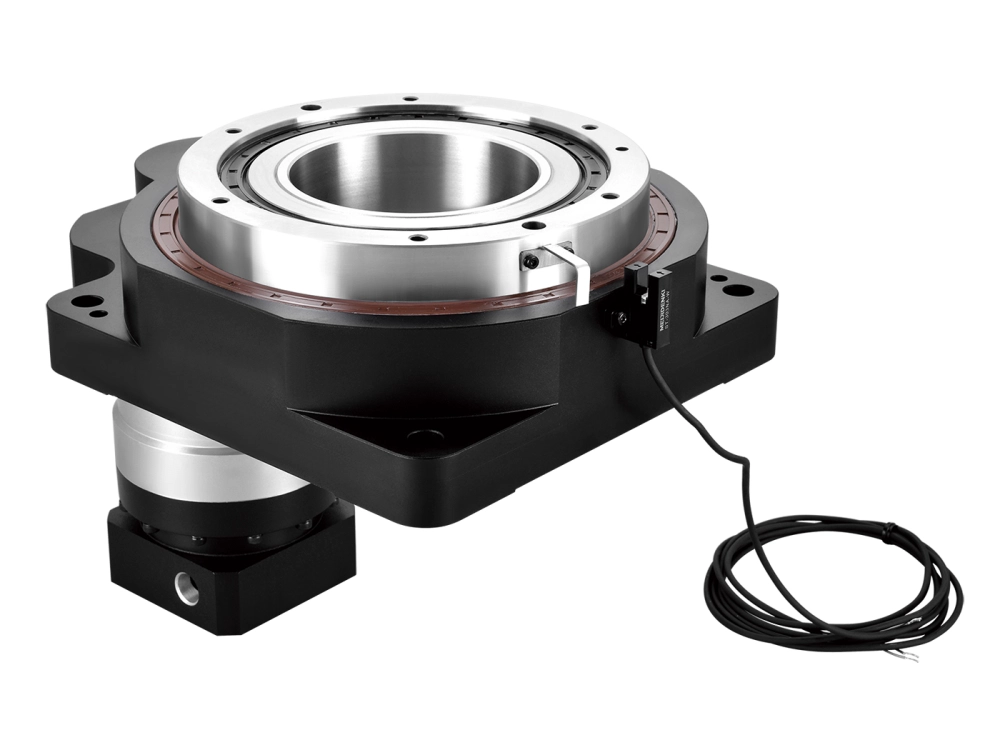
Many automation projects need a rotary table with a hollow bore. The central through-hole can be used for cable routing, air tubes, vacuum lines, wiring, or fixture connection. This is useful in inspection systems, assembly machines, packaging equipment, and compact rotary positioning stations.
However, the hollow bore size also affects the structure. A larger bore may require stronger bearing support and a more rigid body to maintain stable positioning. If the structure is not selected correctly, rotary table backlash and fixture movement may become more visible during indexing motion.
For applications requiring clean cable routing through the center, you can review our hollow rotary table product range before sending your parameters.
FAQ About Rotary Table Backlash
What is rotary table backlash?
Rotary table backlash is mechanical clearance that may appear during direction change, start-stop motion, or external loading. It can cause small positioning differences, unstable stopping, or repeatability problems.
Does low backlash mean high accuracy?
Not always. Backlash, accuracy, repeatability, and rigidity are related but different. A low backlash rotary table can improve positioning stability, but final accuracy also depends on load, installation, motor control, and fixture design.
Why does my rotary table stop at different positions?
The cause may be rotary table backlash, insufficient rigidity, load inertia, motor tuning, fixture flexing, or external force from cables and air tubes. The complete rotary system should be checked, not only the controller.
When should I choose a low backlash rotary table?
It is suitable when the machine requires repeatable stop positions, stable fixture alignment, frequent indexing, direction changes, inspection accuracy, or precise assembly station positioning.
What information is needed for rotary table backlash review?
Useful information includes load weight, fixture size, rotation angle, speed, repeatability requirement, installation direction, motor interface, hollow bore requirement, and working cycle.
Conclusion
Rotary table backlash is not only a product parameter. It is connected with load, fixture layout, rotation speed, repeatability requirement, motor interface, and installation condition.
For machine builders, the practical goal is stable positioning after every index. Reducing backlash is important, but the best result comes from checking backlash, rigidity, inertia, and fixture design together.