
Introduction
In modern manufacturing and automation, precision is everything. Whether you are producing aerospace components, automotive parts, or complex industrial equipment, achieving accurate positioning is critical. One of the most important tools used to achieve this level of precision is the rotary table.
But what exactly is a rotary table, and how does it work? More importantly, why has it become an essential component in CNC machining and automation systems?
In this guide, we will break down everything you need to know—from basic definitions to real-world applications—so you can fully understand how rotary tables improve efficiency, accuracy, and productivity.
What Is a Rotary Table?
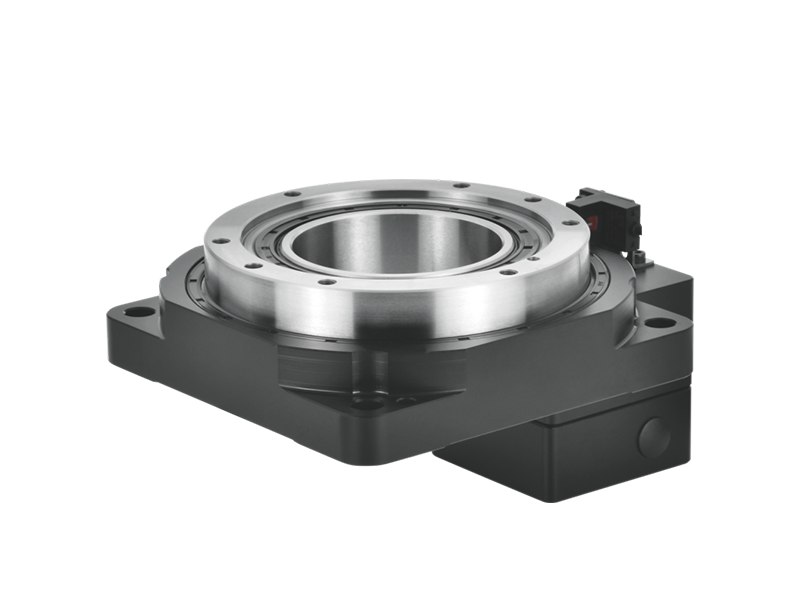
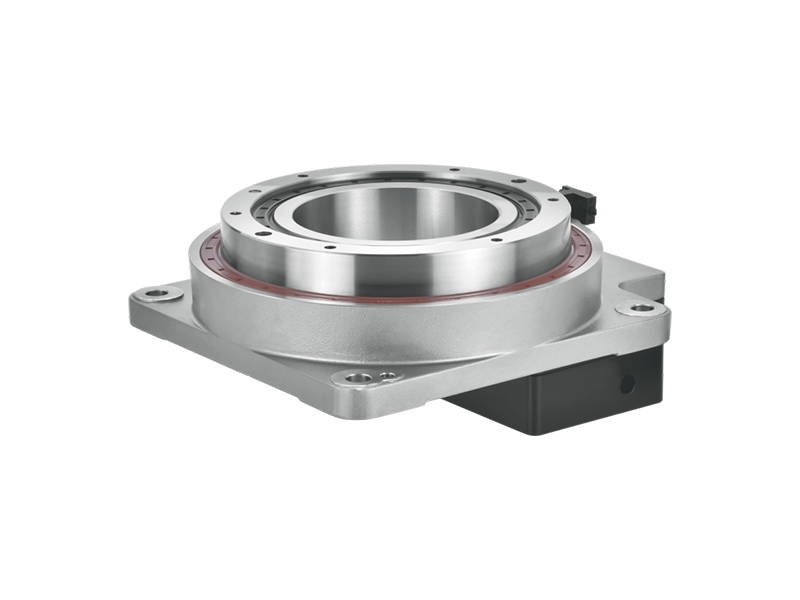
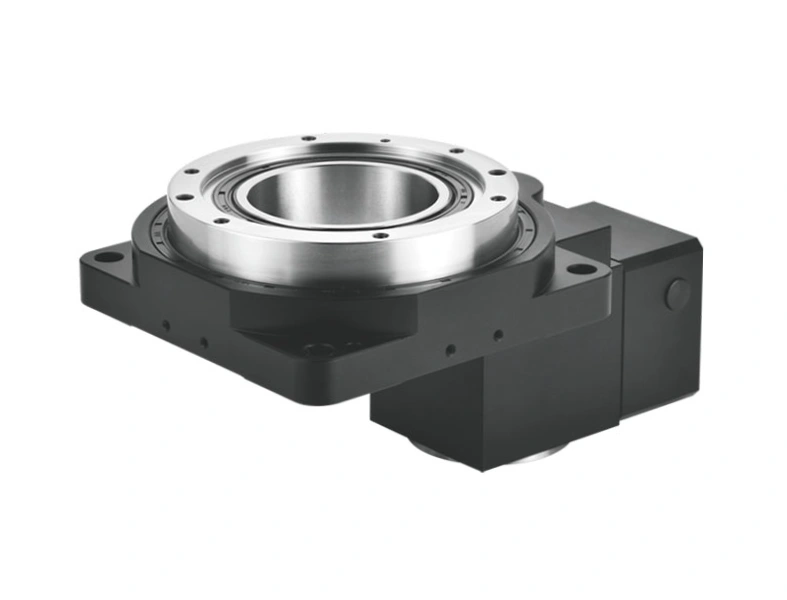
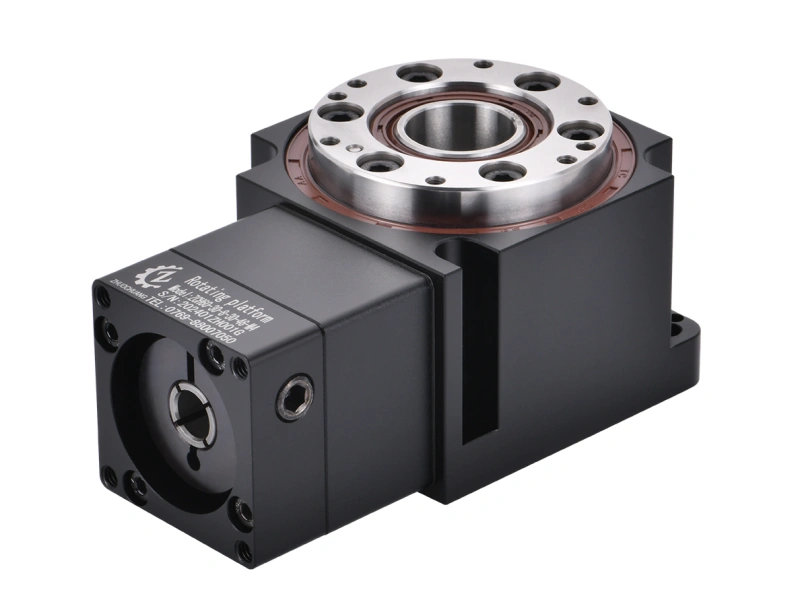
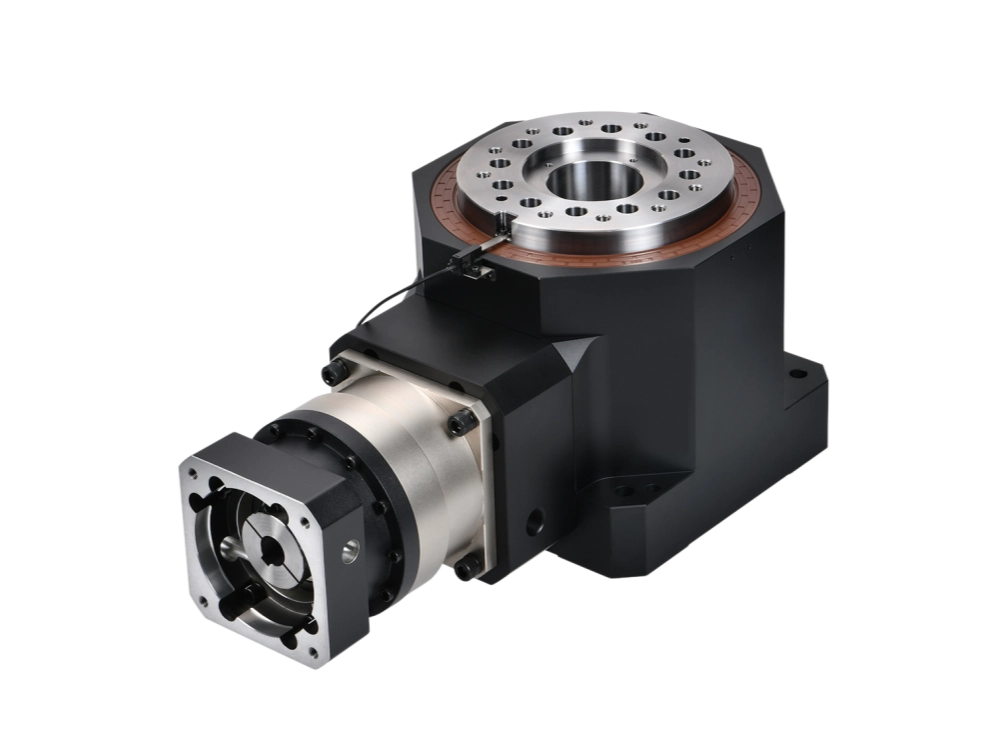
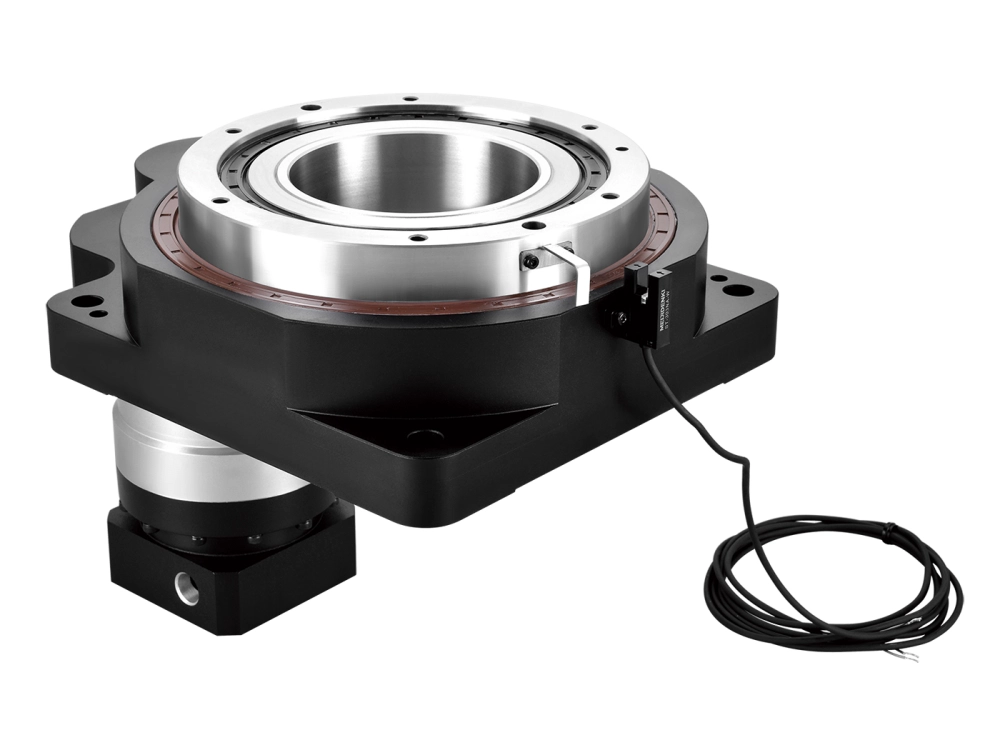
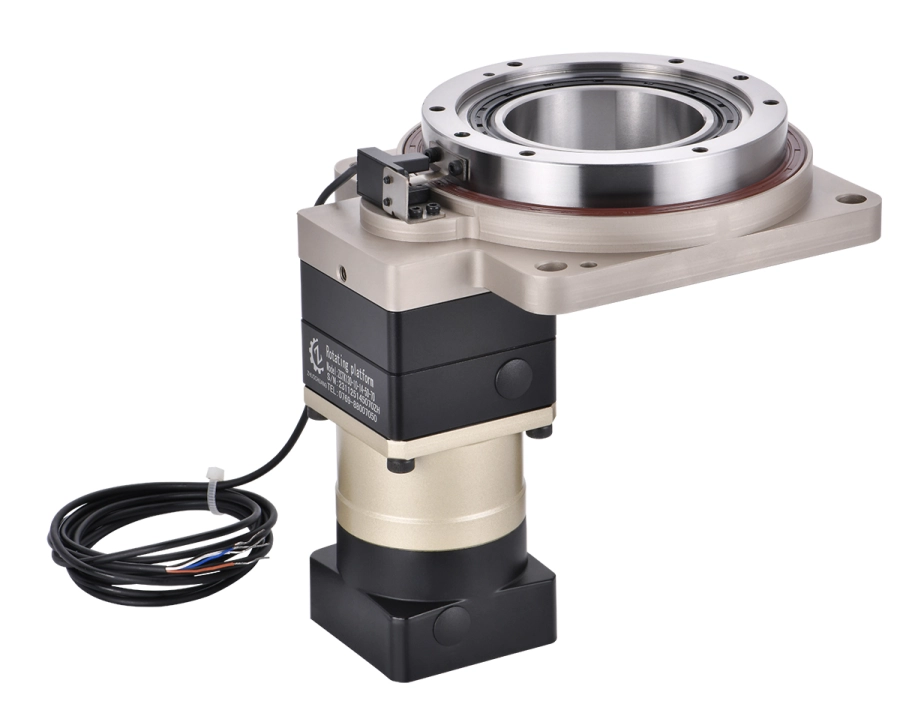
A rotary table is a precision positioning device used in metalworking and automation to rotate a workpiece around a fixed axis.
In simple terms, it acts like a highly accurate turntable that allows you to:
- Rotate parts at precise angles
- Perform multi-sided machining
- Maintain consistent positioning
The workpiece is mounted on a circular platform, which can rotate either manually or automatically. This rotation allows machining tools to access different sides of the part without repositioning it manually.
Because of this capability, rotary tables are widely used in:
- CNC machining
- Industrial automation
- Robotics systems
- Precision inspection processes
How Does a Rotary Table Work?
The working principle of a rotary table is based on controlled rotational movement.
At its core, a rotary table consists of:
- A base structure for stability
- A rotating circular platform
- A drive system (manual or motor-driven)
- A locking or control mechanism
When in operation, the table rotates the workpiece to a specific angle, allowing machining or assembly operations to be performed with high accuracy.
In CNC systems, this rotation is typically controlled by:
- Servo motors
- Controllers
- Feedback systems (encoders)
This enables the rotary table to move precisely and repeatedly to programmed positions.
For example:
- Drill holes evenly around a circular flange
- Machine complex curved surfaces
- Perform multi-angle cutting without repositioning
This is why rotary tables are often referred to as adding a “fourth axis” to CNC machines.
Key Functions of a Rotary Table
Rotary tables are not just simple rotating platforms—they provide several critical functions in manufacturing:
1. Indexing (Positioning at Exact Angles)
The table can rotate to exact angular positions, allowing repeatable machining operations.
2. Multi-Sided Machining
Instead of removing and repositioning the part, the table rotates it automatically.
3. Complex Geometry Processing
Rotary tables enable machining of arcs, curves, and circular features.
4. Improved Efficiency
By reducing manual repositioning, they significantly speed up production.
These capabilities make rotary tables essential in high-precision industries.
Applications of Rotary Tables
Rotary tables are widely used across multiple industries due to their flexibility and precision.
CNC Machining
Rotary tables allow machines to access multiple sides of a part in one setup, improving accuracy and reducing errors.
Automation Systems
In automated production lines, rotary tables help move parts between stations for processing.
Robotics
Rotary motion is used for positioning robotic arms and components.
Aerospace & High-Precision Manufacturing
Industries that require micron-level accuracy rely heavily on rotary positioning systems.
Types of Rotary Tables
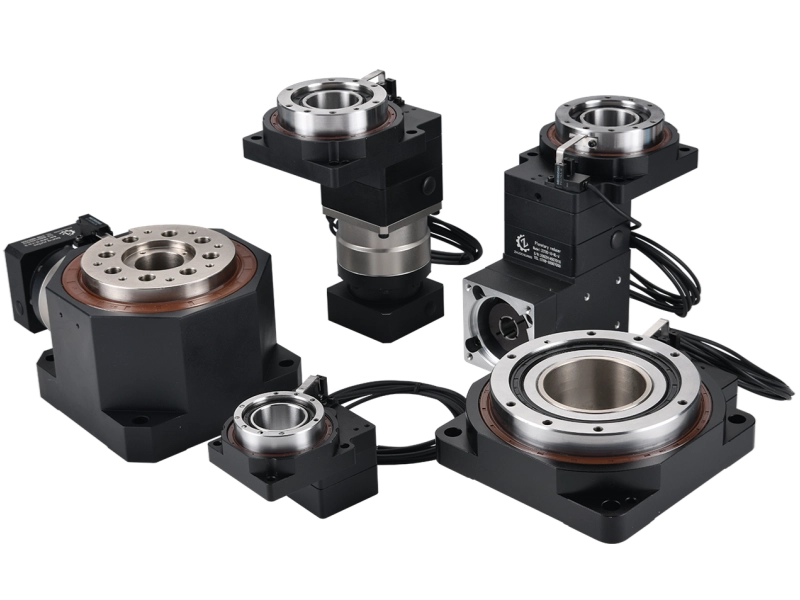
There are several types of rotary tables, depending on the application:
Manual Rotary Tables
- Operated by hand
- Suitable for simple machining tasks
CNC Rotary Tables
- Controlled by computer systems
- High precision and repeatability
Indexing Tables
- Move in fixed increments
- Common in automation lines
Servo Rotary Tables
- Driven by servo motors
- Provide high precision, speed, and control
👉 This last type is especially important in modern automation systems.
Rotary Table vs Other Motion Systems
Rotary tables are often compared with other positioning systems such as:
- Linear motion systems
- Indexing tables
- Rotary actuators
The main difference is:
👉 Rotary tables specialize in rotational positioning with high accuracy
While linear systems move in straight lines, rotary tables allow precise angular control, which is essential for circular or multi-angle machining.
Why Rotary Tables Are Important in Modern Manufacturing
Rotary tables play a key role in improving:
✔ Accuracy
They allow precise positioning down to very small angles.
✔ Efficiency
They reduce setup time and eliminate manual repositioning.
✔ Consistency
They ensure repeatable results across large production runs.
✔ Automation Integration
They are easily integrated into robotic and automated systems.
Because of these advantages, rotary tables are no longer optional—they are essential.
From Basic Rotary Tables to Advanced Servo Solutions
While traditional rotary tables are widely used, modern industries increasingly require:
- Higher precision
- Faster response
- Automation compatibility
This is where servo-driven rotary tables come into play.
👉 For higher precision and automation applications, a servo rotary table is often a better solution.
These systems combine:
- Motor
- controller
- feedback system
into one integrated unit, delivering superior performance in:
- robotics
- automation
- precision positioning
Conclusion
A rotary table is a powerful and essential tool in modern manufacturing. It allows precise rotation of workpieces, enabling complex machining operations that would otherwise be difficult or impossible.
From basic manual tables to advanced servo-driven systems, rotary tables continue to evolve alongside automation and robotics technologies.
Understanding how rotary tables work—and choosing the right type for your application—can significantly improve production efficiency, accuracy, and overall system performance.
Looking for high precision rotary positioning solutions?
👉 Explore our servo rotary table solutions designed for automation, robotics, and CNC applications.
👉 Contact us today for custom solutions tailored to your system.