
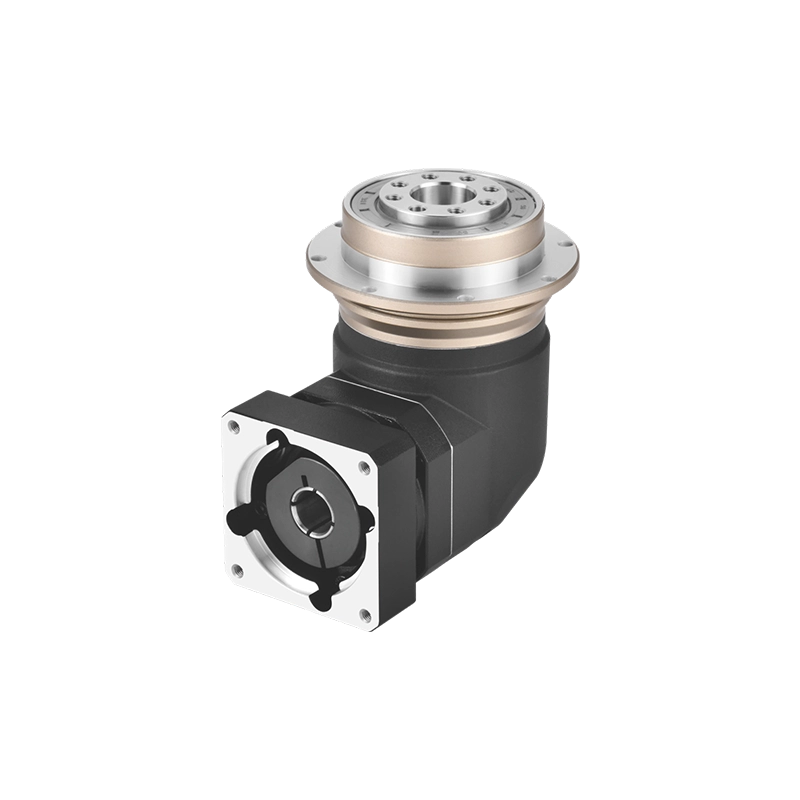
Epicyclic Planetary Gear: Mechanics, Ratio and Selection
An epicyclic planetary gear is one of the most compact and efficient ways to reduce speed and increase usable torque in a mechanical drive system. It uses a central sun gear, several planet gears, an outer ring gear, and a planet carrier to transmit load through multiple gear meshes at the same time.
This structure is why epicyclic planetary gear systems are widely used in automation equipment, robotics, CNC machinery, packaging machines, rotary positioning systems, and servo-driven motion modules.
But the term can also create confusion. Some engineers call it an epicyclic gear system. Some suppliers call it a planetary gear system. Others describe the final product as a precision reducer, servo reducer, or compact motion drive. The mechanical principle is the same, but the selection requirements can be very different depending on torque, ratio, backlash, duty cycle, and motor interface.
This article explains the working principle, basic ratio formula, performance advantages, comparison with other precision drive options, manufacturing quality checks, and practical selection points for industrial users.
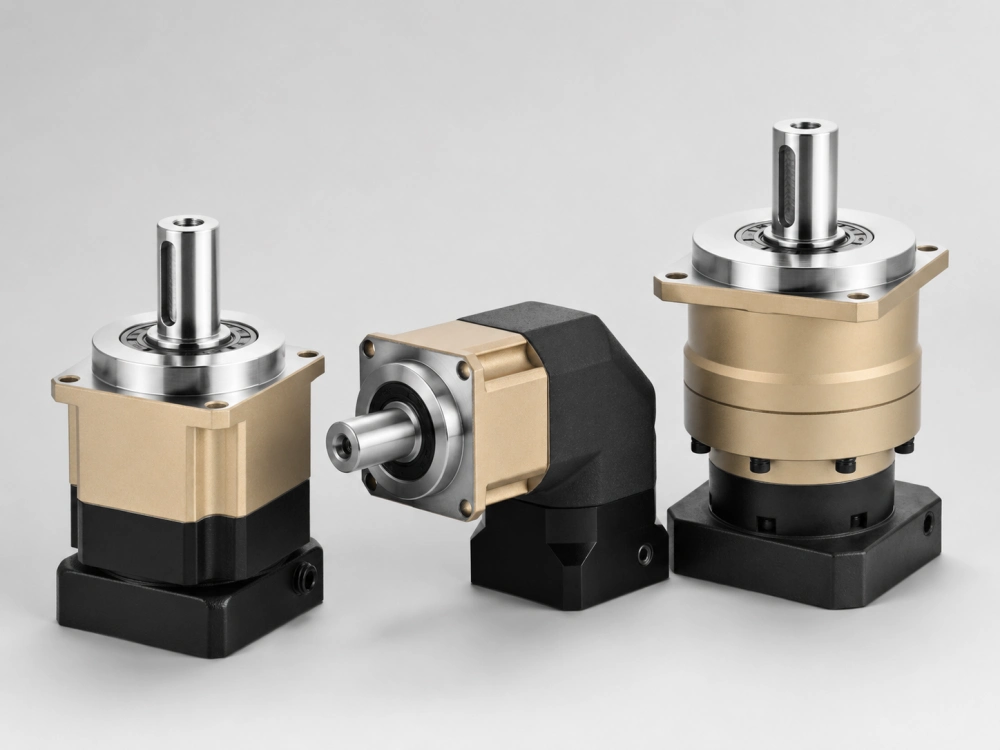
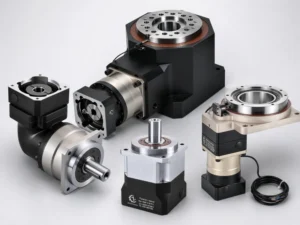
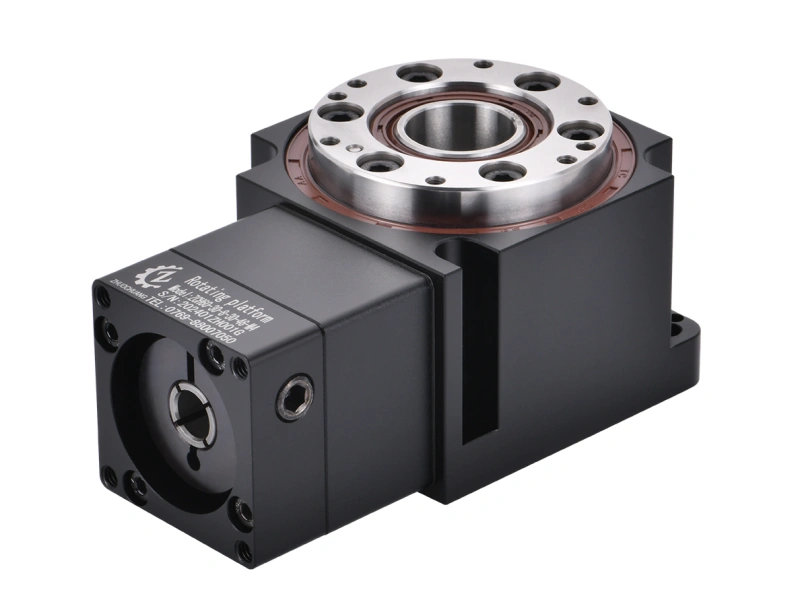
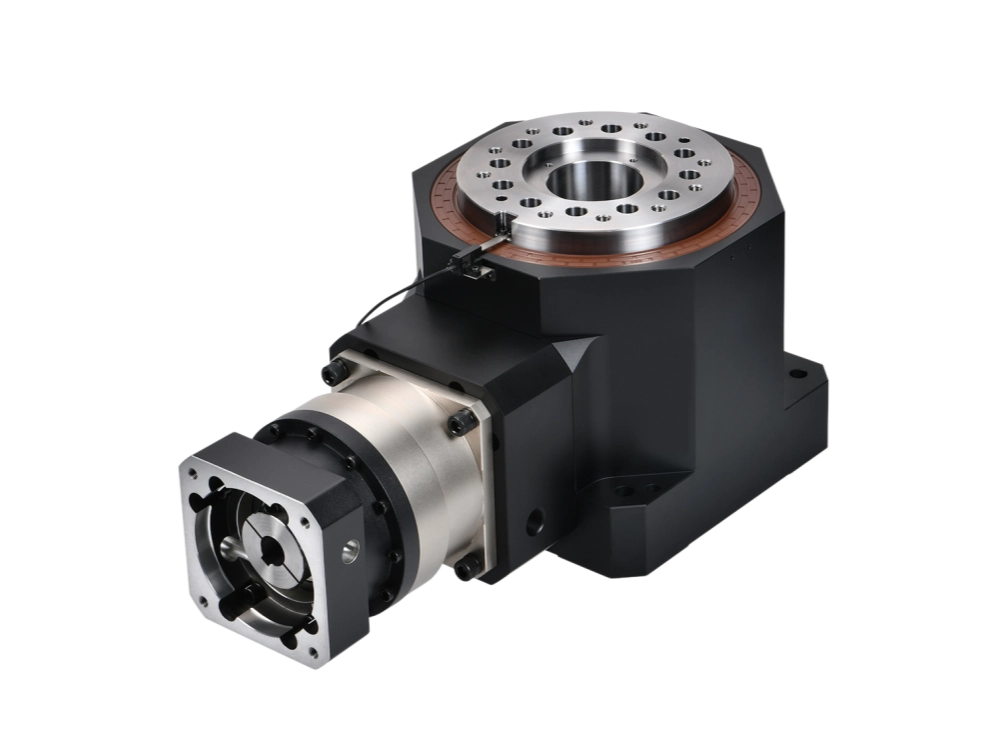
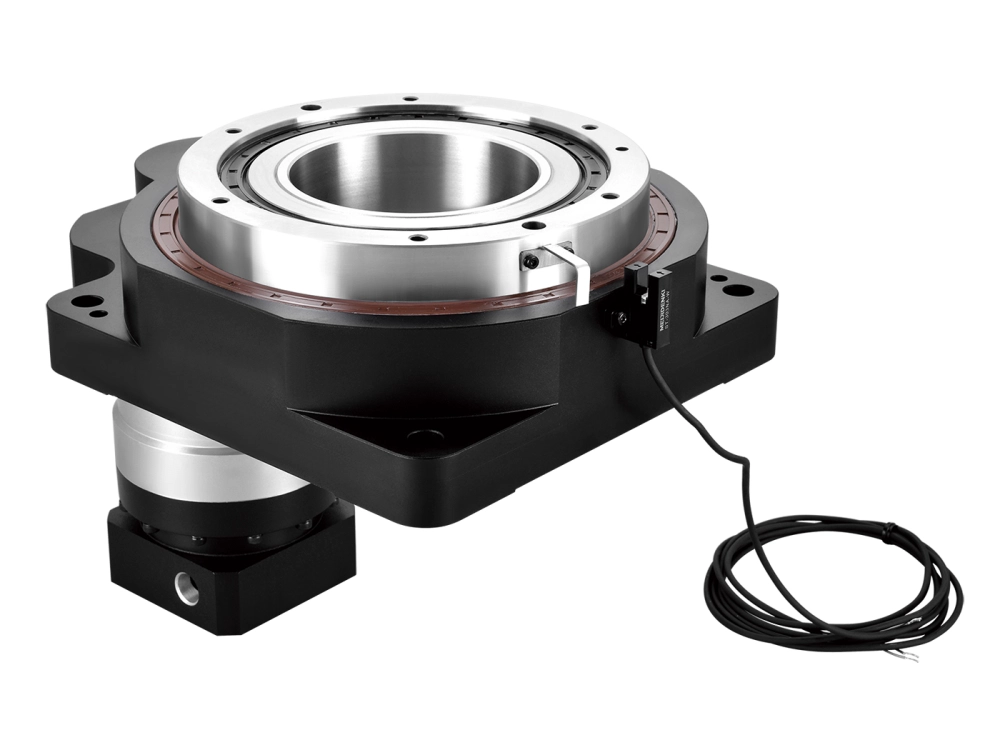
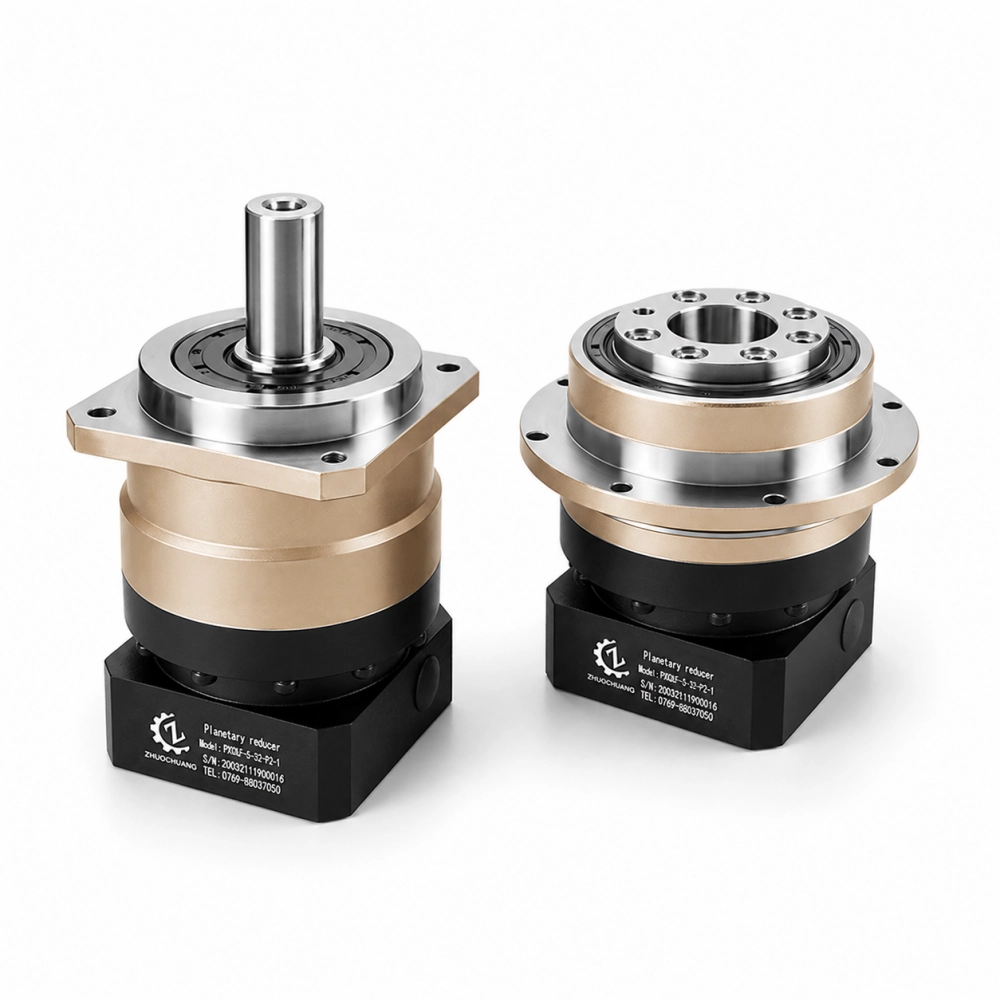
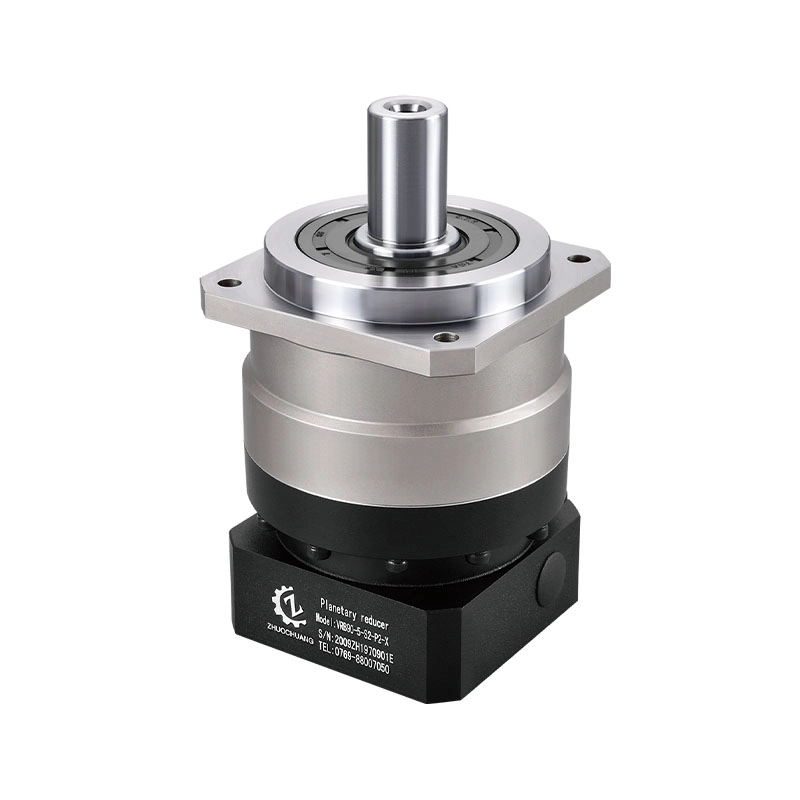
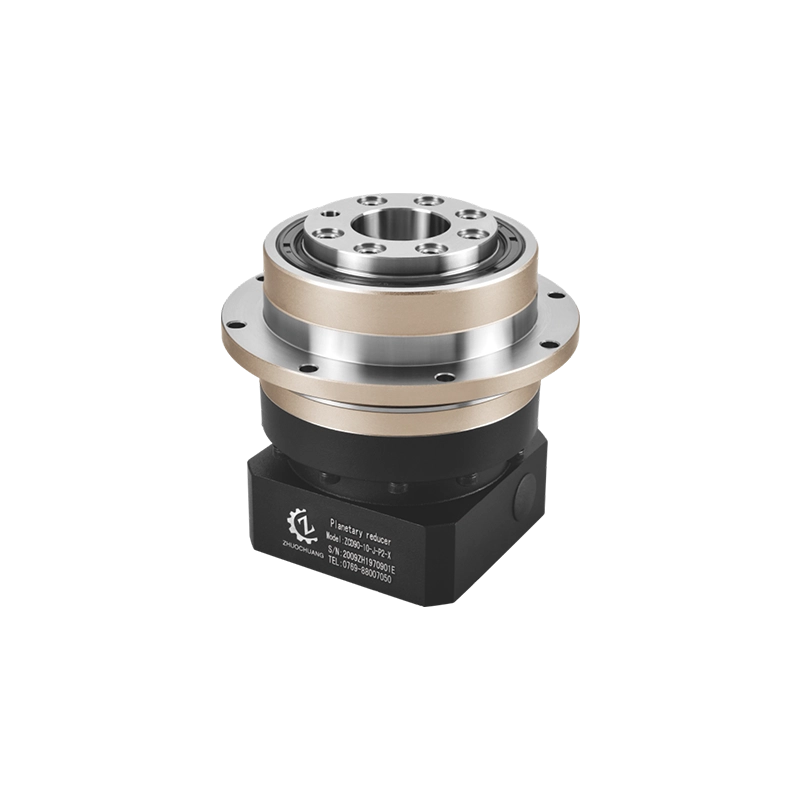
Precision reducers based on epicyclic planetary gear principles are used in automation, CNC machinery, robotics, and servo-driven motion systems.
What Is an Epicyclic Planetary Gear?
An epicyclic planetary gear is a gear arrangement in which one or more gears rotate around another gear while also rotating on their own axes. In a common industrial arrangement, the sun gear is driven by the motor, the planet gears mesh with the sun gear and ring gear, and the planet carrier delivers the output.
The word “epicyclic” comes from the motion path of the gears. The word “planetary” comes from the visual similarity to a solar system: a sun gear in the center, planet gears around it, and a ring gear surrounding the system.
For most industrial users, epicyclic gear and planetary gear describe the same mechanical principle. The more important question is not the name, but how the system is configured and whether it fits the machine’s required ratio, torque, speed, precision, and mounting conditions.
The Main Components Inside the Gear System
A basic epicyclic planetary gear system includes four main parts.
Sun Gear
The sun gear sits in the center. It is commonly connected to the input side and receives power from the motor. Its tooth count affects the gear ratio and the torque-speed relationship.
Planet Gears
The planet gears surround the sun gear. They mesh with both the sun gear and the ring gear. Because several planet gears share the load, the system can transmit high torque in a compact space.
Ring Gear
The ring gear has internal teeth. In many industrial reducers, it is fixed to the housing. The planet gears roll inside the ring gear while orbiting around the sun gear.
Planet Carrier
The planet carrier holds the planet gears and usually provides the output. As the planet gears orbit, the carrier rotates at a lower speed with increased torque.
This load-sharing structure is the reason epicyclic planetary gear systems can offer high torque density, compact size, and good stiffness compared with many simple gear arrangements.
Basic Ratio Formula for a Fixed Ring Gear
One common industrial configuration uses the sun gear as the input, fixes the ring gear, and takes output from the planet carrier. In this case, the basic reduction ratio can be calculated with this formula:
In this formula, Nring is the number of teeth on the ring gear, and Nsun is the number of teeth on the sun gear.
For example, if the ring gear has 60 teeth and the sun gear has 15 teeth:
This means the output speed is reduced by about five times, while the output torque increases, minus mechanical efficiency losses.
Important: This formula applies to the common fixed-ring arrangement. If a different member is fixed, used as input, or used as output, the kinematic relationship changes. For real machine selection, always confirm the reducer structure and output configuration with the supplier.
Why Load Sharing Matters
In a simple gear pair, load is carried through one main gear mesh. In an epicyclic planetary gear system, several planet gears share the load at the same time.
This brings several practical advantages:
- Higher torque density: More load paths allow a compact unit to transmit higher torque.
- Better balance: Multiple planets help distribute forces around the center axis.
- Compact coaxial layout: Input and output can remain on the same axis.
- Good stiffness: A well-designed structure can support precise servo motion.
- Flexible ratios: Single-stage and multi-stage systems can cover different reduction requirements.
These advantages make epicyclic planetary gear systems useful in equipment where space is limited but torque and control quality are important.
Efficiency, Backlash and Servo Motion
Efficiency is one reason epicyclic planetary gear systems are often selected for servo-driven machinery. A well-built precision unit can maintain high efficiency because the gear contact is mostly rolling and the load is distributed across several teeth.
Backlash is another key factor. Backlash is the small clearance between transmission parts when motion direction changes. In a general rotating machine, some backlash may not matter. In a servo positioning axis, backlash can create dead zone, positioning error, overshoot, or unstable motion.
For automation equipment, CNC machinery, robotics, packaging machines, and precision positioning systems, low backlash and high torsional stiffness are often more important than simply choosing a reducer with the correct ratio.
This is why the same epicyclic planetary gear principle can appear in both standard industrial reducers and precision servo reducers. The structure may look similar, but the manufacturing accuracy, backlash grade, bearing support, assembly control, and motor interface can be very different.
Epicyclic Planetary Gear vs Cycloidal and Harmonic Drives
Precision motion systems may use different reducer technologies. Epicyclic planetary gears, cycloidal drives, and harmonic drives each have a suitable application range.
| Drive Type | Main Strength | Typical Limitation | Common Use |
|---|---|---|---|
| Epicyclic planetary gear | High efficiency, compact size, good torque density, balanced performance | Very high ratios may require multiple stages | Servo automation, CNC machinery, packaging equipment, robotics |
| Cycloidal drive | Strong shock-load resistance and high ratio capability | May be larger or more complex depending on torque and precision grade | Heavy robot joints, indexing systems, high-shock machinery |
| Harmonic drive | Very low backlash and compact precision motion | Torque capacity and flexspline fatigue need careful checking | Lightweight robot joints, precision instruments, compact axes |
There is no single best drive for every machine. The correct choice depends on torque, ratio, motion profile, backlash requirement, shock load, efficiency, cost, service life, and installation space.
For many industrial servo applications, an epicyclic planetary gear system provides a practical balance of efficiency, torque density, stiffness, durability, and cost.
Where Epicyclic Planetary Gear Systems Are Used
Epicyclic planetary gear systems are widely used in machines that need compact power transmission and controlled motion.
Robotics and Automation
Robot joints, transfer axes, pick-and-place units, and servo-driven automation modules often need compact reducers with low backlash and good stiffness. Epicyclic planetary designs are commonly selected when the machine needs both torque and repeatable motion.
CNC Machinery
CNC feed axes, rotary tables, tool changers, and auxiliary axes may use precision reducers to improve positioning and repeatability. The reducer must match motor speed, load inertia, torque, and backlash requirement.
Packaging and Material Handling
Packaging machines use reducers in filling, sealing, labeling, indexing, cartoning, and conveyor synchronization. In these systems, reliability and stable cycle performance are important.
AGV and Mobile Equipment
Compact high-torque reducers are useful in wheel drives, steering units, and mobile motion systems where space and weight are limited.
Medical and Semiconductor Equipment
In sensitive equipment, smooth motion, low noise, clean structure, and repeatability may be required. The reducer must be selected carefully according to precision and environment.
Manufacturing Quality and Inspection
The performance of an epicyclic planetary gear system depends not only on its design, but also on the quality of gear manufacturing and assembly.
Important manufacturing factors include:
- Gear material: Hardened alloy steel is often used for load-carrying gears.
- Heat treatment: Carburizing and hardening improve surface wear resistance while maintaining core toughness.
- Gear grinding: Precision grinding helps reduce tooth profile error, noise, and vibration.
- Bearing support: Proper bearing selection improves stiffness and service life.
- Assembly control: Accurate assembly helps control backlash and maintain repeatability.
- Testing: Backlash, noise, temperature, and output behavior should be checked according to the application requirement.
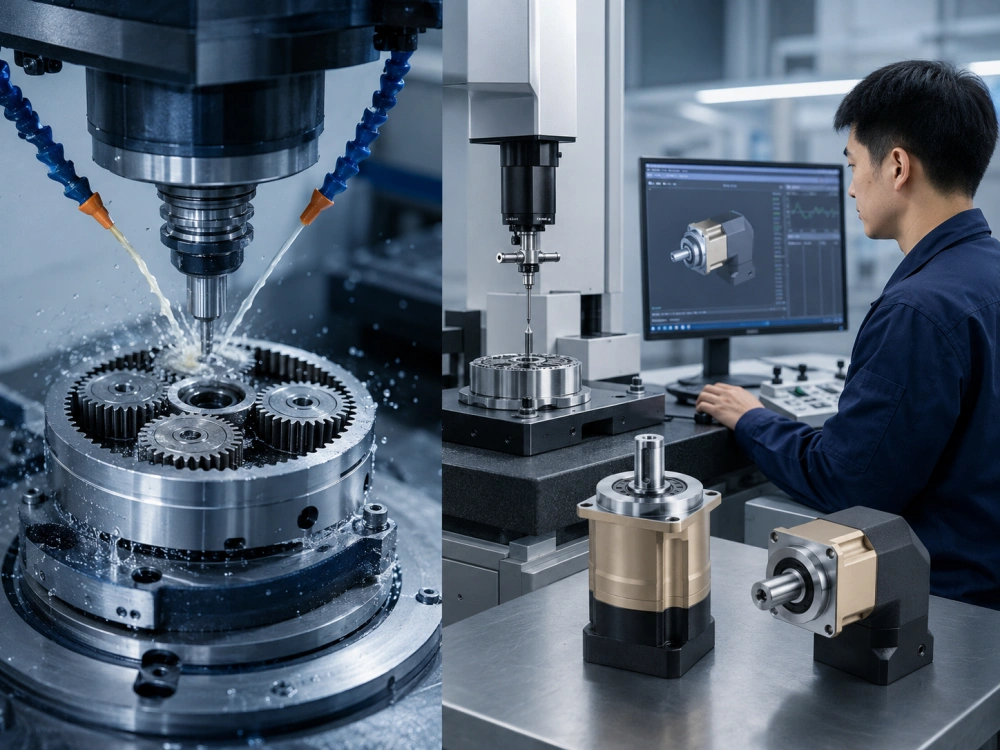
Precision machining and inspection help control gear accuracy, backlash, and long-term reducer performance.
For supplier evaluation and quality management background, buyers can refer to the official ISO 9001 quality management standard. This does not replace supplier testing data, but it helps buyers think more clearly about process control, documentation, and consistent product quality.
How to Select an Epicyclic Planetary Gear System
Selection should not start with a product name. It should start with the machine requirement.
Before choosing a reducer, confirm the following information:
- Motor speed: Input speed determines the required ratio and thermal condition.
- Required output speed: This is needed to calculate the reduction ratio.
- Continuous torque: The reducer must support normal working load.
- Peak torque: Acceleration, braking, and shock load must be checked.
- Backlash requirement: Servo positioning systems need tighter control than general transmission systems.
- Duty cycle: Continuous operation and frequent reversing affect heat and service life.
- Load inertia: Servo systems require inertia matching between motor and load.
- Mounting style: Confirm flange, shaft, output interface, and available space.
- Environment: Check temperature, dust, moisture, and protection requirement.
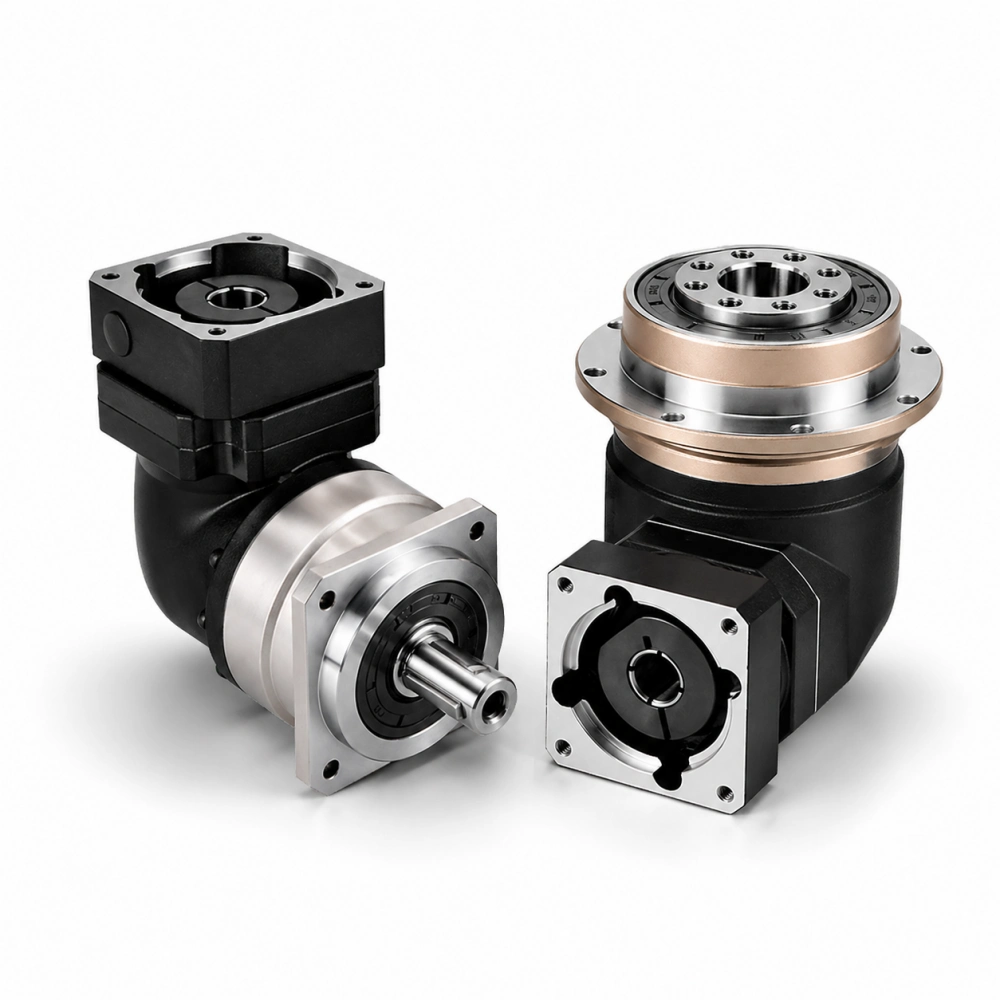
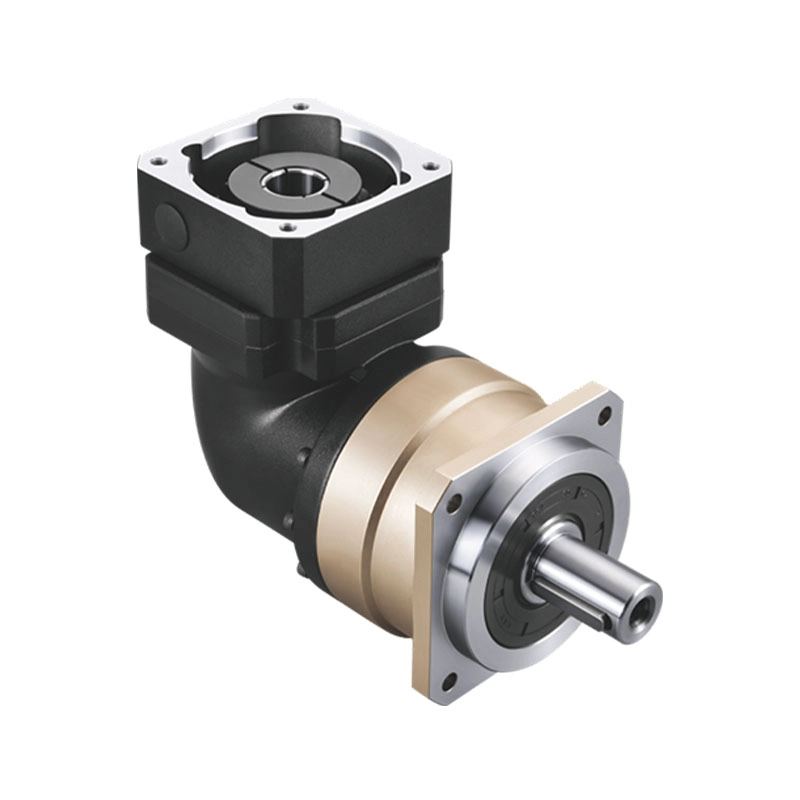
- Configuration: Decide whether the machine needs an inline layout, right-angle layout, or customized interface.
If the reducer is used with a servo motor, motor adapter compatibility should be confirmed early. A reducer with the right ratio but the wrong flange or shaft interface can still cause installation problems.
When an Epicyclic Planetary Gear Is the Better Choice
An epicyclic planetary gear system is often a strong choice when the application needs compact size, high torque density, high efficiency, and controlled motion.
It is especially useful when:
- The machine uses a servo motor.
- The axis needs repeatable positioning.
- The layout requires compact coaxial transmission.
- The load needs higher torque without a large motor.
- The application needs a balance of precision, efficiency, and cost.
- The machine operates in repeated cycles and needs stable long-term performance.
For applications with extreme shock load, a cycloidal reducer may be worth evaluating. For very compact ultra-precision robot joints, a harmonic drive may be considered. For many general servo automation systems, however, epicyclic planetary gear technology remains one of the most practical solutions.
External Resource for Related Gearbox Drive Notes
For related gearbox drive terminology and general motion-control application notes, you can also refer to this external resource:
This external reference is used only as a supporting resource. For Zhuochuang product selection, specifications, and quotation support, use the product and contact links below.
Where Zhuochuang Fits
Dongguan Zhuochuang Precision Machinery Co., Ltd focuses on precision planetary reducers for servo-driven automation, robotics, CNC machinery, packaging equipment, and industrial motion systems.
Our role is not to treat every application as the same. A suitable reducer should be confirmed according to ratio, torque, backlash, motor interface, mounting direction, duty cycle, and installation space.
You can browse Zhuochuang’s main product range here:
Precision Planetary Gearbox Range
For compact 90-degree servo applications, you can also view:
If you need selection support, send your motor model, required ratio, output torque, backlash target, mounting direction, and installation drawing.
Contact Zhuochuang for Technical Support
FAQ About Epicyclic Planetary Gear
What is an epicyclic planetary gear?
An epicyclic planetary gear is a gear system with a sun gear, planet gears, ring gear, and planet carrier. It reduces speed and increases torque while keeping a compact structure.
Is epicyclic gear the same as planetary gear?
In most industrial contexts, yes. Epicyclic gear is the formal kinematic term, while planetary gear is the common industry term.
How is the basic epicyclic gear ratio calculated?
For a common fixed-ring arrangement, the basic ratio is R = 1 + Nring / Nsun. Different fixed members and input-output arrangements use different equations.
Why is an epicyclic planetary gear compact?
Several planet gears share the load at the same time. This allows the system to transmit high torque in a smaller package.
Where is epicyclic planetary gear technology used?
It is used in automation equipment, robotics, CNC machinery, packaging systems, AGV drives, rotary positioning systems, and other servo-driven machines.
How should I choose an epicyclic planetary gear system?
Start with motor speed, output speed, ratio, torque, backlash requirement, duty cycle, load inertia, motor flange, output interface, and machine layout.
Need Help Selecting a Precision Reducer?
Understanding epicyclic planetary gear mechanics helps engineers choose the correct ratio, torque capacity, backlash grade, and mounting configuration for real industrial equipment.
Dongguan Zhuochuang Precision Machinery Co., Ltd can help review your application data and recommend a suitable configuration for automation, CNC machinery, robotics, packaging equipment, and servo-driven motion systems.
Request Technical SupportRelated Reading
Epicyclic Planetary Gear Systems: Mechanics, Math and Manufacturing
Planetary Speed Reducer: Terms and Selection Checks
Gear Reducer Basics: Types, Ratios and Selection for Industrial Equipment
Right Angle Planetary Gearbox: When to Use a 90-Degree Servo Drive Layout