
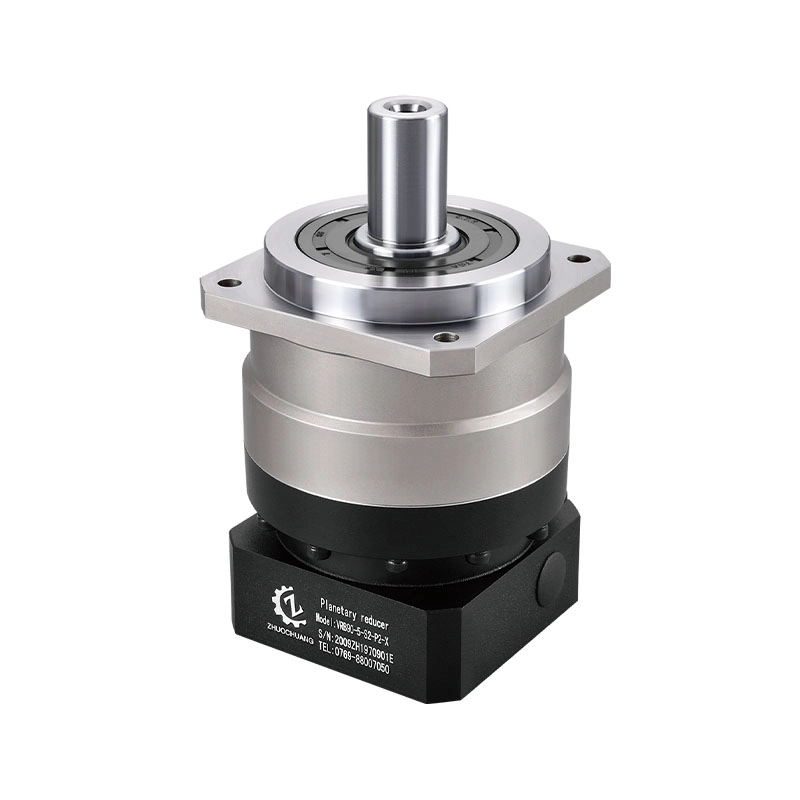
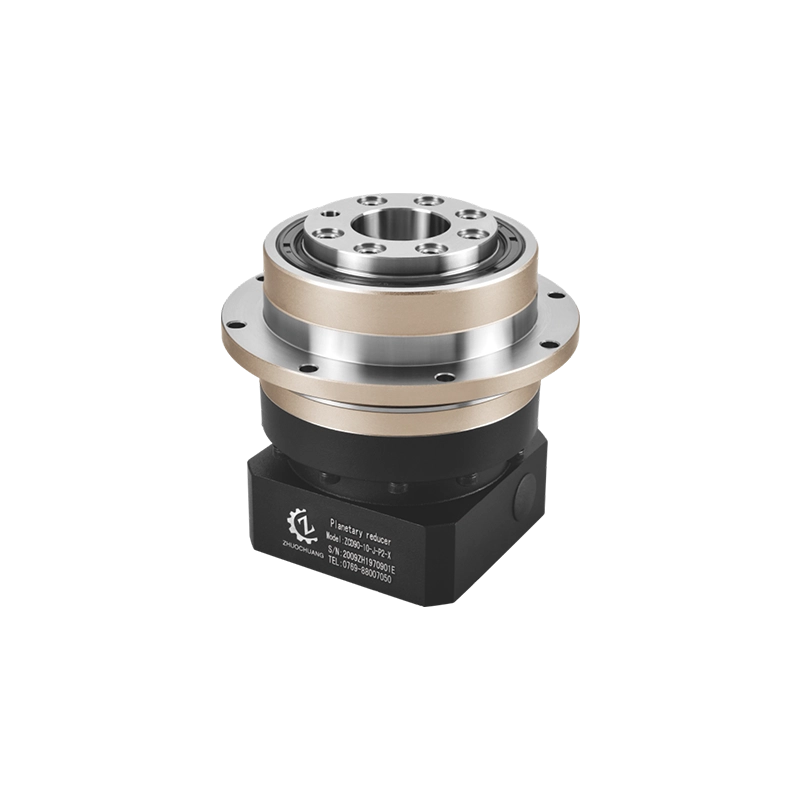
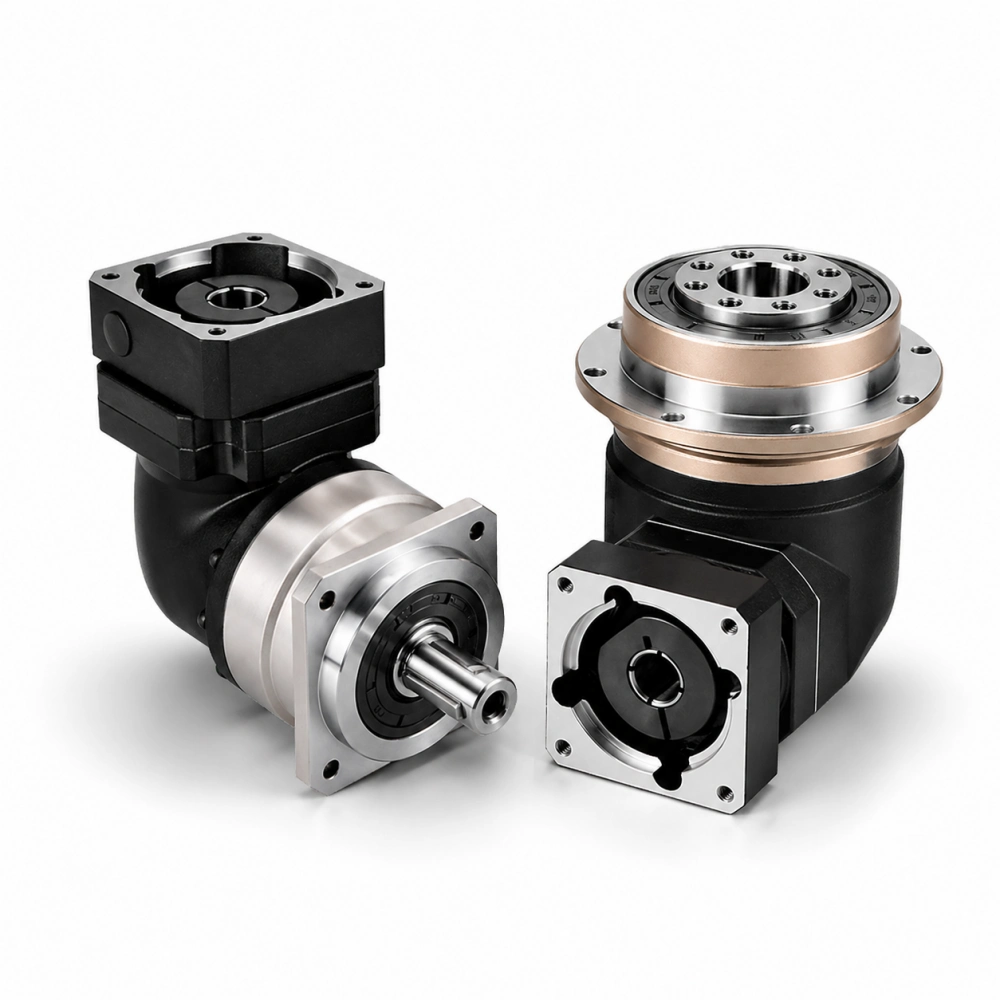
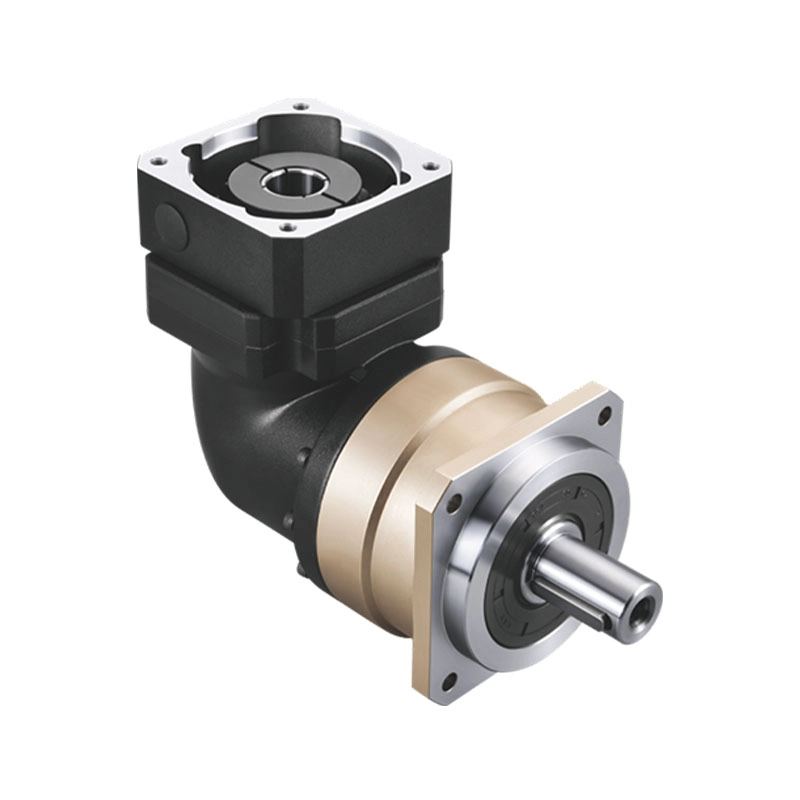
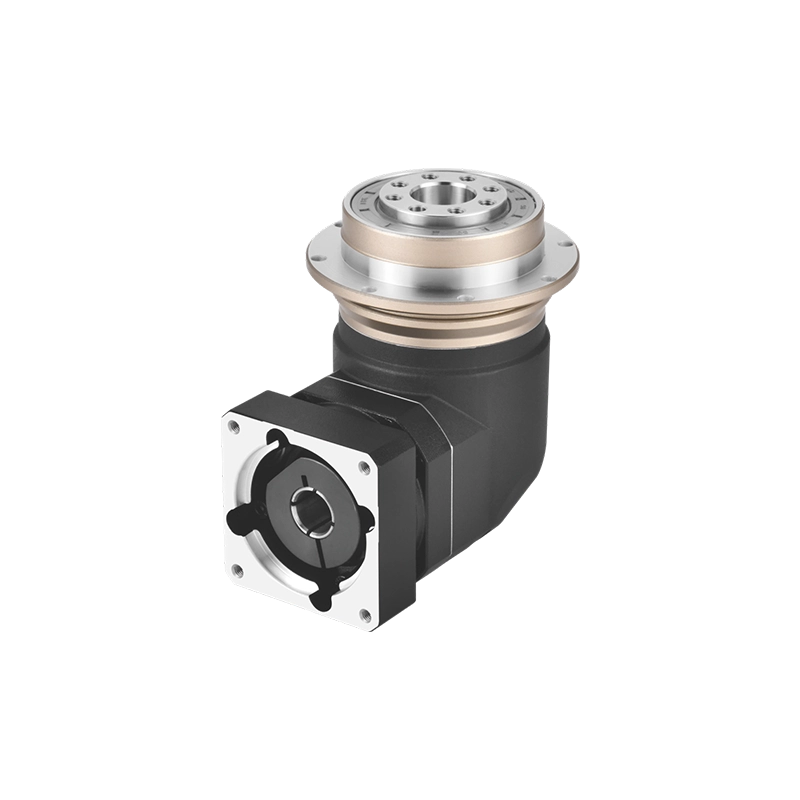
Two engineers are specifying drives for an automation system.
One points to a cycloidal reducer because the axis may see shock load, high ratio demand, and limited installation space. The other prefers a precision planetary gearbox because the machine needs stiffness, clean servo integration, and predictable positioning under changing loads.
Both can be right.
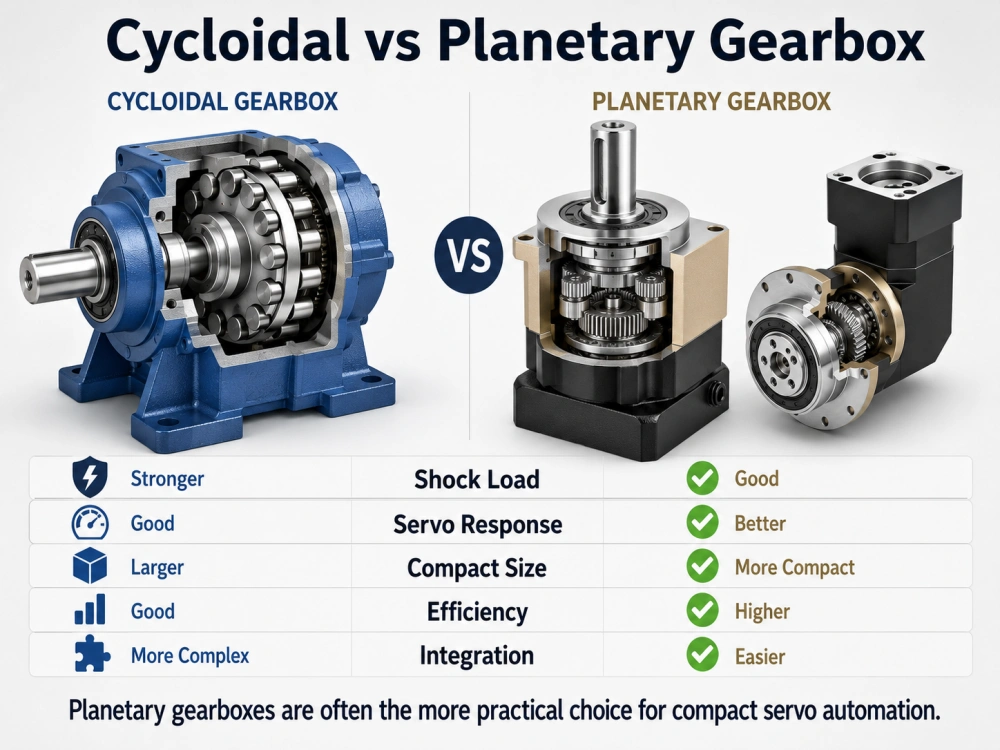
The cycloidal vs planetary gearbox decision is not a choice between a good design and a bad design. It is a comparison between two mechanical characters. One is strong when shock-load tolerance, compact high ratio, and rugged motion matter most. The other becomes stronger when torsional stiffness, low backlash, servo response, and accuracy under load are the main requirements.
This article compares the two designs from the viewpoint of real automation equipment, not abstract catalog claims. The goal is to help engineers and buyers decide which reducer type fits the actual motion requirement.
1. The First Question Is Not “Which Is Better?”
A common mistake is to compare cycloidal and planetary gearboxes as if one should replace the other in every machine.
That is not how reducer selection works.
A gearbox is not selected only by name. It is selected by load profile, motion accuracy, duty cycle, ratio, backlash target, input speed, shock condition, space limit, servo tuning requirement, and cost.
In one machine, a cycloidal reducer may be the safer choice because the axis sees impact load and needs a compact high ratio.
In another machine, a precision planetary gearbox may be the better choice because the servo system needs high stiffness and stable positioning under changing load.
So the useful question is:
What problem is the reducer being asked to solve?
If the problem is mainly shock load and compact high ratio, cycloidal designs deserve attention.
If the problem is mainly servo response, stiffness, low backlash, and predictable motion, planetary gearboxes are often the better starting point.
2. How a Cycloidal Gearbox Works
A cycloidal gearbox does not work like a normal gear-mesh reducer.
It uses an eccentric input shaft to drive one or two cycloidal discs in an orbital motion. The outer profile of the disc engages with pins or rollers fixed inside the housing. As the disc orbits, different lobes contact different pins. The output is usually taken through rollers or pins that pass through holes in the disc and convert the orbital motion into output rotation.
This mechanism gives cycloidal reducers a very specific mechanical personality.
The first advantage is high ratio in a compact stage. Because the output motion is based on the difference between the disc motion and the fixed pin pattern, relatively high reduction ratios can be achieved in one compact mechanism.
The second advantage is distributed contact load. Instead of relying on a small number of gear teeth, the cycloidal disc shares load across many contact points around the housing. This is why cycloidal reducers are known for shock-load resistance.
The third characteristic is compliance. The eccentric mechanism, disc profile, and required clearances can introduce elastic behavior under load. This does not mean the design is weak. It means the output position may change slightly with changing torque load. For some machines this is acceptable. For some servo positioning systems it becomes important.
3. Where Cycloidal Reducers Are Strong
Cycloidal reducers are especially valuable when the application demands compact high ratio and strong shock-load resistance.
A heavy indexing table, press-related mechanism, welding positioner, mobile wheel hub, or robot joint may see impact, sudden load changes, or repeated torque spikes. In these situations, the load distribution of a cycloidal mechanism can be a real advantage.
Cycloidal reducers can also be attractive when the design needs a high ratio but does not have much axial space. A planetary gearbox can reach higher ratios, but it usually needs multiple stages. More stages add length, components, and sometimes more accumulated backlash and efficiency loss.
In many heavy-duty or compact joint applications, this is why cycloidal reducers are still widely used.
Their strength can be summarized as:
High single-stage ratio
Good shock-load tolerance
Compact structure for high ratio
Rugged mechanical behavior
Useful hub-style configurations
Strong performance in impact-prone axes
But these strengths do not automatically make cycloidal reducers the best fit for every precision motion system.
4. How a Planetary Gearbox Compares Mechanically
A planetary gearbox uses a sun gear, planet gears, a ring gear, and a planet carrier. The motor drives the input, several planet gears share the torque, and the output is delivered through the carrier.
The design is compact, coaxial, efficient, and easy to integrate with servo motors.
A precision planetary gearbox is often selected when the servo controller needs a stiff mechanical connection between the motor and load. This stiffness helps the control system respond more predictably during acceleration, deceleration, and direction reversal.
The main strengths are different from cycloidal reducers:
High torsional stiffness
High efficiency per stage
Low-backlash options
Good servo motor compatibility
Predictable dynamic response
Compact coaxial layout
Wide availability in standard frame sizes
Easy motor adapter matching
A planetary gearbox may not match a cycloidal reducer’s shock-load tolerance in certain severe impact applications. It may also need two or three stages when the ratio is high. But for many servo-driven machines, stiffness and control response matter more than extreme shock capacity.
That is where planetary gearboxes become very strong.
5. Ratio per Stage: Compact High Ratio vs Multi-Stage Precision
Ratio is one of the clearest differences between the two designs.
A single-stage planetary gearbox usually covers ratios such as 3:1, 4:1, 5:1, 7:1, or 10:1. Higher ratios usually require two or more stages.
A cycloidal reducer can achieve much higher ratios in one compact stage. This makes it attractive when the machine needs a high ratio and the available space is limited.
For example, if an axis needs a 50:1 or 80:1 ratio, the comparison is no longer simple. A planetary solution may require multiple stages, while a cycloidal design may achieve the ratio in a shorter package.
But ratio alone does not decide the choice.
The engineer also needs to ask:
Does the axis need high stiffness?
Does the servo controller need fast response?
Is backlash under load critical?
Is the load impact-heavy or smooth?
Is the output accuracy affected by changing torque?
Is the installation space axial or radial?
Is the machine cost driven by reducer price or by motion performance?
A high ratio is important, but it is only one part of the selection.
6. Torsional Stiffness: Why Servo Systems Care
Torsional stiffness describes how much the reducer twists under torque.
For servo-driven automation, this matters a lot.
A servo motor can only control the load accurately if the mechanical connection between motor and load is stiff enough. If the reducer twists under load, the motor may move correctly, but the output may lag, flex, or oscillate.
Precision planetary gearboxes are often strong in this area. Ground gear teeth, rigid carrier structure, bearing support, and compact coaxial geometry help improve stiffness.
Cycloidal reducers can handle shock well, but the eccentric mechanism and disc contact pattern may show more compliance. This compliance can be acceptable in many machines, but it may affect high-gain servo tuning or accuracy under changing load.
This is one reason planetary gearboxes are commonly used in CNC axes, packaging axes, servo indexing systems, and automation modules where dynamic response matters.
7. Backlash: Look at Working Load, Not Only Catalog Numbers
Both reducer types can be built with low backlash.
But comparing only unloaded catalog backlash can be misleading.
A cycloidal reducer may show very low backlash under light or no-load test conditions. However, under working load, the compliance of the mechanism may create load-dependent positioning error. This does not always appear as simple backlash, but the effect can still be visible in the machine.
A precision planetary gearbox controls backlash through gear grinding, bearing support, carrier rigidity, and assembly control. In applications where the load changes continuously, the higher torsional stiffness can make the output position more predictable for the servo system.
So the better question is not only:
What is the backlash value?
The better question is:
What is the positioning behavior under working load?
For automation equipment, this distinction is important.
8. Accuracy and Positioning Under Load
Accuracy is often where the cycloidal vs planetary gearbox decision becomes practical.
Cycloidal reducers can achieve good repeatability because many contact points engage around the disc. In applications with predictable load, this can work very well. Some control systems can also compensate for known compliance behavior.
But if the load changes often, the output position may vary with torque. This is especially important in robot axes, CNC machinery, and precision automation systems where the payload or cutting force can change during operation.
Precision planetary gearboxes achieve accuracy through mechanical rigidity. The output position under working load is closer to the unloaded position because the structure is stiffer.
This does not make planetary gearboxes universally superior. It simply means they are often easier to integrate into servo systems where changing load and predictable positioning matter.
For any precision project, accuracy should be confirmed under the real load condition, not only under zero-load testing.
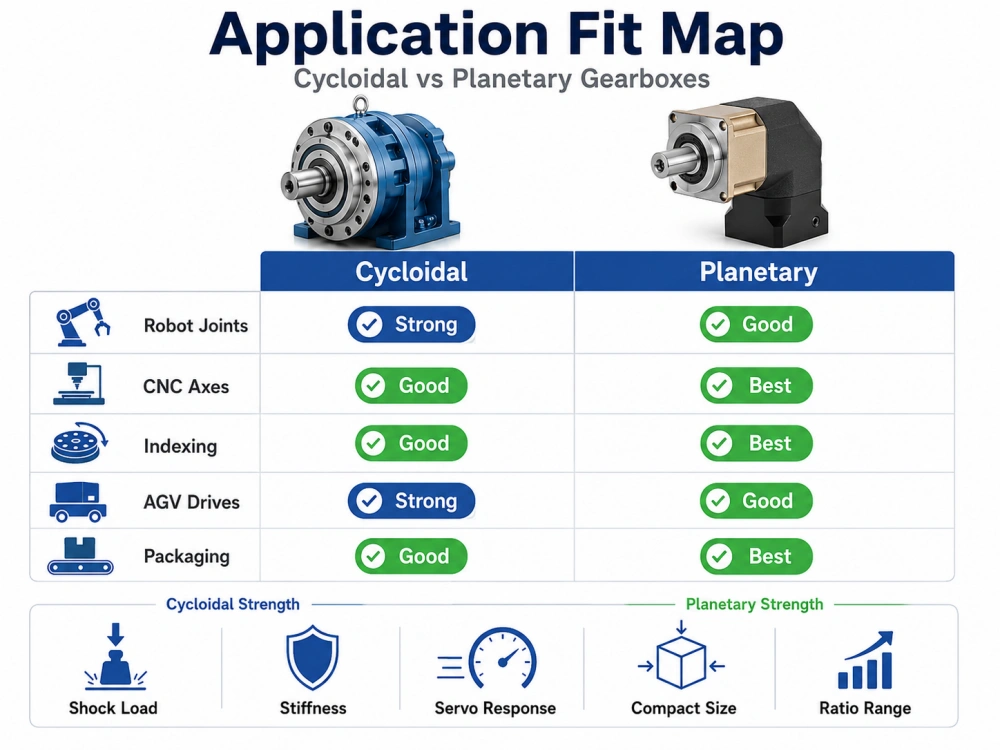
9. Application Mapping: Which Design Fits Where
The abstract comparison becomes clearer when mapped to real applications.
Collaborative Robot Arms
Collaborative robot joints often use cycloidal, harmonic, or other compact reducer designs depending on the axis and payload. Cycloidal reducers can be attractive where compact high ratio and shock tolerance matter.
The lower torsional stiffness can sometimes be managed by the robot control system, especially if the motion profile and load are well understood.
Industrial Robot Axes
Industrial robot axes do not all use the same reducer type. Cycloidal, harmonic, and planetary designs can all appear depending on axis position, payload, speed, accuracy, and cost target.
Precision planetary gearboxes may be selected in axes where stiffness, servo response, compact motor integration, and repeatable positioning under changing load are more important than extreme shock-load dominance.
Heavy-Duty Indexing and Press Applications
Cycloidal reducers are often strong in applications with severe shock loading. Heavy indexing, pressing, punching, or impact-prone motion may benefit from the distributed contact geometry of a cycloidal mechanism.
If the load spike would create high tooth stress in a gear mesh, cycloidal design may offer better durability.
CNC Machine Tool Axes
CNC axes need stiffness, low backlash, and predictable position under changing cutting forces.
For this reason, precision planetary gearboxes are commonly used in CNC feed axes, rotary axes, tool changers, and other servo-driven motion systems.
If the reducer compliance changes under cutting load, surface finish and part accuracy may suffer. This is why stiffness is often more important than high single-stage ratio in CNC applications.
AGV Wheel Drives and Steering
AGV and mobile robot wheel drives often value compact structure, high ratio, and impact tolerance. Cycloidal hub-style reducers can be a good fit in some wheel-drive designs.
However, if the machine uses a servo-driven steering module that requires high stiffness and accurate angular positioning, a planetary solution may still be considered.
Precision Packaging and Filling Machinery
Packaging machines often run fast cycles with frequent stops, reversals, and synchronized servo axes.
Label registration, dosing, sealing, indexing, and pick-and-place motion all require repeatability and stable response. In these conditions, precision planetary gearboxes are often selected because they offer high efficiency, good stiffness, and servo compatibility.
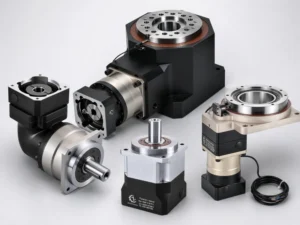
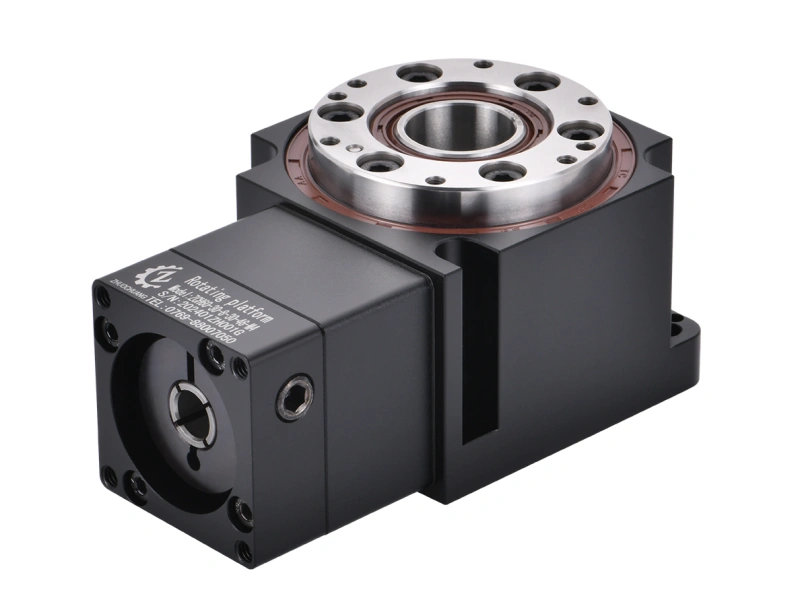
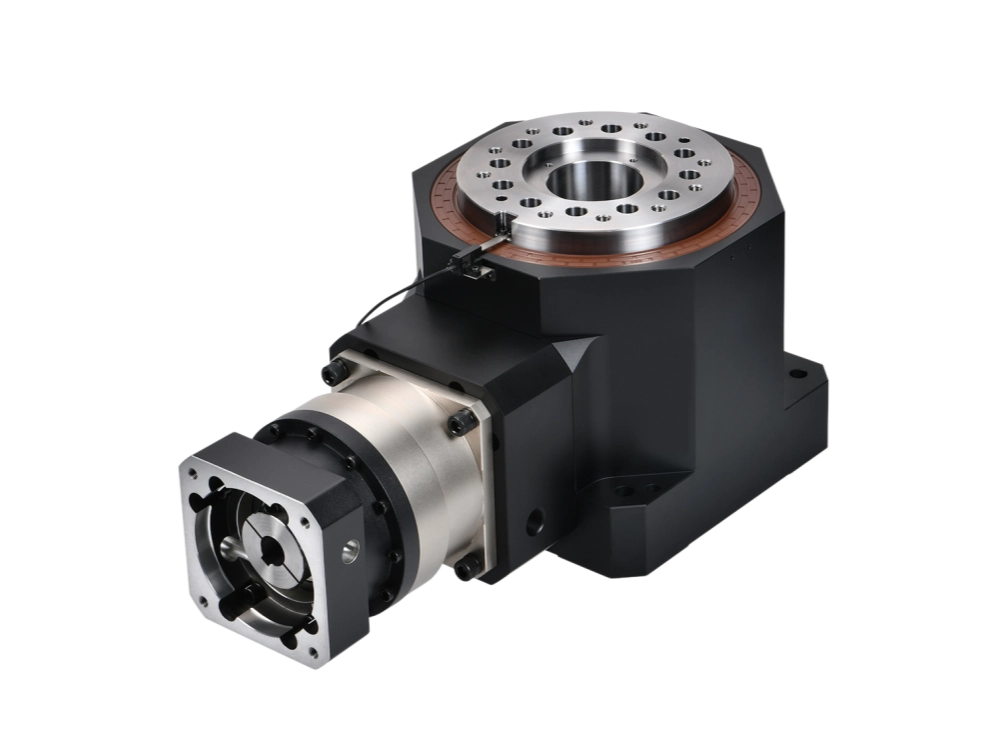
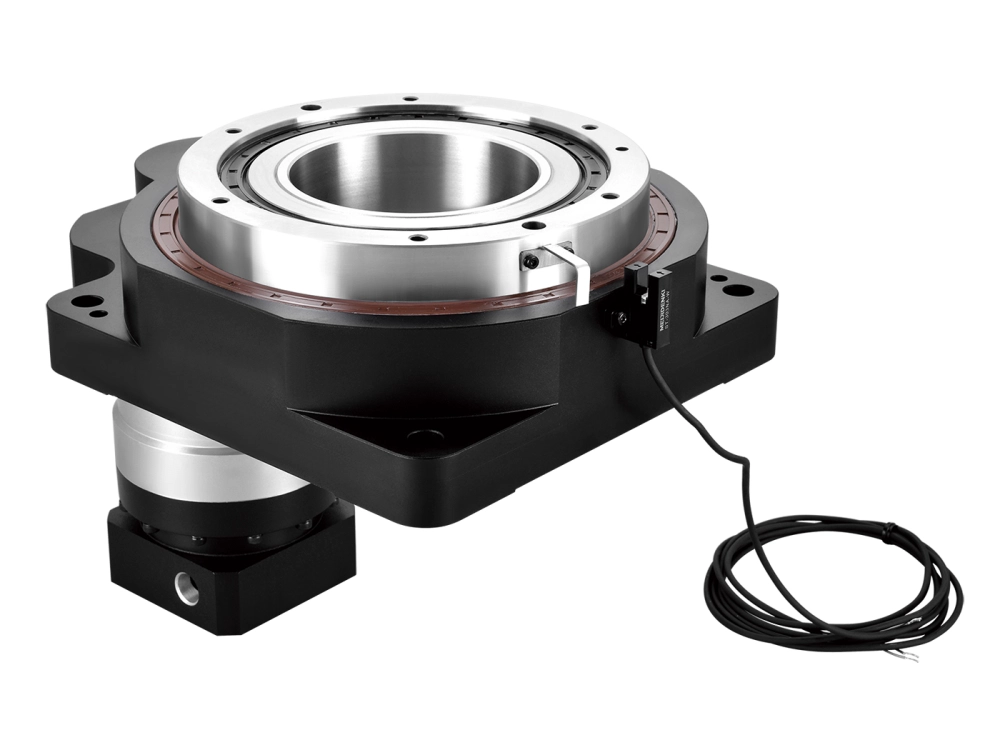
[Image 1 Placeholder]
File name: cycloidal-vs-planetary-gearbox-comparison.webp
ALT: cycloidal vs planetary gearbox comparison for precision automation
Suggested caption: Cycloidal reducers are often evaluated for shock-load and compact high-ratio applications, while planetary gearboxes are commonly selected for stiff servo-driven motion.
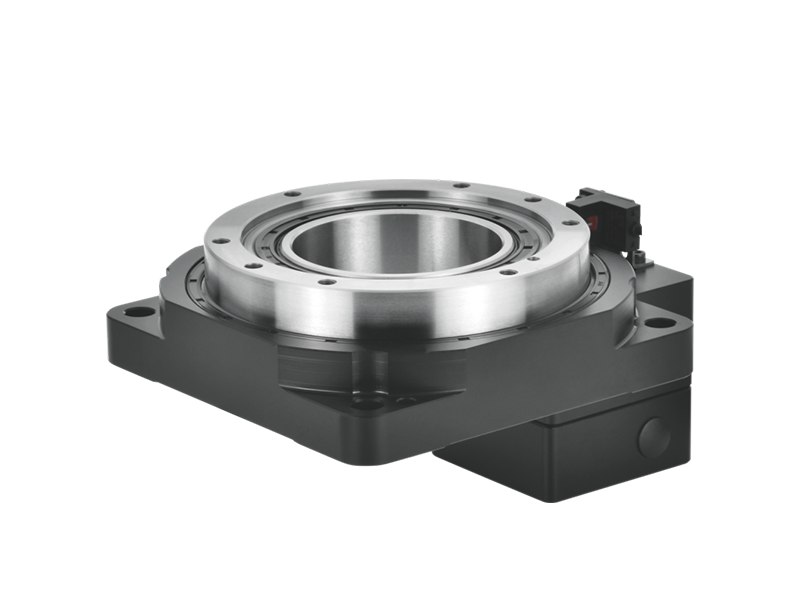
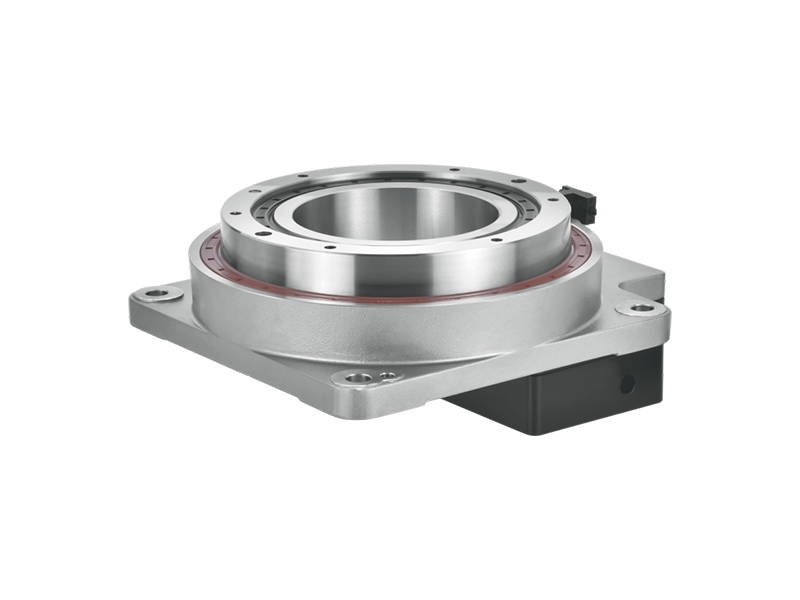
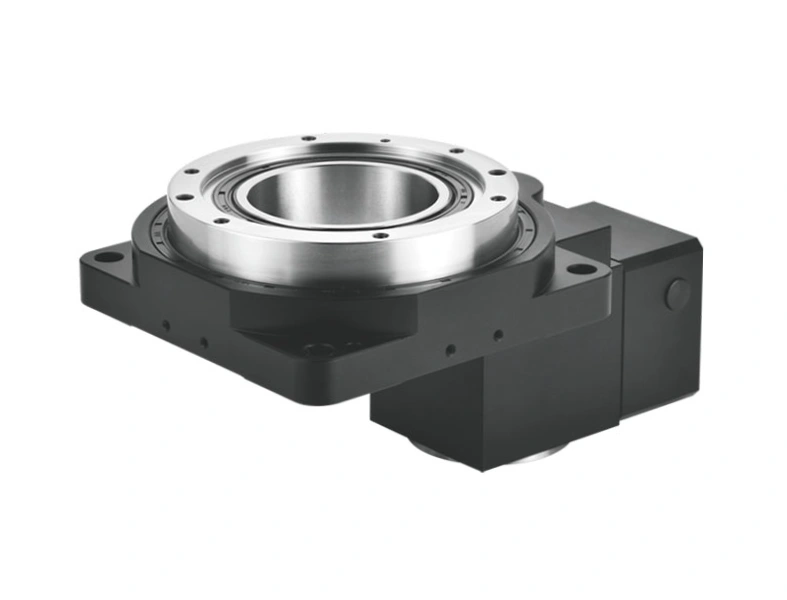
10. Planetary Cycloidal Hub Gearbox: The Hybrid Case
Some designs combine planetary and cycloidal elements. These may be described as planetary cycloidal hub gearboxes or hybrid reducer systems.
A hybrid design may use a planetary stage for part of the ratio and stiffness, combined with a cycloidal mechanism for compact output geometry or additional shock tolerance.
This kind of solution can be useful in applications that sit between the strengths of both pure designs.
For example, a heavy robotic joint may need:
High ratio
Compact structure
Shock-load tolerance
Reasonable stiffness
Hub-style output geometry
However, hybrid designs are more complex. They are usually more expensive and less widely available than standard planetary or cycloidal reducers.
For most automation applications, one pure design is enough. A hybrid reducer should be specified only when the machine genuinely needs what both mechanisms provide.
11. Cost and Availability
Cost should not be compared only by unit price.
A cycloidal reducer may justify a higher price when the application truly needs shock-load tolerance, compact high ratio, or hub-style geometry.
A precision planetary gearbox may provide better value when the machine needs servo tuning stability, lower heat, high stiffness, and widely available motor adapter structures.
The lower-cost choice is not always the cheaper reducer.
It is the reducer that avoids redesign, tuning problems, premature wear, and positioning errors in the actual machine.
Planetary gearboxes are widely manufactured in many standard frame sizes. This gives machine builders more sourcing options, shorter lead times in many cases, and easier motor matching.
Cycloidal reducers may cost more, but if the application needs shock resistance and high single-stage ratio, that cost may be justified.
12. A Practical Rule for Engineers
A simple rule can help narrow the decision.
If the application problem is mainly shock load and high ratio in a compact package, start by evaluating a cycloidal reducer.
If the application problem is mainly servo response, torsional stiffness, low backlash, and accuracy under changing load, start by evaluating a precision planetary gearbox.
If both problems exist at the same time, do not choose by product name. Compare working-load accuracy, torsional stiffness, duty cycle, thermal behavior, mounting size, shock factor, and total cost of ownership.
The correct reducer is the one that best matches the motion problem.
13. Selection Questions Before Choosing
Before choosing between a cycloidal and planetary gearbox, confirm these points:
What is the required ratio?
Is the required ratio possible in one stage or multiple stages?
What is the continuous torque?
What is the peak torque?
Does the axis see shock load?
Is the load predictable or variable?
Is the reducer inside a servo control loop?
What backlash is acceptable?
Is accuracy required under working load?
What input speed will the motor use?
What is the duty cycle?
How much installation space is available?
Is motor adapter compatibility important?
Is hub-style output geometry required?
What is the acceptable cost range?
Answering these questions gives a more reliable result than choosing based on reducer name alone.
14. Where Zhuochuang Fits
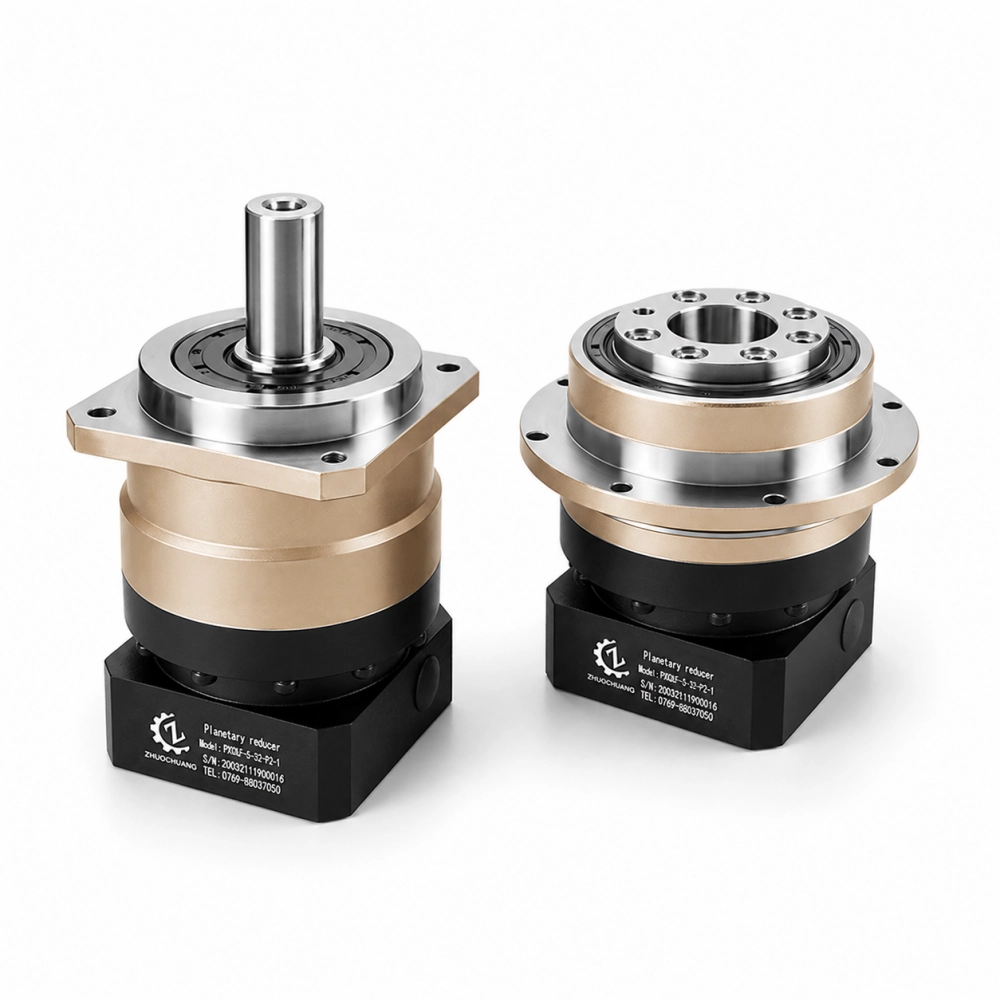
Dongguan Zhuochuang Precision Machinery Co., Ltd focuses on precision planetary gearboxes for servo automation, CNC machinery, robotics, packaging equipment, and industrial motion systems.
This article is not claiming that planetary gearboxes are always better than cycloidal reducers.
Cycloidal reducers remain useful where shock-load tolerance, compact high ratio, and rugged mechanical behavior are the dominant requirements.
Zhuochuang fits the other side of the comparison: applications where stiffness, low backlash, servo motor compatibility, high efficiency, and predictable motion under load matter most.
If your project is in that category, you can browse our precision planetary gearbox range or contact our technical team with motor model, ratio, torque, backlash target, duty cycle, and mounting requirements.
Browse our planetary gearbox range →
Contact us for technical support and quotation →
Dongguan Zhuochuang Precision Machinery Co., Ltd
planetdrivepro.com
Related Reading
Worm Gear Reducer vs Planetary Gearbox: Which Fits Automation?
Low Backlash Planetary Gearbox: Why Backlash Matters in Servo Systems
Gear Reducer Basics: Types, Ratios and Selection for Industrial Equipment