
Rotary Table for Milling Machine: Selection Guide for CNC Applications
Modern milling operations demand more than linear motion. Whether you are machining complex aerospace components, automotive parts, or precision molds, the ability to rotate a workpiece accurately around a central axis can determine the difference between a scrapped part and a finished one. A rotary table for milling machine setups extends the capability of standard three-axis equipment, enabling multi-sided machining, angular drilling, and intricate contouring without multiple setups.
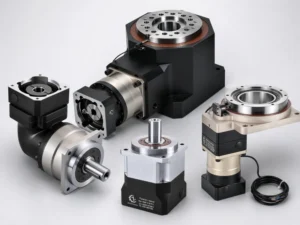
At Dongguan Zhuochuang Precision Machinery Co., Ltd., we manufacture high-precision hollow rotary tables and planetary gearboxes for automation and CNC applications. This guide explains what to look for when selecting a mill rotary table, how it integrates with milling machine tables, and why hollow rotary designs are increasingly replacing traditional milling rotary table solutions in advanced manufacturing.
What Is a Rotary Table for Milling Machine?
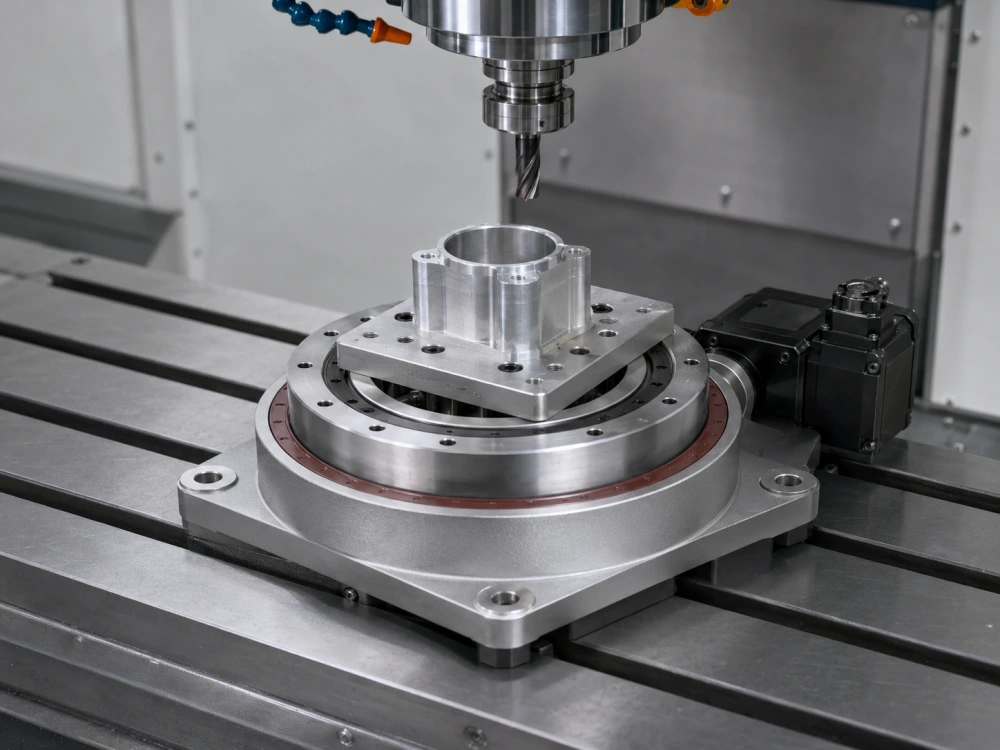
A rotary table for milling machine is a precision mechanical device that mounts on the bed or milling working table of a mill and rotates the workpiece around a vertical or horizontal axis. It essentially adds a fourth axis (rotary axis) to a standard three-axis milling center, allowing cutters to access multiple faces of a part without repositioning.
Traditional milling tables only provide X-Y linear travel. When combined with a rotary mechanism, the machine gains the ability to perform indexing, circular interpolation, and continuous rotation during cutting. This is especially valuable for producing gears, cams, turbine blades, and other components with radial symmetry or angular features.
There are two primary categories:
- Manual rotary table for milling machine — Operated by hand crank or worm gear, ideal for small workshops, prototype work, and simple indexing tasks where CNC control is not required.
- CNC rotary table — Driven by a servo or stepper motor, integrated with the machine control system, enabling automated indexing, continuous rotation, and full fourth-axis simultaneous machining.
Both types serve the same fundamental purpose: turning a static milling table into a versatile rotary table milling machine workstation.
Why Milling Operations Need a Rotary Table
Adding a mill rotary table to your equipment delivers measurable advantages in productivity, accuracy, and part complexity.
Reduce Setup Time
Without a rotary axis, machining multiple sides of a part requires stopping the machine, unclamping the workpiece, repositioning it, and re-establishing work coordinates. A milling machine rotary table eliminates most of these steps. The operator programs the rotation angle, and the table indexes automatically while the part remains clamped.
Improve Dimensional Accuracy
Every time you remove and reposition a workpiece, you introduce alignment error. Rotary tables for milling machines maintain the same datum reference throughout the entire machining cycle, improving repeatability and reducing scrap rates.
Machine Complex Geometries
Helical grooves, cam profiles, gear teeth, and turbine blade contours are difficult or impossible to produce on a standard three-axis mill. A rotary table mill configuration allows the cutter to follow curved paths by coordinating linear axes with rotary motion.
Enable Through-Spindle Cable Routing
Traditional solid rotary tables require cables, air lines, and coolant hoses to be routed externally, creating clutter and interference. Modern hollow rotary tables solve this with a central through-hole, allowing all utilities to pass through the center of the platform. This is particularly useful in automated machining tables where cable management affects reliability.
Manual vs. CNC Rotary Tables for Milling Machines
Choosing between a manual rotary table for milling machine work and a CNC-driven model depends on your production volume, budget, and accuracy requirements.
| Feature | Manual Rotary Table | CNC Rotary Table |
|---|---|---|
| Operation | Hand crank with graduated dial | Servo or stepper motor drive |
| Best For | Prototyping, simple indexing, education | Production, complex contours, automation |
| Accuracy | Moderate (depends on operator skill) | High repeatability, programmable positioning |
| Integration | Standalone, no controller link | Full integration with CNC control system |
| Cost | Lower initial investment | Higher upfront, lower per-part cost long-term |
| Throughput | Limited by manual operation | Unattended operation, higher throughput |
For manufacturers running production lots or integrating mills into automated cells, CNC rotary tables for mills are the clear choice. The return on investment comes from faster cycle times, reduced labor, and consistent part quality.
Hollow Rotary Tables: The Modern Alternative for Milling Applications
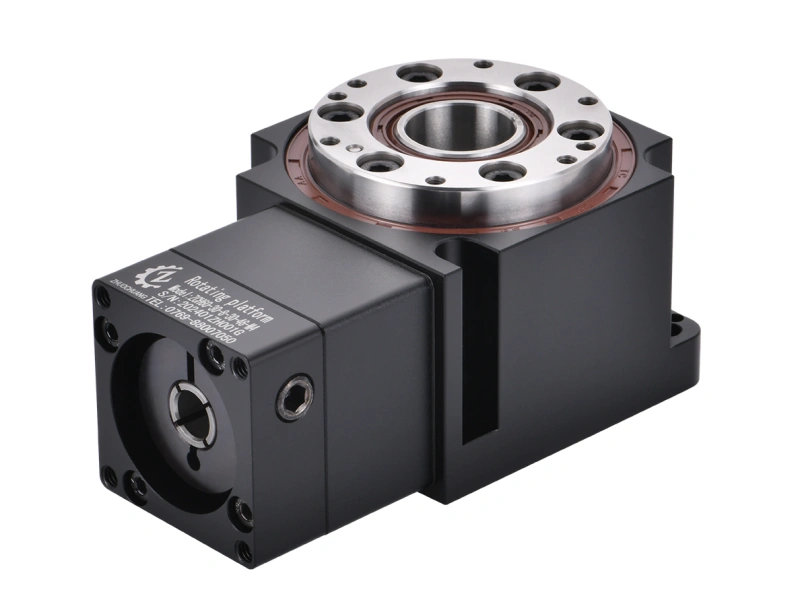
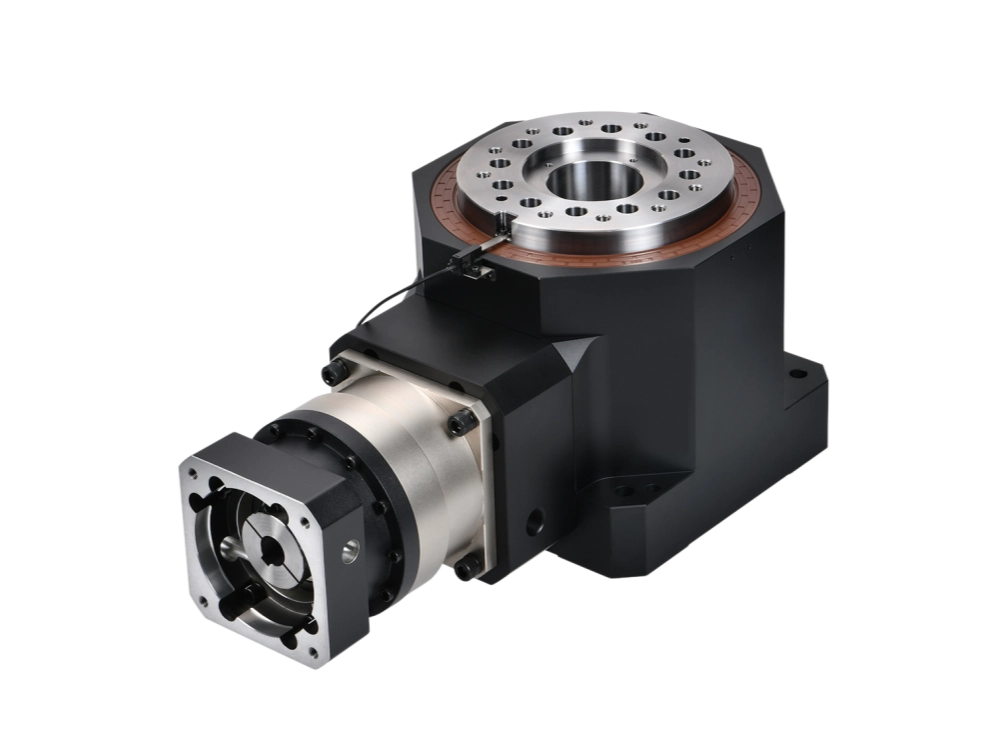
While conventional rotary tables for milling machines have served industry for decades, hollow rotary platforms represent a significant evolution in design. At Zhuochuang, we engineer hollow rotary tables specifically for demanding automation and CNC environments where space, rigidity, and cable management matter.
Key Design Advantages
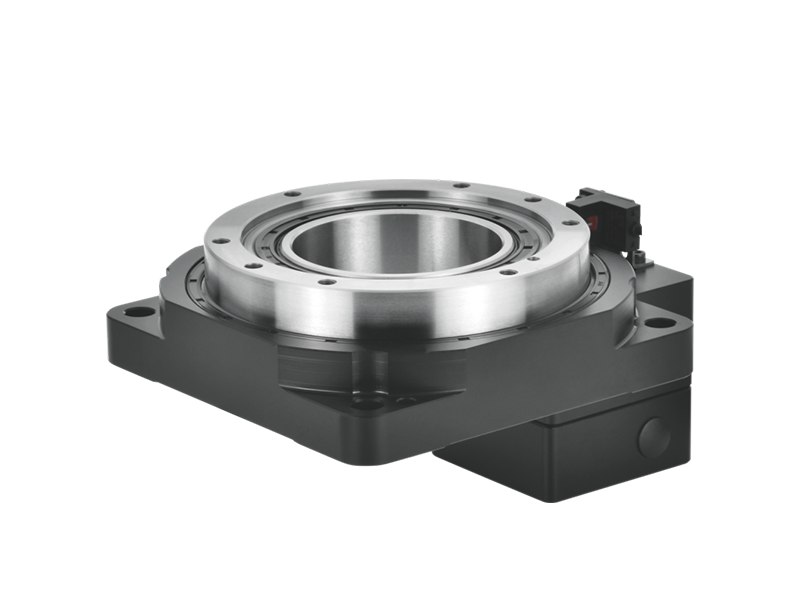
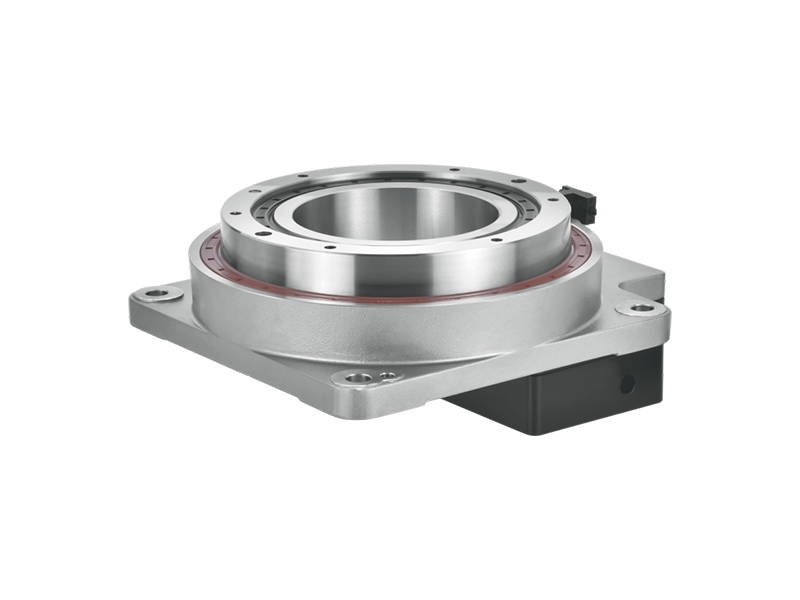
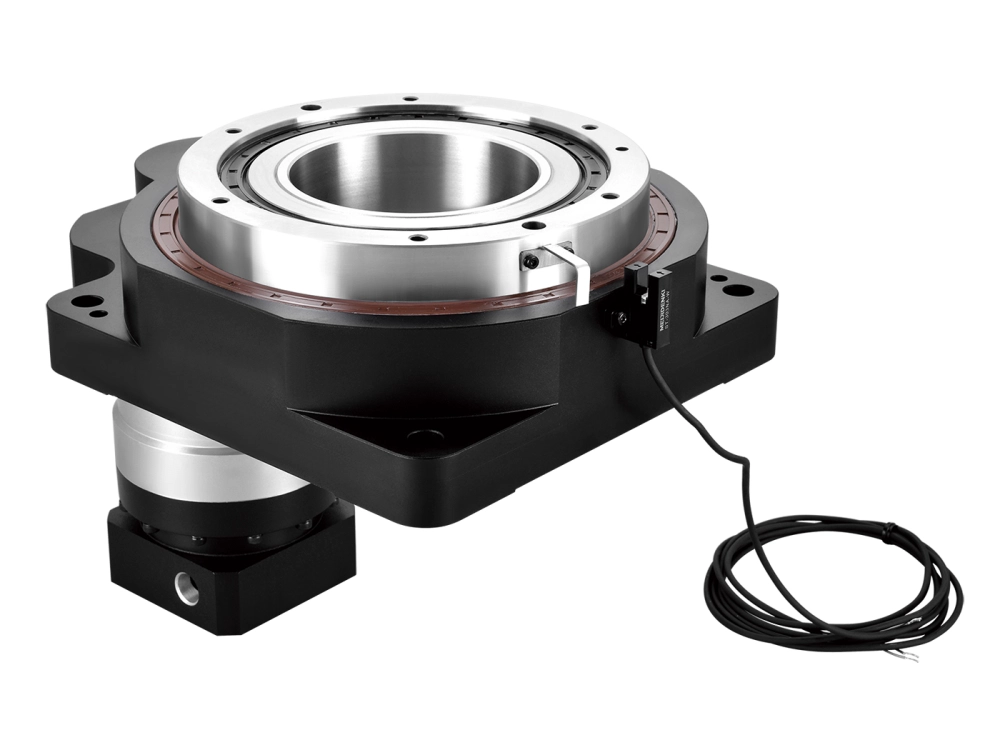
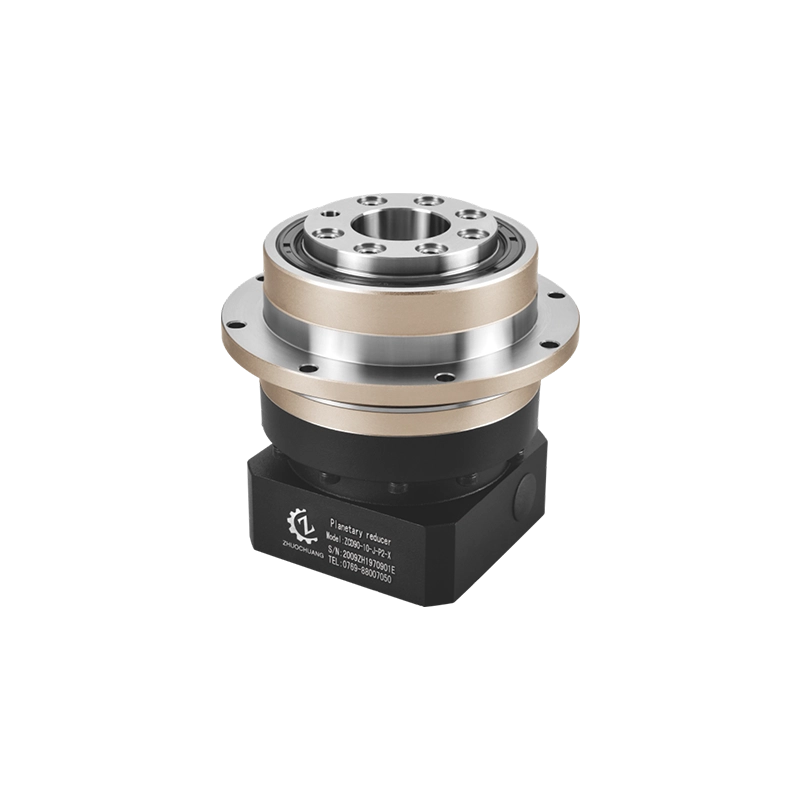
Central Through-Hole — The large hollow bore allows cables, pneumatic lines, and coolant hoses to pass through the center of the table rather than wrapping around the outside. This keeps the milling working table area clean and prevents cable fatigue during continuous rotation.
Direct Load Mounting — The output flange is designed for direct fixture or workpiece mounting. There is no need for additional adapter plates in many applications, saving height and improving rigidity compared to traditional milling machine tables with stacked accessories.
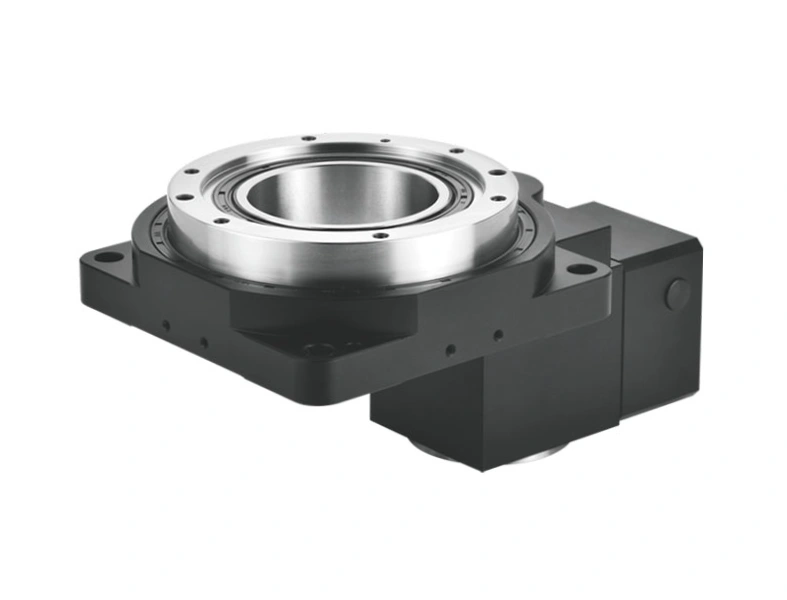
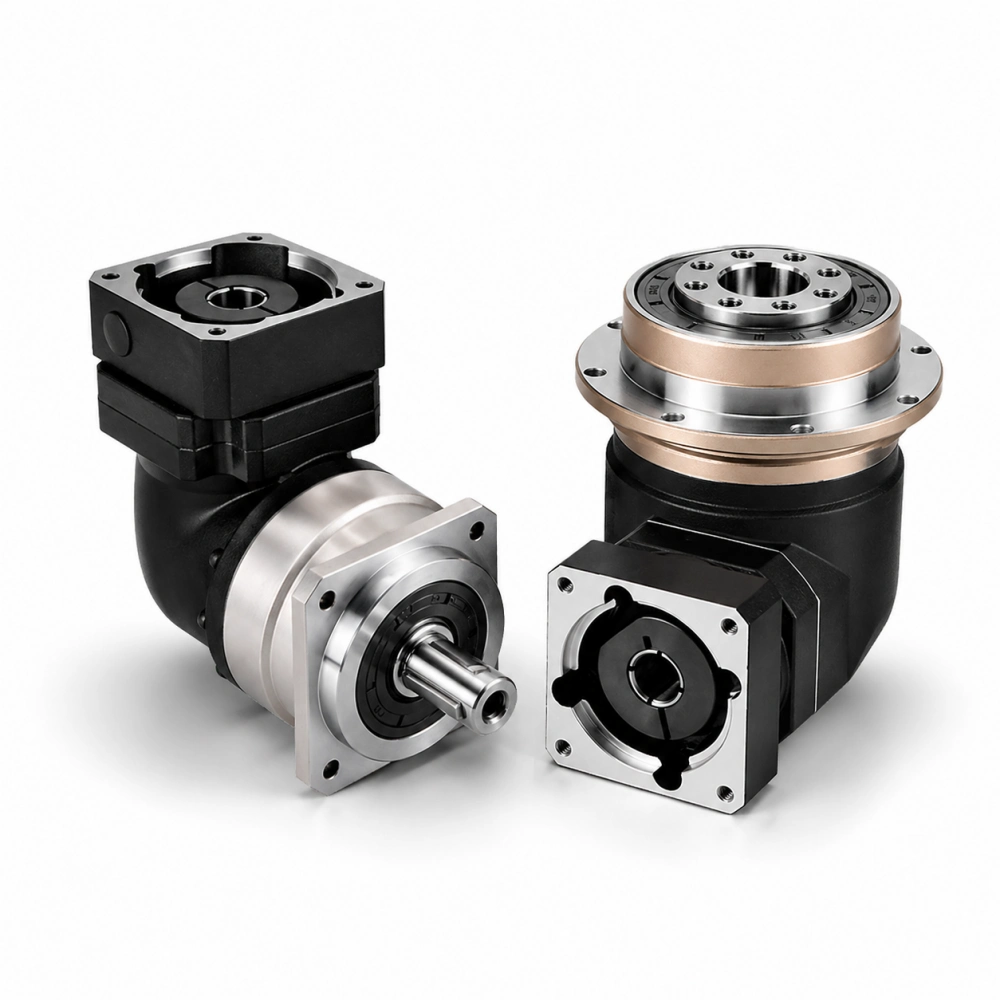
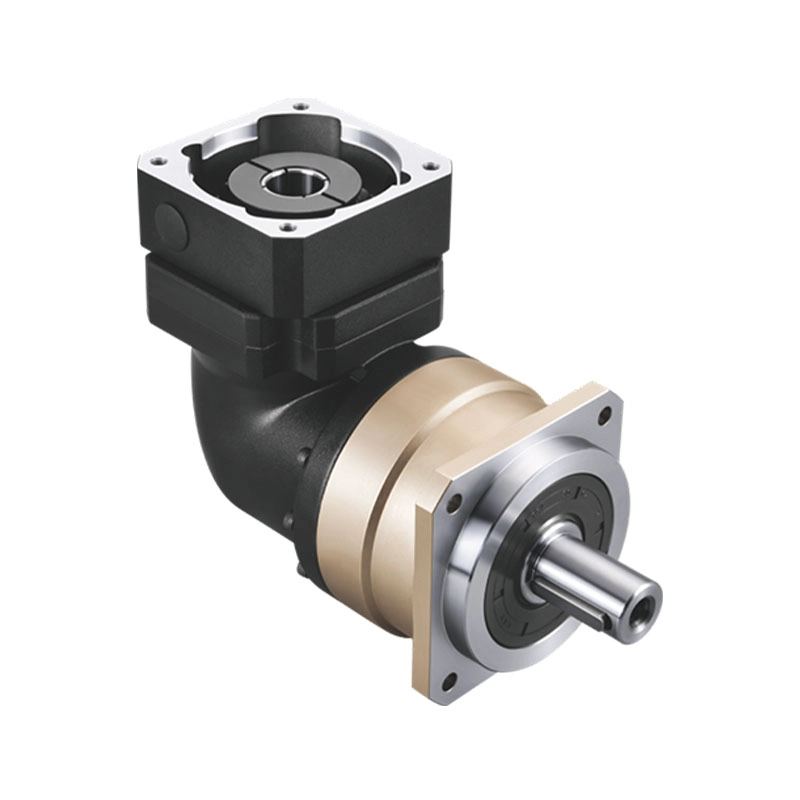
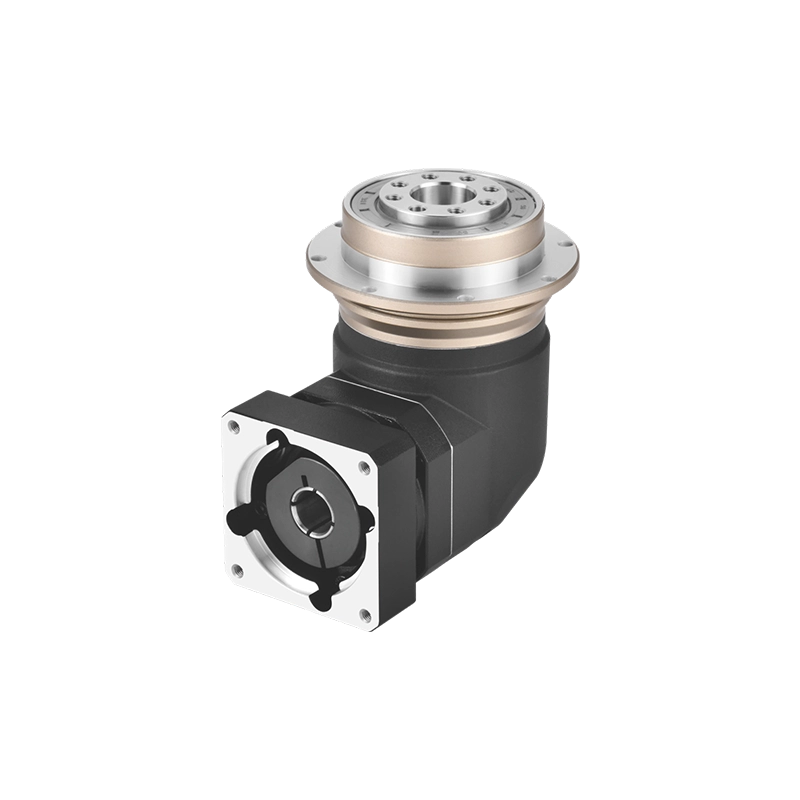
Compact Right-Angle Drive Options — For mills with limited Z-axis clearance or crowded table areas, our ZCTR right-angle rotary table and ZCH hypoid rotary table series position the motor parallel to the table surface. This reduces overall height and simplifies integration into existing xy milling table configurations.
High-Rigidity Steel Construction — The ZCTK steel-shell rotary table series provides enhanced structural rigidity for heavy cutting forces typical in milling operations. The steel housing absorbs vibration better than aluminum alternatives, maintaining surface finish quality on critical components.
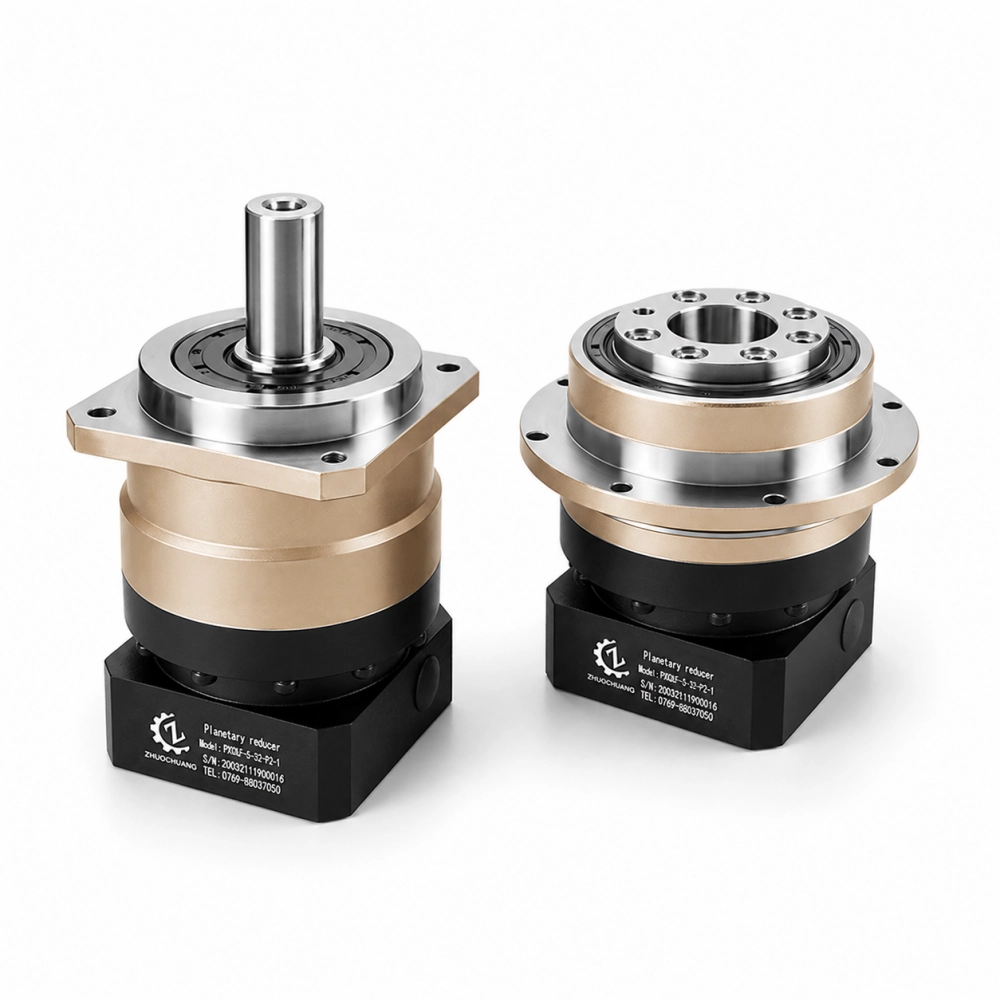
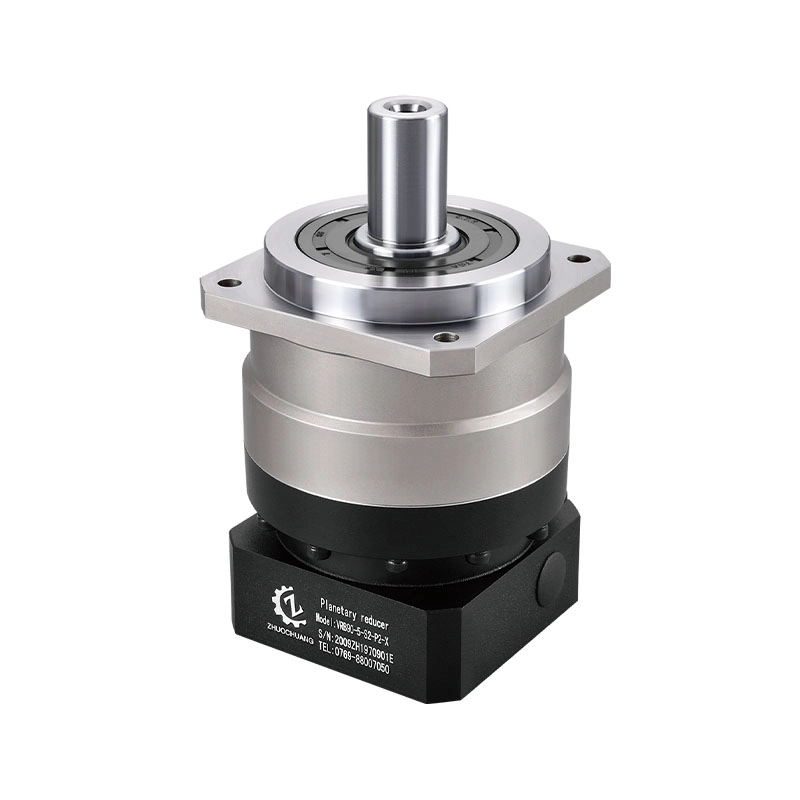
Precision Gear Transmission — Our tables use planetary reduction systems derived from our planetary gearbox expertise. This delivers high torque density, low backlash, and smooth motion — essential when a milling rotary table must maintain precise angular position under cutting load.
How to Select a Rotary Table for Your Milling Machine
Not every rotary table for milling machine integration is the same. Before requesting a quote, gather the following application data:
1. Table Size and Load Capacity
Confirm the diameter of the milling table and the maximum workpiece weight. For large fixtures or heavy castings, the ZCTZ heavy-duty rotary table series offers higher load ratings and reinforced bearings.
2. Aperture Requirement
Measure the bundle diameter of cables, hoses, or shafts that must pass through the center. Our ZBT large-aperture rotary table series is designed specifically for applications requiring generous through-bore clearance.
3. Motor and Control Compatibility
Verify whether your milling machine controller supports a fourth axis. If so, confirm the motor brand, power rating, and communication protocol. Zhuochuang rotary tables can be configured for most major servo and stepper motor brands.
4. Positioning Accuracy and Backlash
For precision milling, specify the required indexing accuracy and acceptable backlash. Our planetary-driven designs achieve low backlash suitable for contour milling and gear cutting applications.
5. Installation Orientation
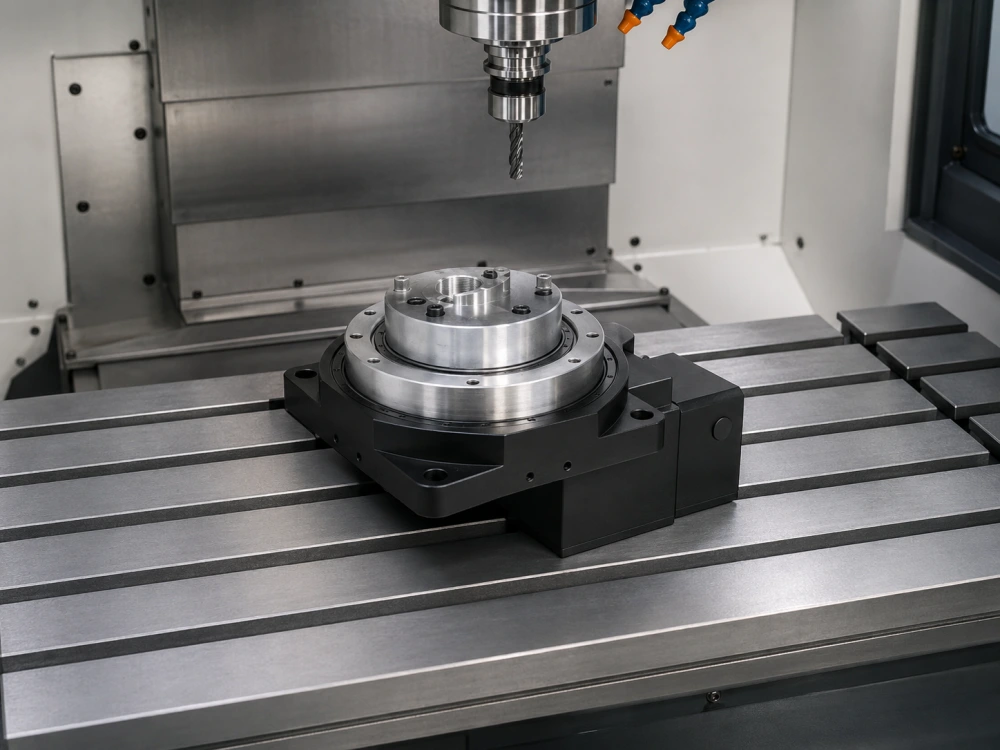
Will the table mount horizontally on the milling working table, or vertically as a trunnion? Some series are optimized for horizontal mounting, while others accommodate vertical or tilted arrangements.
Common Applications of Rotary Tables in Milling
Rotary tables for milling machines appear across virtually every industry that produces metal or engineered components:
- Aerospace — Machining turbine vanes, engine mounts, and structural brackets with angular hole patterns.
- Automotive — Producing transmission housings, camshafts, and steering components requiring multi-face access.
- Mold and Die — Creating complex cavity geometries and contoured parting lines on injection molds.
- Medical Devices — Manufacturing orthopedic implants and surgical instruments with tight angular tolerances.
- General Job Shops — Adding fourth-axis capability to standard vertical mills without purchasing a full five-axis machining center.
In each case, the goal is the same: transform a conventional mill into a more capable rotary table milling machine without the capital expense of a dedicated multi-axis center.
Frequently Asked Questions
Can I add a rotary table to any milling machine?
Most vertical and horizontal mills can accept a rotary table if the milling machine tables have T-slots for mounting and sufficient travel to accommodate the table diameter. CNC mills require a controller with fourth-axis capability for automated operation.
What is the difference between a milling table and a rotary table?
A milling table provides X-Y linear motion for positioning the workpiece under the cutter. A rotary table adds rotational motion (typically around the vertical axis), enabling the workpiece to turn while the cutter remains fixed or moves simultaneously.
Is a manual rotary table accurate enough for production work?
A manual rotary table for milling machine use is suitable for low-volume prototype work and simple indexing. For production environments requiring tight tolerances and unattended operation, a CNC-driven hollow rotary table is recommended.
How does a hollow rotary table improve cable management?
The central bore allows all cables, hoses, and wiring to pass through the inside of the table rather than wrapping around the perimeter. This prevents tangling, reduces wear, and keeps the machining tables clear of obstructions.
What reduction ratio should I choose?
Reduction ratio selection depends on the required output speed, motor speed, and torque. Higher ratios provide more torque and finer resolution but reduce maximum rotation speed. Our engineering team can calculate the optimal ratio based on your motor specifications and cutting parameters.
Get a Custom Rotary Table Solution from Zhuochuang
Selecting the right rotary table for milling machine integration requires matching mechanical specifications, motor compatibility, and application demands. At Dongguan Zhuochuang Precision Machinery Co., Ltd., we design and manufacture hollow rotary tables with the rigidity, accuracy, and compact form factors that modern milling operations require.
Whether you need a large-aperture model for cable-through installation, a right-angle design for space-limited xy milling table setups, or a heavy-duty unit for demanding cuts, our engineering team can recommend a suitable configuration.
Contact us today with your load requirements, motor details, and installation constraints. We will provide a tailored quotation and technical evaluation for your mill rotary table application.