
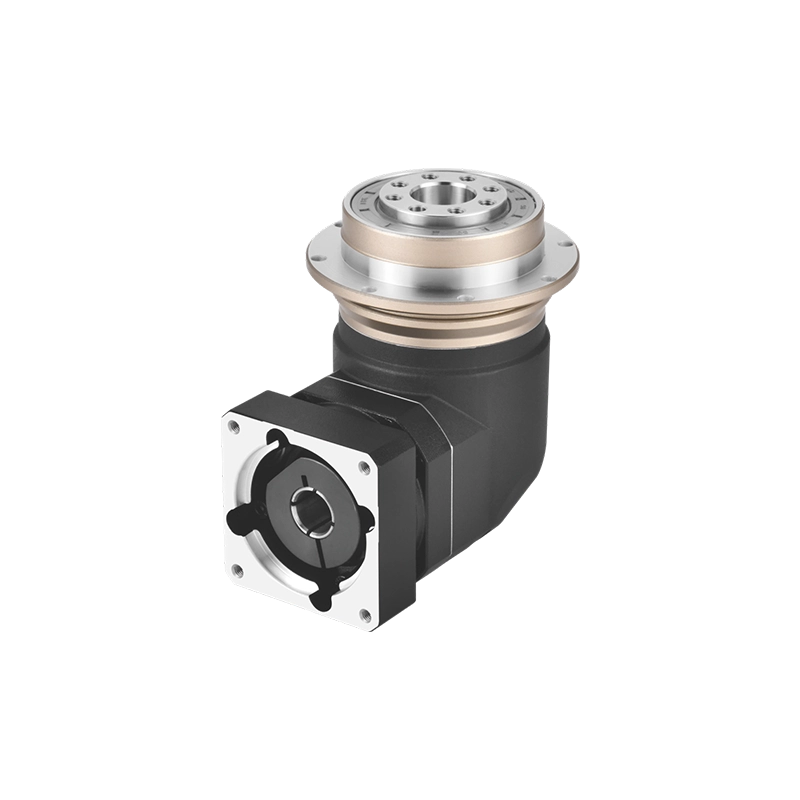
Gearbox Overheating: Causes, Signs, and Prevention for Planetary Gearboxes
Gearbox overheating is a common warning sign in industrial motion systems. In a precision planetary gearbox, excessive heat can reduce transmission efficiency, accelerate lubricant deterioration, increase bearing and gear wear, and eventually cause unstable positioning or unexpected machine downtime.
Planetary gearbox overheating may result from incorrect gearbox selection, excessive torque, high input speed, motor misalignment, restricted heat dissipation, or deteriorating internal components.
For engineers and equipment manufacturers using precision planetary gearboxes in automation equipment, robotics, CNC machines, and packaging systems, gearbox temperature should be evaluated together with torque, speed, duty cycle, ambient conditions, noise, vibration, and positioning performance.
This guide explains what causes gearbox overheating, how to identify abnormal temperature rise, how to diagnose the problem, and what steps can help prevent heat-related damage in sealed precision planetary reducers.
What Is Considered Gearbox Overheating?
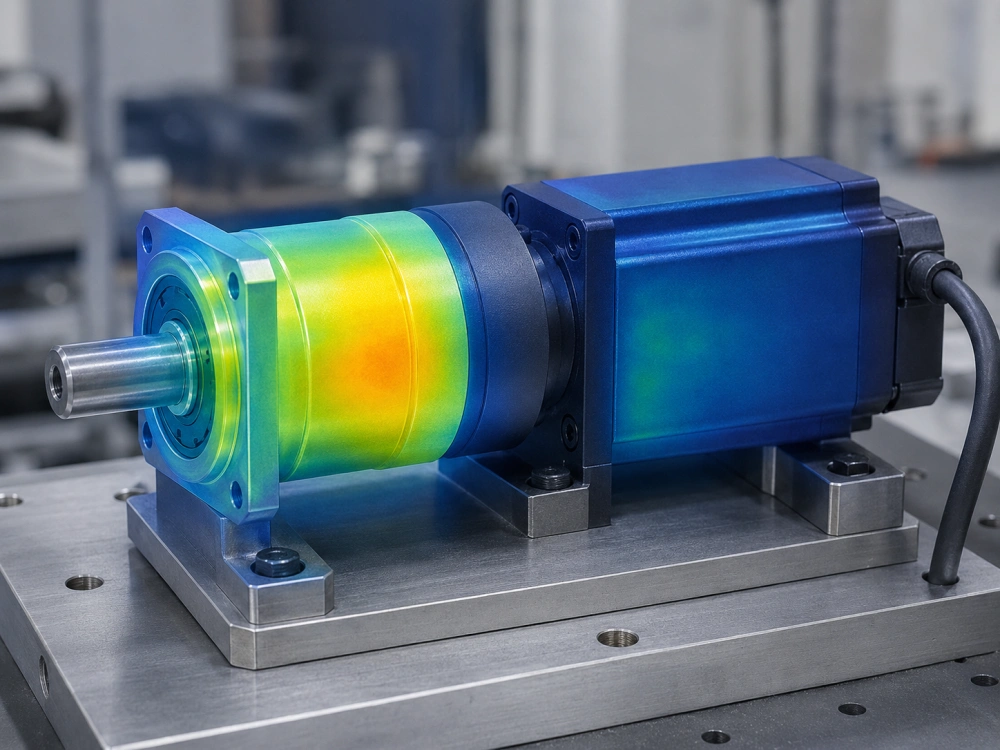
There is no single housing temperature that applies to every gearbox. An acceptable gearbox operating temperature depends on the gearbox model, lubricant, seal material, input speed, transmitted torque, duty cycle, installation method, ambient temperature, and measurement position.
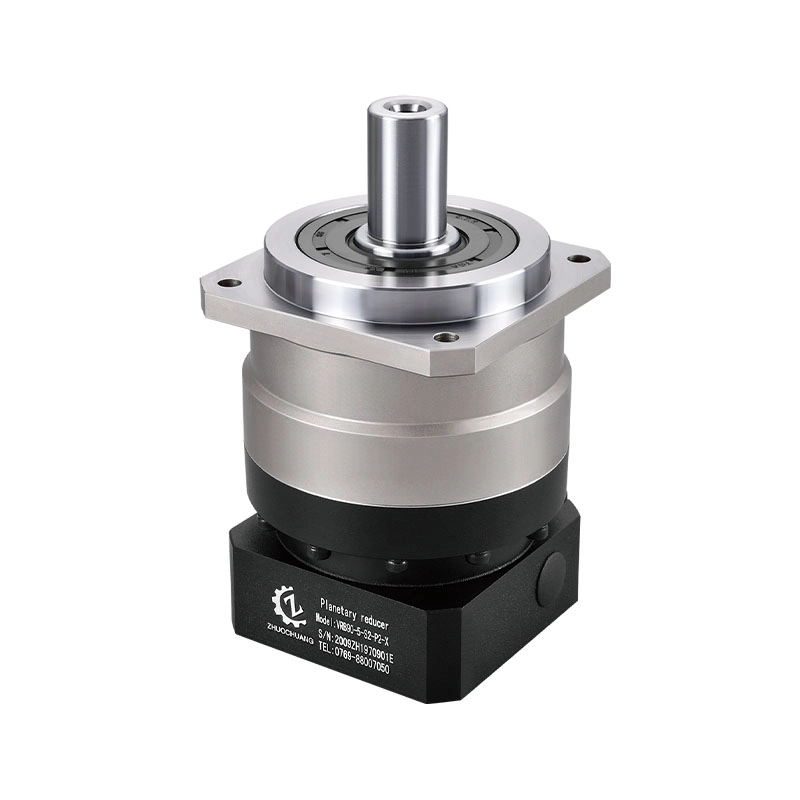
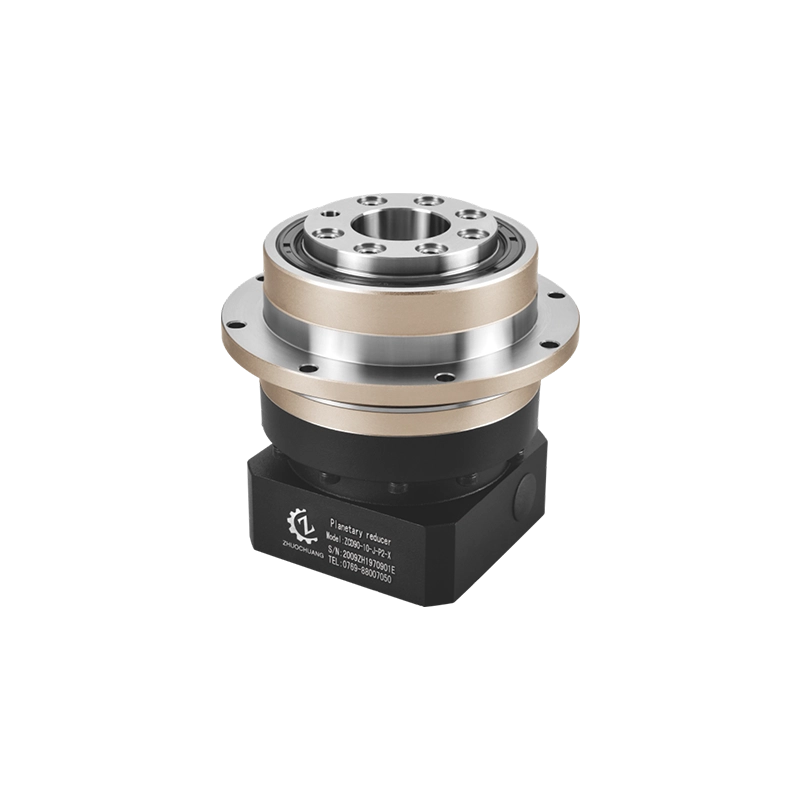
For example, published specifications for Zhuochuang VRB and ZCD Series precision planetary gearboxes list an operating temperature range of -10°C to +90°C. However, this specification should not be treated as a universal normal housing temperature for every application. The permitted operating range and the actual surface temperature measured during operation are different values.
A more reliable method is to establish a temperature baseline after the machine reaches steady operation under a known load. Future readings can then be compared with that baseline.
- Normal condition: Gearbox temperature rises gradually and stabilizes within the manufacturer’s operating specification.
- Caution condition: Temperature is noticeably higher than its historical baseline or continues increasing after the machine should have reached steady operation.
- Inspection required: A temperature increase is accompanied by abnormal noise, vibration, lubricant leakage, reduced accuracy, or unstable motion.
- Stop condition: Temperature exceeds the specified limit for the gearbox, servo motor, lubricant, seals, or surrounding machine components.
Temperature trends are generally more useful than one isolated reading. Measurements should be taken at the same location, under comparable load and speed conditions, and with the same instrument whenever possible.
Why Does a Planetary Gearbox Generate Heat?
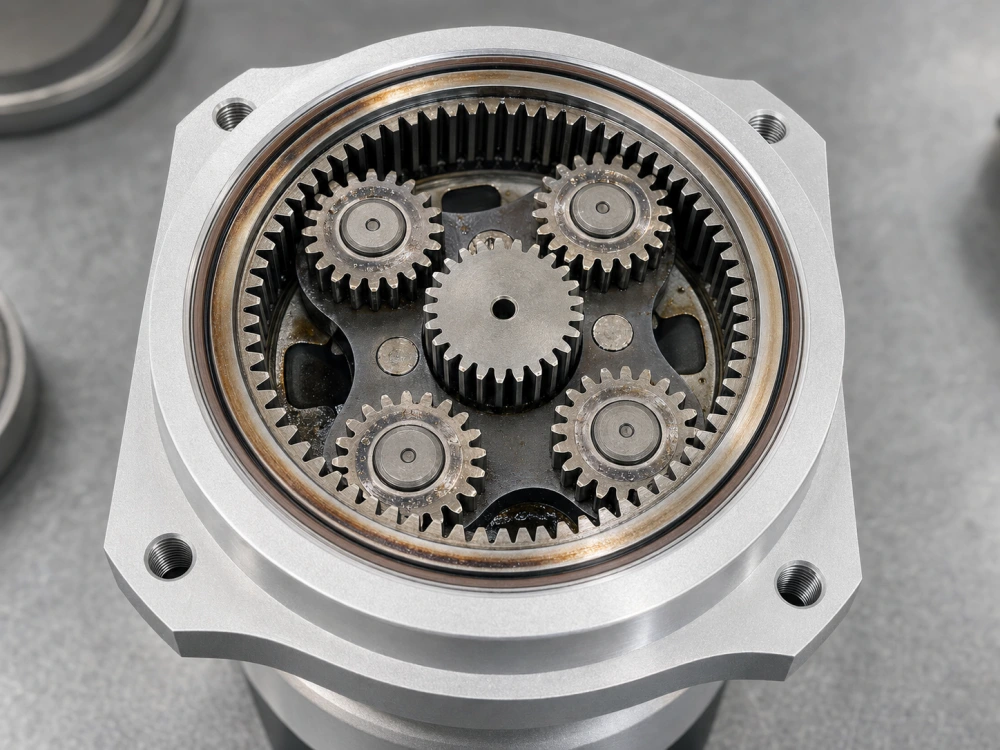
Some heat generation is normal in any mechanical transmission. As the sun gear, planet gears, ring gear, bearings, seals, and lubricant operate under load, a portion of the input power is converted into heat through friction and lubricant movement.
A correctly selected planetary gearbox should eventually reach a stable temperature. If the unit keeps getting hotter, the heat generated inside the gearbox may be greater than the heat dissipated through its housing and surrounding air.
Heat may also transfer from the servo motor, spindle, machine frame, nearby heater, or driven equipment. Therefore, a warm gearbox housing does not automatically prove that the gearbox itself is the original source of the problem.
What Causes Gearbox Overheating?
1. Incorrect Gearbox Sizing or Continuous Overload
A planetary gearbox selected too close to its maximum torque capacity may operate normally during short cycles but overheat during continuous production. Actual application torque should include acceleration torque, emergency-stop torque, shock load, external forces, and an appropriate service factor—not only the servo motor’s rated torque.
High load inertia can also increase the torque required during acceleration and deceleration. Applications with frequent starts, rapid reversing, shock loads, or long daily operating hours may require a larger gearbox frame or a higher service factor.
If the machine process has been changed after installation, the existing gearbox may no longer have enough capacity for the new operating conditions.
2. Excessive Input Speed
Higher input speed increases the number of gear-meshing and bearing-contact cycles per minute. Even when output torque remains within the rated value, continuous high-speed operation can generate more heat than intermittent operation.
Engineers should confirm both the rated input speed and maximum input speed. A published maximum speed may apply only to limited operating conditions and should not automatically be treated as a continuous running speed.
3. High Duty Cycle and Frequent Starting
A gearbox that operates for several seconds and then rests has more time to dissipate heat than one running continuously. Frequent acceleration, deceleration, reversing, and indexing cycles can also increase the average thermal load.
Starts per hour, daily operating time, acceleration time, deceleration time, and dwell time should therefore be included in the gearbox selection process.
4. Servo Motor and Gearbox Misalignment
Incorrect motor installation can create radial force, uneven bearing load, vibration, and additional friction. Common installation problems include:
- Incorrect motor shaft or adapter dimensions
- Improper motor pilot alignment
- Uneven tightening of mounting screws
- Incorrect clamping of the motor shaft
- Forcing the motor and gearbox together during assembly
- Misalignment between the output shaft and driven mechanism
The servo motor shaft diameter, pilot diameter, mounting-hole pitch, flange size, and mounting screws should be confirmed before the gearbox is ordered.
5. High Ambient Temperature or Restricted Heat Dissipation
A precision gearbox transfers heat through its housing. Temperature may rise if the unit is installed close to a motor, heater, spindle, oven, or another heat-producing component.
Enclosed machine cabinets with poor airflow can retain heat around the complete drive system. Guards, cables, insulation, dust, and nearby components may also restrict natural heat dissipation.
Maintain suitable clearance around the servo motor and gearbox. In high-temperature environments, consider improving cabinet ventilation, reducing external heat transfer, or reviewing the required service factor.
6. Lubricant or Seal Problems
Many sealed precision planetary gearboxes use manufacturer-specified grease designed for long-term lubrication. Users should not open the gearbox or add another lubricant unless the model is specifically designed to be serviceable.
Lubricant leakage, damaged seals, internal contamination, or lubricant deterioration can increase friction and contribute to gearbox overheating. If leakage or an unusual odor is detected, stop the equipment and contact the gearbox manufacturer for inspection guidance.
7. Bearing or Gear Deterioration
Worn bearings, damaged bearing cages, pitted gear teeth, abnormal backlash, or internal contamination can increase mechanical resistance and generate localized heat.
Internal deterioration is often accompanied by increasing noise, vibration, positioning error, uneven rotation, or changes in servo current.
Warning Signs of an Overheating Gearbox
An abnormal housing temperature is only one warning sign. A complete inspection should also consider the following symptoms:
- A sudden temperature rise compared with the normal operating baseline
- Temperature that continues increasing during steady operation
- New whining, grinding, clicking, or irregular mechanical noise
- Increased vibration at the servo motor, gearbox, or mounting structure
- Lubricant leakage around the input or output seals
- Discoloration or unusual odor near the gearbox housing
- Reduced positioning accuracy or increased backlash
- Unstable output speed, torque, or servo response
- Unexpected increases in servo motor current
- Repeated motor-drive overload or following-error alarms
A warm gearbox is not automatically defective. The concern is an abnormal temperature trend combined with changes in performance, sound, vibration, leakage, backlash, or positioning accuracy.
How to Diagnose Gearbox Overheating
Step 1: Measure Gearbox Temperature Consistently
Use an infrared thermometer, thermal camera, surface temperature sensor, or contact probe. Measure the same housing location each time and record the ambient temperature, operating time, input speed, load, and duty cycle.
A thermal camera can help identify whether heat is concentrated around the input bearing, gearbox body, output bearing, motor connection, or driven mechanism.
Step 2: Compare with the Normal Baseline
Compare the reading with historical data from the same machine under similar operating conditions. A significant change from the established baseline is generally more meaningful than comparing the result with a generic temperature found online.
Step 3: Verify Torque and Load Conditions
Confirm actual output torque, acceleration torque, reduction ratio, operating speed, load inertia, starts per hour, shock load, and daily operating time.
If the machine output, product weight, cycle time, acceleration, or driven mechanism has recently changed, the original gearbox selection should be reviewed.
Step 4: Check Servo Motor Matching
Review the servo motor model, power, rated speed, maximum speed, shaft diameter, pilot diameter, and mounting interface. Incorrect motor matching or an improperly installed adapter may transfer unwanted forces into the gearbox bearings.
Step 5: Inspect Installation and Alignment
Check mounting screws, output coupling, driven shaft alignment, brackets, and the machine frame. Loose fasteners, distorted mounting surfaces, and misaligned couplings can produce vibration and uneven loading.
Step 6: Inspect for Leakage, Noise, and Backlash
Look for lubricant leakage around the input and output seals. Listen for abnormal mechanical noise and check whether positioning accuracy or backlash has changed.
Do not disassemble a sealed precision planetary gearbox without appropriate tools and technical guidance.
Step 7: Identify the Original Heat Source
The gearbox may receive heat from another component. Compare the temperature of the servo motor, adapter flange, gearbox housing, output bearing, machine frame, and driven mechanism before concluding that the gearbox itself is defective.
How to Prevent Planetary Gearbox Overheating
Select the Correct Gearbox Frame Size
Gearbox selection should consider rated torque, peak torque, reduction ratio, input speed, radial force, axial force, load inertia, duty cycle, starts per hour, shock load, and required service life.
Continuous operation, large output inertia, and high-frequency reversing may require a larger gearbox frame than an application with stable and intermittent loading.
Choose an Appropriate Reduction Ratio
The selected ratio affects output torque, output speed, motor operating speed, and reflected load inertia. A suitable ratio allows the servo motor to work within an efficient range without continuously overloading the gearbox.
Confirm the Motor Interface
Provide the complete servo motor model when requesting a quotation. The gearbox input adapter should match the motor shaft diameter, pilot diameter, mounting-hole pitch, flange size, and screw dimensions.
Follow the Correct Installation Procedure
Keep mating surfaces clean, align the motor and gearbox carefully, tighten screws evenly, and follow the specified clamping procedure. Do not hammer the motor shaft or force the motor and gearbox together.
Avoid Continuous Overload
If the required torque or production cycle increases, recalculate the gearbox selection instead of continuing to operate an undersized reducer. A gearbox that repeatedly overheats because of inadequate capacity may experience shortened bearing, seal, and gear life.
Maintain Suitable Environmental Conditions
Ensure adequate airflow around the motor and gearbox, particularly inside enclosed equipment. Avoid installing the reducer directly beside high-temperature components unless the application has been evaluated for the additional thermal load.
Monitor Changes Over Time
Record gearbox temperature, vibration, noise, positioning accuracy, and servo current during normal production. Trend monitoring can identify gradual deterioration before it develops into unexpected machine downtime.
When Should an Overheating Gearbox Be Replaced?
Manufacturer inspection or gearbox replacement should be considered when:
- The temperature remains abnormal after installation and load problems are corrected
- Lubricant leakage continues or the seals are damaged
- Backlash or positioning error exceeds the application requirement
- Abnormal noise and vibration indicate bearing or gear damage
- The gearbox is undersized for the actual torque and duty cycle
- The output shaft or bearings have been exposed to excessive radial or axial load
- The risk and cost of internal repair are greater than replacement
If the existing gearbox repeatedly overheats because it is undersized, replacing it with the same frame size may repeat the problem. The complete application should be recalculated before choosing a replacement.
Frequently Asked Questions About Gearbox Overheating
What is a normal planetary gearbox temperature?
There is no universal normal temperature for every gearbox. Use the manufacturer’s operating specification and establish a baseline under known load, speed, duty cycle, and ambient conditions. A stable temperature trend is generally more meaningful than one generic limit.
Is it normal for a gearbox to feel warm?
Yes. Gear meshing, bearings, seals, and lubricant naturally generate some heat. A warm housing is not necessarily a fault if the temperature stabilizes and there are no abnormal changes in noise, vibration, leakage, backlash, or positioning accuracy.
Should I relubricate a sealed planetary gearbox?
Not unless the manufacturer specifically requires it. Many precision planetary gearboxes use long-term lubrication and are sealed at the factory. Opening the unit or adding an incompatible lubricant may affect sealing, backlash, and service life.
Why does my gearbox overheat when the load appears normal?
Possible causes include incorrect acceleration torque calculations, high load inertia, excessive input speed, frequent starting, motor misalignment, external heat transfer, damaged bearings, or an application change not included in the original selection.
Can a larger planetary gearbox reduce overheating?
A larger frame may provide greater torque capacity and a higher service margin, but frame size alone does not solve every temperature problem. Ratio, speed, duty cycle, motor interface, installation, ambient conditions, and driven load must also be checked.
Can gearbox overheating damage a servo motor?
Excessive heat can transfer between the gearbox and servo motor through the adapter and mounting structure. Abnormal mechanical resistance may also increase motor current. The complete drive assembly should therefore be inspected when either component shows an unusual temperature rise.
Planetary Gearbox Selection Support from Zhuochuang
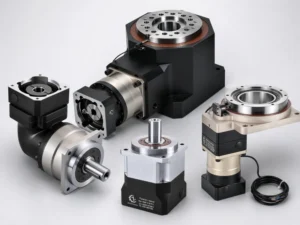
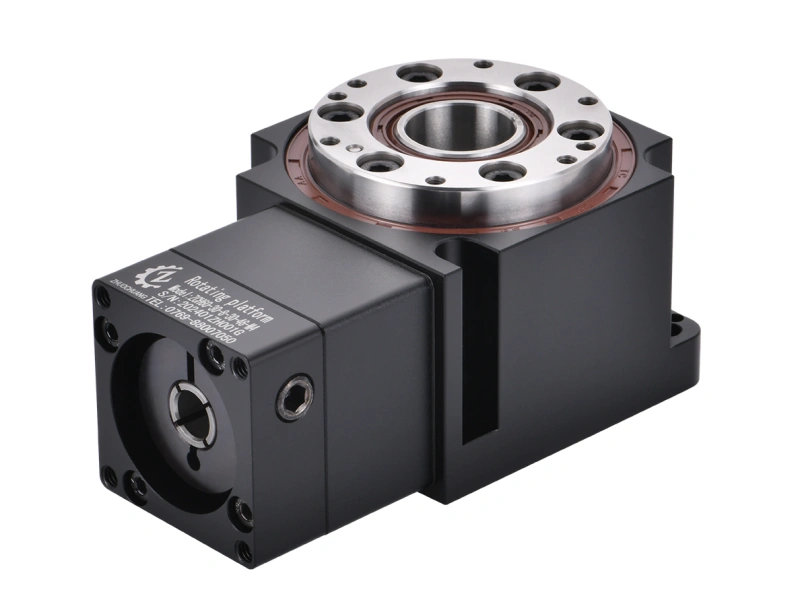
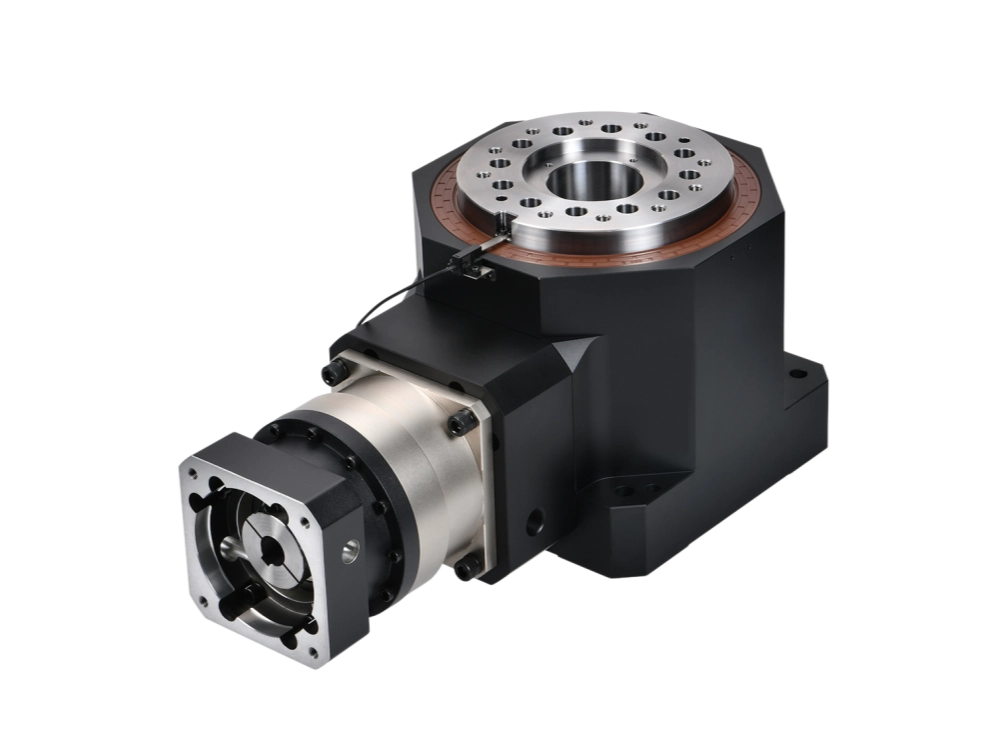
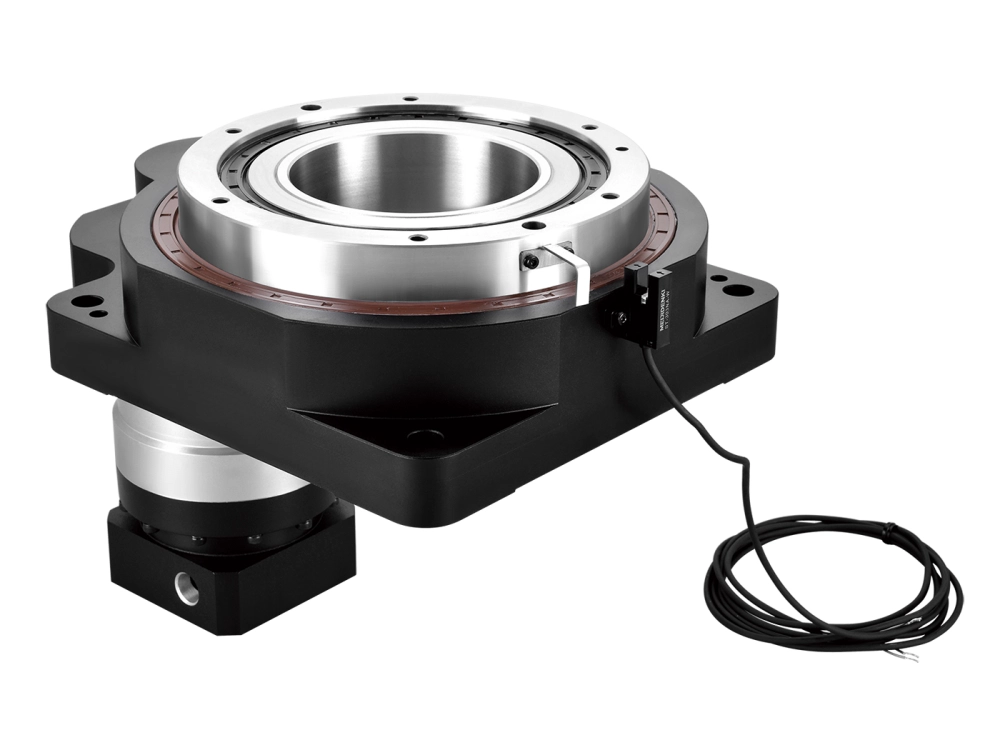
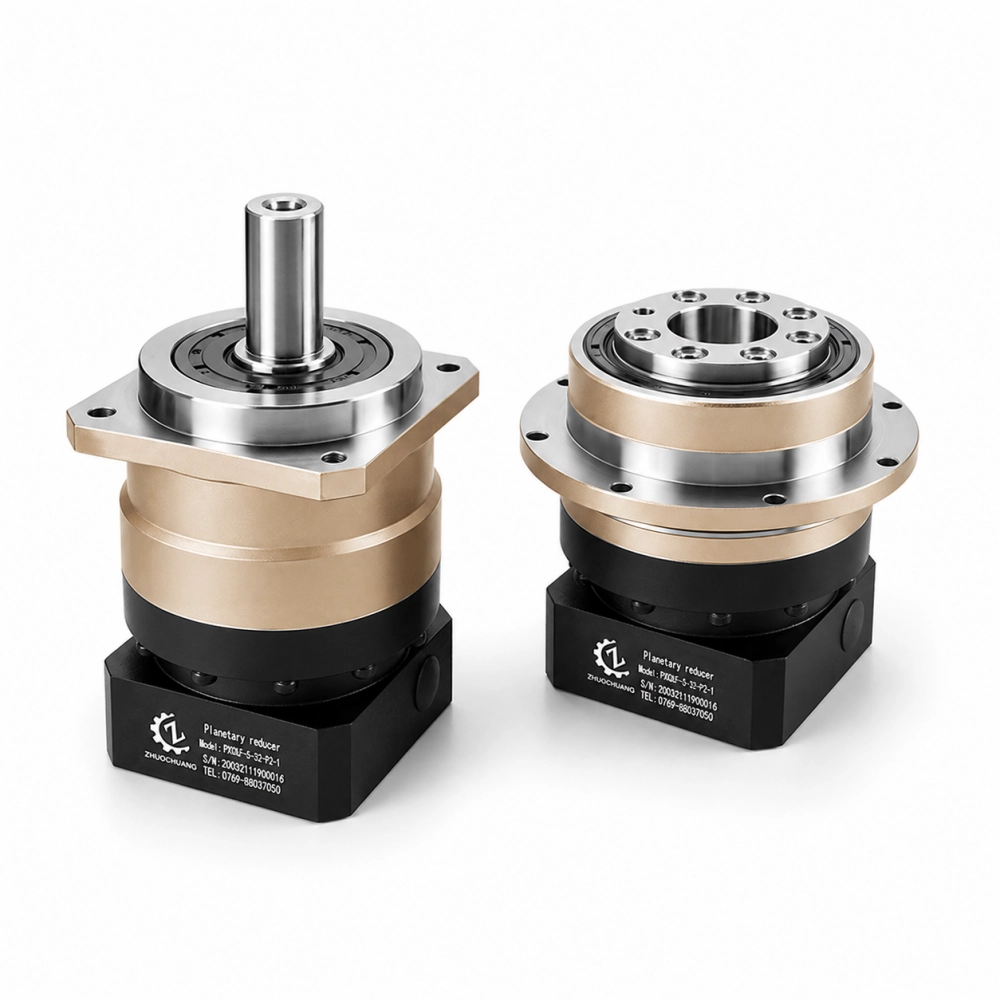
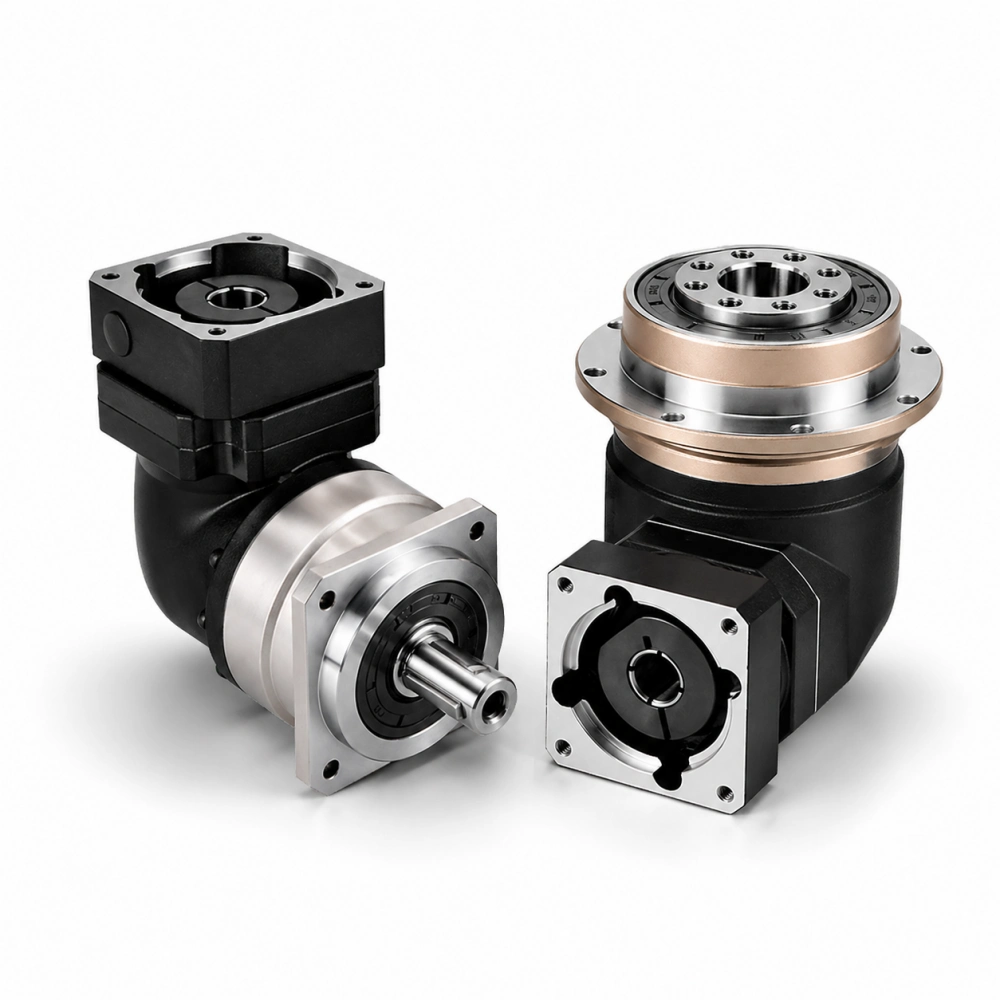
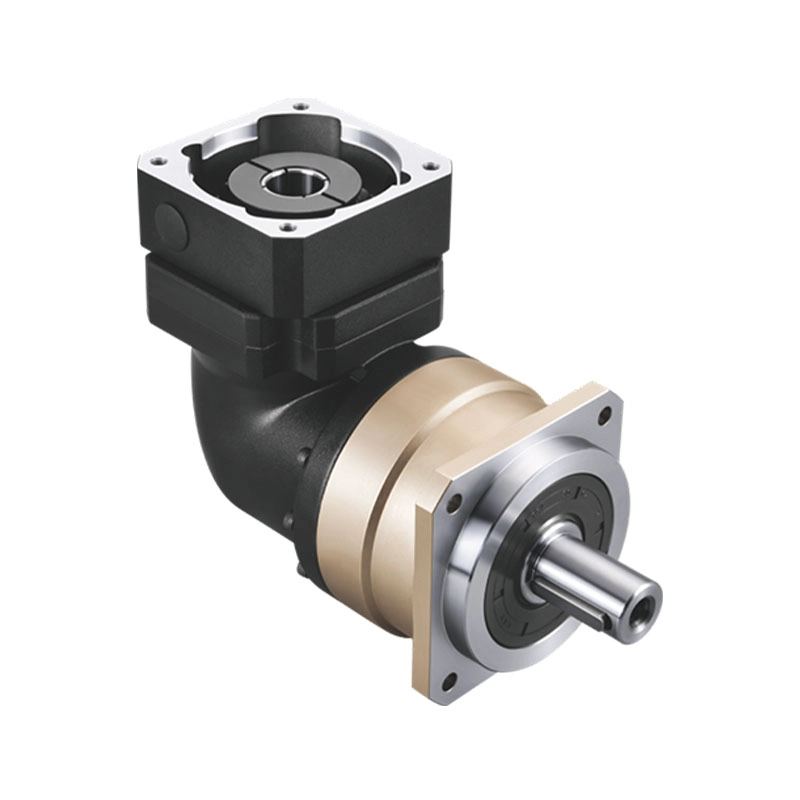
Zhuochuang supplies inline planetary gearboxes and right-angle planetary gearboxes for servo-driven automation equipment.
Available series cover different frame sizes, reduction ratios, torque capacities, motor interfaces, and installation layouts. Published specifications for selected Zhuochuang models include long-term lubrication, IP65 protection, and operating temperature ranges suitable for industrial motion-control applications.
To help identify whether an existing gearbox is undersized or recommend a replacement model, please provide:
- Servo motor brand and complete model number
- Motor power, rated speed, and maximum speed
- Required reduction ratio and output speed
- Rated torque, peak torque, or driven load information
- Load inertia and acceleration/deceleration time
- Operating hours, starts per hour, and duty cycle
- Ambient temperature and installation orientation
- Required backlash and positioning accuracy
- Available installation space and output load direction
Contact Zhuochuang with your motor data and operating conditions. Our team can help compare torque, ratio, speed, motor interface, and service factor before recommending a planetary gearbox.
Related Planetary Gearbox Guides
- Planetary Gearbox Efficiency: Factors, Losses, and Improvement
- How Does a Planetary Gearbox Work?
- High-Torque Planetary Gearbox Selection Guide
Technical References
The following resources provide additional information about gearbox temperature, planetary gearbox lubrication, installation, and maintenance:
- GearKo — Causes and Solutions for Overheating in Planetary Gear Reducers
- Sesame Motor — Importance of Lubrication in Planetary Gearboxes
- Neugart — Standard Planetary Gearbox Operating Manual
Operating limits vary by gearbox model, lubricant, load, speed, duty cycle, installation, and ambient conditions. Always follow the specifications supplied for the selected gearbox.