
Conveyor Belt Gearbox Problems: Diagnosis & Prevention Guide
A conveyor belt gearbox endures thousands of hours of continuous load, shock, and thermal cycling. When it fails, the entire production line stops. This guide helps you diagnose common conveyor belt gearbox problems early, prevent them through proper maintenance, and decide when repair, replacement, or upgrade is the right move for your belt conveyor system.
Quick Answer: The five most common conveyor belt gearbox problems are abnormal noise, overheating, oil leakage, vibration, and output shaft failure. Most originate from improper lubrication, misalignment, overload, or contamination — not from manufacturing defects. Catching symptoms early through scheduled inspection and oil analysis can extend gearbox life by 2–3×. When repair frequency increases or efficiency drops below 90%, it’s time to consider replacement.
Why Conveyor Belt Gearboxes Fail Early
Many conveyor belt gearbox failures share a common root cause: the unit was either undersized for the actual duty cycle, or maintenance was reactive instead of preventive. A gearbox for conveyor use rated for 8 hours of uniform load per day will not survive 24/7 operation with shock loads — regardless of how well it’s maintained.
Three factors accelerate wear in every conveyor belt gearbox:
- Startup torque spikes: A loaded belt conveyor requires 150%–200% of running torque during breakaway. Without a VFD soft-start, each startup sends a shock wave through the gear teeth and bearings.
- Thermal cycling: Daily temperature swings cause the housing to expand and contract, stressing seals and changing oil viscosity. Over time, this degrades lubrication quality.
- Contamination ingress: Dust, moisture, and belt debris enter through worn seals or breathers. Even fine particles (10–40 μm) cause abrasive wear on gear teeth and bearing races.
Understanding these failure drivers is the first step toward extending the life of any conveyor belt gearbox. Whether you’re running a standard belt drive or a conveyor motor gearbox with servo control, the same principles apply. The sections below cover specific symptoms, causes, and fixes.
Diagnosing Gearbox Noise
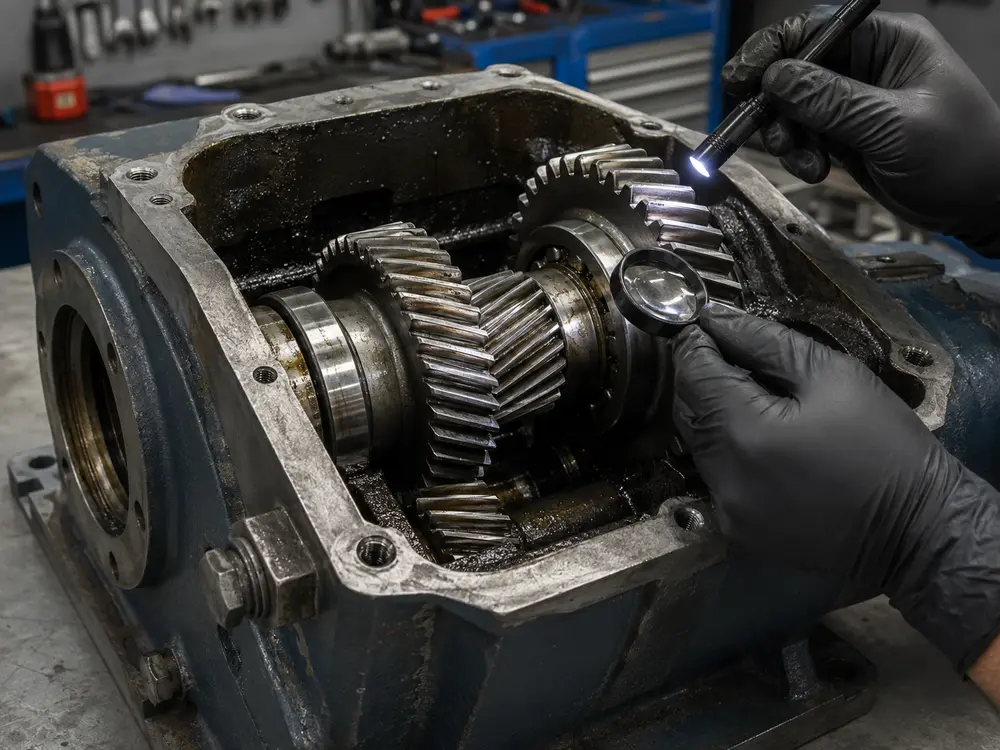
Noise is the earliest warning sign. Different sounds point to different problems in your belt conveyor gearbox:
| Sound Type | Likely Cause | Action |
|---|---|---|
| Continuous whine | Low oil level or wrong viscosity | Check oil level; sample viscosity; refill with correct grade |
| Rhythmic clicking | Broken or chipped gear tooth | Stop immediately; inspect gear teeth; replace damaged gear |
| Grinding or growling | Bearing failure or severe gear wear | Measure vibration; inspect bearings; plan rebuild |
| Squealing at startup | Belt slippage or coupling misalignment | Check belt tension; align motor-to-gearbox shaft |
| Rattling at idle | Loose bolts, worn keys, or backlash excessive | Torque all fasteners; inspect keyways; check backlash |
Never ignore a new noise from your conveyor belt gearbox. What starts as a minor whine can progress to catastrophic failure within days if the root cause is low lubrication or bearing damage.
For conveyor motor gearbox applications with frequent start-stop cycles, noise from shock loading is common — but a changing sound pattern signals developing wear.
Overheating in Conveyor Belt Gearboxes
An operating temperature above 80°C (176°F) signals trouble — though exact limits vary by manufacturer and gearbox type. Every 10°C rise above the design temperature roughly halves the oil life. If oil temperature suddenly jumps or stays consistently above your baseline, stop and investigate. Common causes of overheating in a gearbox for conveyor systems include:
- Overload: The gearbox is handling more torque than its rating. Verify actual load against nameplate — a belt conveyor that gained capacity through material accumulation may exceed the original design load.
- Low oil or wrong grade: Insufficient oil reduces heat dissipation. Using a lower-viscosity oil than specified (e.g., ISO VG 150 instead of VG 220) reduces film strength and increases friction heat.
- Blocked ventilation: Dust-clogged breather valves trap hot air inside the housing. Clean or replace breathers quarterly in dusty environments.
- High ambient temperature: A conveyor belt gearbox in a 40°C plant environment loses about 14% of its thermal capacity. Add forced lubrication or an oil cooler if continuous operation exceeds thermal limits.
- Worn gears or bearings: As components wear, friction increases and generates excess heat. If oil temperature rises gradually over months alongside increasing vibration, internal wear is likely.
Install a temperature sensor on the gearbox housing for continuous monitoring. A sudden temperature jump above your baseline warrants immediate inspection.
Oil Leakage: Where and Why
Oil leaks are more than a housekeeping issue — they signal seal degradation that will eventually lead to lubrication starvation. In any belt conveyor gearbox, leaks typically appear at:
- Output shaft seal: The radial lip seal wears from shaft rotation and contamination. A groove worn into the shaft surface accelerates seal failure. Fix: replace seal and sleeve or resurface shaft.
- Input shaft seal: Often caused by excessive motor vibration or misalignment. Fix: align motor shaft within 0.05 mm; replace seal.
- Breather port: Oil mist escapes when the breather is clogged and internal pressure builds. Fix: clean or replace breather; ensure it’s rated for the environment.
- Housing joints: Gasket degradation or loose housing bolts. Fix: re-torque bolts to spec; replace gasket if oil weeping persists.
For conveyor belt gearbox units running in food-grade or cleanroom environments, even minor leaks require immediate attention — they risk contamination and regulatory violations.
Vibration Analysis
Vibration is the most predictive indicator of conveyor belt gearbox health. Baseline vibration readings taken at installation let you track degradation over time. For a conveyor motor gearbox under continuous duty, trend data is especially valuable — it reveals slow-developing bearing and gear faults before they escalate. Key vibration signatures:
| Frequency | Indicates | Severity |
|---|---|---|
| 1× shaft speed | Imbalance or misalignment | Moderate — correct alignment |
| Gear mesh frequency | Gear wear or tooth damage | High — inspect gears |
| Bearing defect frequencies | Bearing race or roller damage | Critical — replace bearing |
| 2× line frequency | Electrical issue (motor) | Low — check motor |
Many plants use ISO 10816 vibration severity classes as alarm thresholds. For certain medium-sized industrial machines, velocity readings around 4.5 mm/s RMS serve as a common warning threshold — but always confirm the applicable limit by your specific gearbox class and manufacturer recommendations.
Preventive Maintenance Schedule
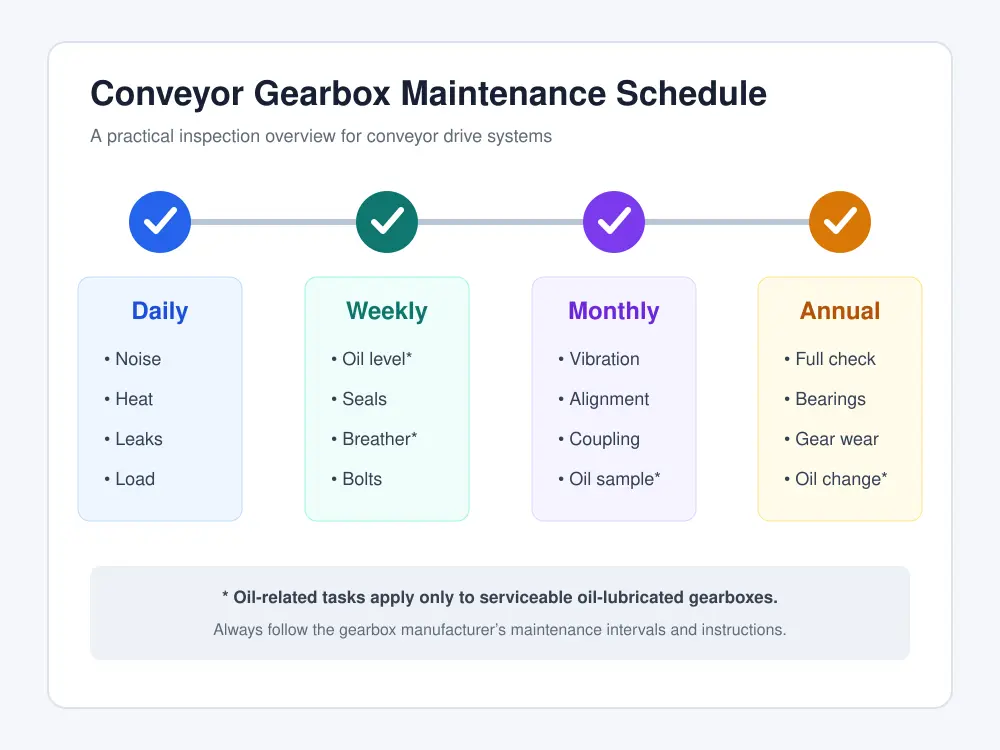
A structured maintenance program is the single most effective way to extend the life of any gearbox for conveyor applications. Here’s a proven schedule:
| Interval | Tasks |
|---|---|
| Daily | Visual check for leaks; listen for abnormal noise; check operating temperature; verify no overload |
| Weekly | Check oil level; inspect breather; examine seals for weeping; torque critical bolts |
| Monthly | Sample oil for analysis (viscosity, metals, water content); measure vibration; inspect coupling alignment |
| Quarterly | Full oil analysis; clean breather; inspect gear teeth via inspection port; check backlash |
| First 500 hours | Break-in oil change; retorque all bolts; recheck alignment after thermal cycling |
| Every 3,000–4,000 hrs | Full oil change (CKD 220/320 for oil-bath industrial units; sealed precision planetary gearboxes follow manufacturer instructions); inspect bearings; clean internal magnet plugs |
Oil analysis is the highest-ROI maintenance task for any conveyor belt gearbox. A single lab test can detect bearing wear, gear pitting, and contamination weeks before failure — preventing thousands in downtime. For a gearbox for conveyor belt systems running 24/7, monthly sampling pays for itself many times over.
Repair, Replace, or Upgrade?
When your conveyor belt gearbox starts showing repeated problems, use this decision framework. The same logic applies whether it’s a light-duty conveyor motor gearbox or a heavy-duty industrial unit:
When to Repair
Repair makes sense when the gearbox is under 5 years old, the housing is intact, and failures are isolated (e.g., one bearing or seal). A professional rebuild with genuine parts can restore the unit to near-original condition at 40%–60% of replacement cost.
When to Replace
Replace when: the gearbox has been repaired more than twice in 12 months; oil analysis shows rising metal particle counts; vibration or temperature trends upward despite maintenance; or the application’s duty cycle has increased beyond the original gearbox rating. At this point, continued repair costs exceed replacement cost.
When to Upgrade
Not every conveyor belt gearbox should be replaced with a planetary gearbox. Large continuous-duty and bulk-material conveyors commonly use industrial helical, parallel-shaft, or bevel-helical reducers because these designs are built for steady high loads and demanding material-handling environments. A precision planetary gearbox becomes more relevant when the conveyor is part of compact automation equipment and requires servo control, frequent start-stop motion, accurate indexing, synchronized positioning, or limited installation space.
Consider upgrading your conveyor belt gearbox to a higher-performance type when:
- Your current gearbox can’t handle increased production demands or extended duty cycles
- Energy costs from a worm gearbox exceed budget (planetary gearboxes offer 97%+ efficiency vs 50%–90% for worm — see our speed reducer gearbox guide for details)
- Automation upgrades require servo-driven precision and lower backlash — a precision inline planetary gearbox provides the torque density and positioning accuracy that worm or standard helical units cannot match
- Space constraints demand a more compact footprint without sacrificing torque
- Your conveyor motor gearbox draws excessive current due to low efficiency — upgrading to a high-efficiency planetary unit reduces both energy cost and motor heating
- You need to replace a gearbox for conveyor use but want better performance — see our conveyor gearbox selection guide for sizing, type comparison, and energy cost analysis
For servo-driven conveyor lines and precision automation applications, upgrading to a planetary gearbox often delivers the best long-term return. The epicyclic gear system design distributes load across multiple planet gears, reducing per-tooth stress and extending service life in start-stop belt conveyor gearbox duty.
Precision Planetary Gearboxes for Servo Conveyor Upgrades
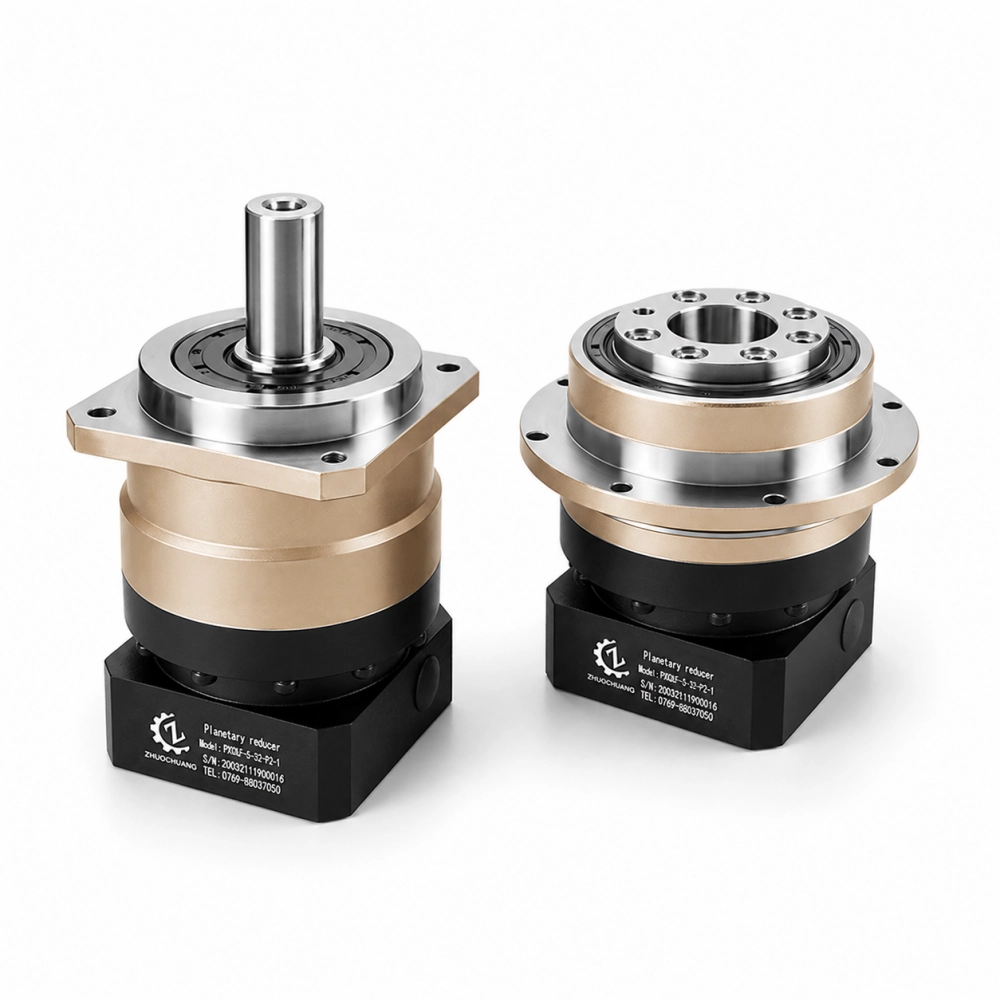
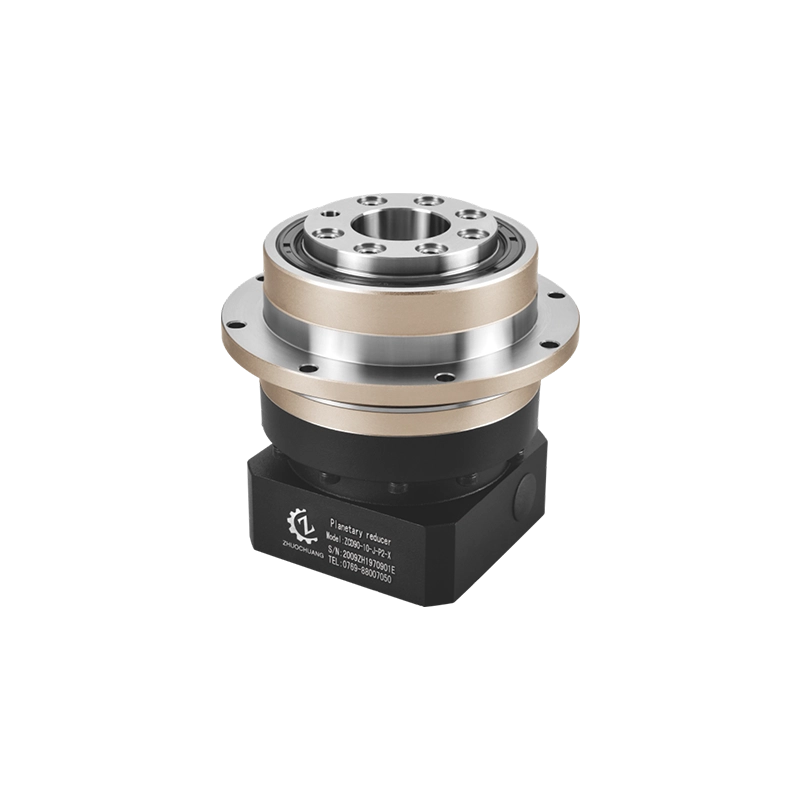
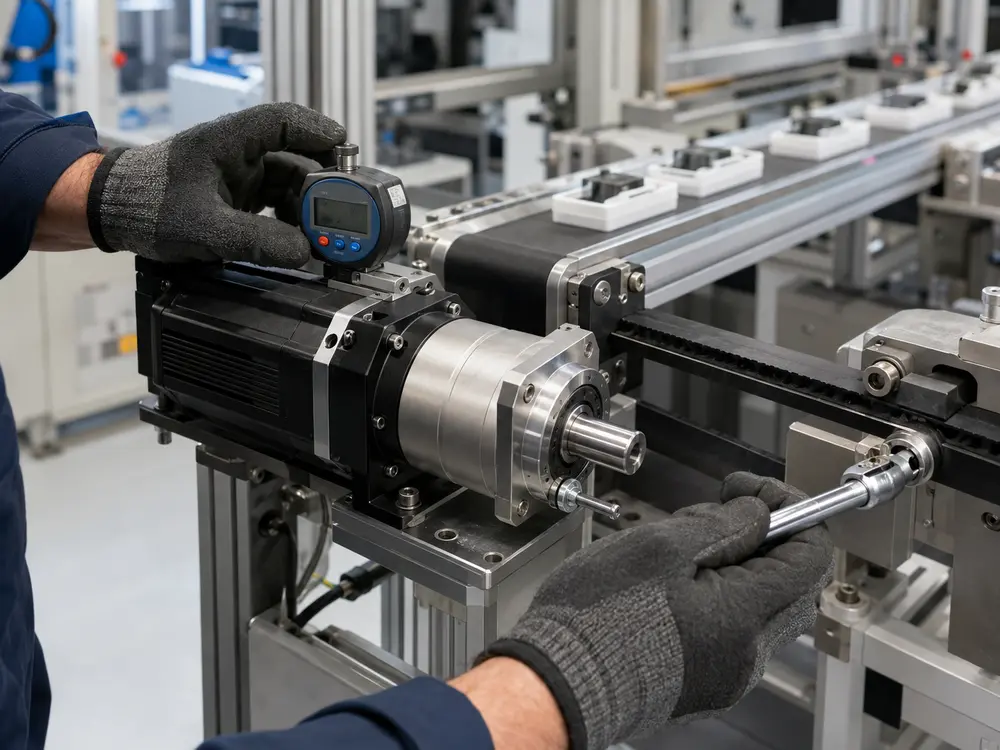
For packaging lines, automated assembly equipment, inspection conveyors, and positioning systems, a precision planetary gearbox can provide compact torque transmission, controlled backlash, high torsional rigidity, and direct servo motor compatibility. These characteristics are especially useful when an existing conveyor is being upgraded from simple continuous motion to servo-controlled indexing or synchronized product handling.
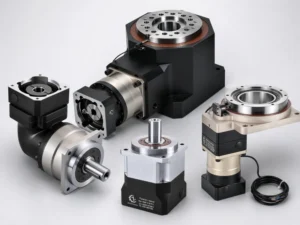
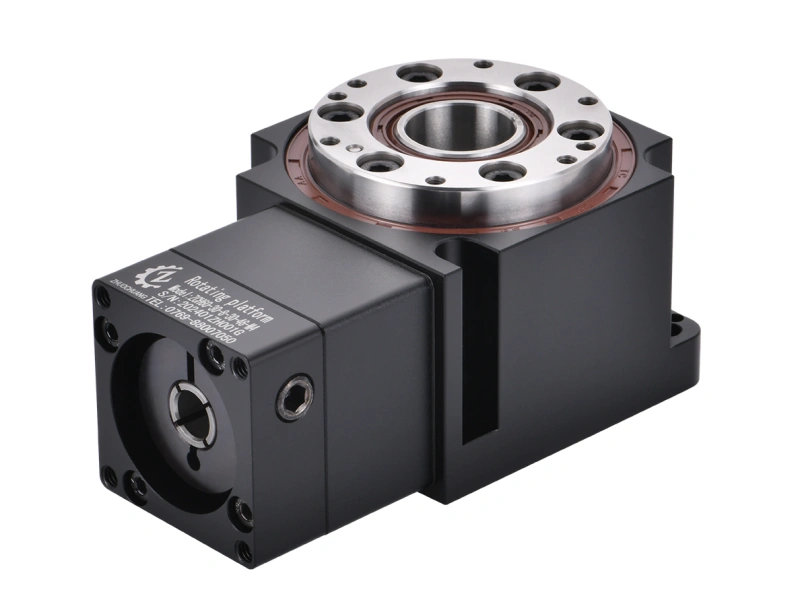
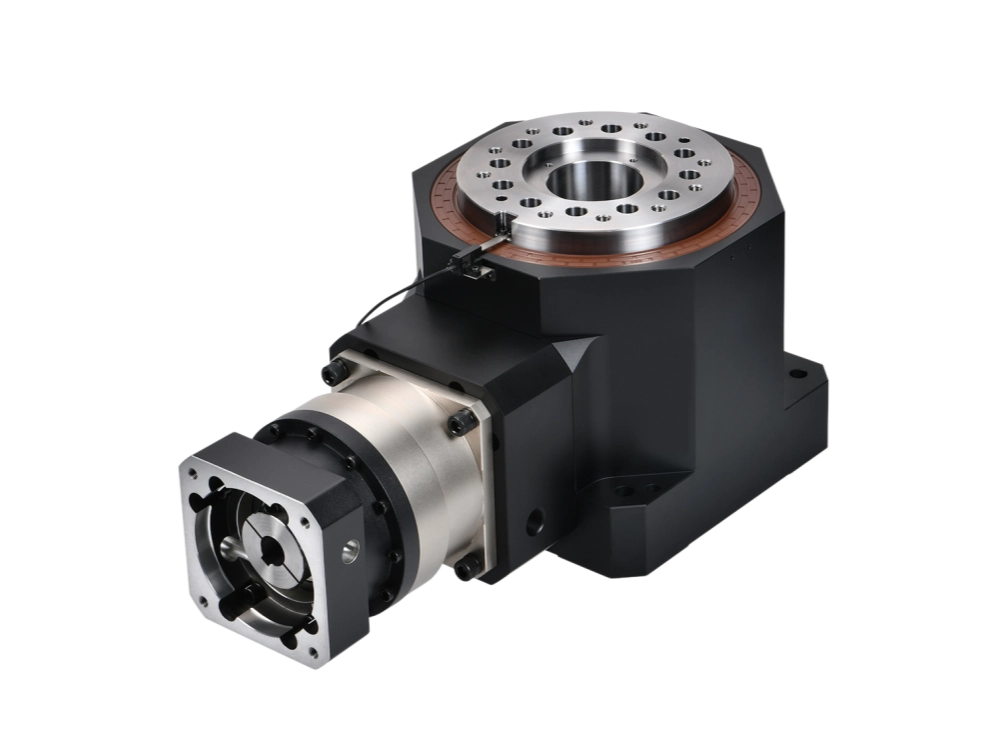
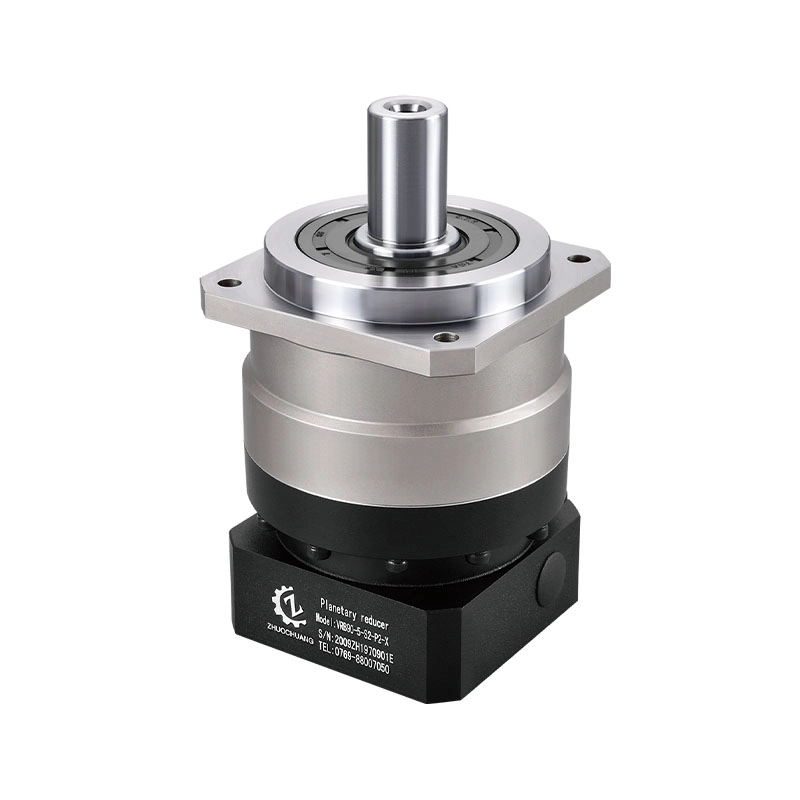
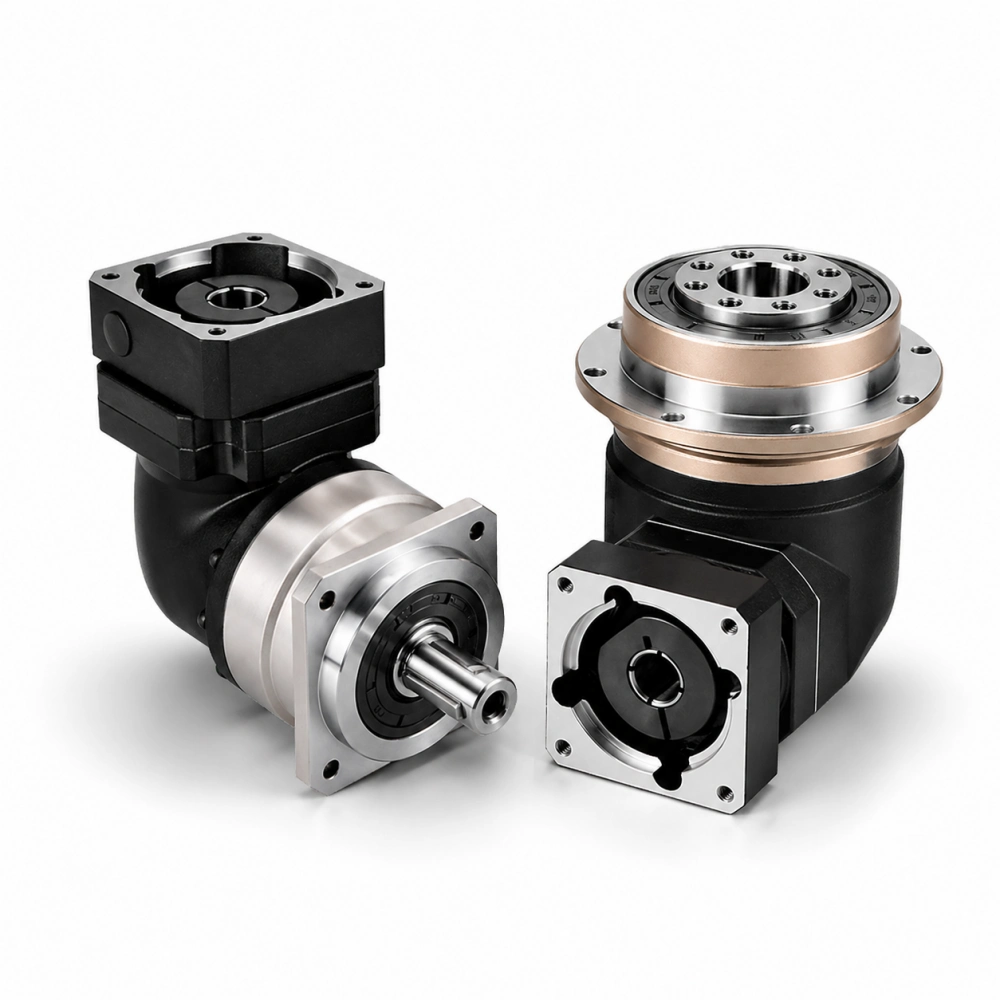
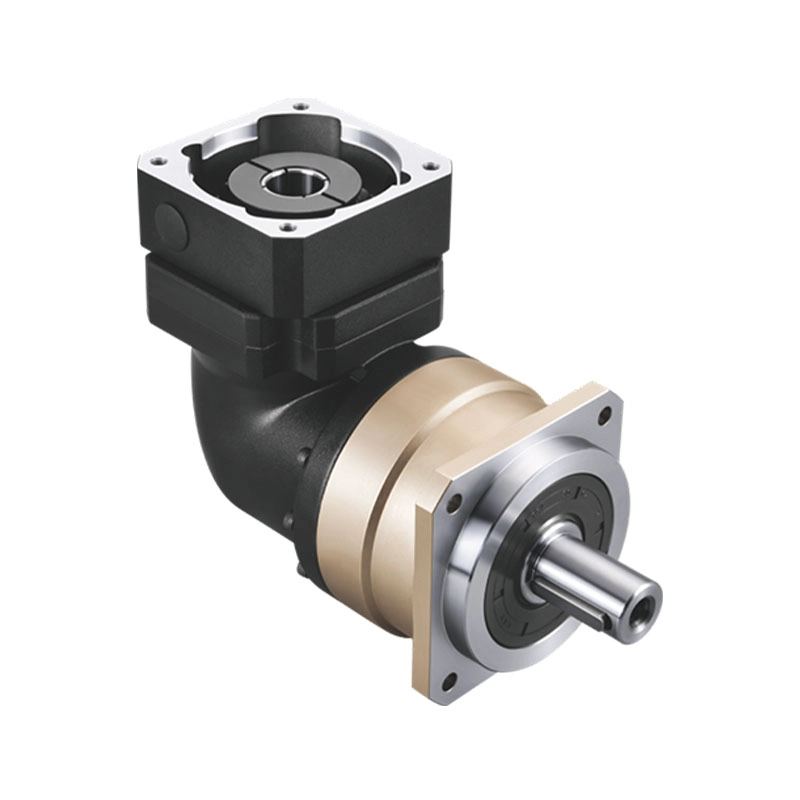
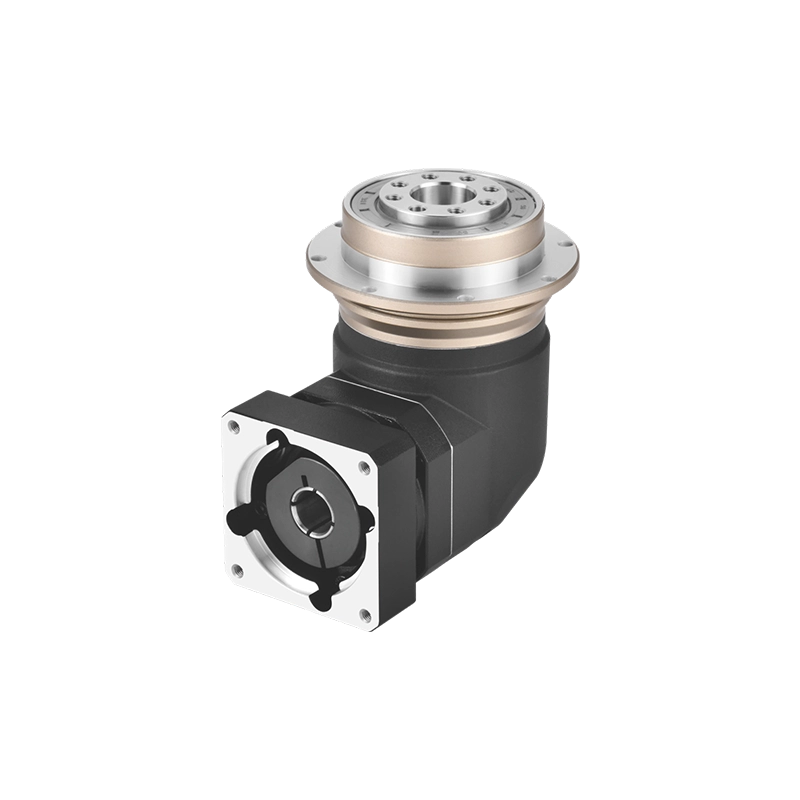
Zhuochuang offers inline planetary gearboxes for compact coaxial conveyor layouts and right-angle planetary gearboxes for installations where the servo motor must be positioned at 90 degrees to the driven axis. The appropriate configuration depends on the conveyor layout, required ratio, continuous and peak torque, input speed, output load, backlash target, and motor interface.
Before replacing an existing conveyor motor gearbox, provide the servo motor model, belt speed, pulley diameter, conveyed load, acceleration time, starts per hour, daily operating time, mounting orientation, and available installation dimensions. Contact the Zhuochuang engineering team to confirm whether a precision planetary gearbox is suitable for the application and to compare the required frame size, ratio, torque capacity, and motor adapter.
FAQ
What causes a conveyor belt gearbox to overheat?
Overheating in a conveyor belt gearbox is typically caused by overload, insufficient or incorrect lubrication, blocked breathers, high ambient temperature, or internal component wear. If oil temperature exceeds the manufacturer limit or rises suddenly above your baseline, stop the conveyor motor gearbox and investigate immediately.
How often should I change the oil in a conveyor belt gearbox?
For oil-bath industrial gearboxes: change the oil after the first 500 hours of operation (break-in period), then every 3,000–4,000 hours for continuous duty. Use CKD 220 or CKD 320 heavy-duty industrial gear oil. Sealed precision planetary gearboxes follow manufacturer-specific lubrication instructions. In high-temperature or contaminated environments, shorten the interval and rely on monthly oil analysis.
What noise indicates a failing conveyor belt gearbox?
A continuous whine suggests low oil; rhythmic clicking indicates a chipped or broken gear tooth; grinding or growling signals bearing failure or severe gear wear; squealing at startup points to belt slippage or coupling misalignment. Any new noise from a gearbox for conveyor systems warrants immediate inspection.
How long does a conveyor belt gearbox last?
With proper maintenance, a quality belt conveyor gearbox lasts 25,000+ hours of operation. Poor lubrication, misalignment, and overload can reduce this to under 10,000 hours. Regular oil analysis and vibration monitoring are the best predictors of remaining service life for any gearbox for conveyor belt applications.
Can I replace a worm gearbox with a planetary gearbox on my conveyor belt?
Yes, in most cases. Planetary gearboxes offer higher efficiency (97%+ vs 50%–90%), greater torque density, and lower backlash. However, worm gearboxes provide self-locking capability — if your conveyor motor gearbox relies on self-locking for holding loads on an incline, add a brake when switching to planetary. For inline planetary gearbox options suitable for conveyor upgrades, check our product specifications.
What is the best way to prevent conveyor belt gearbox failures?
Follow a preventive maintenance schedule: daily visual checks, weekly oil level inspection, monthly oil sampling and vibration measurement, and quarterly full inspections. The single most effective practice is monthly oil analysis — it detects wear particles and contamination before they cause visible damage in any gearbox for conveyor belt systems.
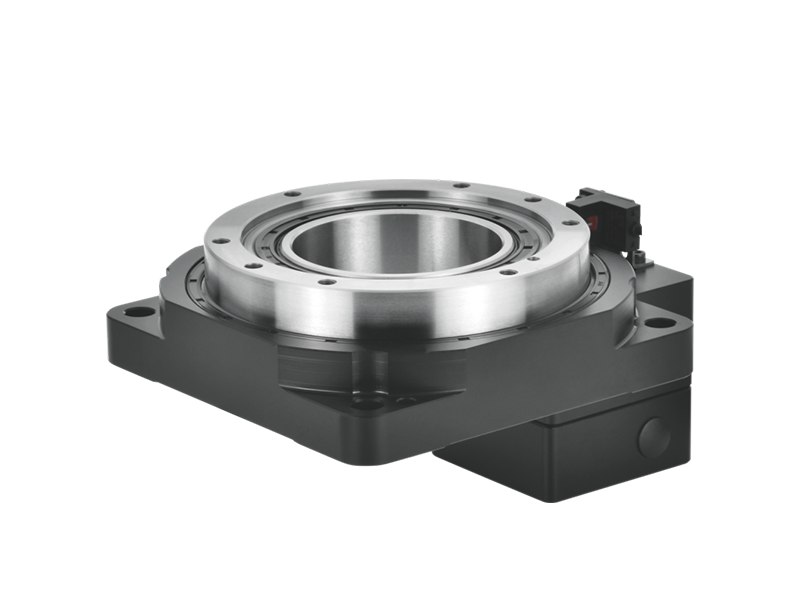
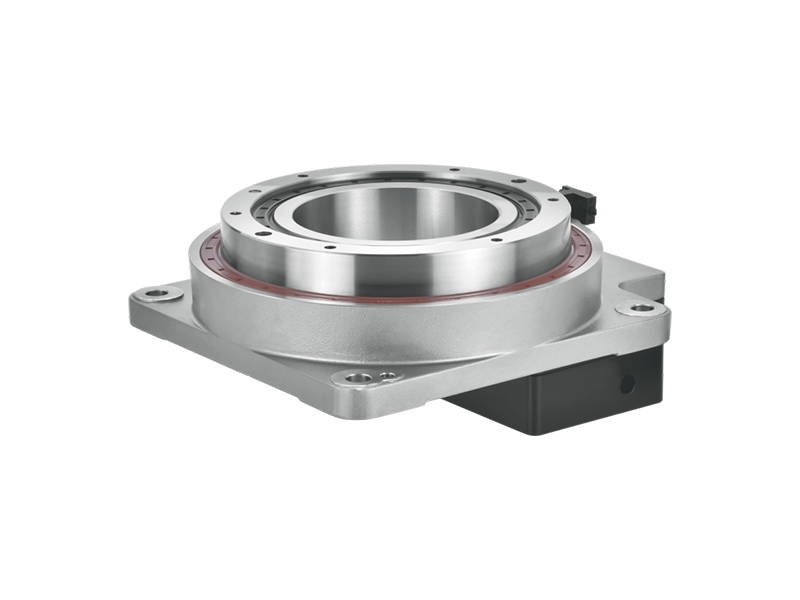
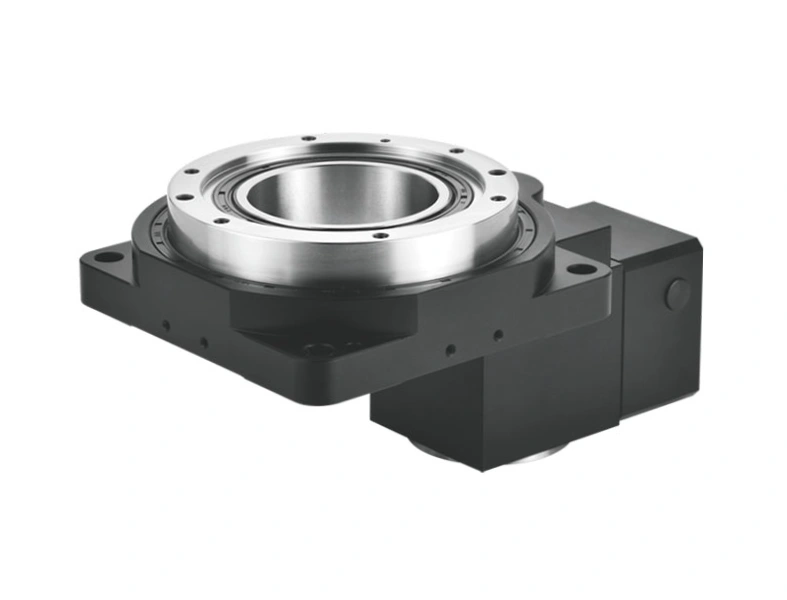
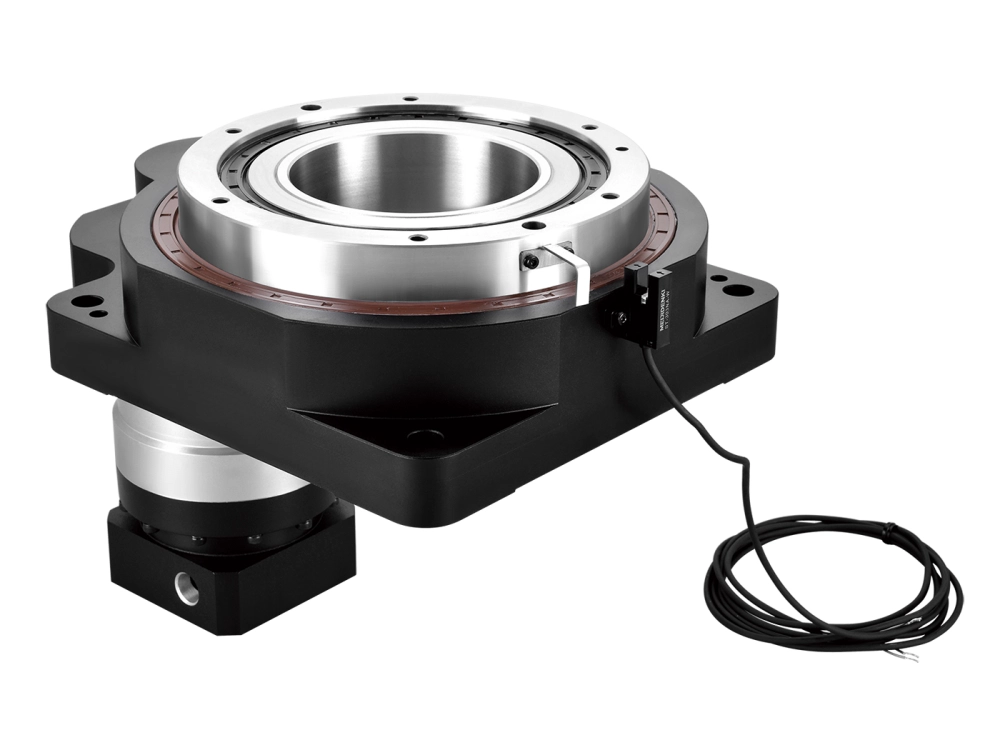
Dongguan Zhuochuang Precision Machinery Co., Ltd manufactures high-precision planetary gearboxes and hollow rotary tables for conveyor systems, automation, and industrial motion control. If you need a gearbox for conveyor replacement or upgrade, visit our planetary gearbox product page or request a consultation with our engineering team.