
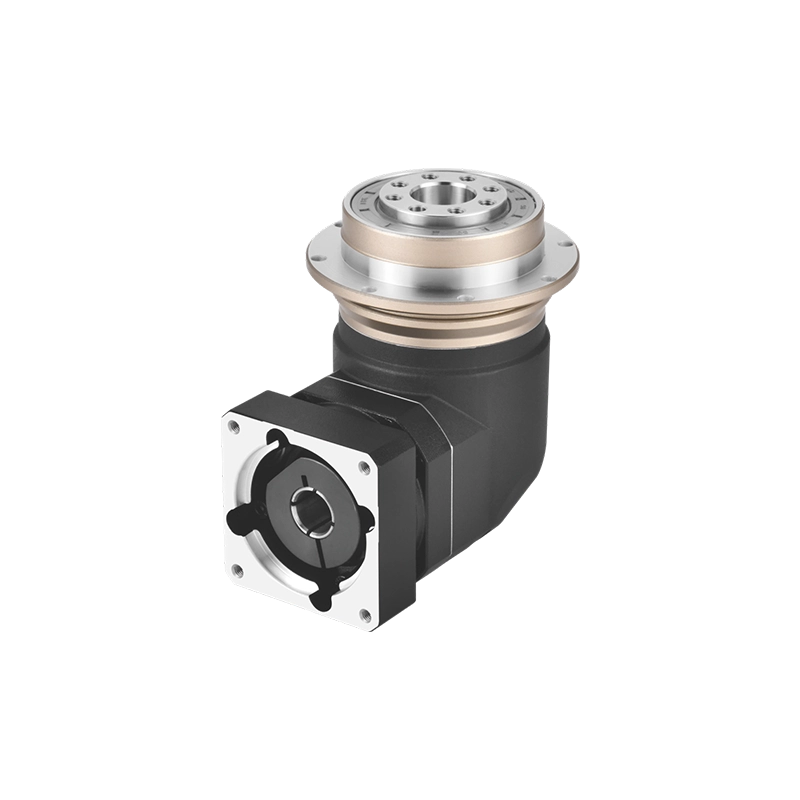
Assembly automation often depends on one simple requirement: every part must arrive at the right position, at the right angle, and at the right time. A rotary table for assembly automation helps achieve this by moving fixtures, tooling plates, and workpieces between different process stations in a compact machine layout.
Compared with a linear transfer system, a rotary table can save floor space and simplify the machine structure. Loading, positioning, assembly, inspection, testing, and unloading can be arranged around one rotating platform. This makes rotary tables widely used in automatic assembly machines, electronic component assembly, packaging equipment, small parts handling, inspection systems, and customized production equipment.
This guide explains how rotary tables are used in assembly automation, what factors affect selection, and why repeatability, rigidity, load handling, and fixture design are important for stable machine operation.
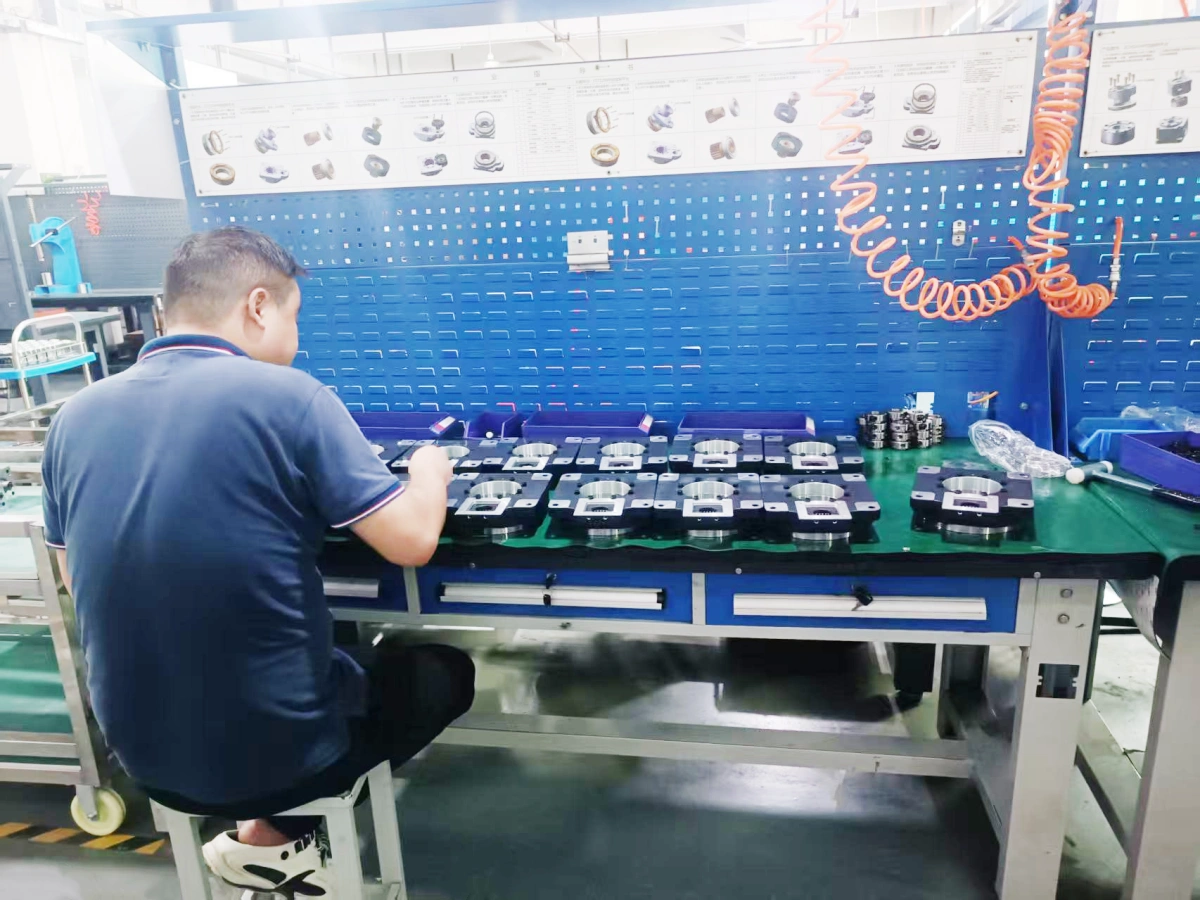
Why Assembly Automation Uses Rotary Tables
In many assembly machines, the workpiece does not need to move in a long straight line. It only needs to move from one station to the next in a repeatable sequence. A rotary table is suitable for this type of process because it can index fixtures around a central axis while keeping the machine footprint compact.
For example, one station may load the part, the next station may press or insert a component, the next station may apply adhesive, and the final station may inspect or unload the finished part. Instead of using several conveyors and transfer modules, these processes can be arranged around one rotary indexing table.
This type of layout is especially useful when the parts are small to medium-sized, the process sequence is fixed, and each station needs accurate positioning. The rotary table becomes the central positioning platform of the assembly machine.
Where a Rotary Table Fits in an Assembly Machine
A rotary table is usually installed at the center of the machine base. Fixtures or tooling plates are mounted on the output table. Around the table, different working stations are arranged according to the process flow.
Common station layouts include:
- Manual or automatic loading station
- Part orientation or positioning station
- Pressing, inserting, tightening, or fastening station
- Dispensing, welding, marking, or labeling station
- Inspection, testing, or vision checking station
- Unloading or reject sorting station
The rotary table does not complete the full assembly process by itself. Its role is to provide repeatable angular positioning and stable fixture support. The quality of this motion directly affects the accuracy and reliability of the complete assembly system.
Fixture Positioning and Repeatability
Fixture positioning is one of the most important reasons to use a rotary table for assembly automation. In a production machine, the fixture must stop at the same position every cycle. If the stopping position changes, even slightly, downstream tools may miss the part, create poor assembly quality, or require frequent adjustment.
Repeatability is often more important than absolute positioning accuracy in assembly applications. The machine may be adjusted during setup, but after adjustment, each cycle must return to the same position. A rotary table with good repeatability helps keep the fixture aligned with cylinders, pressing tools, screwdrivers, sensors, cameras, and other process equipment.
When selecting a rotary table, buyers should consider the real tolerance of the assembly process. A simple part transfer application may not require extremely high accuracy. However, applications involving precise insertion, small electronic parts, optical inspection, or tight mechanical alignment may require better repeatability and lower backlash.
Multi-Station Indexing for Assembly Processes
Many assembly machines use a multi-station rotary table. The table rotates by a fixed angle each cycle, such as 45°, 60°, 90°, 120°, or 180°. Each stop position corresponds to one working station.
The number of stations depends on the process. A four-station system may include loading, assembly, inspection, and unloading. A six-station or eight-station system may add more operations such as pre-positioning, pressing, screw locking, testing, marking, or reject separation.
For multi-station indexing, the rotary table must provide stable stopping, sufficient torque, and enough rigidity to support the fixture and workpiece. The table should also be able to handle the required cycle time. If the table moves too slowly, it limits production efficiency. If it moves too aggressively, it may cause vibration, fixture movement, or positioning instability.
Load, Inertia, and Rigidity Requirements
Load is not only the weight of the workpiece. In assembly automation, the rotary table often carries a tooling plate, fixture blocks, clamps, pneumatic components, sensors, and multiple parts at the same time. These items create total load and rotational inertia.
The position of the load also matters. A heavy fixture mounted far from the center creates more moment load than the same weight near the center. This can affect bearing selection, table rigidity, and long-term stability.
Before choosing a rotary table, it is useful to confirm:
- Total fixture and workpiece weight
- Tooling plate diameter
- Load position relative to the center
- Installation direction
- Required indexing angle
- Cycle time and daily operating hours
A rotary table that is too small may work during initial testing but become unstable after fixtures are added. A properly selected rotary table can reduce vibration, improve positioning stability, and support longer machine service life.
Servo Rotary Table or Fixed Indexing Mechanism?
Assembly machines can use different types of rotary positioning mechanisms. Some machines use a fixed indexing mechanism, such as a cam indexer. Others use a servo rotary table or hollow rotary table driven by a servo motor.
A fixed indexing mechanism can be suitable when the number of stations and indexing angle never change. It can provide stable mechanical indexing for high-volume production. However, it is less flexible when the machine needs different angles, adjustable motion profiles, or programmable positioning.
A servo rotary table is more suitable when the equipment requires flexible positioning, programmable angles, speed adjustment, or product changeover. For machine builders who produce customized equipment, servo-driven rotary positioning can make the machine design more adaptable.
If you are comparing different rotary indexing structures, you can also read our guide on rotary indexer vs hollow rotary table.
Why Hollow Bore Design Helps Assembly Equipment
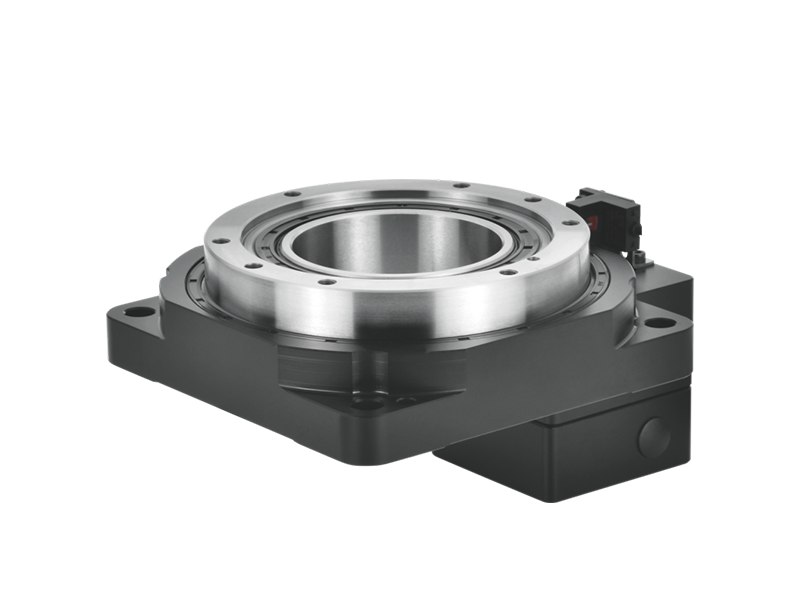
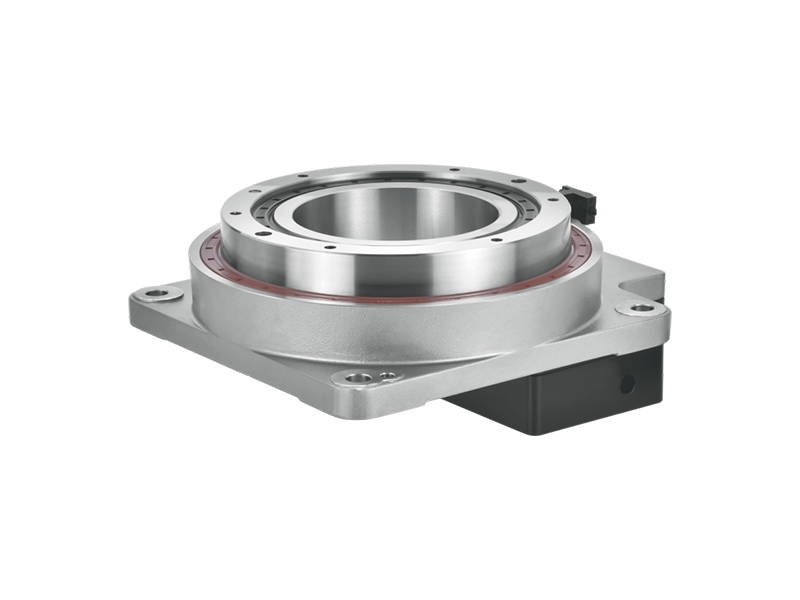
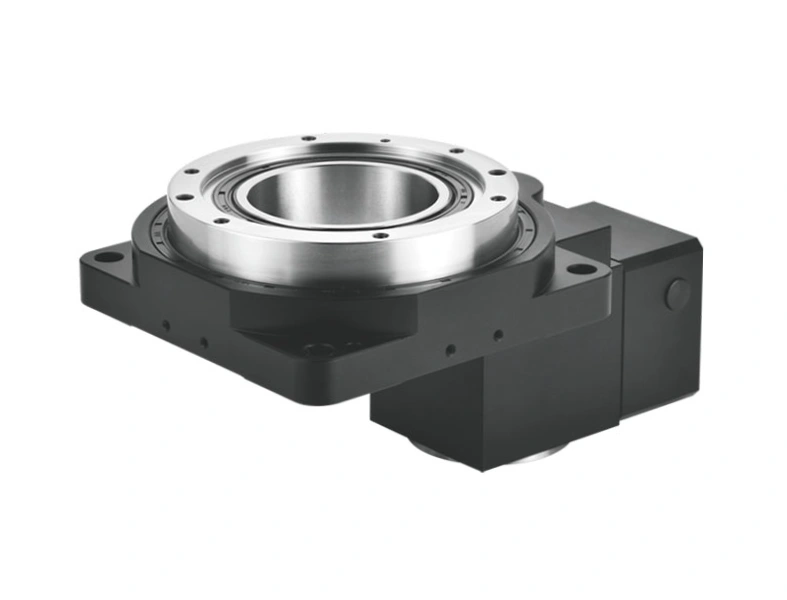
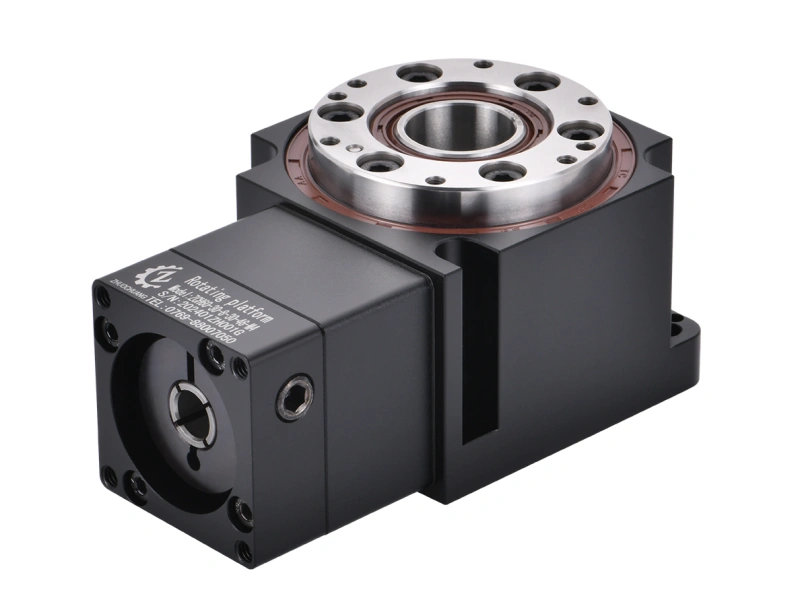
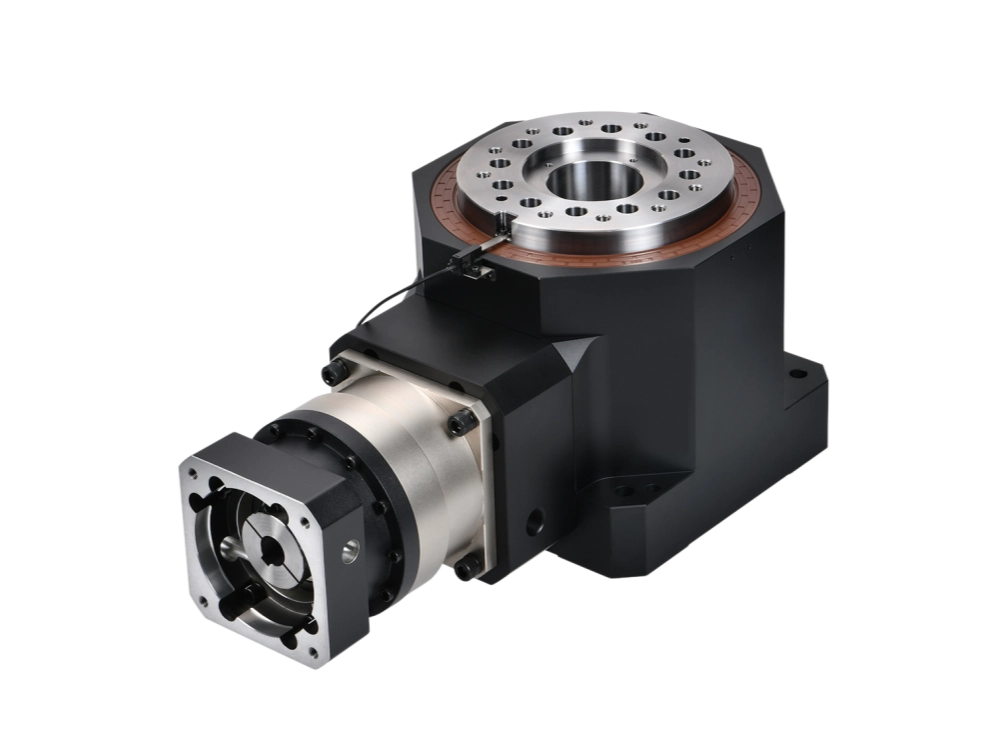
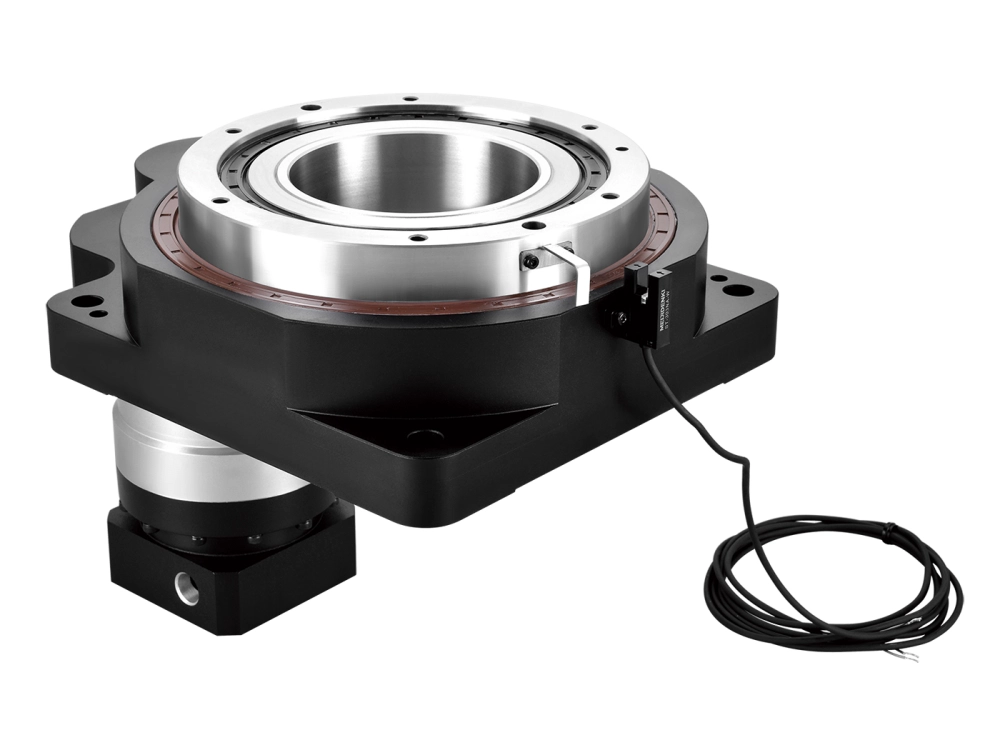
A hollow rotary table has a central through-hole. This structure is useful in assembly automation because cables, air tubes, vacuum lines, sensor wires, or fixture connections can pass through the center of the table.
Without a hollow bore, wiring and tubing may need to be routed around the outside of the rotating table. This can create a messy layout, increase the risk of cable interference, and make maintenance more difficult. With a hollow bore, the machine layout can be cleaner and more compact.
For assembly machines with pneumatic clamps, vacuum pick-up, sensors, or rotating fixtures, hollow bore design can be a practical advantage. It helps reduce external cable loops and supports a more organized machine structure.
You can view our hollow rotary table product range to see common structures used in rotary positioning and assembly automation applications.
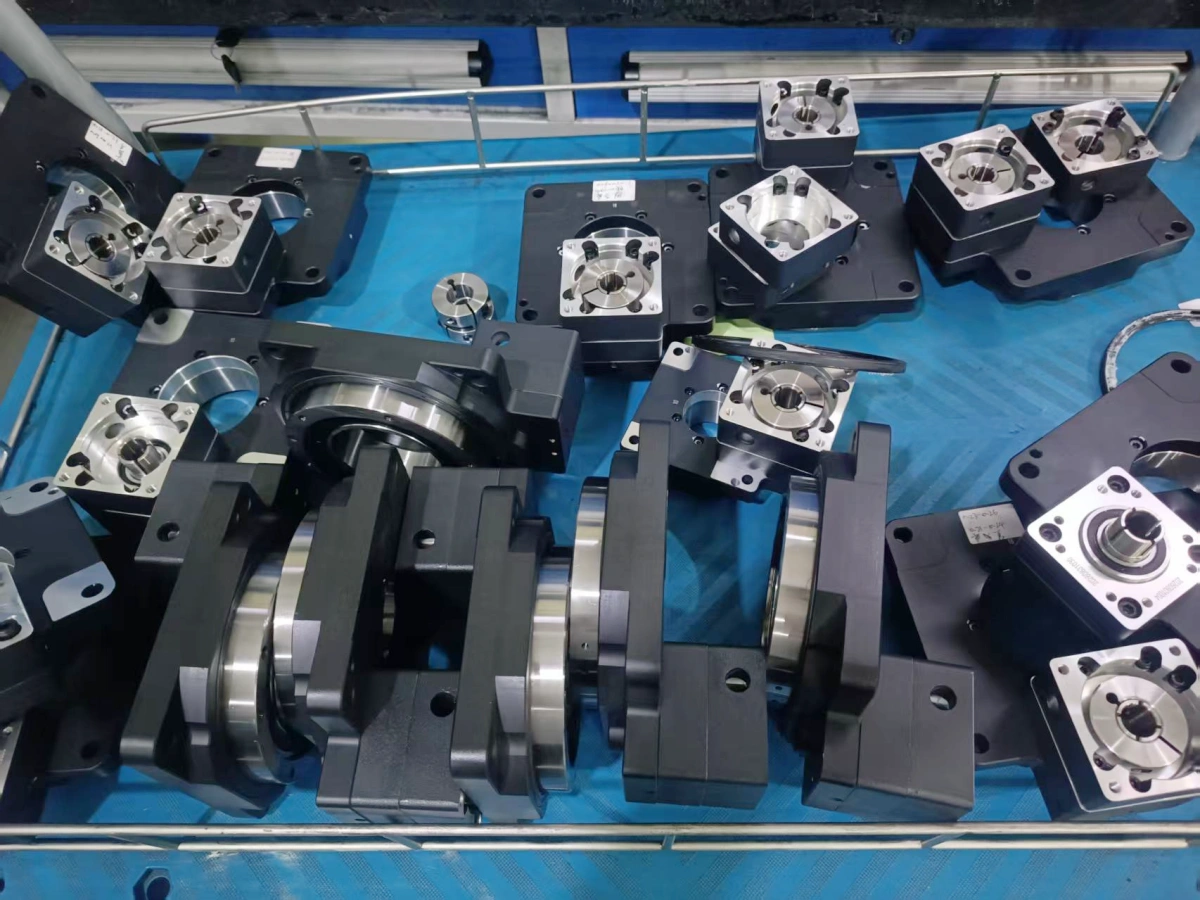
Common Assembly Automation Applications
Rotary tables are used in many assembly automation systems where parts need to move through a repeatable sequence of stations. They are especially suitable for compact machines, small parts, and repeatable station-based processes.
Typical applications include:
- Electronic component assembly
- Connector and small mechanical part assembly
- Plastic part insertion and pressing
- Medical device component assembly
- Packaging component positioning
- Labeling and marking equipment
- Vision inspection and testing equipment
- Automatic screw locking machines
- Dispensing, gluing, or sealing machines
- Custom fixture positioning systems
In these applications, the rotary table is often selected based on fixture size, load, required repeatability, station quantity, and available installation space. The correct model should match both the mechanical load and the motion process.
What to Confirm Before Selecting a Rotary Table
Before selecting a rotary table for assembly automation, the machine builder should prepare several basic application details. This information helps avoid oversizing, undersizing, or choosing a structure that is not suitable for the machine layout.
Important selection details include:
- Required table diameter or tooling plate size
- Total load weight, including fixture and workpiece
- Load position and possible offset load
- Number of stations
- Indexing angle between stations
- Required cycle time
- Positioning accuracy and repeatability requirement
- Horizontal, vertical, side-mounted, or angled installation
- Need for hollow bore cable or air tube routing
- Motor type, motor brand, or control method
- Available machine space
- Quantity and project schedule
If a drawing is not available at the first stage, a simple sketch or photo of the machine layout can still be useful. For customized assembly machines, early communication can reduce design changes later.
How Rotary Table Selection Affects Machine Performance
The rotary table is not always the most visible part of an assembly machine, but it can strongly affect machine performance. Poor rotary table selection may cause unstable positioning, fixture vibration, long settling time, cable interference, or difficulty during machine commissioning.
A suitable rotary table can help improve:
- Station-to-station positioning consistency
- Fixture support and rigidity
- Machine cycle stability
- Process repeatability
- Cable and air tube routing
- Overall equipment compactness
- Long-term reliability
For this reason, selection should not be based only on price or outside dimensions. The rotary table must match the real working condition of the machine.
Work with Zhuochuang for Assembly Automation Rotary Solutions
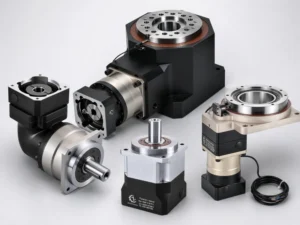
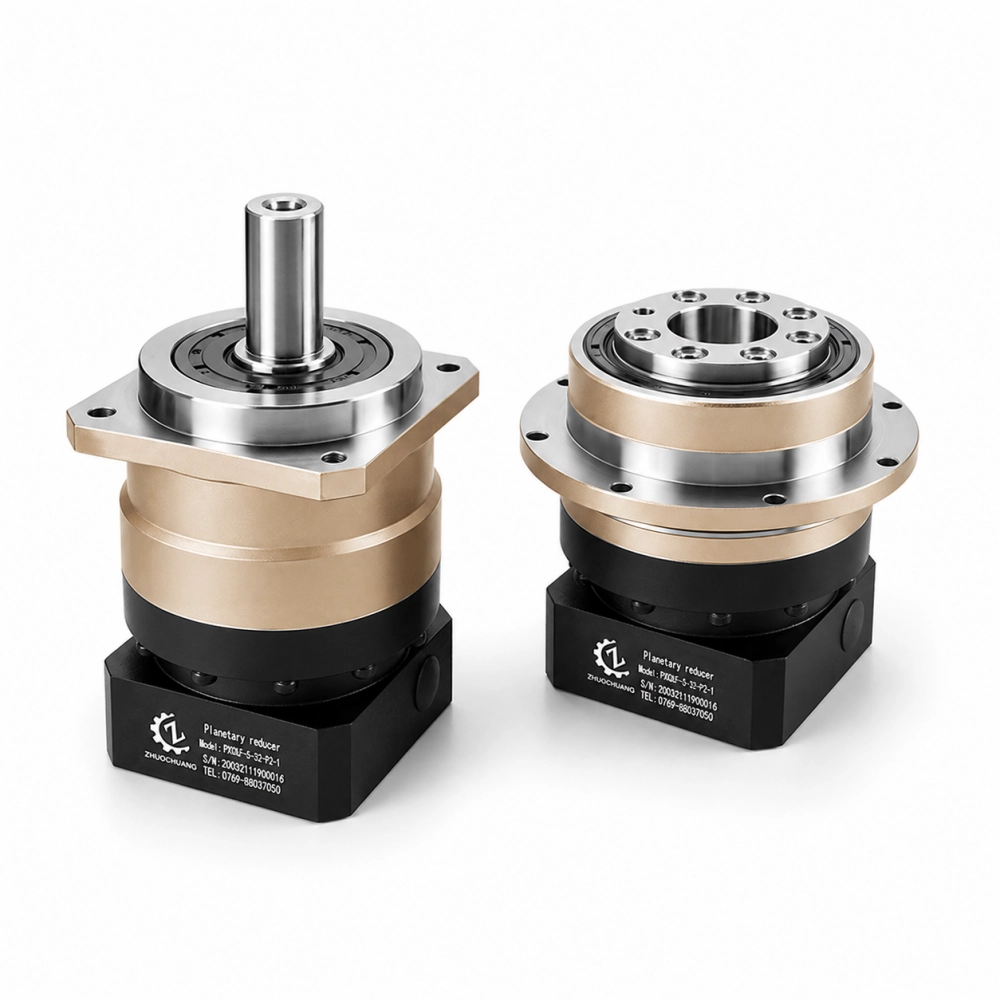
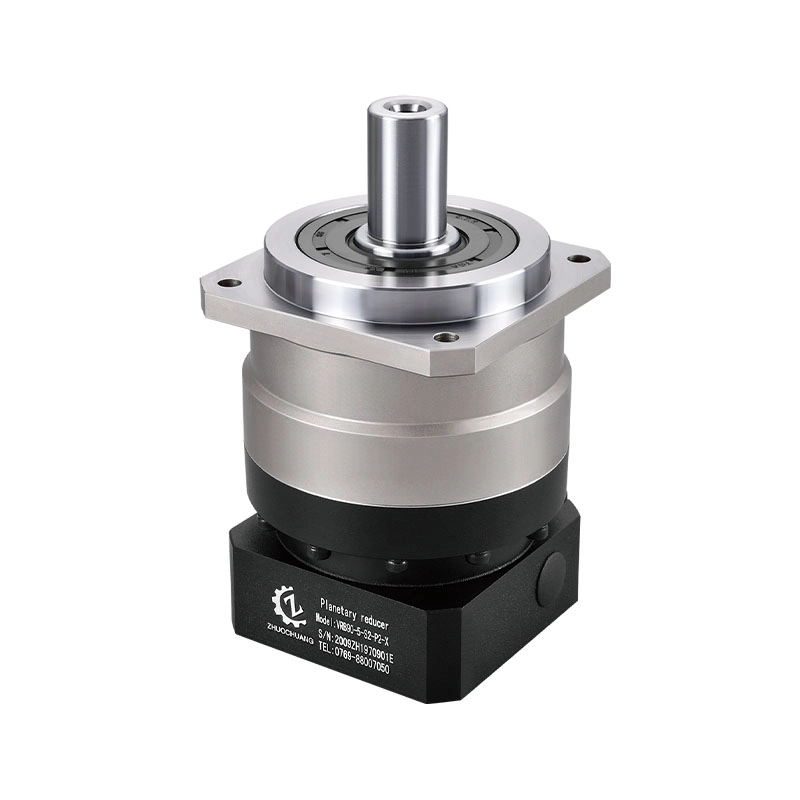
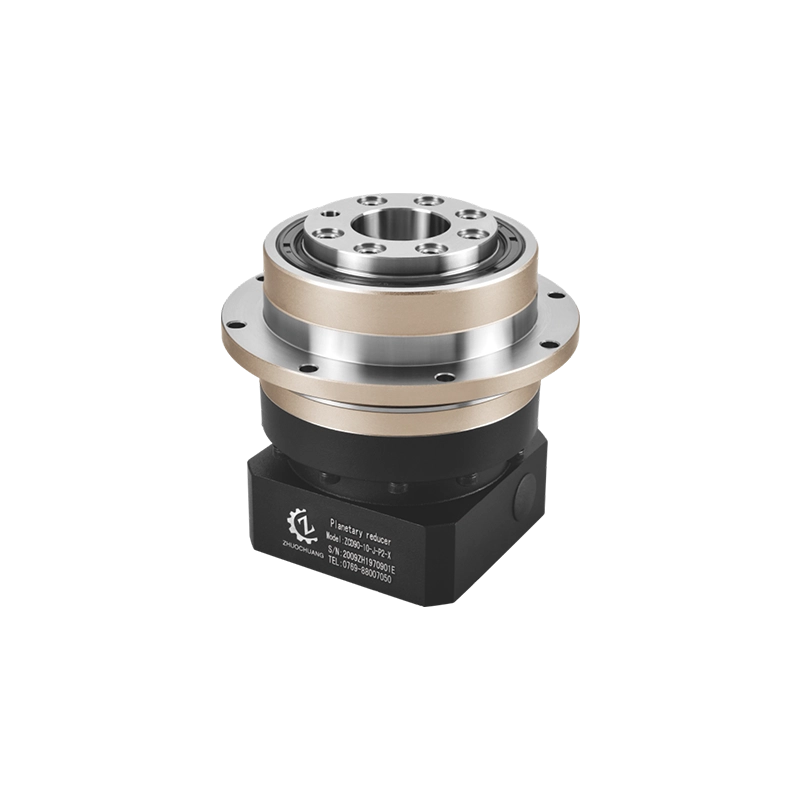
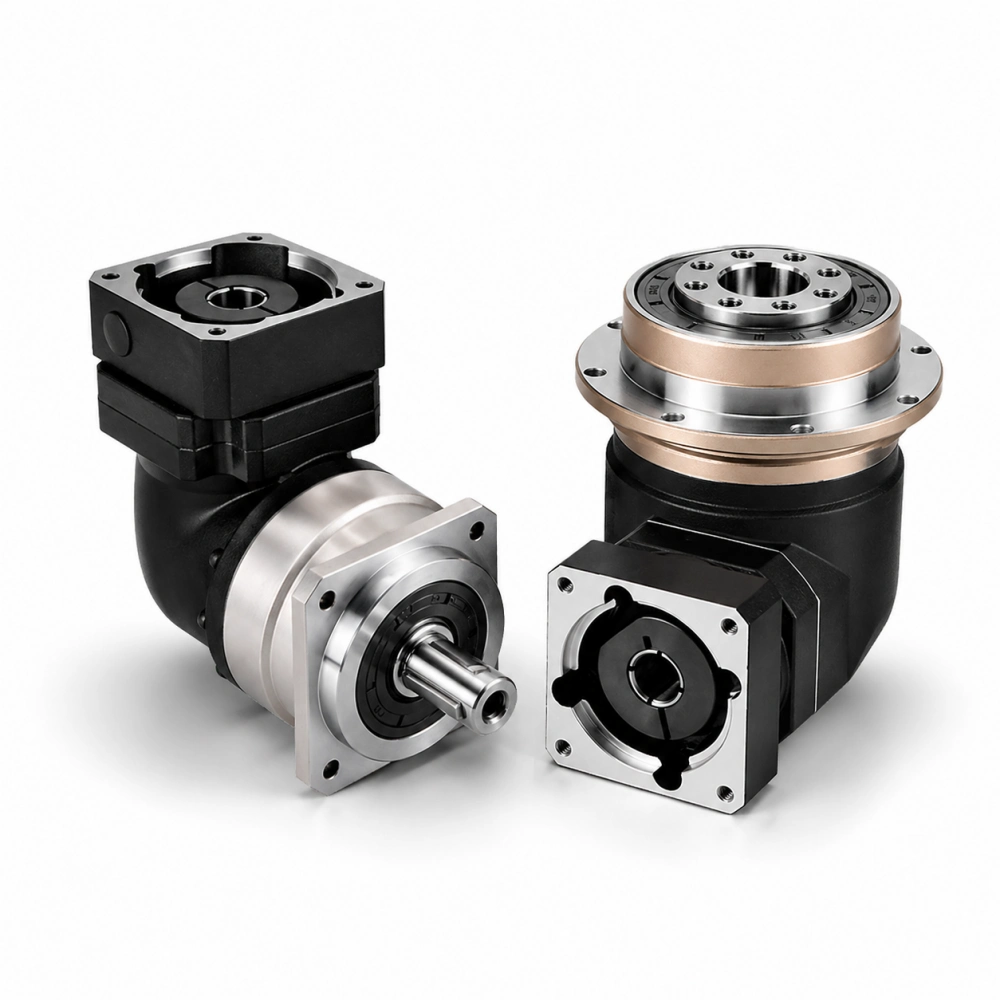
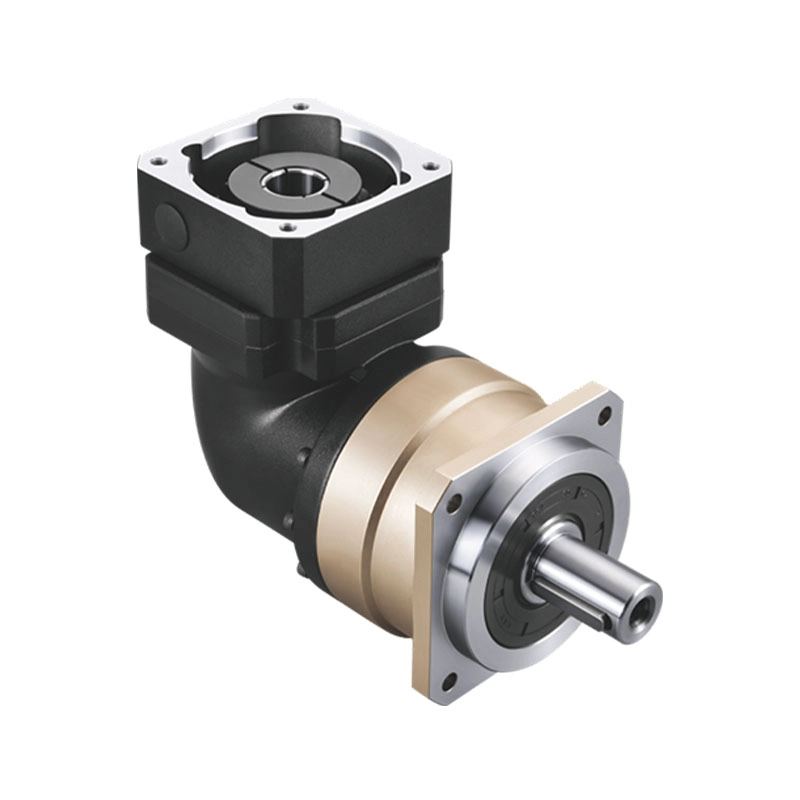
Dongguan Zhuochuang Precision Machinery Co., Ltd. manufactures precision motion components under the Zhuochuang brand. Through PlanetDrivePro, we support global customers with hollow rotary tables, rotary positioning tables, planetary gearboxes, right-angle gearboxes, and customized motion transmission solutions.
For assembly automation projects, we can help review fixture size, load, indexing angle, required accuracy, motor interface, installation direction, and hollow bore requirements. This helps determine whether a standard model or a customized rotary positioning solution is more suitable.
If you are developing an assembly machine, inspection system, packaging machine, robotic fixture, or customized automation equipment, you can contact us with your application details. A simple sketch, fixture drawing, or machine layout image can help us provide a more practical recommendation.
FAQ
What is a rotary table for assembly automation?
A rotary table for assembly automation is a positioning platform used to move fixtures or workpieces between different process stations. It is commonly used in loading, assembly, inspection, testing, and unloading processes.
Why use a rotary table instead of a conveyor?
A rotary table can make the machine more compact when the process is station-based. It is suitable when parts need to move through several fixed positions rather than travel along a long linear path.
What information is needed to select a rotary table?
Useful information includes table diameter, load weight, fixture size, number of stations, indexing angle, speed, accuracy requirement, installation direction, motor requirement, and whether a hollow bore is needed.
Is a hollow rotary table useful for assembly machines?
Yes. A hollow rotary table allows cables, air tubes, vacuum lines, or fixture connections to pass through the center. This can make the machine layout cleaner and reduce external cable interference.
Can a rotary table be customized for an assembly machine?
Yes. Customization may include mounting holes, output table size, motor adapter, hollow bore size, flange structure, or special installation requirements. The exact customization depends on the machine layout and application needs.
How do I choose between servo rotary table and fixed indexing mechanism?
A fixed indexing mechanism is suitable for repeated fixed-angle indexing. A servo rotary table is better when the machine needs programmable positions, adjustable speed, flexible angles, or easier product changeover.
Conclusion
A rotary table for assembly automation can help machine builders create compact, repeatable, and efficient station-based equipment. It supports fixture positioning, multi-station indexing, load handling, and clean cable or air tube routing when a hollow bore structure is used.
The best rotary table selection depends on the real application, including fixture size, load, station quantity, indexing angle, accuracy requirement, installation direction, motor control method, and available machine space.
For a reliable recommendation, share your assembly process, fixture layout, and motion requirements with the PlanetDrivePro / Zhuochuang team. We can help review your application and suggest a suitable rotary positioning solution for your automation equipment.