
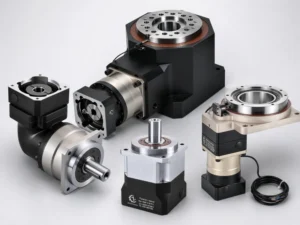
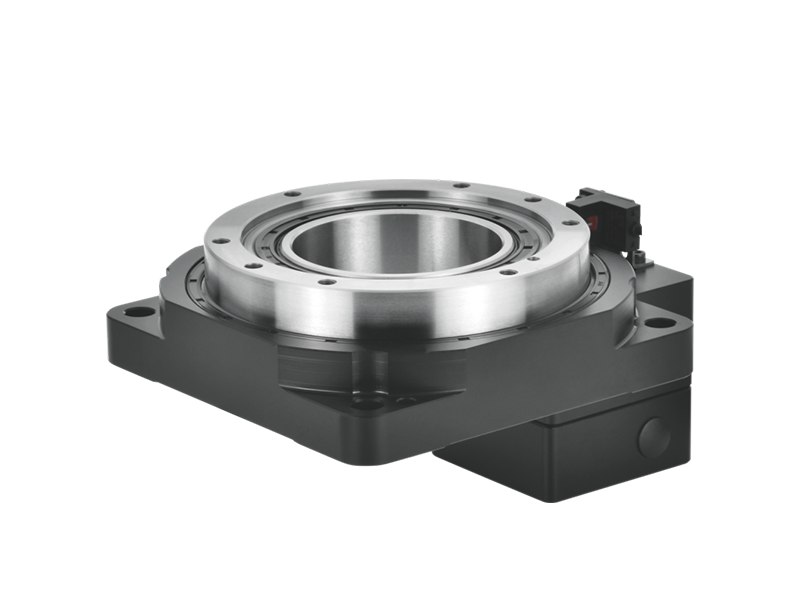
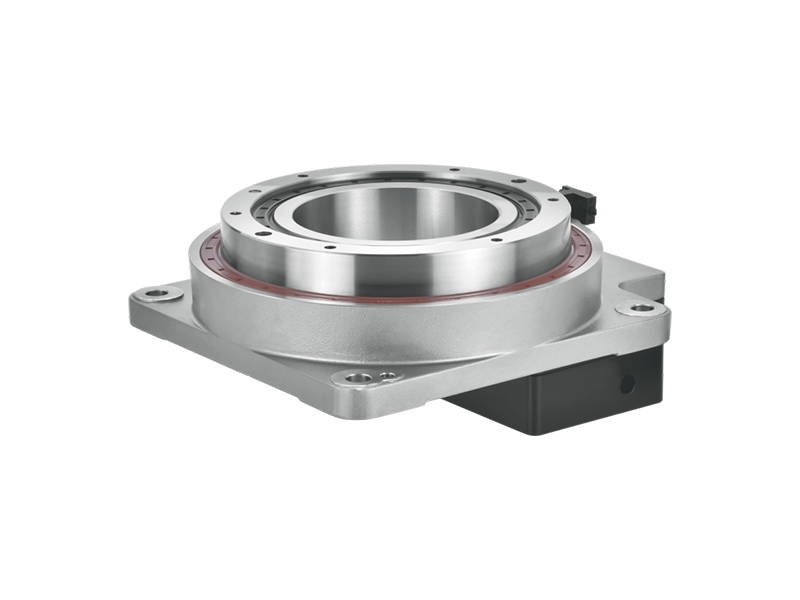
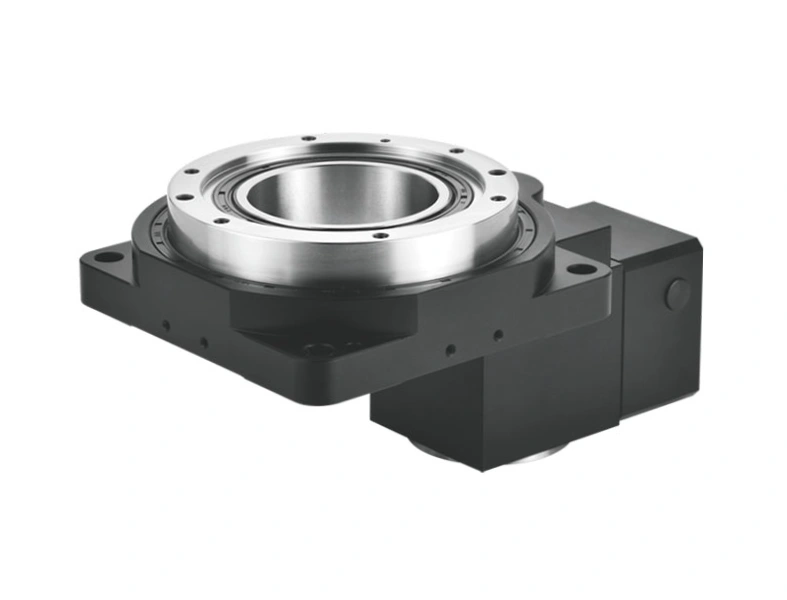
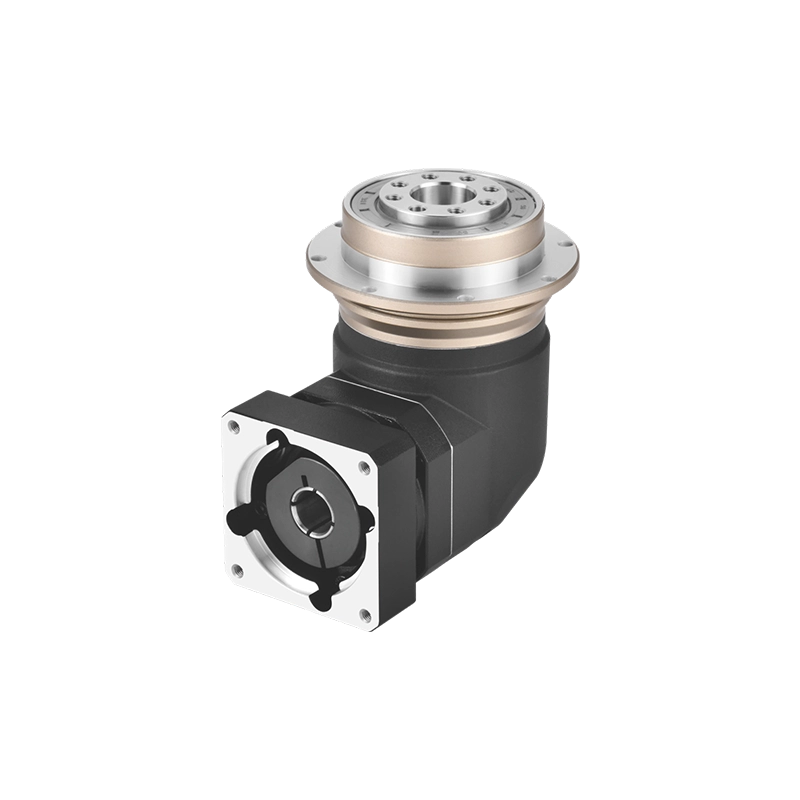
A machine builder choosing between a helical gear reducer and a planetary gearbox is not simply choosing between two gear shapes. The real decision concerns the duty cycle, shaft arrangement, positioning requirement, available space and the way torque changes during operation.
A conventional helical reducer is often the practical choice for conveyors, mixers, pumps and other equipment that runs steadily for long periods. A precision planetary gearbox becomes more relevant when a servo-driven axis must accelerate, reverse, stop accurately and fit into a compact machine envelope. Neither design is universally better.
Quick answer: Choose a conventional helical gear reducer for stable continuous-duty power transmission when low backlash and rapid servo response are not the main requirements. Consider a precision planetary gearbox when the machine needs compact torque density, coaxial motor mounting, controlled backlash and repeatable positioning.
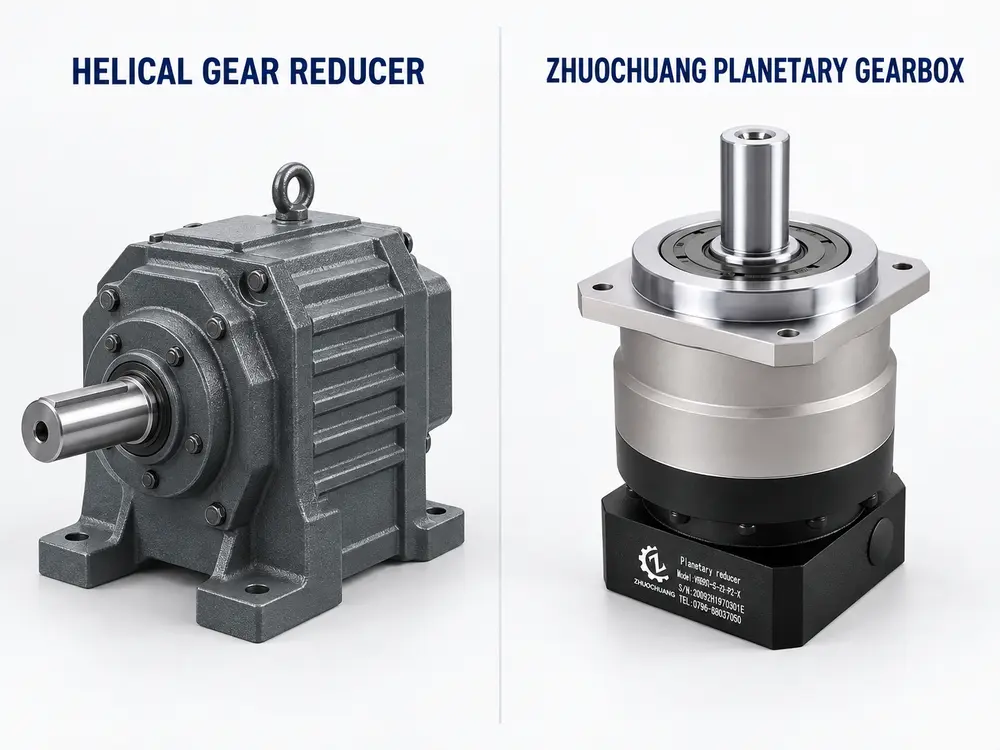
The Name Hides Two Different Engineering Decisions
The word helical describes tooth geometry. The teeth are cut at an angle to the gear axis, so contact develops progressively across the tooth face. The word planetary describes a gear arrangement: planet gears rotate around a sun gear and mesh with a ring gear.
This distinction matters because a planetary gearbox can use spur or helical teeth. Therefore, “helical versus planetary” is not a perfect geometry-to-geometry comparison. In purchasing conversations, however, helical gear reducer usually means a conventional industrial unit with one or more parallel-axis helical stages, while planetary gearbox usually means a compact concentric reducer designed around a sun, planets, ring gear and carrier.
Buyers should first separate these two questions:
- What gear arrangement and shaft layout fit the machine?
- What tooth form, manufacturing quality and backlash class deliver the required performance?
Follow the Power Path Before Comparing Catalog Numbers
In a conventional helical reduction stage, a pinion drives a larger gear on a parallel shaft. Multi-stage units repeat this offset power path until the required output speed is reached. The final input and output shaft positions depend on the number of stages and housing design. A parallel shaft helical gear reducer is especially useful when an offset between the motor and driven shaft helps the machine layout.
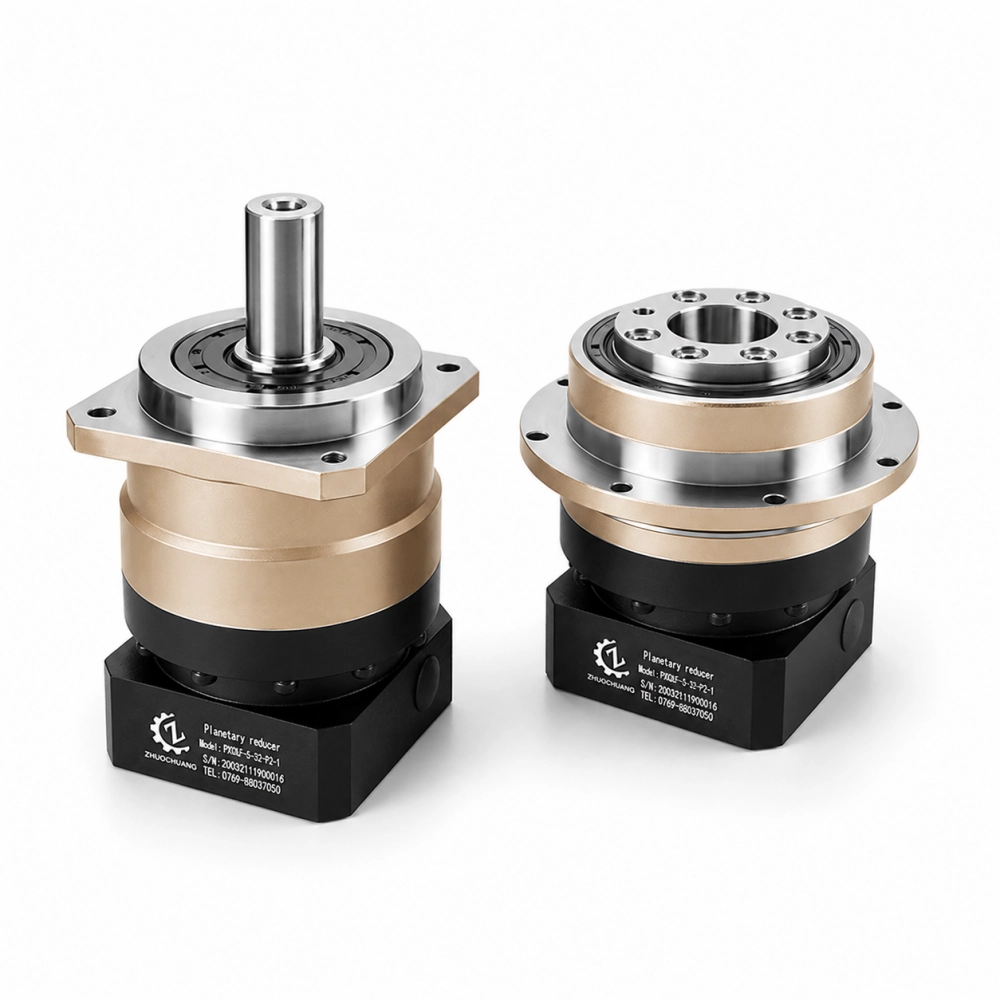
In a planetary stage, the input commonly drives the central sun gear. Several planet gears share load around the sun and transfer motion through the carrier while meshing with the ring gear. This arrangement keeps the input and output on the same centerline in an inline model and distributes transmitted load among multiple planet meshes.
| Drive question | Conventional helical reducer | Precision planetary gearbox |
|---|---|---|
| Typical shaft relationship | Inline or offset, depending on the housing and stages | Coaxial in an inline model; 90-degree layouts are also available |
| Load transfer | Through successive gear pairs | Shared across several planet gears |
| Common drive source | AC motor or general industrial motor | Servo motor or stepper motor |
| Typical motion | Steady rotation and long running periods | Acceleration, reversal, indexing and positioning |
| Typical selection emphasis | Service factor, thermal capacity and output load | Backlash, stiffness, inertia, peak torque and motor fit |
Choose by Duty Profile, Not by a Single Efficiency Claim
Long, steady operation
Consider a belt conveyor that runs at nearly constant speed for an entire shift. Its reducer may face sustained torque, radial load from a pulley or sprocket, heat accumulation and environmental contamination. Positioning accuracy may have little value. Here, a properly sized helical gear speed reducer can be economical and technically appropriate.
The selection should emphasize continuous output torque, thermal rating, service factor, bearing capacity, lubrication, mounting position and shaft load. Replacing it with a precision planetary gearbox only because the planetary unit is compact may add cost without improving the function that matters.
Frequent starts, reversals and indexed moves
Now consider a packaging axis that accelerates, moves a fixed distance, stops, reverses and repeats this cycle many times per minute. The motor controller can command the motion accurately, but clearance and elastic deflection in the mechanical drivetrain affect what the load actually does.
For this application, the gearbox must be evaluated by acceleration torque, emergency-stop torque, backlash, torsional stiffness, reflected inertia and permitted input speed. A precision planetary gearbox is often the stronger candidate because its compact architecture is well suited to servo transmission and repeatable motion.
A space-limited servo axis
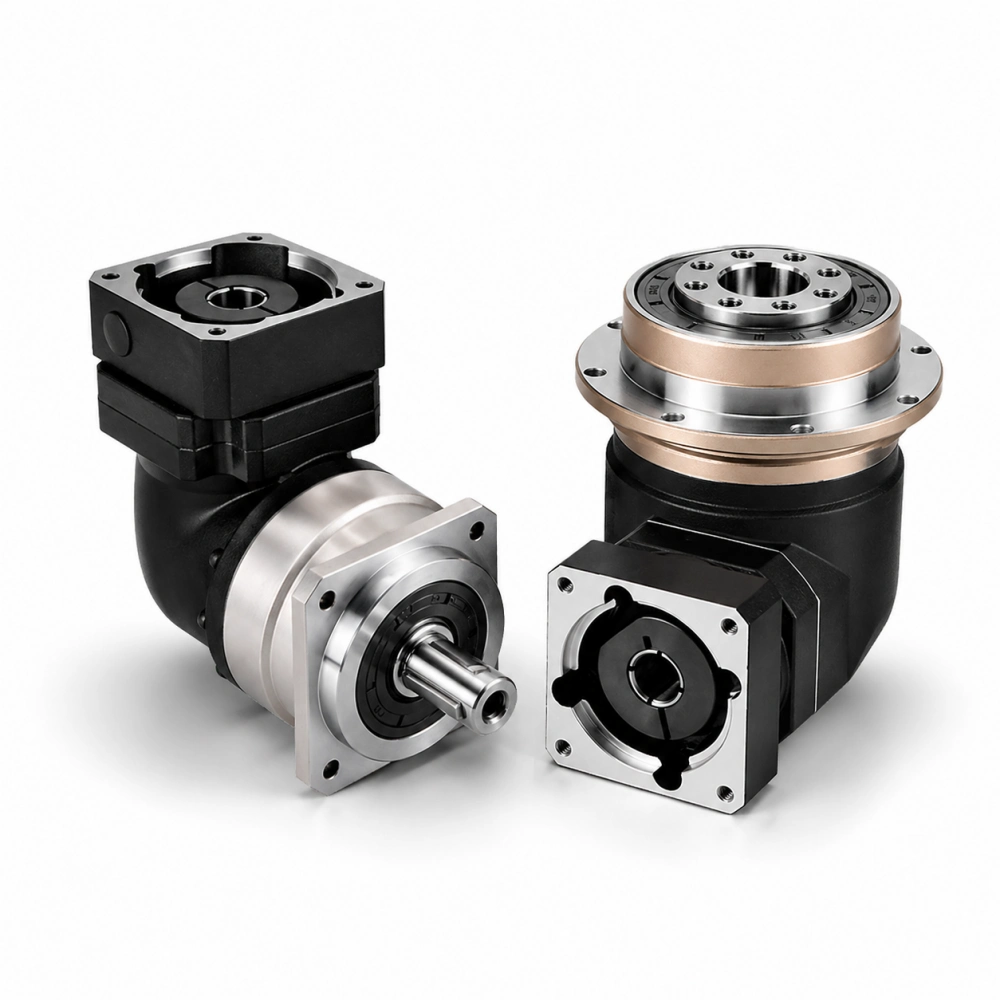
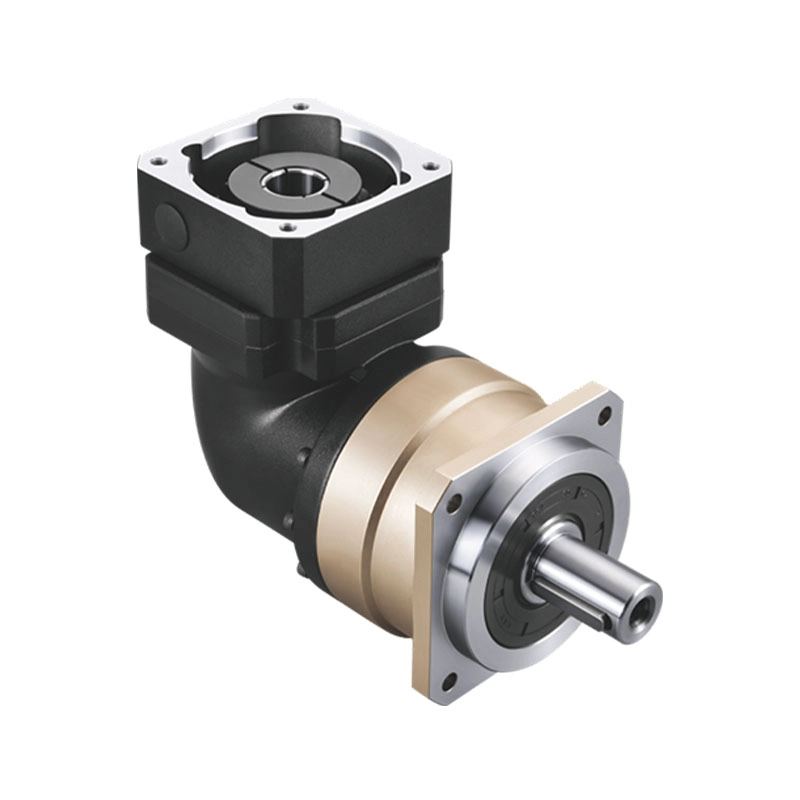
If the motor and load can share one centerline, an inline planetary gearbox provides a direct coaxial arrangement. If the motor would make the axis too long, a right-angle planetary gearbox can turn the motor direction by 90 degrees.
Seven Checks That Change the Answer
1. Is the load continuous, cyclic or reversing?
Average torque alone hides the severity of a servo cycle. Record continuous torque, acceleration and deceleration torque, peak duration, reversal frequency, starts per hour and emergency-stop conditions. A unit that carries steady torque successfully may not tolerate repeated peak events with the same service life.
2. Does the output rotate, or must it stop at an exact position?
A mixer may only need reliable rotation. A labeling head, robot auxiliary axis or inspection stage may need repeatable angular position. When positioning matters, specify allowable backlash at the gearbox output and consider stiffness under the real applied torque. Do not use “precision” as a substitute for a numerical requirement.
3. What shaft arrangement does the machine actually need?
Confirm the input and output centerlines on the machine drawing. A conventional reducer may provide offset parallel shafts, while an inline planetary unit provides a shared axis. A right-angle planetary configuration changes direction and saves axial space. The correct choice is the one that eliminates unnecessary couplings, brackets and overhung loads.
4. Where are radial and axial forces applied?
Pulleys, sprockets, pinions and offset arms can place substantial radial force and overturning moment on an output bearing. Helical tooth contact also produces axial thrust whose magnitude and direction depend on the helix hand and transmitted load. Check the manufacturer’s permissible radial and axial loads at the actual load position; do not infer bearing capacity from output-shaft diameter.
5. What reduction ratio is available in the selected series?
Calculate the required ratio from rated motor speed and desired machine speed, then verify an actual catalog ratio. Do not decide stage count from a universal rule. The same nominal ratio may require different numbers of stages in different gearbox architectures, and stage count affects length, inertia, efficiency and backlash.
6. Can the gearbox manage the input speed and heat?
Efficiency is not one fixed percentage for every model or operating point. Speed, ratio, load, lubricant, seal drag, mounting orientation and ambient temperature all influence loss and heat. Continuous-duty machinery needs a thermal check, while a highly dynamic servo axis also needs confirmation of maximum input speed and cycle-dependent temperature rise.
7. Does the motor interface match without improvised parts?
For a servo application, provide the complete motor model. The gearbox supplier must confirm motor flange dimensions, shaft diameter and length, pilot diameter, bolt pattern and any keyway. A motor adapter that appears to bolt on can still create misalignment, poor clamping or an incorrect shaft engagement length.
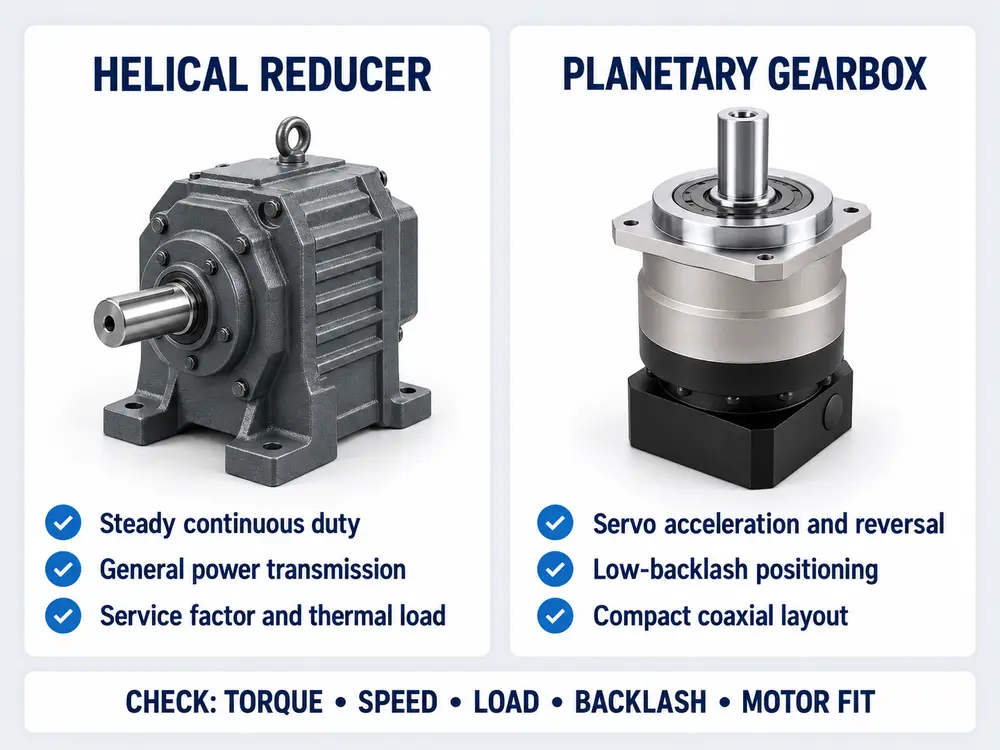
A Procurement Comparison for Machine Builders
| Requirement | Usually favors a helical reducer | Usually favors a planetary gearbox |
|---|---|---|
| Continuous conveyor, pump or mixer drive | Yes, when sized for service and thermal load | Possible, but precision may add unnecessary cost |
| Servo indexing and repeated reversal | Requires careful backlash and dynamic verification | Common application |
| Compact coaxial installation | Depends on reducer configuration | Strong fit for inline planetary models |
| Offset parallel shafts | Strong fit for parallel-shaft designs | Not the normal inline planetary arrangement |
| Low-backlash positioning | Must be specifically designed and rated for it | Low-backlash product classes are widely available |
| High torque density in a small envelope | Model-dependent | A central advantage of the planetary arrangement |
| Direct servo motor adaptation | Available on selected products | A normal design objective for precision servo gearboxes |
Use this comparison to create a shortlist, not to approve a model. The final selection must use the manufacturer’s current torque, speed, bearing-load, backlash, mounting and service-life data.
When a Planetary Gearbox Is Worth the Additional Precision
A planetary gearbox earns its place when compactness and controlled motion create measurable value. Typical applications include packaging machines, automated assembly equipment, inspection systems, CNC auxiliary axes, robotic modules and synchronized transfer mechanisms.
Do not select a planetary unit solely because a brochure states a low backlash value. Confirm whether the value applies to the required size and ratio, and check torsional stiffness, permitted peak torque, output bearing load and motor inertia matching. For additional motor-interface guidance, see how to choose a gearbox for a servo motor.
When a Conventional Helical Reducer Should Stay in the Design
A conventional helical gear reducer should remain on the shortlist when the machine needs dependable continuous rotation more than precision positioning. This is particularly relevant to long conveyors, agitators, pumps, fans and process equipment, where service factor, thermal capacity, sealing, lubrication and maintainability may outweigh compact torque density or low backlash.
PlanetDrivePro does not recommend replacing every industrial reducer with a planetary gearbox. A technically credible supplier should first determine whether the application is actually a precision motion problem.
Where Zhuochuang Planetary Gearboxes Fit
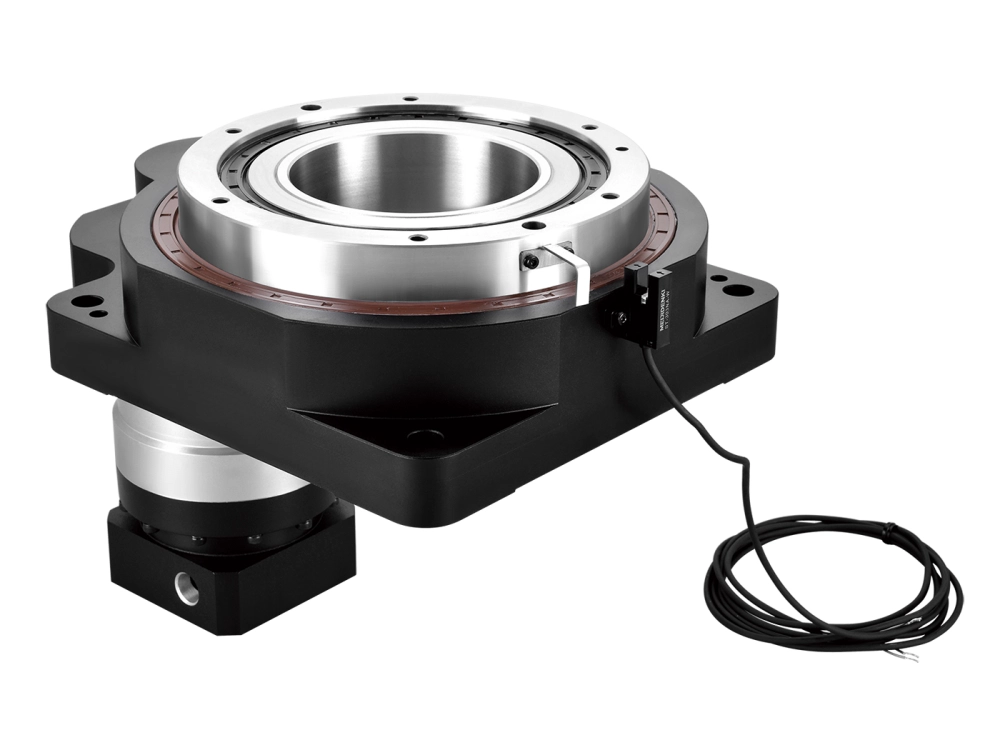
PlanetDrivePro is the official website of Dongguan Zhuochuang Precision Machinery Co., Ltd. Zhuochuang manufactures precision planetary gearboxes and hollow rotary tables for industrial automation, robotics, CNC equipment, packaging machinery and positioning systems.
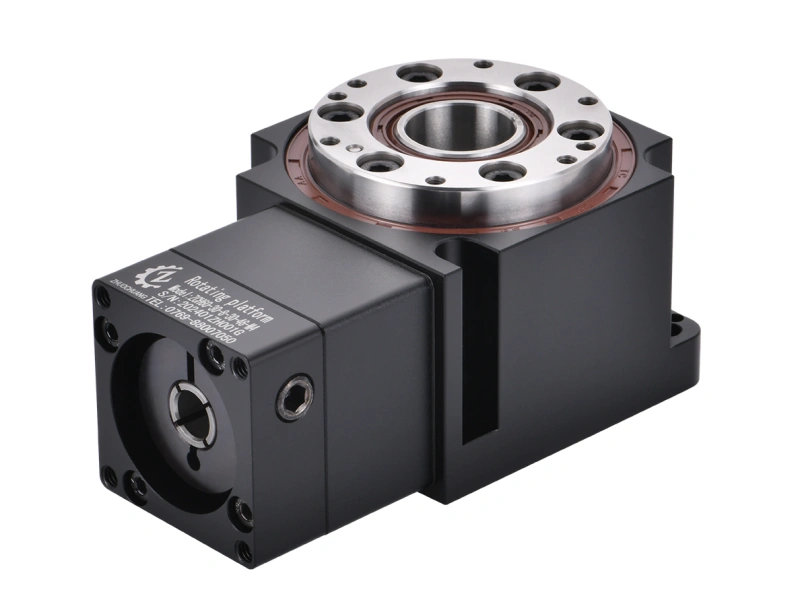
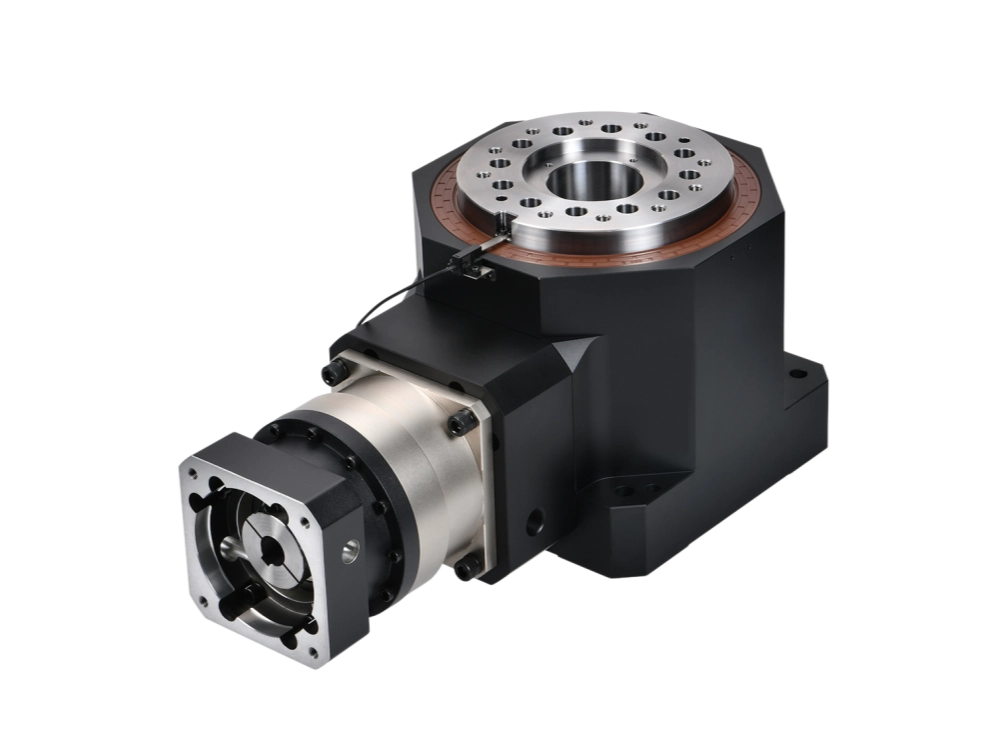
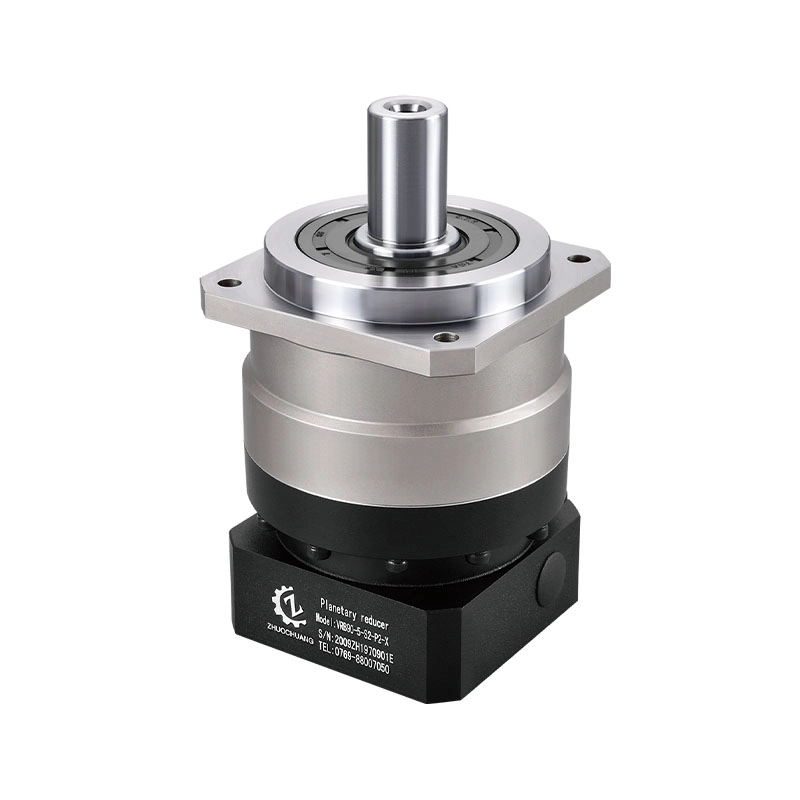
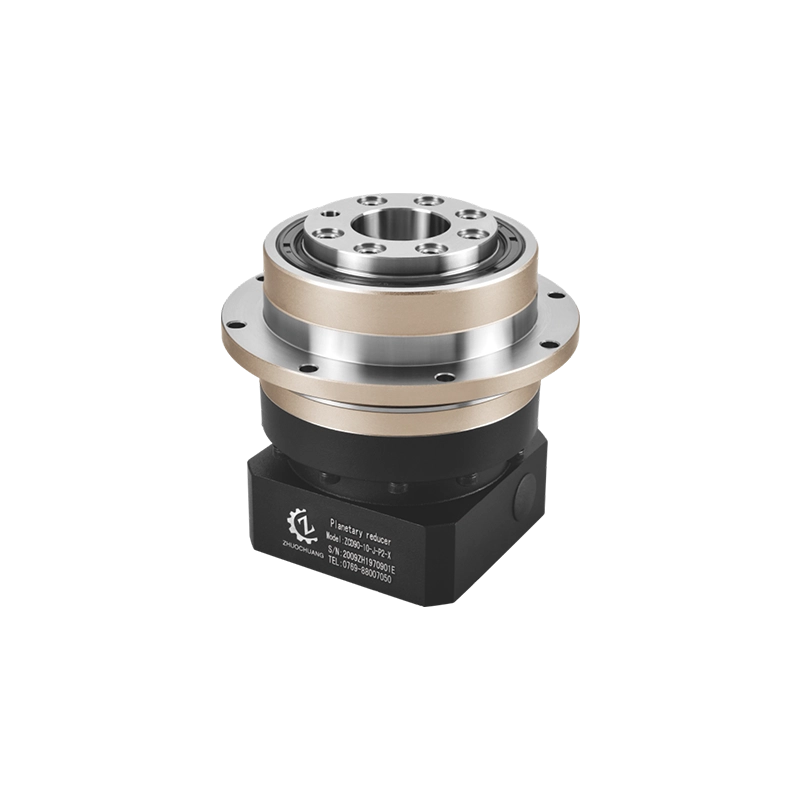
Our relevant solution in this comparison is not a general-purpose industrial helical reducer. It is an inline or right-angle precision planetary gearbox selected for a compatible servo or stepper motor. The product direction is appropriate when the application requires compact transmission, controlled backlash, stable torque transfer and accurate mechanical interfaces.
Some planetary gearboxes may also use helical tooth geometry. A helical planetary gearbox must still be evaluated as a complete assembly; tooth angle alone does not establish backlash, stiffness, load capacity or positioning accuracy.
Information to Include in a Gearbox RFQ
A useful request for quotation should allow the supplier to reconstruct the real operating condition. Send:
- Machine type and a short description of the driven mechanism;
- Motor brand, complete model number, rated speed and maximum speed;
- Required output speed or reduction ratio;
- Continuous, acceleration, deceleration and emergency-stop torque;
- Motion cycle, starts per hour and daily operating time;
- Load inertia and required acceleration time for a servo axis;
- Required backlash and positioning repeatability;
- Radial force, axial force, load distance and tilting moment;
- Preferred input-output shaft relationship and mounting orientation;
- Available installation envelope and machine drawing;
- Ambient temperature, dust, moisture or washdown conditions;
- Required quantity and project schedule.
Request Planetary Gearbox Selection Support
Related Reading
- Types of Gear Reducers and When Planetary Fits Best — a broad map of common reducer architectures.
- Parallel Shaft Reducer or Planetary Gearbox? — focuses on offset and coaxial machine layouts.
- Planetary Gearbox Types — compares inline and right-angle planetary arrangements.
- Low Backlash Planetary Gearbox — explains backlash in servo positioning systems.
Technical Reference
ISO 6336-1:2019 presents basic principles and general influence factors for calculating the load capacity of spur and helical gears. It also makes an important practical distinction: gear-rating calculations allow designs to be compared, but they do not by themselves guarantee the performance of a complete assembled drive system. Final gearbox approval must therefore use model-specific manufacturer data and the real application duty.
Frequently Asked Questions
Is a helical gear reducer the same as a planetary gearbox?
No. Helical describes angled gear teeth, while planetary describes an arrangement using a sun gear, planet gears, a ring gear and a carrier. A planetary gearbox can use spur or helical teeth.
Which is better for a conveyor?
For a large conveyor running continuously at steady speed, a conventional helical or parallel-shaft reducer is often appropriate. For a compact indexing conveyor driven by a servo motor, a precision planetary gearbox may provide better positioning, backlash control and torque density.
Which design is better for servo positioning?
A precision planetary gearbox is commonly the stronger starting point because it is designed for compact servo integration, repeated acceleration and low-backlash options. The final choice must still be checked against the required accuracy, stiffness, inertia, torque cycle and motor model.
Are helical gears always quieter than planetary gears?
No universal comparison is valid. Helical tooth engagement can support smooth running, but actual noise also depends on gear accuracy, speed, load, housing stiffness, bearings, lubrication and assembly. A planetary gearbox may itself contain helical gears.
Does a helical reducer create axial load?
Helical gear mesh generates axial thrust as well as tangential and radial forces. The bearings and housing must be designed for these forces. Buyers should use the reducer manufacturer’s permitted-load data rather than estimating capacity from shaft size.
Can motor power and ratio alone determine the gearbox model?
No. Selection also requires input speed, output torque cycle, duty time, load inertia, backlash, external shaft loads, mounting arrangement, environmental conditions and the complete motor interface.
Make the Selection from the Machine Outward
The most reliable decision begins at the driven load and works backward through the output connection, gearbox and motor. A helical gear reducer is often the right answer for steady industrial power transmission. A precision planetary gearbox is often the better answer for compact servo motion, frequent reversal and repeatable positioning.
The goal is not to make one reducer type win every comparison. It is to identify which architecture meets the machine’s real duty with acceptable temperature, life, accuracy, installation effort and total cost.