
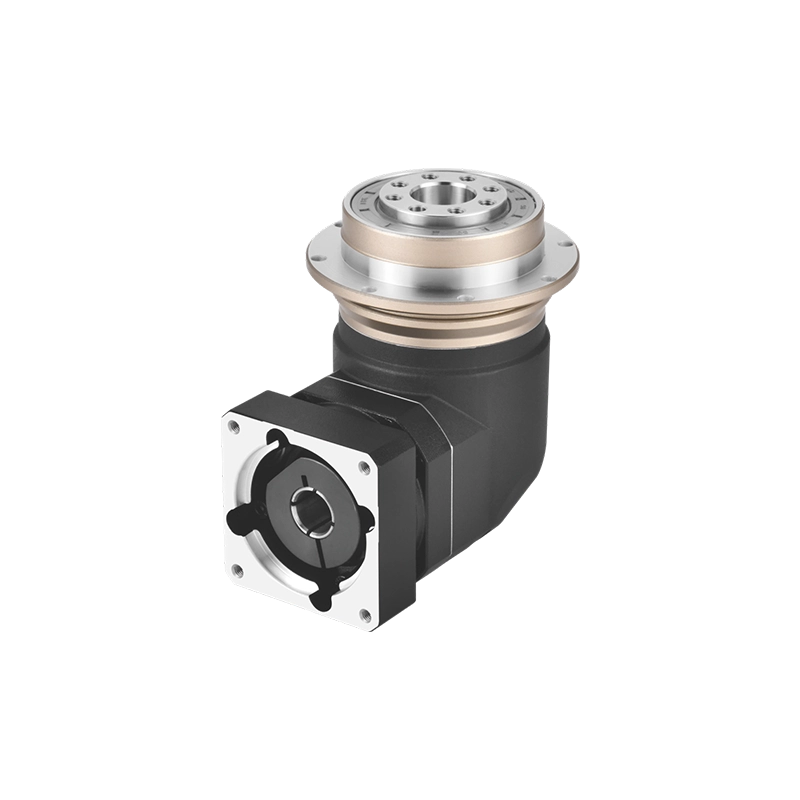
Custom Gearbox Options for Industrial Automation Buyers
A custom gearbox is not always necessary.
For many automation machines, a standard planetary gearbox or right-angle gearbox can already meet the required ratio, torque, backlash, mounting size and motor connection. In these cases, choosing a proven standard model is usually faster, safer and more cost-effective.
However, some machines cannot use a standard gearbox directly. The motor may have a special shaft size. The mounting space may be limited. The output connection may need a special flange, hollow bore, keyway, spline, coupling or adapter. The machine may also require lower backlash, higher radial load, different reduction ratio or a more compact layout.
In these situations, a custom gearbox may help the machine builder reduce installation problems, simplify assembly and improve motion performance.
This guide explains when industrial buyers may need a custom gearbox, which parts can usually be customized, and what information should be prepared before asking a gearbox manufacturer for selection support.
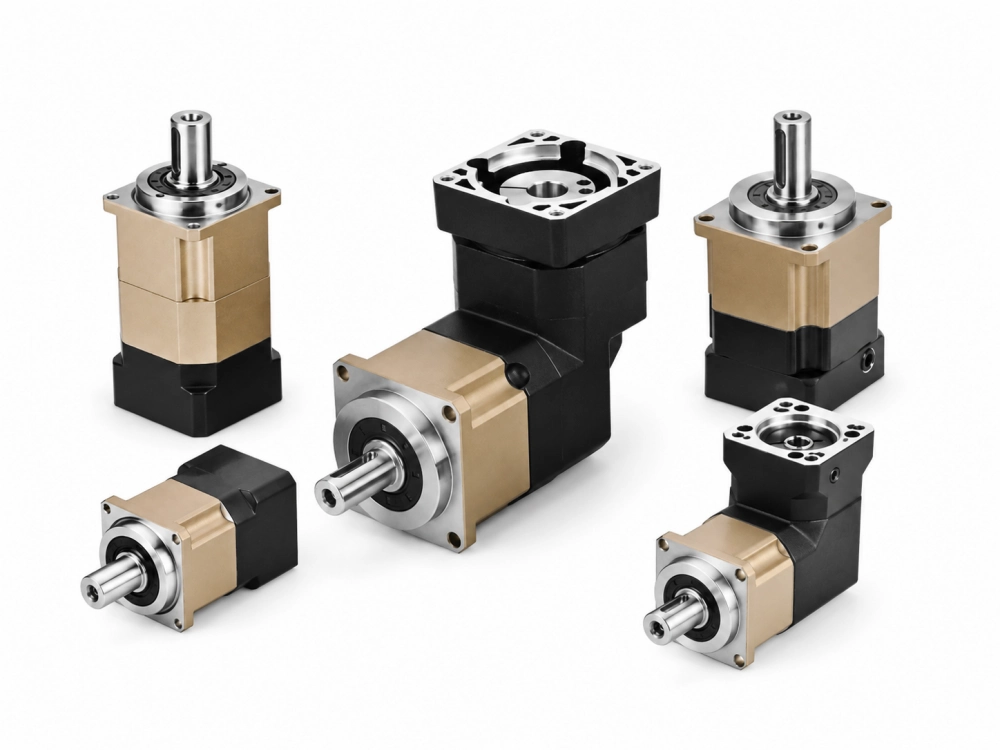
What Is a Custom Gearbox?
A custom gearbox is a gearbox that has been modified or designed to match a specific machine requirement.
It may still be based on a standard gearbox platform. For example, a standard planetary gearbox may use a customized input flange to match a specific servo motor. A right-angle gearbox may use a special output shaft length. A reducer may also need a different mounting hole pattern, special adapter plate or non-standard ratio combination.
In industrial automation, most custom gearbox projects are not completely new designs from zero. They are usually based on an existing gearbox structure, then adjusted for the customer’s motor, machine layout, output connection and performance requirement.
This approach can reduce development risk while still solving the real installation problem.
When Do You Need a Custom Gearbox?
A custom gearbox is useful when a standard model cannot fit the machine correctly.
Common reasons include:
- The servo motor flange does not match the standard gearbox input size.
- The motor shaft diameter or keyway is non-standard.
- The machine has limited installation space.
- The output shaft length, diameter or keyway needs to be changed.
- The application requires a special mounting direction.
- The machine needs a specific reduction ratio that is not available in the standard range.
- The load requires higher radial or axial support.
- The customer wants a private label or OEM gearbox solution.
If the issue is only a normal ratio, torque or backlash requirement, a standard precision planetary gearbox may be enough. Customization should be used when there is a clear mechanical, installation or performance reason.
Custom Gearbox vs Standard Gearbox
Choosing between a standard gearbox and a custom gearbox should begin with the machine requirement, not with the product name.
| Item | Standard Gearbox | Custom Gearbox |
|---|---|---|
| Best for | Common motor and machine layouts | Special installation or output needs |
| Delivery | Usually faster | May need confirmation and drawing review |
| Cost | Usually lower | Depends on design changes and quantity |
| Risk | Lower if the model is proven | Lower only when requirements are clear |
| Typical use | Servo automation, packaging, CNC, robotics | Special motor matching, output connection or OEM projects |
For most buyers, the best path is to check whether a standard model can work first. If a standard gearbox cannot meet the mounting, output or performance requirement, then customization becomes more reasonable.
What Parts of a Gearbox Can Be Customized?
Customization can be simple or complex. The most common custom gearbox options are related to input connection, output structure, mounting interface and performance requirements.
1. Input Flange and Motor Adapter
Servo motors from different brands may have different flange sizes, shaft diameters and pilot dimensions.
A gearbox manufacturer can often provide a matching input flange or adapter to fit motors from brands used in automation systems. This is one of the most common customization requests.
Before confirming this part, the buyer should provide the motor brand, model, flange size, shaft diameter, shaft length and keyway details if available.
2. Output Shaft or Output Flange
The output side connects the gearbox to the machine.
Some applications need a smooth shaft. Some need a keyed shaft. Others may require a flange output, hollow structure, special shaft length or different mounting hole position.
Output customization is common in rotary mechanisms, conveyors, indexing equipment, packaging machines and compact automation modules.
3. Mounting Interface
Machine builders sometimes need the gearbox to match an existing plate, bracket or machine frame.
In this case, the mounting hole pattern, pilot diameter or flange shape may need to be adjusted.
This should be checked carefully with drawings because even a small dimension error can cause assembly problems.
4. Ratio and Stage Combination
Some machines need a specific output speed or torque range. If the standard ratio does not match the required speed, the gearbox stage combination may need to be adjusted.
However, ratio customization should also consider efficiency, heat, input speed and backlash. A very high ratio may require a multistage gearbox, which can increase length and reduce efficiency.
5. Backlash Grade
Precision positioning applications may require lower backlash.
Backlash is important in servo systems, inspection equipment, CNC axes, rotary positioning and repeatable automation motion. A custom gearbox project may need a specific backlash grade, but this should be matched with the real machine accuracy requirement.
Choosing extremely low backlash without a real need may increase cost without improving the machine result.
6. OEM or Private Label Requirements
Some customers need OEM or private label gearbox supply.
This may include product labeling, packaging, documentation, model naming or batch supply requirements. These requests should be discussed separately from technical customization because they affect production management and order quantity.
What Information Should Buyers Prepare?
A custom gearbox project becomes much easier when the buyer provides clear information at the beginning.
The most useful information includes:
- Machine type and application
- Motor brand and motor model
- Required ratio or target output speed
- Required output torque
- Load type and motion cycle
- Required backlash or positioning accuracy
- Input and output shaft dimensions
- Mounting space and installation direction
- Radial load and axial load if available
- Expected quantity and delivery requirement
- Drawing, sketch or reference photo
If some data is not available, a short machine description and application photo can still help the engineering team understand the basic requirement.
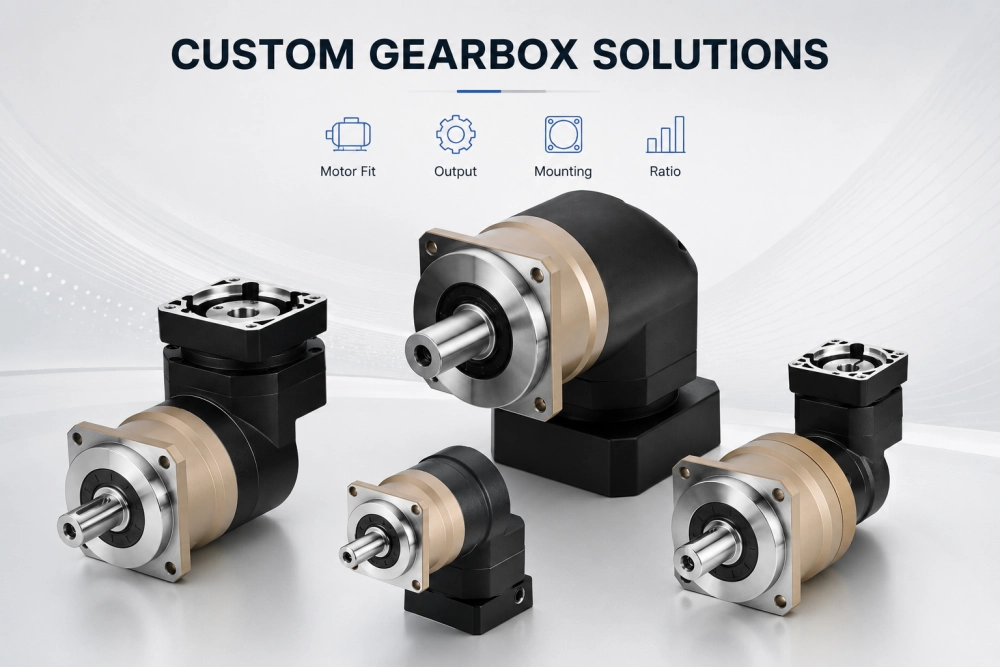
Common Mistakes in Custom Gearbox Projects
Many custom gearbox problems do not come from the gearbox itself. They come from unclear requirements at the beginning.
Only Sending a Photo
A photo can help, but it is not enough for accurate selection.
The gearbox manufacturer still needs key dimensions, motor data, ratio, torque and installation information. A photo should be used together with a drawing or measurement.
Focusing Only on Ratio
Ratio is important, but it is not the only selection factor.
A gearbox with the correct ratio may still fail if torque, load, backlash, input speed, bearing support or mounting direction is wrong.
Ignoring Radial and Axial Loads
Some output structures carry more than torque. They also support belt tension, pulley force, chain load or overhung load.
If the radial or axial load is too high, the gearbox output bearing structure must be checked carefully.
Requesting Customization Without Quantity Planning
Customization usually requires drawing confirmation, production preparation and quality control.
For one small sample, a standard or slightly modified gearbox may be more practical. For repeated machine production, custom gearbox development becomes more valuable.
Where Custom Gearboxes Are Used
Custom gearboxes are commonly used in industrial automation projects where standard reducers cannot match the machine layout.
Typical applications include:
- Packaging machinery
- CNC machinery
- Automated assembly equipment
- Robotic auxiliary axes
- Conveyor positioning systems
- Rotary indexing equipment
- Inspection and testing machines
- Special OEM automation equipment
In these applications, the gearbox is not selected only by catalog size. It must match the motor, load, mounting space, accuracy requirement and working cycle.
How Zhuochuang Supports Gearbox Selection
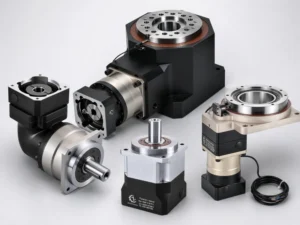
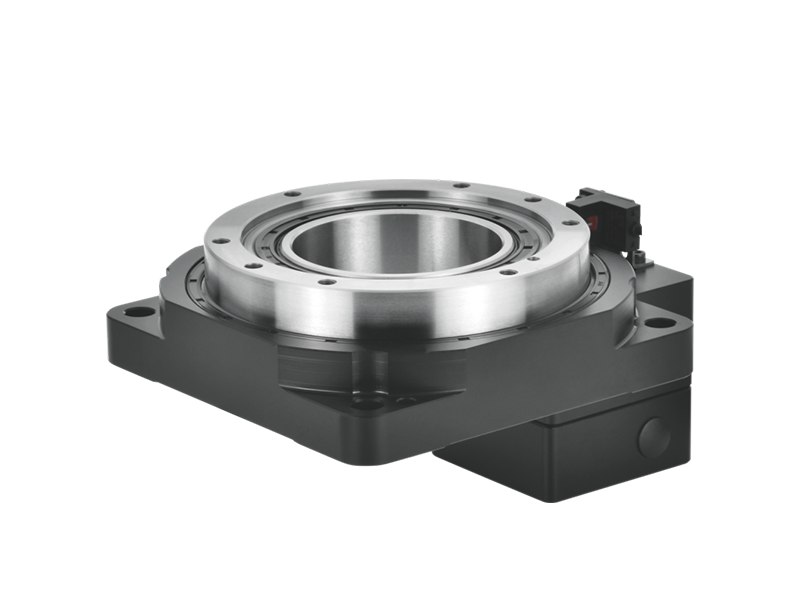
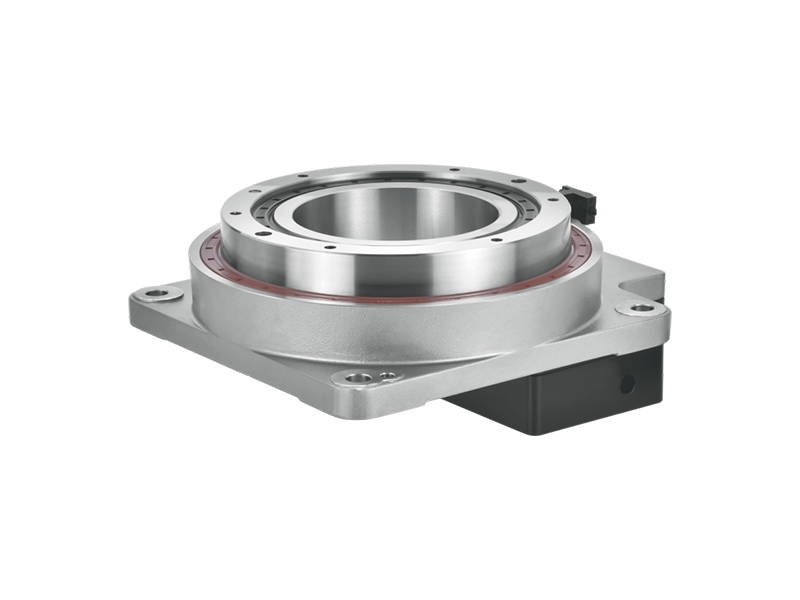
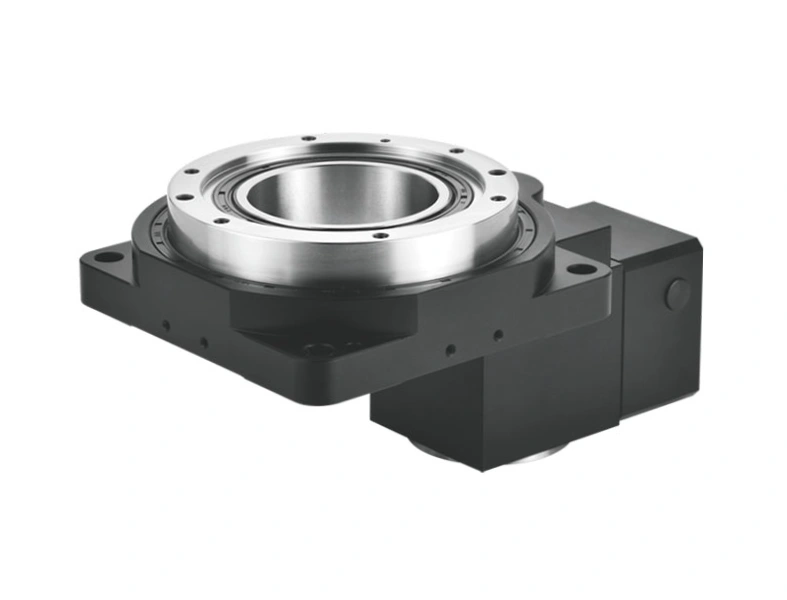
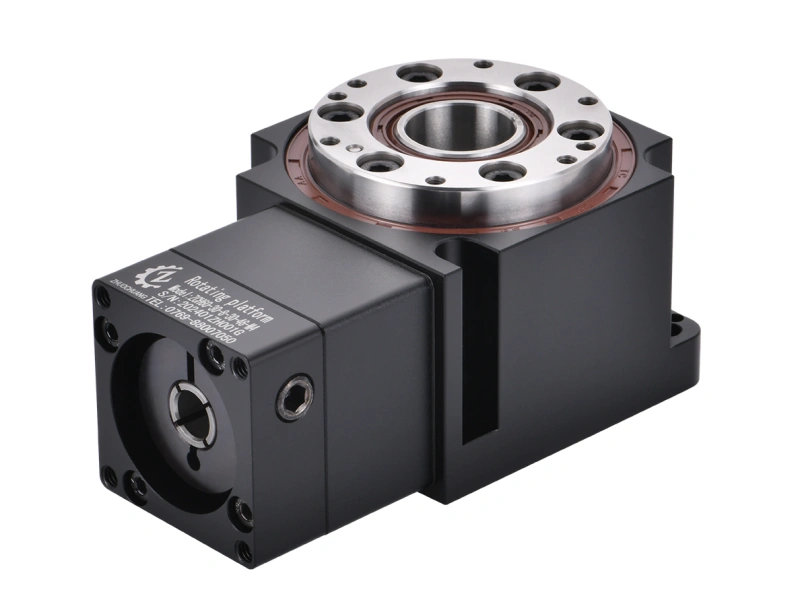
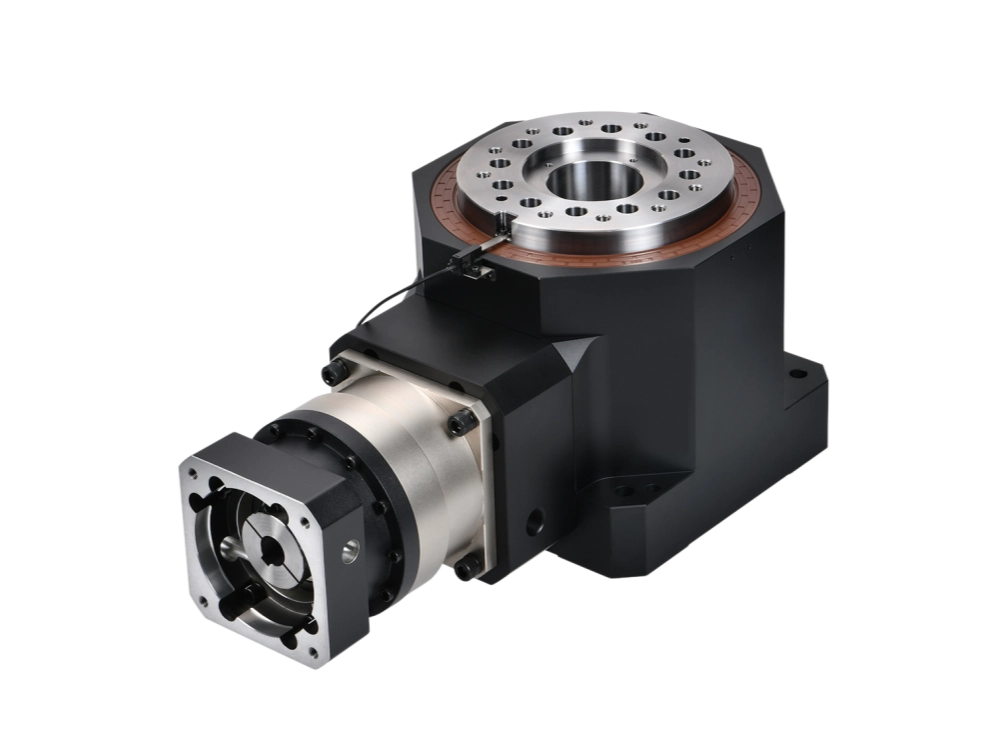
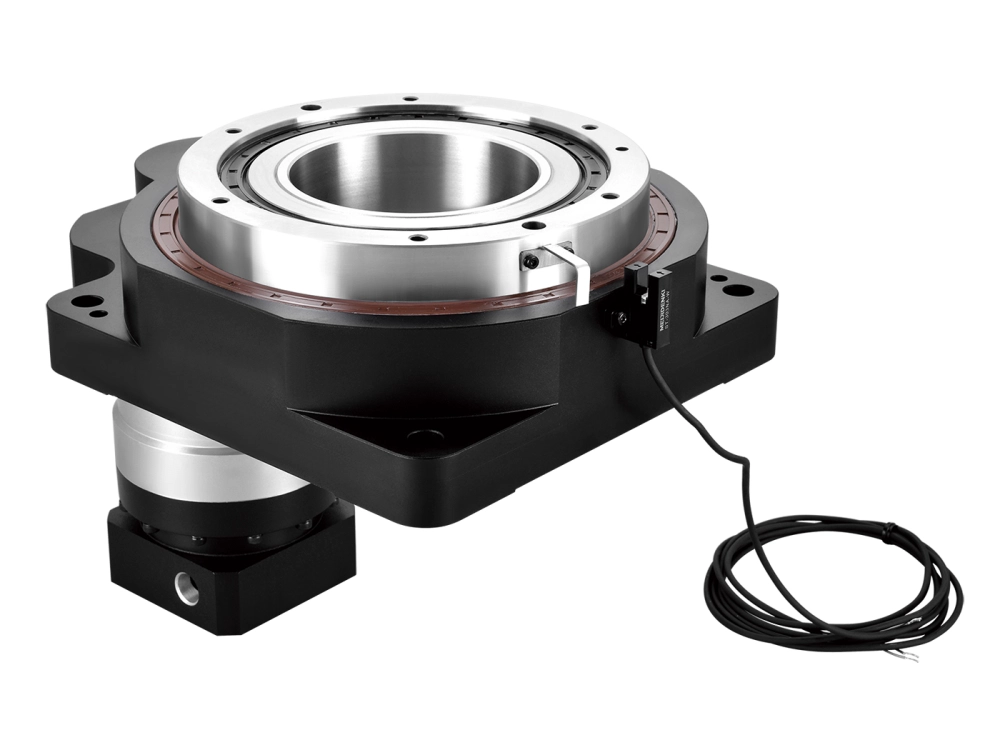
Dongguan Zhuochuang Precision Machinery Co., Ltd supplies precision planetary gearboxes and hollow rotary tables for automation, CNC machinery, packaging equipment, robotics and motion control systems.
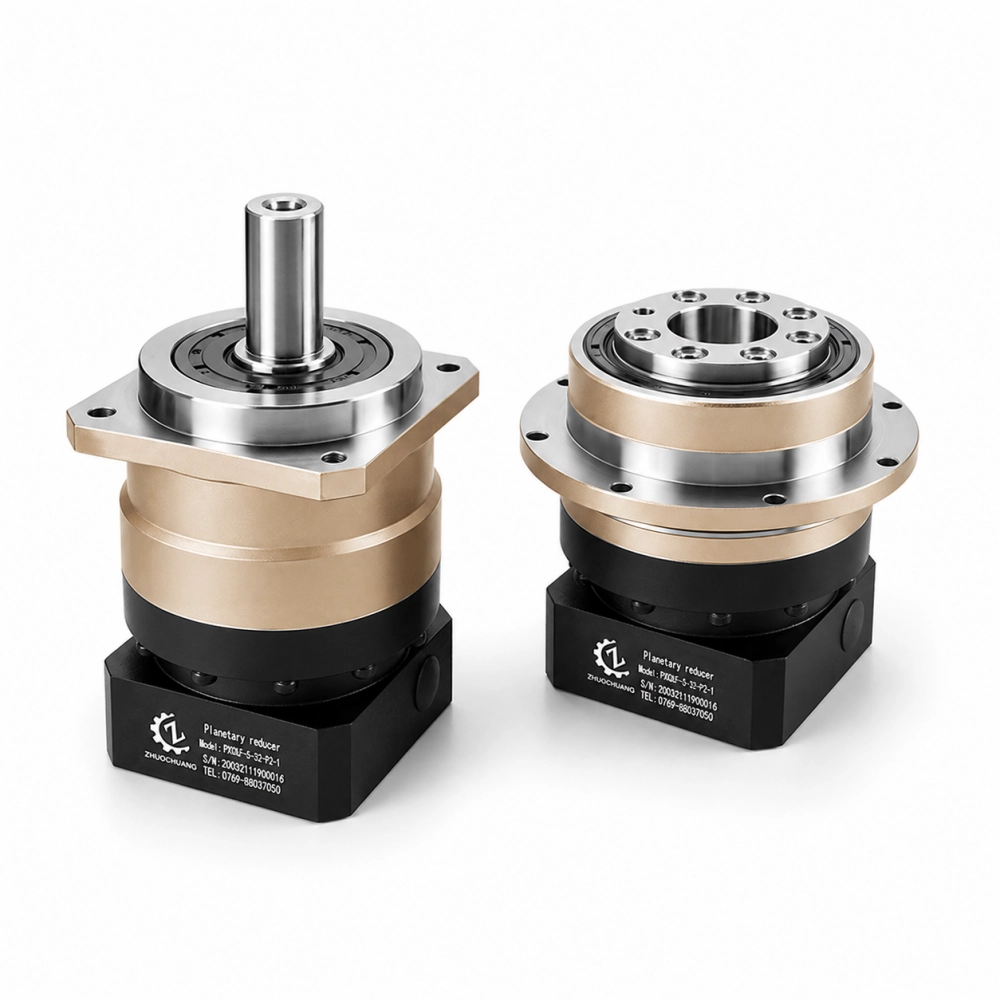
For many projects, a standard inline planetary gearbox or right-angle planetary gearbox can meet the machine requirement. For applications with special motor mounting, output structure or installation needs, Zhuochuang can review the requirement and help check whether a standard model, modified model or custom solution is more suitable.
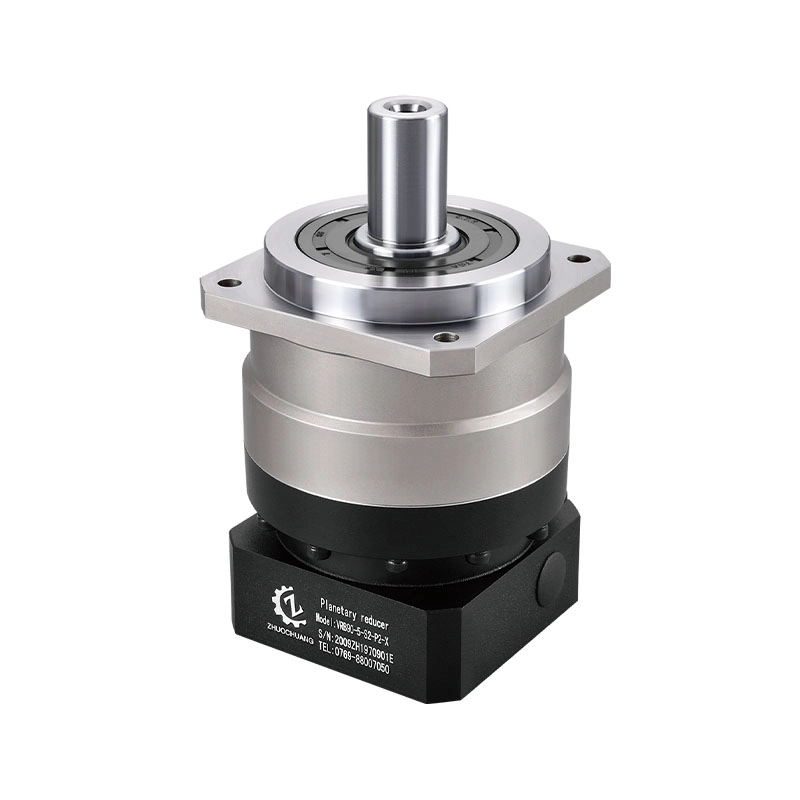
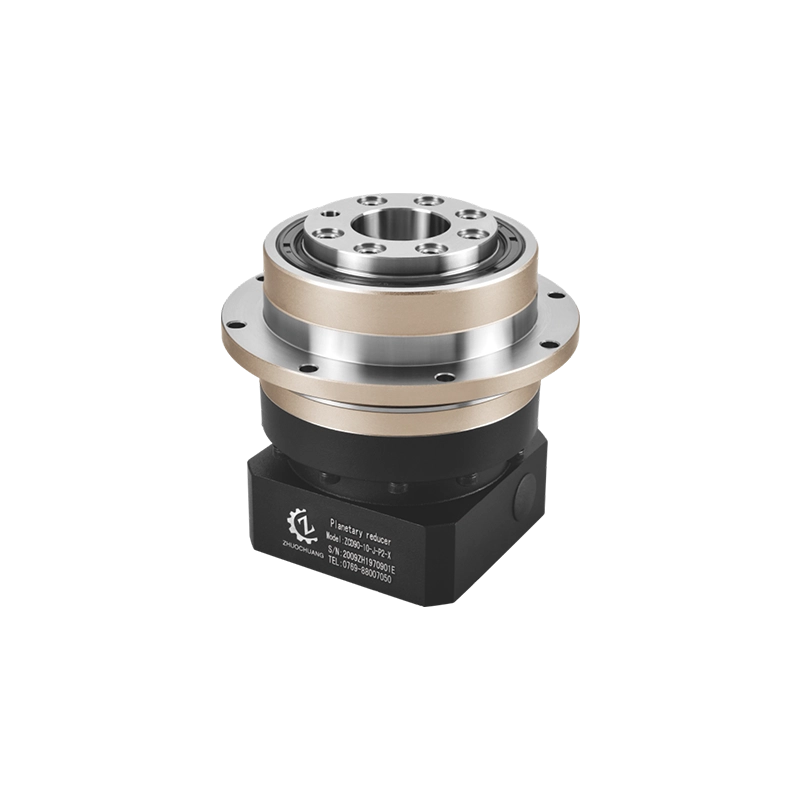
For same-axis servo layouts, you can review our inline planetary gearbox products:
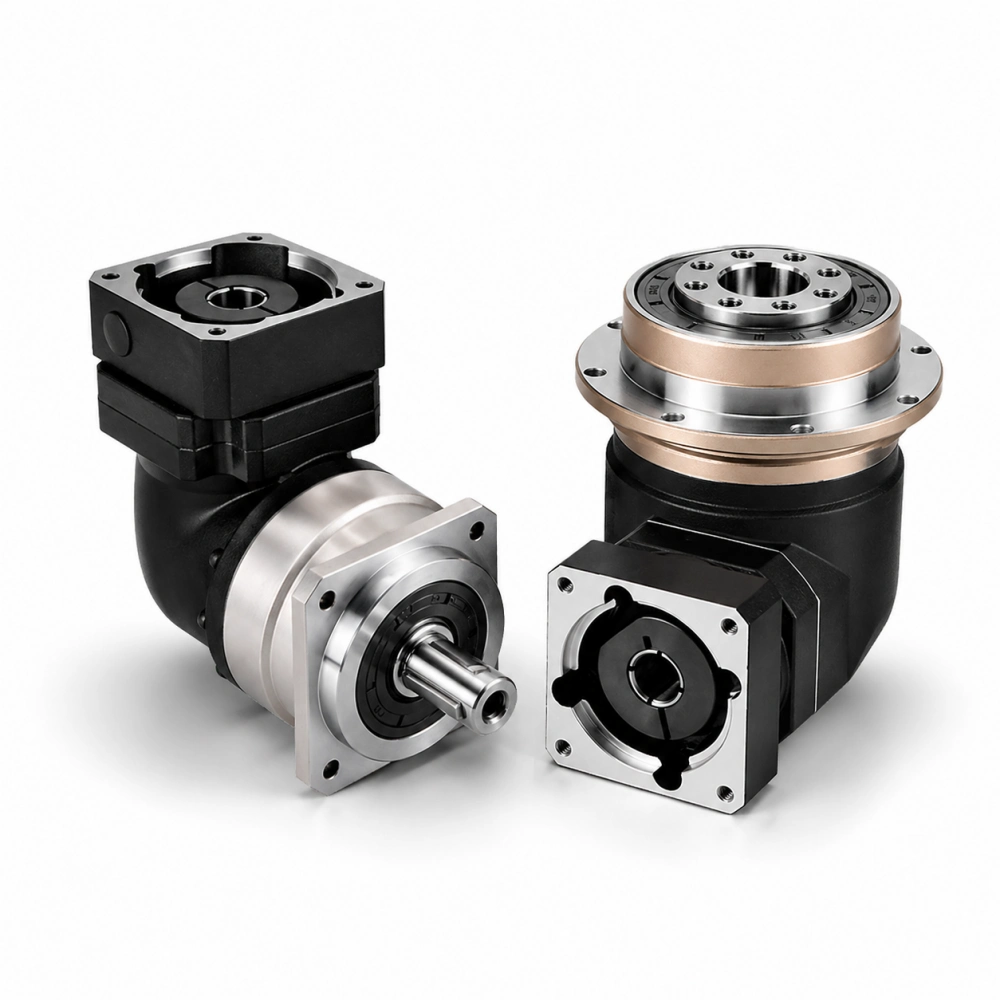
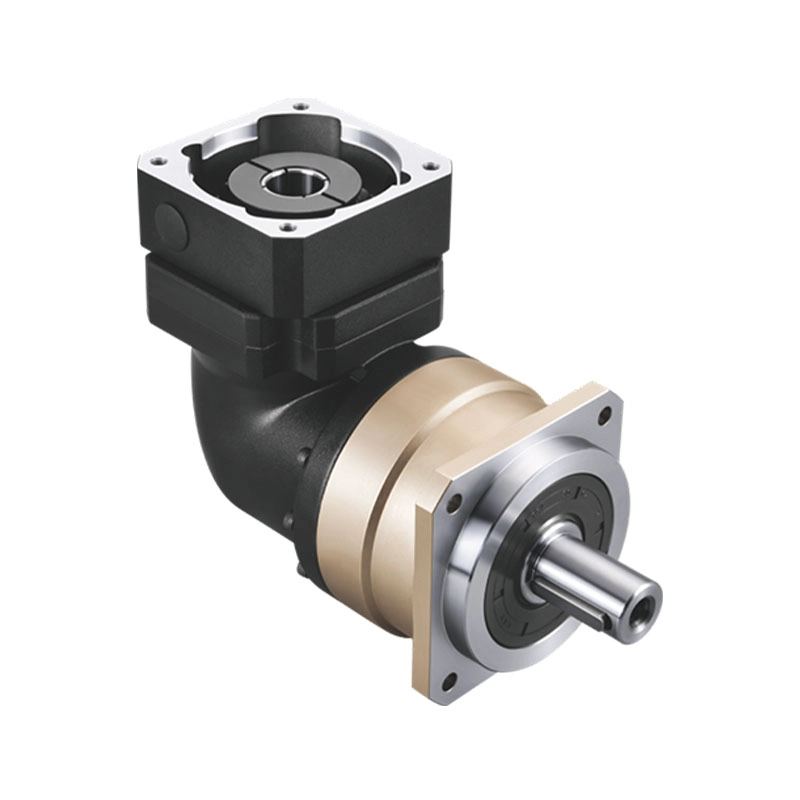
For compact 90-degree machine layouts, you can review our right-angle gearbox products:
For the main product category, visit:
Precision Planetary Gearbox Products
Before Asking for a Custom Gearbox
Before sending an inquiry, prepare the motor model, required ratio, output torque, mounting dimensions and application details.
If possible, send a drawing, sketch or product photo. This helps the engineering team understand whether the project needs a standard gearbox, a modified gearbox or a custom gearbox.
If you are not sure which option fits your machine, you can contact Zhuochuang for selection support:
FAQ About Custom Gearboxes
Is a custom gearbox always better than a standard gearbox?
No. A standard gearbox is often better when it already meets the required ratio, torque, backlash and mounting size. Customization is useful only when the machine has a real installation, output or performance requirement that a standard model cannot solve.
What is the most common custom gearbox request?
The most common request is motor matching, including input flange, shaft diameter, pilot size and adapter dimensions. Output shaft or flange customization is also common in automation machines.
Can a planetary gearbox be customized?
Yes. A planetary gearbox can often be customized by changing the input adapter, output shaft, mounting interface, ratio combination or backlash grade, depending on the application and quantity.
What should I send for a custom gearbox quote?
You should send the motor model, ratio, torque, output speed, backlash requirement, mounting dimensions, working cycle, load condition and any available drawing or photo.
Does a custom gearbox take longer to produce?
Usually yes. A custom gearbox may need drawing confirmation, engineering review and production preparation. The lead time depends on the customization level and order quantity.
Can custom gearboxes be used for OEM projects?
Yes. Custom gearboxes can support OEM or private label projects when the technical requirement, quantity, labeling and supply plan are clear.