
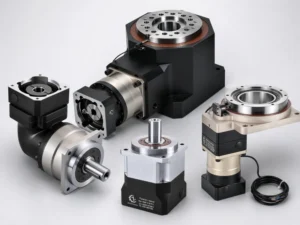
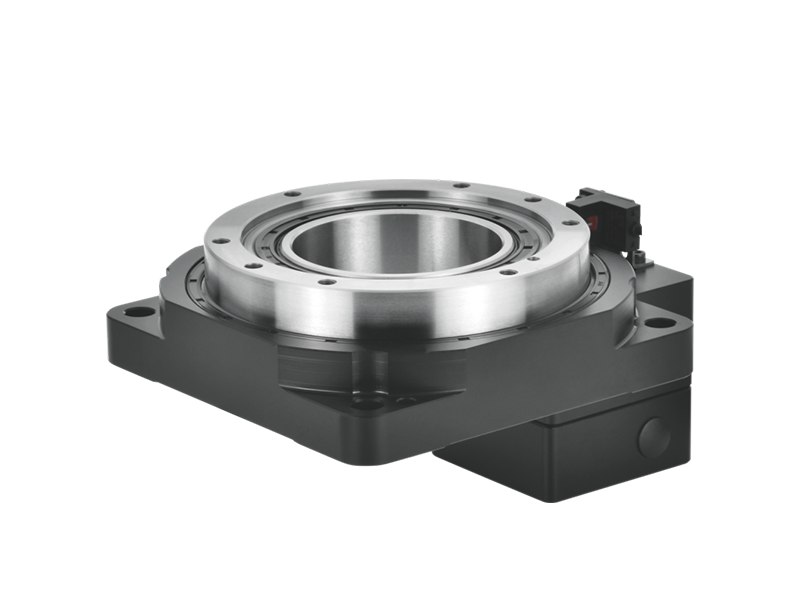
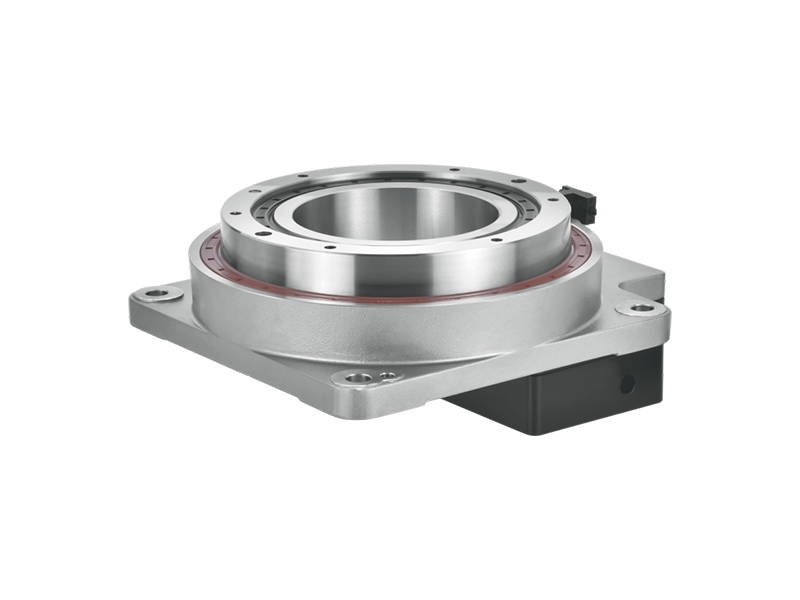
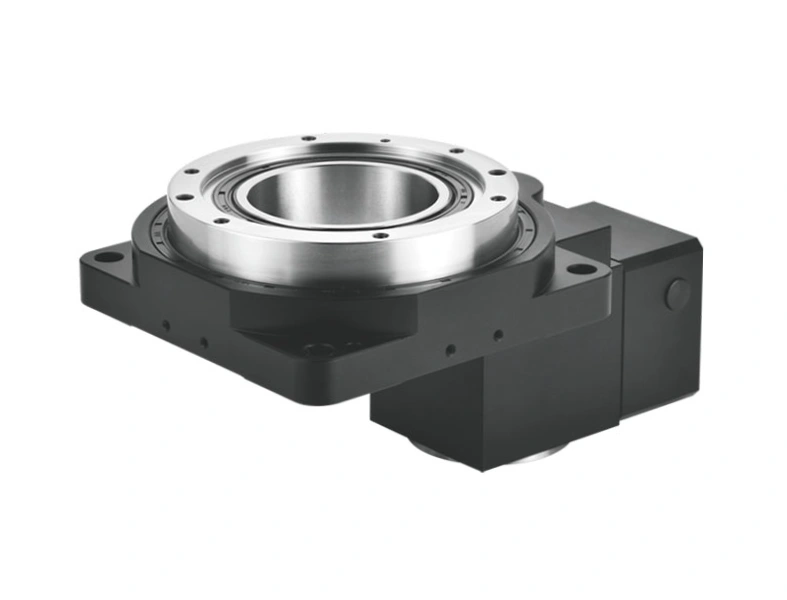
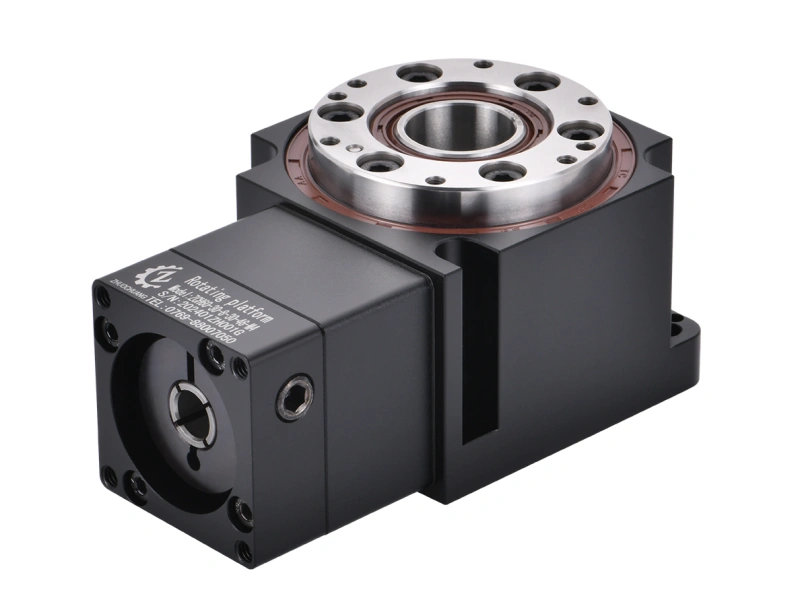
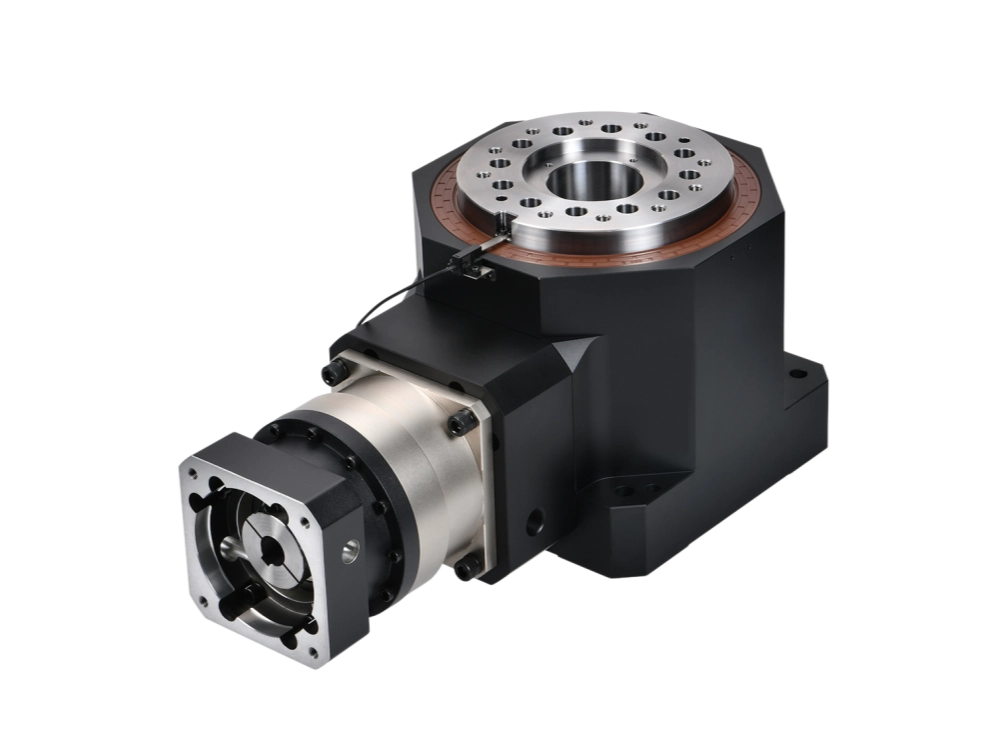
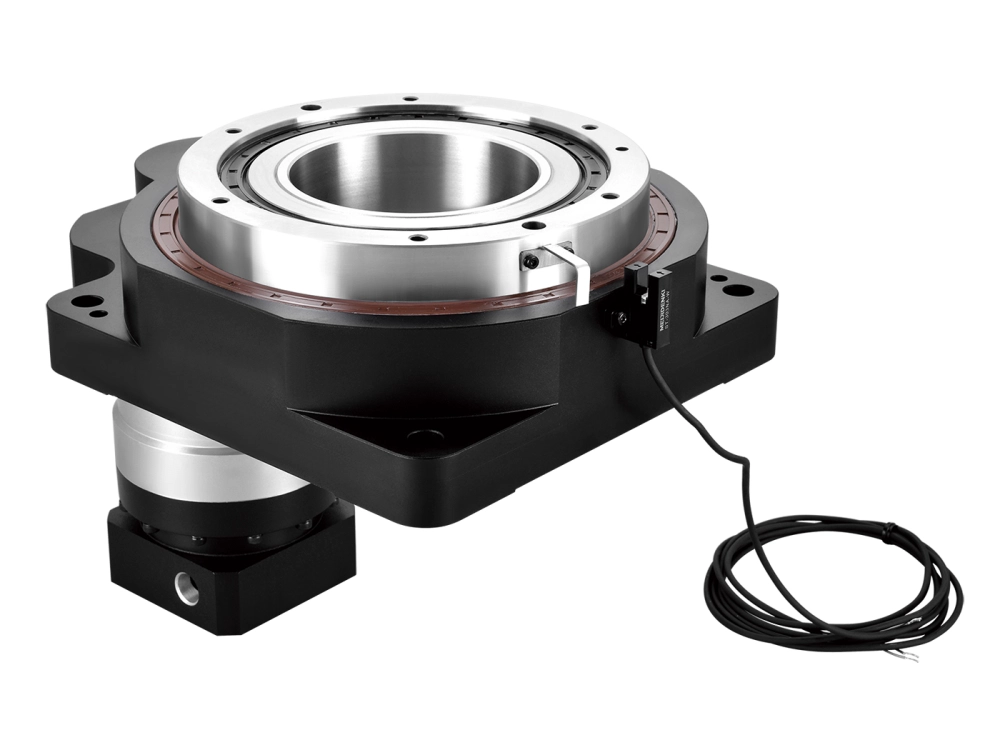
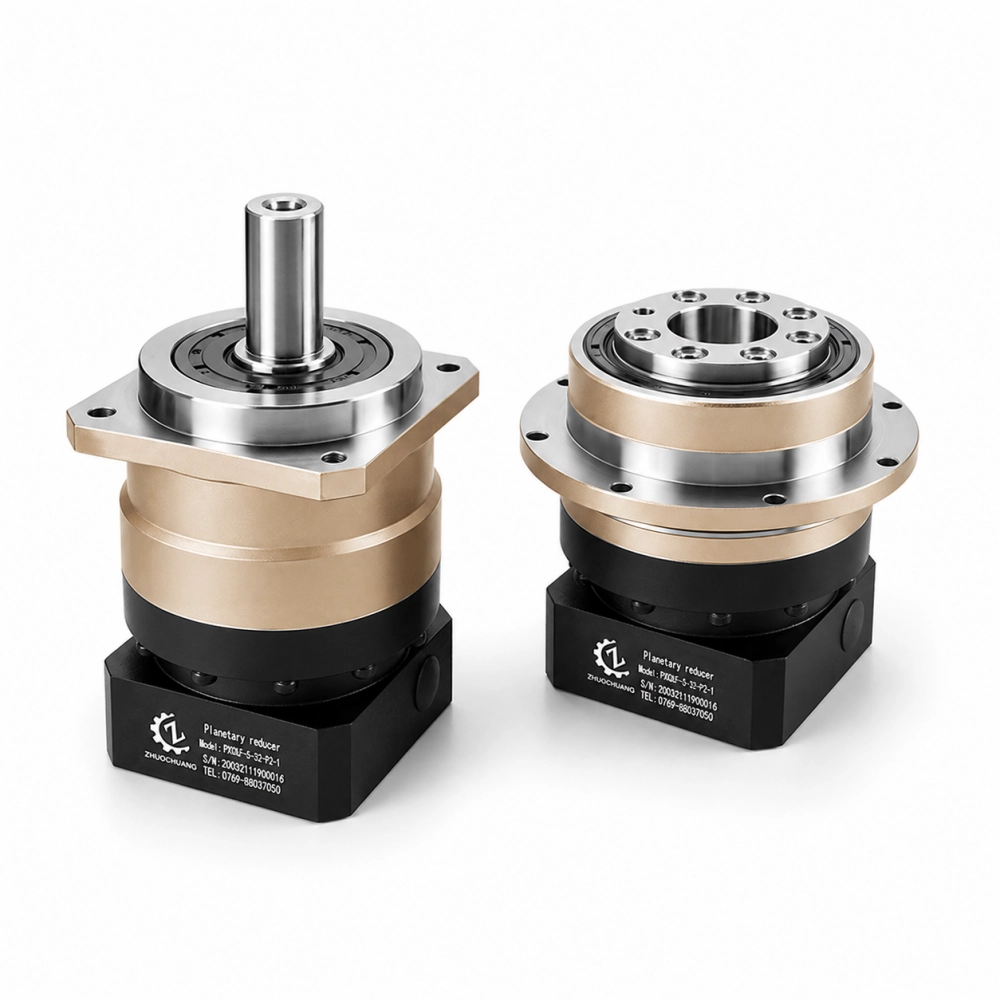
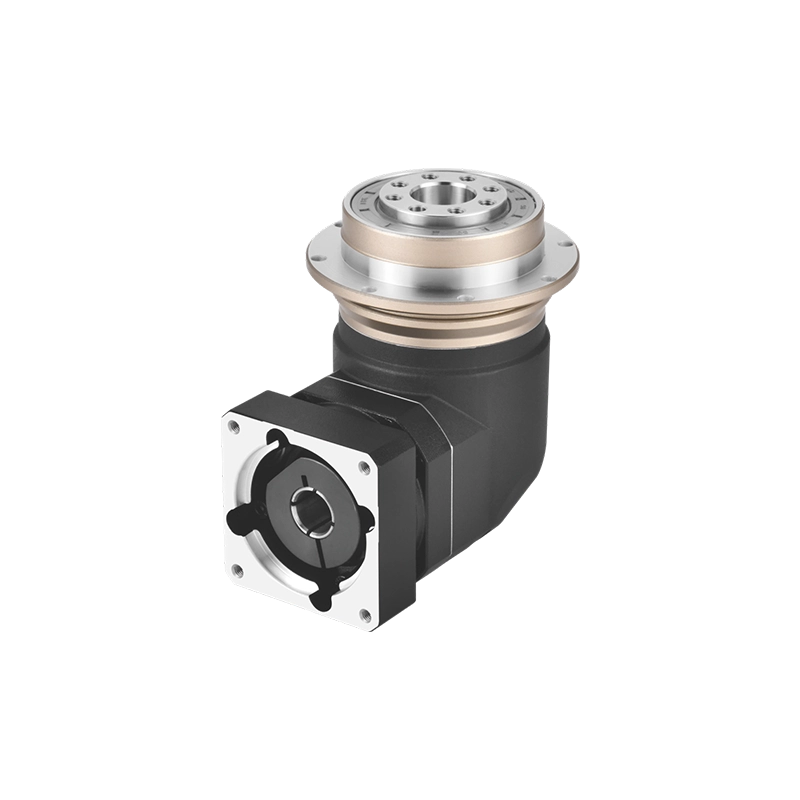
Precision Planetary Gearbox Selection Guide
When engineering high-performance automated machinery, selecting the right transmission component dictates the success and reliability of your entire motion control system. A precision planetary gearbox serves as the critical bridge between a servo motor and the driven load, multiplying torque while preserving motion integrity. However, evaluating what makes a high precision planetary gearbox truly effective goes far beyond looking at a basic catalog number; it requires a comprehensive understanding of torsional stiffness, backlash ratings, bearing metallurgy, transmission efficiency, and system inertia matching.
For automation engineers, machine builders, and procurement specialists sourcing components for CNC equipment, high-speed robotics, automated guided vehicles (AGVs), and precision staging, this guide breaks down how to specify and select a robust precision gear reducer that maximizes dynamic performance, protects your motors, and minimizes long-term operational downtime.
What Precision Means in Practical Gearbox Buying
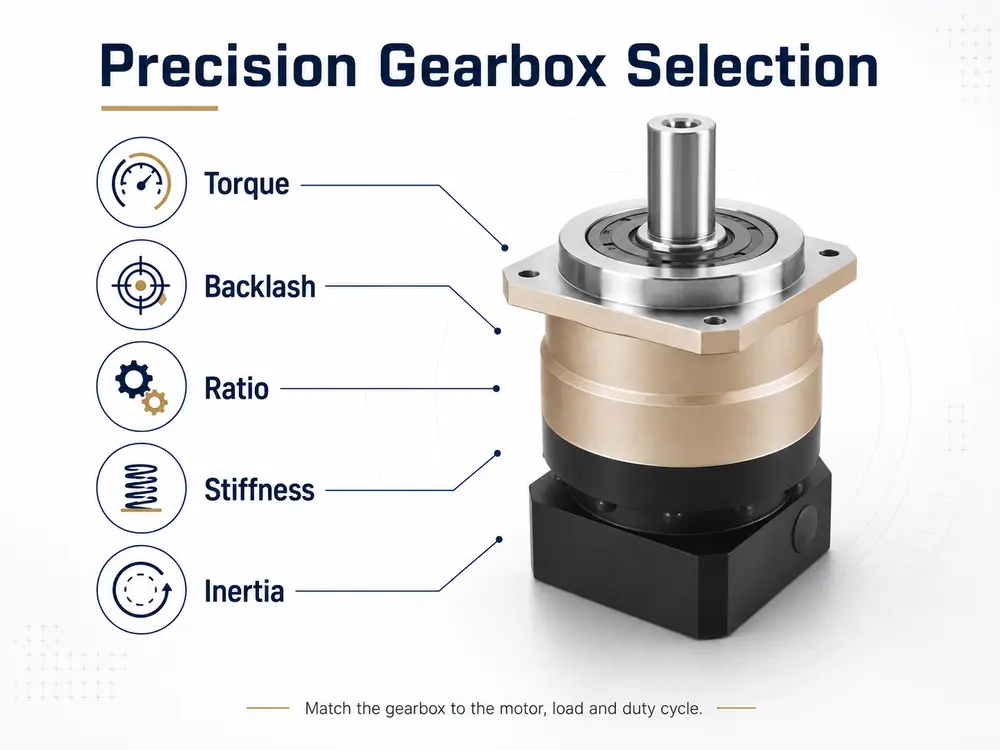
In industrial motion control, “precision” is a multi-dimensional performance metric rather than a single specification. When evaluating precision servo gearboxes for demanding automation applications, buyers must look beyond simple gear ratios and analyze several interconnected mechanical properties that govern long-term accuracy:
- Torsional Rigidity (Stiffness): The ability of the gearbox housing and internal gear train to resist twisting under fluctuating load torques. High torsional stiffness ensures immediate response without wind-up delay, which is critical in high-frequency reversing cycles.
- Backlash Control: The angular deadband or play between meshing teeth. While low backlash is crucial, true precision planetary gearbox engineering maintains tight arcminute tolerances (often ≤3 arcmin) across thousands of hours of continuous operation without accelerated wear.
- Transmission Accuracy & Repeatability: The exactitude of output positioning relative to input rotation. Premium-grade units maintain strict angular accuracy to prevent cumulative positioning drift during multi-axis interpolations.
- Bearing Load Capacity & Structure: Robust internal bearings (such as integrated tapered roller or high-capacity deep groove configurations) designed to absorb heavy radial and axial forces without shaft deflection or premature pitting.
Manufacturing Metallurgy: Why Material Quality Drives Precision
The true performance ceiling of any high precision planetary gearbox relies heavily on material selection and thermal treatment. Low-cost alternatives often suffer from rapid tooth deformation and structural failure because they use substandard carbon steels.
Leading manufacturers utilize high-grade alloy steels (such as 20CrMnTi) subjected to deep carburizing and precision gear grinding. Carburized heat treatment creates a hard, wear-resistant outer tooth surface (reaching HRC 58–62) while retaining a tough, shock-absorbing core. This metallurgical balance ensures that the gear geometry remains stable under heavy shock loads, directly contributing to sustained lower noise levels (dB ratings) and stable efficiency over the gearbox lifecycle.
Spur vs. Helical Gears in Precision Reducers
A key differentiator in high-end selection is the gear tooth geometry used within the precision gear reducer:
- Spur Planetary Gears: Cost-effective and straightforward, but tend to generate higher noise levels and lower contact ratios at high input speeds due to instantaneous tooth engagement.
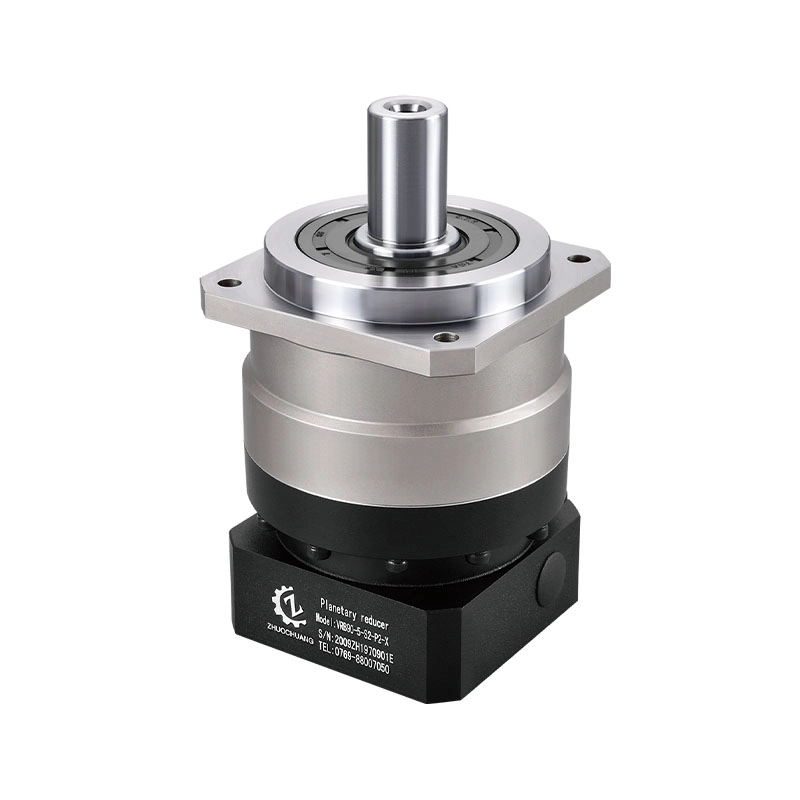
- Helical Planetary Gears: Feature angled teeth that allow gradual, smooth engagement of multiple teeth simultaneously. This design results in significantly higher torsional stiffness, quieter operation, and superior load distribution, making helical configurations the preferred choice for high-end servo automation. (You can explore our inline precision planetary gearbox models designed with optimized helical tooth profiles).
When Your Application Demands a Precision Planetary Gearbox
Not every industrial drive requires ultra-tight tolerances. A standard industrial reducer is perfectly sufficient for simple conveyor belts or rough material handling. However, deploying a precision planetary gearbox is non-negotiable in advanced automation applications featuring:
- Multi-Axis Robotic Arms & Articulated Joints: Where absolute path accuracy, payload momentum control, and minimal endpoint deflection demand zero transmission lag.
- CNC Machine Tools & Laser Cutting Systems: Requiring ultra-smooth contouring paths, rapid feed rates, and flawless surface finishes on metallic or composite workpieces.
- High-Speed Pick-and-Place Automation: Demanding rapid acceleration, rapid deceleration, and high cycle frequencies without losing step synchronization or experiencing overshoot.
- Precision Indexing Tables & Semiconductor Handlers: Where micro-radian positioning repeatability and exact angular indexing are mandatory for strict quality control.
Single-Stage vs. Multi-Stage Precision Reducers: Efficiency and Ratios
When engineering your power transmission layout, choosing between a single-stage and a multi-stage precision gear reducer impacts both your physical envelope and overall system efficiency:
- Single-Stage Units (Ratios 3:1 to 10:1): Offer exceptional mechanical efficiency (typically exceeding 95–97%) and a shorter axial length. Ideal for high-speed servo applications requiring moderate torque multiplication.
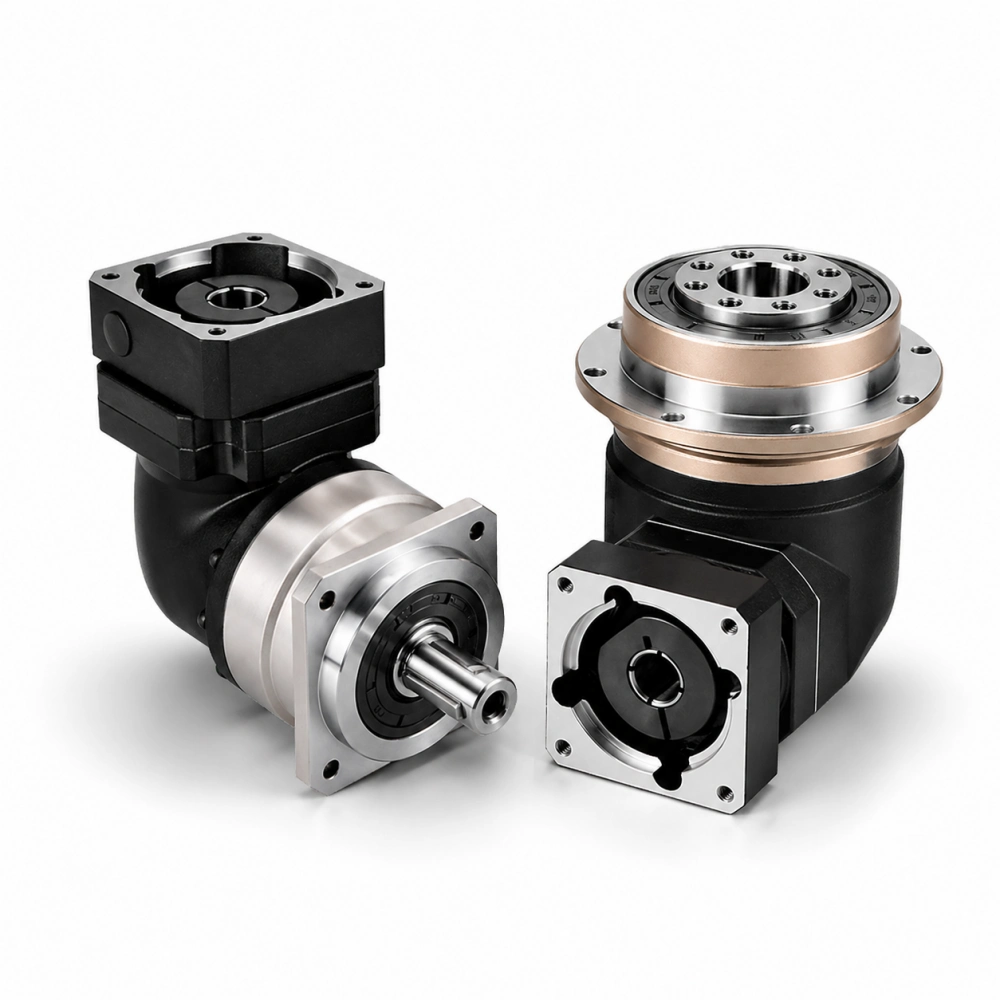
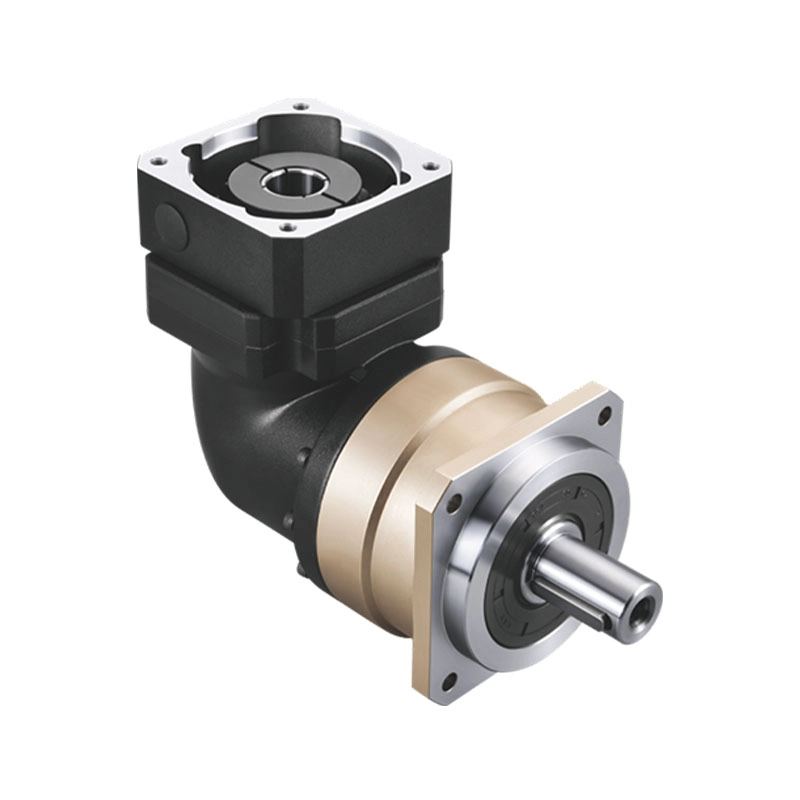
- Multi-Stage Units (Ratios 15:1 up to 100:1+): Combine multiple planetary gear sets in series. While slightly lower in total efficiency due to increased mesh points, they deliver massive torque output within a compact footprint, making them ideal for heavy lifting or high-inertia loads. (For constrained space layouts, you may also consider right-angle precision servo gearboxes).
Key Selection Checks and Engineering Formulas
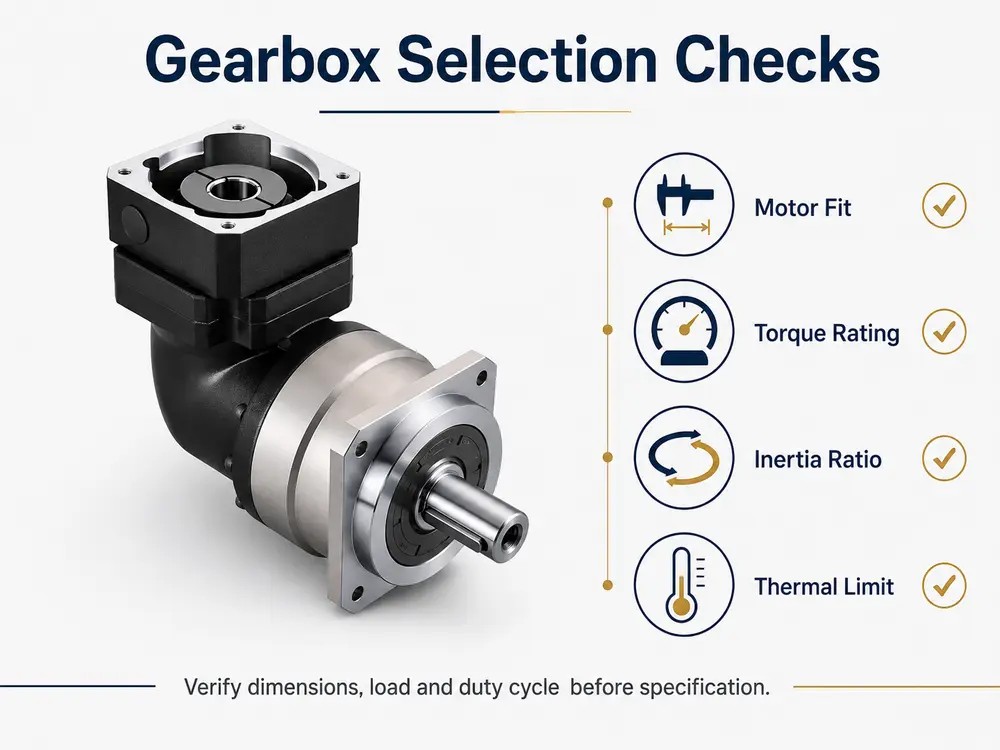
To avoid premature mechanical wear, thermal overload, or sizing mistakes when buying a precision planetary gearbox, engineers and buyers should systematically evaluate the following technical parameters:
- Match Motor Flange and Shaft Dimensions: Ensure the adapter plate, clamping ring, and input shaft bushing precisely match your specific servo or stepper motor mounting standard to prevent eccentric loading and runout.
- Verify Nominal vs. Peak Torque Ratings: Calculate both continuous operational torque and peak transient acceleration torque to ensure the gear train remains well within structural safety margins.
- Evaluate Inertia Ratio Matching (JL / JM): Keep the reflected load inertia (JL) relative to the motor rotor inertia (JM) within safe control limits (typically under 5:1 to 10:1) to prevent servo hunting, control loop resonance, and positioning overshoot.
- Assess Thermal Limits: High-speed cyclic applications generate internal friction heat. Verify that the gearbox thermal dissipation capacity and lubricant grade match your cycle intensity to prevent internal overheating.
Common Mistakes in Precision Gearbox Specification
Even experienced system designers occasionally run into specification traps. Avoid these frequent missteps during your engineering phase:
- Overlooking Radial and Axial Load Limits: Selecting a gearbox based solely on output torque while ignoring belt pull, pinion weight, or cantilevered overhung loads can cause catastrophic output bearing failure.
- Chasing Unnecessarily Tight Backlash: Paying a premium for ultra-low backlash grades when your application mechanics (such as long timing belts or flexible couplings) introduce compliance elsewhere in the kinematic chain.
- Neglecting Ambient Environment Constraints: Operating standard sealed gearboxes in washdown, high-dust, or corrosive vacuum environments without requesting specialized IP ratings or food-grade synthetic lubricants.
For more detailed technical insights on minimizing mechanical play in motion systems, read our related guide on low backlash planetary gearboxes.
Frequently Asked Questions (FAQ)
What is the difference between standard and precision planetary gearboxes?
Standard industrial gearboxes are built for general power transmission with wider machining tolerances and higher backlash. A precision planetary gearbox utilizes precision-ground alloy steel gears, rigid planet carrier designs, and tight manufacturing tolerances to achieve low backlash (often under 3 arcminutes) and high torsional stiffness tailored for servo automation.
How does backlash affect high-speed servo system performance?
Backlash introduces a brief angular delay when the motor reverses direction, which can cause positioning lag, contouring inaccuracies in CNC machining, and mechanical shock resonance during high-frequency stop-and-go automation cycles.
Can any brand of servo motor mount to a precision planetary gearbox?
Yes. Through modular input sleeves, custom adapter flanges, and precision clamping rings, high-quality gearboxes can be easily configured to fit virtually any servo or stepper motor brand available on the market.
What maintenance is required for a precision gear reducer?
Most high-precision planetary reducers are packed with high-grade synthetic grease or oil and sealed for life, requiring little to no active field maintenance under standard operating temperature and load conditions.
How do I select the right reduction ratio for my application?
The ratio should be chosen to match your motor’s rated speed to your required load speed while keeping the reflected inertia ratio within the safe control limits of your servo drive (typically under 5:1 to 10:1 depending on system dynamics).
Explore Our Precision Transmission Solutions
At PlanetDrivePro, we engineer high-performance transmission solutions designed to withstand rigorous industrial automation environments. Browse our main planetary gearbox product catalog to explore standard inline, right-angle, and custom configurations tailored to your exact motion control requirements.
Ready to Specify Your Drive System?
To help our engineering team review your mechanical layout efficiently and provide an accurate quotation, please prepare the following specifications:
- Specific motor brand and model number
- Required reduction ratio and output speed
- Continuous and peak output torque requirements
- Target backlash grade (e.g., ≤3 arcmin)
- Mounting dimensions (flange and shaft drawings)
- Duty cycle, application details, and machine photos