
Direct Drive Rotary Table: Performance, Trade‑offs & Practical Selection Guide For Precision Automation
For modern high‑precision automation, semiconductor processing, CNC indexing and robotic assembly, rotary motion accuracy directly determines final product yield. Engineers frequently compare direct drive rotary table, gear‑driven rotary units and hollow rotary actuator solutions when building equipment. Many buying teams struggle with a core question: when should you adopt torque‑motor‑powered direct‑drive technology, and when does a gear‑driven rotary table remain the more sensible choice?
Most generic online content only lists theoretical advantages of direct‑drive systems. Few articles break down real‑world pain‑points, installation pitfalls, total‑cost‑of‑ownership and practical matching rules for different working conditions. As a factory specializing in high‑precision planetary reducers and hollow rotary platforms, Dongguan Zhuochuang Precision Machinery Co., Ltd shares hands‑on engineering insights accumulated from hundreds of customer projects. This guide aims to help mechanical designers and procurement teams avoid common specification mistakes and pick the optimal rotary motion unit for your machine. Visit our official site: planetdrivepro.com for product specification reference.
What Exactly Is A Direct Drive Rotary Table? Core Working Principle
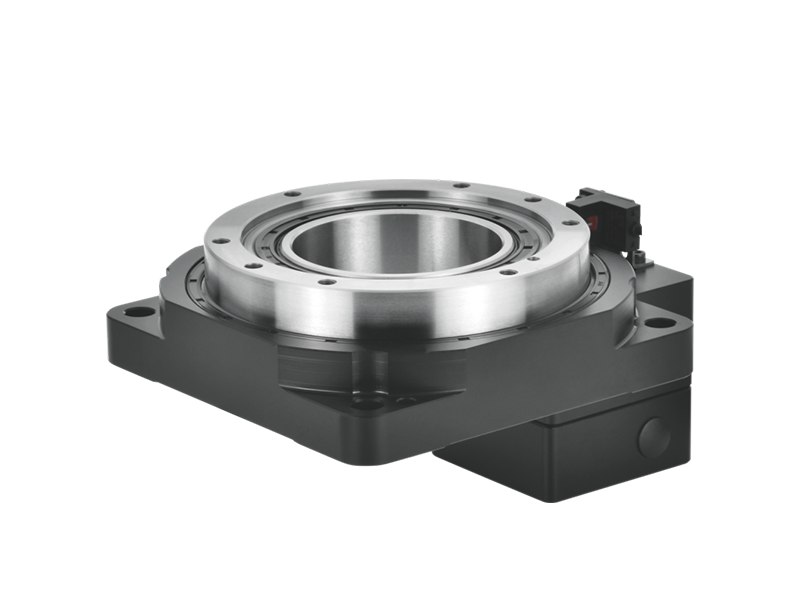
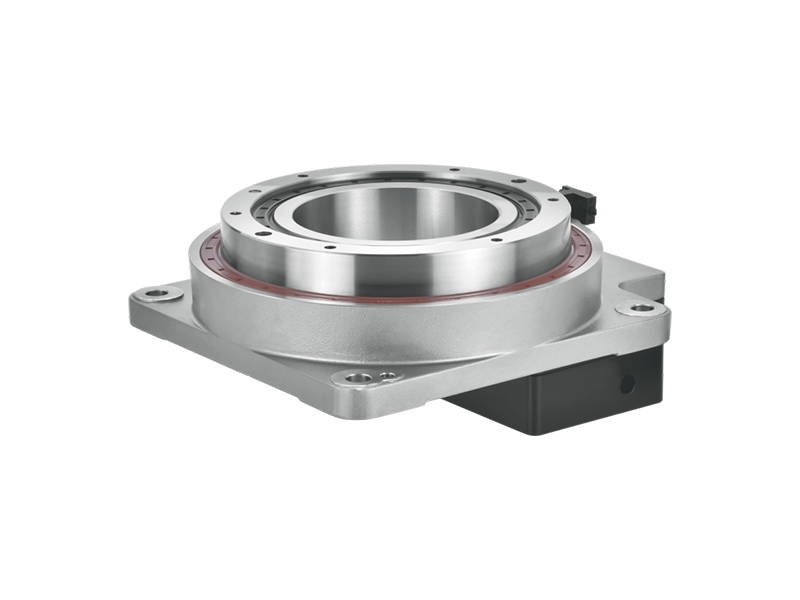
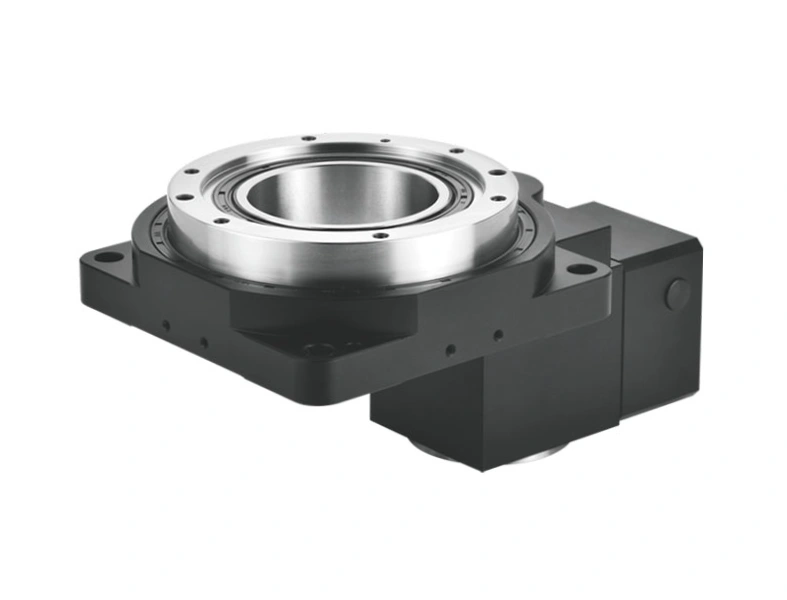
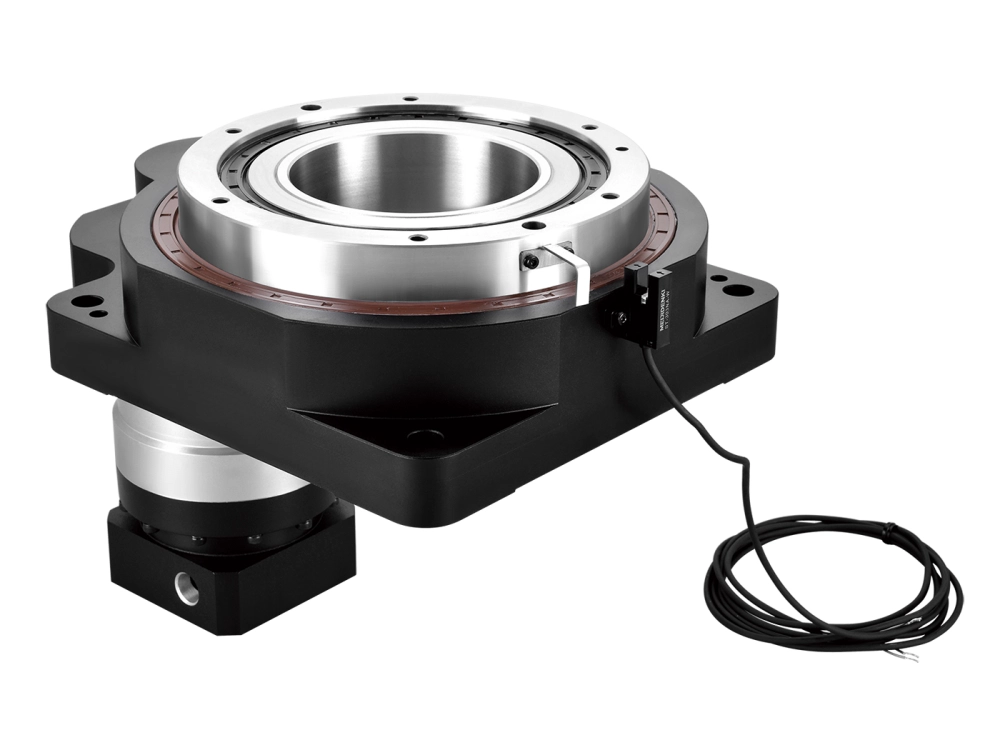
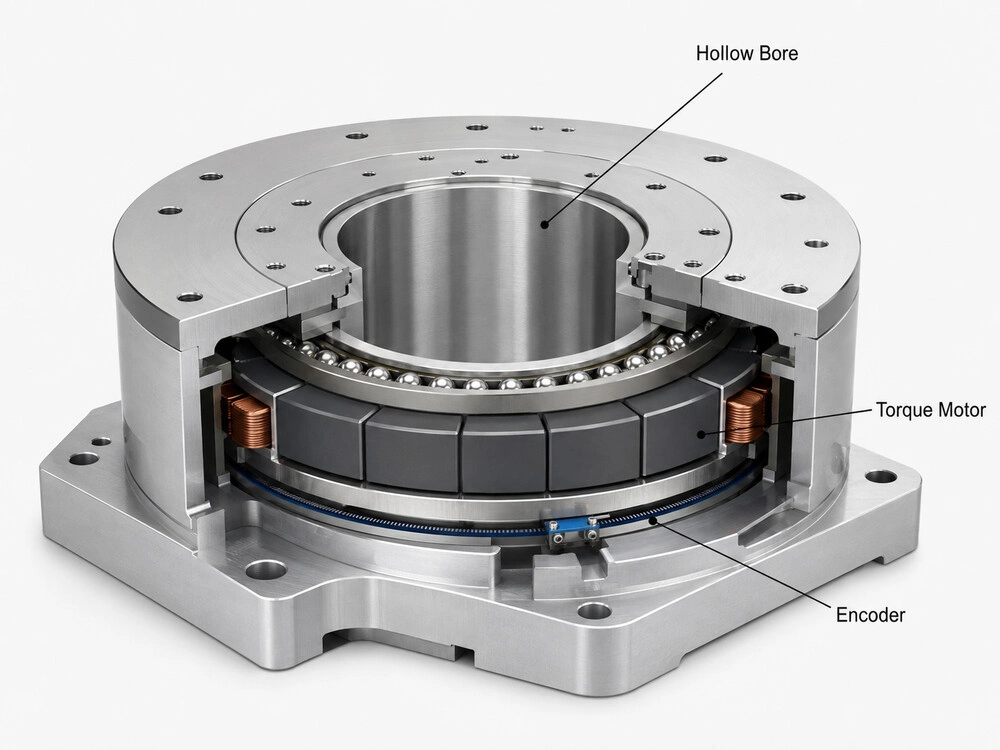
A direct drive rotary table (also widely named torque motor rotary table) removes intermediate transmission parts like gears, belts or worm‑wheel sets. The torque motor rotor directly connects to the rotary output platter. High‑resolution position encoders feed real‑time angular position back to servo controllers to achieve closed‑loop angular positioning.
You will encounter variant search terms in engineering documentation and supplier catalogs: direct drive rotary stage or direct drive rotation stage. Strictly speaking, “stage” usually points to laboratory‑grade ultra‑light precision positioning for optical inspection; “table” refers to heavier‑load units for machine tools and automation production lines. End‑users often mix these phrases in Google search, so these terms deserve consideration during your component sourcing work.
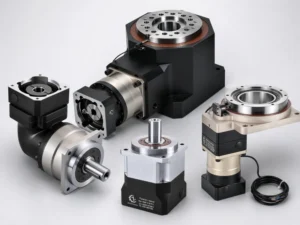
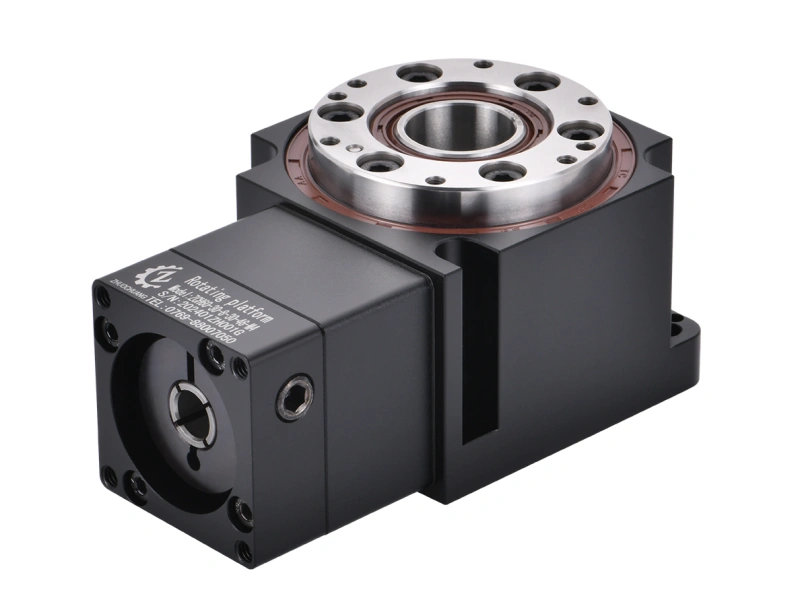
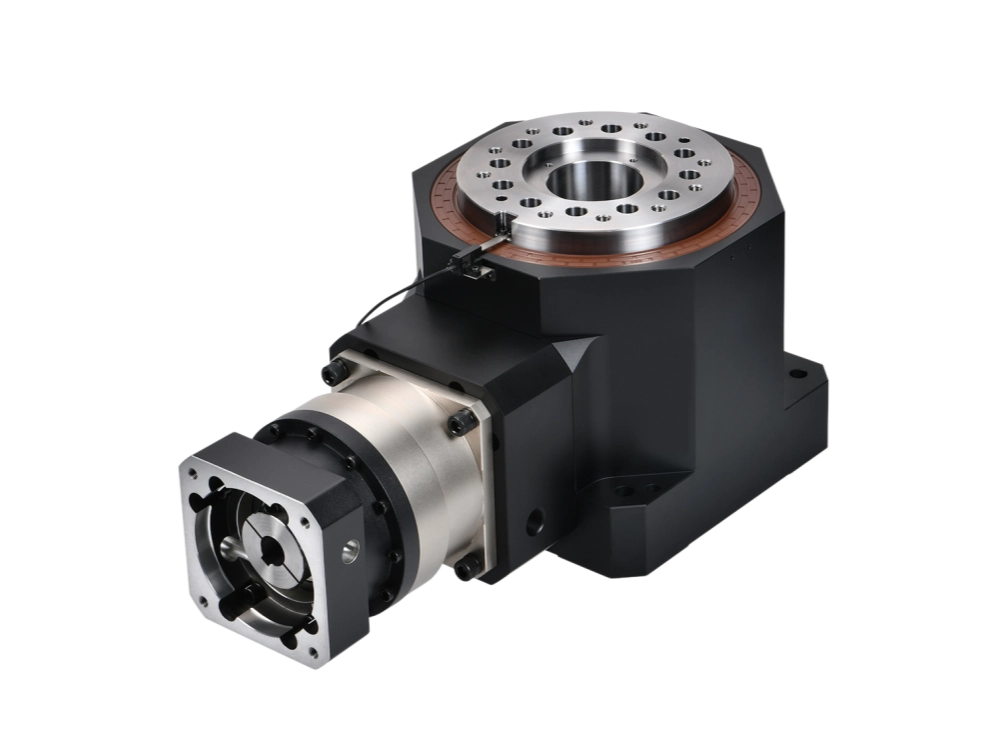
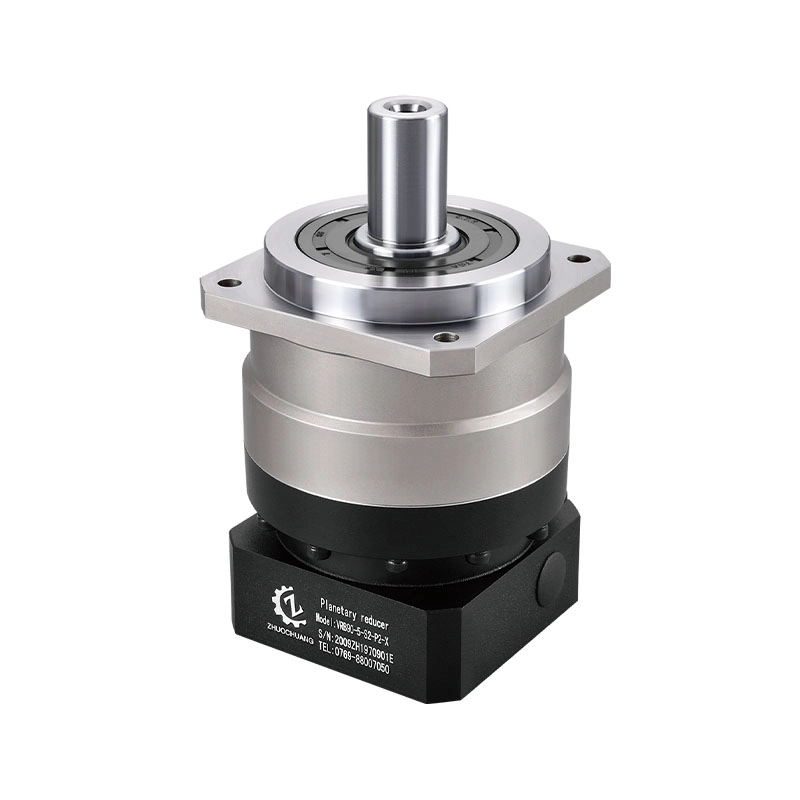
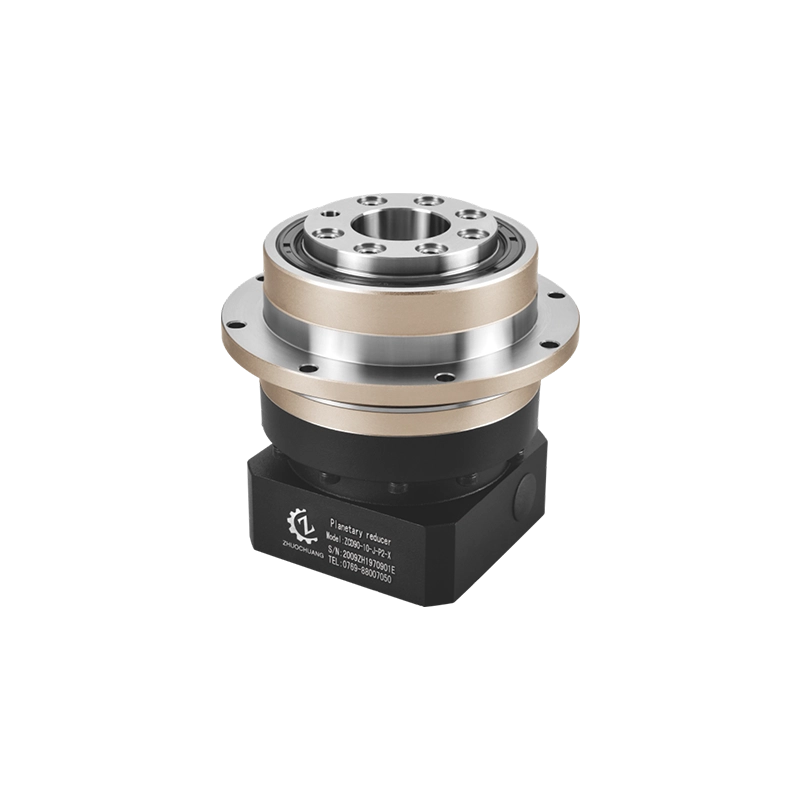
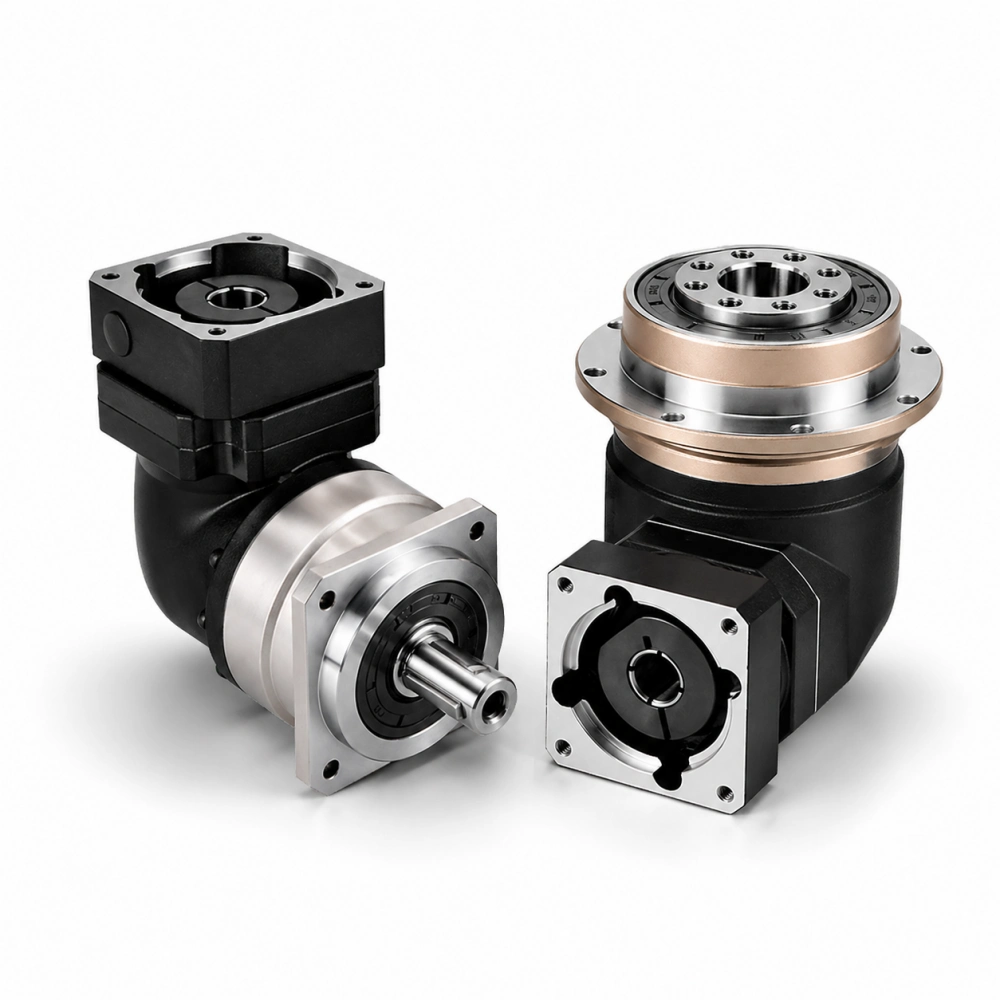
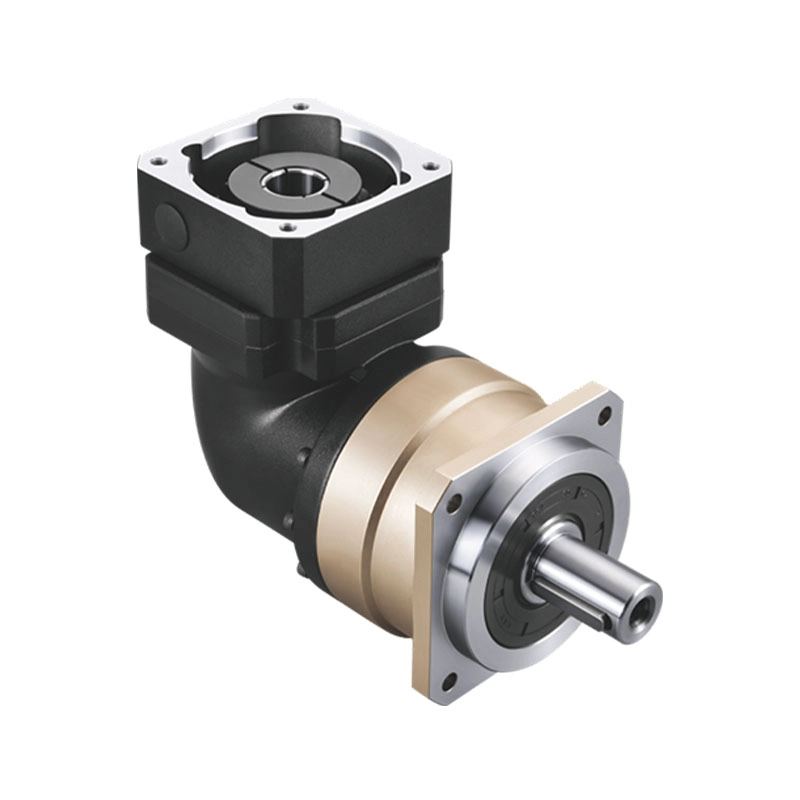
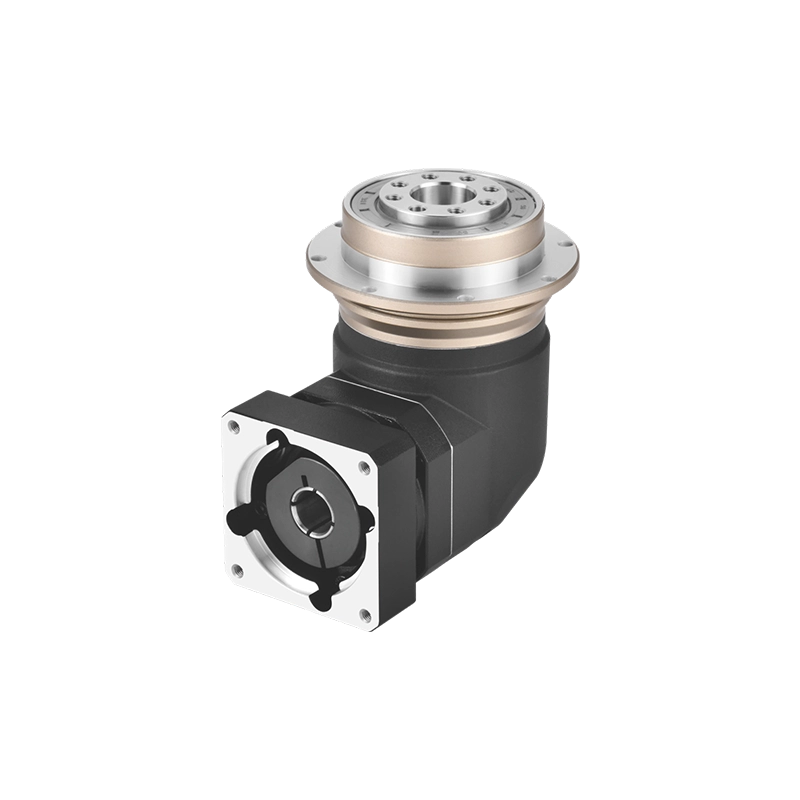
By contrast, a gear‑driven rotary table transmits motor torque through planetary, harmonic or worm‑gear reduction mechanisms to drive rotation. The hollow rotary actuator category covers both gear‑type hollow rotary platforms and hollow‑structure direct‑drive rotary tables, defined mainly by its large central hollow bore for wiring, piping or workpiece passing‑through.
From keyword research data (see our keyword tool screenshot), real global buyers also frequently search direct drive rotary indexing table for discrete stop‑and‑go positioning tasks, alongside base term direct drive rotary table. These search phrases reflect two major application scenarios: continuous smooth rotation, and high‑speed indexing with fixed angular stops.
Core Strengths of Direct Drive Rotary Table, And Non‑Negotiable Limitations
Key Advantages That Make Direct‑Drive Stand Out
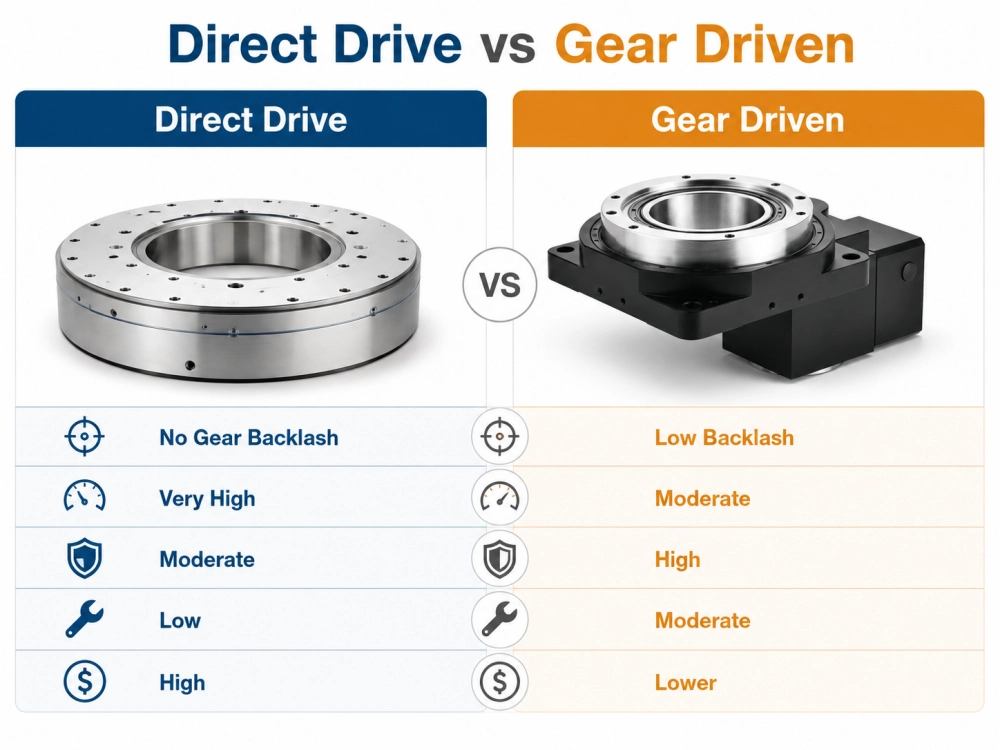
- Zero mechanical backlash: No gear meshing clearance. No position drift caused by transmission‑part wear over thousands‑of‑hours runtime. Critical for repeated high‑accuracy indexing and multi‑axis synchronous contour motion.
- Ultra‑fast dynamic response: Fast acceleration / deceleration, short settling time. Ideal for high‑cycle‑rate production such as semiconductor testing, optical inspection and high‑speed sorting stations. A direct drive rotary indexing table can drastically cut indexing cycle time compared with traditional cam‑index or worm‑gear solutions.
- Consistent long‑term precision: Without gear tooth friction and wear, positioning accuracy does not degrade with running time. Reduces downtime for regular backlash‑re‑adjustment maintenance.
- Smooth low‑speed rotation performance: Eliminates gear‑ripple jitter, which is vital for laser processing and precision visual inspection.
Real‑World Drawbacks Most Supplier Brochures Omit
Direct‑drive technology is not a universal upgrade. It has hard constraints you need to evaluate early in your design phase:
- Lower continuous heavy‑cutting rigidity: For heavy material removal CNC machining with huge impact load, pure torque motor rotary table may yield lower anti‑shock rigidity compared with high‑rigidity gear‑driven rotary table. Many engineers overlook this point and encounter vibration during heavy cutting trials.
- Higher demand for controller tuning: Direct‑drive systems rely heavily on servo parameter tuning. Poor tuning leads to oscillation, overshoot or unstable positioning. Your engineering team must possess corresponding servo adjustment capability, or count on supplier technical support.
- Thermal influence: Torque motor generates considerable heat under high‑duty‑cycle continuous operation. Thermal expansion will shift positioning accuracy without proper heat dissipation design.
- Cost threshold: Initial hardware investment of a direct drive rotary stage is generally higher than gear‑type hollow rotary actuator of equal load capacity.
Direct‑Drive vs Gear‑Driven Rotary Solution: How To Make The Right Call For Your Machine
Many engineers fall into a simple mindset: “higher precision = choose direct drive”. In actual project delivery we have seen multiple cases where customers purchased expensive direct‑drive units, yet their application scenarios fit gear‑type hollow rotary actuator better, resulting in over‑spec and wasted budget. Below we sort typical applicable scenarios:
Choose direct‑drive series (direct drive rotary table / torque motor rotary table) if most of these match your project:
- Requirement for zero‑backlash repeated positioning, no periodic re‑calibration allowed;
- High‑speed indexing, short cycle time, high throughput automation equipment (semiconductor, optical inspection, electronic component testing);
- Continuous variable‑speed smooth rotation; multi‑axis synchronous contour motion;
- Low‑maintenance expectation, you hope to avoid regular gear‑wear inspection and backlash adjustment.
Consider gear‑driven rotary table / hollow rotary actuator (planetary‑gear based hollow rotary platform) when:
- Subject to large shock load, heavy cutting or heavy static holding torque;
- Limited project budget, still requiring good precision but not absolute zero‑backlash level;
- Your existing control system lacks experience tuning direct‑drive torque‑motor servo parameters;
- Large hollow‑bore dimension requirement for cables / air tubes passing‑through, with medium indexing speed.
At Dongguan Zhuochuang Precision Machinery Co., Ltd, we provide both high‑performance gear‑type hollow rotary actuator products and consulting service for direct drive rotary table project matching. When direct‑drive brings marginal performance improvement but sharply raises total cost, our engineering team will honestly suggest gear‑driven hollow rotary platform alternatives for customers. We do not blindly push higher‑spec products. You may send us your equipment specification sheet for free technical evaluation.
Key Specification Checklist Before You Inquire About A Direct Drive Rotary Table
Based on hundreds of inquiry cases, incomplete technical parameters cause many rounds of back‑and‑forth communication. When you contact rotary‑table suppliers, prepare these core parameters to accelerate project progress:
- Motion mode: Continuous rotation or indexing? If indexing, what are target indexing angles and cycle time? (relevant keyword: direct drive rotary indexing table)
- Load information: Payload mass, eccentric offset, moment of inertia; distinguish peak torque vs continuous torque requirement;
- Precision index: Positioning accuracy, repeat positioning accuracy requirement (arc‑second / degree);
- Mechanical requirement: Hollow bore diameter, mounting space limitation, overall dimension limits;
- Working environment: 24‑7 continuous duty? Heat dissipation condition, ambient temperature;
- Control condition: Existing servo controller brand, encoder protocol requirement;
- Special demand: OEM / ODM custom mechanical interface, brake holding requirement, anti‑corrosion coating etc.
Industry Realities & Common Misconception In SERP Top‑Ranking Articles
When you browse top‑ranked Google articles targeting direct drive rotary table, most content emphasizes only zero‑backlash and fast response merits, while glossing over thermal drift, anti‑shock rigidity and servo‑tuning barriers. This creates misleading expectations for purchasing engineers.
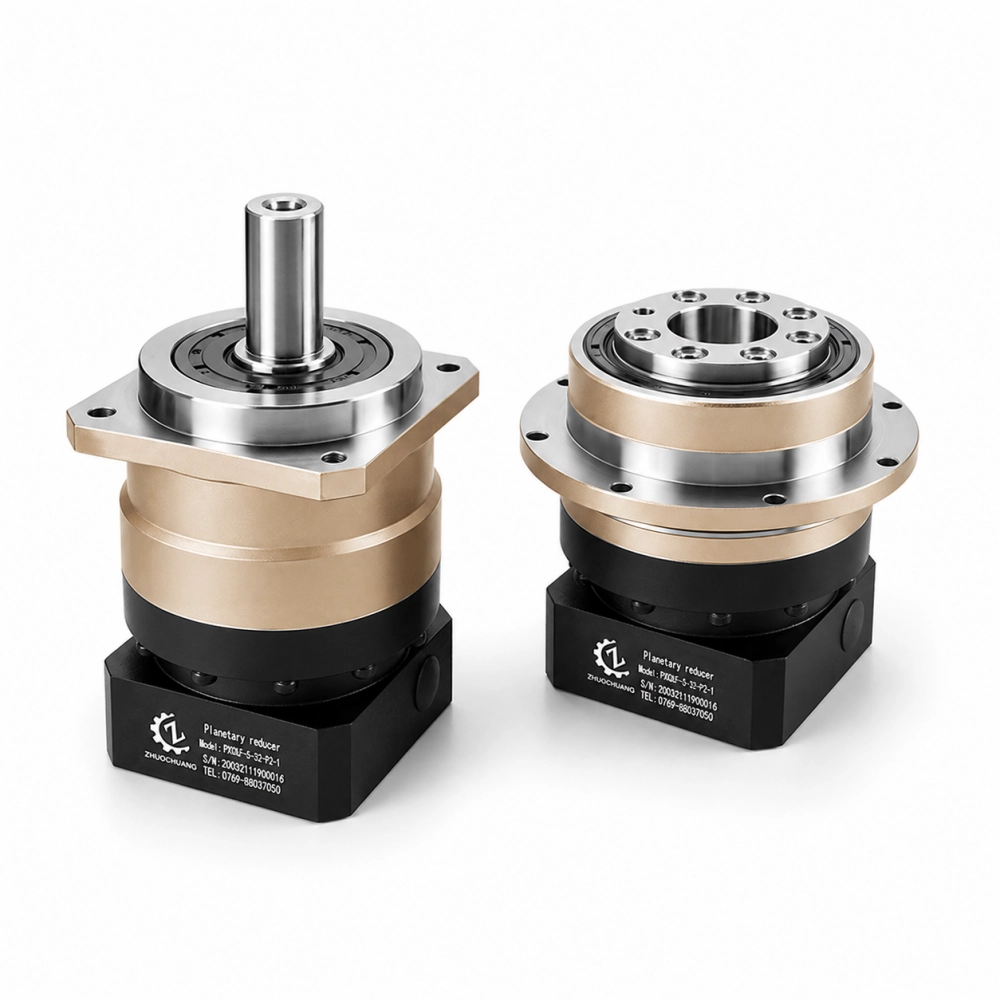
Our unique practical insight: There exists no “universally best” rotary table. The optimal solution balances accuracy, dynamic performance, rigidity, heat management, control compatibility and total‑lifetime‑cost. In some automation lines, a well‑engineered gear‑driven rotary table equipped with high‑precision planetary reducer can achieve acceptable positioning accuracy, better impact resistance and far lower overall project cost than entry‑level direct‑drive rotary stage. This “trade‑off thinking” rarely appears on most supplier‑oriented blog posts.
Another frequent misunderstanding: equate direct drive rotary stage (light‑duty laboratory positioning unit) with heavy‑load production‑grade direct drive rotary table. Using light‑duty stage for production‑line heavy payload will lead to early failure.
Final Thoughts: Work With A Manufacturer Who Understands Both Direct‑Drive And Gear‑Type Rotary Motion
Whether you are retrofitting existing equipment or developing brand‑new machinery, rotary motion subsystem selection shapes your whole‑machine performance. Many buyers only compare brochures’ parameter tables and ignore real‑world boundary conditions. This leads to prototype‑stage rework and project schedule delays.
Dongguan Zhuochuang Precision Machinery Co., Ltd is a Chinese factory focusing on high‑precision planetary reducers and hollow rotary platforms. We do not merely sell catalog‑standard products. Our mechanical and motion‑control team helps overseas customers evaluate: should you adopt direct drive rotary table / torque motor rotary table, or select cost‑effective hollow rotary actuator with planetary gear drive. We support sample testing, OEM mechanical interface modification and batch‑order delivery.
If you are developing equipment that needs rotary positioning modules, feel free to submit your requirement via our contact page. Send your load data, precision targets and application description, and our engineering team will reply with targeted suggestions without obligation.