
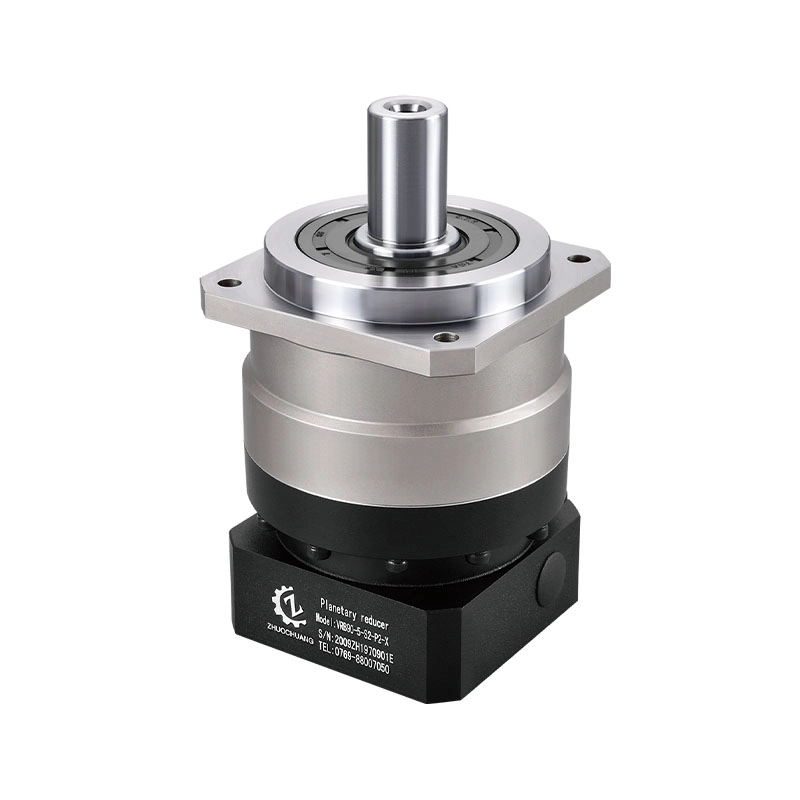
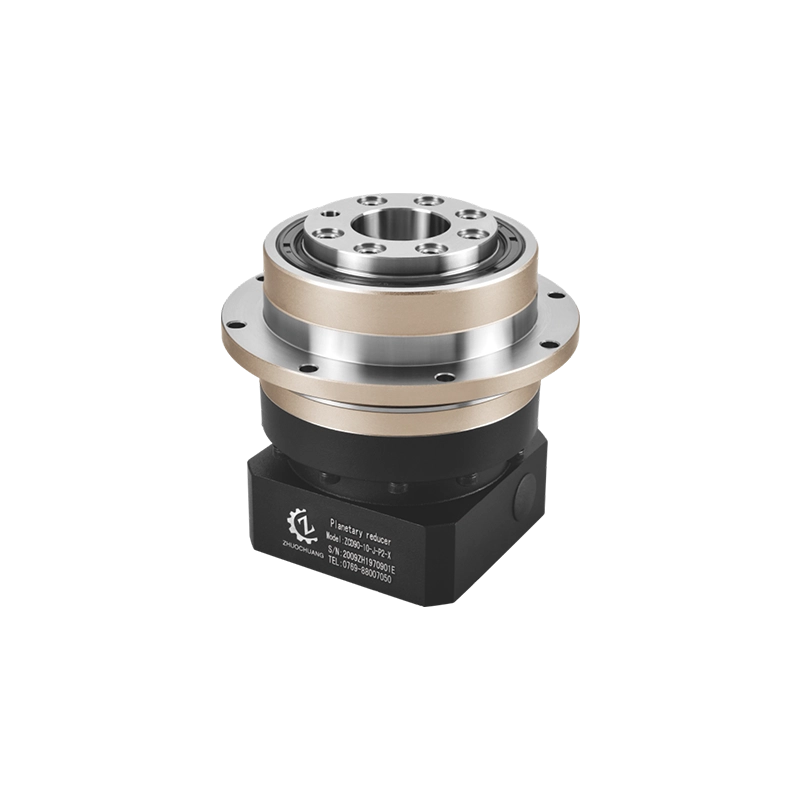
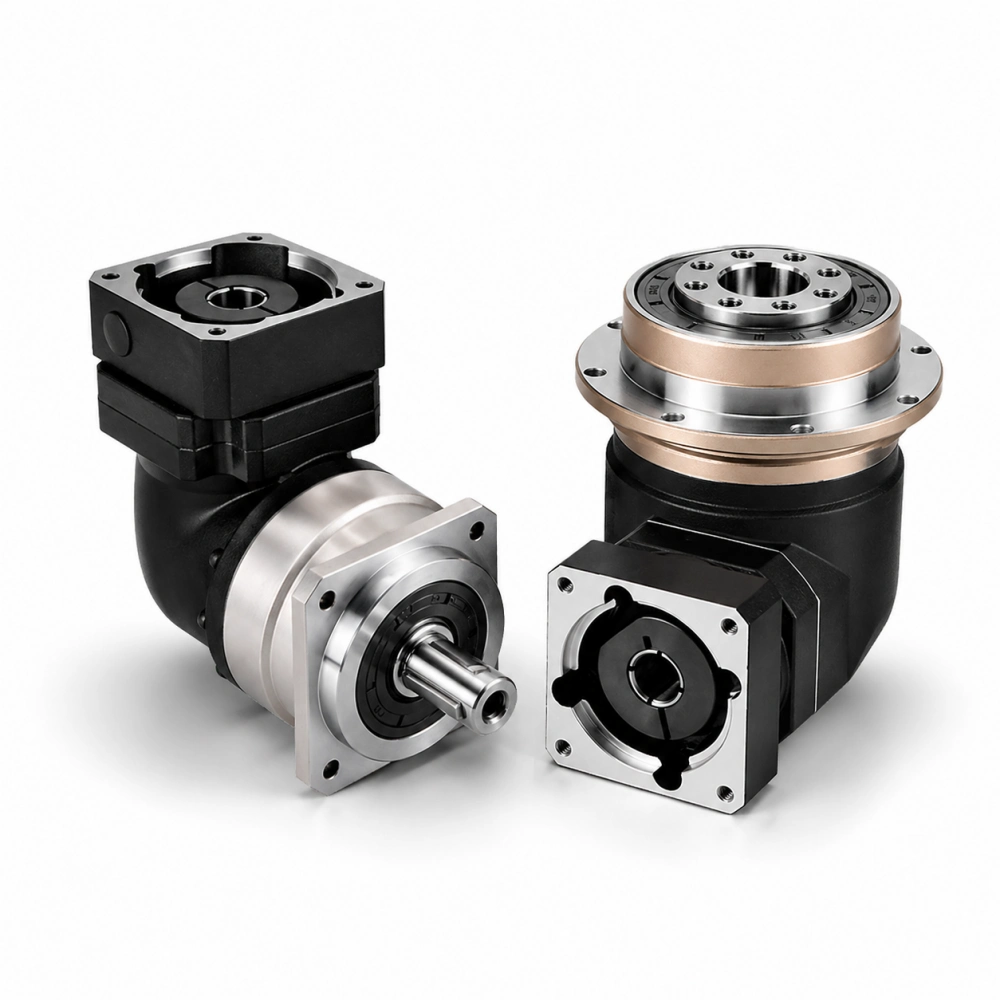
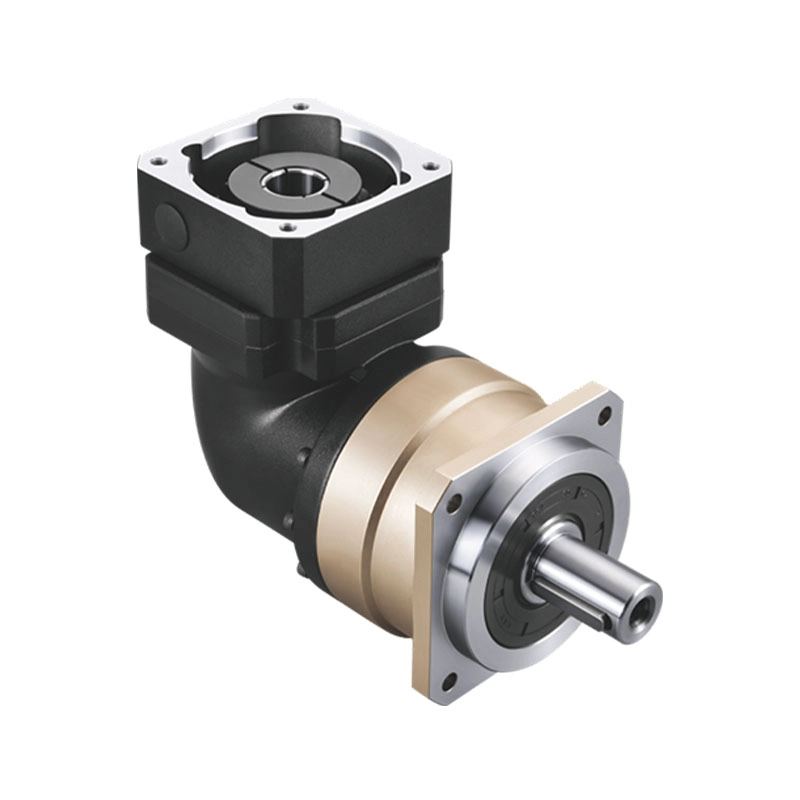
The gearbox itself is rarely the only problem. In many industrial projects, the real difference comes from the manufacturer behind it.
A well-specified planetary gearbox from a capable manufacturer can run for years with stable backlash, reliable torque transmission, and clear installation documentation. A similar-looking unit from a weak supplier may match the catalog on paper but fail to hold its performance in real service. The dimensions may not match the drawing, the backlash may be copied from a nominal design value, or the gearbox may perform well at first and then degrade after repeated load cycles.
For automation equipment, robotics, CNC machinery, packaging systems, and precision positioning applications, choosing between planetary gearbox manufacturers is not only a price decision. It is a technical decision. This guide explains how to evaluate a manufacturer before placing an order, what questions to ask, and which warning signs buyers should not ignore.
Why Manufacturer Selection Is a Technical Decision
Many procurement teams treat planetary gearbox manufacturers as interchangeable suppliers. They send the same requirement to several companies, compare price and delivery time, then choose the most attractive quotation.
That may work for simple standard components. It is riskier for precision planetary gearboxes.
A planetary gearbox datasheet is only useful when the manufacturer has the production process and quality control system to support the numbers shown on that datasheet. For example, a supplier may write “low backlash” in a catalog, but the real question is whether the backlash is actually measured on production units, how the gear teeth are finished, how assembly preload is controlled, and whether the gearbox has been tested before shipment.
This is especially important in servo-driven systems. If the gearbox is used in a closed-loop positioning axis, small differences in backlash, stiffness, inertia, and mounting accuracy can become visible in machine performance. A low-cost gearbox that cannot hold its specification may create vibration, poor repeatability, longer settling time, or unexpected positioning error.
So the first step is not asking, “Who has the lowest price?” The first step is asking, “Which planetary gearbox manufacturer can consistently build the specification this project needs?”
What to Look for in a Planetary Gearbox Manufacturer
A good manufacturer should be able to answer technical questions directly. If every answer sounds like a sales slogan, that is already a signal to be careful.
Gear Tooth Manufacturing Process
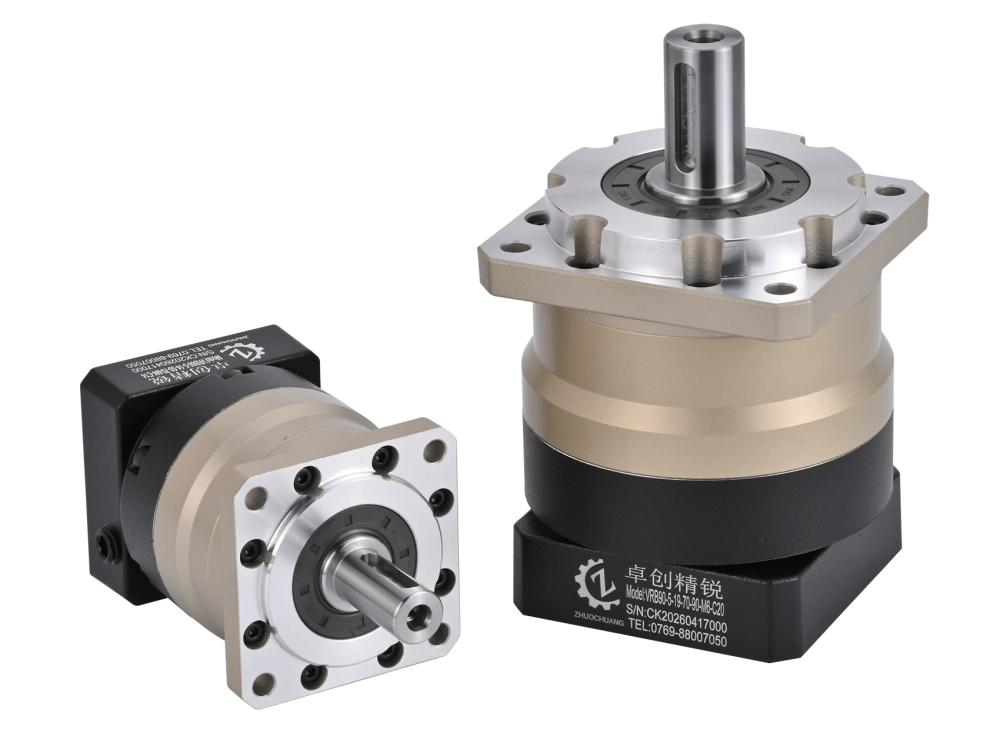
The gear tooth manufacturing process is one of the most important factors behind gearbox performance. For standard industrial gearboxes, hobbed or shaved gears may be suitable. For precision servo applications, ground gear teeth are commonly preferred because they can support better tooth accuracy, smoother meshing, lower noise, and more stable backlash control.
When speaking with a planetary gearbox manufacturer, ask how the gears are produced for the specific precision grade you are buying. Do not only ask whether the gearbox is “high precision.” Ask whether the teeth are hobbed, shaved, or ground, and whether the supplier can explain how gear accuracy is controlled.
This matters because two gearboxes may look similar from outside, but their internal gear quality can be very different. If a manufacturer claims a very low backlash grade but cannot explain the manufacturing method or measurement process, buyers should be cautious.
Backlash Testing and Quality Documentation
Backlash is one of the most important specifications for servo planetary gearboxes. It affects positioning accuracy, repeatability, and motion stability. But the number on the datasheet is not enough.
Ask the manufacturer how backlash is tested. There are usually three situations.
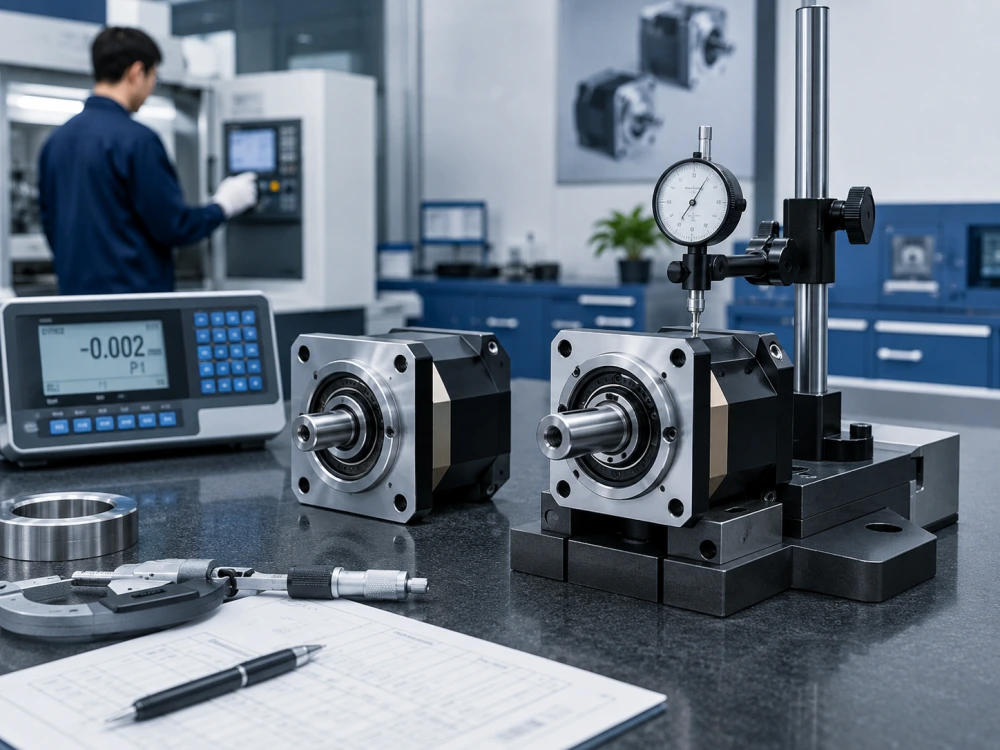
Some manufacturers test every unit before shipment. This is more suitable for precision servo-grade products because each gearbox has its own measured result.
Some manufacturers use batch sampling. This may be acceptable for standard industrial applications, but it is less ideal when every axis must meet a strict precision requirement.
Some suppliers only publish design values. In this case, the catalog backlash may not represent the actual unit shipped to you.
For precision applications, a reliable planetary gearbox supplier should be able to provide a clear test method or production inspection process. If the project is important, ask whether a unit-level test report can be provided with the shipment.
Motor Adapter and Mounting Compatibility
A planetary gearbox is not selected alone. It must fit the motor and the machine. For servo applications, the motor adapter is especially important.
Before ordering, confirm the motor brand, motor model, flange size, shaft diameter, shaft length, pilot diameter, keyway or clamping method, and bolt pattern. A capable manufacturer should be able to check these details before production or shipment.
A gearbox with good internal performance can still cause problems if the motor adapter is wrong. Poor alignment may increase vibration, noise, bearing load, or premature wear. This is why motor compatibility should be confirmed early, not after the gearbox arrives.
Customization Capability and Honest Lead Time
Standard products can cover many applications, but industrial projects often require special details. A buyer may need a non-standard motor flange, a modified output shaft, a special ratio, a different mounting orientation, or a specific protection requirement.
How a manufacturer responds to customization tells you a lot about its real capability.
A strong manufacturer can usually distinguish between simple customization and real engineering modification. For example, changing a motor adapter may be faster than changing internal gear design. Modifying an output shaft may require drawing confirmation and extra production time. A non-standard ratio may need a different internal gear combination.
Be careful if a supplier says every customization is “no problem” with the same lead time. Real manufacturers understand which parts are standard, which parts require machining, and which requests are outside their production range.
Honest lead time is more valuable than a promise that sounds too fast.
Evaluating Planetary Gearbox Suppliers by Application Type
Not every planetary gearbox supplier is suitable for every project. A supplier that works well for standard conveyor equipment may not be the best choice for a precision robot axis. A supplier that focuses on high-precision servo gearboxes may not be the cheapest source for general machinery.
The right supplier depends on the application.
Servo Automation and Robotics
Servo automation and robotics require more careful gearbox selection. In these systems, the gearbox is part of the motion control chain. Backlash, torsional stiffness, inertia, mounting accuracy, and torque capacity all affect final performance.
For servo applications, buyers should look for servo planetary gearbox manufacturers that can support:
Low backlash options
Motor adapter confirmation
Torsional stiffness information
Rated torque and peak torque data
Dimensional drawings
Application selection support
Backlash testing or quality inspection details
If a supplier cannot confirm whether its gearbox matches your servo motor model, it may not be the right supplier for a precision automation project.
CNC Machinery and Precision Positioning
CNC machinery and precision positioning systems usually require stable repeatability and strong mechanical rigidity. The gearbox may be used on a rotary table, tool changer, auxiliary axis, or indexing system.
For these applications, backlash and stiffness should be checked together. A gearbox with acceptable torque but poor torsional rigidity may still affect positioning accuracy. Buyers should also confirm output bearing support, radial load, axial load, mounting surface, and installation dimensions.
Packaging Machinery and General Automation
Packaging machinery often uses multiple servo axes in a compact space. Some axes require high-speed repeated motion, while others require indexing accuracy or stable torque transmission.
For packaging applications, buyers should confirm duty cycle, input speed, thermal rating, backlash, and motor mounting style. If the motor and load cannot be aligned, a right-angle planetary gearbox may be more suitable than an inline model.
For general automation, the most important factors may be delivery stability, standard ratio availability, cost control, and repeat order consistency.
DC Motor Applications
A DC motor planetary gearbox supplier may serve different applications from a servo gearbox supplier. DC motor systems are often used in actuators, battery-powered equipment, small automation devices, and lower-speed positioning systems.
The precision requirement may be lower than servo applications, but manufacturing quality still matters. Gear quality, bearing support, lubrication, noise, service life, and backlash consistency should still be checked.
Prototype and Small Batch Projects
Small planetary gearbox suppliers or manufacturers with flexible production can be useful for prototype projects. In early-stage development, buyers may not need hundreds of units. They may need a few samples, technical discussion, and quick confirmation of whether a design is practical.
For prototype projects, ask about minimum order quantity, sample lead time, drawing support, customization cost, and whether the same gearbox can be supplied later for volume production.
A supplier that is good for mass production may not always be flexible for prototypes. A supplier that is flexible for prototypes may need extra confirmation before volume orders. The buyer should match the supplier type to the project stage.
A Note on Helical Planetary Gearbox Suppliers
Some planetary gearboxes use helical gear teeth instead of spur gear teeth. A helical planetary gearbox can run more smoothly and quietly, which may be useful in equipment where noise and vibration matter.
However, helical gears create axial thrust because of the helix angle. This means bearing selection and housing support become more important. When evaluating a helical planetary gearbox supplier, ask how the design handles axial load and whether the gearbox is suitable for the speed, torque, and duty cycle of your application.
The same basic questions still apply: How are the gears produced? How is backlash measured? What is the rated torque? What is the allowable input speed? Can the supplier provide drawings and technical confirmation?
Red Flags When Choosing Planetary Gearbox Manufacturers
Good catalogs can make weak suppliers look professional. The following signs are worth watching.
Backlash Numbers Look Too Perfect
If all backlash specifications are shown as simple round numbers without test method or tolerance explanation, ask for clarification. Real production values may vary, and precision suppliers should be able to explain how backlash is measured or controlled.
No Unit-Level Test Report for Precision Products
For high-precision servo applications, a manufacturer that claims strict backlash control should be able to explain its test process. If the supplier cannot provide any measurement method, test record, or inspection explanation, the risk is higher.
Datasheets Look Identical Across Different Products
Some suppliers reuse datasheets with only small changes to the model name or product photo. If torque ratings, backlash values, efficiency data, and dimensions look suspiciously similar across different series, check carefully before ordering.
Custom Lead Time Sounds Unrealistic
If a supplier gives the same delivery time for standard products and customized products, ask more questions. Real customization usually requires drawing confirmation, machining, assembly, inspection, and sometimes extra tooling.
The Supplier Avoids Technical Questions
A professional planetary gearbox manufacturer should not avoid questions about ratio, torque, backlash, motor adapter, mounting dimensions, duty cycle, or application fit. If every technical question is answered only with “yes, no problem,” that is not enough.
Questions to Ask Before Choosing a Planetary Gearbox Manufacturer
Before selecting a supplier, buyers can ask these practical questions:
What gearbox series is suitable for my application?
Is the gearbox inline or right angle?
What ratios are available in this frame size?
What is the rated torque and peak torque?
What backlash grade can be provided?
How is backlash tested?
Can you confirm the motor adapter for my servo motor model?
Can you provide dimensional drawings?
What is the allowable input speed?
What is the duty cycle or thermal limitation?
What is the lead time for standard units?
What changes if I need a custom shaft, flange, or ratio?
Can you support prototype quantities and later batch orders?
The answers will quickly show whether the supplier understands your application or is only quoting from a catalog.
Work With a Manufacturer That Understands the Application
Choosing between planetary gearbox manufacturers should not be based only on the lowest quotation. For industrial projects, the gearbox affects machine performance, installation accuracy, service life, and commissioning time.
A capable manufacturer should be able to support product selection, motor adapter confirmation, dimensional drawing review, backlash requirement discussion, torque checking, and delivery planning. These services are especially important for servo automation, robotics, CNC machinery, packaging equipment, and precision positioning systems.
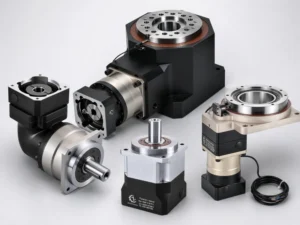
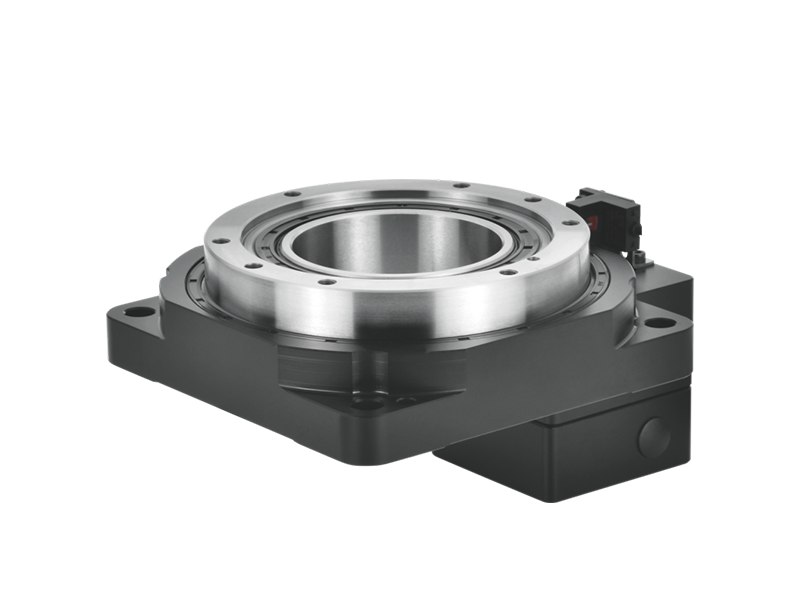
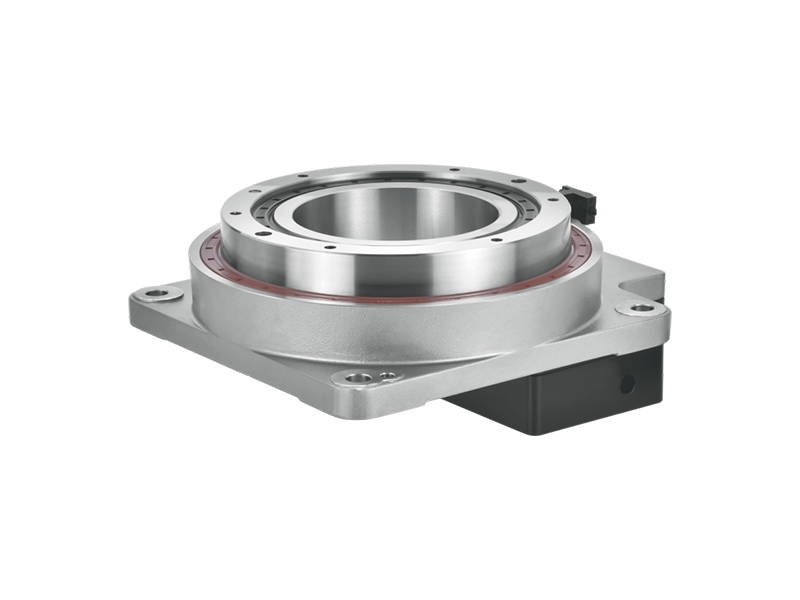
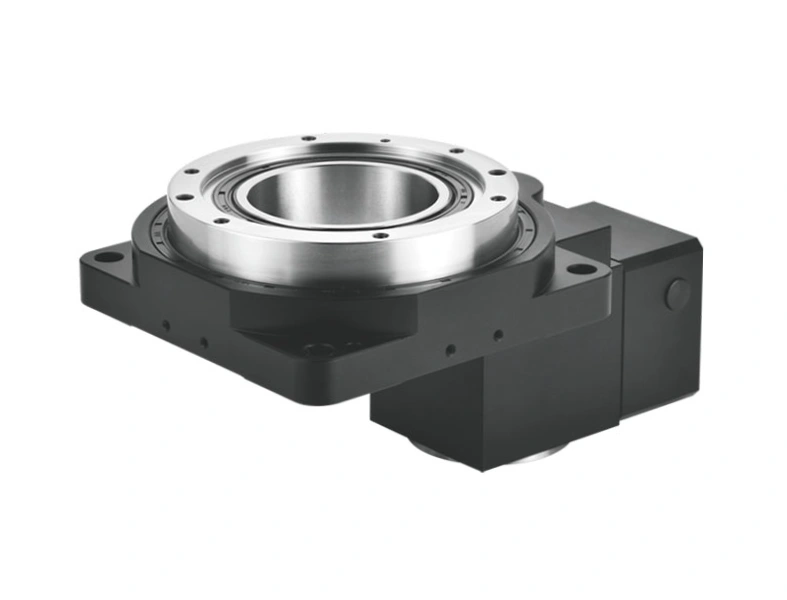
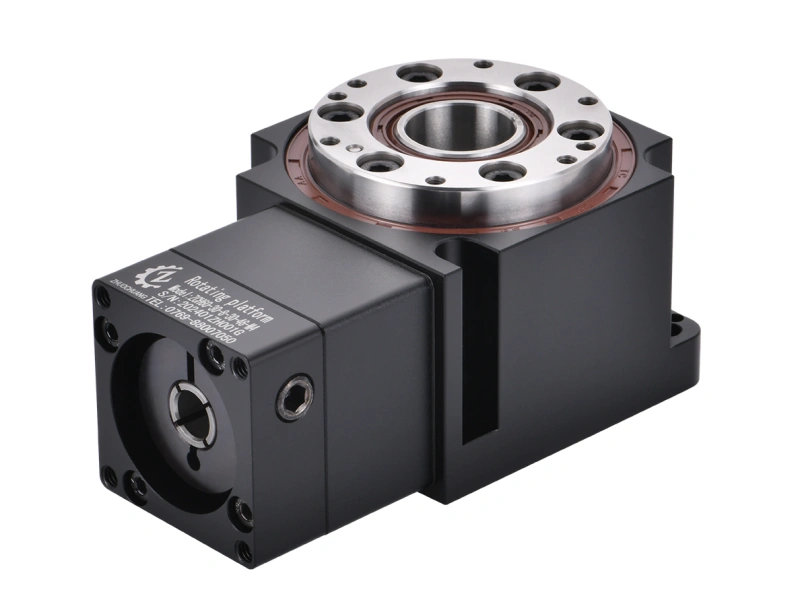
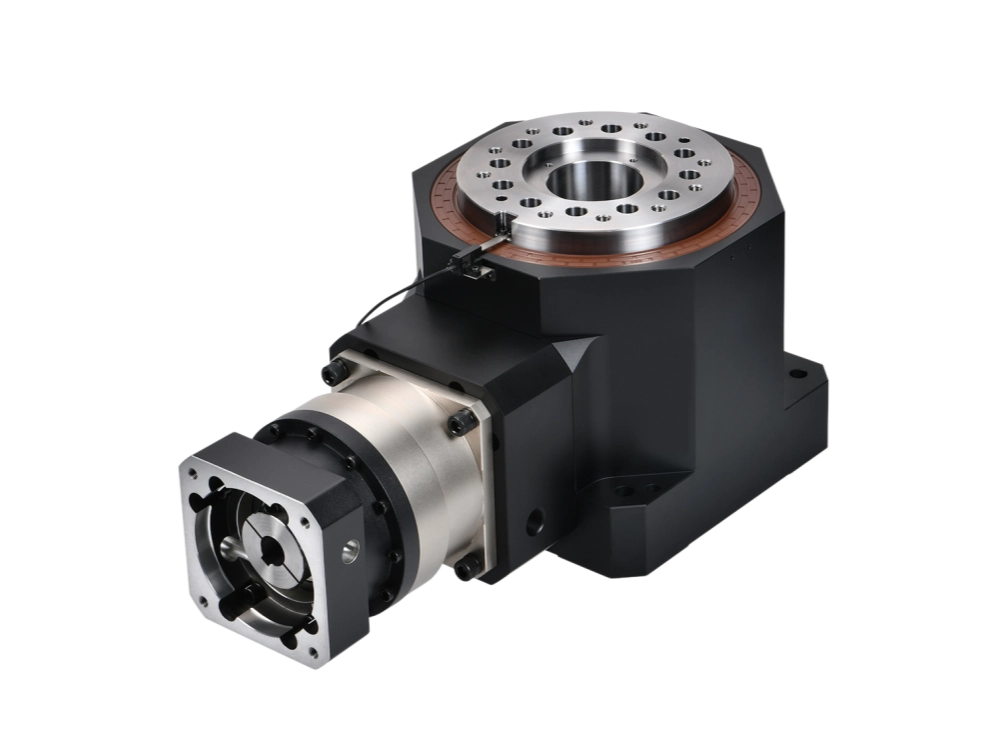
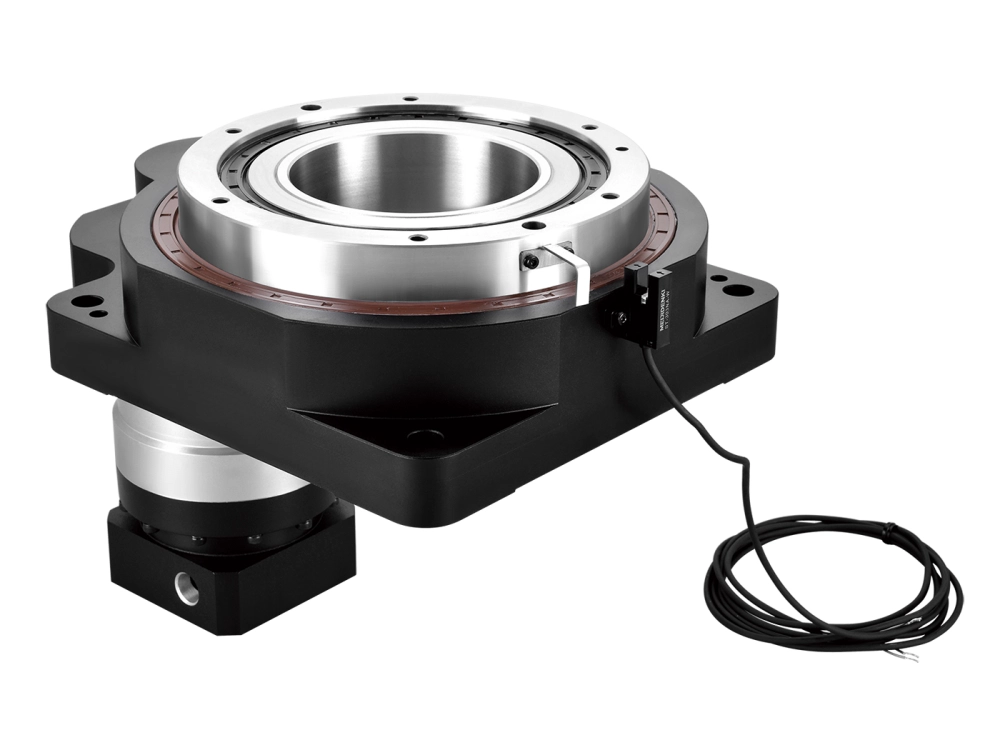
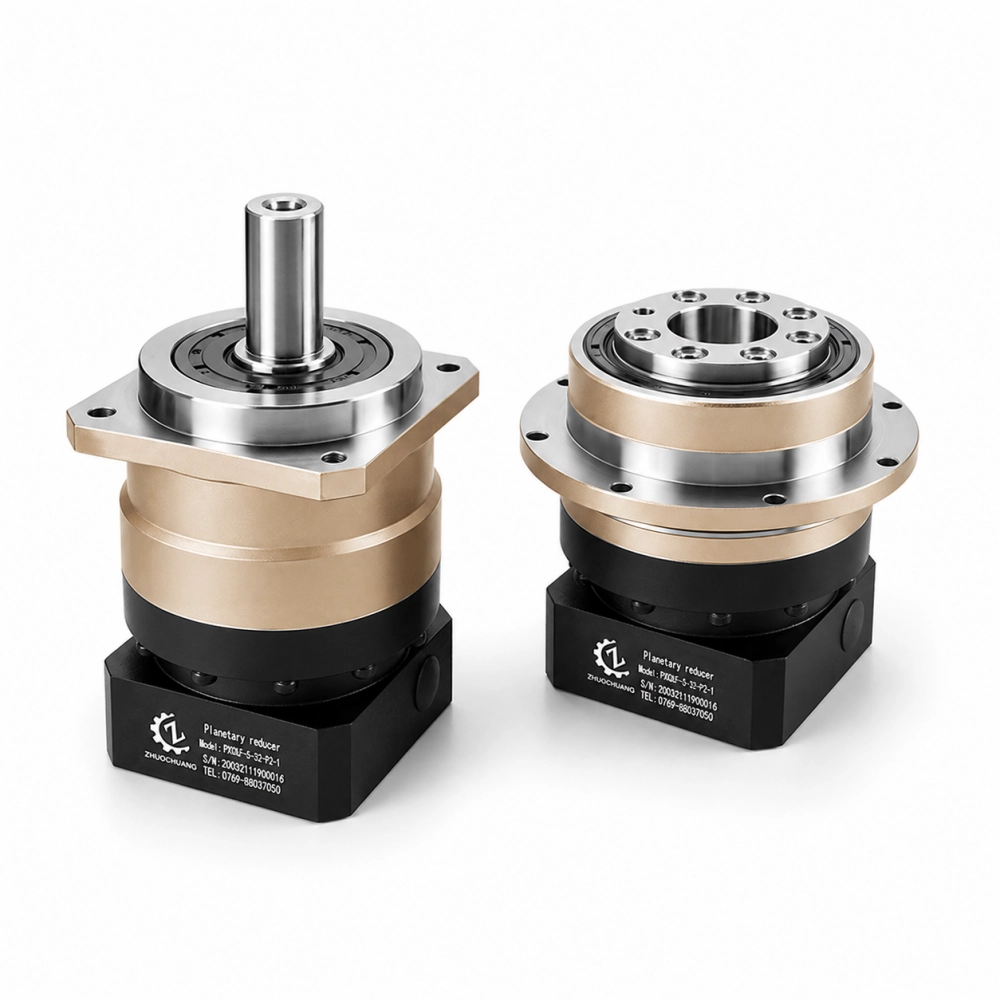
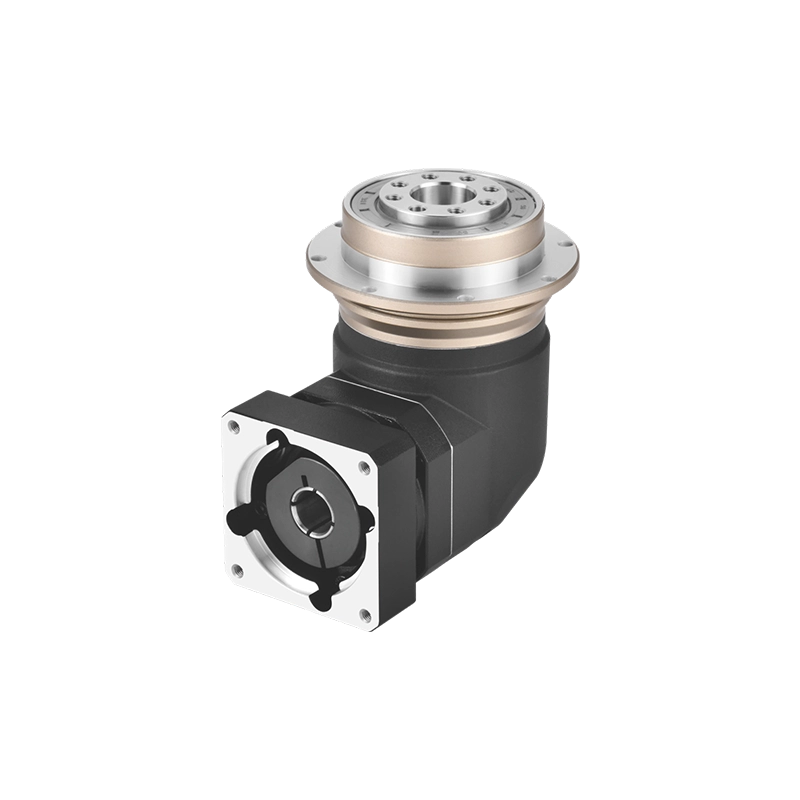
Dongguan Zhuochuang Precision Machinery Co., Ltd manufactures precision planetary gearboxes and hollow rotary tables for industrial automation applications. Our product range includes inline planetary gearboxes and right-angle planetary gearboxes for different machine layouts.
You can review our planetary gearbox range here:
For compact 90-degree layouts, you can also view our right angle planetary gearbox products here:
If you are evaluating gearbox manufacturers for a project, send us your motor model, required ratio, torque, backlash requirement, mounting space, and application information. Our team can help review the suitable product series and configuration.
Contact us for technical support and quotation:
FAQ About Planetary Gearbox Manufacturers
How do I choose a planetary gearbox manufacturer?
Choose a manufacturer by checking production capability, gear tooth process, backlash testing, motor adapter support, dimensional drawings, customization ability, delivery honesty, and technical communication.
Are all planetary gearbox manufacturers the same?
No. Some manufacturers focus on standard industrial gearboxes, while others focus on precision servo planetary gearboxes. The right choice depends on your application, backlash requirement, torque, ratio, and duty cycle.
What should I ask a planetary gearbox supplier before ordering?
Ask about ratio, rated torque, peak torque, backlash grade, test method, motor adapter compatibility, mounting dimensions, input speed, duty cycle, lead time, and customization options.
Is a low-cost planetary gearbox always risky?
Not always. A low-cost standard gearbox may be suitable for simple machinery. But for servo positioning, robotics, CNC, or high-duty-cycle equipment, choosing only by price can create performance and service-life problems.
Can Chinese planetary gearbox manufacturers provide precision products?
Yes, some Chinese manufacturers can provide precision planetary gearboxes for automation and robotics applications. Buyers should evaluate the manufacturer by process capability, testing method, documentation, and technical support rather than country of origin alone.
Related Reading
Planetary Gear Reducer vs Planetary Gearbox: Meaning, Uses and Buying Tips
https://planetdrivepro.com/blog/gearbox-guide/planetary-gear-reducer/
Servo Planetary Gearbox: How to Match a Gearbox with a Servo Motor
https://planetdrivepro.com/blog/gearbox-guide/servo-planetary-gearbox/
Low Backlash Planetary Gearbox: Why Backlash Matters in Servo Systems
https://planetdrivepro.com/blog/gearbox-guide/low-backlash-planetary-gearbox/
Inline Planetary Gearbox: Structure, Advantages and Selection Guide
https://planetdrivepro.com/blog/gearbox-guide/inline-planetary-gearbox/