
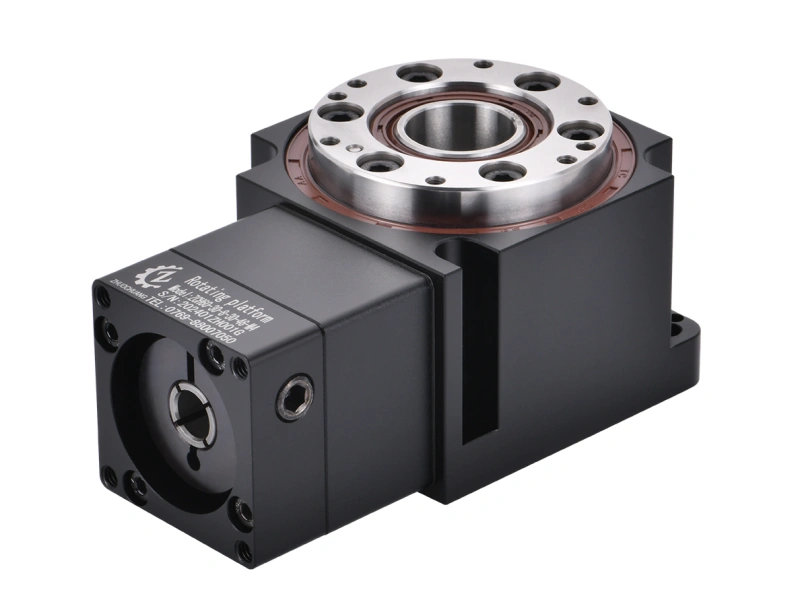
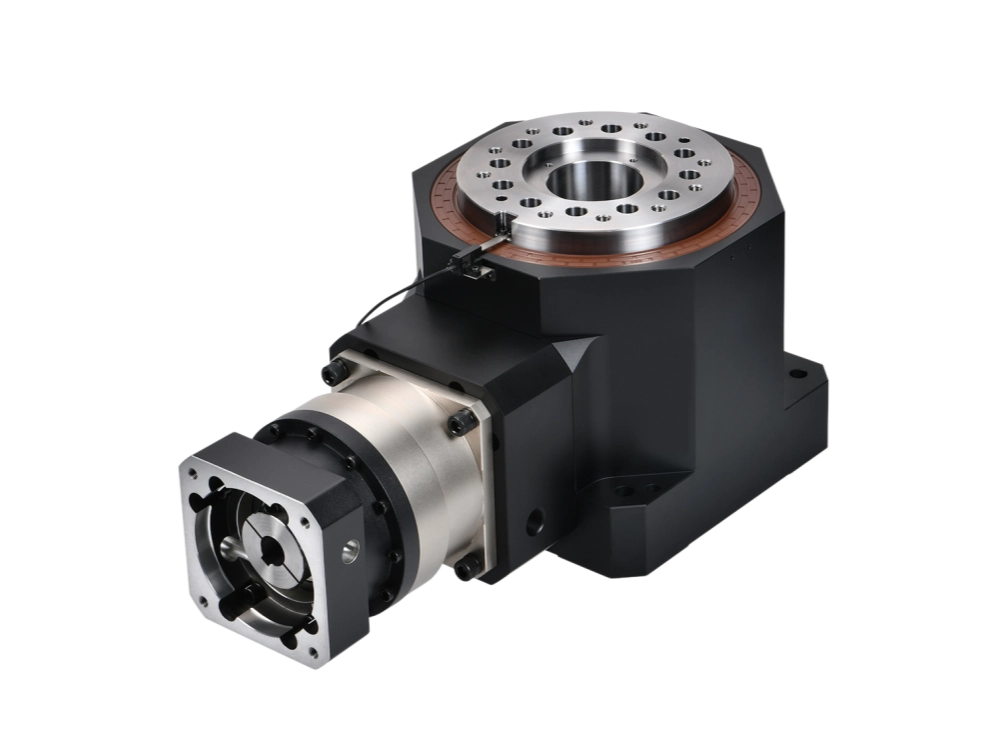
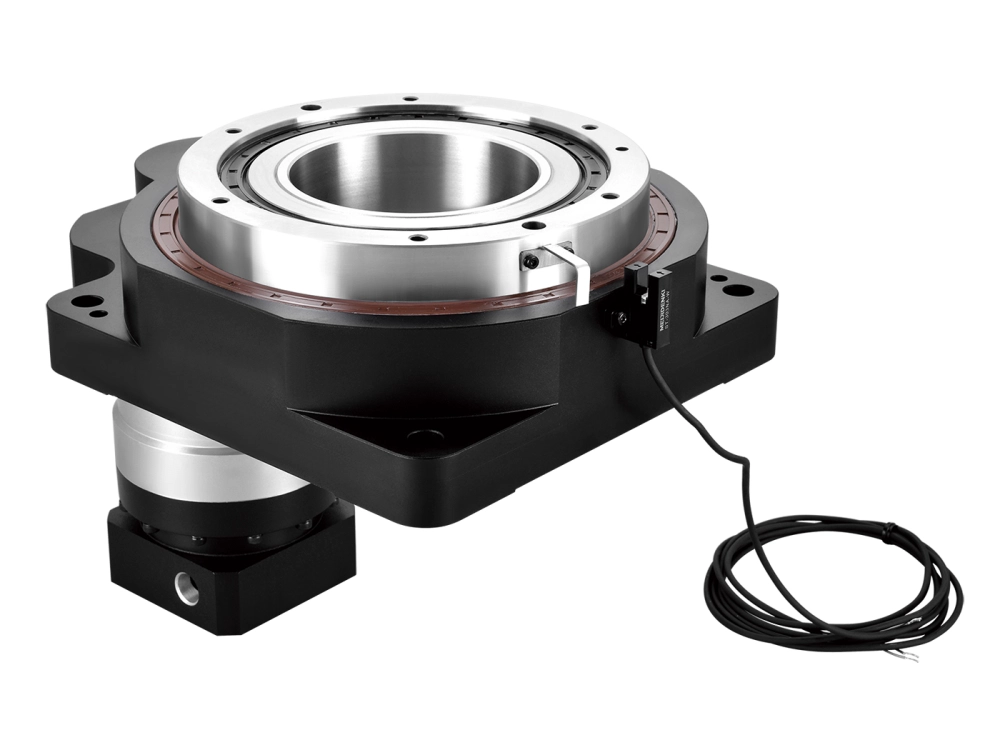
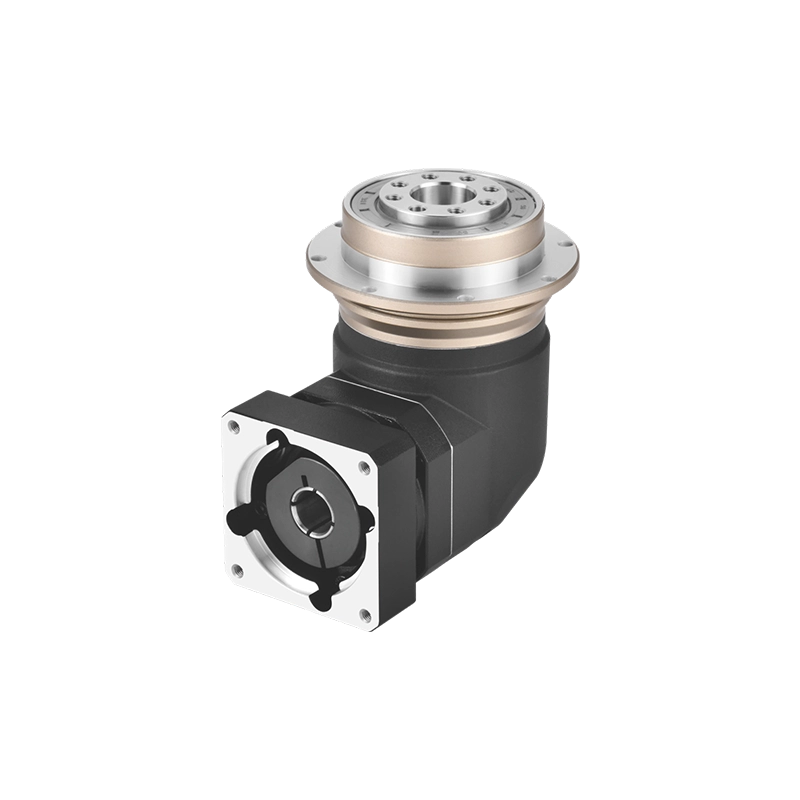
Rotary indexer cost can vary greatly from one automation project to another. Two rotary indexing tables may look similar from the outside, but their internal structure, load capacity, accuracy level, motor matching, bearing design, and customization requirements can be very different.
For machine builders and automation buyers, asking only for a quick price is often not enough. A reliable quotation usually requires basic application details such as load weight, table size, rotation angle, required speed, positioning accuracy, mounting direction, and control method.
This guide explains the main factors that affect rotary indexer cost, especially for buyers comparing rotary indexing tables, hollow rotary tables, servo rotary indexers, and customized rotary positioning solutions.
Why Rotary Indexer Cost Varies Between Projects
A rotary indexer is not a simple catalog item in many automation projects. It is often part of a larger motion system. The same table diameter may be used in very different working conditions. One project may only rotate a small inspection fixture. Another may carry a heavy tooling plate, stop frequently, and require high repeatability during 24-hour production.
This is why rotary indexer cost is usually affected by the full application, not only by the outside size of the product. A supplier needs to understand how the indexer will be used before recommending a suitable model.
For example, a light-load rotary positioning table for camera inspection may need smooth motion and repeatability, but not very high output torque. A rotary indexing table used in assembly equipment may need stronger rigidity, better bearing support, and higher resistance to moment load. These differences directly affect the final cost.
Main Price Factors Buyers Should Understand
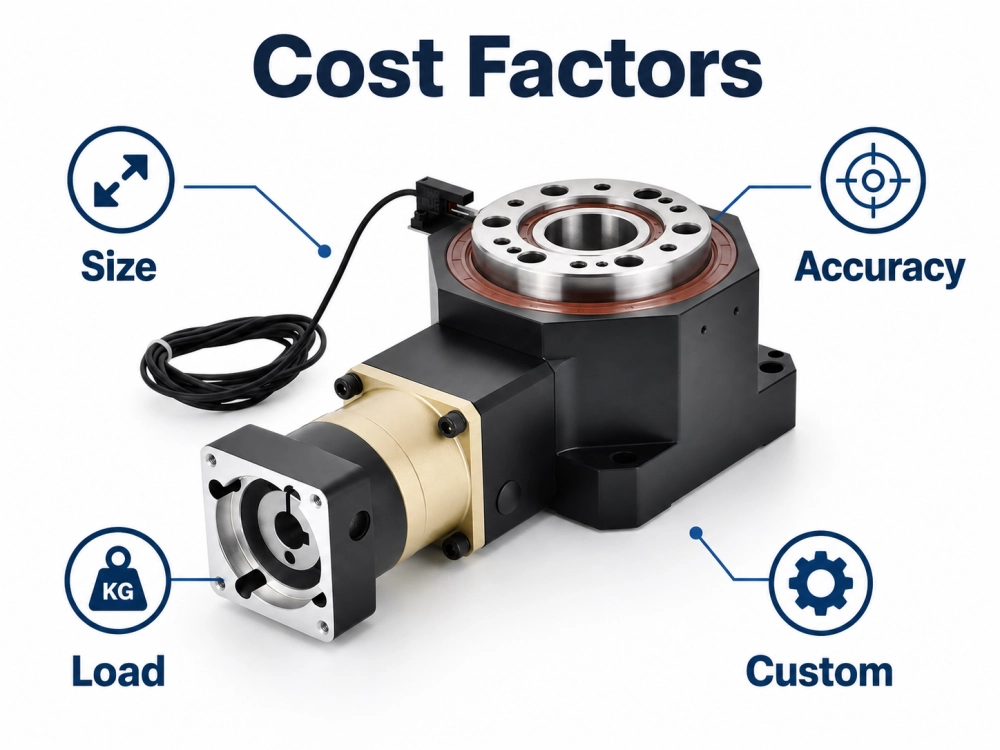
When comparing rotary indexer prices, buyers should look beyond the unit price. The following factors usually have the strongest influence on cost:
- Table size and output diameter
- Load weight and load position
- Axial load, radial load, and moment load
- Required positioning accuracy and repeatability
- Backlash requirement
- Rotation speed and cycle time
- Motor type and motor interface
- Control method
- Hollow bore size
- Standard model or customized structure
- Quantity and delivery requirements
A low-cost rotary indexer may be acceptable for a simple test fixture. However, for automatic equipment that requires stable production, the wrong selection may create higher costs later through vibration, positioning errors, downtime, or repeated redesign.
How Table Size and Load Capacity Affect Cost
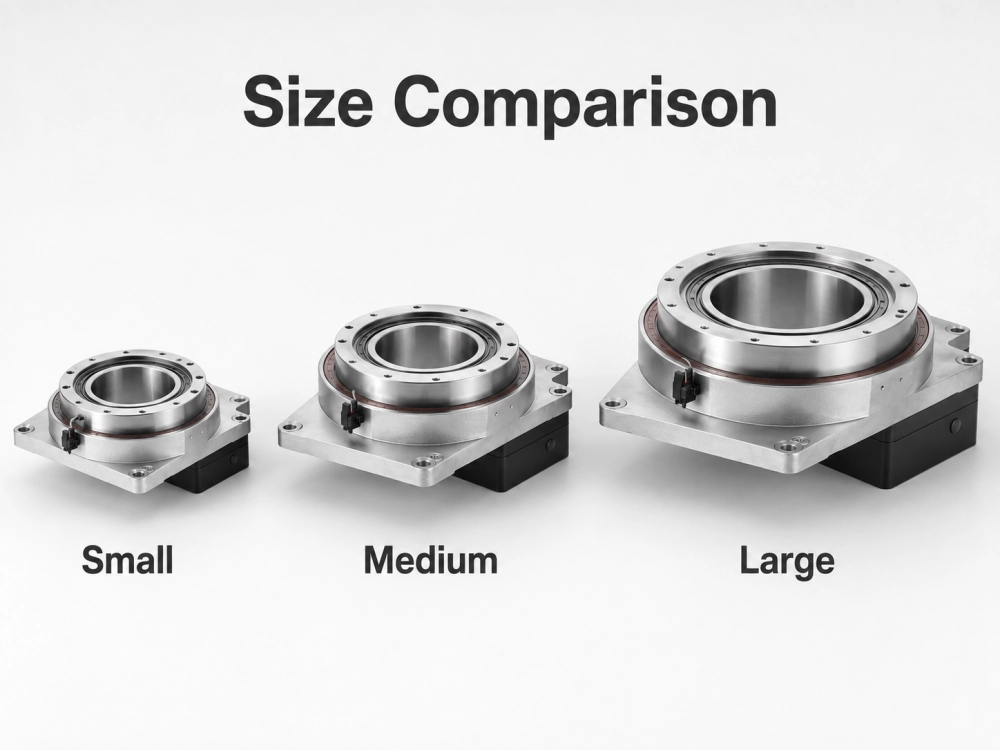
Table size is one of the most obvious cost factors. A larger rotary indexing table usually requires a larger bearing system, stronger housing, higher machining accuracy, and greater torque capacity. Even when the external shape looks simple, the internal load support structure can be very different.
Load capacity is not only about the total weight placed on the table. The position of the load also matters. A small part mounted near the center is much easier to support than the same weight mounted far from the center. When the load is offset, the rotary indexer must resist additional moment force.
For this reason, buyers should provide not only the load weight but also the fixture size, workpiece position, and installation layout. This helps the supplier judge whether a standard rotary indexer is enough or whether a larger model is required.
Accuracy, Backlash, and Repeatability
Accuracy requirements have a direct influence on rotary indexer cost. A basic rotary table may only need to rotate to approximate positions. A precision rotary indexing table may need very small positioning error, stable repeatability, and low backlash during frequent indexing.
Higher accuracy usually requires better machining, more precise gear engagement, improved bearing support, stricter assembly control, and more inspection during production. These steps increase cost but also improve long-term performance.
Buyers should be clear about the real accuracy requirement. Over-specifying accuracy can increase cost unnecessarily. Under-specifying accuracy can create problems when the equipment is already installed. A good supplier should help match the accuracy level to the actual application instead of simply recommending the most expensive option.
If your project is mainly focused on repeatable positioning rather than ultra-high absolute accuracy, this should also be explained during the quotation stage.
Rotation Speed and Cycle Time
Rotation speed is another important cost factor. A rotary indexer used for slow positioning is different from one that must complete frequent start-stop motion in a short cycle time.
High-speed indexing may require higher torque, better acceleration capacity, stronger rigidity, and more careful motor matching. It may also require attention to heat, vibration, and service life. These requirements can increase the cost of the rotary table and the complete drive system.
When asking for a quotation, buyers should provide the expected rotation angle, motion time, dwell time, and working cycle. For example, rotating 90 degrees every few seconds is different from rotating 360 degrees slowly for inspection or display. The more clearly the motion process is described, the more accurate the recommendation will be.
Motor, Driver, and Control Requirements
Some buyers only need the rotary indexer body. Others need a complete solution including motor, driver, controller, cables, and basic programming support. These two situations have very different cost structures.
For servo rotary indexers, motor matching is especially important. The supplier needs to consider load inertia, reduction ratio, acceleration, speed, torque margin, and control method. If the motor is too small, the system may lose stability. If the motor is too large, the project cost may increase unnecessarily.
Common control requirements include pulse and direction control, PLC control, simple controller operation, or communication-based control. The more complete the motion control requirement, the more details should be confirmed before pricing.
For buyers who already have a preferred motor brand or servo system, it is helpful to provide the motor drawing, shaft size, flange dimensions, and control interface requirement. This can reduce communication time and help avoid interface mismatch.
Standard Rotary Indexer vs Customized Solution Cost
A standard rotary indexer is usually more cost-effective when the application matches an existing product series. Standard models can reduce design time, machining cost, testing time, and delivery risk.
However, many automation machines require customized details. These may include special mounting holes, different output table size, custom flange, larger hollow bore, special motor adapter, limited installation space, or a non-standard cable routing method.
Customization does not always mean very high cost, but it does require engineering confirmation. A small change in mounting holes may be simple. A change in bearing capacity, table diameter, or internal transmission structure may require deeper design work.
When cost is important, buyers should clearly separate “must-have” requirements from “nice-to-have” requirements. This helps the supplier recommend a practical solution instead of over-designing the rotary table.
Hollow Rotary Table Cost Factors
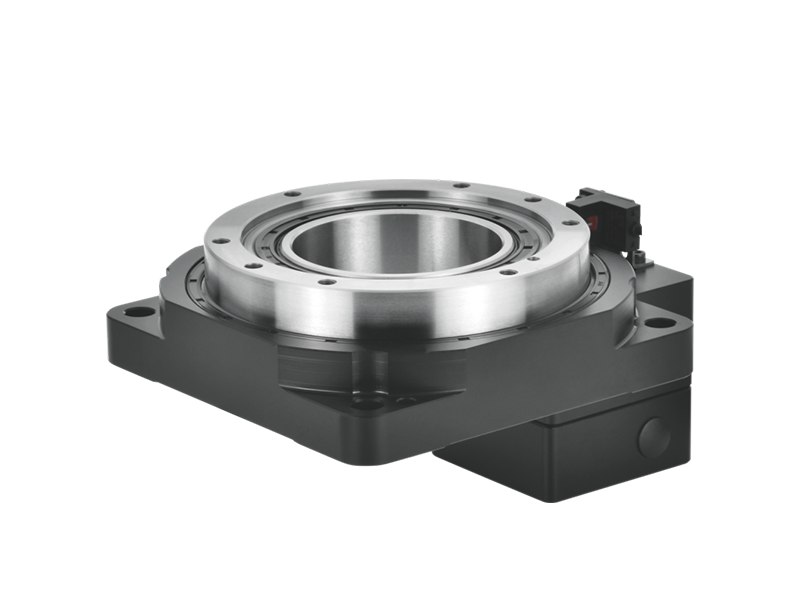
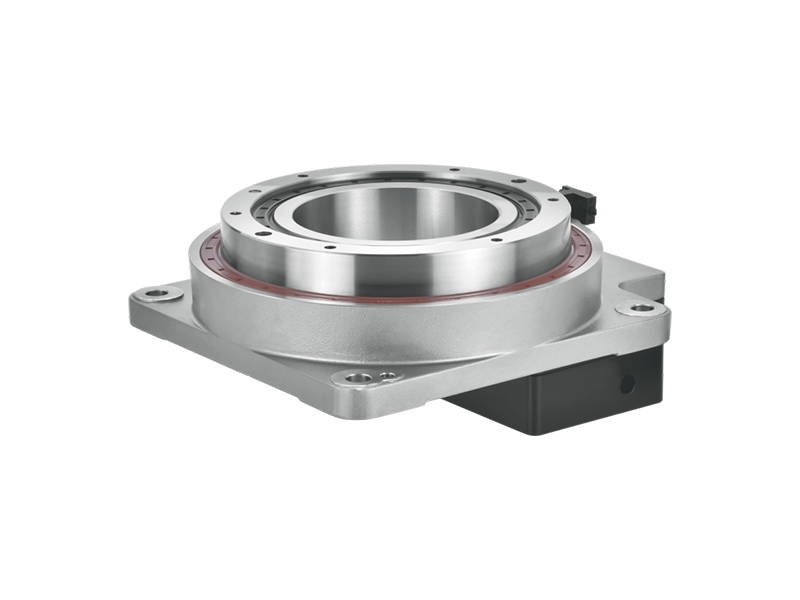
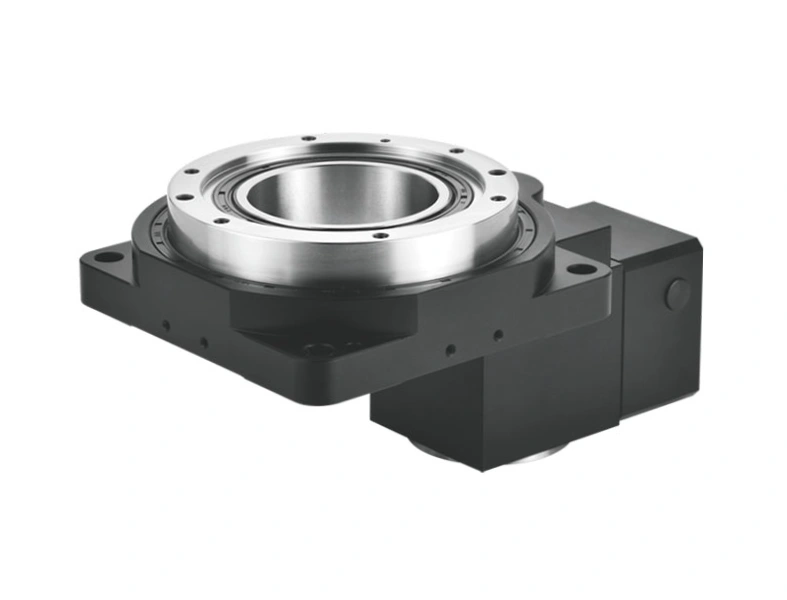
Many rotary indexing applications use a hollow rotary table because the central bore allows cables, air tubes, vacuum lines, or fixtures to pass through the center. This design is useful in automation equipment, inspection systems, assembly machines, and compact motion platforms.
The cost of a hollow rotary table is affected by the bore size, bearing structure, table diameter, torque capacity, accuracy level, and motor mounting method. A larger center hole may require a more robust structure to maintain rigidity and positioning stability.
For applications that need cable routing through the center, the hollow bore can reduce machine complexity and make the equipment layout cleaner. In this case, the rotary table cost should not be judged only by the product price. It should also be compared with the total machine design cost.
You can view our hollow rotary table product range to understand common structures used for rotary positioning applications.
What Information Suppliers Need Before Quoting
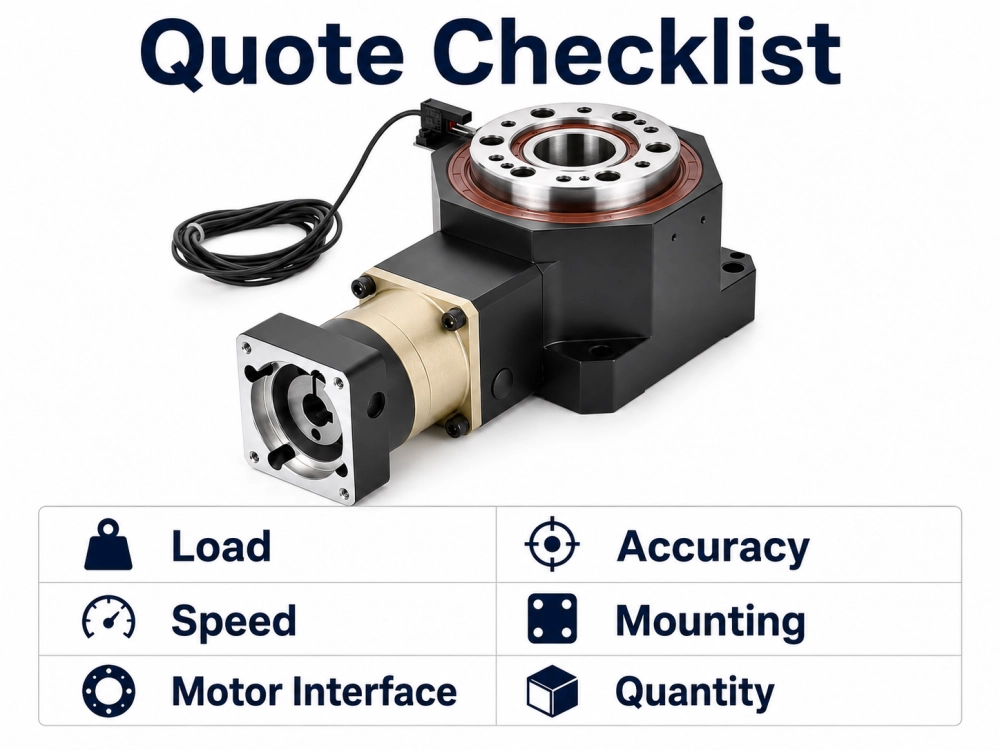
To receive a practical rotary indexer quotation, buyers should prepare several basic details. A complete drawing is helpful, but it is not always required at the first step. Even a simple sketch can help the supplier understand the application.
Useful quotation information includes:
- Required table diameter or mounting plate size
- Load weight and load dimensions
- Position of the load relative to the table center
- Required rotation angle, such as 90°, 180°, 360°, or continuous rotation
- Required speed or cycle time
- Positioning accuracy and repeatability requirement
- Installation direction: horizontal, vertical, side-mounted, or angled
- Motor type, motor brand, or motor power if already selected
- Control method, such as PLC, pulse control, or simple controller
- Need for hollow bore, cable routing, or pneumatic tube passage
- Working environment and daily operating time
- Estimated quantity and delivery schedule
The more complete the information, the easier it is to avoid incorrect model selection. It also helps the supplier provide a more accurate cost estimate instead of giving only a rough price range.
Why the Lowest Price May Not Be the Best Choice
In industrial automation, the lowest rotary indexer price is not always the lowest total cost. If the rotary table is undersized, has excessive backlash, lacks rigidity, or cannot match the motor correctly, the equipment may face unstable positioning, vibration, poor repeatability, or early wear.
These problems may lead to additional costs such as redesign, replacement, machine downtime, debugging time, and delayed project delivery. For OEM machine builders, this can also affect the end customer’s confidence in the equipment.
A better approach is to compare rotary indexer cost together with performance, reliability, engineering support, and application suitability. A properly selected rotary indexing table can reduce integration risk and support more stable long-term operation.
How to Compare Rotary Indexer Quotations
When comparing quotations from different suppliers, buyers should check whether the offered products are truly comparable. A lower price may come from a smaller model, lower accuracy grade, different bearing structure, missing motor adapter, or no customization support.
Before making a decision, compare the following points:
- Is the table size the same?
- Is the load capacity suitable for the real fixture?
- Are repeatability and backlash specified clearly?
- Is the motor interface included?
- Does the quotation include customization?
- Are drawings or technical documents provided?
- Is engineering support available before and after ordering?
If one supplier only gives a price while another supplier asks application questions, the second supplier may actually be doing more serious selection work. For precision motion components, asking technical questions before quoting is usually a responsible process.
Related Selection Guides
If you are still comparing product types, you may also read our guide on rotary indexer vs hollow rotary table. It explains the difference between the function of indexing and the structure of a hollow rotary table.
For basic model selection, our article on how to choose a hollow rotary table explains load, bore size, torque, accuracy, backlash, and servo motor matching in more detail.
If supplier evaluation is also part of your purchasing process, you can refer to our guide on rotary indexing table manufacturers.
Work with Zhuochuang for Rotary Indexer Selection
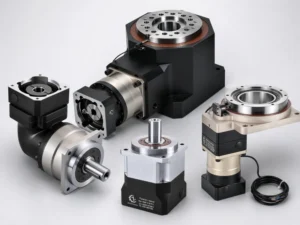
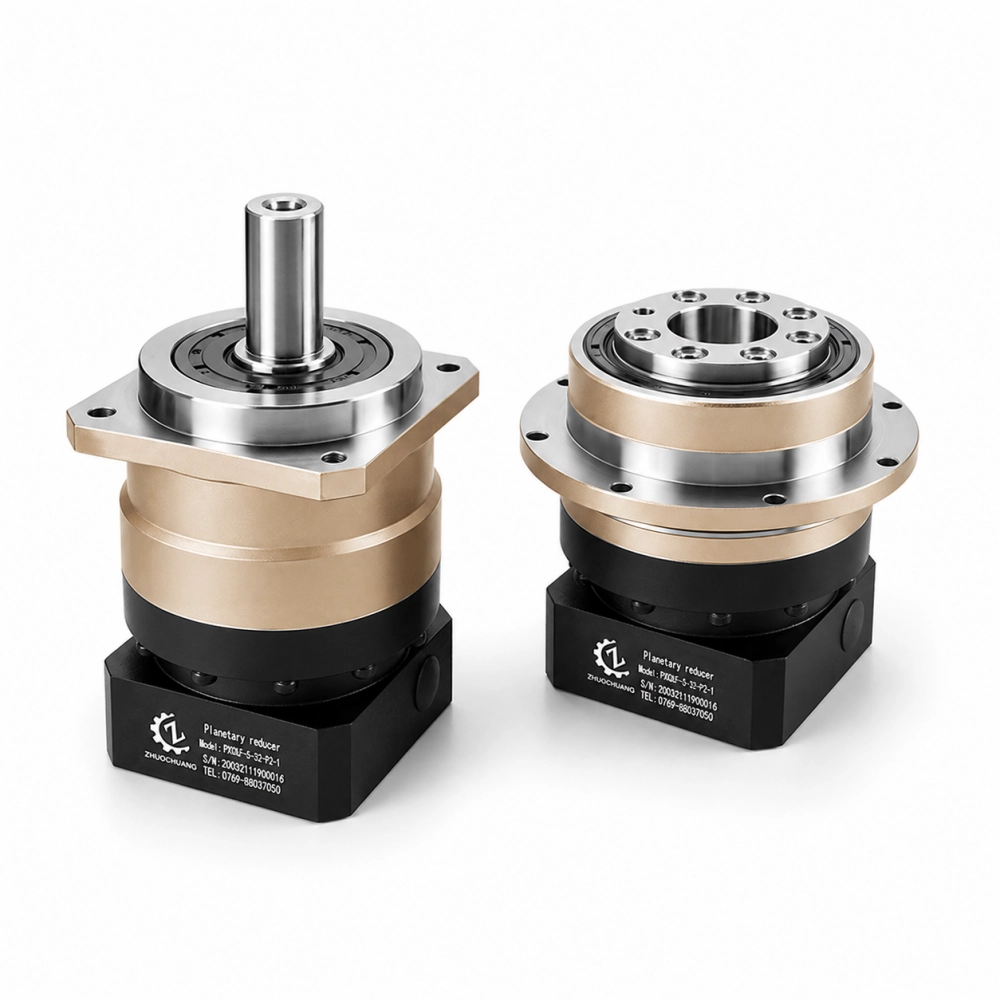
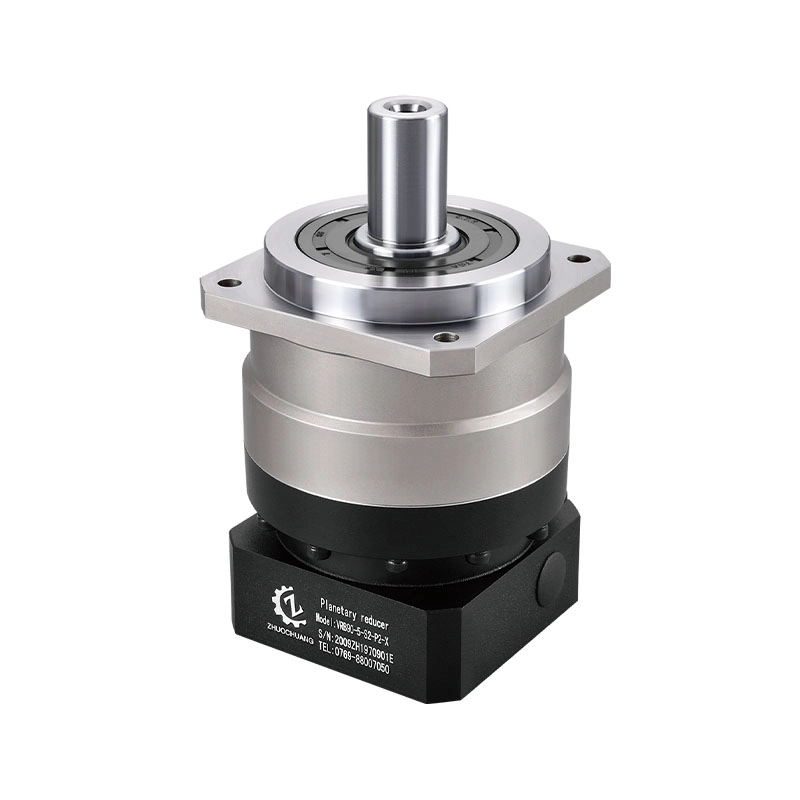
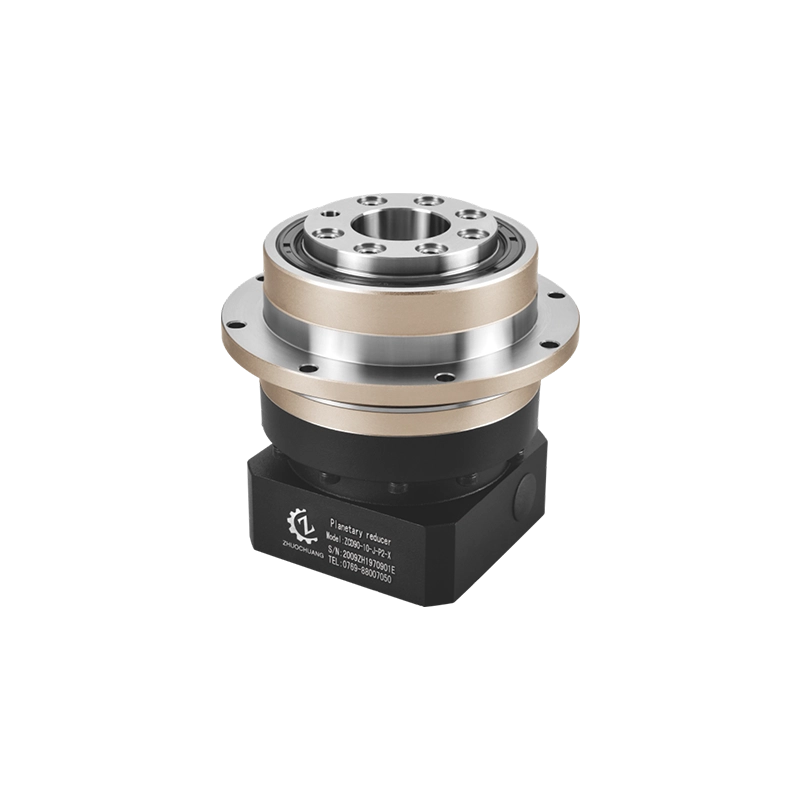
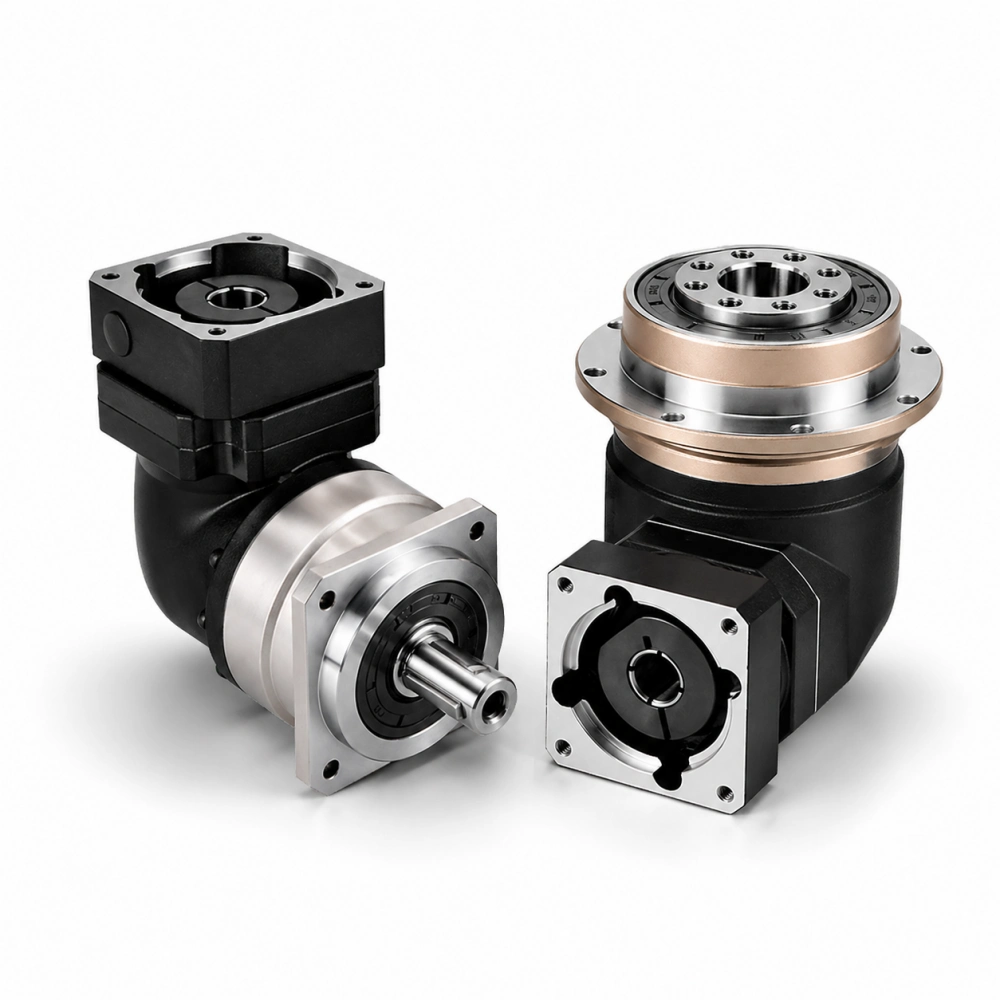
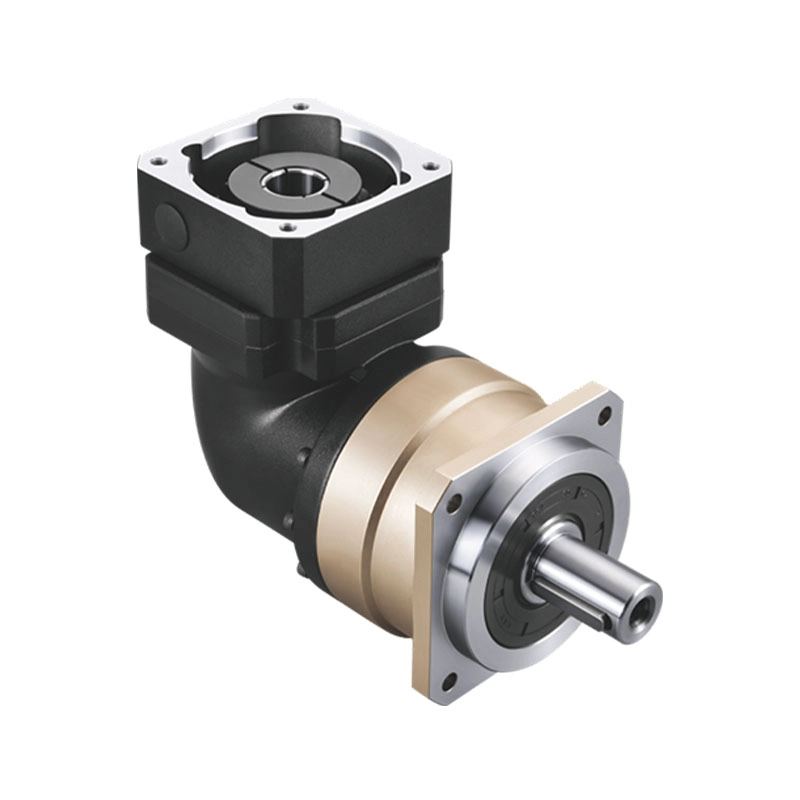
Dongguan Zhuochuang Precision Machinery Co., Ltd. manufactures precision motion components under the Zhuochuang brand. Through PlanetDrivePro, we support global customers with hollow rotary tables, rotary positioning tables, planetary gearboxes, right-angle gearboxes, and customized motion solutions.
For rotary indexer cost evaluation, we recommend starting with the real application instead of only the product size. Our team can review your load, table diameter, speed, accuracy requirement, motor interface, and installation layout to help recommend a suitable solution.
If you are developing automation equipment, inspection machines, assembly systems, packaging machinery, robotics, or customized positioning equipment, you can contact us with your application details. A simple sketch, photo, or layout drawing is enough for the first review.
FAQ
How much does a rotary indexer cost?
Rotary indexer cost depends on table size, load capacity, accuracy, backlash, motor matching, customization, and control requirements. A small light-load unit and a high-rigidity precision rotary indexing table can have very different prices.
Why do suppliers ask for load and speed before quoting?
Load and speed affect torque, inertia, bearing support, motor selection, and service life. Without these details, it is difficult to recommend a reliable rotary indexer model.
Is a hollow rotary table more expensive than a standard rotary table?
A hollow rotary table may cost more because it requires a central bore, strong bearing support, and a stable transmission structure. However, it can reduce machine design complexity when cables, air tubes, or fixtures need to pass through the center.
Can I get a price without a drawing?
Yes, an initial estimate may be possible without a formal drawing. However, a simple sketch, load information, table size, speed, accuracy requirement, and installation direction will help the supplier provide a more accurate quotation.
What is the best way to reduce rotary indexer cost?
The best way is to provide clear application details and choose a model that matches the real requirement. Avoid over-specifying accuracy or size, but also avoid selecting a model that is too small for the load and working cycle.
Does the quotation include motor and controller?
This depends on the supplier and project requirement. Some quotations include only the rotary indexer body, while others may include motor adapter, servo motor, driver, controller, and cables. Buyers should confirm the quotation scope clearly.
Conclusion
Rotary indexer cost is affected by many factors, including size, load, accuracy, backlash, speed, motor matching, hollow bore design, customization, and control requirements. A useful quotation should be based on the real application instead of only a product name or table diameter.
For automation buyers, the goal is not simply to find the lowest rotary indexer price. The better goal is to select a reliable rotary indexing table that matches the machine structure, positioning requirement, and long-term operating conditions.
To receive a suitable recommendation, please share your application details with the PlanetDrivePro / Zhuochuang team. We can help review your requirements and suggest a practical rotary positioning solution for your equipment.