
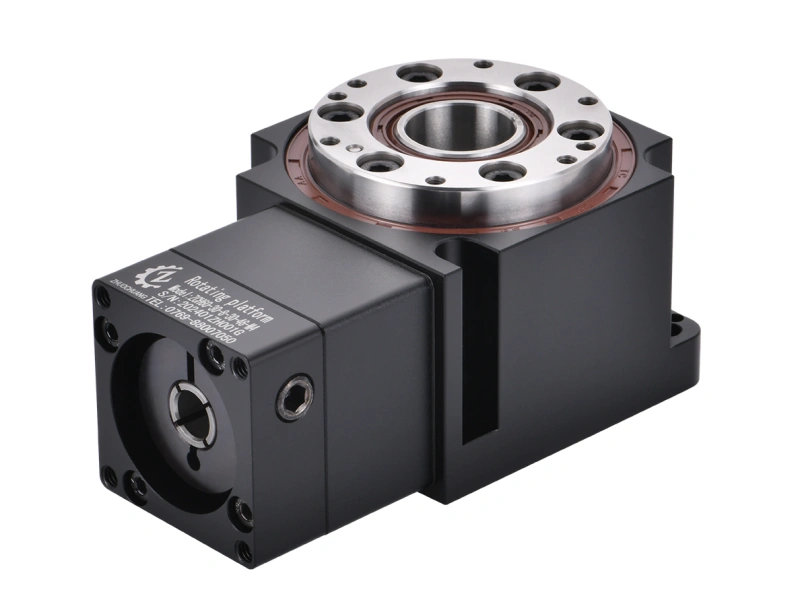
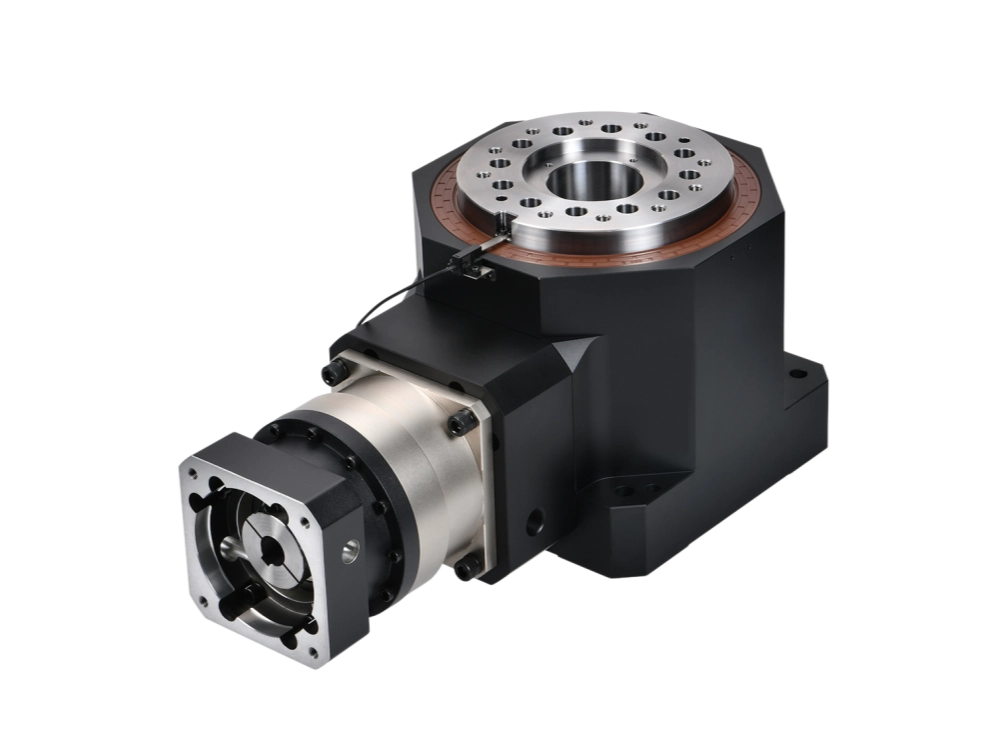
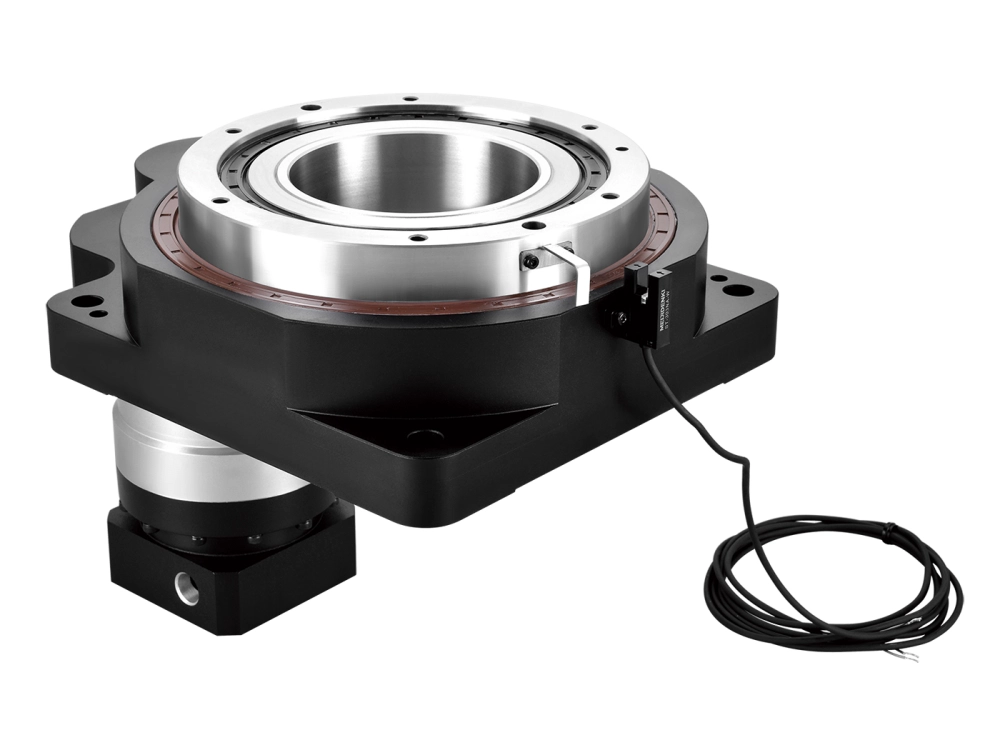
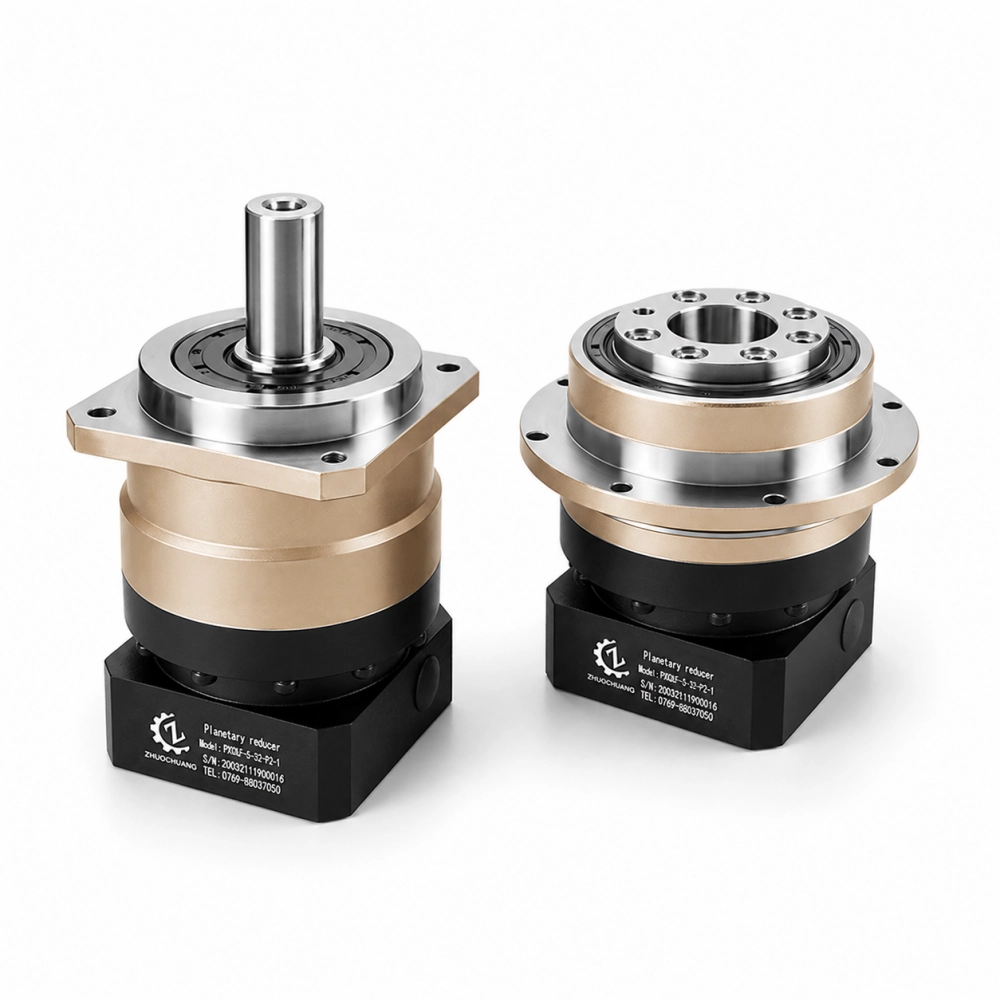
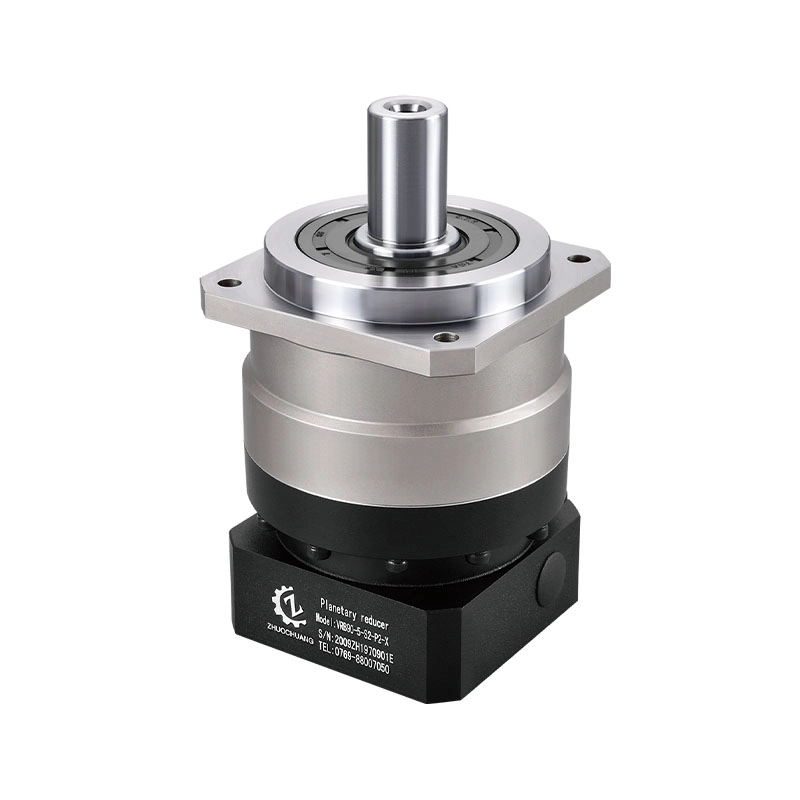
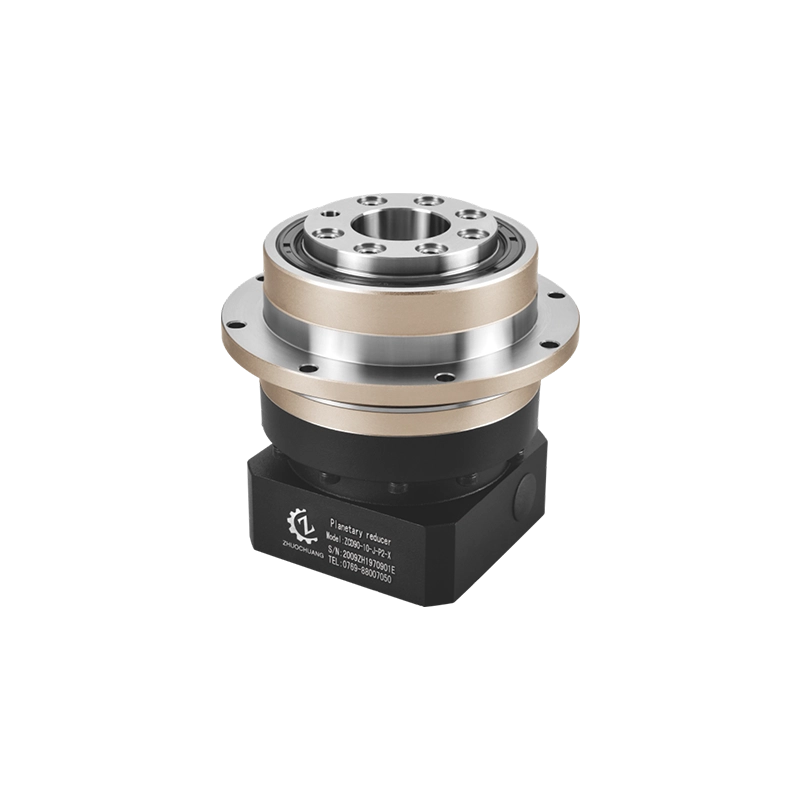
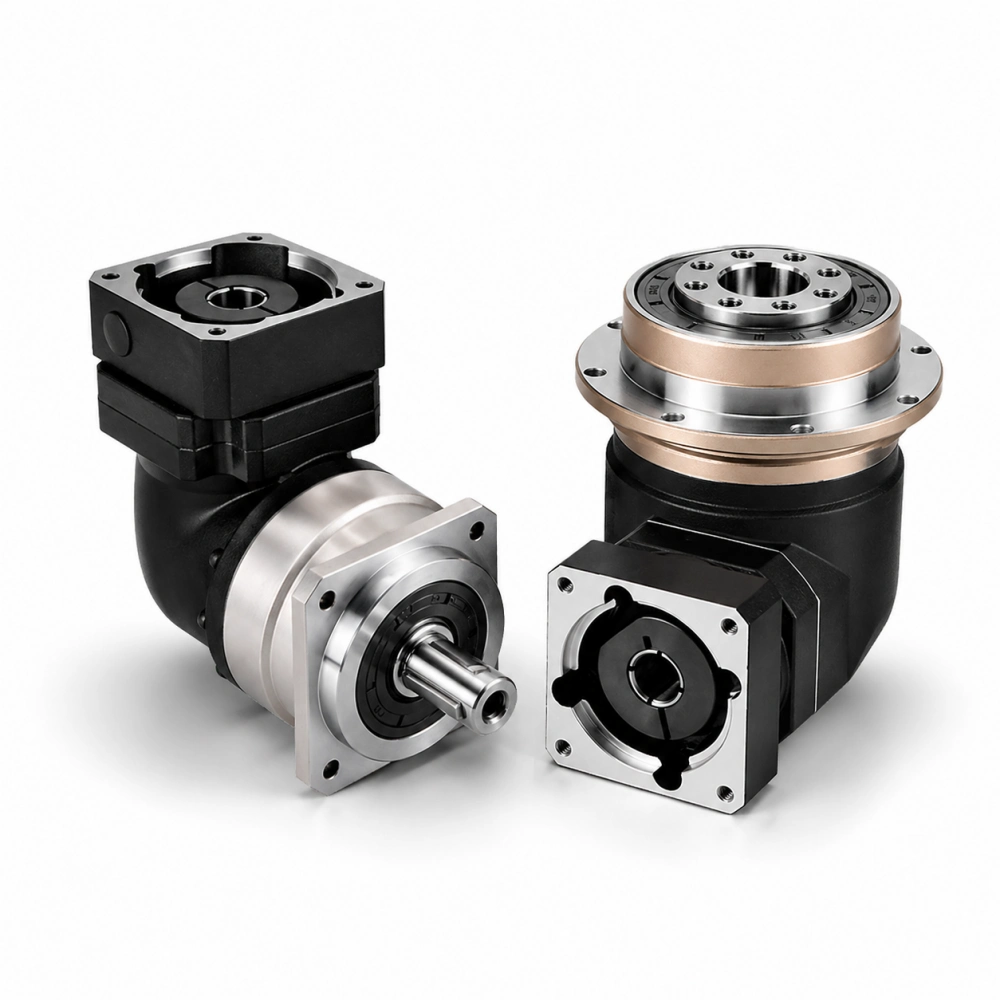
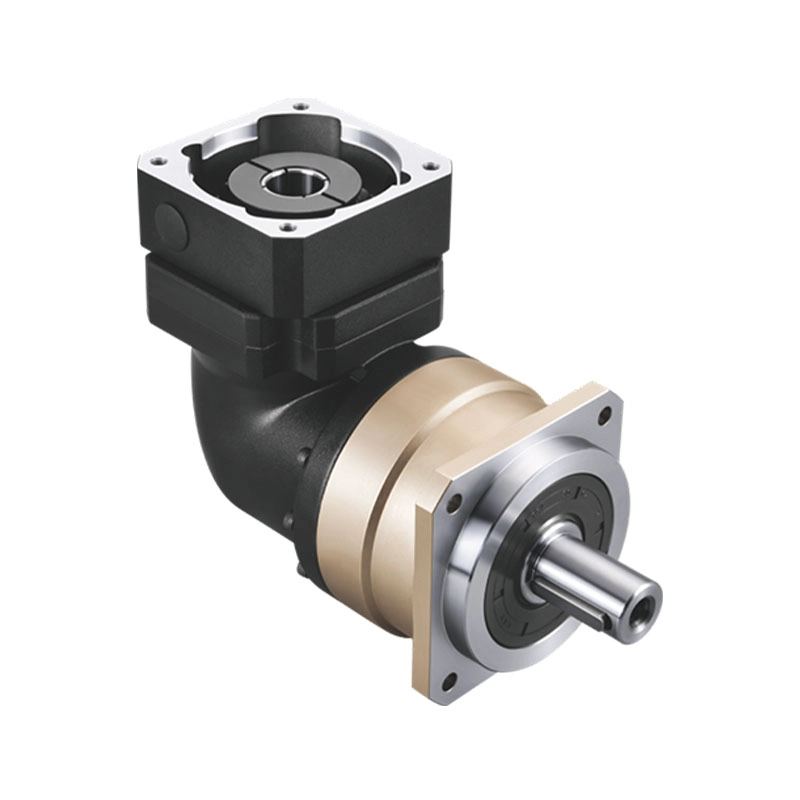
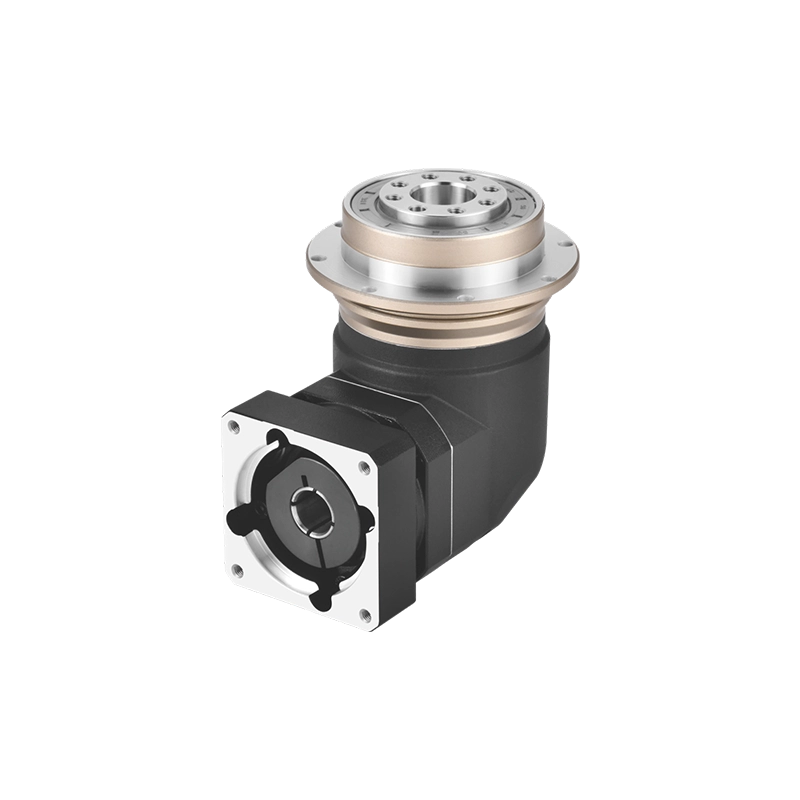
A planetary gearbox with motor pairing looks simple on a datasheet — until the parts don’t bolt together. A machine builder recently sent us a NEMA 23 stepper motor drawing that looked correct at a glance: standard frame, 6.35 mm shaft, standard 47.14 mm bolt circle. The gearbox quoted against a typical NEMA 23 stepper failed to bolt up. The customer’s motor used a pilot diameter 1.5 mm larger than the NEMA spec allows. That 1.5 mm cost two weeks of adapter machining that a five-minute drawing check would have avoided.
This is what a planetary gearbox with motor search is really about. It is not one standardized product category — it is five different interface problems, one for each motor family, and the numbers that actually matter change depending on which one you’re working with: servo, stepper, BLDC, brushed DC, or hydraulic.
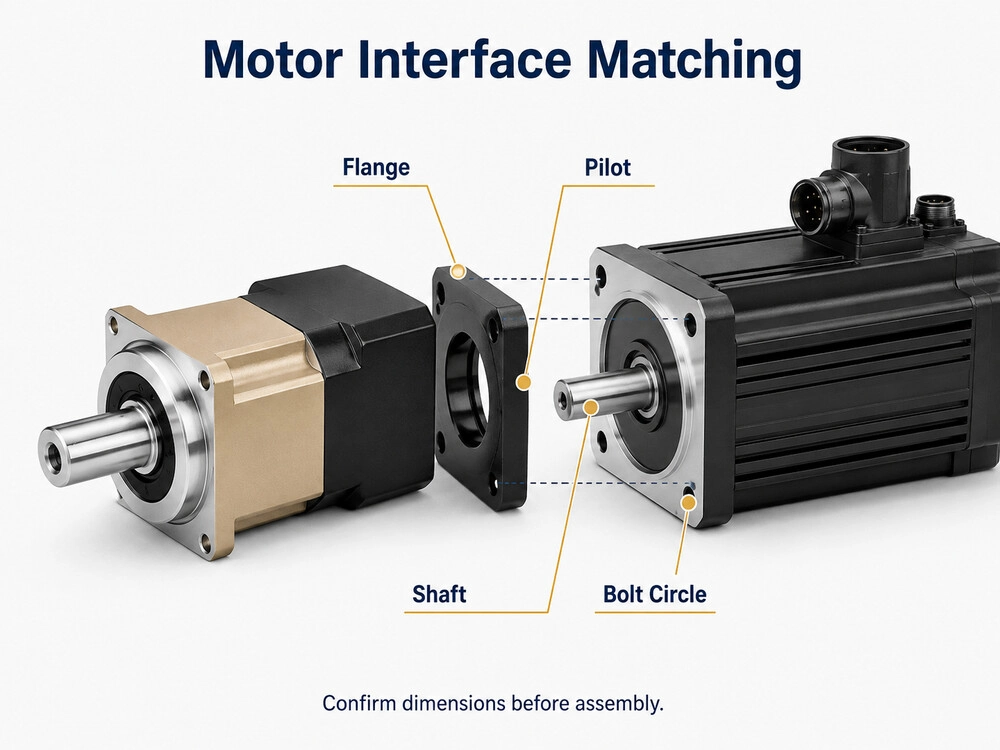
Flange standard, shaft tolerance, and pilot diameter — not ratio or torque — are usually where a planetary gearbox with motor pairing actually goes wrong.
Why a Gearbox for Motor Pairing Fails Even When the Torque Numbers Match
Torque and ratio are the numbers everyone checks first, and they are almost never the reason a gearbox for motor pairing fails at assembly. The failures come from three dimensions that rarely appear on a summary datasheet:
| Interface point | What goes wrong | Typical tolerance to confirm |
|---|---|---|
| Pilot diameter | Motor centers off-axis; runout appears under load even though bolts fit | h7 clearance fit, confirmed to 0.02 mm |
| Shaft-to-bore clamping | Slip under peak torque if using a set-screw hub instead of a shrink-disk or keyed coupling | Shaft diameter tolerance ±0.01 mm, keyway width per DIN 6885 |
| Bolt circle diameter (BCD) | Holes line up but flange face doesn’t fully seat, causing axial misalignment | Match to IEC/NEMA standard within 0.1 mm, or confirm as non-standard |
A planetary gearbox motor combination that clears all three of these checks almost never has assembly problems, regardless of motor brand. Skipping any one of them is the most common reason a “standard” adapter needs field rework.
Servo Motor With Planetary Gearbox
Servo motors mostly follow IEC flange codes — B5, B14, or B34 — with common sizes like 60 mm, 80 mm, 90 mm, 110 mm, and 130 mm flange faces across the major brands (Panasonic, Yaskawa, Mitsubishi, Siemens, Delta). The good news is that servo flange standards are fairly consistent across manufacturers, so a gearbox built for 80 mm IEC B5 usually bolts to most 80-flange servo motors from different brands with only the shaft bore needing confirmation.
What doesn’t standardize: backlash grade requirements and reflected inertia. A 750 W servo motor with a rotor inertia around 0.6–1.2 kg·cm² needs a gearbox with reflected inertia kept close to that range — usually within a 1:1 to 5:1 inertia ratio — or the servo drive’s gains have to be detuned to stay stable, which slows down the whole axis. This is covered in more depth in our servo motor gearbox selection guide and servo planetary gearbox guide, so this article won’t repeat that ground. If your application is a servo axis specifically, those two guides are the better starting point than this one.
Stepper Motor With Planetary Gearbox
Stepper frames are the most predictable of the five: NEMA 17 (42 mm), NEMA 23 (57 mm), and NEMA 34 (86 mm) cover the large majority of industrial stepper applications, each with a standardized bolt pattern. What’s easy to miss is pilot diameter — NEMA specifies it, but some steppers ship with a pilot 1–2 mm outside spec even though the frame size and shaft diameter both check out, which is exactly the failure from the opening example.
The bigger performance issue with a planetary gearbox motor pairing on a stepper is backlash, not mounting. Stepper systems almost always run open-loop — no encoder feedback to correct positioning error mid-cycle. If the gearbox has 15 arc-min of backlash and the application needs ±0.05 mm repeatability at a 100 mm arm length, that backlash alone consumes the entire tolerance budget before anything else in the mechanism is accounted for. A precision-grade gearbox (10 arc-min or lower, sometimes down to 5 arc-min) is usually the deciding factor for a stepper pairing, not the torque rating on the datasheet.
BLDC Motor With Planetary Gearbox
BLDC motors are the least standardized of the group. Unlike servo (IEC) or stepper (NEMA), BLDC motor mounting varies by manufacturer and application — round-body BLDC motors for pumps and fans, flange-mount BLDC motors for actuators, and hub-style BLDC motors used in mobility equipment can all carry the same power rating with completely different mounting geometry. A 200 W BLDC motor from one supplier and a 200 W BLDC from another can require two different gearbox adapters even at identical power and speed.
This is where sending the actual motor drawing — not just a spec sheet power rating — saves the most time on a planetary gearbox with motor order. For an electric motor planetary gearbox pairing built around BLDC, confirm flange face diameter, shaft length, and whether the shaft uses a flat, keyway, or splined interface before assuming a “standard” adapter will fit without changes.
A packaging equipment integrator in Southeast Asia ran into exactly this on a labeling axis upgrade. Two BLDC motors on their approved supplier list were both rated 200 W at the same speed, and the mechanical team assumed either would bolt to the same gearbox adapter. One used a 60 mm square flange with a 6 mm keyed shaft; the other used a round-body mount with a 5 mm flatted shaft and no keyway at all. The gearbox adapter for the first motor did not fit the second, and the discrepancy was only caught during final assembly because no one had compared the two motor drawings side by side before ordering. Confirming shaft interface type — not just diameter — is now a standard checklist item on their BOM sign-off.
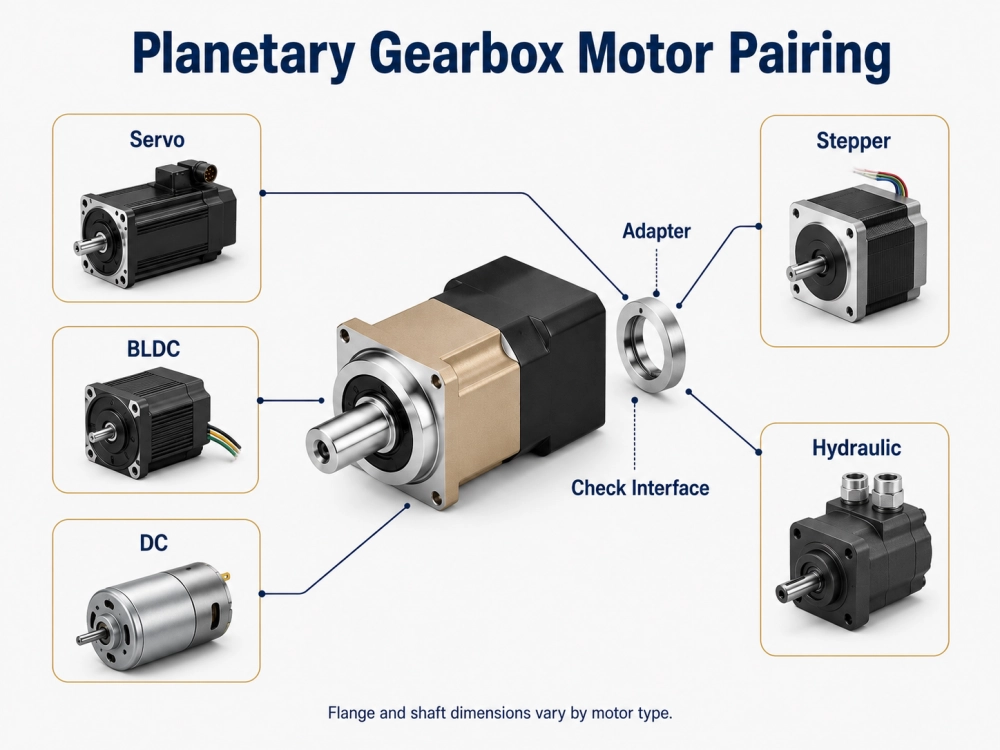
Flange standards diverge sharply across motor families — IEC and NEMA are predictable, BLDC and hydraulic mounting require checking the actual drawing before quoting.
DC Motor and Hydraulic Motor With Planetary Gearbox
Brushed DC motors follow the same non-standardized mounting pattern as BLDC, but add one more variable: brush wear changes torque output over the motor’s life, typically dropping 10–15% by the time brushes need replacement. If a gearbox is sized right at the torque margin against a fresh motor, it may be running with almost no margin by month eight of continuous service. Sizing a gearbox for motor pairing against the motor’s end-of-life torque, not its datasheet rating, avoids this slow drift into overload.
Hydraulic motors are the outlier in this comparison — they follow SAE flange codes (A, B, B-B, C, D) rather than any electric motor standard, and they already produce high torque at low speed, so the gearbox’s job shifts from “multiply torque” to “hold precise low-speed position” or “add a second reduction stage for fine control.” A hydraulic motor with planetary gearbox pairing is common on mobile equipment turntables, heavy indexing tables, and winch mechanisms — applications far removed from servo automation, where SAE-C (101.6 mm BCD) and SAE-B (82.6 mm BCD) are the two most common codes to confirm against the gearbox input flange.
A Quick Comparison Across Motor Types
| Motor type | Mounting standard | What decides the gearbox |
|---|---|---|
| Servo | IEC B5/B14 flange | Reflected inertia ratio, backlash grade |
| Stepper | NEMA 17/23/34 | Backlash (open-loop error budget) |
| BLDC | Manufacturer-specific | Confirmed drawing, not datasheet |
| Brushed DC | Manufacturer-specific | End-of-life torque, not rated torque |
| Hydraulic | SAE A/B/C/D flange | Low-speed control, not torque multiplication |
Across all five, the pattern repeats: the motor family sets the mounting standard, but only a measured drawing confirms whether a specific motor actually matches that standard.
What to Send Before Ordering a Planetary Gearbox With Motor
The single fastest way to avoid a repeat of the NEMA 23 example above: send the motor’s actual mechanical drawing, not just its part number or power rating. At minimum, a supplier needs:
- Motor type and exact model number
- Flange face diameter, bolt circle diameter, and pilot diameter — measured, not assumed from a standard
- Shaft diameter, length, and interface type (flat, keyway, spline)
- Required ratio, torque, and speed, including peak torque during acceleration
- Duty cycle and expected service life, especially for brushed DC motors
- Backlash requirement, particularly for open-loop stepper systems
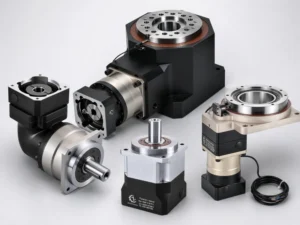
Where a standard motor adapter doesn’t exist for a given model, Zhuochuang machines custom adapters to bridge the gearbox and motor — this is covered in more detail in our custom gearbox options guide. Our planetary gearbox range covers servo, stepper, and general industrial motor pairings across inline and right-angle configurations, and our team can review a motor drawing directly rather than working from a generic frame size assumption.
Conclusion
Ratio and torque get checked first because they’re the easiest numbers to compare. They’re rarely what breaks a planetary gearbox with motor pairing. Pilot diameter tolerance, shaft clamping method, reflected inertia, backlash budget, and end-of-life torque drift — these are the details that separate a gearbox that bolts up cleanly and performs for years from one that needs a field-machined adapter after the first shipment arrives. The fix is not more catalog research; it’s sending the actual motor drawing before the gearbox for motor pairing is quoted, not after it arrives on the shop floor.
If you’re specifying a planetary gearbox with motor for a specific application, contact our engineering team with your motor drawing, ratio and torque requirement, and duty cycle for a direct review.
FAQ
Why did my standard NEMA stepper gearbox adapter not fit?
Most likely a pilot diameter mismatch. Some steppers ship with a pilot 1–2 mm outside the NEMA spec even though the bolt pattern and shaft diameter match. Always confirm pilot diameter against a measured drawing, not the nominal NEMA frame size.
What reflected inertia ratio should I target for a servo motor gearbox?
A ratio between 1:1 and 5:1 (gearbox-plus-load inertia to motor rotor inertia) is generally tunable with standard servo gains. Ratios above roughly 10:1 usually require reduced gains and can limit dynamic response.
Do I need to size a DC motor gearbox against rated torque or something else?
Size against expected end-of-life torque, not the fresh-motor datasheet rating. Brush wear can reduce brushed DC motor torque output by 10–15% over the service life, which erodes any margin sized against day-one performance.
What SAE flange code do most hydraulic motors use?
SAE-B (82.6 mm bolt circle) and SAE-C (101.6 mm bolt circle) are the most common in industrial and mobile equipment, but this should always be confirmed against the specific motor’s datasheet rather than assumed.
What’s the minimum information a supplier needs to quote a planetary gearbox with motor?
A measured mechanical drawing (flange, bolt circle, pilot, shaft), required ratio and torque including peak or acceleration torque, duty cycle, and backlash requirement. A power rating and part number alone are usually not enough to avoid adapter mismatches.