
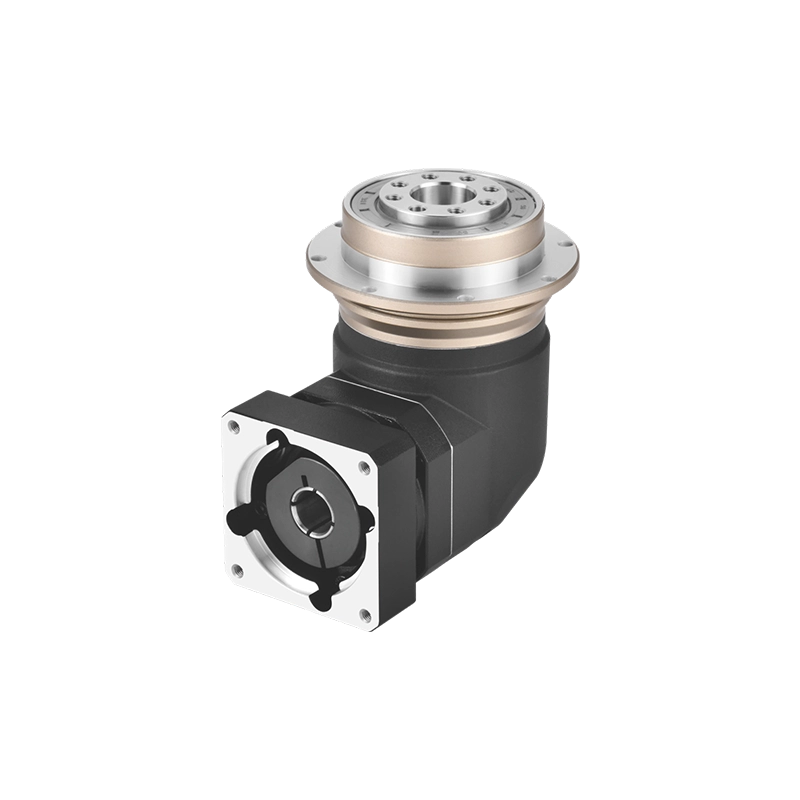
Planetary Gearbox Price Factors: What Really Changes the Cost?
Planetary gearbox price is one of the first questions many buyers ask.
That is understandable. For machine builders, automation integrators and OEM purchasing teams, gearbox cost affects the total project budget, sample approval, machine competitiveness and long-term spare parts planning.
However, comparing planetary gearbox price only by ratio and frame size is risky.
Two gearboxes may both be called a 10:1 planetary gearbox. They may even have a similar outer size. But their actual price can be different because of backlash grade, gear material, bearing structure, output design, machining accuracy, motor adapter requirements, inspection process and supplier support.
This guide explains what affects planetary gearbox price and how industrial buyers can compare value more accurately before placing an order.
Why Planetary Gearbox Price Is Not a Fixed Number
A planetary gearbox is not priced like a simple commodity part.
The final cost depends on how the gearbox is built and what the application requires. A reducer used for a light-duty conveyor does not need the same internal structure as a precision servo axis used in inspection equipment, CNC machinery or robotic positioning.
For this reason, a professional supplier usually needs to check more than one parameter before giving a reliable quotation.
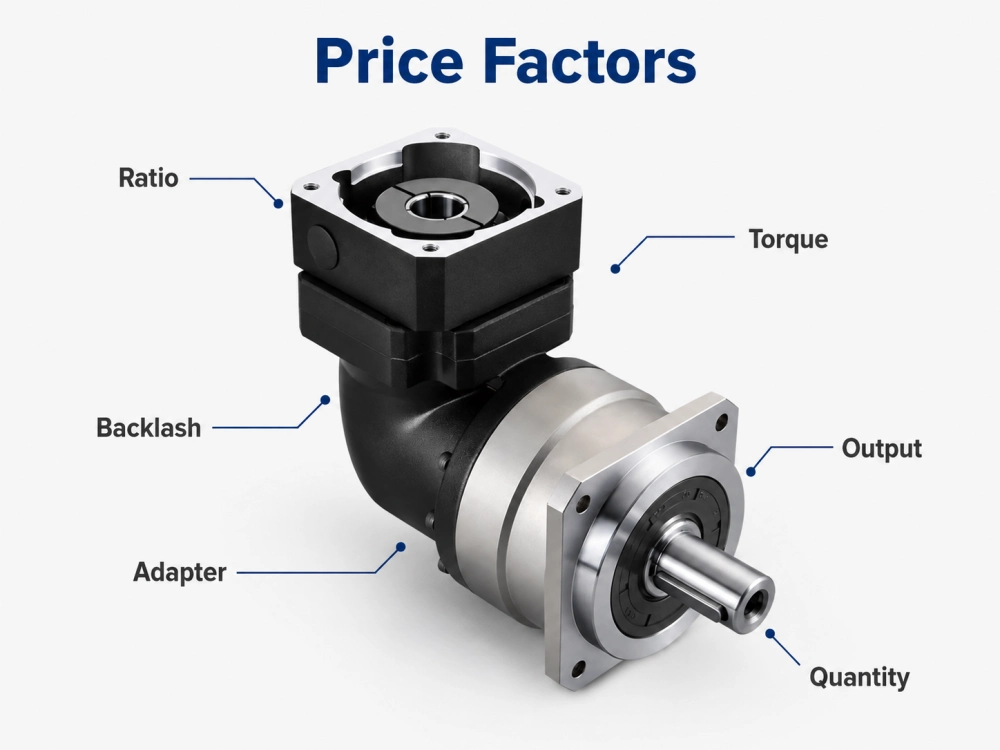
Important factors include:
- Gearbox frame size
- Reduction ratio
- Rated torque and peak torque
- Backlash level
- Input speed
- Output shaft or flange type
- Bearing support structure
- Motor adapter requirements
- Quantity and delivery schedule
- Customization level
If a quotation is based only on the ratio, it may not reflect the real working condition of the machine.
Frame Size and Torque Capacity
Frame size is one of the most direct factors affecting planetary gearbox cost.
A larger gearbox usually contains larger gears, stronger bearings, a larger housing and higher torque capacity. It also requires more material and more machining time.
However, choosing the cheapest small frame size is not always the best choice. If the gearbox is undersized, it may run hotter, wear faster, create more backlash growth or fail under repeated acceleration and stopping.
For industrial automation, buyers should compare gearbox price together with torque margin and service life. A slightly larger or stronger gearbox may reduce replacement cost and machine downtime over the long term.
Reduction Ratio and Stage Count
Gear ratio also affects price.
Some ratios can be made with one planetary stage. Higher ratios may require two or more stages. A multistage gearbox uses more gears, more bearings, more assembly work and more inspection steps.
This is why a 5:1 gearbox and a 100:1 gearbox in the same general product family may not have the same cost structure.
But ratio should not be selected only based on price. It must match motor speed, output speed, torque demand, duty cycle and positioning requirement.
For ratio selection details, see our guide on gear reducer ratio selection.
Backlash Grade and Precision Level
Backlash is one of the biggest reasons why planetary gearbox prices differ.
A standard gearbox used for simple speed reduction may allow a higher backlash range. A precision planetary gearbox used in servo positioning, CNC machinery, robotics or inspection equipment usually requires tighter backlash control.
Lower backlash often requires:
- More accurate gear machining
- Better gear tooth contact control
- More precise carrier and housing machining
- Controlled bearing preload
- More careful assembly and inspection
These steps increase manufacturing cost, but they also improve positioning stability and repeatability.
This does not mean every machine needs the lowest backlash grade. Buyers should choose the backlash level according to the real application. Paying for ultra-low backlash in a simple conveyor may not be necessary, while choosing a loose gearbox for a precision servo axis can create real performance problems.
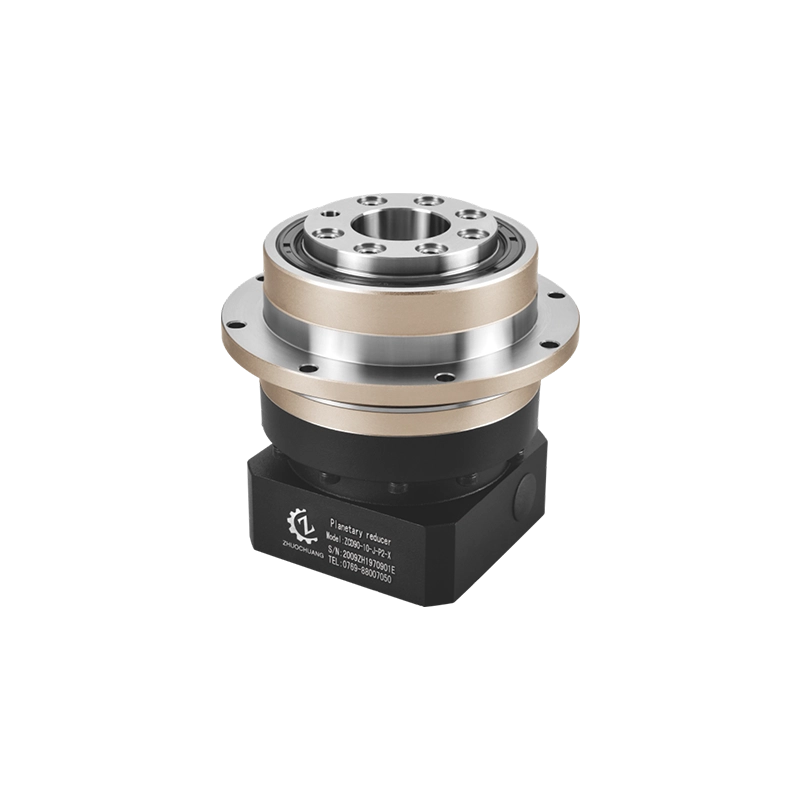
Output Type: Shaft, Flange or Hollow Structure
The output structure also changes planetary gearbox price.
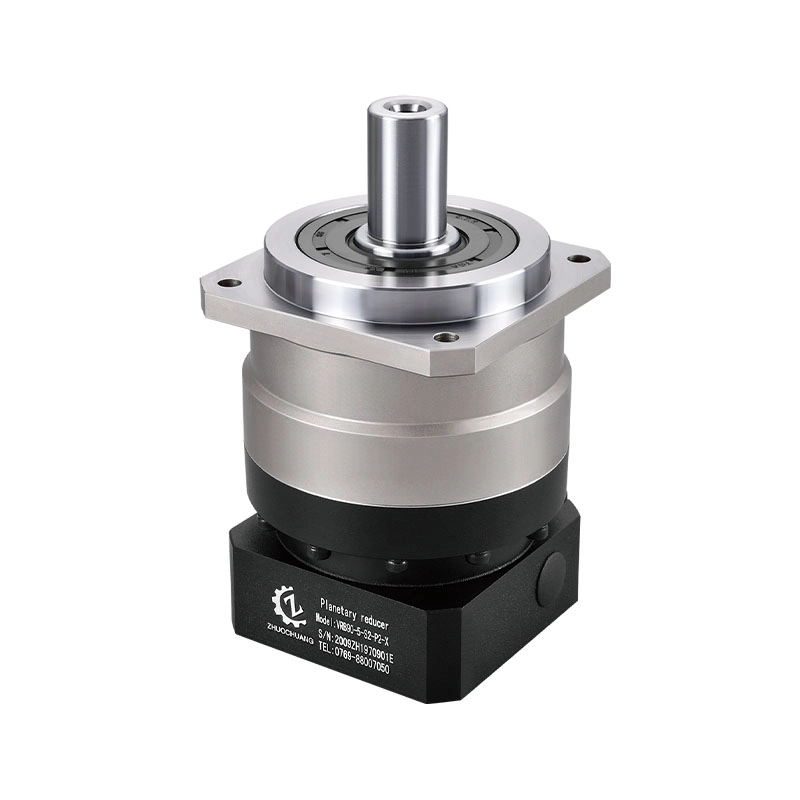
A simple output shaft may be suitable for many standard machines. Other applications may require flange output, keyway, special shaft length, reinforced bearing support or a specific mounting interface.
Flange output and reinforced output structures often cost more because they must support not only torque, but also radial load, axial load or moment load from the machine.
Before comparing price, buyers should confirm how the gearbox output connects to the load. A low-cost unit may look attractive, but if it cannot support the load direction or mounting structure, it may become more expensive after redesign or replacement.
Bearing Design and Load Support
Bearing design is often hidden inside the gearbox, but it strongly affects cost and service life.
In many real applications, the gearbox output is connected to pulleys, belts, chains, turntables, indexing plates or rotary mechanisms. These parts may create radial load, axial load or overhung load.
If the bearing structure is too weak, the gearbox may develop noise, vibration, heat or early wear.
A gearbox with stronger bearing support may have a higher purchase price, but it can be more suitable for machines that need stable long-term operation.
Input Adapter and Motor Matching
Servo motors, stepper motors and other motors may have different flange sizes, shaft diameters, pilot dimensions and mounting hole patterns.
If the gearbox needs a special input adapter, the price may change.
This is especially common in OEM projects where the buyer needs the gearbox to match a specific motor brand or machine design. A proper adapter helps improve assembly accuracy, reduce vibration and prevent installation problems.
When requesting a quotation, buyers should provide the motor model, flange size, shaft diameter and installation drawing if available.
Customization Requirements
Customization is another important price factor.
Some customization is simple, such as changing an input flange or providing a different output shaft length. Other customization may involve a new mounting pattern, special housing design, OEM labeling, special lubrication, different material treatment or batch production control.
Custom planetary gearbox price depends on:
- How much the standard structure must change
- Whether new drawings are required
- Whether special tooling is needed
- Order quantity
- Testing requirements
- Lead time expectations
For buyers, the best approach is not to ask only for the lowest price. It is better to send clear drawings, application details and quantity expectations so the supplier can judge whether a standard model, modified model or custom solution is more reasonable.
Inspection and Quality Control
Planetary gearbox cost also reflects manufacturing control.
Precision gearboxes require inspection of machining accuracy, gear quality, backlash, no-load running condition, assembly consistency and sometimes noise or torque performance.
A gearbox without proper inspection may look cheaper at the quotation stage. But if the reducer creates noise, backlash growth, heat or early failure, the real cost becomes much higher.
For OEM buyers, stable quality is often more important than a small difference in unit price.
Quantity and Delivery Schedule
Order quantity can affect planetary gearbox price.
A single sample order often has a higher unit cost because engineering review, drawing confirmation, packaging and internal processing time are spread over a small quantity.
Batch production can reduce unit cost when the model, adapter, output structure and inspection requirements are stable.
Delivery schedule also matters. Urgent production, special customization or non-standard parts may affect price and lead time.
Low Price vs Right Price
A low price is not always a bad thing. A standard gearbox for a simple application should not be unnecessarily expensive.
But the right price should match the application risk.
For example:
- A light conveyor may use a standard gearbox.
- A servo positioning axis may need lower backlash.
- A rotary table may need stronger bearing support.
- A high-speed system may need better efficiency and heat control.
- An OEM machine may need motor adapter and output customization.
The cheapest gearbox is only useful if it can meet the real machine requirements. Otherwise, the buyer may pay later through downtime, rework, replacement or poor machine performance.
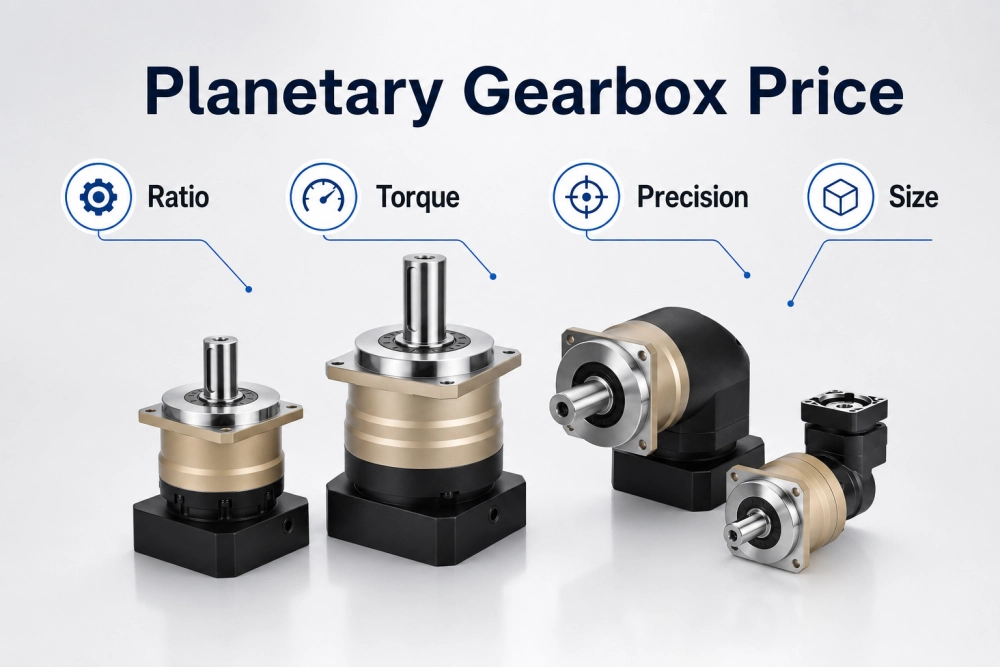
What Buyers Should Send Before Asking for Price
To receive an accurate quotation, buyers should prepare more than a model name.
The most useful information includes:
- Machine type and application
- Motor brand and motor model
- Required reduction ratio
- Output torque and peak torque
- Input speed and output speed
- Backlash requirement
- Output shaft or flange requirement
- Mounting space and installation direction
- Radial load or axial load if available
- Working cycle and daily running time
- Quantity and delivery schedule
- Drawing, sketch or machine photo
This information allows the supplier to recommend a suitable gearbox instead of simply quoting a random size.
How Zhuochuang Helps Buyers Compare Planetary Gearbox Price
PlanetDrivePro is the international platform operated by Zhuochuang, the brand of Dongguan Zhuochuang Precision Machinery Co., Ltd.
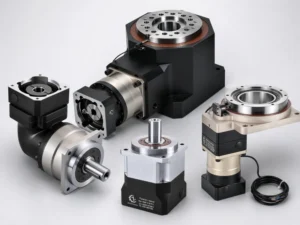
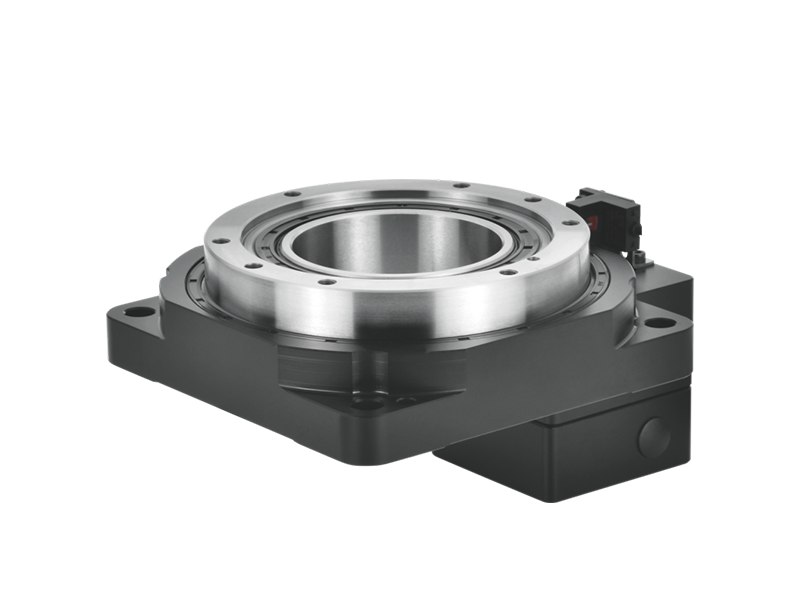
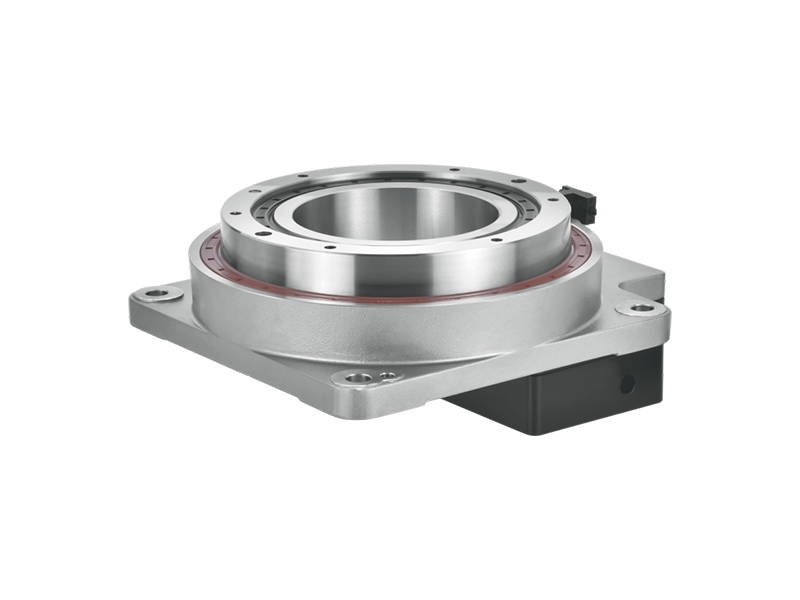
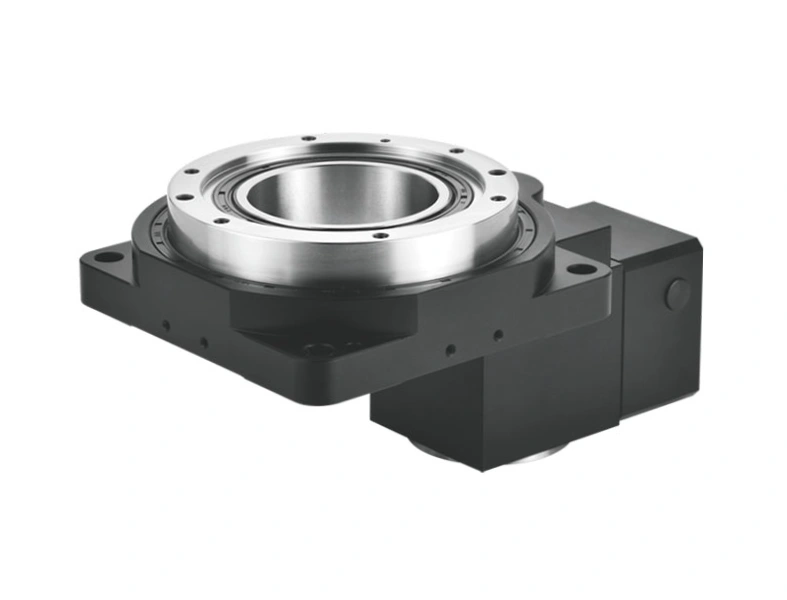
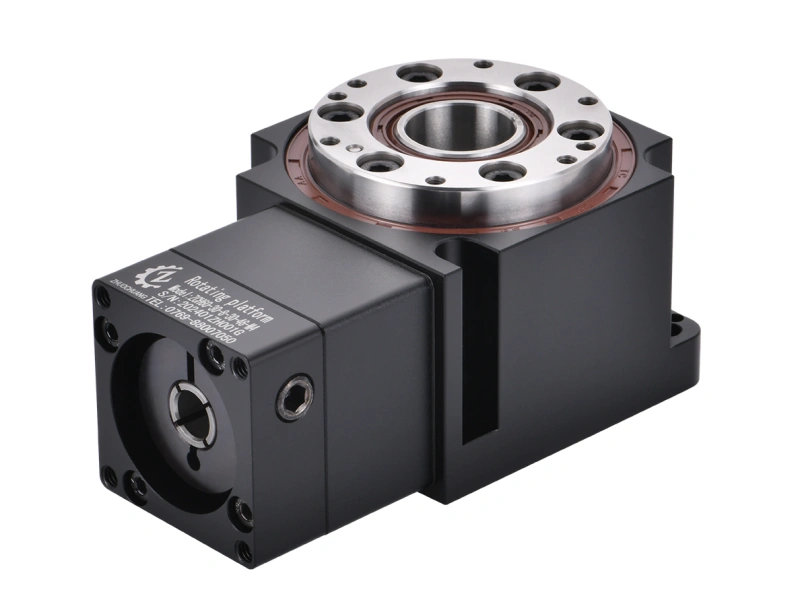
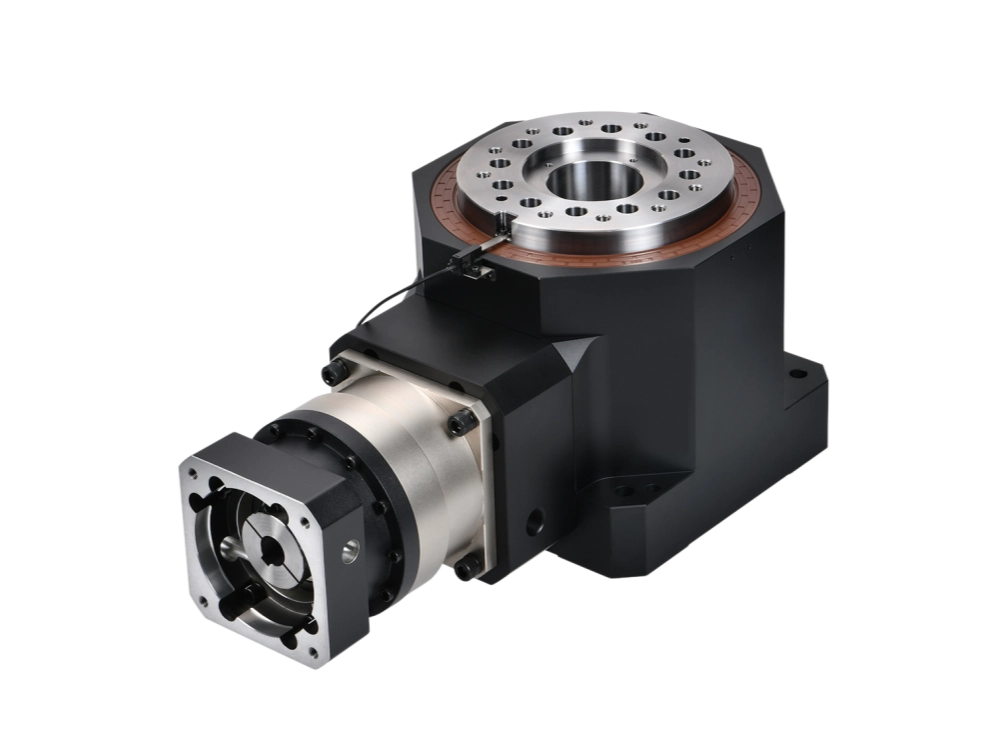
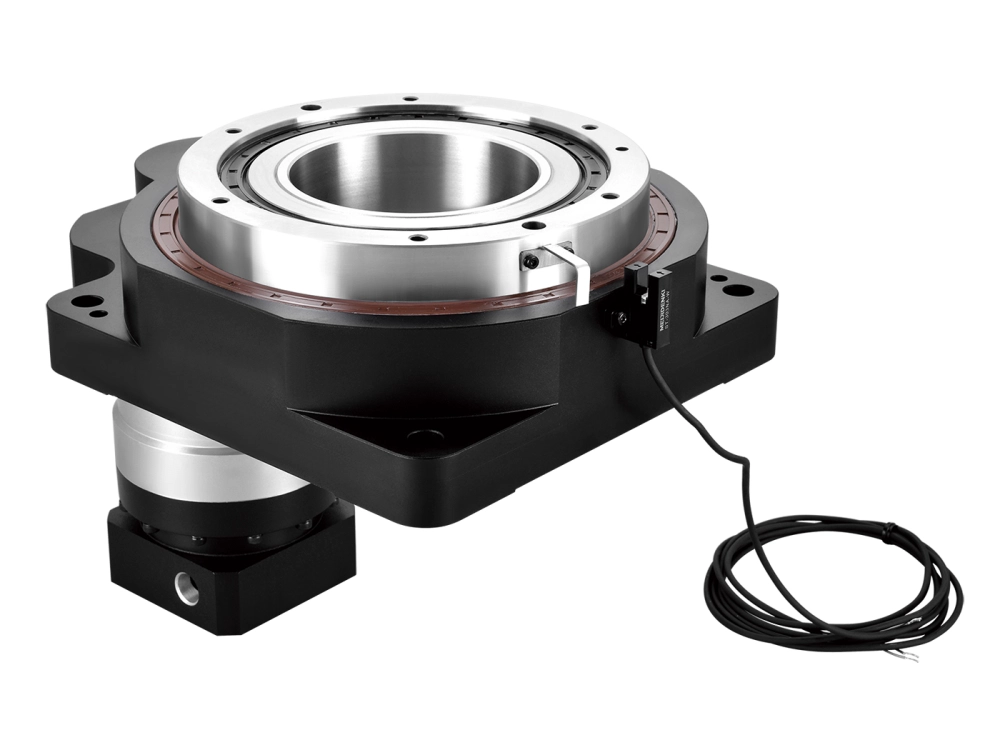
Zhuochuang supplies precision planetary gearboxes and hollow rotary tables for automation equipment, robotics, CNC machinery, packaging machines and positioning systems.
When buyers ask for planetary gearbox price, our team does not only check ratio and frame size. We also review motor matching, torque requirement, backlash level, input speed, output structure, duty cycle, bearing load and customization needs.
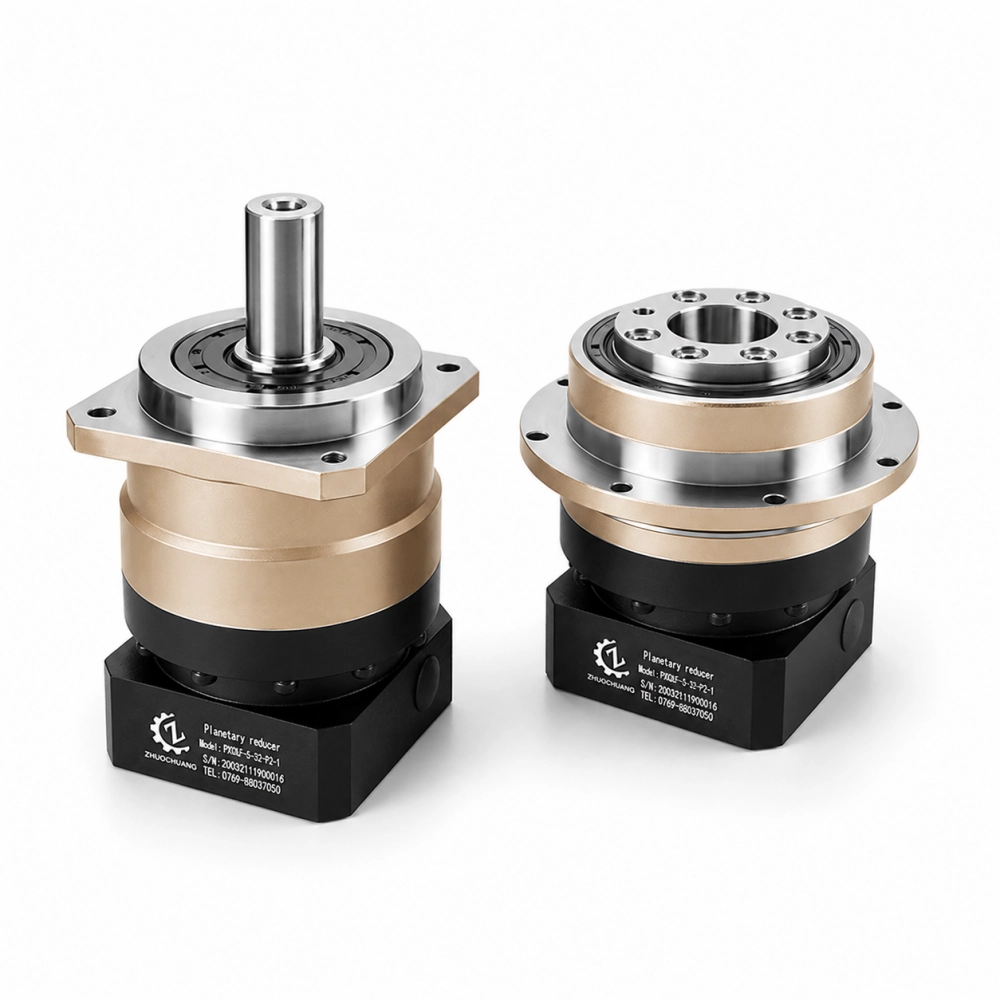
For standard inline and right-angle applications, you can review our precision planetary gearbox products.
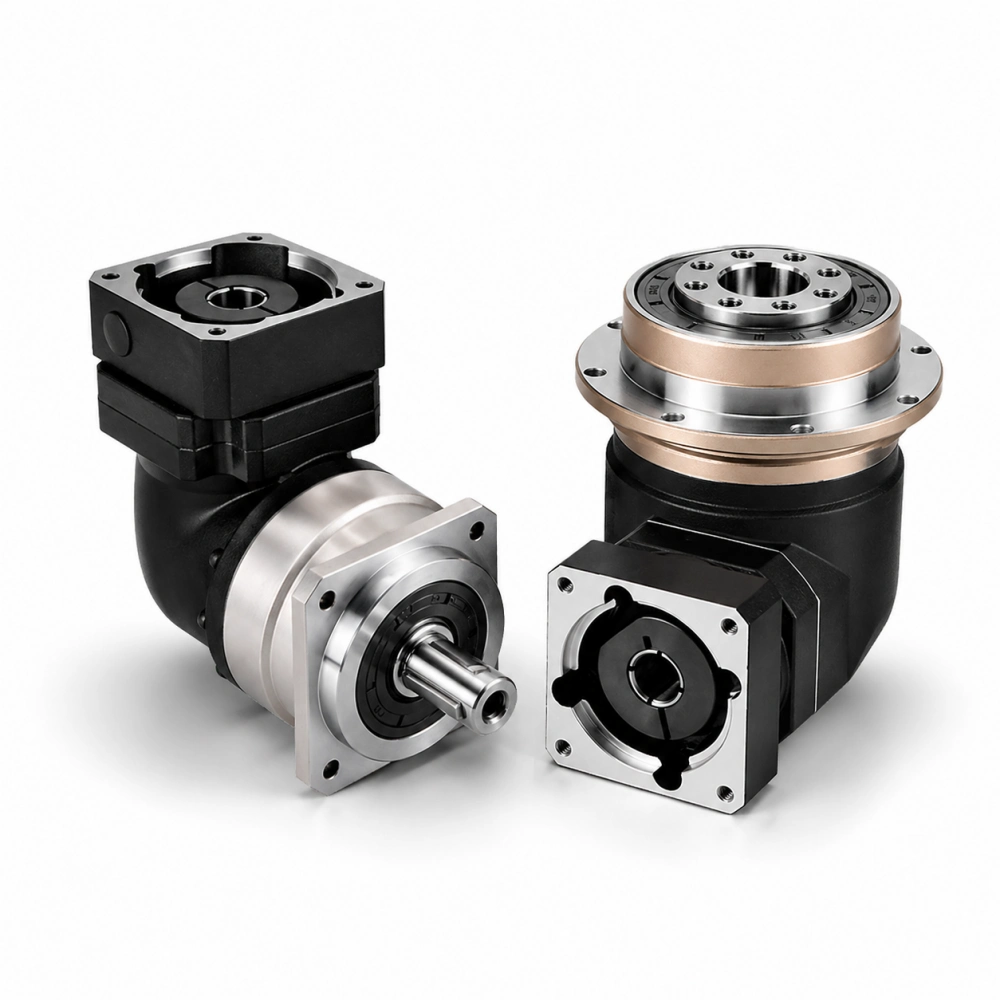
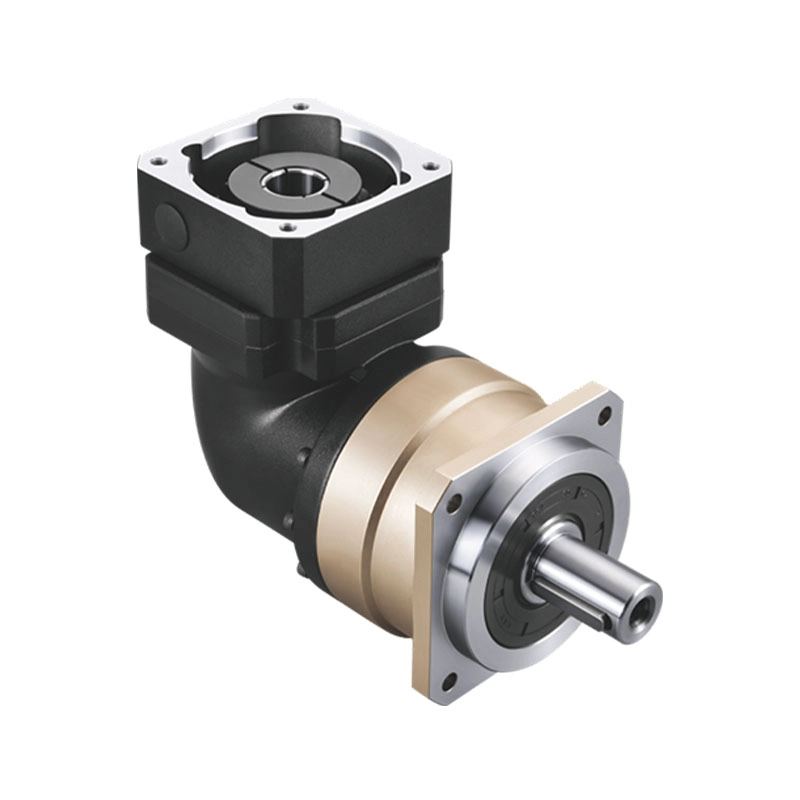
For applications requiring 90-degree installation, see our right angle planetary gearbox series.
If your project needs a price estimate based on drawings, motor data or application details, you can contact Zhuochuang through PlanetDrivePro.
External Reference for Gearbox Buyers
For buyers comparing general planetary drive options, this external resource may also be useful: Planetary Drive Solutions.
This external link is only for broader topic reference. For Zhuochuang product selection or quotation, please use the product and contact pages on PlanetDrivePro.
Related Blog
- Gear Reducer Ratio Mistakes That Affect Machine Performance
- Planetary Gearbox Efficiency: Values, Losses and Factors
- High Torque Planetary Gearbox Selection Guide
- Planetary Gear Reducer vs Planetary Gearbox Explained
FAQ About Planetary Gearbox Price
Why do planetary gearbox prices vary so much?
Prices vary because of frame size, ratio, torque capacity, backlash grade, bearing structure, output type, motor adapter, customization level, inspection process and order quantity.
Is a low-cost planetary gearbox suitable for servo automation?
It depends on the application. Simple speed reduction may not need a premium reducer, but servo positioning, CNC machinery, robotics and inspection systems usually require better backlash control, rigidity and consistency.
Does lower backlash increase planetary gearbox price?
Usually yes. Lower backlash requires more accurate gear machining, better assembly control, stronger carrier structure and more inspection steps.
What information is needed for an accurate planetary gearbox quotation?
Buyers should provide motor model, ratio, torque, speed, backlash requirement, mounting dimensions, output structure, working cycle, quantity and drawings if available.
Is a custom planetary gearbox more expensive than a standard model?
A custom gearbox may cost more if it requires new drawings, special output structure, special adapter, tooling or extra inspection. For repeated OEM production, customization can still be cost-effective if it improves assembly and machine reliability.
Should I compare planetary gearbox price only by size and ratio?
No. Size and ratio are only part of the comparison. Buyers should also compare torque margin, backlash, bearing load, efficiency, service life, motor matching and supplier support.
Final Thought
Planetary gearbox price is not only a number on a quotation sheet.
It reflects design structure, machining quality, precision level, bearing support, customization requirement, inspection standard and supplier capability.
For industrial buyers, the best choice is not always the cheapest gearbox. The better choice is the gearbox that fits the machine, supports the required performance and reduces long-term operating risk.
If you are comparing planetary gearbox cost for an automation project, send your motor data, drawings, ratio, torque and application details. Zhuochuang can help review the requirement and recommend a suitable solution through PlanetDrivePro.