
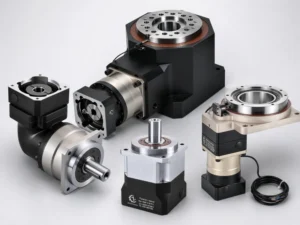
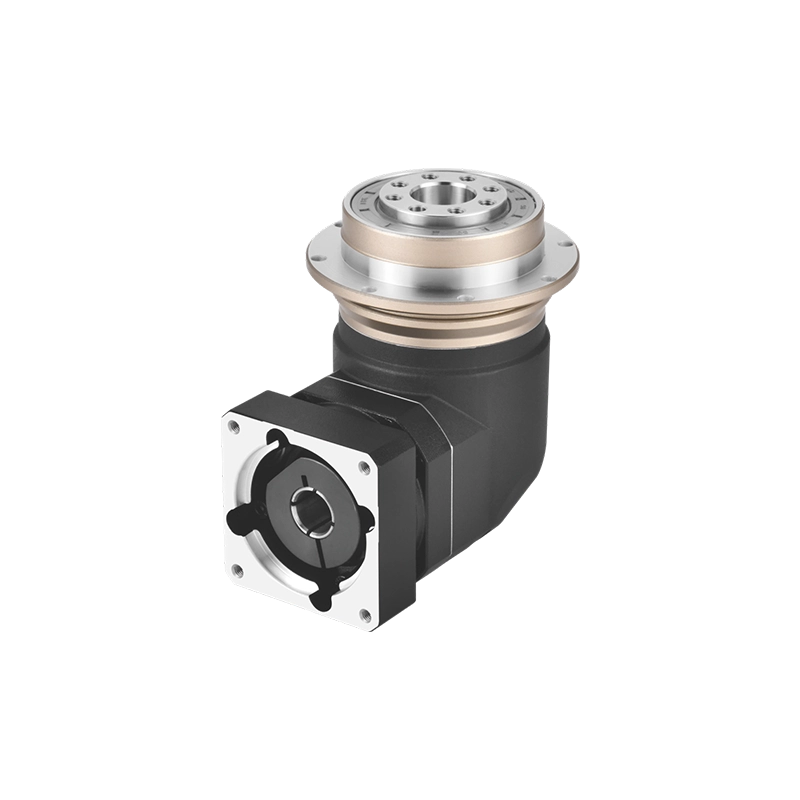
Most servo gearbox manufacturers publish similar claims: low backlash, high torque, compact construction and reliable precision. These claims are useful for initial screening, but they do not tell an OEM buyer whether the gearbox drawing is correct for a specific servo motor, whether a production unit will match the approved sample, or what evidence will be supplied when a problem occurs.
For machine builders, automation integrators and repeat-volume buyers, the better question is not simply, “Which manufacturer has the lowest backlash?” It is:
Which manufacturer can convert an application requirement into a verifiable gearbox specification and reproduce that result across future production batches?
This guide explains how to evaluate servo gearbox manufacturers through technical evidence, sample acceptance and production consistency. It intentionally focuses on supplier verification rather than repeating the full gearbox-sizing process. For ratio, torque, inertia and motor matching calculations, use our separate servo planetary gearbox matching guide.
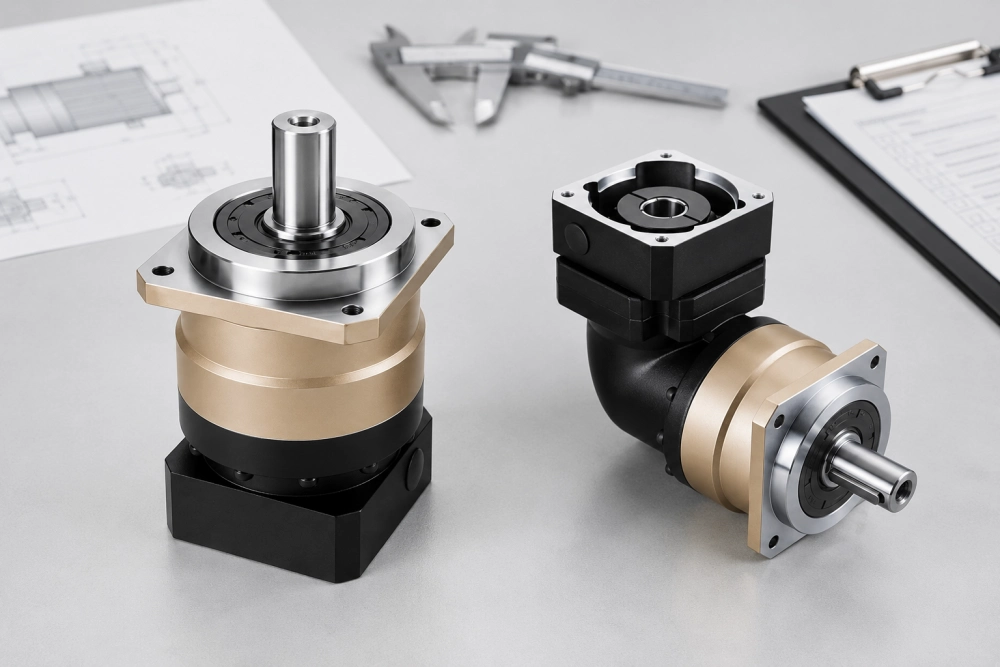
Quick Answer: What Makes a Servo Gearbox Manufacturer Reliable?
A reliable servo gearbox manufacturer should be able to define the offered model clearly, confirm the motor and output interfaces, state the conditions behind its performance ratings, provide an approval drawing before production, and maintain the approved configuration during repeat orders.
For an OEM project, assess five areas together:
- Specification clarity: Are backlash, torque, speed and load ratings attached to an exact model and operating condition?
- Mechanical compatibility: Does the manufacturer confirm the servo shaft, pilot, flange, bolt pattern and output connection?
- Sample verification: Is there a practical acceptance plan for the prototype or first article?
- Configuration control: Can the supplier identify what was approved and prevent unreported substitutions?
- Corrective support: If performance changes, can the supplied unit and production batch be identified and investigated?
A low quotation or an attractive catalog value cannot replace these controls.
Manufacturer, Supplier or Distributor: Know Who Controls the Result
The terms manufacturer, supplier and distributor are often mixed together in search results. All three can be useful, but they do not necessarily control the same parts of the transaction.
| Source type | Typical role | What the buyer should confirm |
|---|---|---|
| Servo gearbox manufacturer | Produces or controls the gearbox configuration and its technical documentation | Exact manufacturing scope, drawing approval, inspection method and change control |
| Servo planetary gearbox supplier | Quotes and delivers the product; may be a manufacturer or trading company | Who owns the product data, who approves customization and who handles technical deviations |
| Distributor | Provides local availability, commercial service or regional technical support | Manufacturer authorization, model traceability, warranty path and access to current drawings |
Buying through a distributor is not automatically a disadvantage. Local stock and support may be valuable. However, an OEM buyer should know who has authority to approve a modified adapter, interpret a test result or authorize a production change.
When comparing servo gearbox manufacturers, ask one direct question: Who controls the drawing and final product configuration supplied under this part number?
Build an Evidence Chain Instead of Collecting Claims
Not every piece of information has the same value. A marketing page may indicate product positioning, while an approved drawing controls physical compatibility. A catalog may show a family-level rating, while a sample report can document one actual unit.
A useful evidence chain progresses from general information to order-specific confirmation:
| Evidence level | Example | What it establishes |
|---|---|---|
| Product-family information | Catalog page or series overview | Available configurations and preliminary performance range |
| Model-specific data | Datasheet, dimensional drawing or model code | The exact frame, ratio, output style and nominal ratings |
| Application confirmation | Motor drawing review and selection record | Whether the proposed unit fits the named motor and operating requirement |
| Sample evidence | First-article measurements or buyer inspection | Whether the supplied sample matches agreed acceptance points |
| Production evidence | Lot identification and final inspection record | Whether repeat units remain tied to the approved configuration |
A long list of certificates cannot compensate for a missing gearbox drawing. Likewise, one satisfactory sample does not prove that later batches will remain unchanged. The strongest supplier evaluation connects all five levels.
Ask What the Specification Means—and Under Which Conditions
Buyers of precision servo gearboxes frequently compare numbers that were not defined or tested in the same way. Before ranking suppliers, make each quotation answer the same technical questions.
Backlash
Confirm whether the stated value is a maximum limit, typical value or precision grade. Ask whether it applies to the complete gearbox at the output and whether a specified measurement torque is used.
Backlash is important, but it should be connected to the machine’s error budget. Ordering the smallest available number does not automatically improve the complete axis if coupling clearance, frame deflection, ballscrew error or fixture movement is larger.
If you need a detailed explanation of lost motion and positioning effects, refer to the separate low backlash planetary gearbox guide. This manufacturer-evaluation page is concerned with how the promised grade is defined and verified.
Rated, acceleration and emergency torque
Request distinct values rather than one unlabeled “maximum torque” figure. Rated output torque, short-duration acceleration torque and emergency-stop capability serve different purposes and should not be substituted for one another.
The quotation should also identify the ratio and frame size to which each value applies. A product-family maximum may belong to a different ratio or configuration than the unit being purchased.
Input speed and thermal conditions
Input-speed capability should be reviewed with operating duration, mounting orientation, ambient temperature and motion cycle. A short intermittent move and continuous high-speed operation do not create the same thermal condition.
A responsible servo planetary gearbox supplier should request the real cycle when catalog limits do not clearly describe the application. If the project is thermally demanding, define how the prototype will be observed in the assembled machine instead of relying only on an unloaded bench run.
Torsional stiffness and output loading
For a reversing servo axis, mechanical stiffness can affect settling and response even when the measured backlash is low. Radial load, axial load and overturning moment can also determine whether the output bearing arrangement is suitable.
Ask whether stiffness and load values describe the exact output configuration. A shaft-output gearbox, flange-output gearbox and right-angle unit may have different mechanical boundaries even if their nominal frame numbers are similar.
Motor-Interface Engineering Is a Practical Manufacturer Test
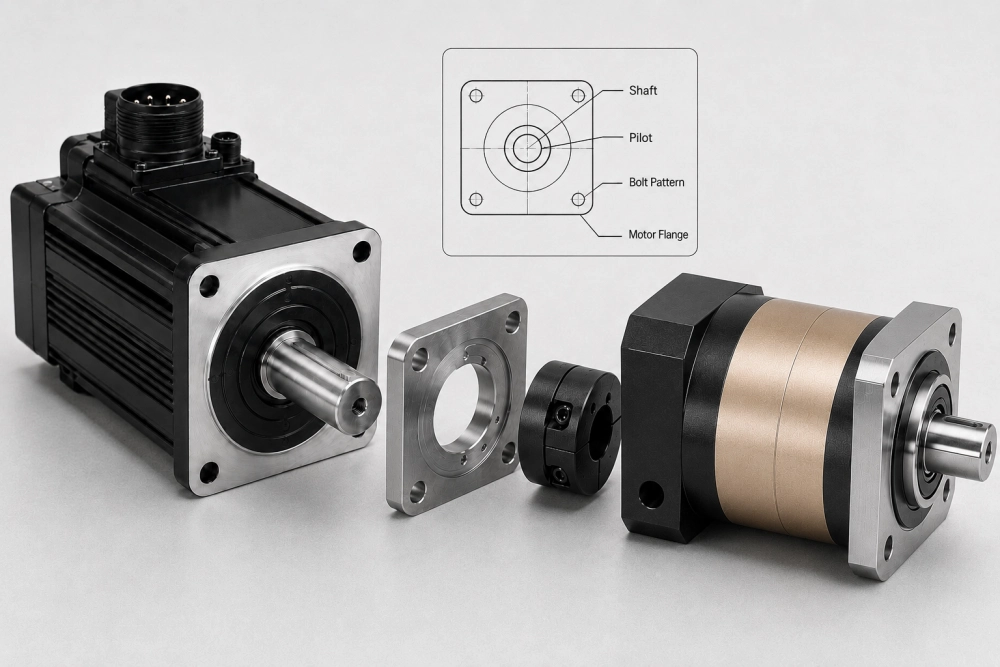
Motor matching is one of the quickest ways to distinguish a catalog seller from an application-capable supplier. “Suitable for a 750 W servo motor” is not enough because motors with the same power can have different shafts, pilots, flange sizes and bolt patterns.
Before approving the order, the manufacturer should confirm:
- Complete servo motor manufacturer and model number
- Motor shaft diameter and usable shaft length
- Key, flat or smooth-shaft configuration
- Motor pilot diameter and pilot depth
- Flange dimensions and mounting-hole pattern
- Coupling bore or input connection
- Adapter-plate dimensions and fasteners
- Required clearance for installation and assembly
An adapter plate can solve certain dimensional differences, but it cannot correct an unsuitable gearbox speed rating, insufficient torque capacity or poor shaft engagement. Mechanical fit and application suitability must both be confirmed.
PlanetDrivePro’s electric motor gear reducer guide explains motor-interface dimensions in greater detail. In the manufacturer audit, the objective is simpler: obtain one approved interface drawing tied to the exact motor model.
Use a Sample to Retire Risks, Not Merely to Confirm Delivery
Many sample orders are wasted because the only acceptance criterion is that the gearbox can be mounted and rotated. A more useful prototype plan checks the risks that could block machine commissioning or later production.
Before ordering the sample, agree on a short acceptance table:
| Acceptance item | Suggested evidence | Reason |
|---|---|---|
| Model and ratio | Nameplate, order code and manual rotation check | Prevents configuration errors |
| Motor interface | Approved drawing and physical assembly | Confirms shaft engagement, pilot fit and fastener access |
| Output interface | Critical-dimension inspection | Protects coupling, pulley, pinion or machine-flange compatibility |
| Backlash grade | Agreed measurement or supplier record | Links the delivered unit to the quoted precision class |
| Machine cycle | Run in the intended acceleration, speed and reversing profile | Reveals application-specific noise, heat or settling behavior |
| Mounting orientation | Operation in the production position | Confirms practical integration and lubricant/seal behavior |
| Documentation | Final drawing, model code and revision | Creates the reference for repeat orders |
The test does not need to be unnecessarily complicated. It needs to be agreed in advance and tied to the machine’s real failure risks.
Separate Sample Quality from Production Consistency
A carefully prepared prototype may perform well, but OEM sourcing succeeds only when production units remain compatible with the approved sample. This is where configuration control becomes more important than another marketing specification.
Ask potential servo gearbox manufacturers how they handle the following:
- Identification of the approved gearbox and adapter configuration
- Drawing or specification revision numbers
- Lot, batch or production-date identification
- Control of coupling bore and motor-interface dimensions
- Final checks applied to standard and customized units
- Advance notification when a material, component or process change affects fit or performance
- Retention of records needed to investigate a returned unit
Not every order requires the same documentation package. A one-off maintenance replacement and an annual OEM program have different risks. The buyer should specify the required level before comparing prices; otherwise, one supplier may be quoting a standard commercial unit while another includes additional inspection and documentation.
Evaluate Inline and Right-Angle Capability Separately
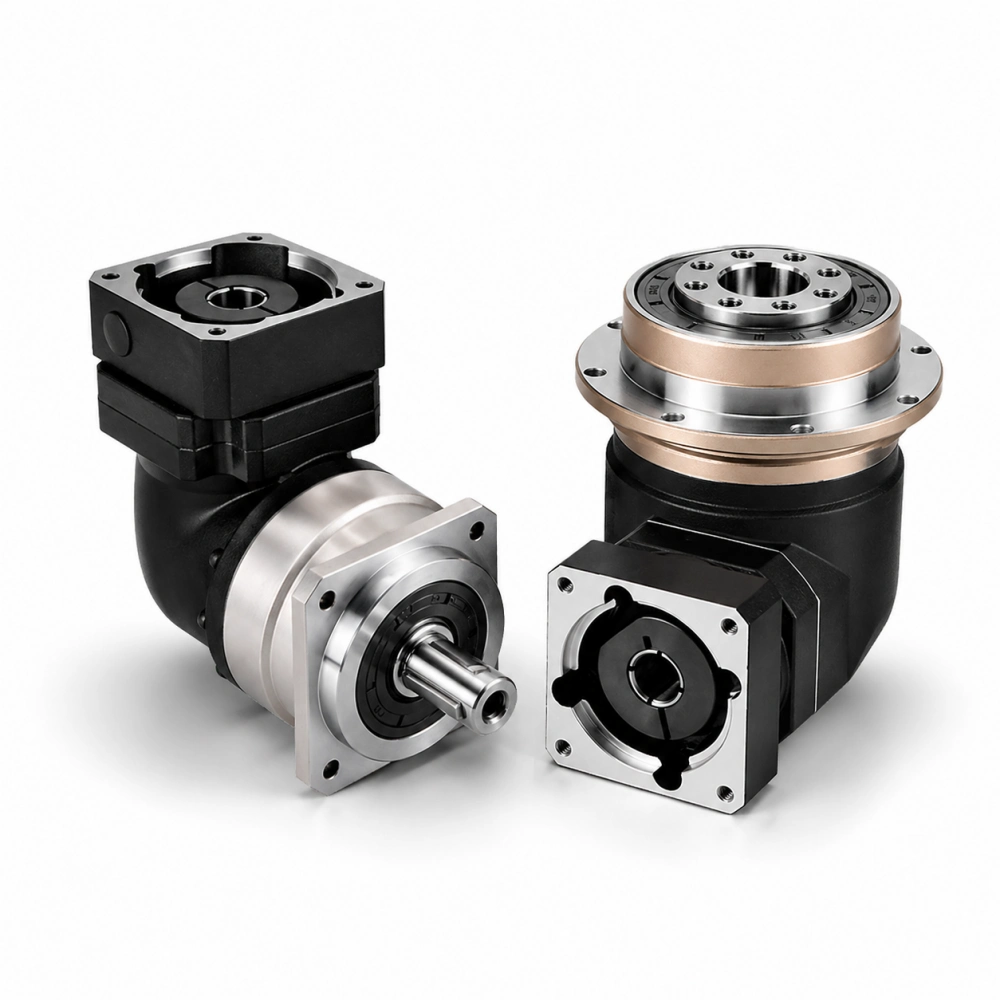
A company offering inline gearboxes should not automatically be assumed to have equivalent right-angle expertise. The layouts have different housings, input-output arrangements, interfaces and application constraints.
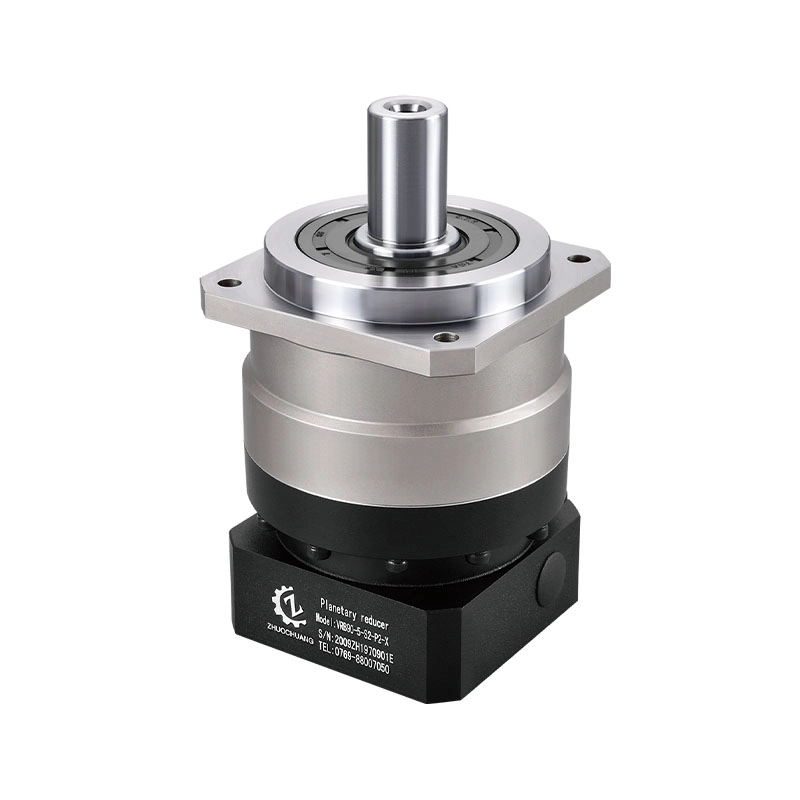
For a coaxial servo axis, review the manufacturer’s inline series, frame sizes, ratio availability and output connection. PlanetDrivePro lists its VRB Series inline planetary gearbox with model-code and motor-interface information.
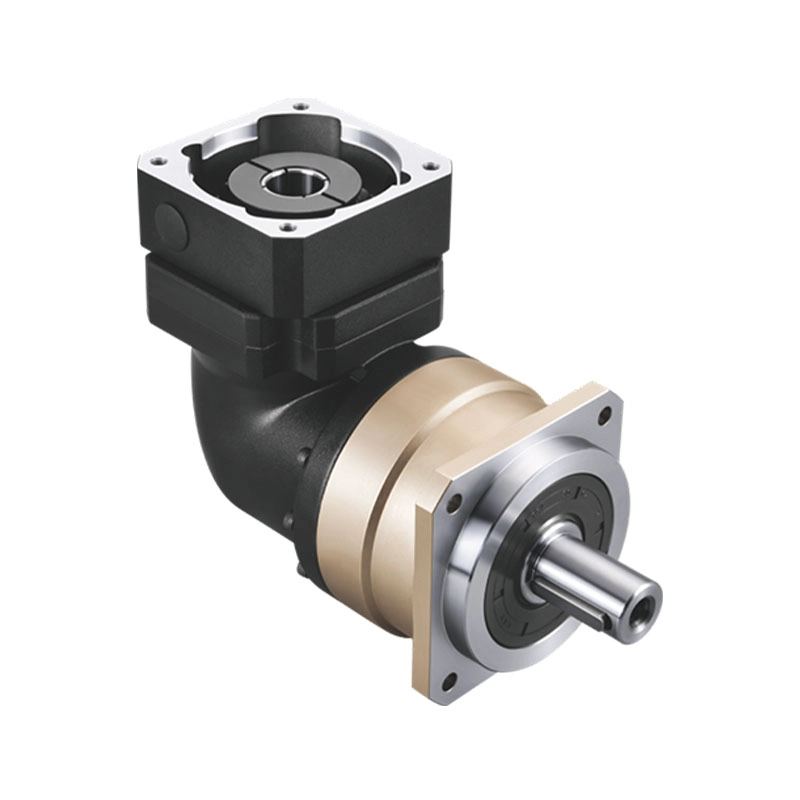
For a space-limited 90-degree axis, require a drawing of the complete orientation rather than approving the gearbox only from a front view. The ZCDR Series right angle planetary gearbox shows how shaft, pilot, bolt pattern and ratio information form part of the final selection.
If a supplier acts only as one of several right angle servo gearbox distributors, confirm whether dimensional modifications and technical deviations are approved by the original manufacturer or only interpreted by the reseller.
A Practical Servo Gearbox Manufacturer Scorecard
A scorecard helps prevent one attractive specification or one low price from dominating the decision. Weight each category according to the application rather than giving every item the same importance.
| Evaluation category | Questions to score | Possible weight |
|---|---|---|
| Technical definition | Are performance terms, model and operating conditions clear? | 20% |
| Interface accuracy | Is an exact motor and output drawing provided for approval? | 20% |
| Application review | Does the supplier identify missing torque, speed, load or cycle data? | 15% |
| Sample acceptance | Can the prototype be checked against agreed requirements? | 15% |
| Production consistency | Are revision, lot and configuration controls appropriate? | 15% |
| Corrective response | Is there a clear path for analyzing nonconforming units? | 10% |
| Commercial fit | Do price, quantity, lead time and support fit the project? | 5% |
These percentages are not universal. For a prototype machine, interface support and delivery may receive more weight. For repeat OEM production, configuration consistency and corrective response normally deserve greater attention.
What to Include in an RFQ for Precision Servo Gearboxes
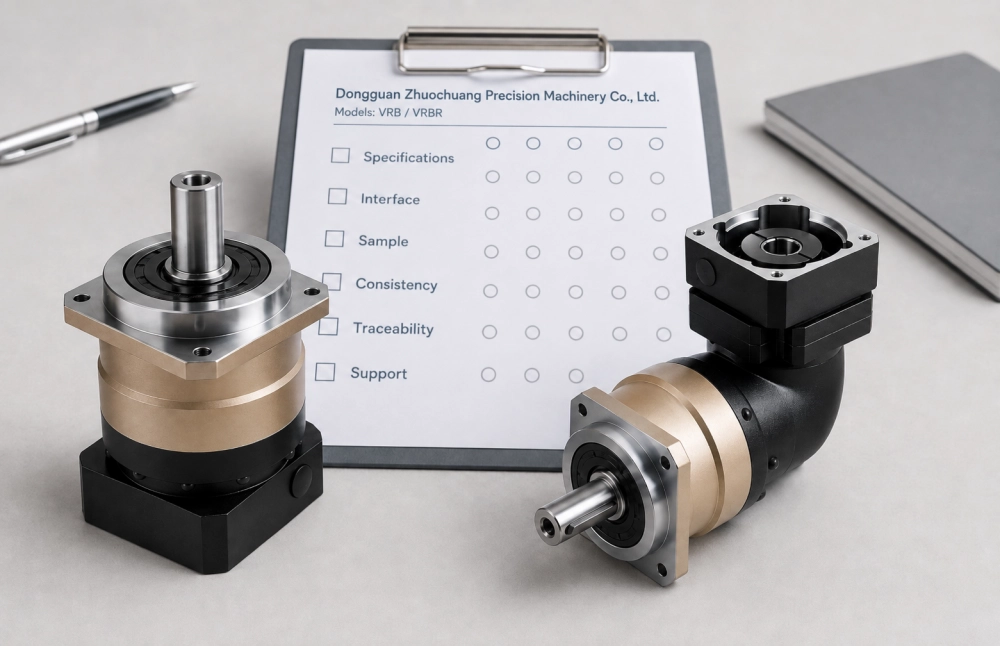
A vague RFQ produces quotations that are difficult to compare. Send the same requirement package to every shortlisted manufacturer.
- Machine function and axis description
- Servo motor brand, full model number and motor drawing
- Required output speed and preferred or calculated ratio
- Continuous, acceleration, reversing and emergency-stop torque
- Motion profile or cycles per minute
- Required backlash or complete positioning requirement
- Radial load, axial load and load application distance
- Inline or right-angle installation
- Output shaft, flange, pulley, coupling or pinion details
- Ambient conditions and mounting orientation
- Sample quantity, expected annual quantity and delivery schedule
- Required drawings, inspection records and labeling
Ask every bidder to identify assumptions and exceptions. A quotation that simply says “complies” is less useful than one that clearly states which requirements are confirmed, which require testing and which fall outside the proposed model’s capability.
Working with Dongguan Zhuochuang Precision Machinery Co., Ltd.
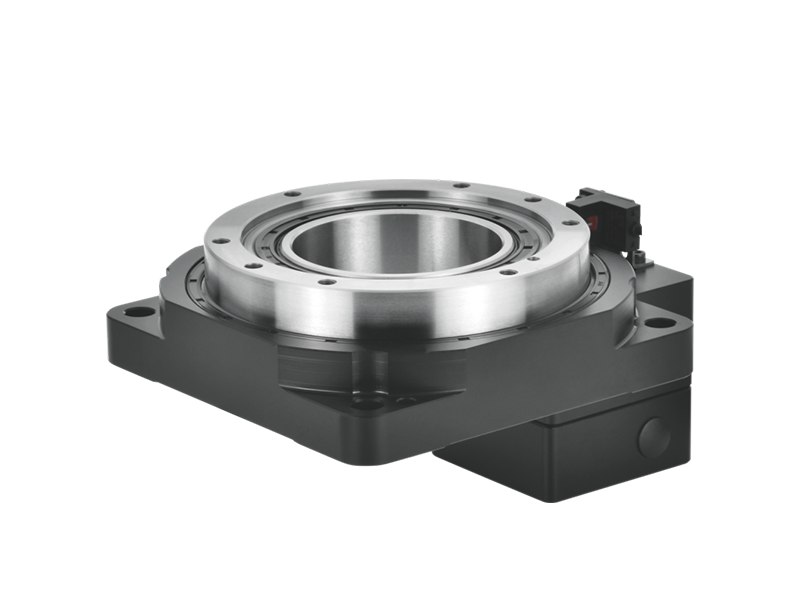
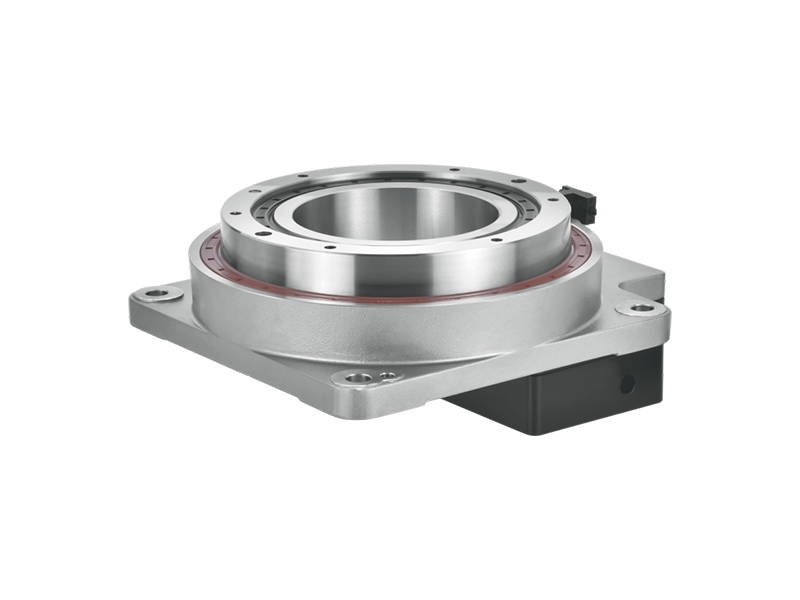
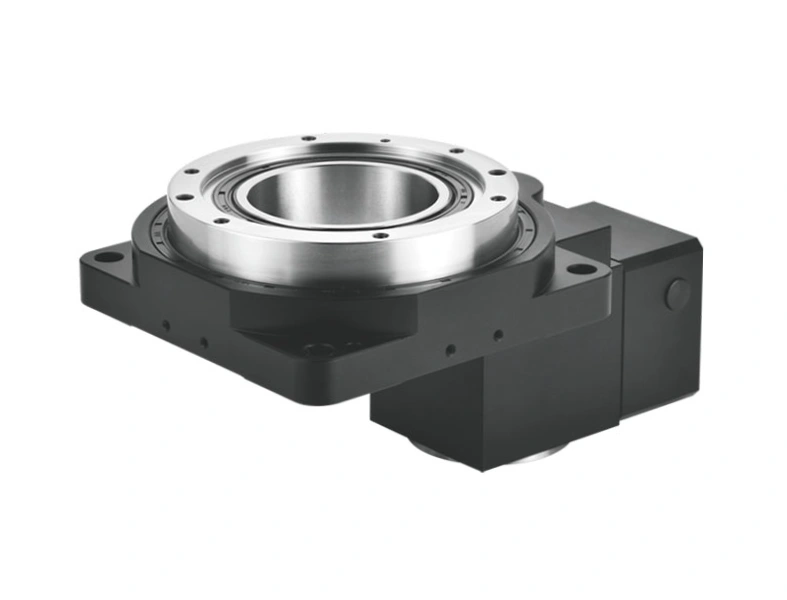
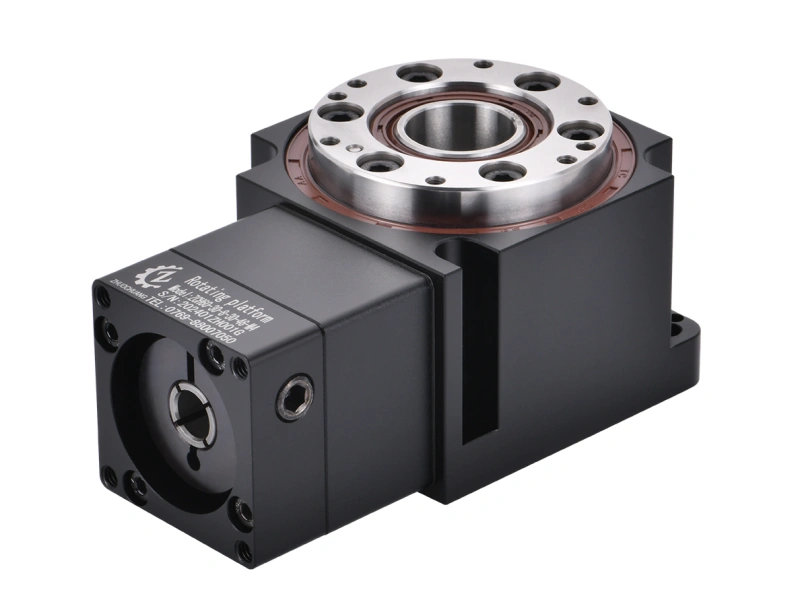
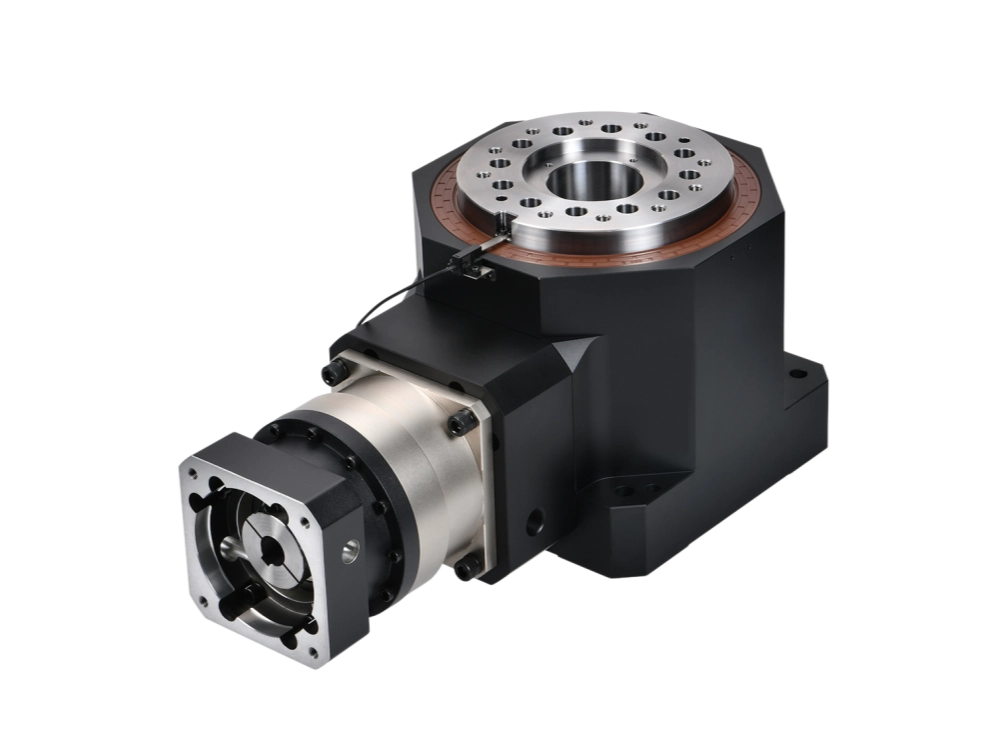
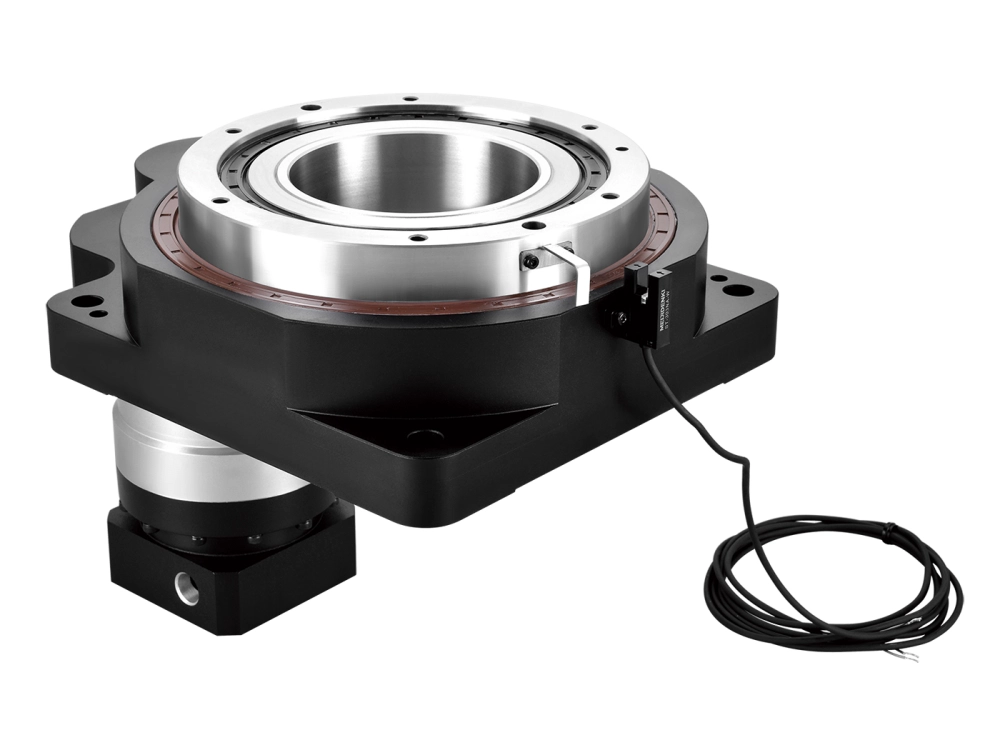
PlanetDrivePro is the official international website of Dongguan Zhuochuang Precision Machinery Co., Ltd. Zhuochuang manufactures inline and right-angle precision planetary gearboxes for servo-driven automation and motion-control applications, as well as hollow rotary tables for precision rotary systems.
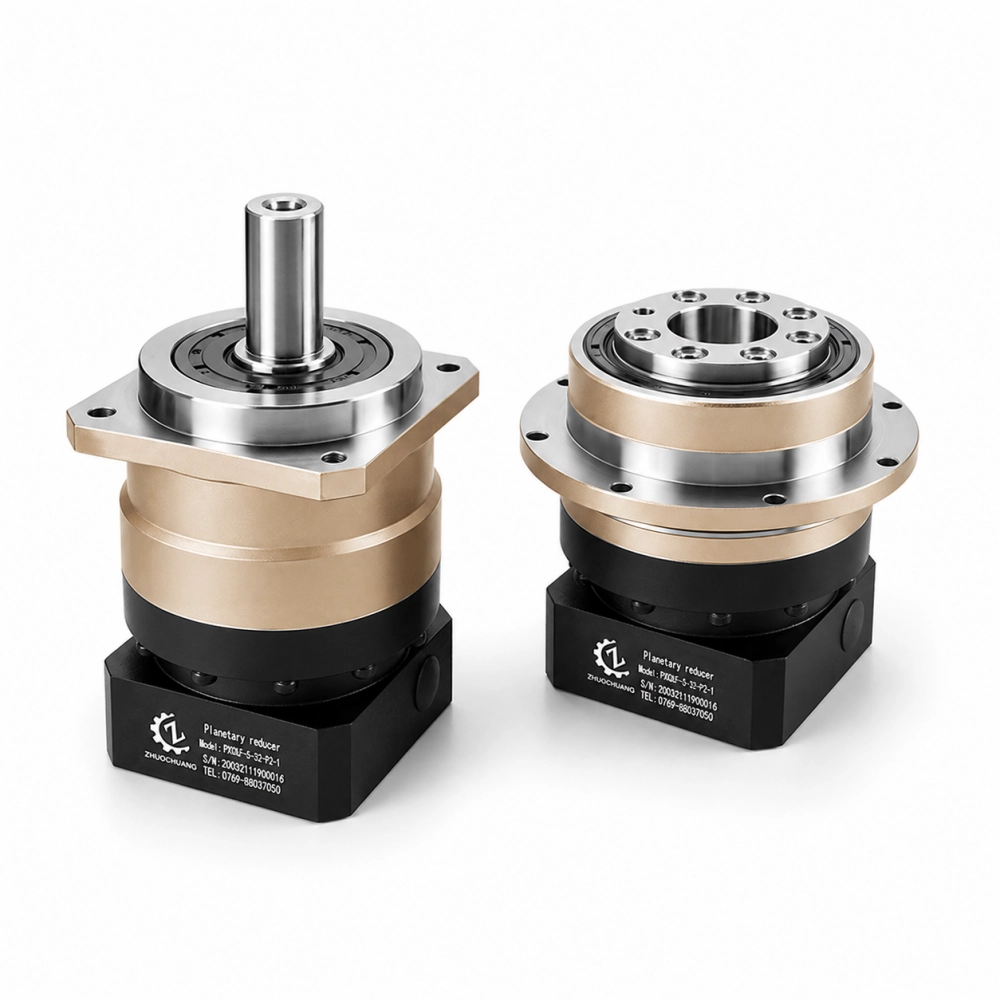
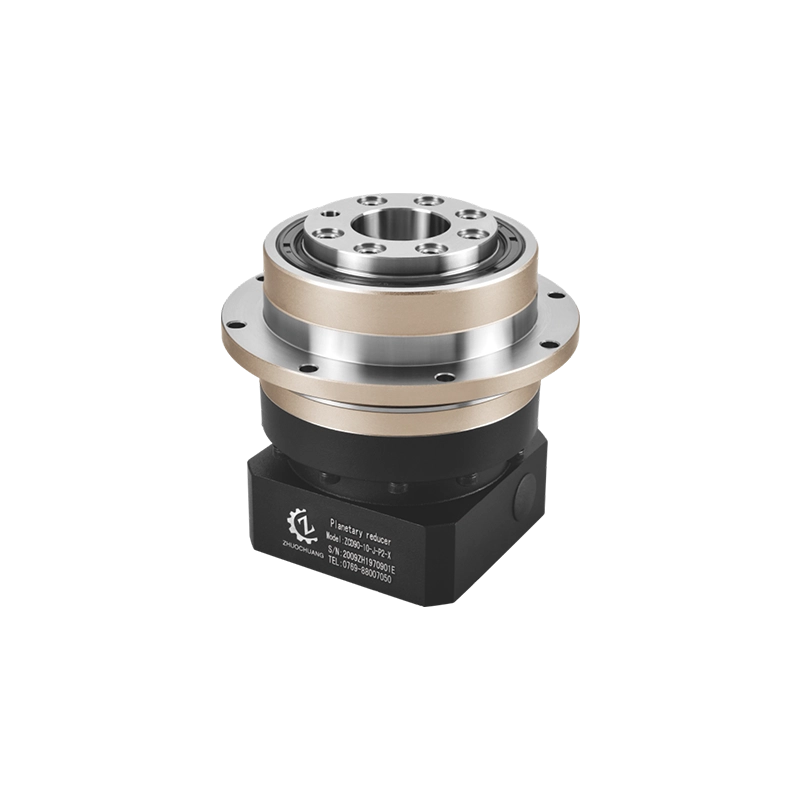
Our planetary gearbox range includes the VRB and ZCD inline series and the VRBR and ZCDR right-angle series. Buyers can compare these configurations through the precision planetary gearbox product range.
For an application review, send the complete servo motor model, motor drawing, required ratio or output speed, torque information, load arrangement, installation space and expected quantity. Zhuochuang can then review the product series, frame, ratio and motor-interface configuration before quotation.
Request a Servo Gearbox Manufacturer Review
Send your motor drawing and operating requirements for an inline or right-angle planetary gearbox recommendation. For a standard RFQ with sufficient technical information, our team aims to provide an initial quotation response within 24 hours.
Frequently Asked Questions
How do I compare servo gearbox manufacturers?
Compare exact-model specifications, motor-interface support, drawing approval, sample acceptance, production traceability and corrective-response capability. Do not compare manufacturers only by price or the lowest advertised backlash.
What documents should a servo planetary gearbox supplier provide?
The appropriate package depends on the order, but it may include a model-specific datasheet, dimensional drawing, motor-interface confirmation, ordering code, approved revision and agreed inspection information. Define required documents in the RFQ.
Is the manufacturer with the lowest backlash always the best choice?
No. The backlash grade must satisfy the machine requirement, but stiffness, torque capacity, speed, output loading, interface accuracy and production consistency also affect the completed axis. Specifications should be evaluated as a system.
Should I buy from a manufacturer or a distributor?
Either may be appropriate. A manufacturer can provide direct configuration control, while a distributor may offer local stock and support. Confirm who owns the technical drawing, approves customization and handles warranty investigation.
How should I validate a new servo gearbox factory?
Begin with one exact application, approve the drawing, define several sample acceptance points, test the unit in the intended motion cycle and preserve the approved model and revision for repeat orders.
Can one servo gearbox fit different servo motor brands?
The main gearbox frame may support several motors, but the adapter plate, coupling, pilot, shaft dimensions and bolt pattern must match the complete motor model. Compatibility should be confirmed from the motor drawing rather than motor power alone.
What information is needed for a right-angle servo gearbox quotation?
Provide the servo motor model, motor drawing, required ratio, output torque, operating speed, motion cycle, mounting orientation, available envelope, output connection, radial and axial loads and backlash requirement.
Related Guides
- Custom Gearbox Options for Industrial Automation Buyers
- Planetary Gearbox Price Guide: What Buyers Should Know
- High Speed Right Angle Servo Gearbox: Dynamic Response Guide
Final Decision
The best servo gearbox manufacturers are not identified by one attractive number. They are identified by their ability to turn an application into an exact product definition, support that definition with an approved interface, prove it through a useful sample and preserve it during repeat production.
For OEM buyers, this evidence-based approach reduces a practical risk: receiving a gearbox that looks correct in a catalog but creates delays during assembly, commissioning or future replacement. Evaluate the specification, sample and production process as one connected chain, and the final sourcing decision becomes clearer, more defensible and easier to repeat.